Mexico is so much more than all-inclusive resorts and crowded beach clubs. From jungle-covered Maya ruins to colorful colonial cities and turquoise freshwater lagoons, the country holds a jaw-dropping range of places that most tourists never see.
I spent years thinking Mexico meant Cancun, until one trip to a quiet lakeside town completely changed my mind. If you are ready to trade the swim-up bar for something genuinely unforgettable, this list is for you.
Bacalar, Quintana Roo
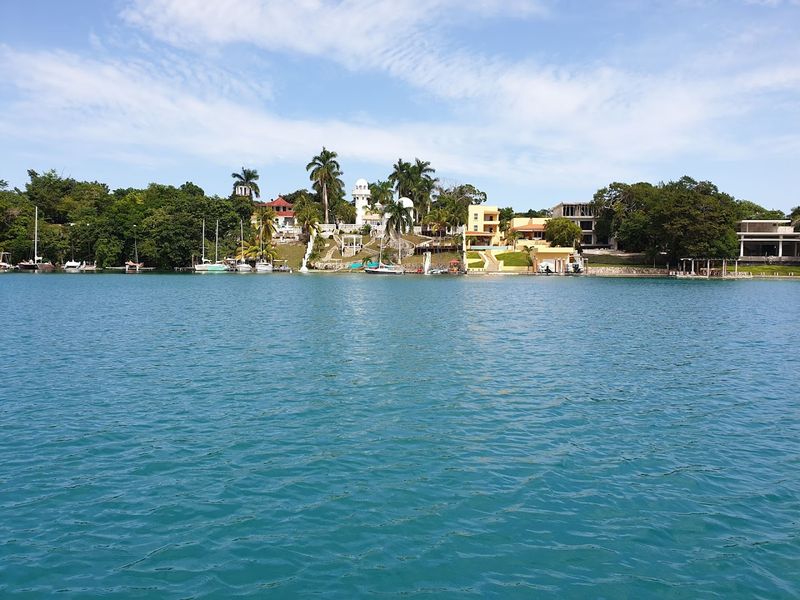
Forget everything you think you know about Quintana Roo, because Bacalar plays by completely different rules. While Cancun is busy stacking tourists like pancakes, Bacalar sits quietly beside a lagoon so beautiful it looks photoshopped.
The Lagoon of Seven Colors earns its name with shifting shades of turquoise, teal, and deep blue.
Kayaking, sailing, and sunrise watching are the main activities here. There are no mega-resorts blocking the view.
The vibe is slow, the town is small, and the water is the whole point.
Bacalar is environmentally fragile, so visit responsibly. Choose eco-conscious tour operators, use only reef-safe sunscreen in the water, and follow local conservation rules.
This is the kind of place worth protecting. Travelers who want Caribbean colors without the resort-strip chaos will feel right at home here.
Copper Canyon, Chihuahua
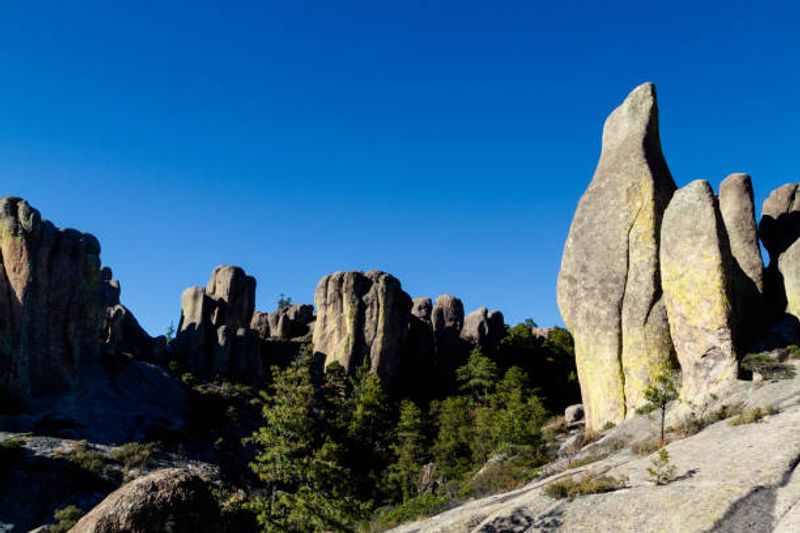
Most people hear “Mexico” and think beaches. Copper Canyon dares to disagree, loudly.
Known in Spanish as Barrancas del Cobre, this canyon system in Chihuahua is bigger than the Grand Canyon and far less crowded. Towering cliffs, deep ravines, waterfalls, and pine forests make this one of northern Mexico’s most dramatic landscapes.
The Chepe Express train ride between Los Mochis and Creel is legendary. It passes through bridges, tunnels, and mountain scenery that will make your jaw drop at regular intervals.
The Rarámuri, also called Tarahumara, have called this region home for centuries, and their culture adds profound depth to the experience.
Copper Canyon is rugged, adventurous, and genuinely epic. It is not for travelers looking for poolside cocktails.
It is for those who want scenery that feels raw, real, and unlike anything else in the country.
Guanajuato City, Guanajuato
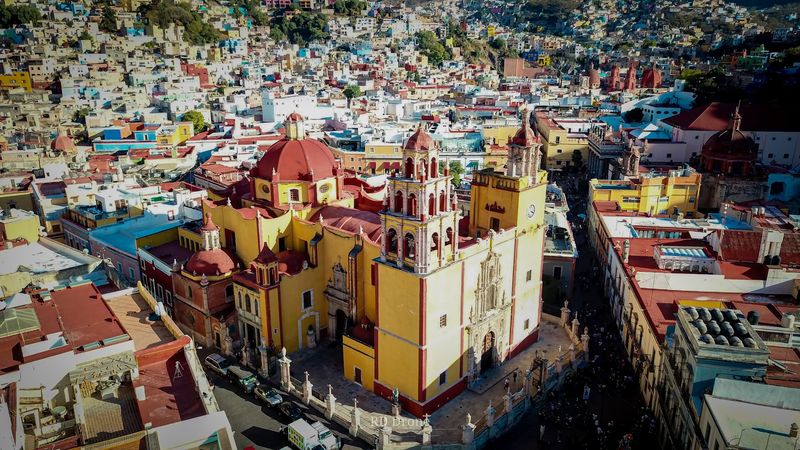
Guanajuato is what happens when a city decides to be a painting. Built into a valley in central Mexico, it is stacked with colorful houses, steep alleys, hidden plazas, and colonial churches that tumble over each other in the most photogenic way possible.
Silver mining made it rich, and that wealth shows in every ornate facade.
The famous Callejon del Beso, or Alley of the Kiss, is so narrow that balconies on opposite sides nearly touch. Student energy keeps the city lively, and the underground street network makes it feel like a city with a secret underground life.
That is literally true, by the way.
Seen from above, Guanajuato looks like a patchwork quilt of color. Explored from street level, it feels intimate and surprising around every corner.
Few cities in Mexico reward slow wandering quite as generously as this one does.
San Cristobal de las Casas, Chiapas
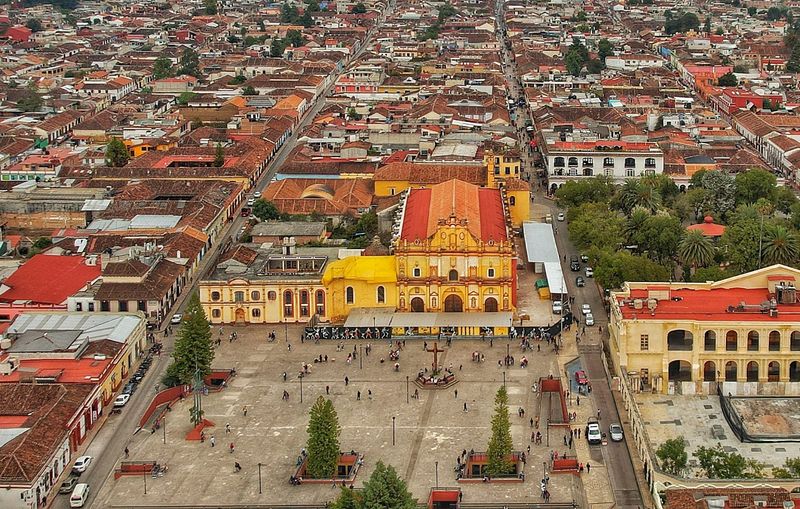
High up in the mountains of Chiapas, San Cristobal de las Casas runs about 10 degrees cooler than the beach towns, which is either a blessing or a reason to pack a jacket. Either way, the atmosphere more than compensates.
Cobblestone streets, colonial architecture, and living Maya heritage from Tzotzil and Tzeltal communities give this city a layered cultural richness that is hard to match.
Wandering the pedestrian streets is a full-time activity here. Markets overflow with handwoven textiles, local coffee is excellent, and the surrounding villages offer day trips into Indigenous traditions that have survived centuries of change.
San Cristobal rewards travelers who slow down. The mountain air is crisp, the architecture is beautiful, and the sense of place feels deeply rooted rather than manufactured for tourists.
It is one of those destinations that quietly gets under your skin and stays there long after you leave.
Canon del Sumidero, Chiapas
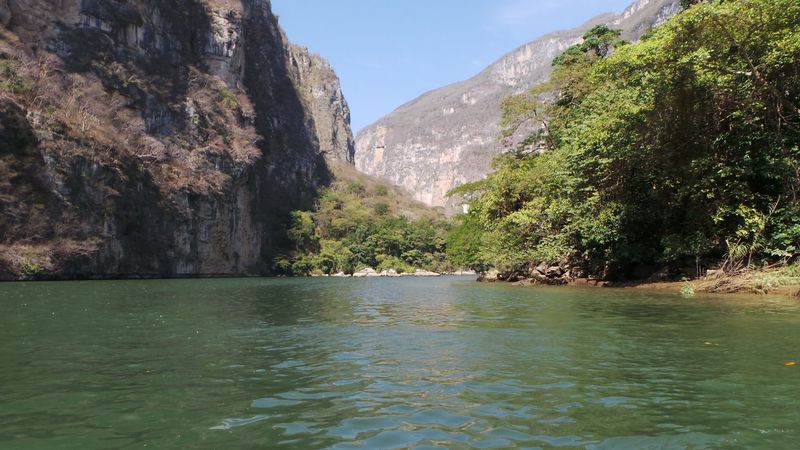
Canon del Sumidero does not ease you in gently. The moment your boat rounds the first bend on the Grijalva River and the canyon walls shoot up hundreds of meters on both sides, the scale hits you all at once.
This is one of Chiapas’ most dramatic natural attractions, and it earns that title without breaking a sweat.
Boat tours run from Chiapa de Corzo and take visitors along the river while crocodiles, herons, and spider monkeys occasionally make appearances along the banks. Viewpoints above the canyon offer a completely different perspective on the same landscape.
Sumidero pairs beautifully with a trip to San Cristobal de las Casas, which is just an hour away. Together, they give travelers mountain culture and wild canyon scenery in a single regional trip.
Southern Mexico is seriously underrated, and this canyon is a big reason why.
Palenque, Chiapas
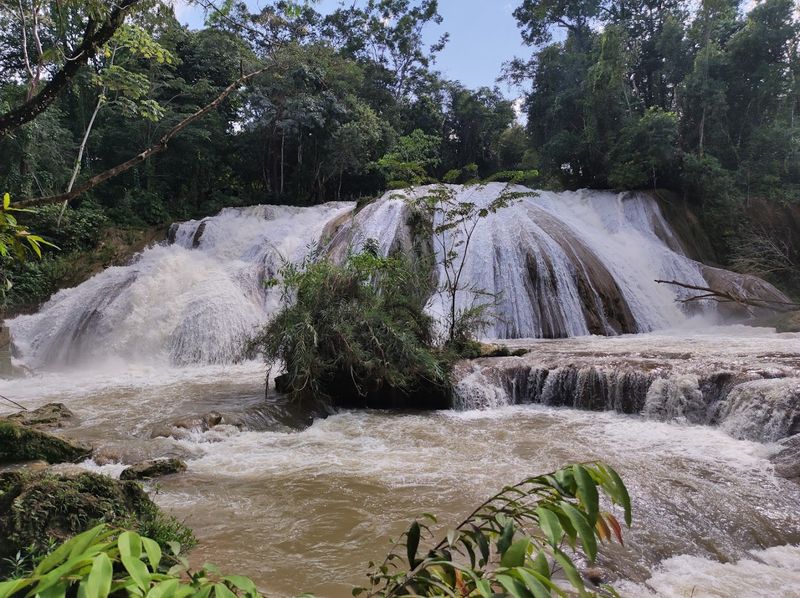
Most archaeological sites sit in open fields under a hot sun. Palenque decided that was boring and instead let the jungle grow right up to its temples.
The result is one of the most atmospheric Maya sites in all of Mexico, where carved stone structures peek through tropical forest like they are still keeping secrets after 1,500 years.
The architecture here is refined and deeply detailed. Inscriptions on the walls helped researchers decode the Maya calendar system.
Walking through the courtyards while birds call from the surrounding trees feels genuinely cinematic, without any need to exaggerate it.
Palenque works well as part of a broader Chiapas trip. The town nearby has accommodation options for most budgets, and early morning visits to the ruins, before the midday heat arrives, are absolutely worth the early alarm.
History and nature rarely share space this beautifully anywhere else in Mexico.
Oaxaca City and Monte Alban, Oaxaca
Oaxaca City has a reputation, and it has fully earned every bit of it. This cultural powerhouse in southern Mexico delivers colonial architecture, world-class food, mezcal bars, artisan markets, and festivals that make the calendar feel like a party schedule.
Mole alone is worth the plane ticket.
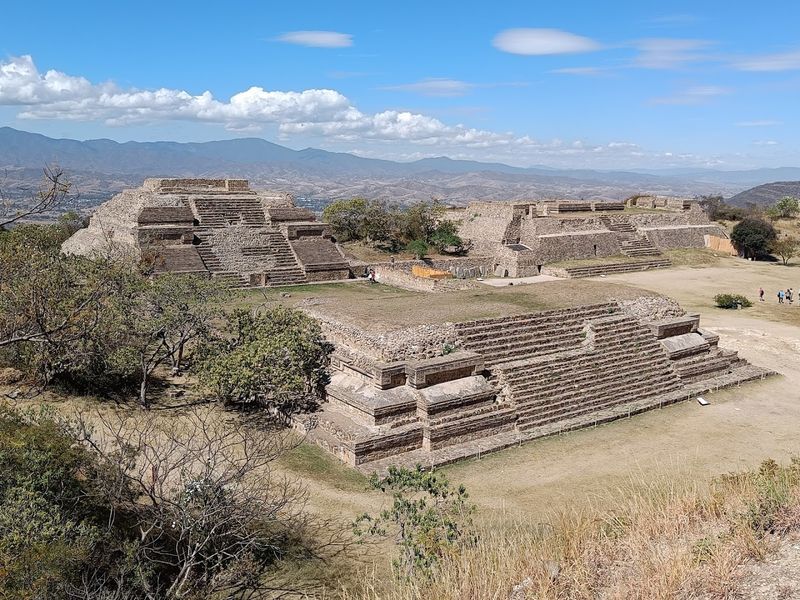
Just outside the city, Monte Alban sits on a flattened mountaintop where the Zapotec civilization built one of ancient Mexico’s great cities. The views over the surrounding valleys are extraordinary.
Wandering the stone platforms and plazas while looking out over Oaxaca’s landscape is a genuinely moving experience.
Together, the city and the ruins cover a lot of cultural ground in one destination. Oaxaca is not a place to rush.
The markets, galleries, mezcal tastings, and local food traditions demand time and attention. Travelers who give it that time consistently say it ranks among the best trips of their lives.
Puebla City, Puebla
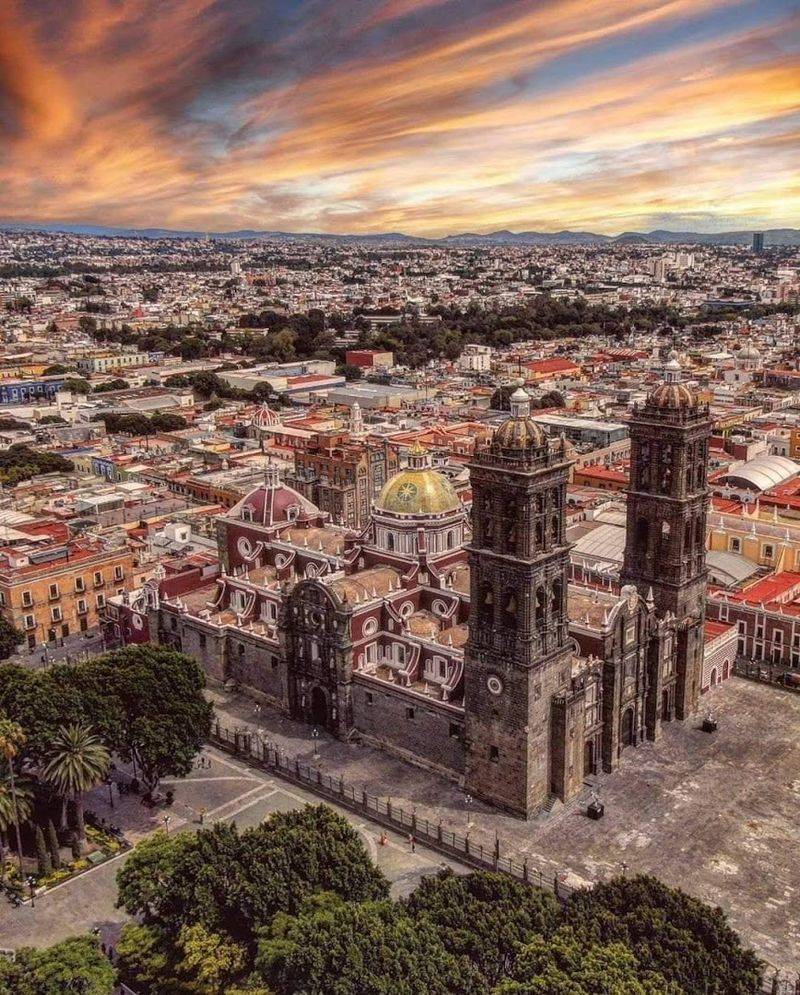
Puebla has a tile problem, and nobody is complaining. The city’s buildings are covered in hand-painted Talavera tiles that give the historic center a polished, colorful character unlike any other Mexican city.
Located southeast of Mexico City, Puebla is elegant, historic, and seriously underestimated by travelers who are always in a rush to get somewhere else.
The food culture here is outstanding. Mole poblano and chiles en nogada were both born in this city, which means eating your way through Puebla is basically a form of cultural education.
The cathedral, convents, and old plazas are beautiful backdrops for all that eating.
Puebla does not chase resort-style tourism, and that is precisely its strength. It feels refined and lived-in at the same time.
Travelers who stop here on the way to or from Mexico City almost always wish they had stayed longer than they planned.
San Miguel de Allende, Guanajuato
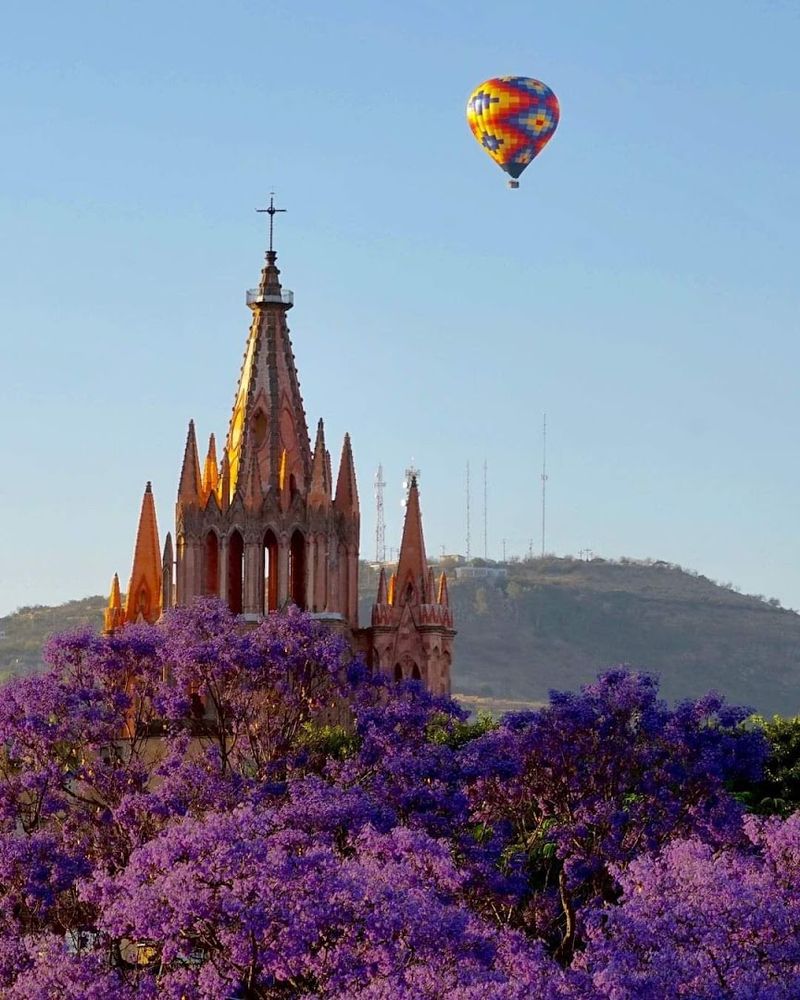
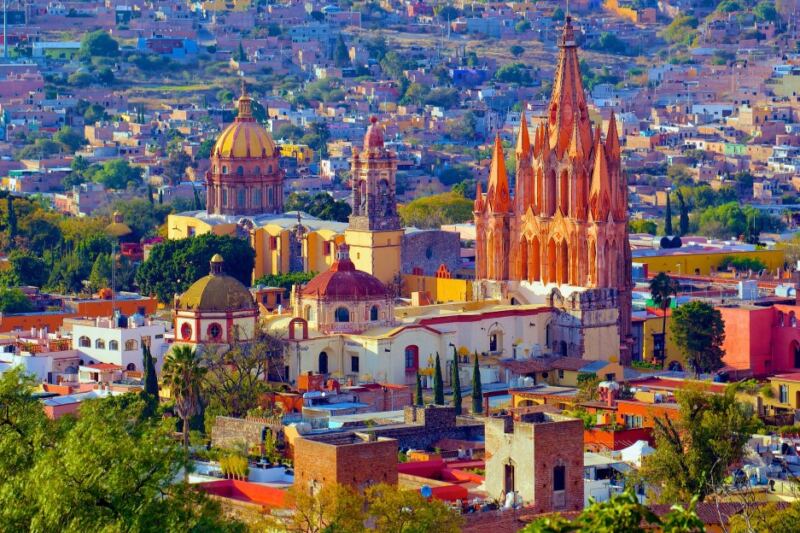
San Miguel de Allende has a golden hour problem: it lasts basically all day. The light in this central highlands city has been drawing artists, photographers, and writers for decades, and one afternoon on a rooftop terrace makes it immediately obvious why.
The pink-toned towers of the Parroquia de San Miguel Arcangel are practically unavoidable in the best possible way.
Cobblestone lanes lead to galleries, boutique restaurants, flower-draped balconies, and plazas where people actually sit and enjoy the view. The art scene is serious, the food is excellent, and the architecture rewards anyone willing to wander without a destination in mind.
San Miguel is popular, but it earns that popularity honestly. It is a place built on culture and craft rather than beach bars and pool parties.
Travelers who appreciate walkable, visually rich cities will find San Miguel de Allende one of Mexico’s most rewarding urban destinations.
Huasteca Potosina, San Luis Potosi
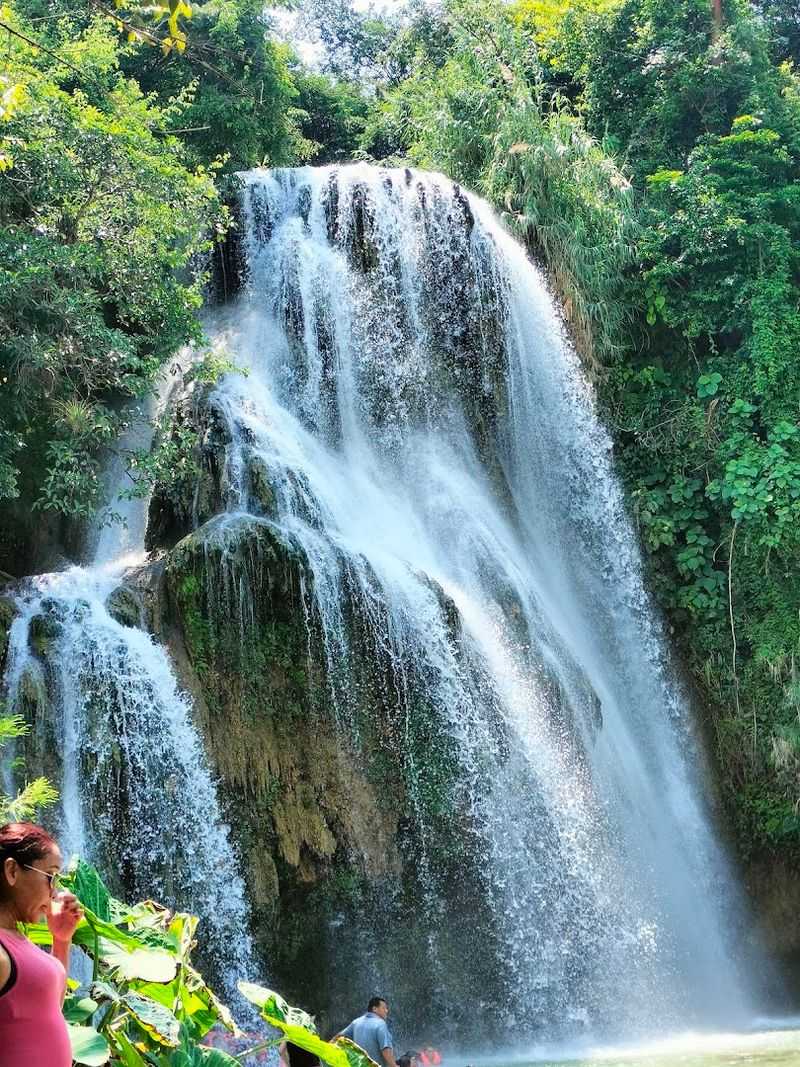
Huasteca Potosina is what happens when nature goes completely overboard with the color blue. Located in San Luis Potosi, this region is loaded with turquoise rivers, jungle waterfalls, limestone caves, and landscapes so vivid they seem digitally enhanced.
Cascada de Tamul, Tamasopo, and Puente de Dios are just a few of the highlights on what is essentially a natural waterpark designed by geology.
Activities here include paddling, swimming, hiking, and waterfall visits with local guides who know the terrain well. Water levels and accessibility can change by season, so checking conditions before planning specific activities is genuinely smart advice, not just filler text.
Compared with Mexico’s famous beach resorts, Huasteca Potosina feels like a hidden world. It is wild, refreshing, and visually astonishing.
Travelers who enjoy nature-based adventures over poolside lounging will find this region one of the most rewarding discoveries in the entire country.
Grutas Tolantongo, Hidalgo
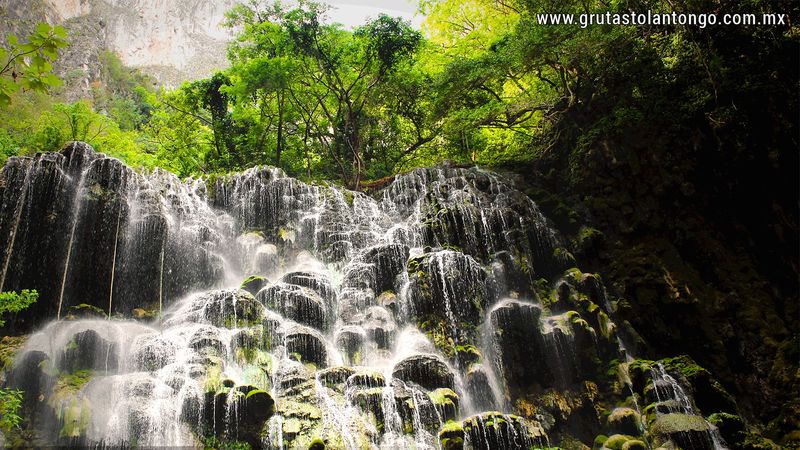
Grutas Tolantongo looks like a spa that was designed by a canyon and operated by a volcano. Set in a dramatic gorge in Hidalgo, this hot spring destination combines warm turquoise thermal water, cave passages, a river, and rugged cliffside scenery into one experience that is genuinely hard to categorize.
It is part nature reserve, part thermal bath, part geological wonder.
The contrast between the rough canyon walls and the silky blue water is striking. Visitors soak in tiered pools, walk through thermal caves, and swim in the river that runs through the site.
It has a rustic quality that feels refreshingly honest compared with polished resort spas.
Tolantongo is very popular with Mexican travelers, especially on weekends and holidays. Going early in the day and avoiding peak holiday periods makes a noticeable difference in the experience.
Check the official site for entry requirements and current conditions before visiting.
Valle de Guadalupe, Baja California
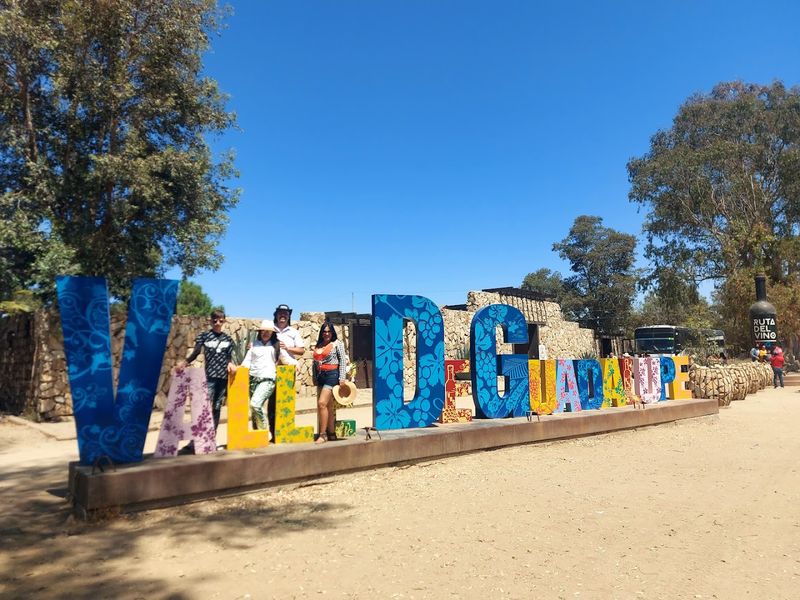
Valle de Guadalupe is proof that Mexico does wine country just as well as it does beach country. Located in Baja California near Ensenada, this valley trades palm trees for grapevines and replaces swim-up bars with long, leisurely lunches at some of the most creative restaurants in the country.
The food-and-wine scene here has earned serious international attention.
The landscape itself is part of the appeal. Dry golden hills, rows of vines, open skies, and a mix of rustic and modern architecture give the valley a look that feels effortlessly stylish.
Sunset over the vineyards, glass in hand, is a perfectly valid travel goal.
Valle de Guadalupe attracts travelers who want a grown-up, slower alternative to the resort circuit. It shows a side of Mexico that is culinary, agricultural, and creatively rooted in the land.
A weekend here feels like a proper reset from whatever you were doing before.
Calakmul, Campeche
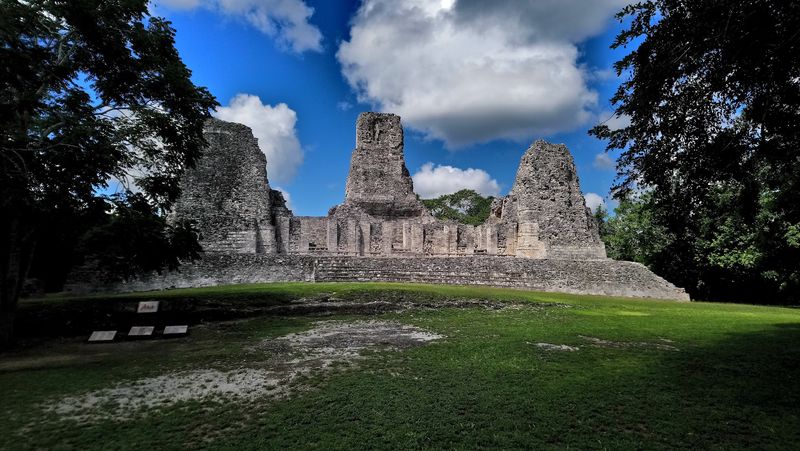
Getting to Calakmul requires effort, and that is exactly why it feels so rewarding. Deep in the tropical forests of Campeche, this ancient Maya city was once one of the most powerful in the entire Maya world, rivaling Tikal in Guatemala for regional dominance.
Today it sits in a UNESCO-recognized biosphere reserve, surrounded by jungle and watched over by wildlife rather than tour buses.
The ruins rise above the forest canopy, and climbing the main pyramid offers views over an unbroken sea of green that stretches to the horizon. Howler monkeys, toucans, and spider monkeys are regular company on the walk between structures.
Calakmul rewards travelers who are willing to go farther than the standard archaeological circuit. The remoteness is part of the experience.
Roads are paved but long, accommodation is limited nearby, and planning ahead matters. The payoff is a Maya site that still feels genuinely undiscovered.
Campeche City, Campeche
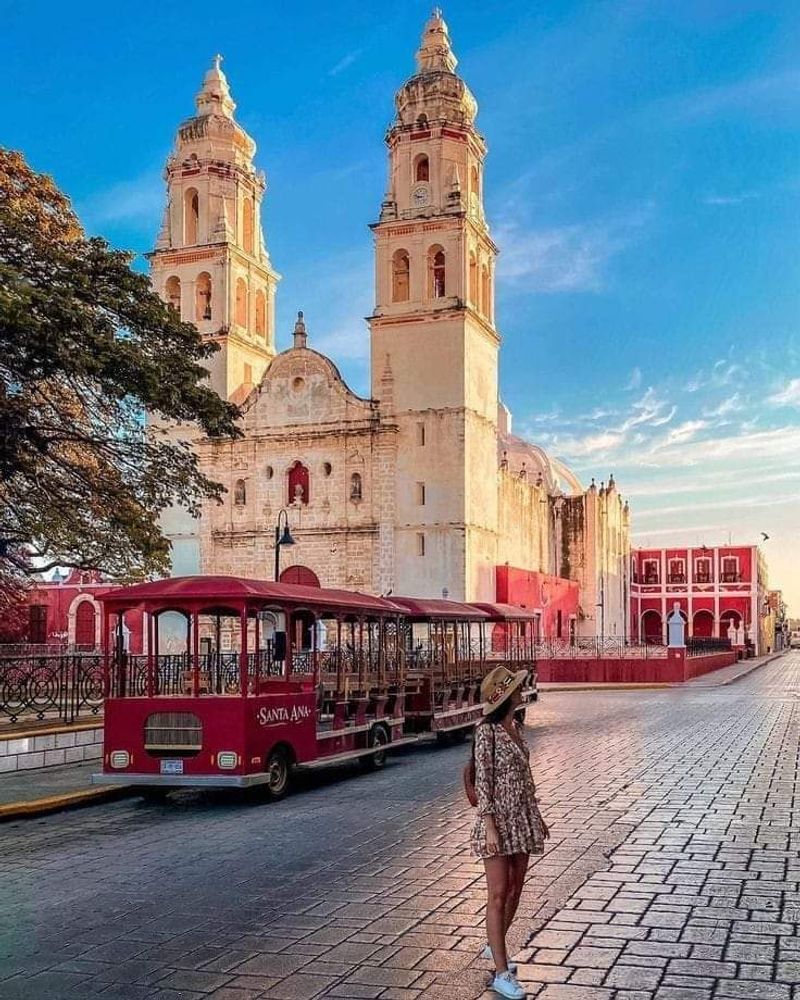
Campeche City is the kind of place that makes you wonder why nobody told you about it sooner. Its historic center is painted in soft pastels, ringed by old defensive walls built to fend off pirate attacks, and filled with plazas and forts that feel genuinely preserved rather than restored for tourist consumption.
Yes, pirates were a real problem here, which automatically makes this city more interesting than most.
The walls and fortifications are a UNESCO World Heritage feature, and walking along them at dusk while the city glows in warm light is one of the Gulf Coast’s best free activities. The pace is calm, the streets are walkable, and the food reflects a regional seafood tradition worth exploring.
Campeche does not get the attention it deserves, which means visitors who do show up often have the plazas and viewpoints largely to themselves. That is a very good deal by any measure.
Sian Ka’an Biosphere Reserve, Quintana Roo
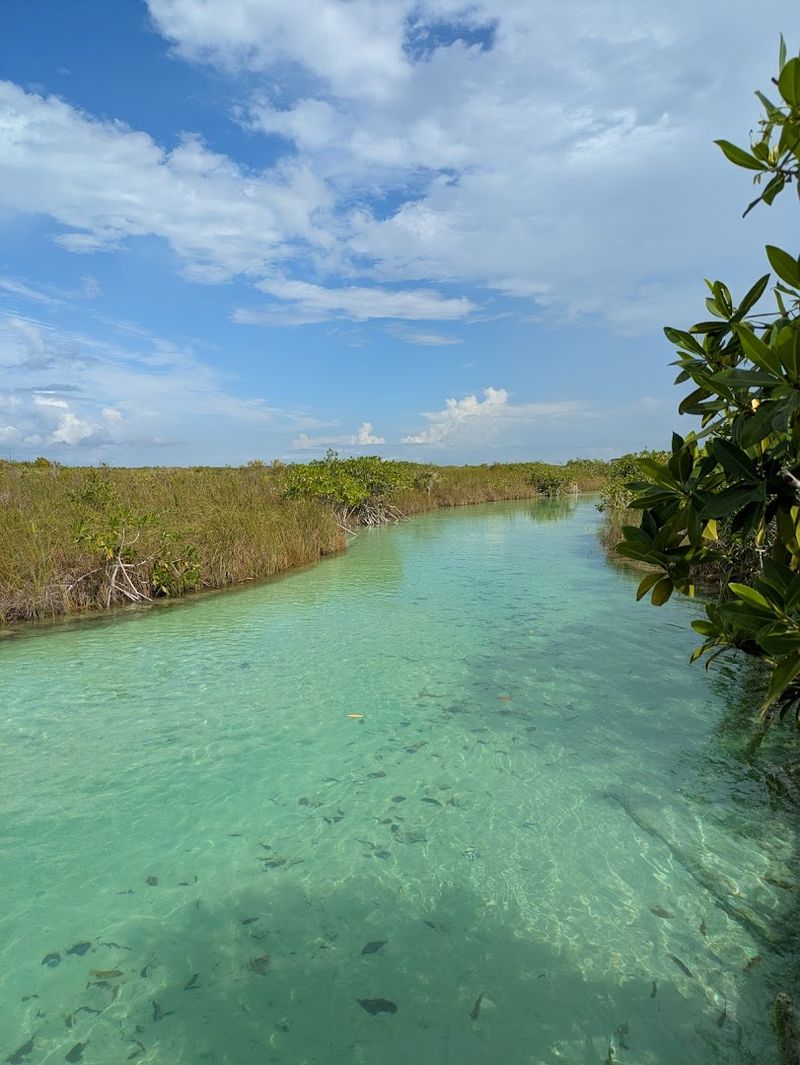
Just a short drive from the Tulum resort zone, Sian Ka’an feels like a different planet. This UNESCO-protected biosphere reserve covers over 500,000 hectares of tropical forest, mangroves, coastal lagoons, wetlands, and a section of the Mesoamerican reef system.
The name is often translated as “Origin of the Sky,” and the open water and wide horizons make that translation feel completely accurate.
Responsible guided tours take visitors through lagoons, mangrove channels, and coastal ecosystems where manatees, crocodiles, sea turtles, and hundreds of bird species live without much human interference. This is not a place for snorkel parties or booze cruises.
Sian Ka’an rewards travelers who approach it with patience and respect. The wildlife is real, the ecosystems are fragile, and the experience of floating through a mangrove channel in near silence is genuinely unlike anything a resort can offer.
Some places belong more to nature than to tourism, and this is one of them.
Share this story