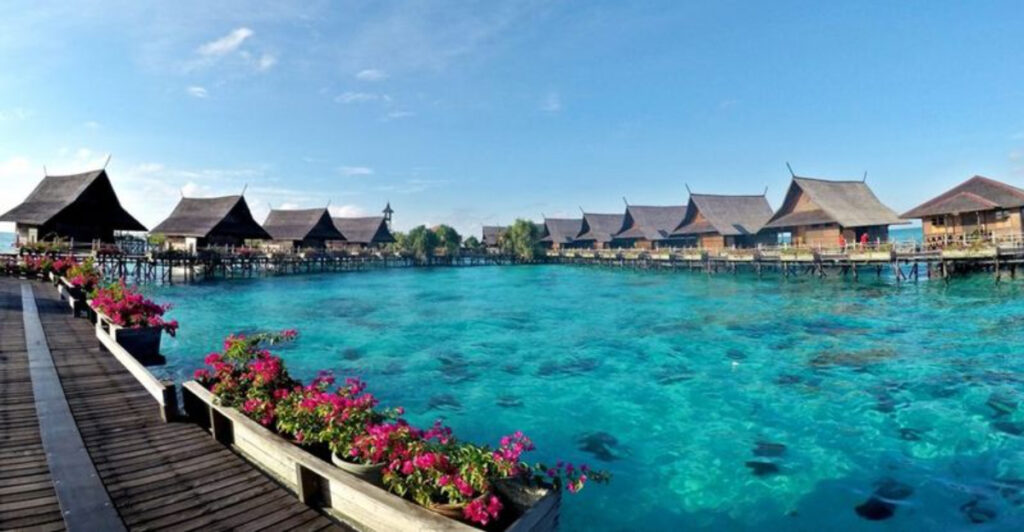
Every traveler has that one friend who visited a place “before it was cool” and never lets anyone forget it. Well, here is your chance to be that friend.
The world is full of stunning destinations that most tourists have not discovered yet, and the window to visit them quietly is closing fast. Pack your bags, because these 15 rising stars are about to blow up, and you want to be ahead of the crowd.
Svaneti, Georgia
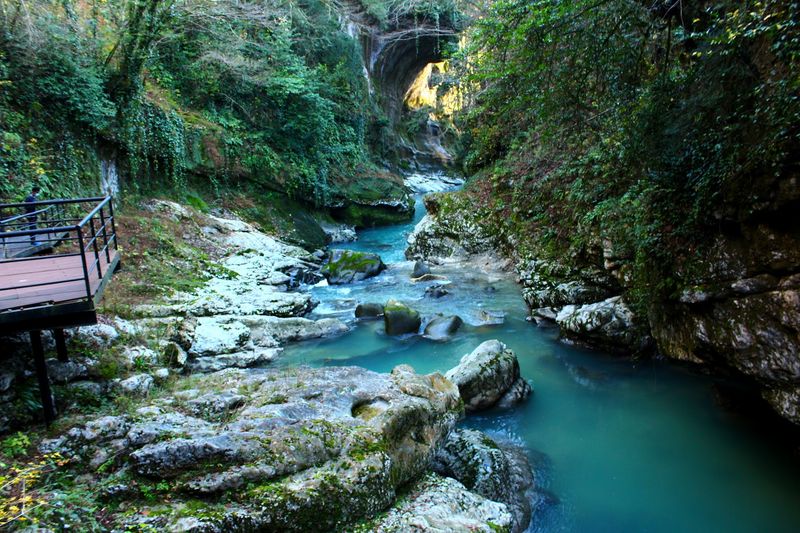
Forget the Alps. Svaneti has medieval stone towers, snow-capped Caucasus peaks, and villages that look like they were frozen in the 12th century, and it costs a fraction of what Switzerland charges for a coffee.
Mestia is your base camp, and Ushguli is the crown jewel of the region. Trails here lead to glaciers, ancient churches, and views that will make your phone storage cry for mercy.
The hiking is serious, but the reward is absolutely worth the sore legs.
Georgian hospitality is legendary, and Svaneti takes it up a notch. Local families often welcome travelers with homemade wine, cheese, and enough food to feed a small village.
It is already on the radar of adventurous travelers, but it still feels refreshingly uncrowded compared to any popular European mountain destination. Go now, before the crowds figure out what they are missing.
Setouchi Islands, Japan
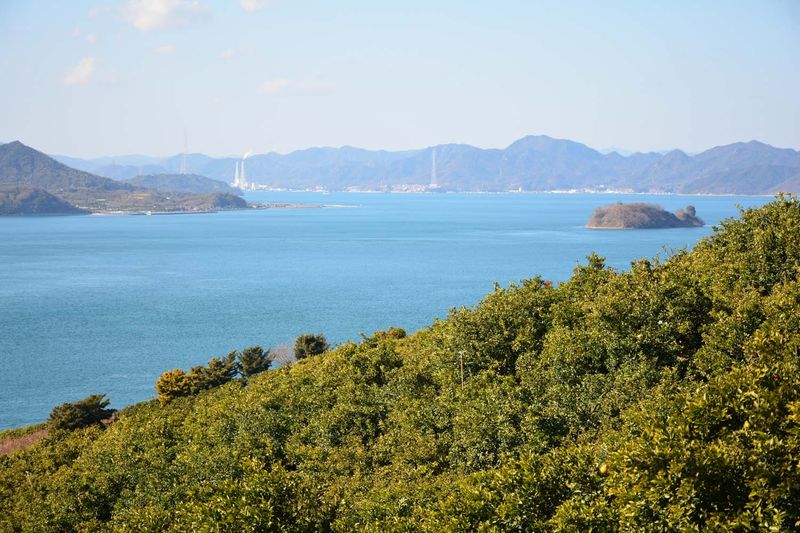
Japan gets millions of visitors every year, but most of them pile into Tokyo, Kyoto, and Osaka, completely ignoring a string of gorgeous islands sitting quietly in the Seto Inland Sea.
The Setouchi region is where art meets ocean. Islands like Naoshima have turned abandoned buildings into world-class contemporary art spaces.
You can cycle between coastal towns, eat incredibly fresh seafood, and actually hear yourself think, which is a rare luxury in Japan these days.
The pace here is wonderfully slow. No neon overload, no temple queues stretching around the block.
Just sea breezes, local food, and art that genuinely surprises you around every corner. As Japan continues growing in global popularity, smart travelers are already heading to quieter island regions like Setouchi for a more personal, less chaotic experience.
Get there before the guidebooks catch up.
AlUla, Saudi Arabia
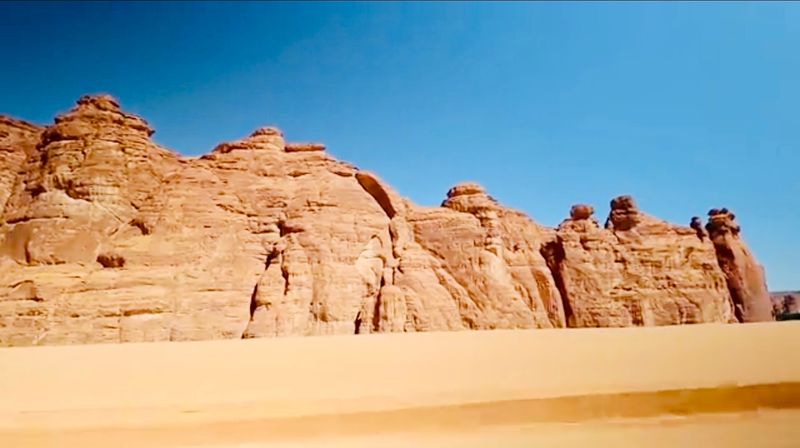
Saudi Arabia is not the first place most travelers think of for a holiday, but AlUla is quietly rewriting that story one sandstone tomb at a time.
Hegra, Saudi Arabia’s first UNESCO World Heritage Site, sits here like a less-crowded cousin of Petra. Monumental tombs are carved straight into rust-colored rock faces, surrounded by sweeping desert scenery that feels almost too cinematic to be real.
The old town architecture adds another layer of history that history lovers will absolutely obsess over.
Tourism infrastructure in AlUla is developing fast. New accommodations, heritage tours, and adventure activities are popping up regularly, making the destination more accessible without losing its raw character.
For travelers fascinated by archaeology, ancient civilizations, and dramatic desert landscapes, AlUla is shaping up to be one of the most compelling bucket-list additions of this decade. The secret is already leaking out.
Dominica
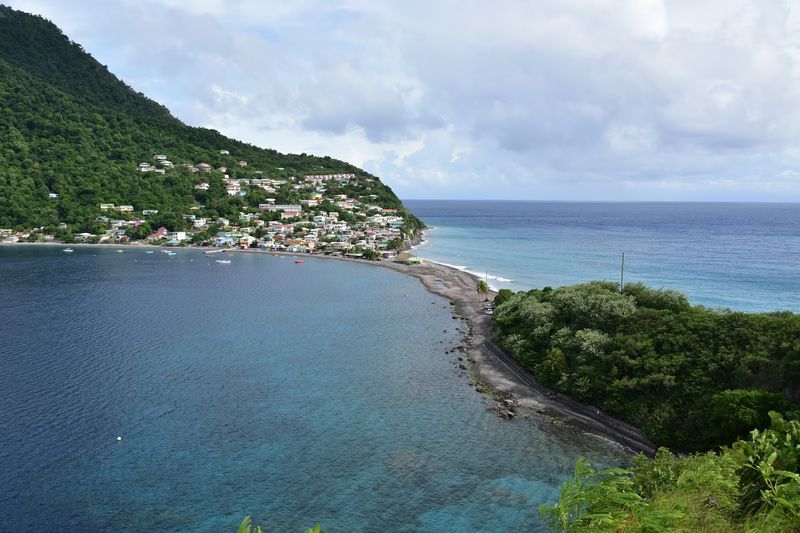
Most people hear “Caribbean” and think white sand beaches, swim-up bars, and resort wristbands. Dominica heard that and said, “Not here.”
Known as the Nature Island, Dominica is all rainforest, hot springs, volcanic peaks, and waterfalls that require actual hiking boots to reach. Whale watching here is some of the best in the entire Caribbean, and the diving is spectacular.
It attracts travelers who want an adventure, not just a sunburn.
The island has been quietly improving its tourism infrastructure since Hurricane Maria in 2017, and the recovery has been remarkable. Eco-lodges, trail networks, and community tourism projects have made it easier to explore without sacrificing authenticity.
Dominica does not shout for attention the way its glitzier Caribbean neighbors do, and that is exactly what makes it so special. Travelers who find it tend to feel like they have discovered something genuinely rare.
Palau
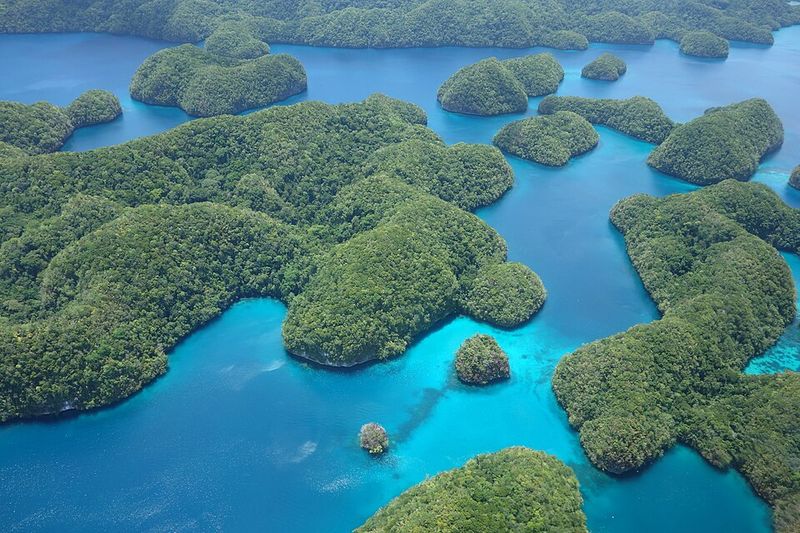
Getting to Palau is not exactly a quick hop, but that inconvenience is the whole reason it still looks the way it does.
This tiny Pacific island nation protects its marine environment with serious commitment. Visitors actually sign a pledge in their passport promising to respect the ecosystem.
The coral reefs are stunning, the visibility underwater is ridiculous, and spotting manta rays or reef sharks feels completely normal here. Snorkelers and divers consistently rank Palau among the best in the world.
Beyond the water, the island landscapes are green, dramatic, and largely untouched. Kayaking through the Rock Islands is one of those experiences that stays with you for years.
Palau’s combination of natural beauty and genuine conservation values makes it feel like a destination with real integrity. For travelers who want a trip that means something beyond Instagram content, Palau delivers in ways few places can match.
Musandam, Oman
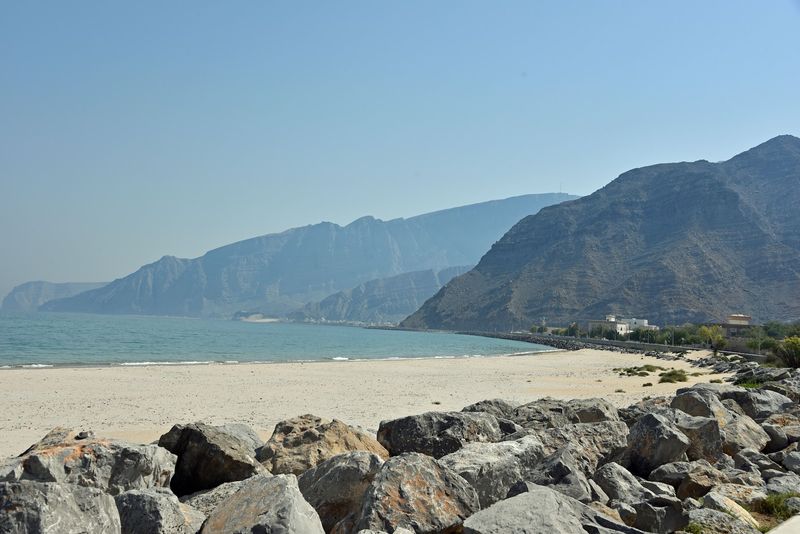
They call Musandam the Norway of Arabia, and once you see those dramatic rocky inlets dropping straight into impossibly blue water, you will understand why immediately.
Located on Oman’s northern tip, Musandam is technically an exclave separated from the rest of the country by the UAE. That geographic quirk keeps it wonderfully off the main tourist trail.
Dhow cruises through the fjords are the highlight, but the diving, mountain villages, and quiet coastal scenery are equally worth your time.
Dubai is just a few hours away, but Musandam feels like a completely different planet. No skyscrapers, no shopping malls, no rooftop brunches.
Just rugged cliffs, calm water, and the occasional dolphin showing off alongside your boat. For travelers already visiting the UAE who want something genuinely wild and different, Musandam is the perfect detour that most people completely overlook.
Their loss, your gain.
Nuquí, Colombia
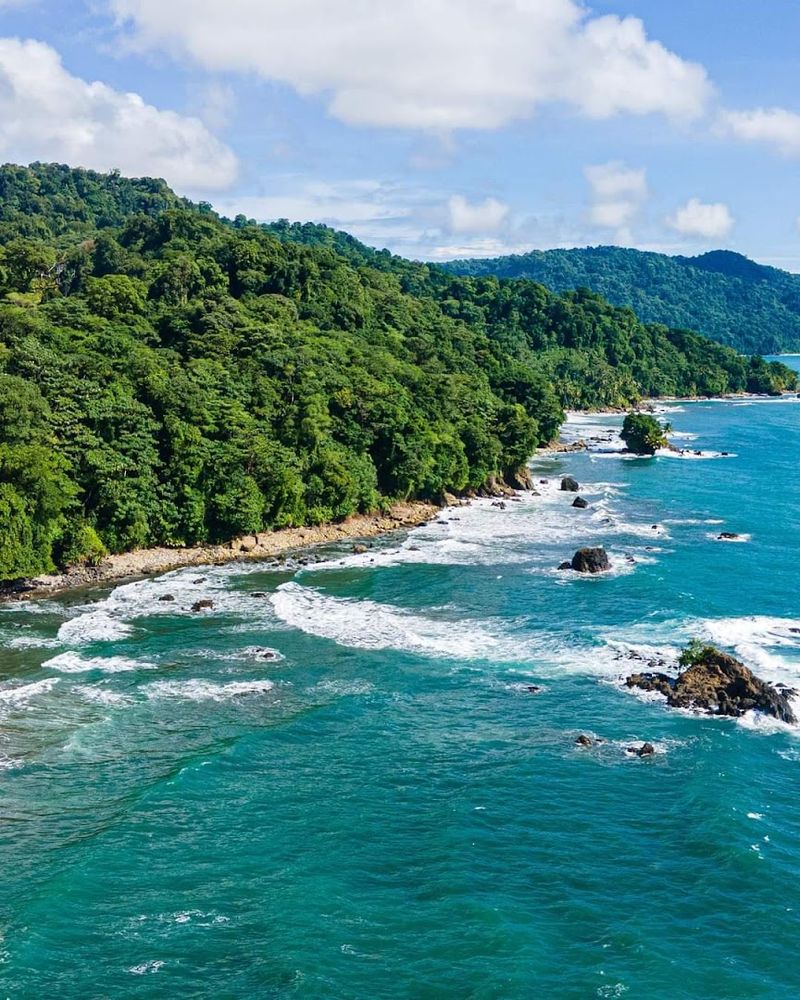
Colombia has been having a serious travel glow-up over the past decade, but most visitors still stick to Cartagena, Medellín, or the coffee region. Nuquí is for the ones who want to go further.
Sitting on Colombia’s wild Pacific coast, Nuquí is where thick rainforest runs straight into the ocean. Black sand beaches, jungle waterfalls, natural hot springs, and some of the best humpback whale watching in South America are all within reach.
The Afro-Colombian culture here adds a richness that coastal resort towns simply cannot offer.
Getting there requires a short flight or a long boat ride, which is honestly part of its charm. The effort filters out casual visitors and keeps the experience feeling raw and real.
As Colombia’s tourism scene keeps expanding, the Pacific coast is drawing more attention from travelers who have already done the classic circuit. Nuquí is the kind of place that rewards the curious traveler generously.
Albanian Riviera
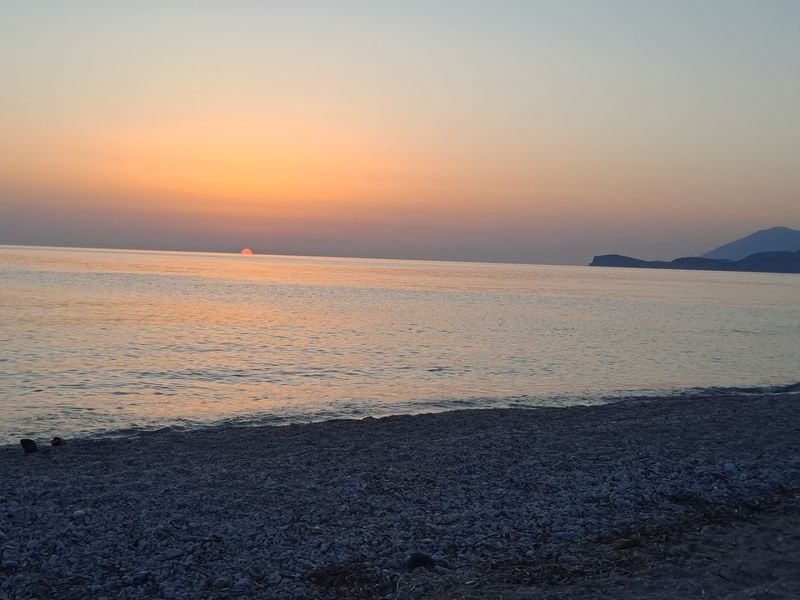
Albania spent decades largely closed off from the world, which means its Riviera coastline somehow escaped the overdevelopment that hit Greece, Croatia, and Italy years ago.
Towns like Dhërmi, Himarë, and Gjipe offer turquoise water, mountain-backed beaches, and seafood so fresh it practically introduces itself. Prices are refreshingly low compared to neighboring Mediterranean destinations, and the locals are genuinely welcoming to visitors.
The coastal drive itself is one of Europe’s most underrated road trips.
Parts of the Albanian Riviera are developing quickly, and the more popular spots are already seeing growth during summer. Travelers who go now will catch it at that sweet spot between raw and accessible.
The historic sites nearby, including the ancient city of Butrint, add cultural depth beyond beach days. Albania is the Mediterranean bargain that seasoned European travelers have been quietly passing around like a secret recipe for years.
Luštica Peninsula, Montenegro
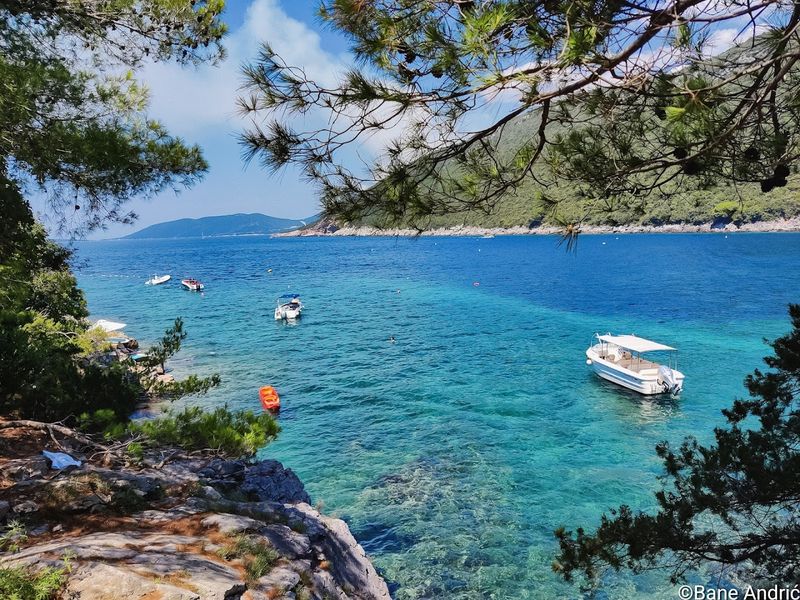
Everyone talks about Kotor Bay, but smart travelers are quietly slipping over to the Luštica Peninsula, where the pace drops and the views stay just as jaw-dropping.
Luštica has beaches tucked between olive groves, old stone villages that barely appear on maps, and access to the legendary Blue Cave, which glows with an electric blue light that no filter can improve. Boat trips, coastal walks, and lazy lunches at waterfront restaurants fill the days here without any effort at all.
The peninsula is developing, but it has not yet hit the tipping point where crowds ruin the magic. Staying in a smaller village here rather than a busy coastal town gives Montenegro a completely different character.
For travelers who love the Adriatic but find Dubrovnik or Hvar too hectic in summer, Luštica is the answer. It is the kind of place you find and then feel slightly guilty telling people about.
Sabah, Malaysian Borneo
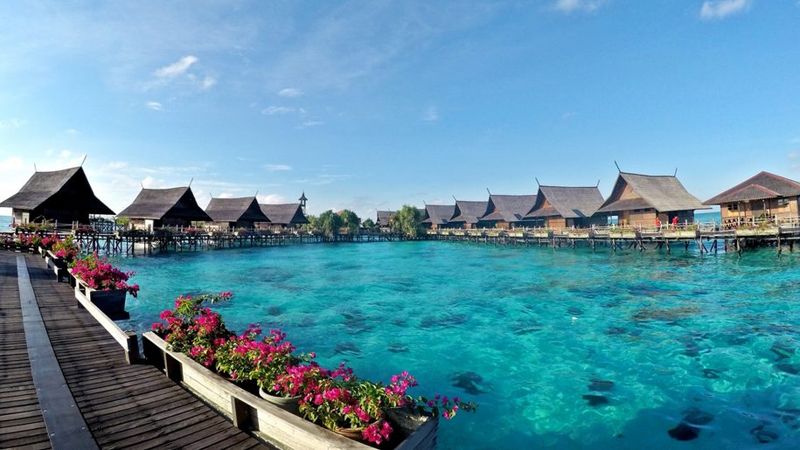
Borneo sounds like the kind of place explorers disappear into and never return from, and honestly, once you visit Sabah, you might not want to return either.
Sabah packs an almost unfair amount of wildlife into one destination. Orangutans, proboscis monkeys, pygmy elephants, and sea turtles all live here.
Mount Kinabalu offers one of Southeast Asia’s most rewarding climbs, and the diving around the Sipadan area is considered among the top spots on the planet. River safaris feel straight out of a nature documentary.
While Bali handles the Instagram crowds, Sabah quietly delivers the kind of raw, biodiversity-rich experience that eco-minded travelers dream about. Tourism infrastructure has improved significantly, making it easier to plan a trip without needing a full expedition team.
Kota Kinabalu is a relaxed, likable base city with good food and easy connections. Sabah is the real Borneo experience, and it is closer to accessible than most people realize.
Uzbekistan’s Silk Road Cities
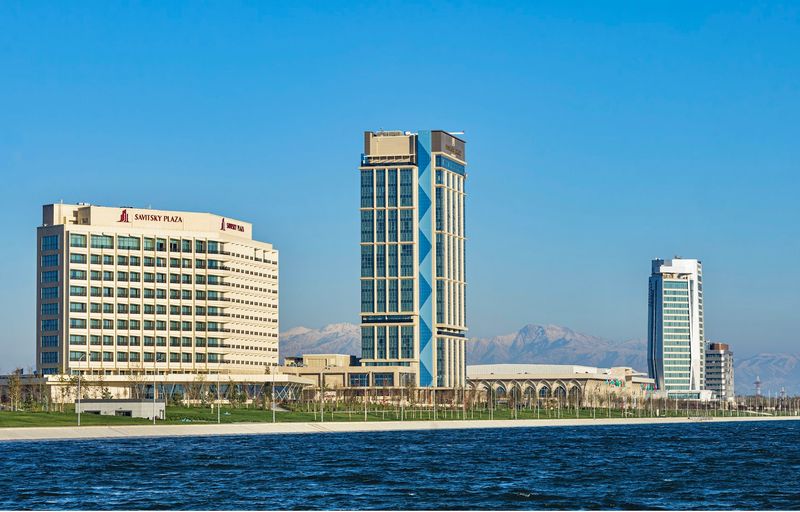
Samarkand sounds like a place from a fairy tale, and then you actually stand in front of the Registan and realize fairy tales borrowed from it.
Uzbekistan’s Silk Road cities, including Samarkand, Bukhara, and Khiva, are stacked with blue-tiled domes, ornate madrasas, ancient bazaars, and mausoleums that belong in a history textbook. The scale of the architecture is genuinely staggering, and the fact that these places are still far less visited than European heritage cities feels almost criminal.
Central Asia has been opening up to tourism steadily, with better visa access and improved facilities making the region more approachable. Uzbek food alone, think plov, samsa, and fresh flatbreads from clay ovens, is worth the flight.
For travelers who love culture, architecture, and feeling like they have genuinely discovered somewhere new, Uzbekistan delivers that feeling on an epic scale. The next big cultural travel wave is already forming here.
The Azores, Portugal
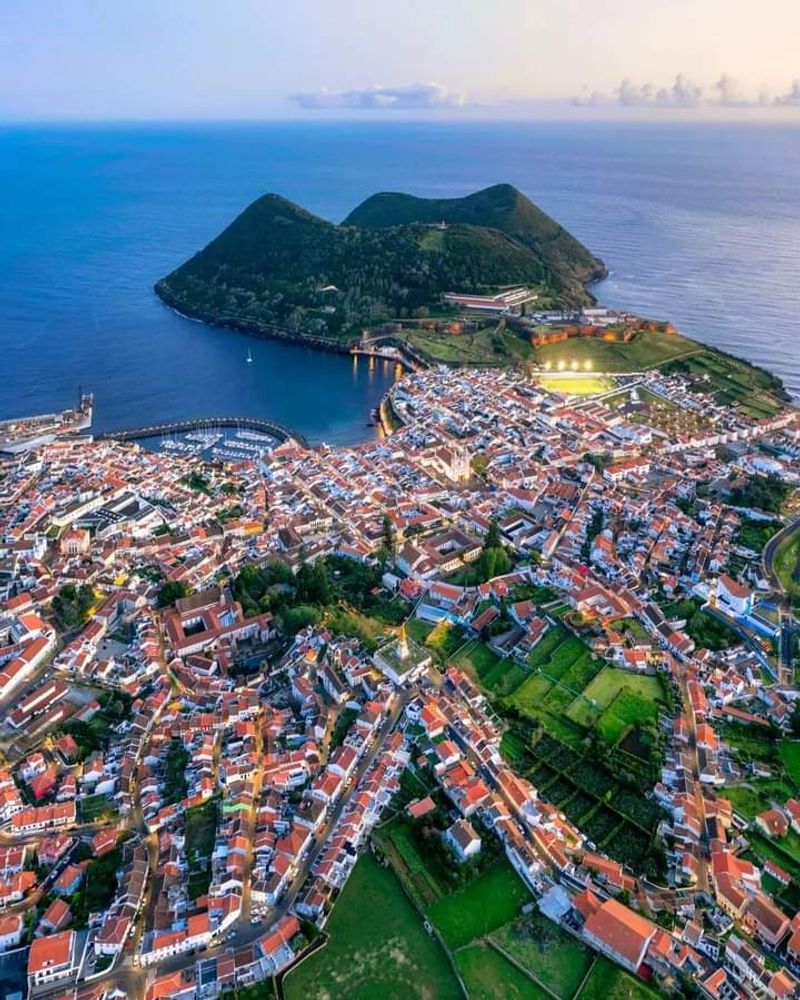
The Azores are what happens when a volcano decides to become a tourist destination and absolutely nails the brief.
These nine Portuguese islands sit in the middle of the Atlantic, and they look nothing like the beach resorts most people associate with Portugal. Twin volcanic lakes shimmer in shades of blue and green inside old craters.
Coastal cliffs drop dramatically into the ocean. Whale watching here is world-class, and the hot springs are the natural spa treatment your body did not know it needed.
The Azores work beautifully for travelers who want outdoor adventure without the tropical heat or resort crowds. São Miguel is the most visited island and a great starting point, but the other islands offer even more solitude.
Flights from Europe and North America are more affordable than you might expect. As nature-focused travel keeps growing, the Azores are rising fast, and for very good reason.
Faroe Islands
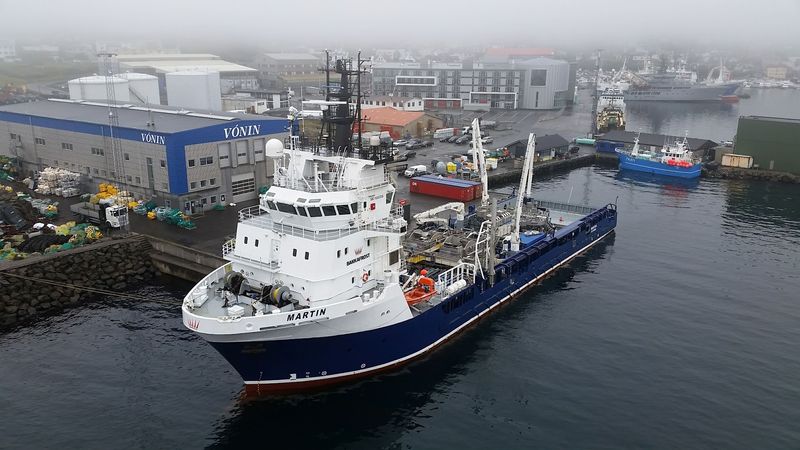
The Faroe Islands look like someone took a fantasy novel’s setting and made it real, complete with grass-roofed houses, dramatic sea cliffs, and waterfalls that fall directly into the ocean.
Located between Iceland and Norway, this tiny North Atlantic archipelago is becoming more visible on travel radar, but it still feels gloriously quiet compared to Iceland’s busy tourist trail. The landscapes are moody, cinematic, and endlessly photogenic without even trying.
Hikers, photographers, and anyone who loves wild scenery will feel immediately at home.
The Faroes have fewer than 55,000 residents, and the islands have actually introduced a voluntary stewardship program where visitors help maintain hiking trails in exchange for access. That kind of thoughtful tourism approach is rare and genuinely refreshing.
Weather is unpredictable, which just adds to the adventure. For travelers craving something dramatically different from a standard European holiday, the Faroe Islands deliver a completely unique experience.
Kotor Bay, Montenegro
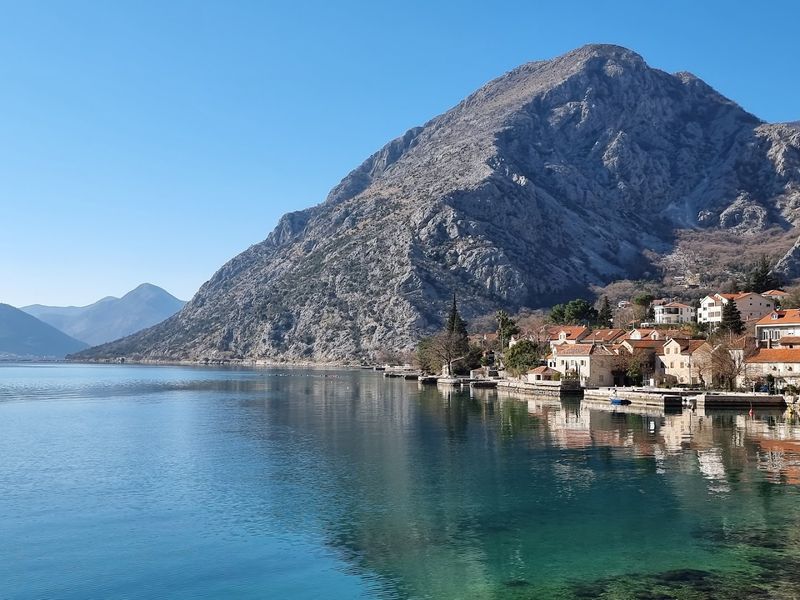
Kotor Bay is one of those places that stops you mid-sentence when you first see it. Mountains this steep have no business sitting this close to the sea, and yet here we are.
The medieval walled town of Kotor itself gets busy when cruise ships dock, but the bay holds plenty of quieter corners. Perast, a tiny baroque town with two island churches floating just offshore, is one of the most photogenic spots in all of the Balkans.
A boat taxi from Perast to the islands costs almost nothing and feels like a scene from a film.
Montenegro as a whole is growing fast as a travel destination, and Kotor Bay is leading that charge. Accommodation ranges from budget guesthouses to boutique hotels with incredible views.
Come in May or September to dodge the peak summer crowds while still enjoying warm weather. The bay has layers of history, beauty, and charm that reward every type of traveler who makes the trip.
Greenland
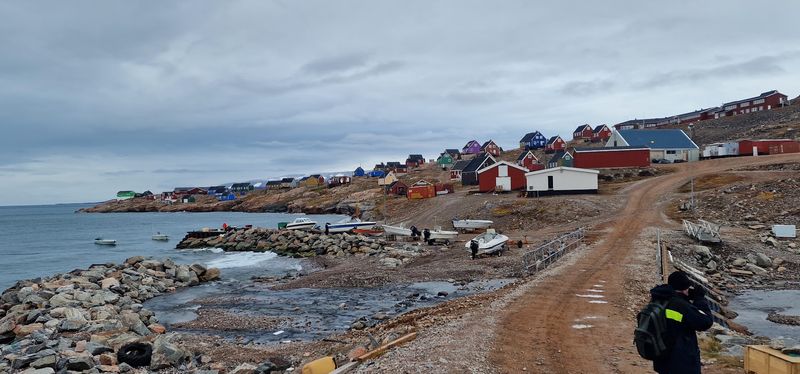
Greenland is technically the world’s largest island, but it feels more like another planet once you are standing next to a skyscraper-sized iceberg in complete silence.
Tourism here is growing, but slowly, which is exactly what makes it feel so extraordinary. Travelers come for icebergs, fjords, Inuit communities, Arctic wildlife, and hiking routes through landscapes that look untouched by time.
The midnight sun in summer and the northern lights in winter give Greenland a year-round appeal that very few destinations can match.
Planning a Greenland trip takes more effort than booking a city break. Flights connect through Copenhagen or Reykjavik, internal transport is limited, and costs are higher than average.
But every traveler who has been there will tell you the effort is fully justified. As the appetite for frontier-style nature travel keeps growing globally, Greenland is quietly becoming one of the most talked-about destinations on the planet.
Book early and go before everyone else does.
Share this story