Philadelphia is not short on parks, but few offer the variety found in this 275-acre green space in the city’s northeast corner. With wooded trails, open meadows, community gardens, and abundant wildlife, it provides an outdoor escape that feels surprisingly removed from the surrounding urban landscape.
The park’s history adds another layer of interest. Built on the former grounds of a historic hospital and named for Founding Father Benjamin Rush, it combines natural beauty with a unique connection to Philadelphia’s past.
Whether you’re hiking, birdwatching, gardening, or simply looking for a quiet place to spend an afternoon, it’s one of the city’s most unexpectedly rewarding outdoor destinations.
Philadelphia’s Only State Park Right in the City
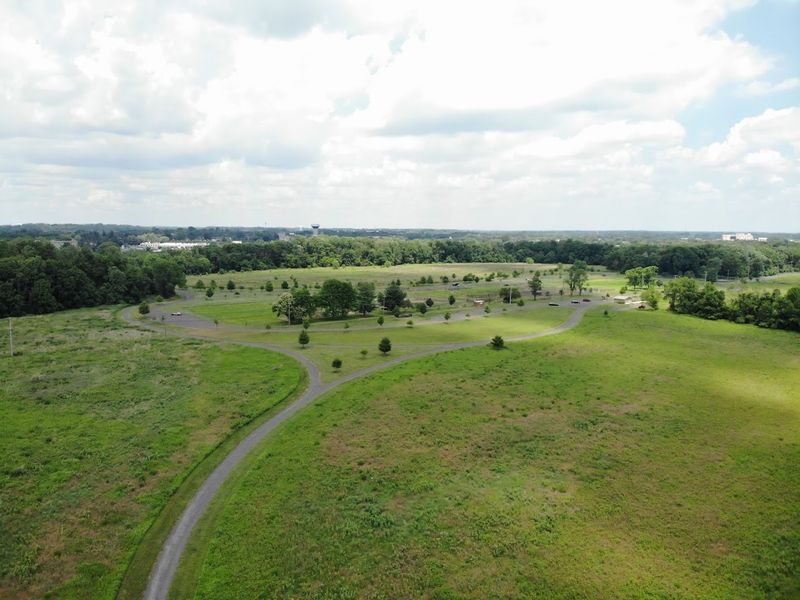
Most cities of Philadelphia’s size do not have a state park within their own borders, but Northeast Philly breaks that rule in a big way. Benjamin Rush State Park, located at 15001 Roosevelt Blvd, Philadelphia, PA 19154, is the only state park that sits entirely within Philadelphia city limits.
The park covers 275 acres and sits right off Route 1, also known as Roosevelt Boulevard, making it surprisingly easy to reach by car or even by bus. Its location near the city’s edge means it borders natural areas like Poquessing Creek to the north, giving it a genuinely wild feel despite the busy roads nearby.
Managed by the Pennsylvania Department of Conservation and Natural Resources, the park is open daily from 8:00 AM to sunset. There is no admission fee, and multiple parking lots are scattered throughout the grounds so you never have to walk far before the trail begins calling your name.
The Founding Father Behind the Park’s Name
Not every park gets named after a signer of the Declaration of Independence, but this one does. Dr. Benjamin Rush was a Philadelphia-born physician, educator, and Founding Father whose contributions to American medicine and public health were remarkable for his era.
Rush advocated for the humane treatment of people with mental illness at a time when such ideas were considered radical. His connection to the park’s location runs deeper than just the name, because the land itself was once part of the Philadelphia State Hospital, a psychiatric facility where his influence on compassionate care left a lasting mark on the institution’s philosophy.
The park was officially established in 1975, decades after the hospital era, but the choice to honor Rush here feels fitting. His legacy as a reformer, scientist, and patriot gives this green space a layer of history that most parks simply do not carry, and that backstory makes a walk through the meadows feel just a little more meaningful.
A Former Hospital Grounds Transformed Into Green Space
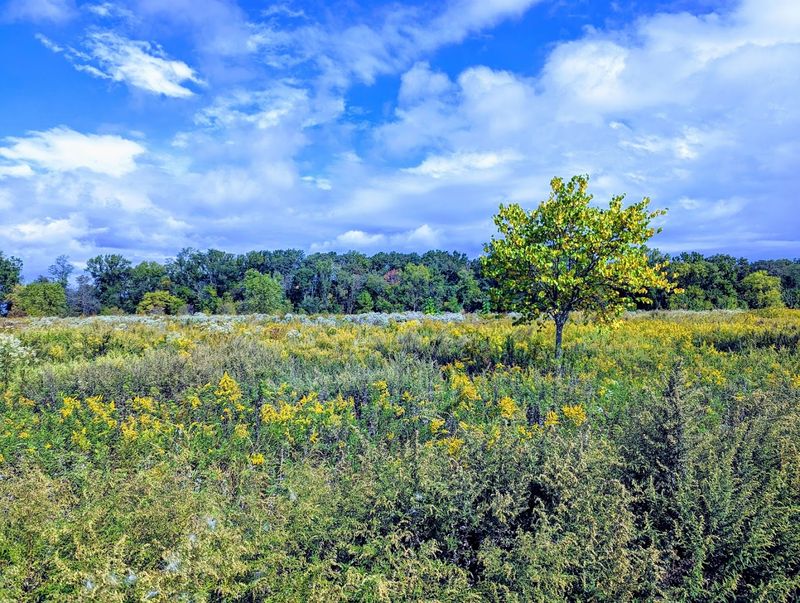
There is something quietly remarkable about walking through a peaceful meadow knowing that the land beneath your feet once served a completely different purpose. The grounds of Benjamin Rush State Park were previously home to the Philadelphia State Hospital, a large psychiatric facility that operated for much of the 20th century.
After the hospital closed, the state chose to repurpose the land rather than let it sit idle or hand it over to developers. The result is a 275-acre park that has been steadily improved over the decades, including a major $4.7 million capital improvement project completed in 2013 that upgraded trails, parking areas, and visitor facilities throughout the grounds.
Today, almost no physical trace of the hospital remains visible to the average visitor. What you find instead are wide meadows, wooded paths, and community gathering spaces that feel entirely natural.
The transformation from institutional grounds to public green space stands as one of the more thoughtful land-use decisions in Philadelphia’s recent history.
Miles of Flat, Accessible Trails for Every Skill Level
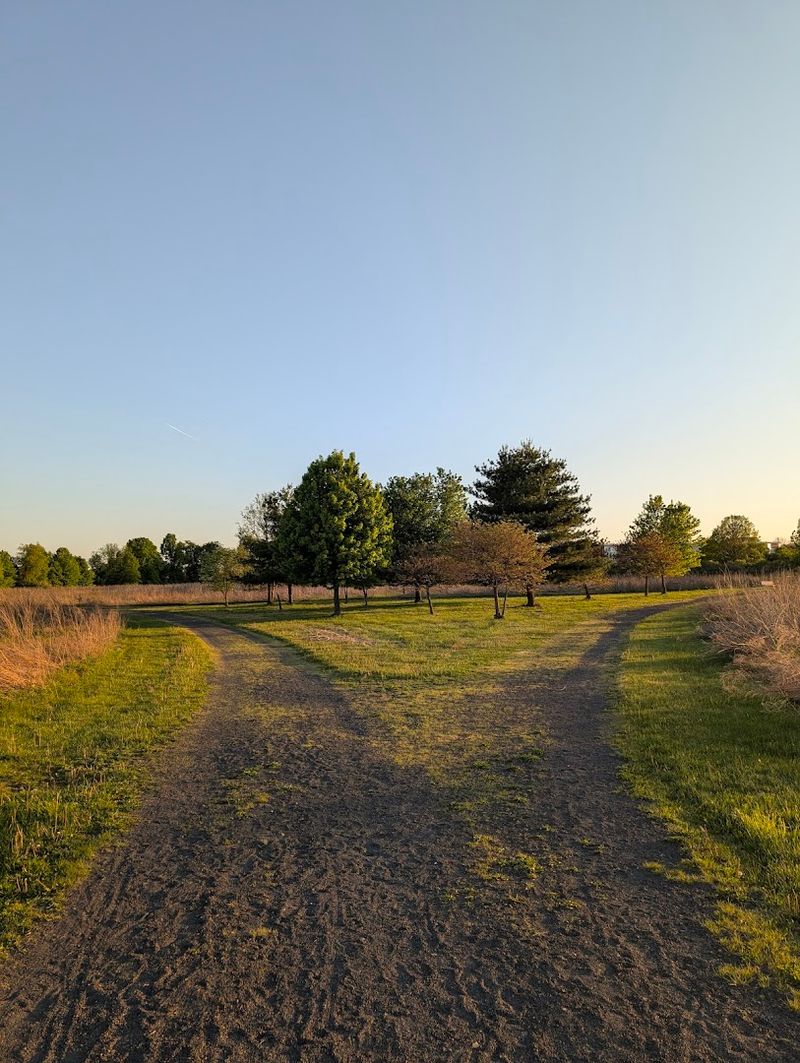
The trail system here is one of the park’s most popular features, and it earns that reputation honestly. Roughly 3 to 3.5 miles of multi-use crushed gravel paths wind through the park’s open meadows and shaded woodland areas, forming several interconnected loops that give you options no matter how long you want to walk.
The terrain is mostly flat, which makes these trails genuinely accessible for a wide range of visitors, including families with strollers, older adults, casual joggers, and cyclists who want a relaxed ride without steep climbs. Interpretive kiosks with maps and informational signage are placed along the trails, so you always know where you are and what you are looking at.
The trails also connect to the broader Fairmount Park System and nearby neighborhoods, making the park a natural link in Philadelphia’s larger network of outdoor spaces. And if you wander just slightly off the main path, you might find yourself standing next to Poquessing Creek, where the sound of moving water makes the whole experience feel even more refreshing.
One of Philadelphia’s Largest Community Gardens
Eleven acres of garden plots might not sound dramatic on paper, but when you actually walk past row after row of carefully tended vegetables, flowers, and herbs, the scale of this community garden hits you all at once. This is widely considered one of the largest community gardens in Philadelphia, and some sources suggest it ranks among the largest urban community gardens in the world.
Managed by the Benjamin Rush Garden Association in partnership with the Pennsylvania Department of Conservation and Natural Resources, the garden offers individual plots available for rent at a modest annual fee. Each plot comes with access to free water on-site, and a caretaker helps keep the overall space organized and functional.
Beehives are part of the garden ecosystem too, which adds a buzzing layer of biodiversity to the whole operation. The restroom facilities at the park are conveniently located near the garden area, making longer visits comfortable.
It is the kind of place where strangers become neighbors one growing season at a time.
Birdwatching and Wildlife That Will Catch You Off Guard
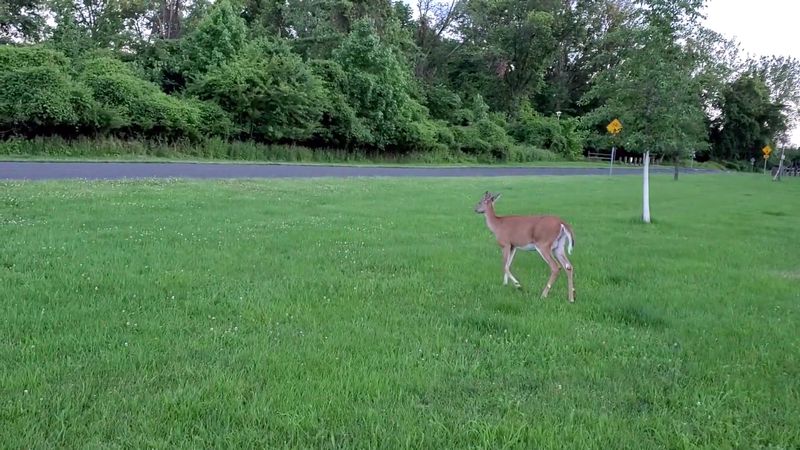
You do not have to travel far outside the city to encounter real wildlife, and Benjamin Rush State Park proves that point on almost every visit. Deer are a common sight throughout the park, often spotted near the tree lines bordering the meadows, especially in the early morning or late afternoon hours.
The variety of bird species that pass through or nest in the park makes it a genuinely rewarding spot for birdwatchers. Butterflies are abundant during warmer months, and visitors have also reported seeing foxes, rabbits, frogs, and even the occasional snake along the trail edges.
The mix of open meadow and wooded habitat creates ideal conditions for a surprisingly diverse range of wildlife to thrive within city limits. Permit-only archery deer hunting is conducted here during hunting season, which reflects just how healthy the deer population has become.
The park’s natural corridors along Poquessing Creek add another dimension to the wildlife activity, drawing species that need water sources close by.
The RC Airplane Field That Turns Heads Every Time
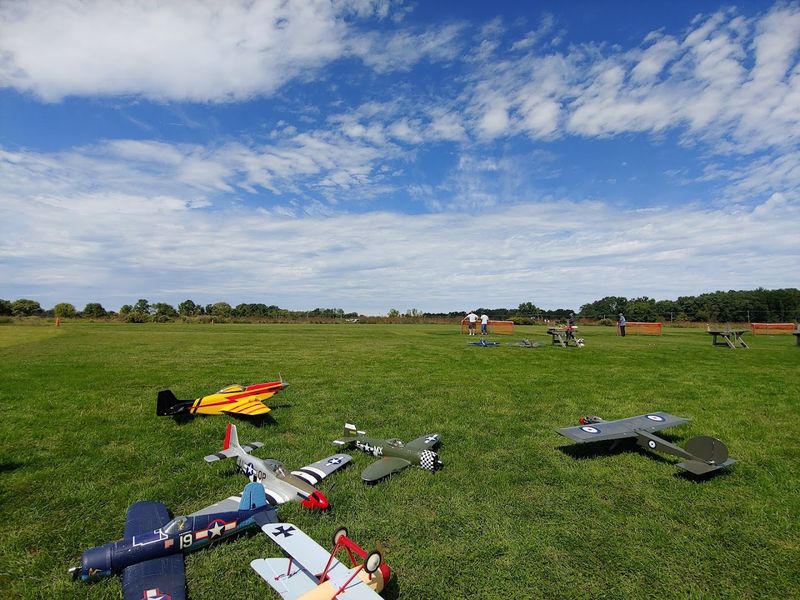
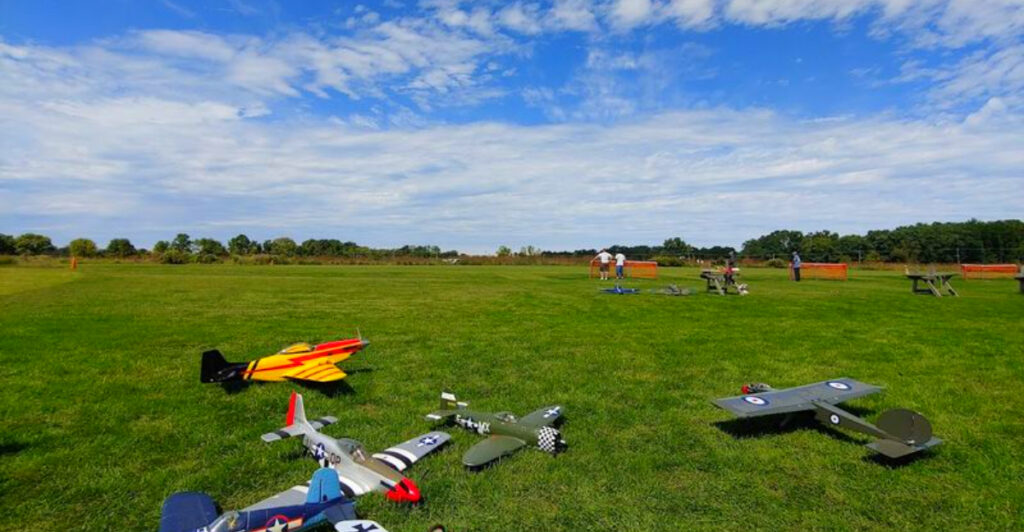
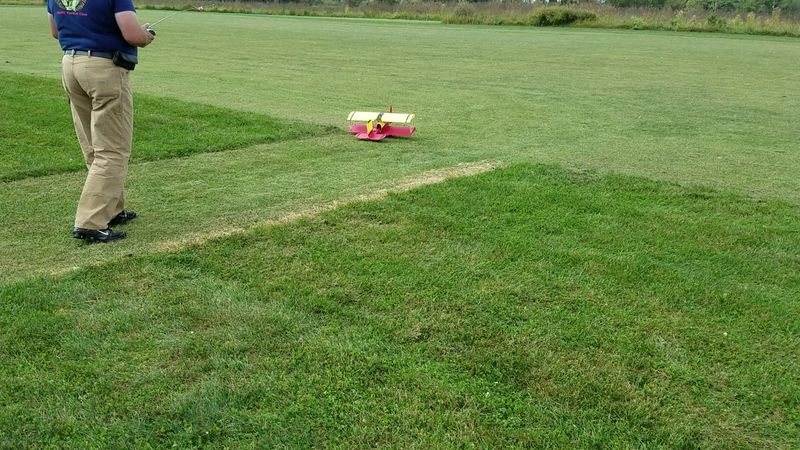
Few things in a city park will make you stop mid-stride quite like watching a precisely piloted model airplane barrel-roll at low altitude just a few dozen feet away. The RC airplane field at this park features a dedicated 400-foot runway and is home to a community of enthusiasts who take their hobby very seriously.
To fly a model aircraft here, pilots must hold an AMA (Academy of Model Aeronautics) license and follow FAA regulations, which keeps the activity organized and safe. For spectators, though, no license is required, and watching the range of aircraft, from small foam gliders to detailed scale replicas, is genuinely entertaining for all ages.
The field sits toward the back of the park, giving it a sense of its own separate world within the larger green space. Kids especially tend to be mesmerized watching the planes arc and loop overhead.
It is one of those unexpected features that makes first-time visitors say they had no idea this was here, and that reaction never seems to get old.
A Park Built for Families Without Being Designed Just for Kids
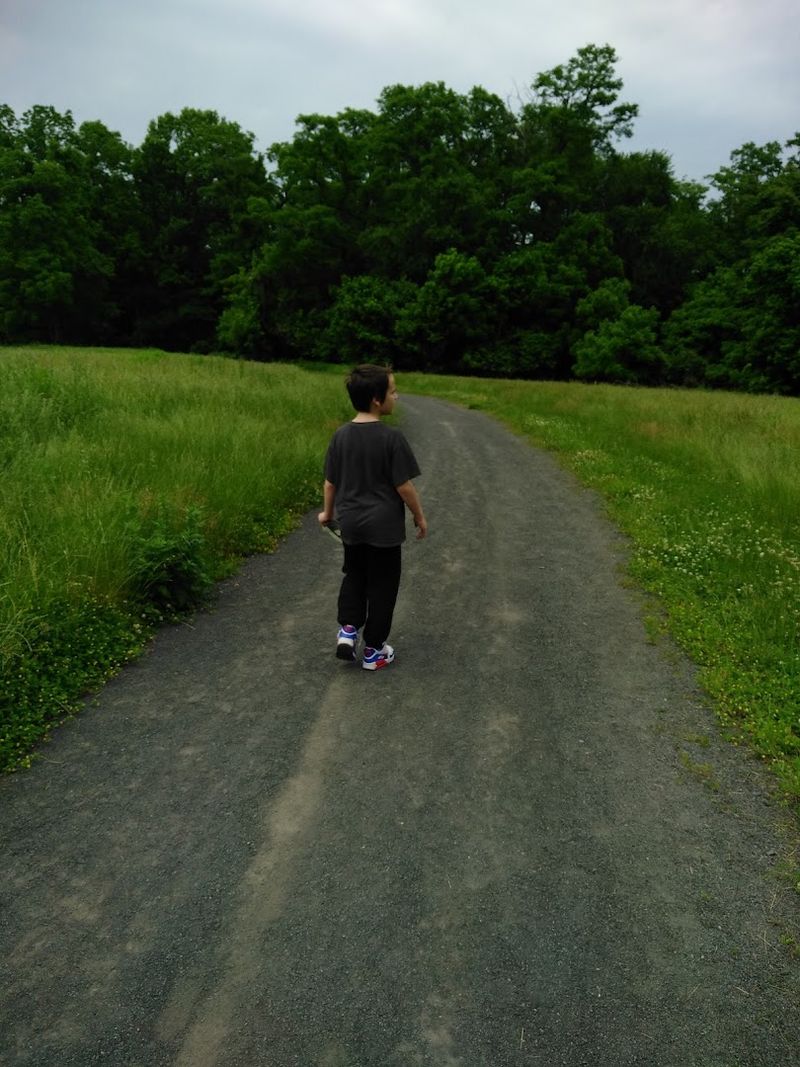
There is a specific kind of outdoor space that works well for every member of a family without feeling like it was designed exclusively for any one age group, and this park fits that description well. The flat, accessible trails are easy enough for young children to manage without complaints, while still covering enough ground to give adults a real sense of movement and fresh air.
Picnic areas are scattered throughout the park, and the open meadow sections give kids plenty of room to run freely while parents keep a relaxed eye on them. The interpretive signage along the trails turns a simple walk into a low-key learning experience, with information about local plants, wildlife, and the park’s history posted at key points.
One honest note for parents: there is no traditional playground equipment here, so if your kids expect swings and slides, you will want to set expectations beforehand. What the park does offer instead is the kind of unstructured outdoor time that tends to produce the most memorable family afternoons.
What the Carry-In, Carry-Out Policy Tells You About This Place
A park’s trash policy might seem like a minor administrative detail, but it actually says a lot about the values baked into how a place is managed. Benjamin Rush State Park operates on a strict carry-in, carry-out policy, meaning there are no trash cans or recycling bins on-site, and visitors are expected to take their waste home with them.
This approach keeps maintenance costs manageable for a state-operated urban park, but it also encourages a mindset of personal responsibility that tends to result in cleaner trails and meadows overall. Visitors who come prepared with a small bag for their own trash tend to leave the park in better condition than those who rely on public bins.
The restrooms near the community garden area are an exception, offering plumbing facilities that many urban parks of this size do not provide. Knowing the carry-out rule before you arrive makes the visit go much more smoothly, and packing a reusable bag is a small habit that keeps this green space genuinely green.
Practical Tips for Getting the Most Out of Your Visit
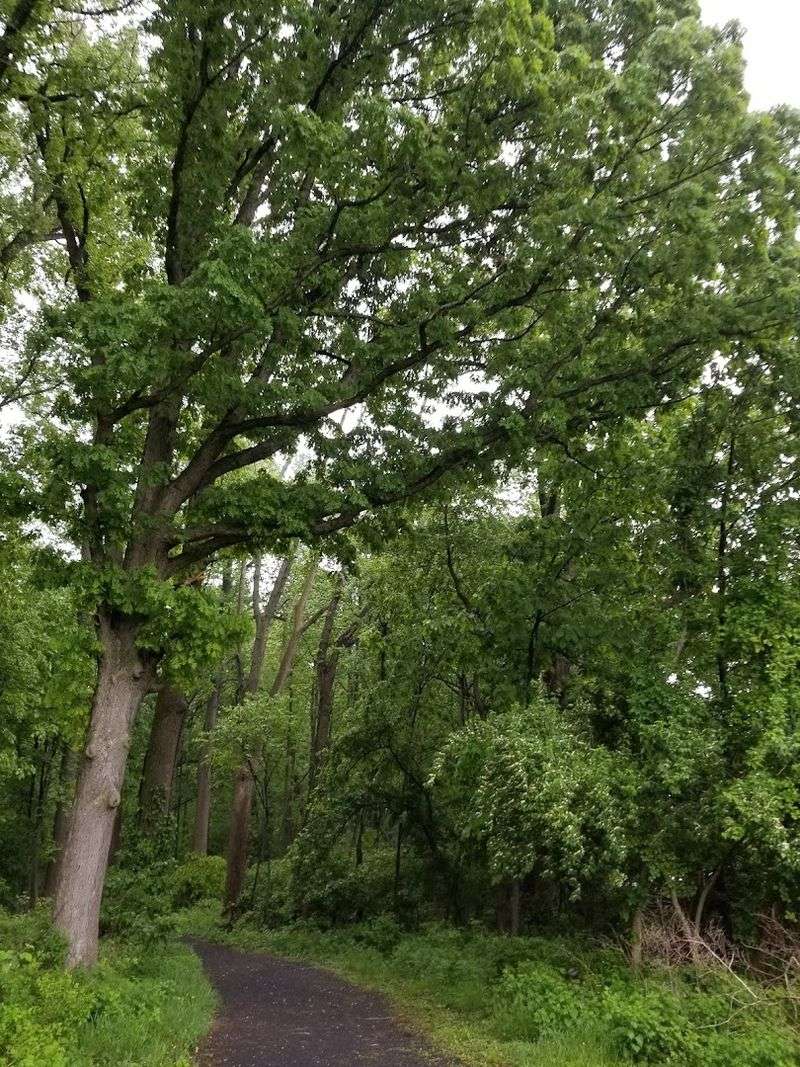
A few small pieces of preparation can turn a good park visit into a great one here. The park has more than a dozen small parking lots spread throughout the grounds, so finding a spot is rarely a problem, though the entrance off Roosevelt Boulevard can be slightly tricky to spot for first-timers, so a quick look at the map before you leave home is worthwhile.
A SEPTA bus stop near the park entrance means you do not need a car to get here, which is a real advantage for city residents without vehicles. The park is open every day from 8:00 AM to sunset, so early morning visits during summer are especially pleasant before the heat of the day sets in.
Bringing water is a good idea since there are no food vendors on the grounds, and comfortable walking shoes are all the gear you need for the flat crushed gravel trails. The phone number for the park is +1 215-639-4538 if you need to confirm seasonal hours or ask about garden plot availability before making the trip.
Why This Park Earns Its Place on Any Philadelphia Outdoor List
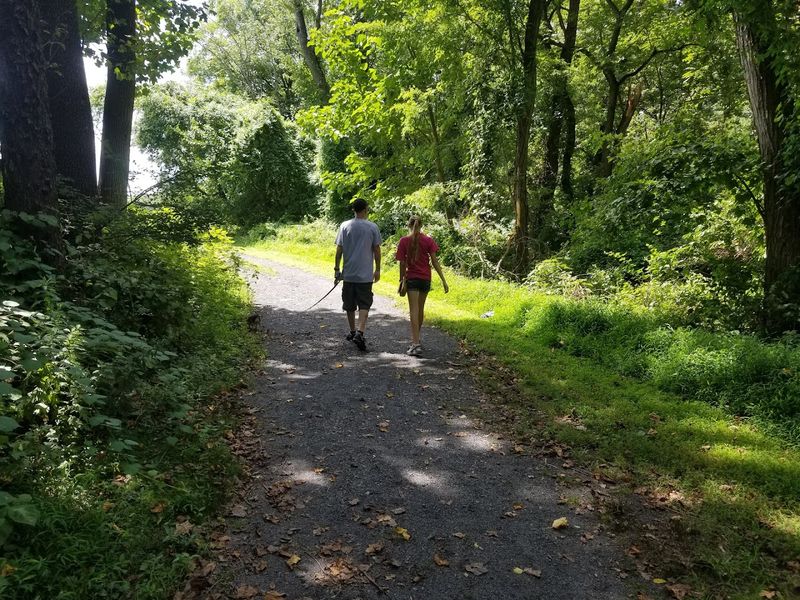
A 4.4-star rating across nearly a thousand reviews is not something a park earns by accident. Benjamin Rush State Park consistently draws people back because it delivers a genuinely varied outdoor experience without requiring a drive out of the city, a paid entrance, or specialized equipment of any kind.
The combination of open meadows, accessible trails, a massive community garden, active wildlife, and the one-of-a-kind RC airplane field creates a range of reasons to visit that few urban parks can match. Each section of the park feels distinct enough that a single visit can cover multiple moods, from quiet and contemplative to curious and energized.
For Philadelphia residents who want to experience something that feels far removed from city life without actually leaving the city, this park delivers that contrast in a way that genuinely surprises most first-time visitors. The fact that it sits on historically meaningful land, carries the name of a true American original, and continues to grow and improve only adds to the case for making it your next outdoor destination.
Share this story