Heron Haven Nature Center offers something many city parks cannot: a chance to see wetlands wildlife thriving just minutes from busy Omaha streets. This spring-fed preserve in northwest Omaha attracts birdwatchers, nature photographers, and families with its network of boardwalks, quiet observation areas, and surprising variety of wildlife.
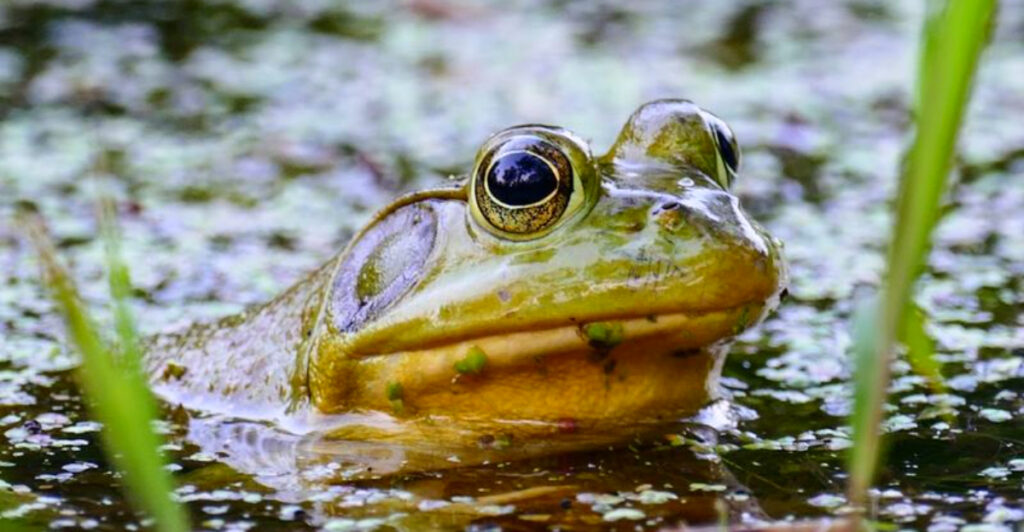
Visitors regularly spot great blue herons, turtles, frogs, and dozens of bird species while exploring the trails. Despite its location within a residential neighborhood, the preserve feels remarkably removed from the city around it.
For anyone looking for a peaceful outdoor escape without leaving Omaha, Heron Haven is one of the area’s most rewarding hidden gems.
A Spring-Fed Wetland Right Inside the City
The address is 11809 Old Maple Rd, Omaha, NE 68164, and it sits so close to the intersection of 114th and Maple Street that you could easily mistake it for a patch of overgrown land between subdivisions.
What you actually find is a functioning spring-fed wetland that supports a remarkable variety of wildlife, all within the city limits of Omaha, Nebraska.
The spring keeps water flowing year-round, which means the habitat stays active even when other green spaces in the metro area dry up or go dormant.
That consistent water source is the reason so many animals choose this spot as a permanent home rather than just passing through.
Ponds anchor the landscape, surrounded by native plants that provide food and shelter for everything from muskrats to wood ducks.
The contrast between the busy road just outside and the calm inside the property is something you really have to experience to appreciate fully.
The Boardwalk That Puts You Right Above the Water
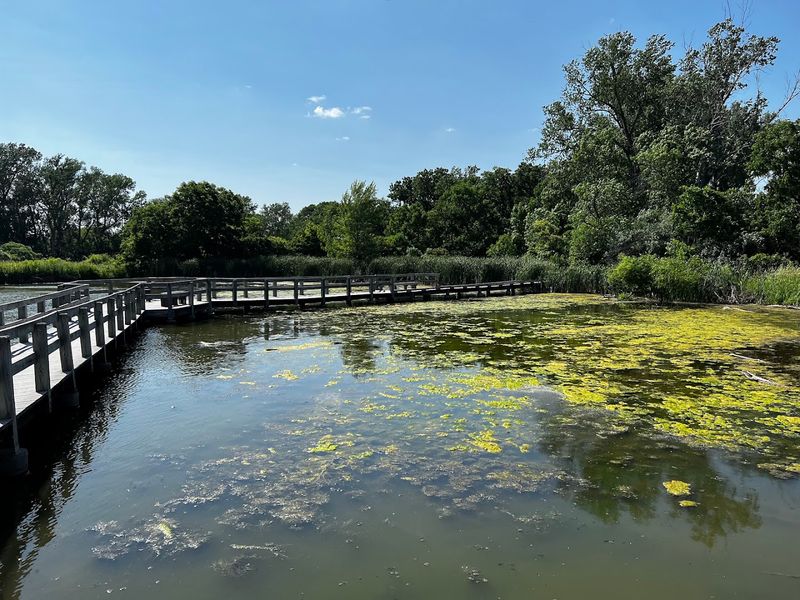
Few things change your perspective on a wetland quite like standing on a boardwalk that hovers directly above the surface of the water.
At Heron Haven, the boardwalk is one of the first features visitors notice, and it quickly becomes the favorite spot for anyone who wants a close-up view of what is living just below and around them.
Turtles glide through the shallows underneath your feet, fish dart between submerged stems, and frogs announce themselves from the edges of the reeds.
The structure is well-maintained and accessible, making it a comfortable walk for visitors of all ages and mobility levels.
On calm mornings, the water reflects the surrounding trees so clearly that it almost feels like you are walking above a mirror.
The boardwalk also creates natural pause points where you can stand quietly and wait for something interesting to appear, which is exactly the kind of patience that gets rewarded here.
Wildlife That Will Genuinely Surprise You
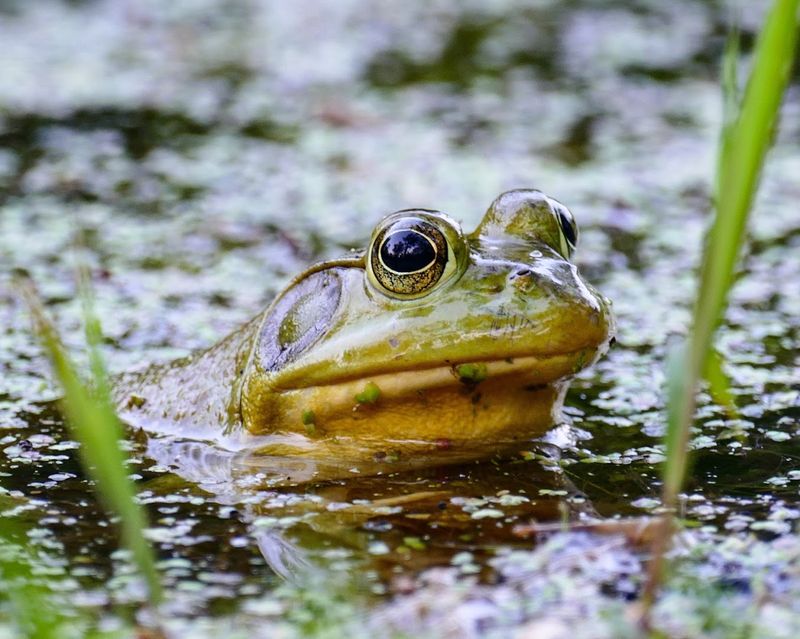
Most people expect to see a duck or two and maybe a turtle, which means the actual wildlife list at this sanctuary tends to catch first-time visitors completely off guard.
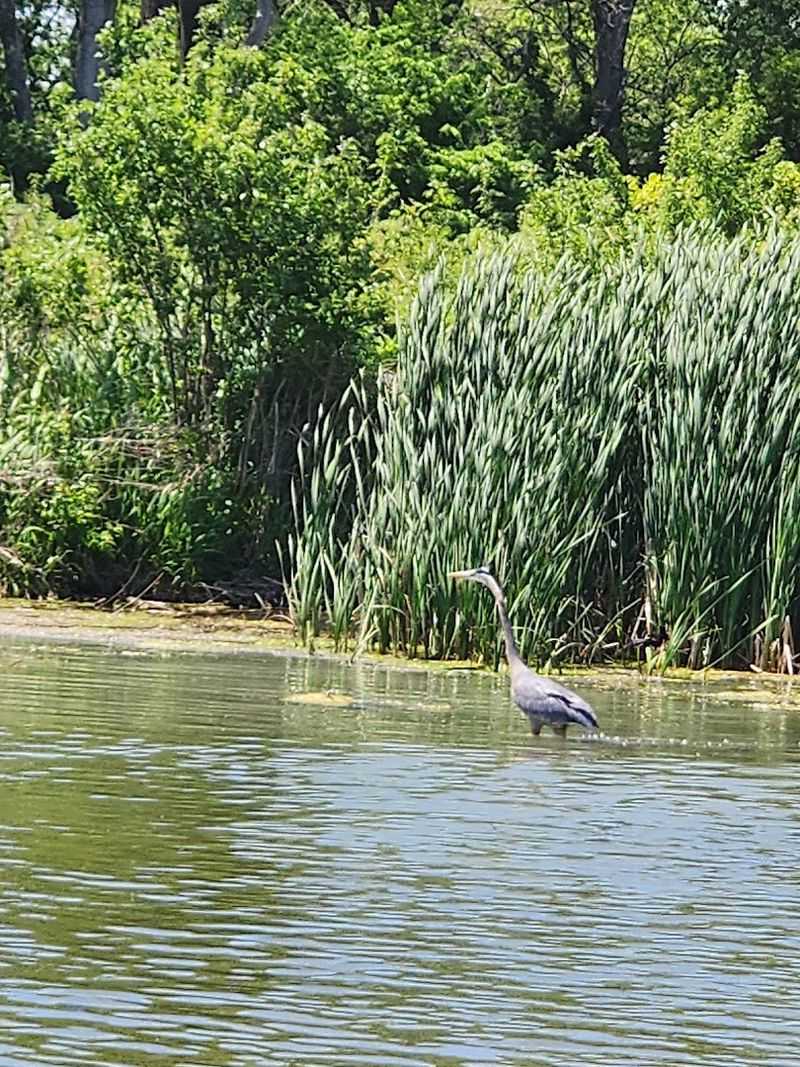
Blue herons are regular residents, and spotting one standing perfectly still at the edge of a pond is the kind of moment that makes you reach for your camera without thinking.
Beyond the birds, the property is home to mink, fox, deer, woodchucks, beavers, muskrats, and snapping turtles that look like they have been around since the last ice age.
Owls make occasional appearances, especially during quieter visits in the early morning or late afternoon.
One visit in early spring turned up 21 species of birds, two species of mammals, and at least one amphibian species, all in a single outing at a free public sanctuary inside a major city.
The variety here is genuinely impressive for a property of this size.
Trails Designed for Discovery, Not Just Exercise
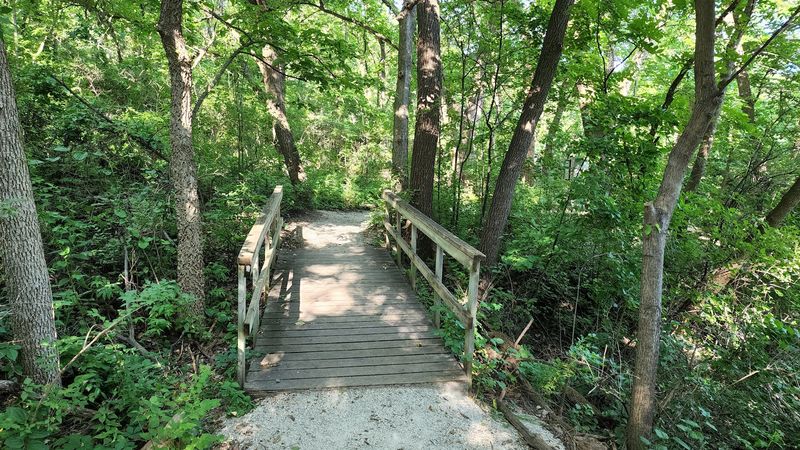
Not every trail at Heron Haven is flat and easy, which is actually part of what makes exploring the property feel like a genuine adventure rather than a casual stroll.
The Upland Trail climbs away from the wetland and leads to a photo blind positioned to give visitors a different angle on the surrounding landscape.
Mulched paths make walking comfortable even after rain, and the total trail distance covers roughly a mile when you combine all three routes.
QR codes posted along the trails connect to self-guided tour content, turning a simple walk into an interactive learning experience that works well for both kids and adults.
One trail feature worth mentioning is a bird blind with steps built specifically to lift children above the surrounding vegetation so they can see over the greenery without struggling.
That kind of thoughtful design makes it clear that the people behind this sanctuary genuinely want everyone to have a meaningful visit.
The Photo Blinds That Serious Birders Love
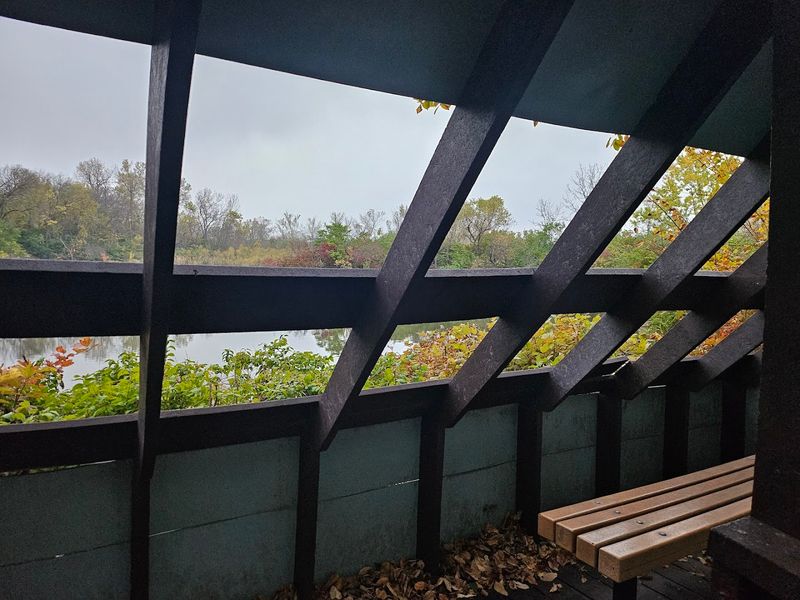
Birding is a patience game, and the photo blinds at this sanctuary are proof that the people who designed this space actually understand that.
Positioned strategically near the ponds and along the upland trail, the blinds allow visitors to observe waterfowl and other wildlife without disturbing them, which makes a significant difference in both the quality of sightings and the behavior of the animals.
Wood ducks, belted kingfishers, gadwalls, and geese have all been spotted from these structures, and the elevated blind on the upland trail offers a wider field of view that rewards the short climb to reach it.
Photographers with longer lenses tend to spend extended time at the blinds, and it is not unusual to see serious equipment set up and waiting for the right moment.
Even without a camera, sitting quietly inside a blind and watching the activity on the water is one of the most genuinely relaxing things you can do on a weekday morning in Omaha.
A Butterfly Garden That Brings the Season to Life
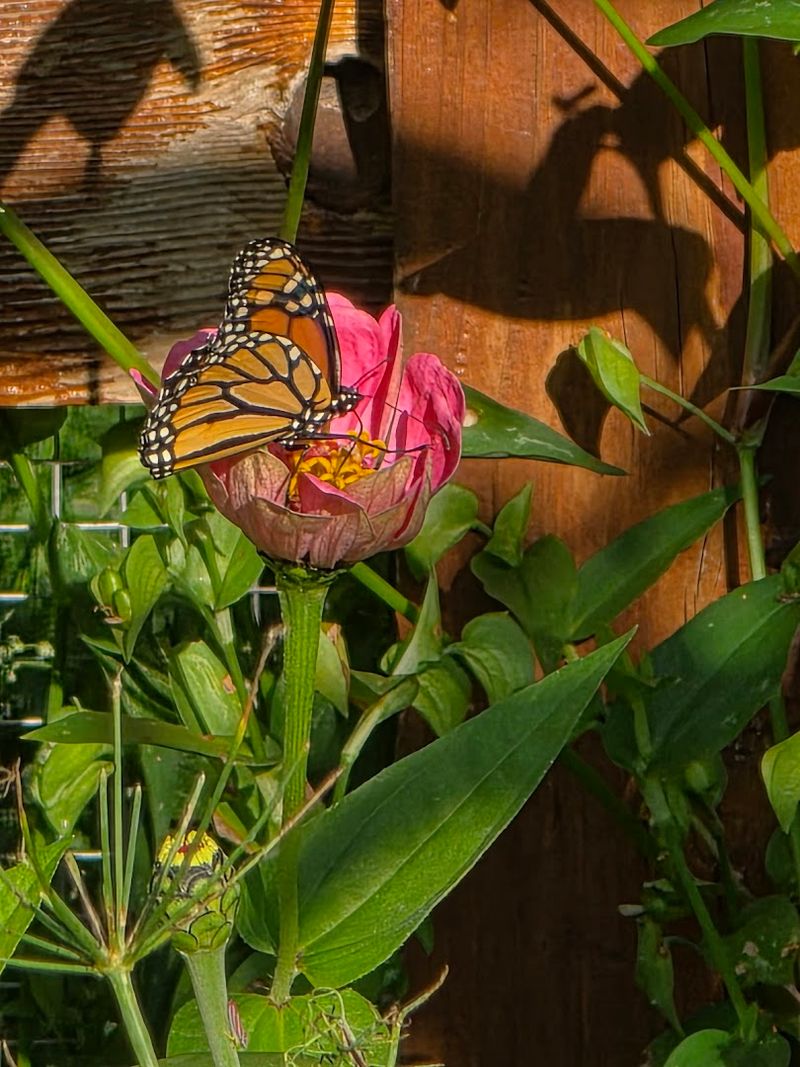
There is a section of the property dedicated entirely to butterflies and caterpillars, and in late spring through summer it becomes one of the most visually rewarding corners of the entire sanctuary.
Native flowering plants fill the garden beds, selected specifically to attract pollinators and support the full life cycle of several butterfly species.
A neighboring native grass plot adds texture and habitat value, creating a layered landscape that supports insects, birds, and small mammals all at once.
Kids tend to slow down noticeably in this area, which parents seem to appreciate more than any other feature of the visit.
The garden was still getting started on one early spring visit, with new foliage just emerging and no blooms yet visible, but even in that early state the structure of the planting design was impressive.
Coming back in June or July to see the garden in full swing is absolutely on the list for the next visit to this sanctuary.
The Education Center and Its Tiny but Fascinating Museum
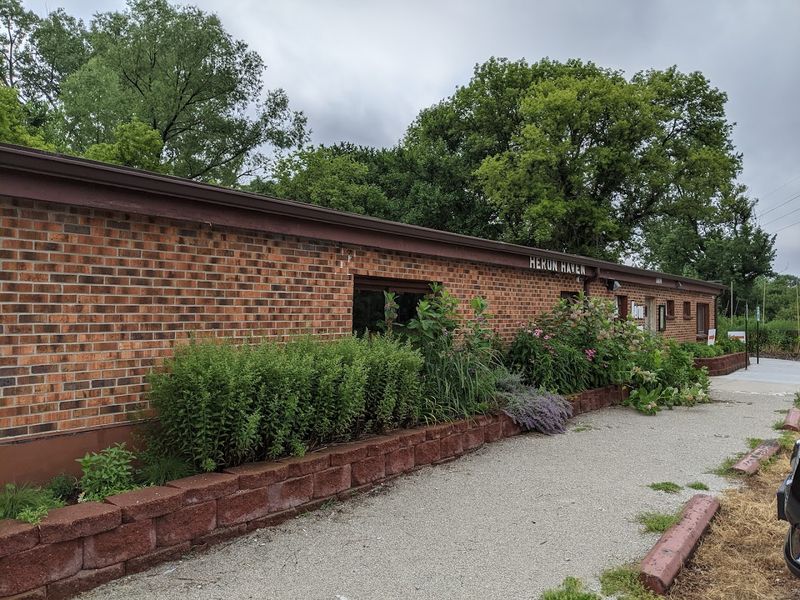
The Education Center at Heron Haven is not large, but it holds more interesting things per square foot than most natural history displays three times its size.
Inside, visitors find a small nature museum featuring bird nests and eggs, dragonfly specimens, a deer pelt, and various other natural history artifacts collected and displayed by passionate volunteers.
A reference library sits alongside the museum space, stocked with field guides and conservation resources for anyone who wants to go deeper into what they have just seen outside on the trails.
The center hosts regular lectures and courses covering topics like conservation, birding, photography, and natural history, making it a genuine hub for environmental education in the Omaha area.
On volunteer days, the interpretive office opens its doors and staff members offer informal tours of the collection, sharing the history of the sanctuary with a level of enthusiasm that is genuinely contagious.
The building is not always staffed, but the trails and boardwalk are accessible every day from 9 AM to 7 PM.
Carved Benches and Eagle Scout Craftsmanship Throughout the Property
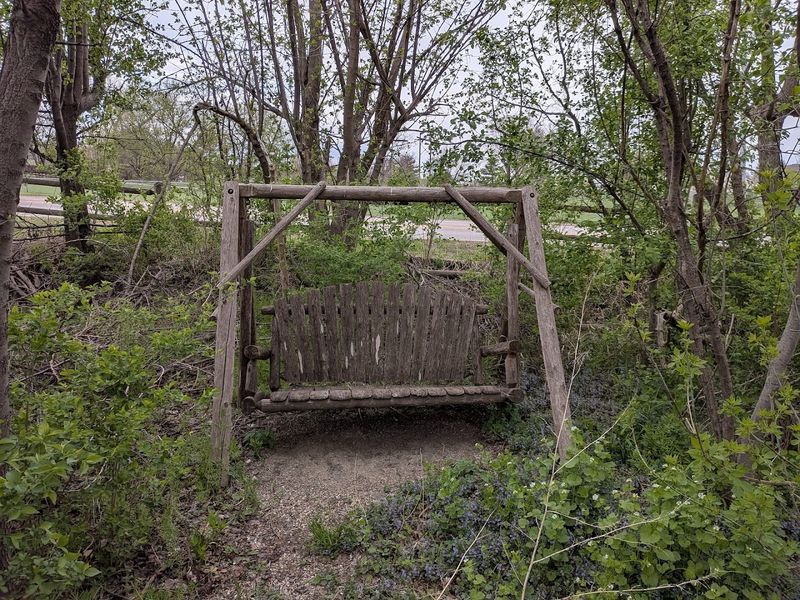
Scattered throughout the trails and boardwalk area, hand-carved wooden benches invite visitors to slow down and actually sit with the landscape for a few minutes.
Many of these benches were created by Eagle Scouts as service projects, and the craftsmanship is evident in the detail and durability of each piece.
They serve a practical purpose for visitors who want to rest during a longer walk, but they also function as quiet observation posts where patience often gets rewarded with an unexpected wildlife sighting.
The woodwork extends beyond the benches and gives the property a handmade, community-built character that feels distinctly different from a polished city park.
Sitting on one of these benches near the pond on a weekday afternoon, with nothing louder than birdsong and the occasional splash of a turtle entering the water, is a genuinely restorative experience.
That community investment in the physical space reflects how much local residents care about keeping this sanctuary in good shape for everyone who visits.
Why Every Season Offers Something Different Here
Spring brings migrating birds and the first blooms of the butterfly garden, making it arguably the most exciting season for a first visit to the sanctuary.
Summer fills the property with insects, amphibians, and fully leafed-out native plants that create a dense green canopy over the upland trails.
Fall strips the leaves back and opens up sight lines through the woodland sections, making it easier to spot birds that were hidden in the summer foliage, and the reflection of autumn color in the ponds is genuinely beautiful.
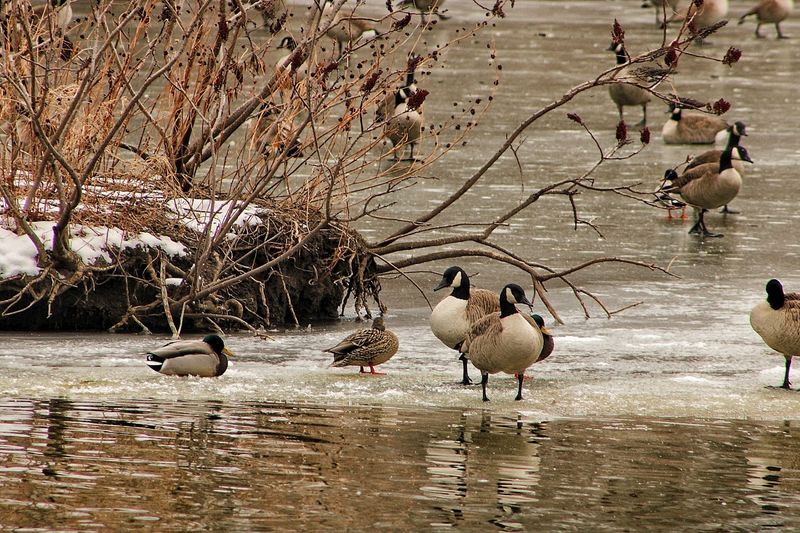
Even winter visits have their appeal, with quieter trails, frost on the boardwalk railings, and waterfowl that stick around longer than you might expect.
The spring-fed water source keeps parts of the wetland ice-free even in cold weather, which attracts birds that need open water when everything else has frozen over.
Regulars at this sanctuary make a habit of visiting in every season, and it is easy to understand why once you have seen how dramatically the place transforms.
Free to Visit and Easy to Find, With Practical Details Worth Knowing
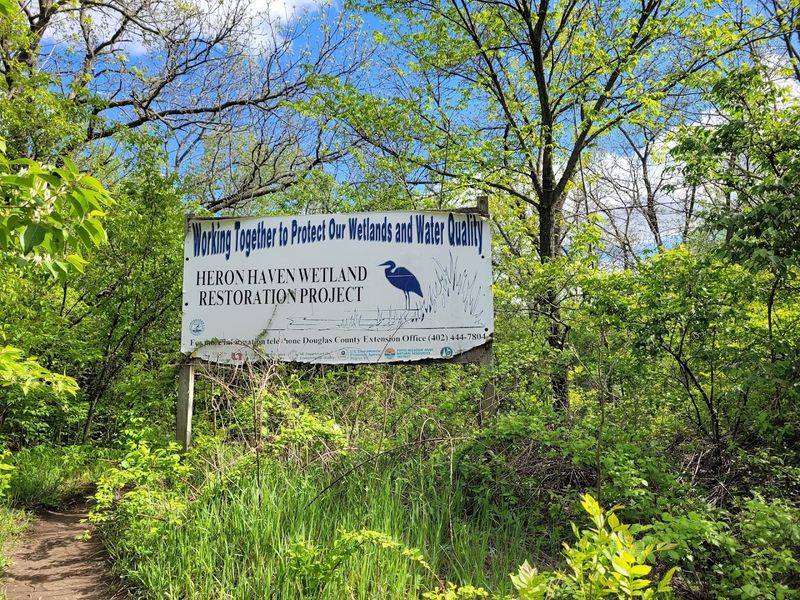
Admission to Heron Haven is completely free, which makes it one of the best no-cost outdoor experiences available anywhere in the Omaha metro area.
The gravel parking lot is small but rarely overcrowded, and a portable restroom is available near the entrance for visitors who need it.
Trails are open daily from 9 AM to 7 PM, giving visitors a generous window to plan a morning walk or a late-afternoon outing before the gates close.
The property does ask visitors to leave pets, bicycles, and smoking materials outside, which helps maintain the quiet atmosphere that makes wildlife sightings possible in the first place.
Bringing binoculars is strongly recommended, and downloading the free Merlin app before your visit gives you an audio identification tool for every bird call you hear along the way.
Donations are accepted and genuinely appreciated by the volunteer-run organization that keeps this sanctuary maintained and accessible for the entire community.
What to Bring and How to Make the Most of Your Visit
A visit to Heron Haven does not require any special gear, but a few simple preparations can make a noticeable difference in what you walk away having experienced.
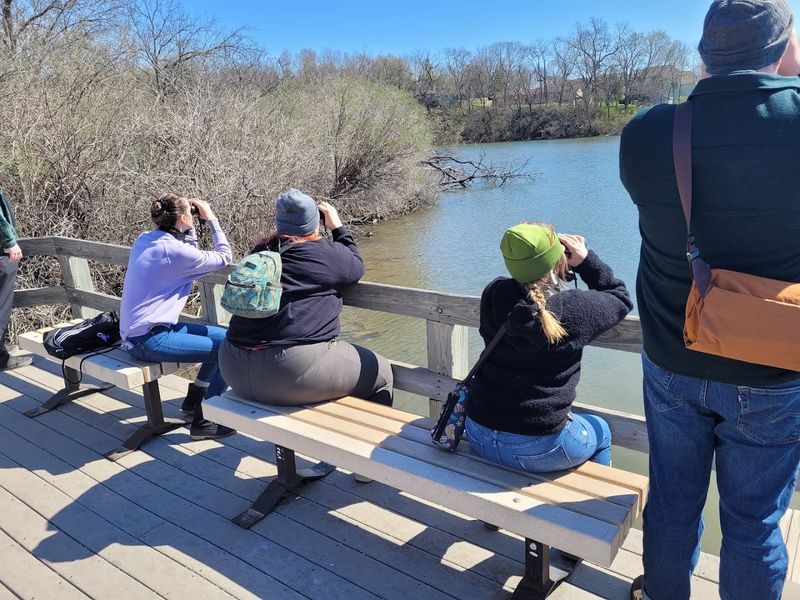
Binoculars are the single most useful item to bring, especially if you plan to spend time at the photo blinds or watching waterfowl on the larger ponds from a distance.
The Merlin Bird ID app from Cornell Lab is free, works offline once you download the regional bird pack, and can identify birds by sound, which is incredibly useful in a wetland environment where birds often call before they appear.
Comfortable walking shoes with some grip are better than sandals, particularly on the upland trail after rain.
A small notebook or a phone with a notes app is handy for keeping a species list, which turns into a satisfying record of how many things you actually spotted.
Arriving early in the morning on a weekday gives you the best combination of active wildlife and minimal foot traffic, making it the ideal setup for a focused and rewarding outing.
A Community-Powered Sanctuary With Passionate Volunteers

Behind every well-maintained trail, every labeled plant, and every artifact inside the education center is a group of volunteers who genuinely love this place and want others to love it too.
The sanctuary operates with significant community involvement, from the Eagle Scouts who built the benches to the naturalists who lead tours on volunteer days and the birding groups that organize regular meet-ups on the property.
Omaha-based nature and science groups use Heron Haven as a regular gathering spot, and the informal network of enthusiasts who visit frequently creates a welcoming atmosphere for newcomers.
Staff members and volunteers share the history of the property with anyone who asks, and that personal connection to the place comes through in every conversation.
The sanctuary accepts donations through its website at heronhaven.org, and even a small contribution helps fund the educational programming and habitat maintenance that keep this urban refuge functioning at such a high level.
That volunteer energy is honestly what makes this place feel alive in a way that no city-managed park quite replicates.
Share this story