Some books do more than tell a story. They shape the way kids see the world, spark imaginations, and create memories that last a lifetime.
From magical schools to mysterious caves, these series became part of growing up for millions of American kids. Here are 15 book series that left a lasting mark on childhoods across the country.
1. Harry Potter by J.K. Rowling

Picture a boy who discovers on his eleventh birthday that he is a wizard. That is how millions of kids felt cracking open the first Harry Potter book for the very first time.
J.K. Rowling created a world so detailed and believable that readers felt like they truly belonged at Hogwarts School of Witchcraft and Wizardry.
The series follows Harry, Ron, and Hermione as they battle dark forces, solve mysteries, and grow up along the way. Seven books were published between 1997 and 2007, selling over 500 million copies worldwide.
Many kids who started reading these books in elementary school finished the series as teenagers, growing alongside the characters.
Harry Potter taught readers about friendship, courage, and standing up for what is right. For an entire generation, it was not just a book.
It was a whole world they never wanted to leave.
2. Goosebumps by R.L. Stine

R.L. Stine had one goal: scare kids just enough to keep them turning pages all night long.
Starting in 1992, Goosebumps became one of the best-selling children’s book series of all time, with over 400 million copies sold globally. Each standalone story dropped readers into a fresh nightmare, from haunted masks to living dummies.
What made Goosebumps so addictive was the format. Every book was short, fast-paced, and ended with a twist that left jaws dropping.
Kids who claimed they hated reading would finish a Goosebumps book in a single weekend. Stine understood exactly how to hook young readers with just the right amount of creep factor.
The series sparked a genuine love of reading for horror and suspense in countless children. It proved that scary stories belong in kids’ hands too, and that a well-timed twist ending is basically literary gold.
3. The Lord of the Rings by J.R.R. Tolkien
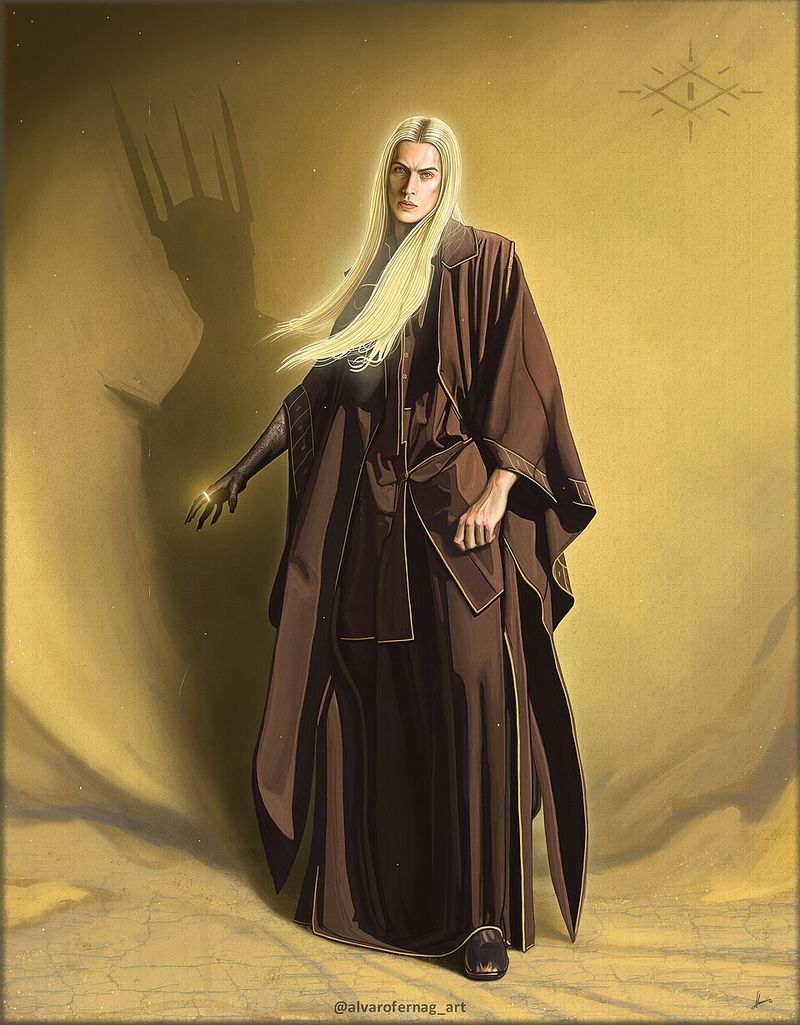
Before fantasy became a genre, J.R.R. Tolkien basically invented it.
Published between 1954 and 1955, The Lord of the Rings introduced readers to Middle-earth, a world so fully imagined that it included its own languages, histories, and maps. Tolkien spent decades building this universe before a single word was published.
The story follows Frodo Baggins, a small hobbit tasked with destroying a ring of unimaginable power before it falls into the wrong hands. Along the way, he is joined by a fellowship of warriors, wizards, and friends who each carry their own burdens.
The themes of sacrifice, loyalty, and hope run through every page.
For older kids and teenagers, this series often marked a turning point in how they thought about reading. It was long, challenging, and deeply rewarding.
Many readers describe finishing it as one of the most satisfying experiences of their entire literary lives.
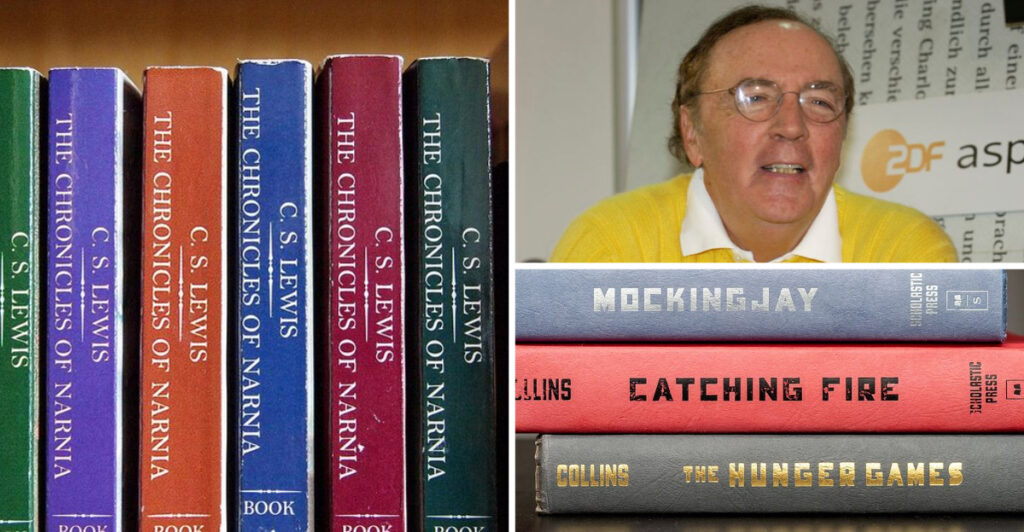
4. The Chronicles of Narnia by C.S. Lewis

A wardrobe that leads to another world sounds like something out of a dream. For generations of kids, stepping into Narnia through C.S.
Lewis’s seven-book series felt exactly that magical. First published in 1950, The Lion, the Witch and the Wardrobe introduced readers to a land frozen in eternal winter and ruled by a terrifying White Witch.
What set Narnia apart was its blend of adventure, morality, and wonder. Lewis wove deep themes of good versus evil, redemption, and sacrifice into stories that felt exciting rather than heavy.
Young readers absorbed those ideas naturally, often without realizing how much the stories were shaping their thinking.
The series remains a staple in homes, classrooms, and libraries across America. Kids who read it often revisit Narnia as adults and discover layers they missed the first time around.
Few fictional worlds have held their magic quite so well across so many decades.
5. Diary of a Wimpy Kid by Jeff Kinney
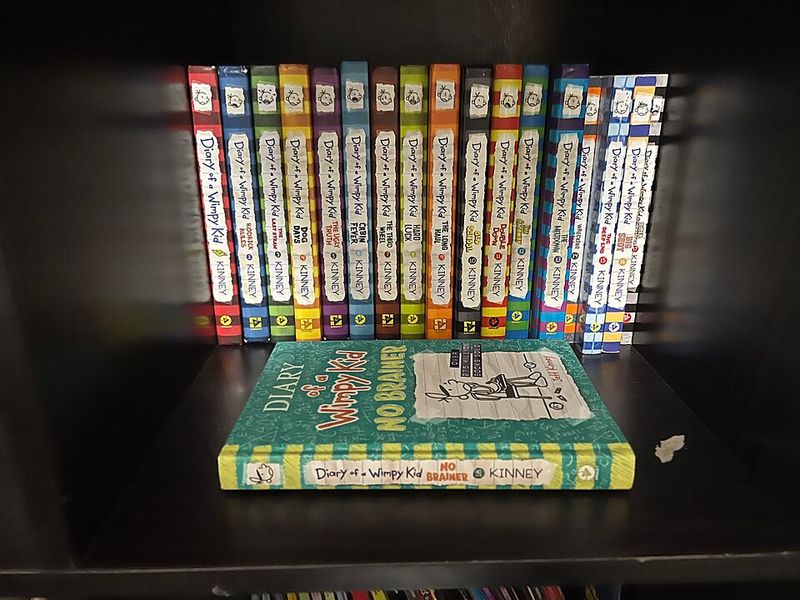
Middle school is awkward for almost everyone, and Jeff Kinney somehow captured that feeling perfectly. Diary of a Wimpy Kid follows Greg Heffley, a self-absorbed but oddly lovable kid navigating the chaos of school, family, and friendships.
The combination of journal entries and stick-figure drawings made the format completely unique when it launched in 2007.
Kids who struggled with thick chapter books found these easy to read and impossible to put down. The humor was relatable without being mean-spirited, and Greg’s constant bad luck made readers feel better about their own embarrassing moments.
Even reluctant readers tore through these books faster than their parents expected.
The series grew to over 17 books and sold more than 250 million copies worldwide. Jeff Kinney originally posted the story online before it became a published book, which makes its massive success story even more impressive.
It genuinely changed how publishers thought about reaching young readers.
6. The Hunger Games by Suzanne Collins
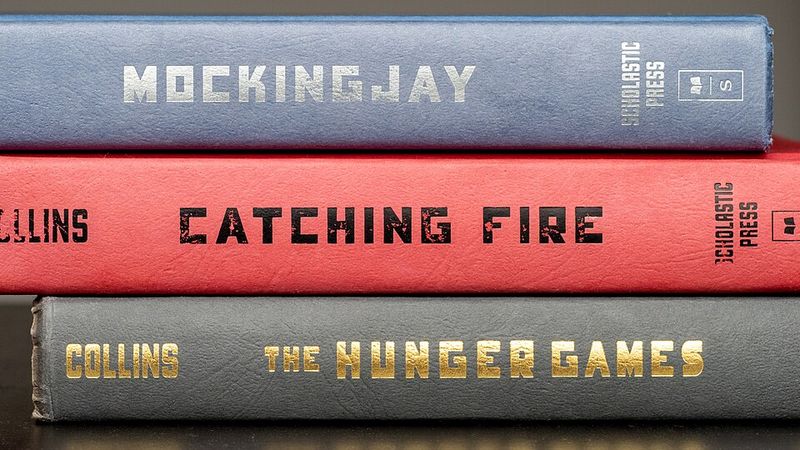
Suzanne Collins did not ease readers in gently. From the very first chapter of The Hunger Games, the stakes were clear: children are forced to fight to the death on live television while the rest of the country watches.
Published in 2008, the book landed like a thunderclap in young adult fiction and never let go.
Katniss Everdeen became one of the most iconic protagonists in modern literature. She was not effortlessly brave or perfectly heroic.
She was scared, complicated, and deeply human, which made readers root for her even harder. The trilogy tackled themes of government control, media manipulation, and survival in ways that sparked real conversations in classrooms.
The series sold over 100 million copies and launched one of the most successful film franchises of the 2010s. For many teens, it was the first time a book made them think critically about power and politics.
That is a meaningful legacy for any story to carry.
7. Percy Jackson and the Olympians by Rick Riordan
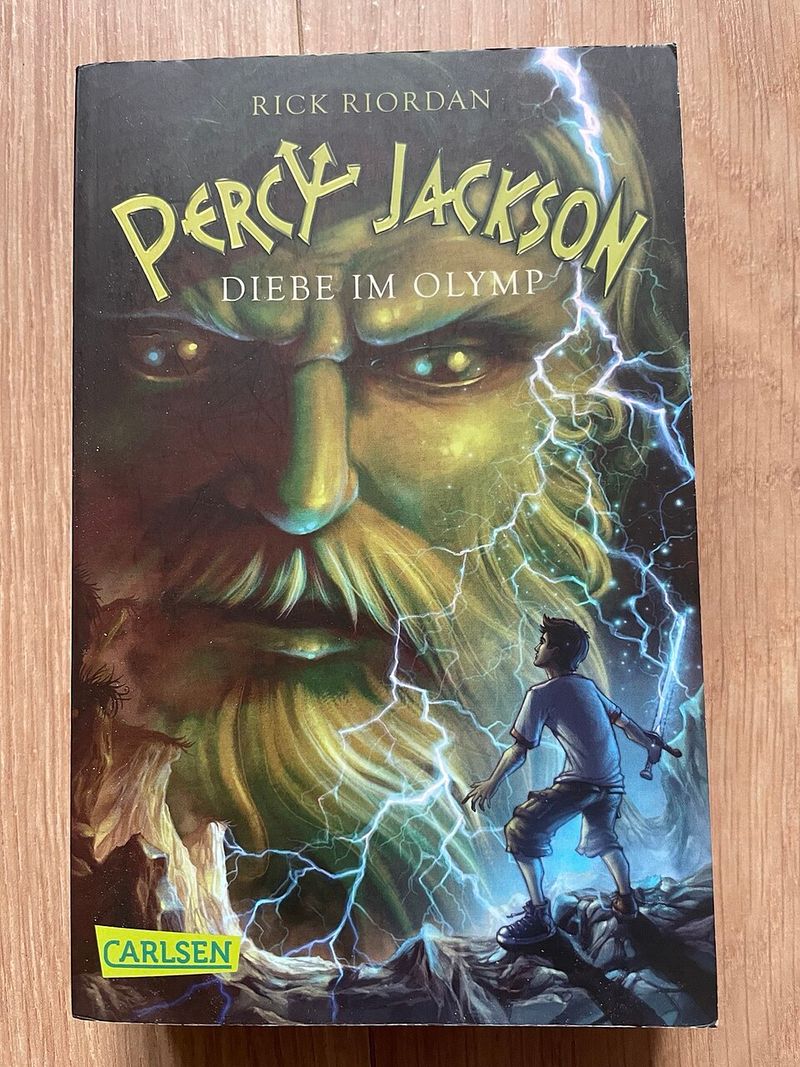
Rick Riordan wrote the first Percy Jackson book to help his son, who had dyslexia and ADHD, connect with Greek mythology. That personal origin story is part of what makes the series feel so warm and genuine.
Percy Jackson, a twelve-year-old who discovers he is the son of Poseidon, became an instant hero for kids who never quite felt like they fit in.
The series made ancient Greek mythology accessible, funny, and thrilling all at once. Readers learned about gods, monsters, and legendary quests while following a group of misfit demigods on genuinely dangerous adventures.
Teachers noticed students voluntarily reading mythology textbooks after finishing the books, which is basically a miracle.
Five books were published between 2005 and 2009, and the series sparked an entire extended universe of companion books, spin-offs, and adaptations. For many kids, Percy Jackson was the series that turned them into lifelong readers.
That is exactly the kind of magic Riordan intended.
8. Little House on the Prairie by Laura Ingalls Wilder
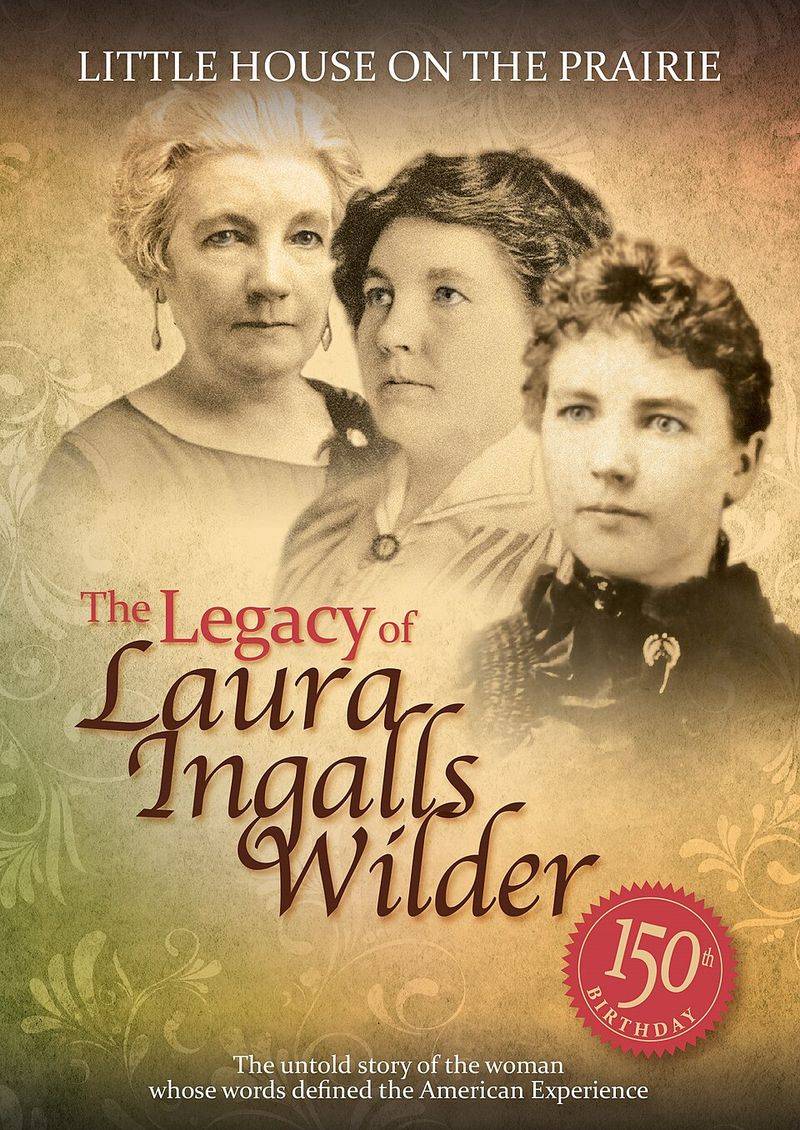
Laura Ingalls Wilder wrote her nine-book series based on her own childhood growing up on the American frontier in the 1800s. That autobiographical foundation gave the stories a texture and honesty that pure fiction rarely achieves.
Readers were not just entertained. They were transported into a way of life that no longer exists.
The books follow young Laura and her family as they travel by covered wagon, build homes in the wilderness, and face harsh winters, crop failures, and illness with remarkable resilience. Nothing was handed to the Ingalls family easily, and that made their small victories feel genuinely earned.
For generations of American kids, these books provided a window into the country’s history that felt personal rather than textbook-dry. The series has remained in print since the 1930s, which speaks to its enduring power.
Many parents who loved these books as children now share them proudly with their own kids.
9. Nancy Drew by Carolyn Keene
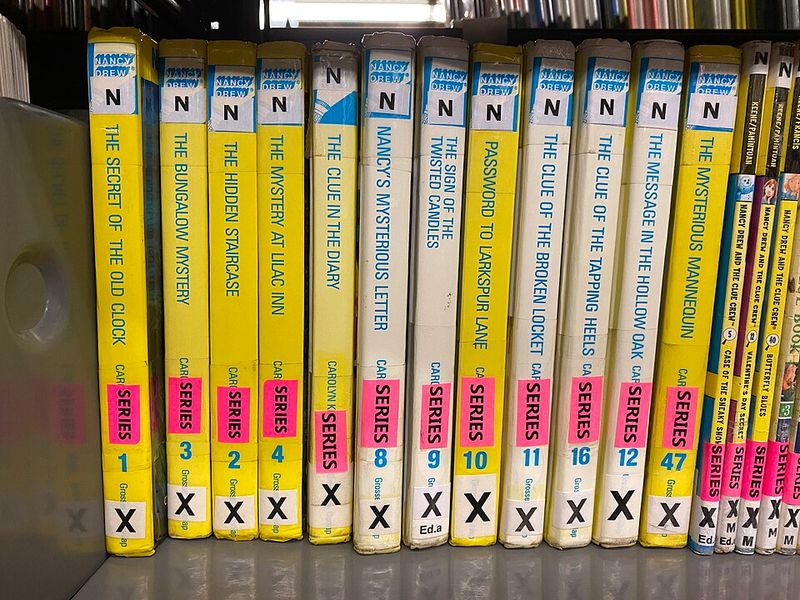
Nancy Drew was solving crimes long before most fictional detectives had even graduated high school. First published in 1930 under the pen name Carolyn Keene, the series introduced readers to a sharp, confident teenage girl who refused to wait around for adults to figure things out.
She grabbed a flashlight and went looking for answers herself.
Over decades, Nancy Drew evolved with the times. The original stories were revised, new series were launched, and the character was reimagined for different generations of readers.
Through all those changes, the core of who Nancy was stayed the same: curious, brave, and smarter than everyone assumed she would be.
The series is widely credited with inspiring generations of girls to trust their instincts and believe in their own intelligence. More than 80 million copies have been sold worldwide.
Nancy Drew did not just entertain young readers. She quietly told millions of girls that they were capable of anything.
10. The Hardy Boys by Franklin W. Dixon
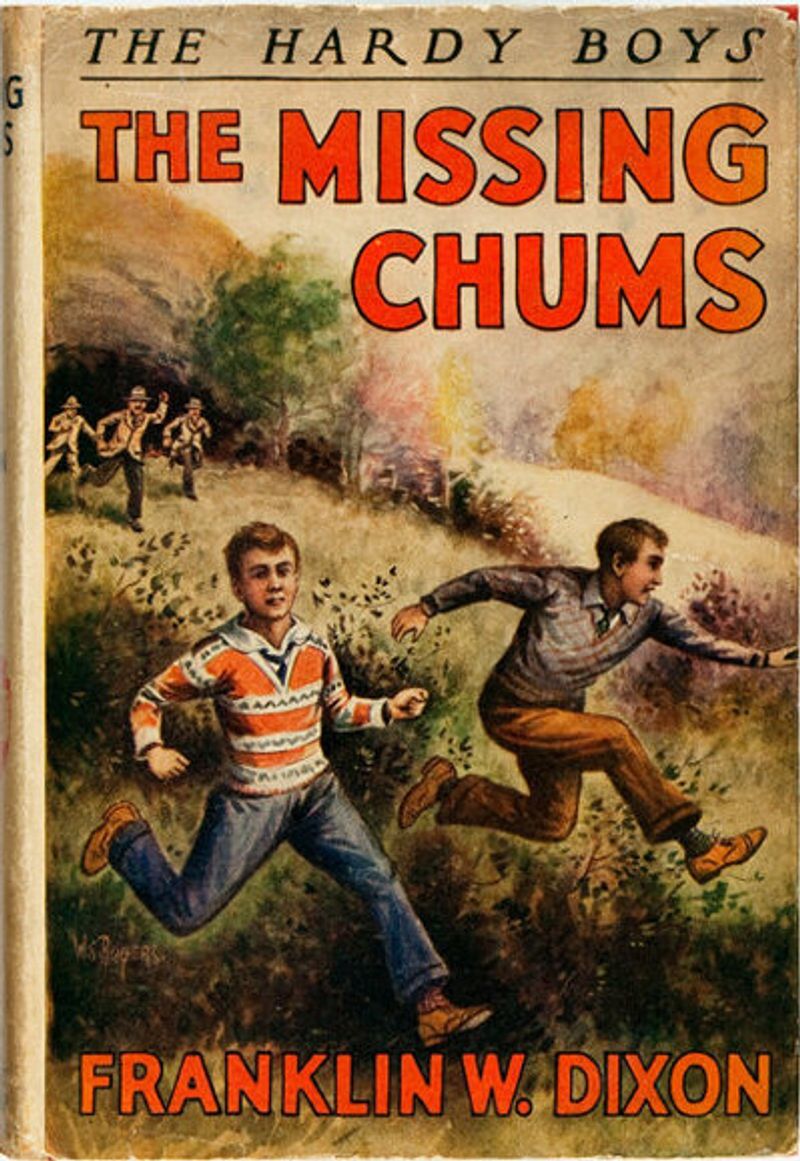
Frank and Joe Hardy were solving mysteries before most kids their age were allowed to stay out past dark. First published in 1927 under the pen name Franklin W.
Dixon, The Hardy Boys series gave young male readers a pair of teenage brothers who were clever, athletic, and genuinely cool. Adventure followed them everywhere they went.
The series ran for decades and went through multiple revisions to stay relevant across generations. Boys who might have resisted picking up a book found themselves hooked by car chases, secret codes, and cliffhangers that made it impossible to stop at just one chapter.
The pacing was sharp and the mysteries were satisfying.
Hardy Boys books were a staple of school libraries and bedroom bookshelves throughout the twentieth century. Over 70 million copies have been sold globally.
For many boys growing up in America, Frank and Joe Hardy were the first characters who made reading feel like an actual adventure worth having.
11. Twilight Saga by Stephenie Meyer
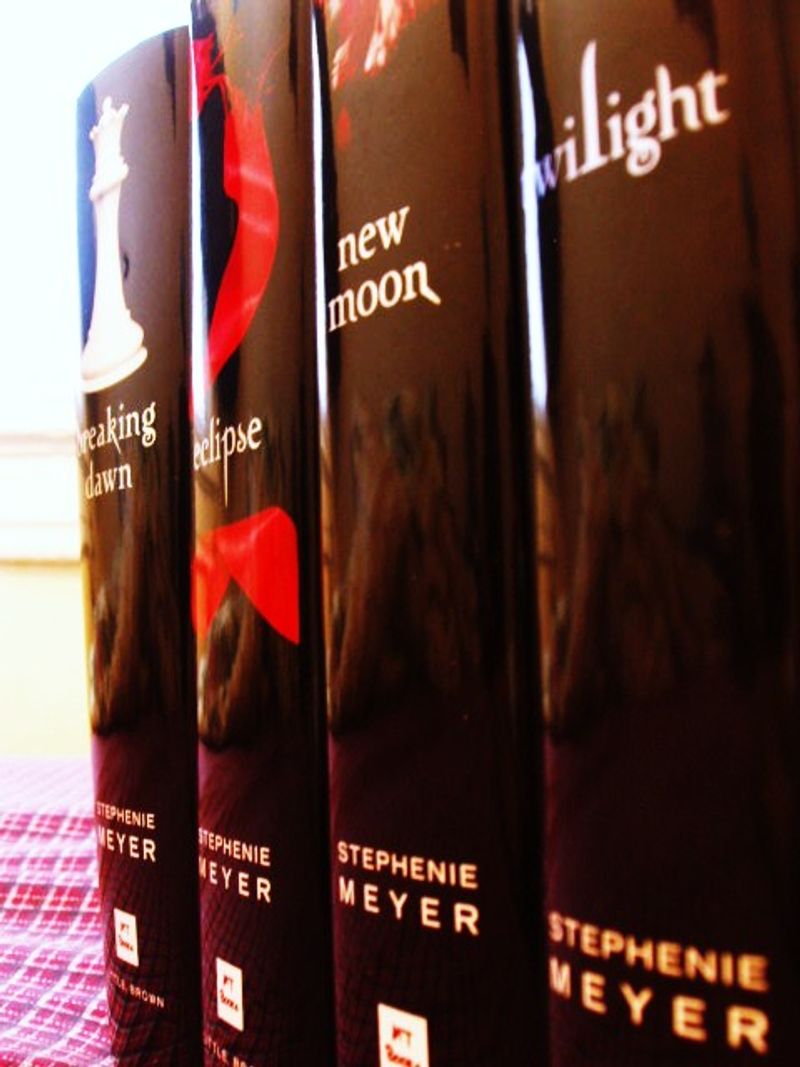
Stephenie Meyer reportedly dreamed the scene that became the core of Twilight and woke up to write it down immediately. That dream turned into a four-book saga that sold over 160 million copies worldwide and sparked a cultural phenomenon that defined the late 2000s for an entire generation of young readers, particularly teenage girls.
The story follows Bella Swan, a teenager who falls in love with Edward Cullen, a vampire who has lived for over a century. The romance was intense, dramatic, and completely consuming in the way that only a first love story can feel.
Readers either adored it passionately or had strong opinions about it, and either reaction meant the books were doing something right.
Beyond the love story, Twilight introduced millions of reluctant readers to the joy of losing themselves in a thick book. Many teens read all four volumes in rapid succession.
For better or worse, these books absolutely defined a moment in American reading culture.
12. A Song of Ice and Fire by George R.R. Martin

George R.R. Martin started writing A Song of Ice and Fire in 1991 with a simple goal: tell a fantasy story where no character was ever truly safe.
He delivered on that promise in ways that shocked even seasoned fantasy readers. The first book, A Game of Thrones, published in 1996, made it immediately clear that the rules of traditional fantasy storytelling did not apply here.
The series is set in the fictional continents of Westeros and Essos, where noble families battle for control of the Iron Throne. Political scheming, betrayal, and moral ambiguity fill every chapter.
Characters readers loved were killed off without warning, which created a reading experience unlike anything else available at the time.
While the series skews older, many teenagers discovered it through the HBO television adaptation. It sparked genuine interest in long, complex fantasy literature among young adults.
The books remain some of the most ambitious storytelling attempted in modern popular fiction.
13. Magic Tree House by Mary Pope Osborne

Mary Pope Osborne gave young readers a time machine disguised as a tree house, and kids have been climbing in ever since. The Magic Tree House series, which launched in 1992, follows siblings Jack and Annie as a mysterious tree house transports them through history and around the world.
Each book combines adventure with real historical facts.
What made the series brilliant was its educational value hidden inside genuine excitement. Kids reading about ancient Egypt or the age of dinosaurs were actually learning history and science without feeling like they were studying.
Teachers loved assigning these books precisely because students actually wanted to read them.
With over 55 main series books and dozens of companion research guides, the Magic Tree House universe is enormous. It has sold over 130 million copies in the United States alone.
For early chapter book readers, this series is often the bridge between picture books and longer novels, making it one of the most important series in children’s publishing history.
14. Alex Cross by James Patterson

James Patterson created Alex Cross in 1993 with Along Came a Spider, and the character has not slowed down since. Alex Cross is a forensic psychologist and detective based in Washington, D.C., who hunts some of the most dangerous criminals imaginable.
Patterson’s chapters are famously short and punchy, making the books almost impossible to put down once started.
While the series is primarily aimed at adult readers, many teenagers discovered Alex Cross through older siblings or parents. The fast pacing and thriller format made it feel more like a movie than a traditional novel, which hooked readers who were not typically drawn to long fiction.
Patterson understood that momentum matters in storytelling.
The Alex Cross series spans over 30 books and has sold hundreds of millions of copies globally. It helped establish James Patterson as one of the best-selling authors of all time.
For teens who loved crime dramas on television, these books offered a natural and satisfying reading equivalent.
15. Chicken Soup for the Soul by Jack Canfield, Mark Victor Hansen, and others

Jack Canfield and Mark Victor Hansen were rejected by over 100 publishers before Chicken Soup for the Soul finally found a home in 1993. That backstory feels fitting for a book built entirely on stories of perseverance, kindness, and human connection.
The first volume became an immediate bestseller and launched one of the most expansive book franchises in publishing history.
The format was simple and brilliant. Short, true stories submitted by real people covered topics like love, loss, courage, and finding purpose.
Readers could open the book to any page and find something that resonated with their own lives. It felt personal in a way that most books never quite manage to achieve.
Over 500 million copies have been sold across more than 250 titles targeting audiences of every age and background. For many American kids and teenagers, a Chicken Soup book was their first encounter with the idea that ordinary people’s stories are worth telling and worth reading.
Share this story