Some albums earn their reputation not just from standout singles or critical buzz, but from how they end. A closing track carries real weight, whether it wraps things up neatly, leaves the listener unsettled, or lands like a final statement that redefines everything before it.
From the mid-1960s through the 1990s, rock, folk, and alternative music saw a surge in albums built around deliberate sequencing, where the last song mattered as much as the first. This list looks at 20 closing tracks that did exactly that, songs that gave their albums a sense of completion, emotional depth, or artistic ambition that listeners still talk about decades later.
Whether you grew up with these records or discovered them later, each entry here tells a story about the era it came from and the artists who refused to let their albums fade out quietly.
1. Homeward Bound (Simon & Garfunkel, Parsley, Sage, Rosemary and Thyme, 1966)
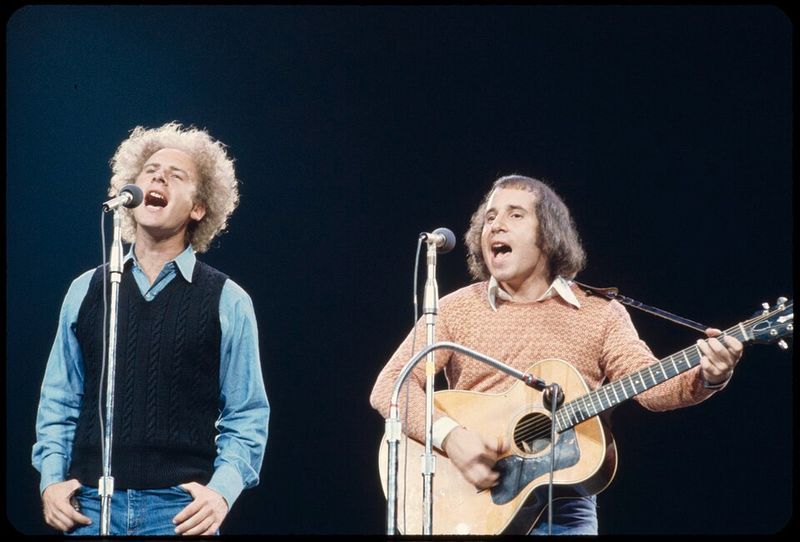
Parsley, Sage, Rosemary and Thyme was released in October 1966 and represented a significant step forward in Simon and Garfunkel’s songwriting ambition. Homeward Bound had actually been released as a single earlier that year, written by Paul Simon while waiting at a train station in Widnes, England, during a solo tour in 1965.
Its inclusion as the album’s closer gave the record a grounded, personal ending after several more elaborate arrangements. The song reached number five on the Billboard Hot 100 and remains one of Simon’s most structurally efficient compositions.
2. Rock and Roll Suicide (David Bowie, The Rise and Fall of Ziggy Stardust and the Spiders from Mars, 1972)
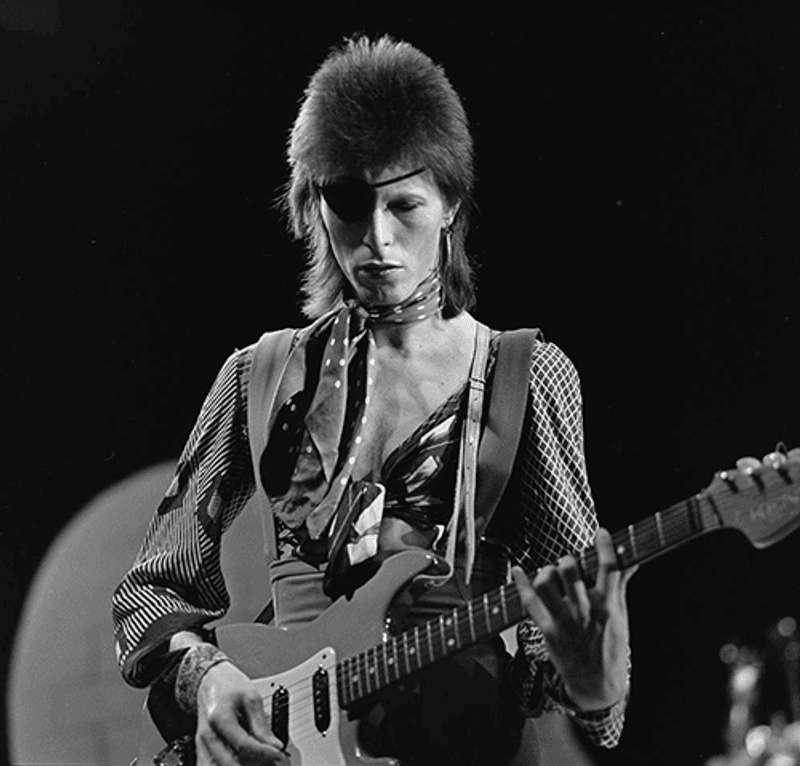
The Rise and Fall of Ziggy Stardust and the Spiders from Mars was released in June 1972 and built around a fictional rock star’s rise and collapse. Bowie structured the album so that its closing track functioned as Ziggy’s onstage breakdown, a theatrical finale for a character who had consumed his creator.
The song shifted from quiet verses to a full orchestral arrangement in its final minute. Bowie later retired the Ziggy character at a real concert in 1973, mirroring the album’s narrative almost exactly.
3. A Day in the Life (The Beatles, Sgt. Pepper’s Lonely Hearts Club Band, 1967)
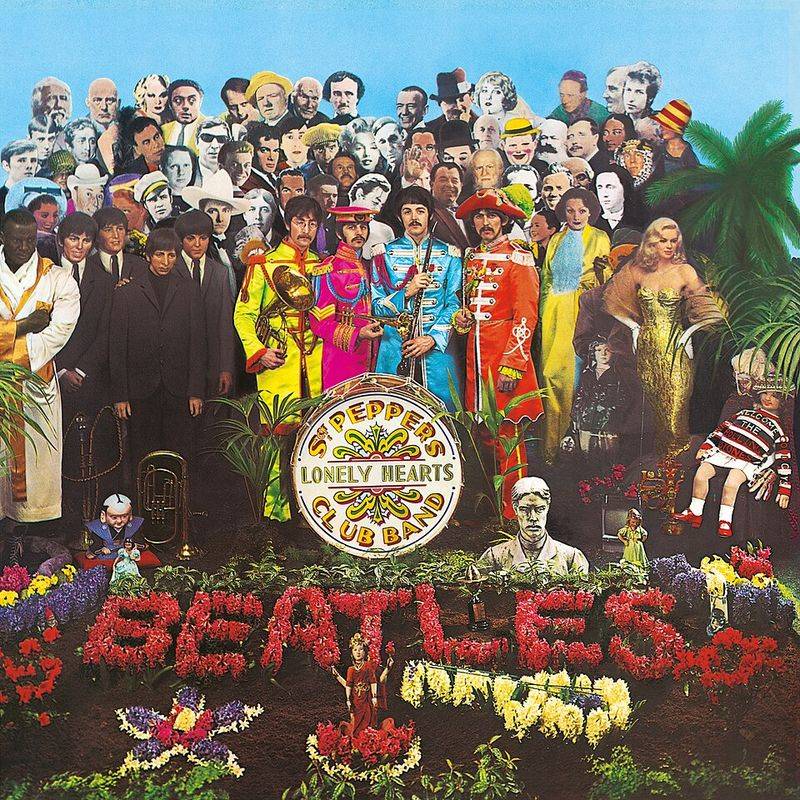
When Sgt. Pepper’s arrived in June 1967, its closing track immediately became the subject of intense debate, radio bans, and widespread critical analysis.
Pieced together from two separate song fragments by John Lennon and Paul McCartney, it built toward an orchestral crescendo that was literally planned to grow from near-silence to full chaos.
The final piano chord lasted over 40 seconds in the original pressing. Few album closers have ever been this deliberately constructed or this widely studied.
4. Desolation Row (Bob Dylan, Highway 61 Revisited, 1965)
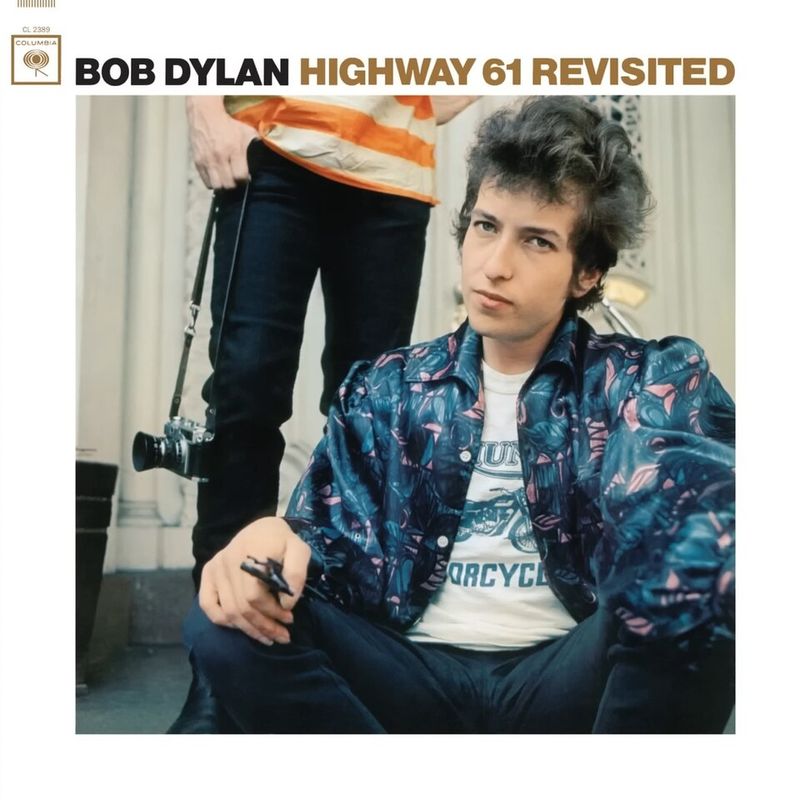
Running over eleven minutes on an album full of electric rock fury, this track stood apart by being performed almost entirely on acoustic guitar. Released in August 1965, it closed Highway 61 Revisited with a parade of literary and historical figures reimagined in a chaotic, unnamed city.
Dylan cited sources ranging from T.S. Eliot to Bette Davis within its verses.
It remains one of the most ambitious lyrical constructions in American popular music.
5. Jungleland (Bruce Springsteen, Born to Run, 1975)
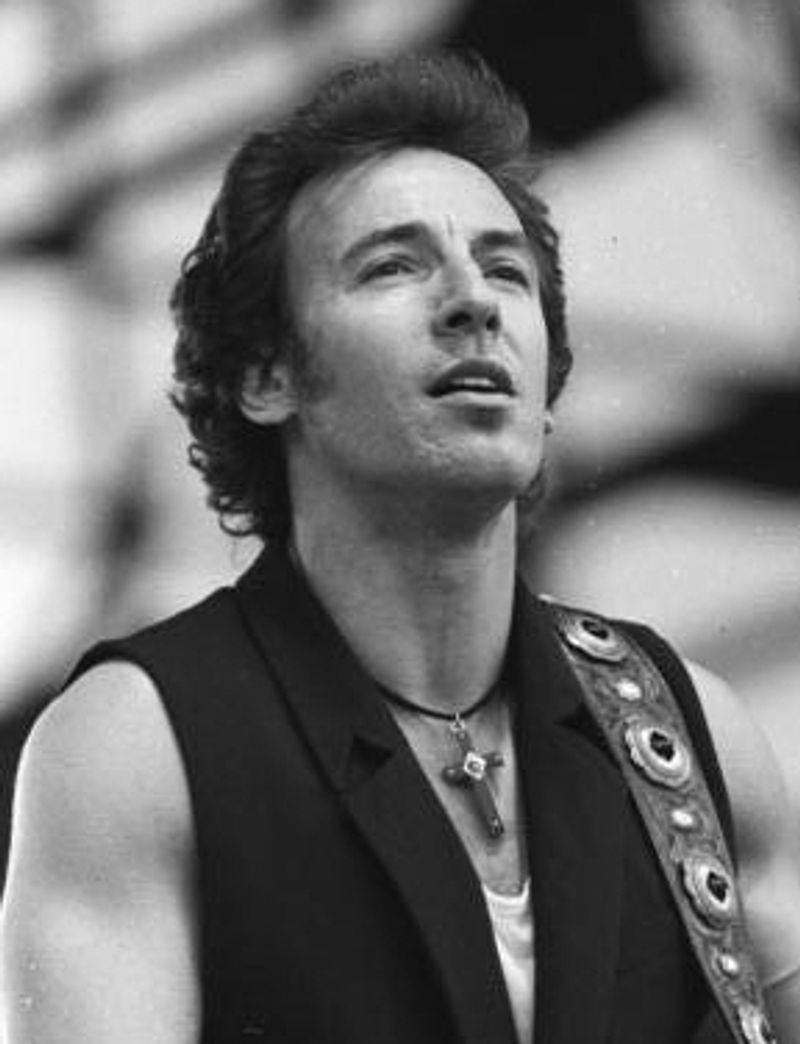
Born to Run arrived in August 1975 and immediately positioned Springsteen as one of American rock’s most ambitious writers. Jungleland clocked in at nearly ten minutes, featuring a saxophone solo by Clarence Clemons that took three days to record and remains one of the most celebrated instrumental moments in 1970s rock.
The song followed street-level characters through a night that ends with quiet resignation. As an album closer, it gave Born to Run a scope that felt more like a short film than a pop record.
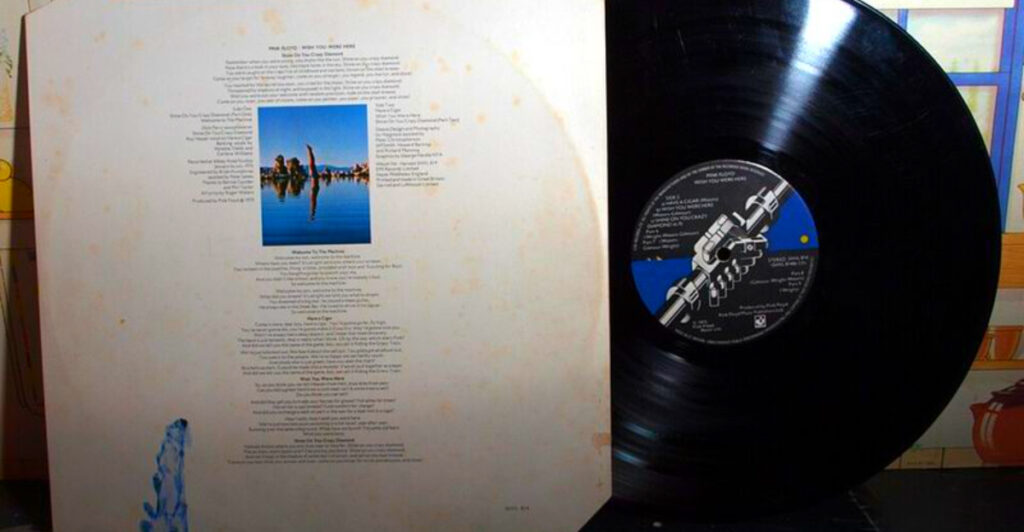
6. Shine On You Crazy Diamond (Parts VI-IX) (Pink Floyd, Wish You Were Here, 1975)
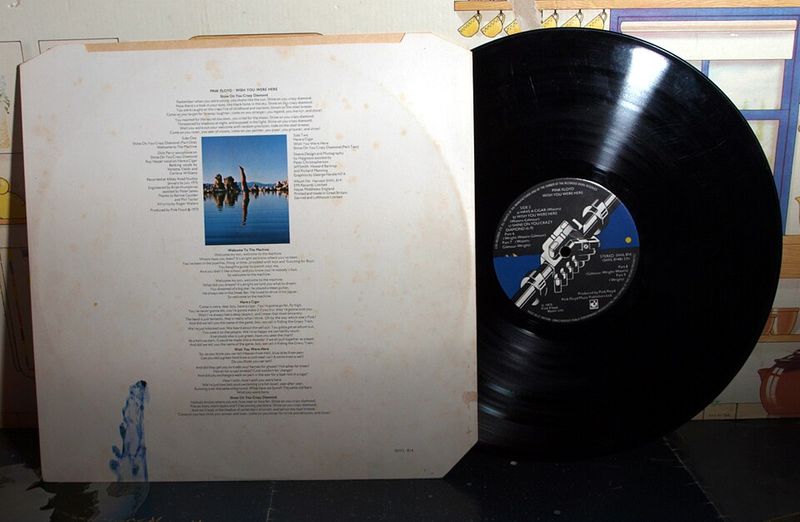
Wish You Were Here, released in September 1975, opened and closed with different sections of the same extended piece, a structural decision that gave the album a circular, self-contained quality. The closing sections, Parts VI through IX, brought the suite to a gradual resolution after the album’s middle portion had explored themes of disconnection and commercial pressure in the music industry.
The suite was written as a tribute to Syd Barrett. Its return at the album’s end gave the whole record a sense of mourning that was specific rather than vague.
7. Hurt (Nine Inch Nails, The Downward Spiral, 1994)
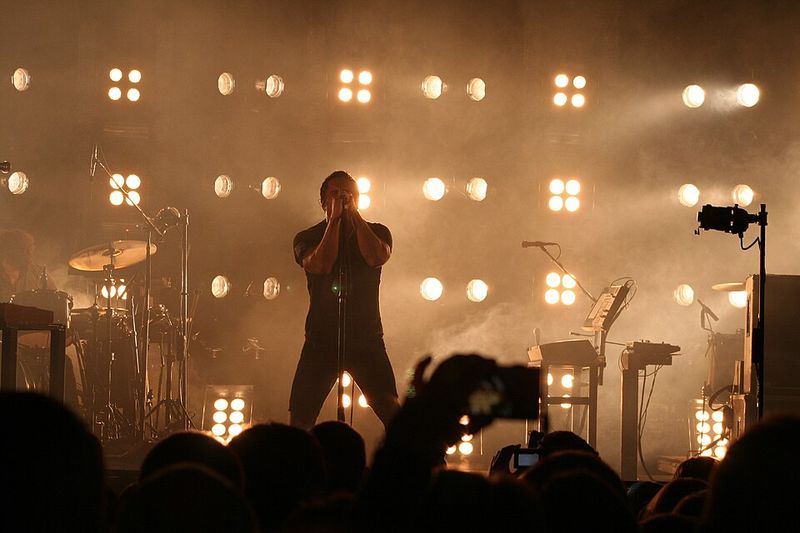
The Downward Spiral arrived in March 1994 as one of the most sonically aggressive records of the decade, which made its quiet, stripped-down closing track genuinely surprising. Trent Reznor wrote Hurt as a first-person account of self-destruction, placing it at the album’s end as a kind of aftermath rather than a climax.
Johnny Cash later recorded a cover version in 2002 that shifted the song’s meaning considerably. Both versions are now studied as examples of how the same lyrics can carry entirely different weight depending on the performer’s context.
8. Freedom (Rage Against the Machine, Rage Against the Machine, 1992)
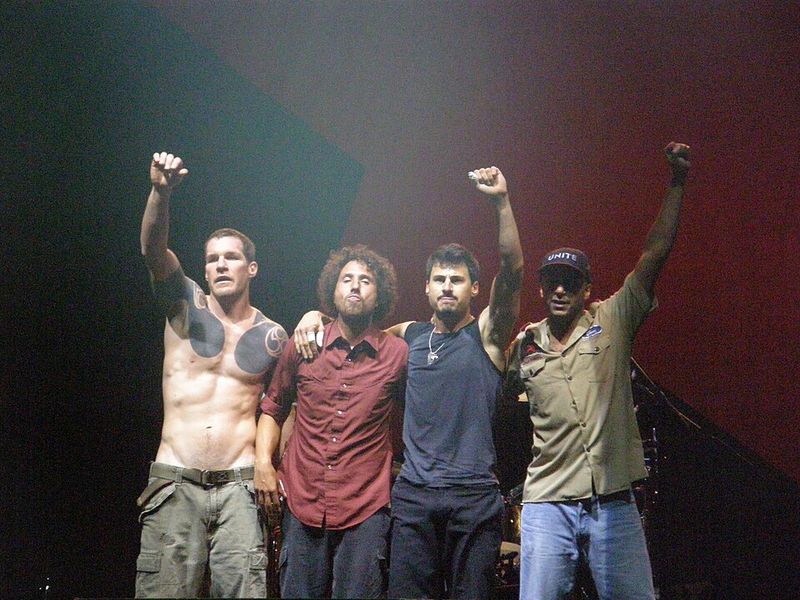
Rage Against the Machine’s debut album, released in November 1992, closed with a track that referenced Mumia Abu-Jamal by name, a choice that immediately set the band apart from their contemporaries in terms of political directness. At over six minutes, Freedom built through multiple sections before ending in a controlled but intense instrumental passage.
The album sold over three million copies in the United States alone. Closing with this track signaled that the band intended every moment of the record to carry a specific point of view.
9. Champagne Supernova (Oasis, What’s the Story Morning Glory?, 1995)
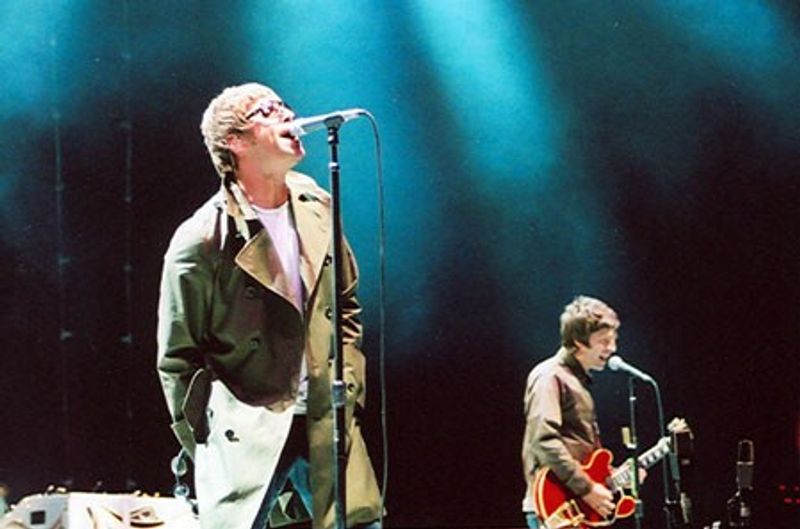
What’s the Story Morning Glory? was released in October 1995 and became one of the fastest-selling albums in British chart history. Champagne Supernova closed the record at over seven minutes, an unusual length for a Britpop single, and featured a guest guitar solo from Paul Weller that gave the song an unexpected layer of credibility.
The lyrics resisted easy interpretation, which Noel Gallagher seemed to enjoy. Its placement as the album’s final track gave Morning Glory a widescreen finish that matched the record’s ambitions perfectly.
10. The End (The Beatles, Abbey Road, 1969)
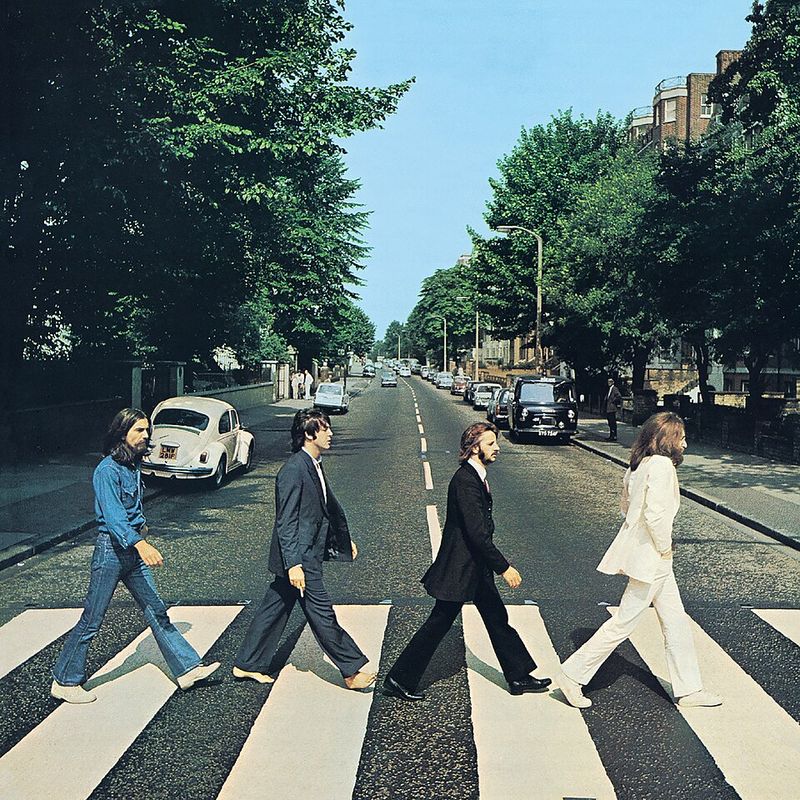
Abbey Road was already a masterpiece before its final moments, but what made it legendary was how deliberately it concluded. Released in September 1969, this track served as the band’s true farewell statement, featuring rare solo exchanges between John, Paul, and George before resolving into a quiet piano coda.
Its closing couplet became one of the most quoted lines in pop music history. The Beatles had spent a decade reshaping popular music, and this was their formal goodbye.
11. Goodnight (The Beatles, The Beatles (White Album), 1968)
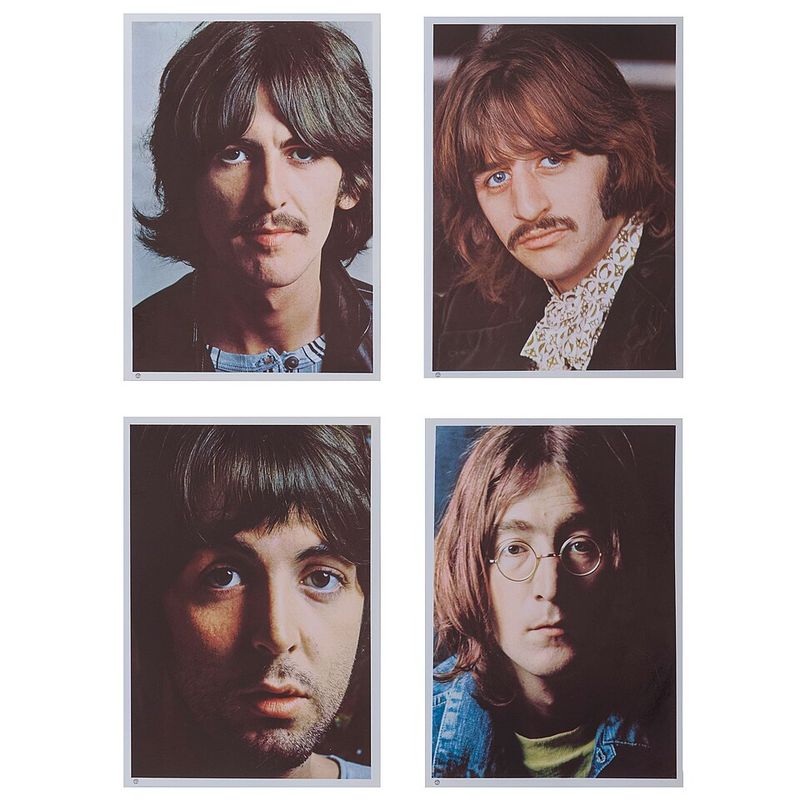
The White Album, released in November 1968, was a sprawling double record covering nearly 30 tracks across wildly different styles. Closing it with a gentle, orchestrated lullaby written by John Lennon and sung by Ringo Starr was a deliberate tonal choice that surprised many listeners expecting something more aggressive.
Lennon reportedly wrote it for his son Julian. After 93 minutes of noise, experimentation, and occasional chaos, the album’s soft ending felt earned rather than anticlimactic.
12. Street Spirit (Fade Out) (Radiohead, The Bends, 1995)
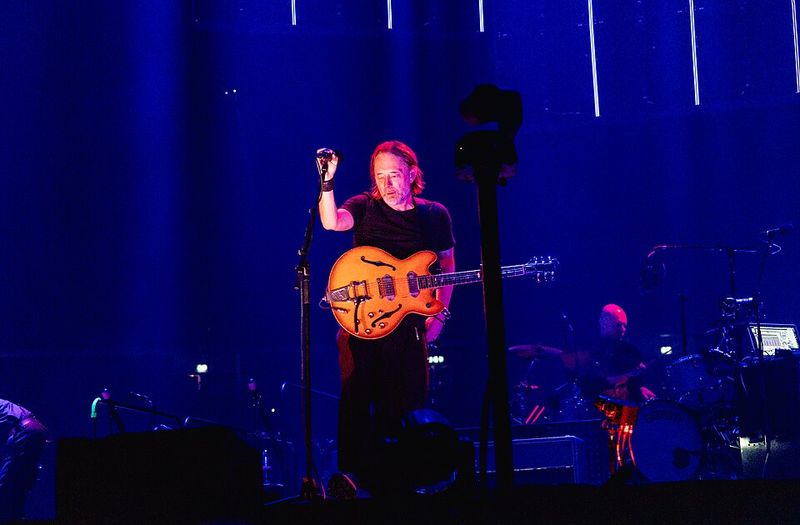
The Bends arrived in March 1995 and showed Radiohead moving from guitar-driven alternative rock toward something more atmospheric and emotionally complex. Street Spirit closed the album with an arpeggiated guitar figure repeated throughout the song’s entire length, a hypnotic structure that Thom Yorke later described as the most frightening thing the band had recorded.
Yorke said he never fully understood what the song was about but felt compelled to finish it. Its position at the album’s end gave The Bends a conclusion that felt genuinely unresolved rather than comforting.
13. When the Levee Breaks (Led Zeppelin, Led Zeppelin IV, 1971)
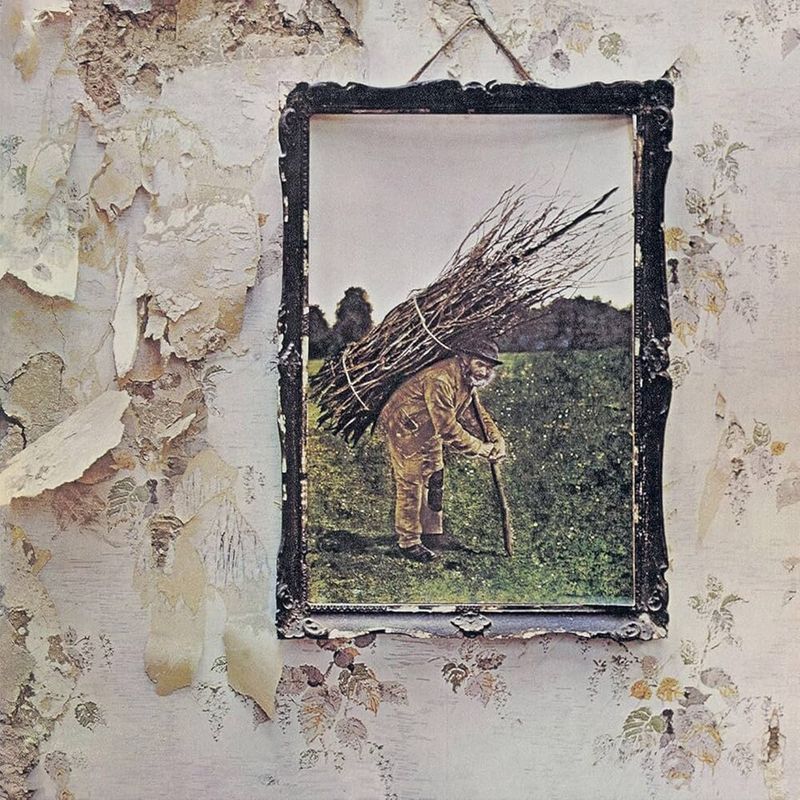
Few albums close with the kind of raw, unrelenting weight that Led Zeppelin IV managed in November 1971. Originally a 1929 blues track by Kansas Joe McCoy and Memphis Minnie, the band transformed it into something massive, recorded with John Bonham’s drums set up in a stairwell at Headley Grange.
That unusual recording setup gave the drums their enormous, cavernous presence. As a closing track, it left listeners feeling like they had survived something significant.
14. Tomorrow Never Knows (The Beatles, Revolver, 1966)
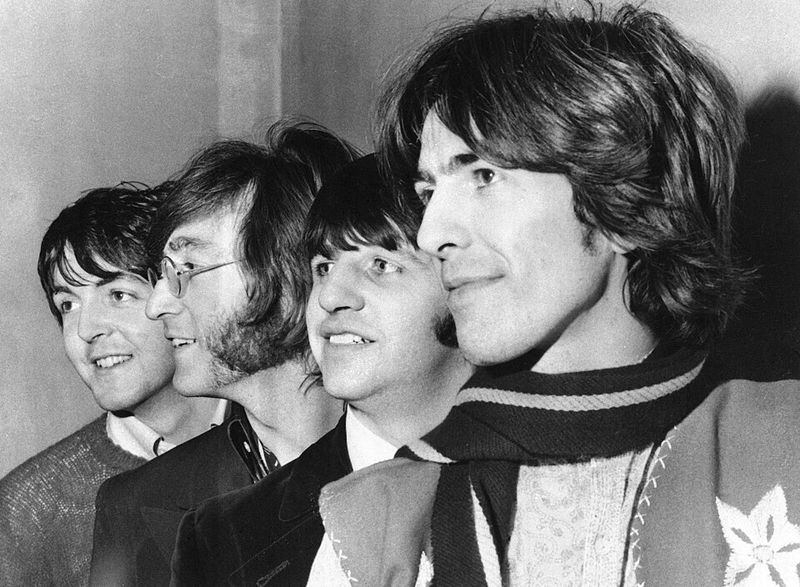
Revolver was released in August 1966 and is regularly cited as the point where The Beatles stopped being a touring band and became a studio-focused experimental group. Tomorrow Never Knows closed the album with a track built around a single chord, a looped tape collage, and lyrics drawn from Timothy Leary’s adaptation of the Tibetan Book of the Dead.
Producer George Martin and the band created the track’s texture using tape loops recorded by all four members. For 1966, this was genuinely unprecedented in mainstream pop production.
15. Take It Easy (Love Nothing) (Bright Eyes, I’m Wide Awake, It’s Morning, 2005)
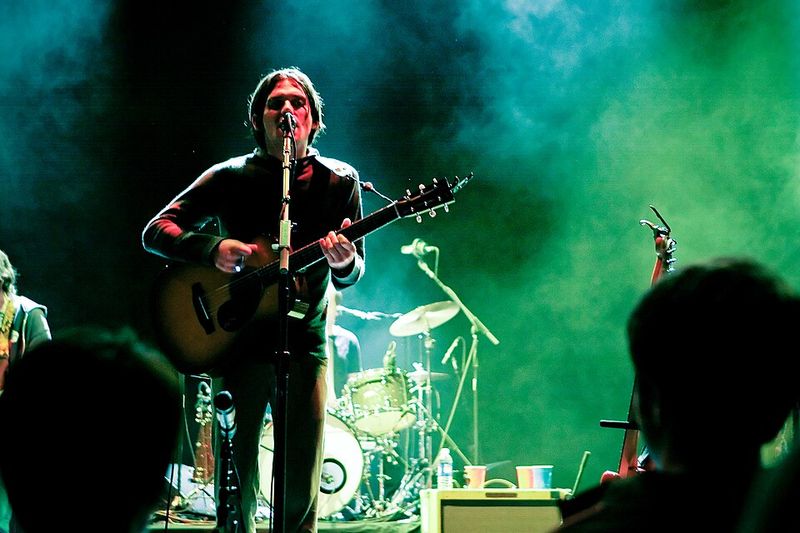
Conor Oberst released I’m Wide Awake, It’s Morning in January 2005 alongside a second album on the same day, a move that generated significant attention in independent music circles. The closing track offered a quieter, more resigned conclusion to an album that had spent most of its runtime wrestling with political anxiety and personal uncertainty in post-2001 America.
Oberst was 24 years old when the album came out. The song’s placement gave the record a sense of deflation that felt honest rather than defeated.
16. New York City Serenade (Bruce Springsteen, The Wild, the Innocent & the E Street Shuffle, 1973)
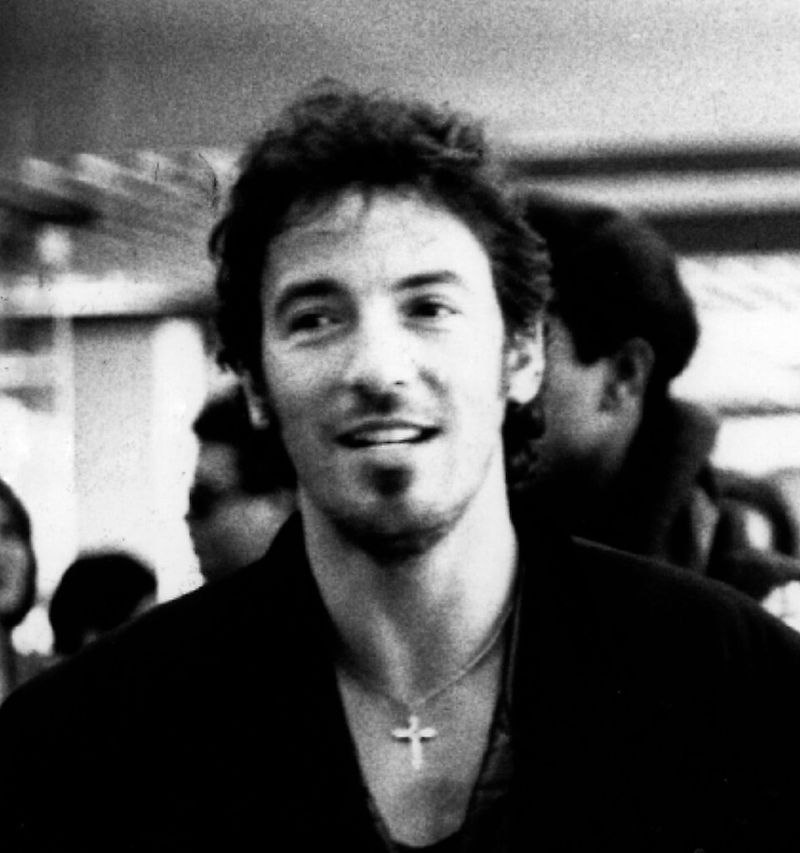
Springsteen’s second album arrived in November 1973 to modest commercial reception but significant critical attention. New York City Serenade closed the record at over nine minutes, featuring an extended piano introduction by David Sancious before the full band and a string arrangement entered the mix.
It was one of the most musically elaborate things Springsteen had attempted at that point in his career. The song’s structure suggested a songwriter already thinking in longer, more cinematic terms well before Born to Run made that ambition famous.
17. Moonlight Mile (The Rolling Stones, Sticky Fingers, 1971)
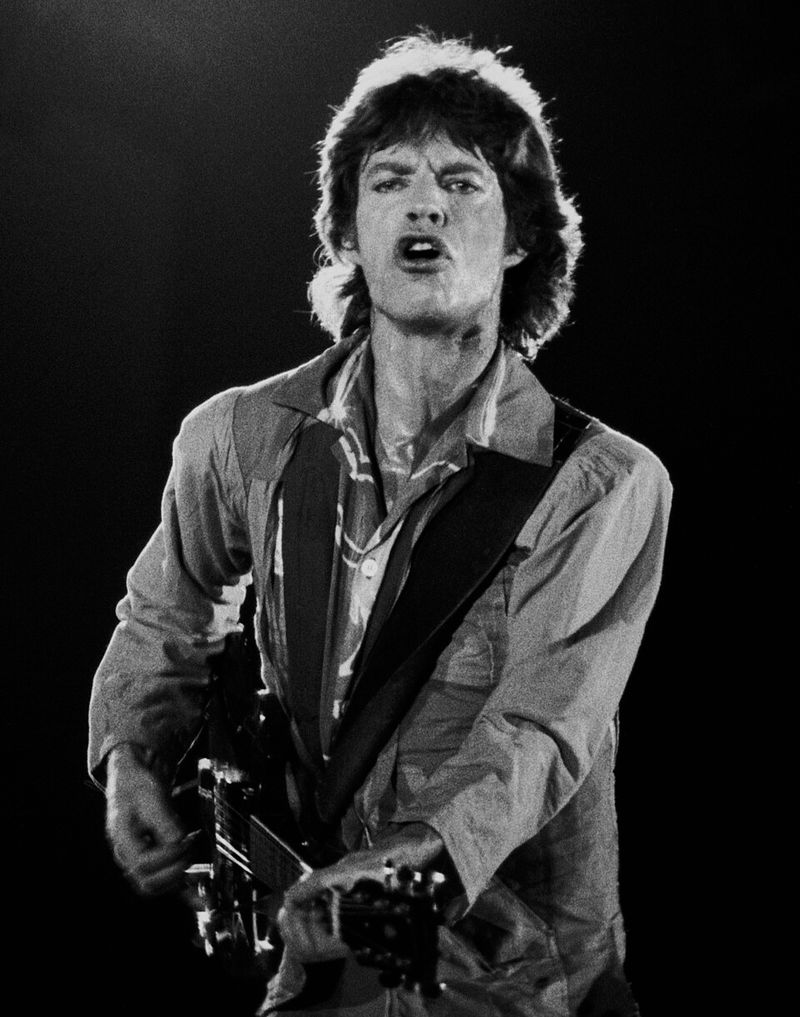
Sticky Fingers arrived in April 1971 with its Andy Warhol-designed cover and an immediately strong opening run of tracks. Moonlight Mile closed the album quietly, featuring Mick Jagger on acoustic guitar and a string arrangement that gave the song a reflective, road-weary quality notably different from the record’s earlier energy.
Keith Richards did not play on the track. Its placement as the album’s final song gave Sticky Fingers a sense of emotional distance that balanced the more aggressive material earlier in the sequence.
18. Purple Rain (Prince, Purple Rain, 1984)
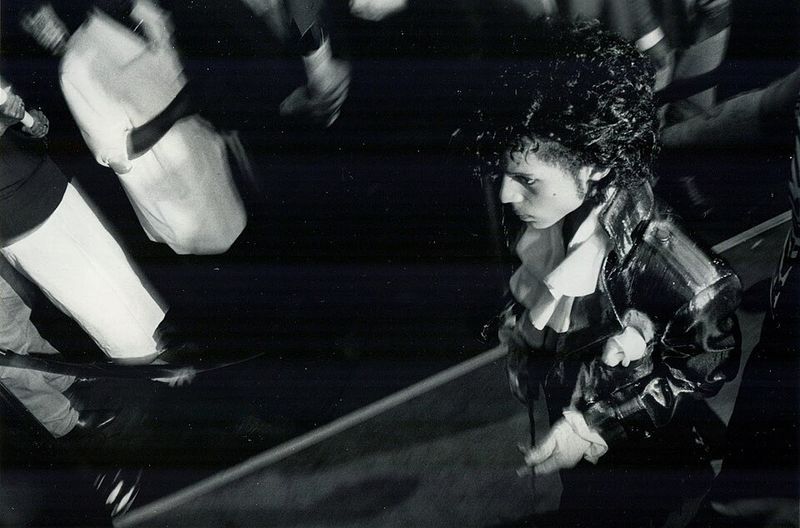
Prince recorded the title track live at First Avenue in Minneapolis on August 3, 1983, with the full crowd audible in the final mix. The Purple Rain album, released in June 1984, used this performance as its closer, giving the record an emotional conclusion that felt both personal and theatrical.
The song spent two weeks at number two on the Billboard Hot 100. Its placement at the album’s end gave the whole project the feeling of a proper stage finale.
19. The Call of Ktulu (Metallica, Ride the Lightning, 1984)
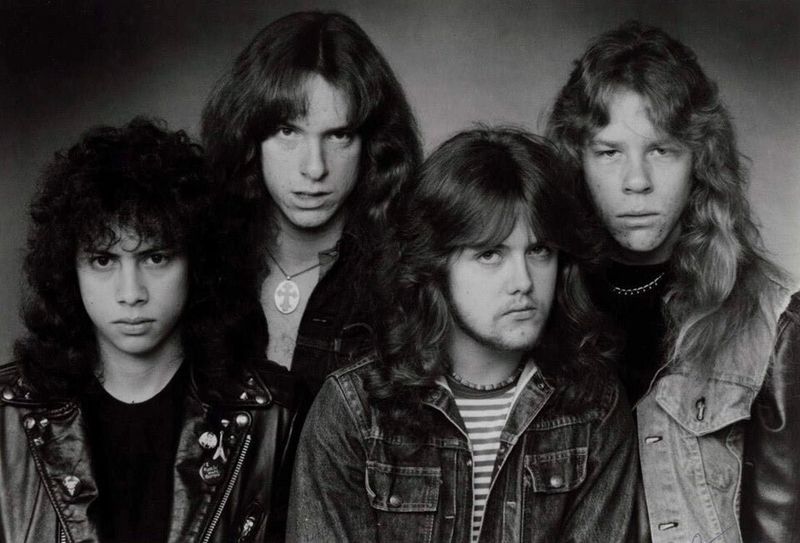
Ride the Lightning was released in July 1984 and marked Metallica’s shift toward longer, more complex compositions after their debut. The Call of Ktulu ran over eight minutes as a fully instrumental track, a bold choice for a band still building its mainstream audience, and drew its title from an H.P.
Lovecraft story.
The piece had roots in a collaboration with Dave Mustaine before he left the band. Closing Ride the Lightning with an eight-minute instrumental signaled that Metallica was already thinking well beyond the standard thrash metal format.
20. Would? (Alice in Chains, Dirt, 1992)
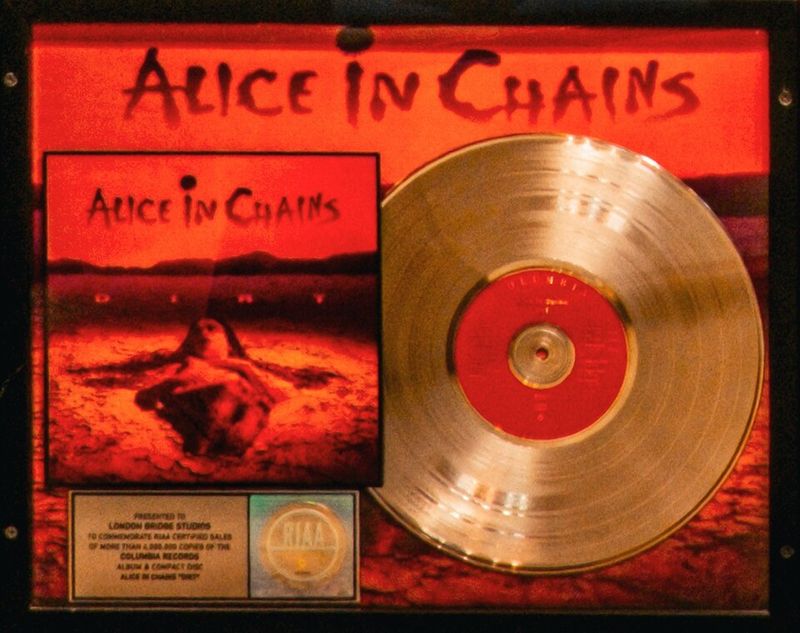
Dirt was released in September 1992 and documented addiction and psychological collapse with an unflinching directness that set it apart from most rock records of the era. Placing Would? at the album’s end gave the record a closing statement that was both personal and communal, referencing the life of Andrew Wood, the late frontman of Mother Love Bone.
The song had originally appeared on the Singles soundtrack. Its inclusion as Dirt’s closer connected the album to a specific moment in Seattle music history that listeners recognized immediately.
Share this story