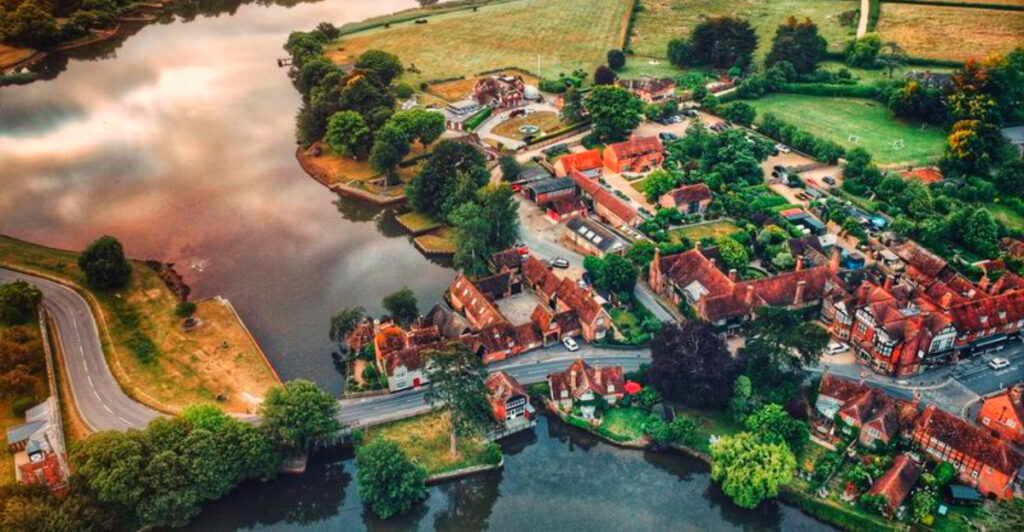
Jane Austen wrote about drawing rooms, country lanes, and proper social calls with such precision that readers still feel like they could walk right into her world. The good news is that, in many corners of England, you actually can.
From honey-colored stone villages to grand Georgian terraces, a surprising number of places have held onto the look, the pace, and the quiet dignity that Austen captured so well in her novels. These are not reconstructed theme parks or polished tourist traps.
They are real, lived-in places where history refused to leave. Whether you are a lifelong Austen fan who has read Pride and Prejudice three times or someone who simply enjoys beautiful, historic England, this list will give you fifteen very good reasons to pack your bags and go looking for the Regency era in the places where it never really ended.
1. Bath, Somerset, England
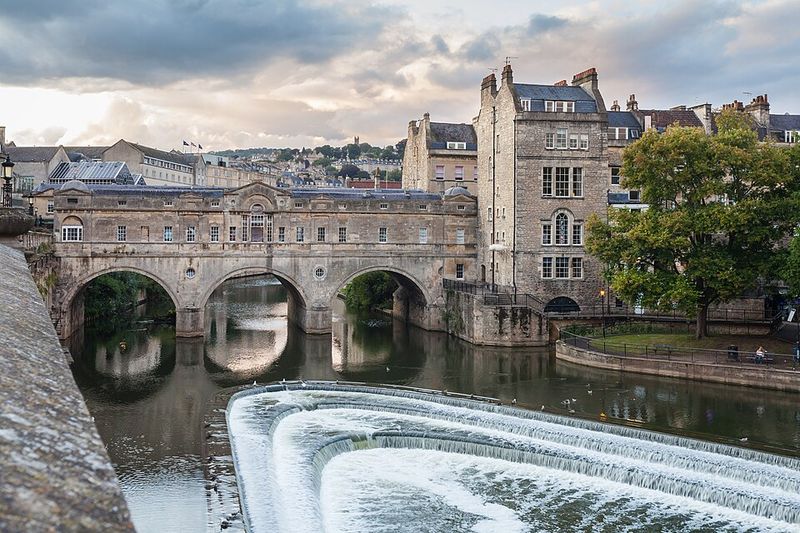
Jane Austen lived in Bath from 1801 to 1806, and the city practically handed her two novels on a silver platter. Northanger Abbey and Persuasion both draw heavily on Bath’s social life, its elegant streets, and its very particular brand of fashionable bustle.
The Royal Crescent still sweeps across the hilltop in its grand arc of thirty terraced houses, looking almost exactly as it did when Austen walked past it. The Pump Room, where her characters sipped and gossiped, still serves tea to visitors today.
Bath’s Georgian architecture is so well preserved that the city earned UNESCO World Heritage status in 1987. The Jane Austen Centre on Gay Street is worth a visit for context, but the real reward is simply wandering the streets and recognizing the city she described so vividly in her fiction.
2. Chawton, Hampshire, England
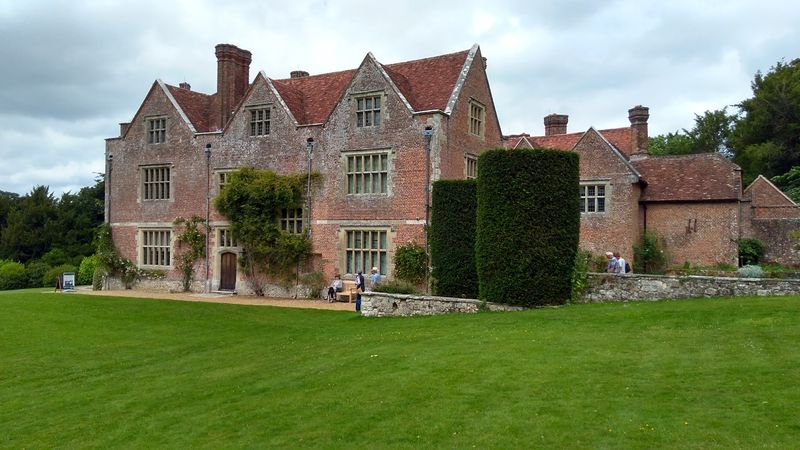
This is the place where Jane Austen did her best work, and the house proves it. She moved to Chawton in 1809 and spent the next eight years revising and completing six novels at a small writing table near the front window of a modest brick cottage.
That table is still there. So are her letters, her jewelry, and the original door that reportedly squeaked just enough to warn her when someone was coming, giving her time to hide her manuscript under the blotter.
The Jane Austen’s House Museum preserves the cottage with careful attention to period detail, including recreated wallpaper based on original fragments. A short walk up the lane leads to Chawton House, the grand Elizabethan manor belonging to her brother Edward, which she called the Great House and visited regularly throughout her years in the village.
3. Winchester, Hampshire, England
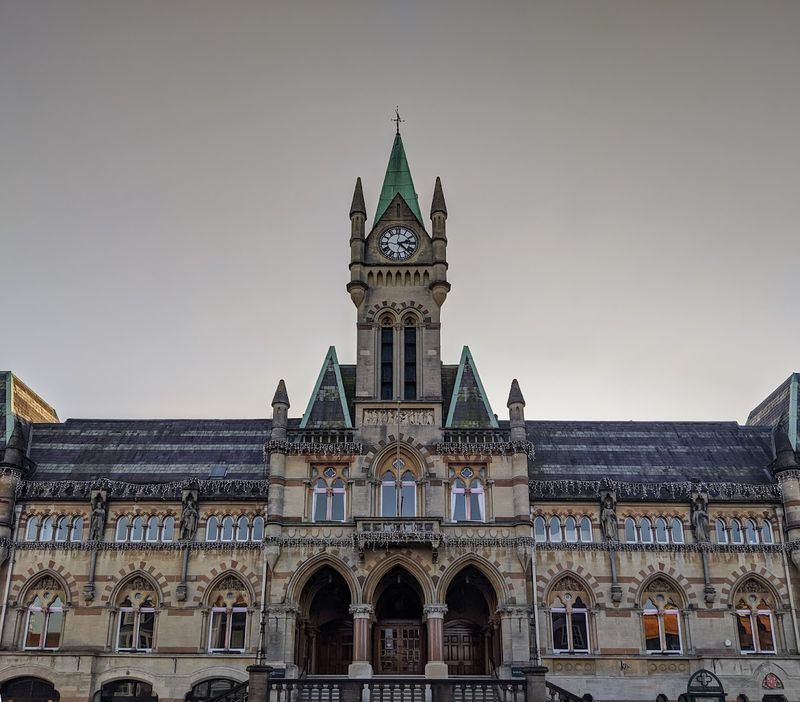
Austen arrived in Winchester in May 1817, hoping that medical treatment might restore her health after months of illness. She passed away on July 18 of that year, and Winchester Cathedral became her final resting place.
Her grave in the north aisle of the nave is marked by a simple stone that originally made no mention of her novels, referring only to her personal virtues. A brass plaque added later acknowledges her literary legacy, and today the spot draws visitors from around the world.
Beyond the cathedral, Winchester rewards exploration. The medieval Great Hall still contains what is claimed to be King Arthur’s Round Table, and the city’s streets retain a historic character largely untouched by modern development.
The pace here is slower and more considered, which feels entirely appropriate for a city that gave Austen her final quiet chapter.
4. Lacock, Wiltshire, England
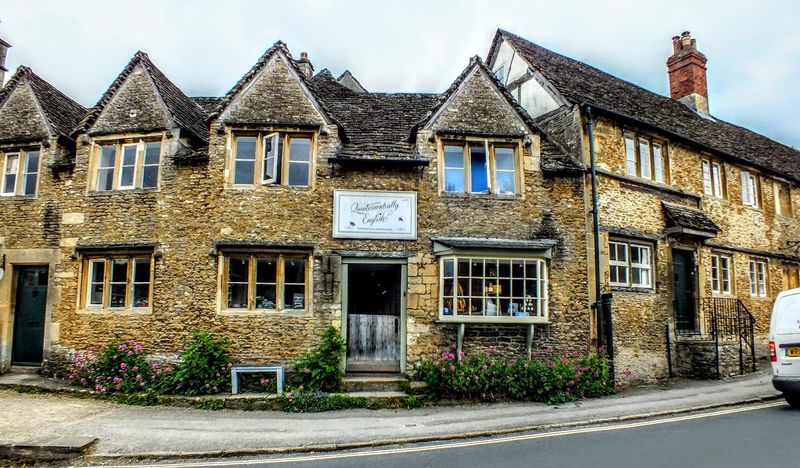
Lacock is the kind of village that makes film location scouts weep with gratitude. Owned almost entirely by the National Trust, it has no overhead power lines, no modern shop fronts, and no jarring contemporary additions to break the illusion of the past.
The village dates to the Saxon period and its buildings span several centuries, but the overall effect is one of remarkable coherence. It stood in for Meryton in the beloved 1995 BBC adaptation of Pride and Prejudice and for Highbury in the 1996 film version of Emma.
Lacock Abbey on the village edge adds another layer of historical depth. Even for visitors with no interest in period dramas, the village is genuinely extraordinary.
Walking its lanes requires almost no imagination to believe that you have arrived somewhere outside the reach of the twenty-first century entirely.
5. Burford, Oxfordshire, England
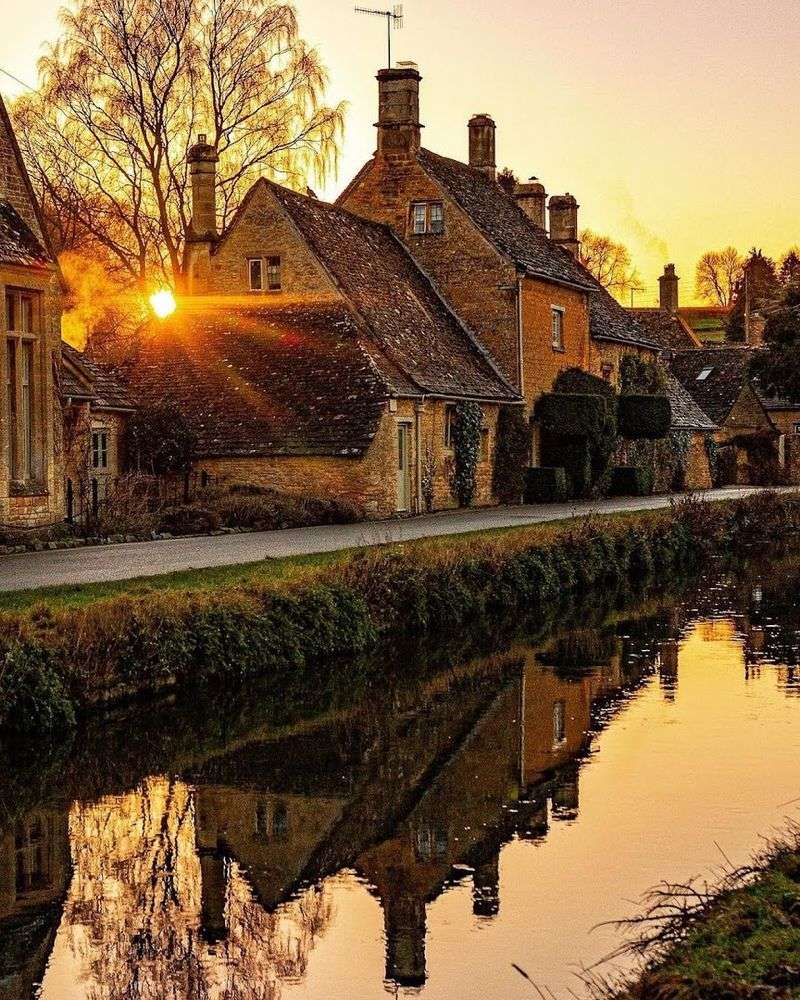
Burford’s main street drops steeply downhill toward the River Windrush, and the whole descent is lined with Cotswold stone buildings that have barely changed since the Georgian era. The town served as a prosperous wool-trading center for centuries, and that wealth is still visible in the quality of its architecture.
Historic inns that once served coaching routes still operate along the high street, and the fifteenth-century church at the bottom of the hill anchors the town with quiet authority. There are no chain restaurants dominating the storefronts, and the general atmosphere is one of unhurried provincial life.
Austen’s characters would have recognized a town like Burford immediately. It represents the kind of market town where social hierarchies were maintained, local gossip circulated, and a new visitor could cause considerable excitement.
The Cotswolds surrounding it add miles of countryside walking that feel equally timeless.
6. Castle Combe, Wiltshire, England
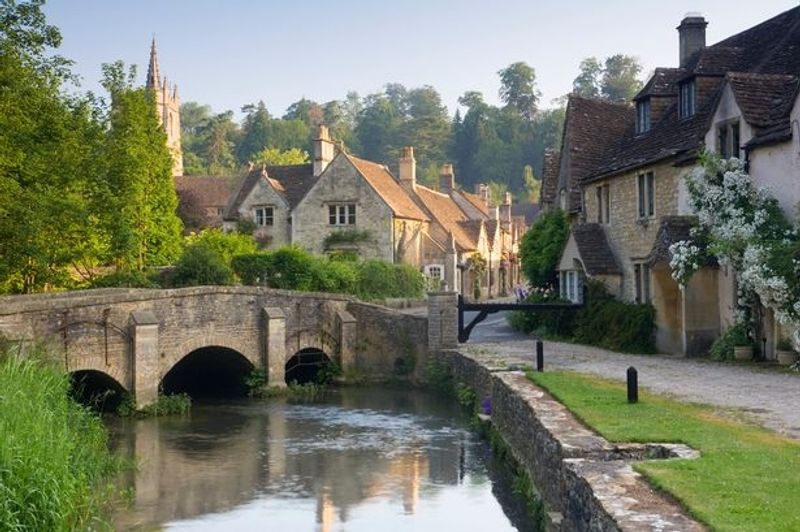
Voted England’s prettiest village more than once, Castle Combe takes that title seriously. Stone cottages crowd around a medieval market cross, a fourteenth-century church presides over the scene, and the By Brook stream runs quietly through the lower part of the village.
No modern buildings interrupt the view. The village has appeared in numerous film productions precisely because it requires almost no set dressing to look convincingly historical.
The complete absence of commercial signage or modern architecture gives it an eerie, pleasant sense of suspension.
For Austen readers, Castle Combe represents the kind of rural English village that appears in the background of her novels, the sort of place where everyone knows everyone, where the arrival of a new family is a social event, and where afternoon walks serve as both exercise and intelligence gathering. It is a genuinely beautiful place worth visiting on its own terms.
7. Alfriston, East Sussex, England
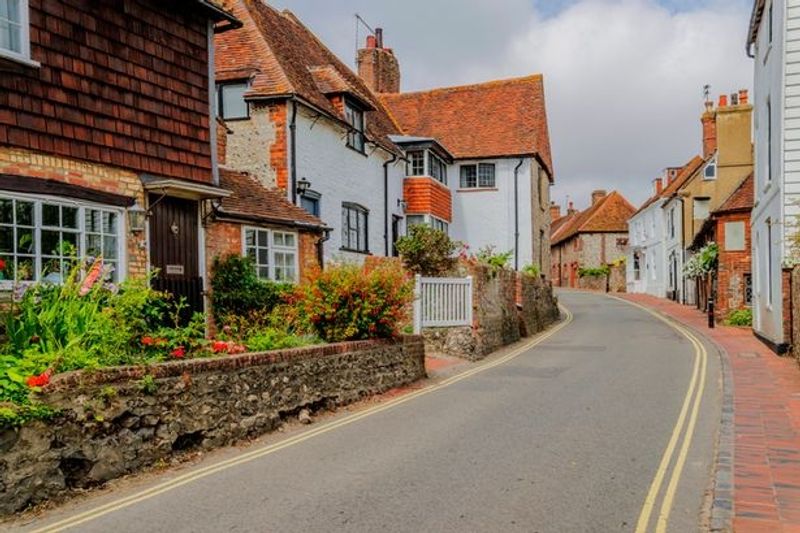
Tucked into the Cuckmere Valley just inland from the South Downs coast, Alfriston is the kind of village that makes you check your phone to confirm you are still in the present. Its narrow lanes, centuries-old inns, and traditional flint-and-timber cottages have survived remarkably intact.
The Star Inn, dating to the fourteenth century, is one of England’s oldest surviving hostelries and still operates as a hotel today. The village church, known locally as the Cathedral of the Downs, stands on a raised green at the center of the settlement and has served the community since the fourteenth century.
Austen’s novels are full of characters who make visits to country villages exactly like this one. The social rituals of calling, walking, and observing one’s neighbors played out in settings that Alfriston still represents with great fidelity.
8. Stamford, Lincolnshire, England
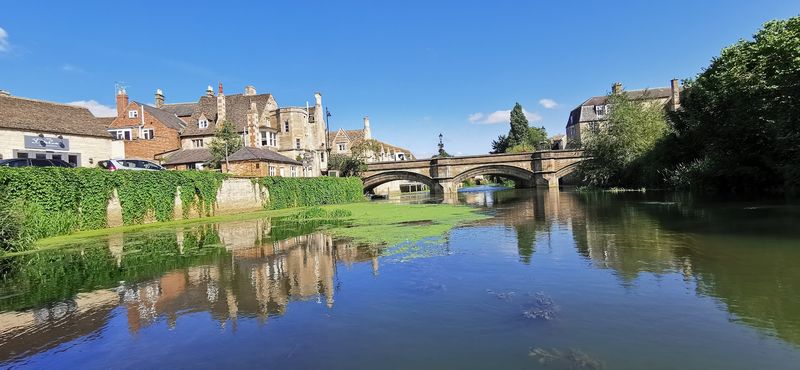
Stamford is often cited by architectural historians as one of the finest examples of a Georgian market town in Britain, and one look at its streets makes the case without any argument. Grand stone townhouses, a handsome medieval church, and wide public spaces create the kind of setting that Austen’s more prosperous characters would have inhabited without a second thought.
The town’s wealth came from wool and later from its position on the Great North Road, and the prosperity of those centuries is preserved in its buildings. Burghley House, one of England’s grandest Elizabethan mansions, sits just outside the town and adds considerable historical weight to the area.
Stamford served as Middlemarch in the 1994 BBC adaptation of George Eliot’s novel, and it has appeared in various other period productions. For Austen fans, it represents the prosperous provincial world her characters navigated with such social precision and occasional anxiety.
9. Bradford-on-Avon, Wiltshire, England
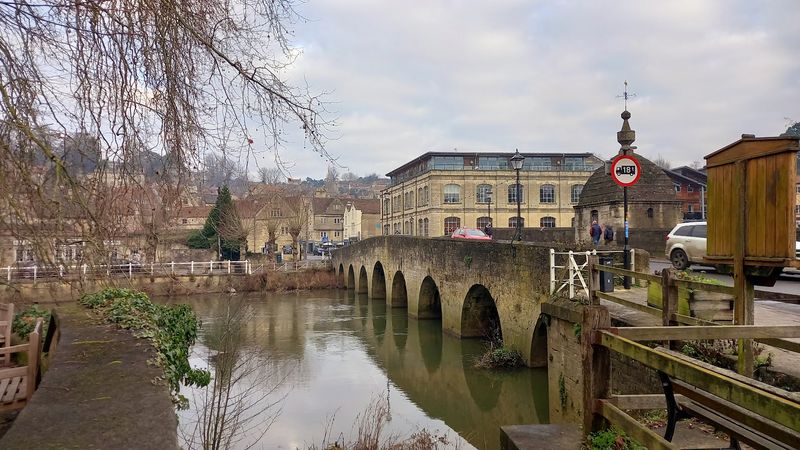
Bradford-on-Avon rewards the kind of visitor who prefers discovery over itinerary. The town rises steeply from the River Avon in a series of terraced stone streets, each one offering slightly different views of the rooftops and water below.
Its historic Town Bridge, with a small lock-up chapel built into one of its piers, has spanned the river since the thirteenth century. Georgian townhouses line the upper streets, and a Saxon church that sat undiscovered for centuries was only formally identified in the nineteenth century, which says a great deal about how much history this place quietly contains.
The town has a lively independent shopping scene that manages to coexist with its historic character without overwhelming it. For Austen’s England, Bradford-on-Avon offers the combination of refinement, natural beauty, and small-town social life that runs through so many of her plots.
It is easy to spend a full day here and still feel you have missed something.
10. Rye, East Sussex, England
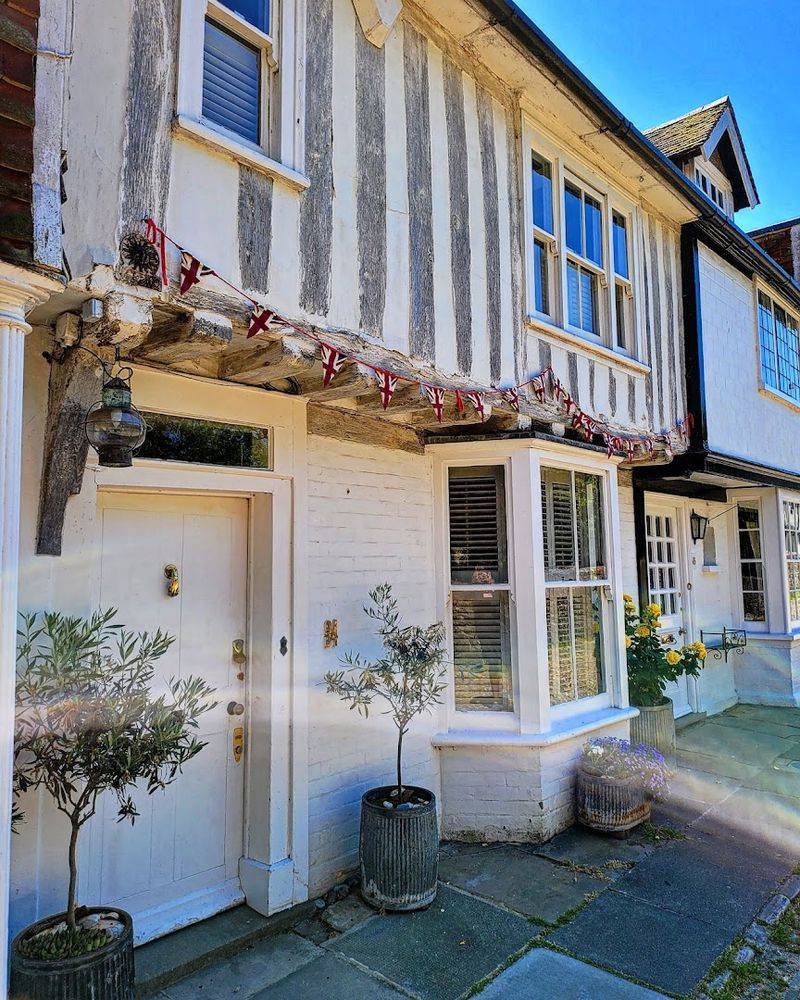
Rye sits on a hilltop surrounded by marshland, and it has the slightly dramatic self-possession of a town that knows it looks extraordinary. Its cobbled streets, medieval gatehouses, and timber-framed buildings predate Austen by several centuries, but the Georgian period added its own layer of elegant townhouses to the mix.
Mermaid Street is perhaps the most photographed lane in the town, dropping steeply between buildings that have stood since the fifteenth century. The overall effect is of a place that accumulated history in layers and then simply stopped allowing anything new to disturb the arrangement.
While Rye is not directly connected to Austen’s life, it represents the kind of ancient, self-contained English town that formed the backdrop of the world she wrote about. Visitors who enjoy historic architecture and quiet contemplation will find plenty of both here, along with views across the Romney Marshes that have changed very little in centuries.
11. Frome, Somerset, England
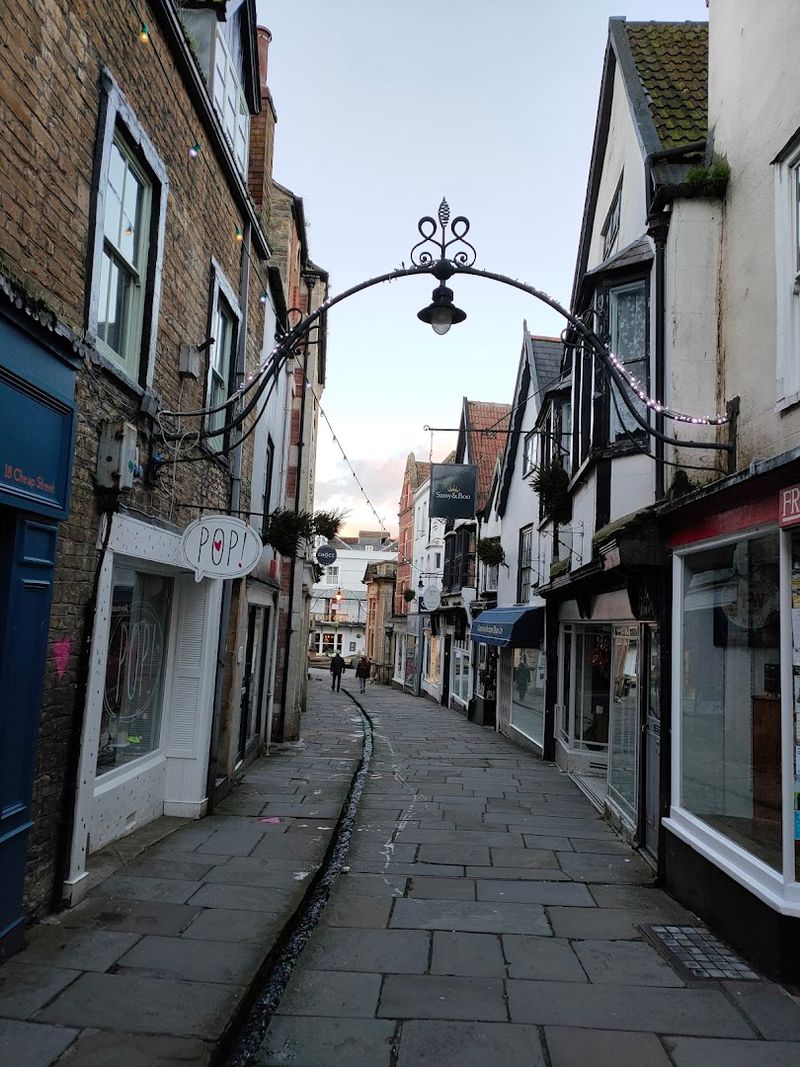
Frome is a town that has managed the difficult trick of staying historically interesting while also being genuinely alive. Its steep lanes, Georgian facades, and handsome medieval church sit comfortably alongside independent bookshops, markets, and a creative community that gives the town real energy.
Cheap Street, the town’s most distinctive thoroughfare, runs a narrow course with a small water channel down its center, a feature that dates back to medieval times and still functions today. The surrounding streets contain some of the best-preserved Georgian architecture in Somerset outside of Bath itself.
Austen’s England was not a museum. It was a functioning society with commerce, ambition, and everyday life running through it, and Frome captures that quality better than many more polished destinations.
12. Beaulieu, Hampshire, England
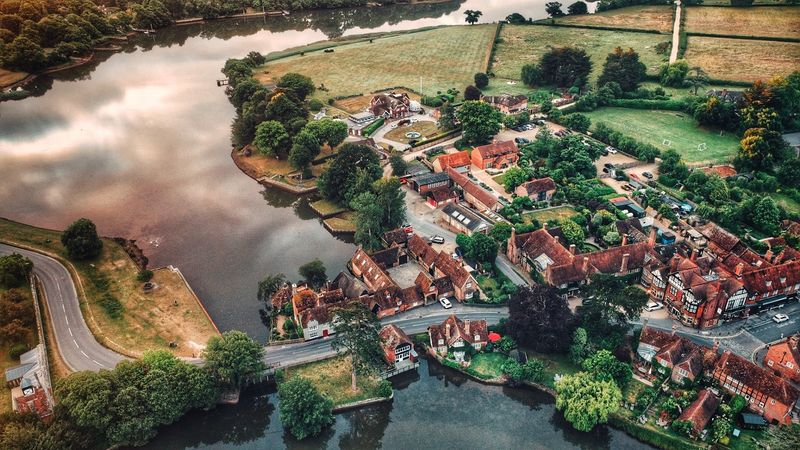
Hampshire was Jane Austen’s home county, and Beaulieu sits within the New Forest at a comfortable distance from the bustle of larger towns, offering a version of rural Hampshire that feels genuinely preserved. The village clusters around the ruins of Beaulieu Abbey, founded in 1204, and the adjacent Palace House, which has been the home of the Montagu family for centuries.
The New Forest itself is one of England’s oldest royal hunting grounds, established by William the Conqueror in 1079. Ancient woodland and open heathland surround the village, and wild ponies still roam freely across the landscape as they have for generations.
13. Sherborne, Dorset, England
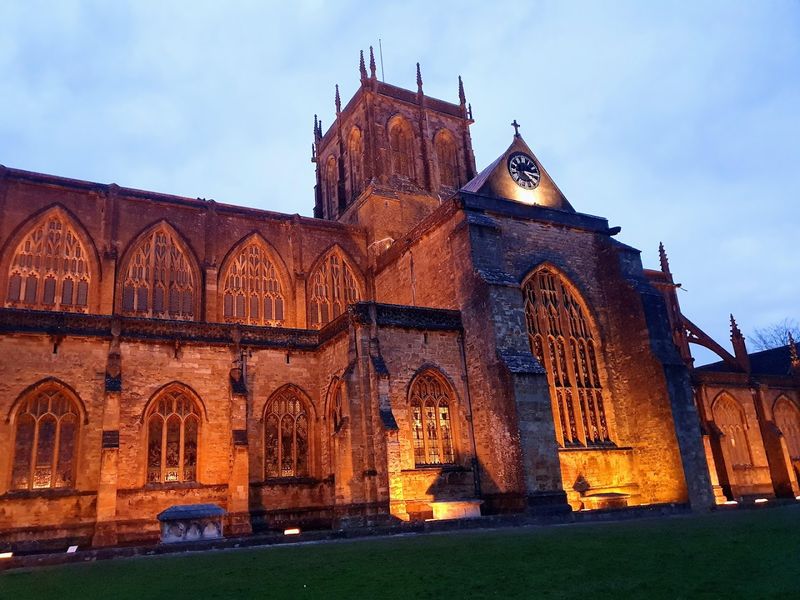
Sherborne has the kind of town center that makes architects go quiet with respect. The abbey church, built in golden Ham stone, dominates the skyline and has served the community since the eighth century.
Around it, Georgian townhouses and independent shops create a remarkably coherent historic setting.
The town also contains two castles, an old ruined Norman structure and a later Elizabethan mansion built by Sir Walter Raleigh, which together give Sherborne a depth of historical layering that few English towns can match. The surrounding Dorset countryside adds rolling hills and quiet lanes to the picture.
14. Great Bedwyn, Wiltshire, England
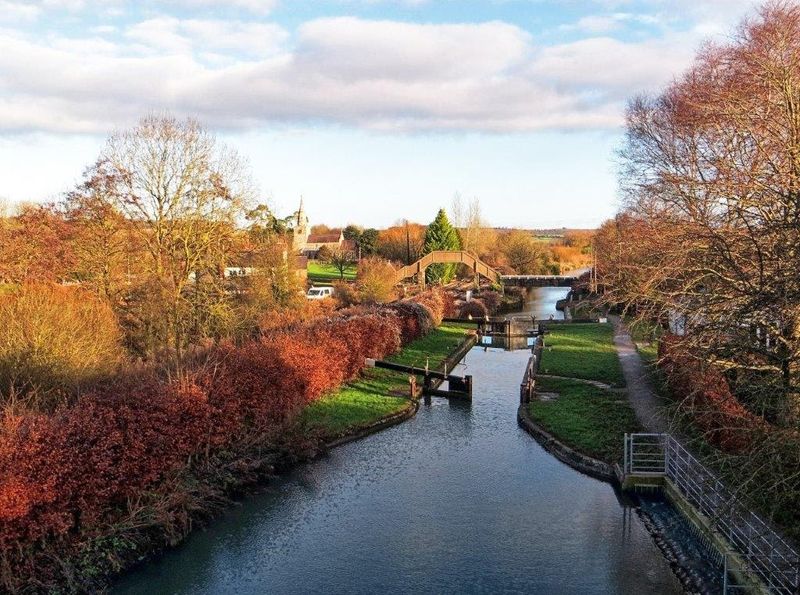
Great Bedwyn is not the kind of place that appears on most tourist itineraries, and that is precisely what makes it valuable. This small Wiltshire village sits beside the Kennet and Avon Canal and retains a settled, unhurried quality that more famous destinations have long since traded away for visitor numbers.
The parish church of St Mary the Virgin contains notable medieval monuments and has served the village continuously since Norman times. Traditional cottages line the main street, and the surrounding countryside offers walking routes along the canal towpath that connect to a broader network of historic waterways.
Austen’s lesser-known characters often came from exactly this kind of modest rural parish, places where the social world was smaller, the stakes were local, and a family’s reputation was built over generations rather than seasons.
15. Lyndhurst, Hampshire, England
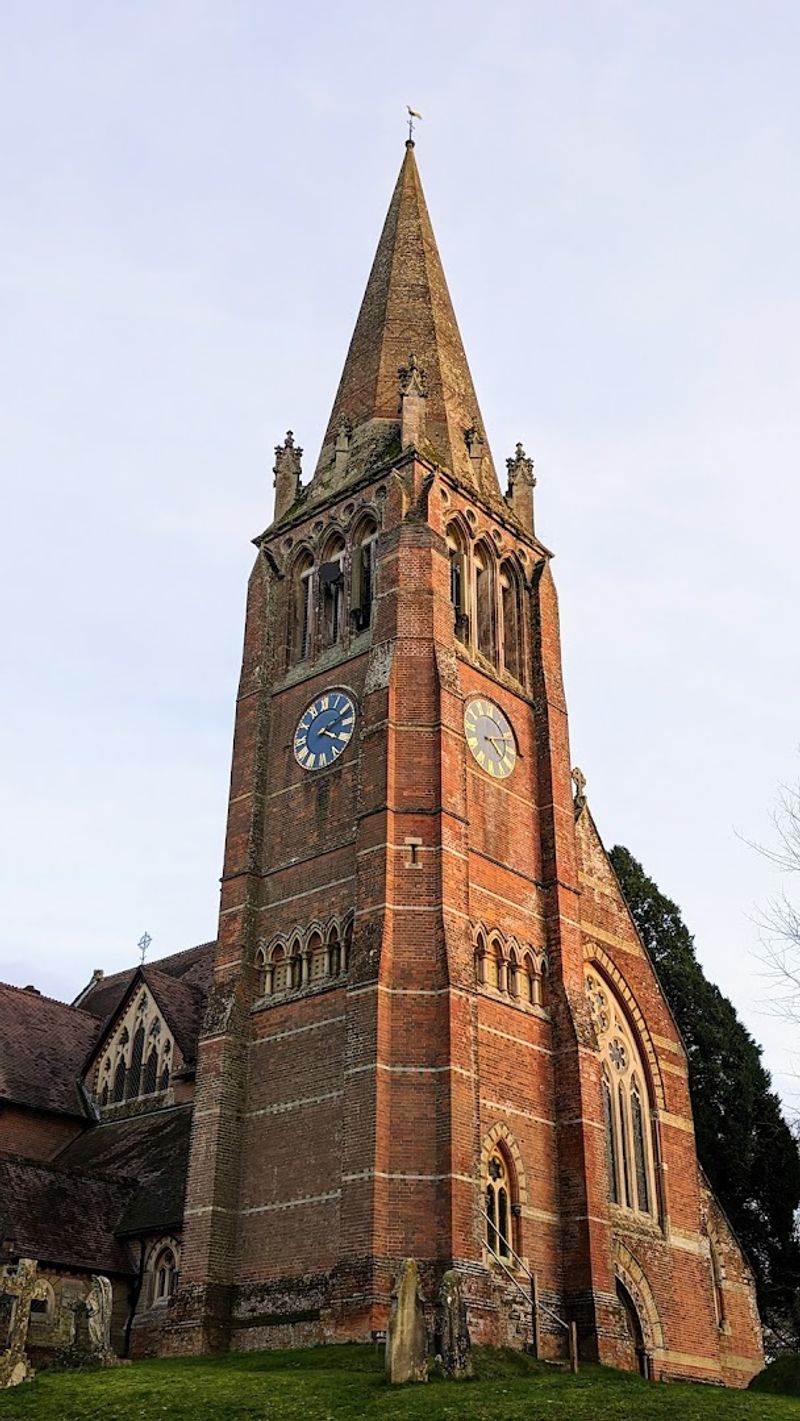
Lyndhurst calls itself the capital of the New Forest, and while it is a self-appointed title, the town earns it through sheer character. It sits at the heart of one of England’s oldest and most distinctive landscapes, surrounded by ancient woodland, open heathland, and the free-roaming ponies that have become the New Forest’s most recognizable residents.
The church of St Michael and All Angels, rebuilt in Victorian Gothic style in the 1860s, contains a Pre-Raphaelite window by Edward Burne-Jones and a grave in the churchyard that belongs to Alice Hargreaves, the real-life inspiration for Alice in Wonderland. The town’s historic buildings and forest setting give it a layered, literary quality.
Share this story