 Unearth The Voyage
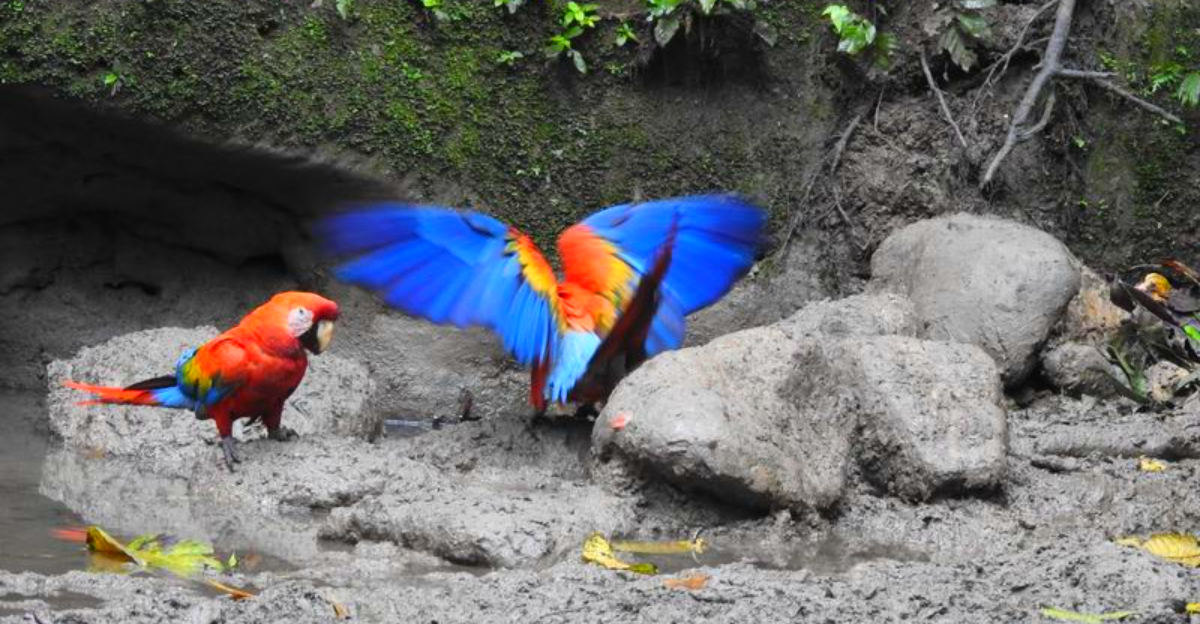
South America is home to some of the most jaw-dropping wildlife on the planet, from giant tortoises that outlive entire generations to dolphins that glow pink in murky river waters. The continent covers an enormous range of ecosystems, including tropical rainforests, vast wetlands, Andean highlands, and remote Atlantic islands, each packed with creatures that seem almost too wild to be real.
Scientists estimate that South America holds around 40 percent of all plant and animal species on Earth, which is a number that is hard to wrap your head around.
1. Galápagos Islands, Ecuador
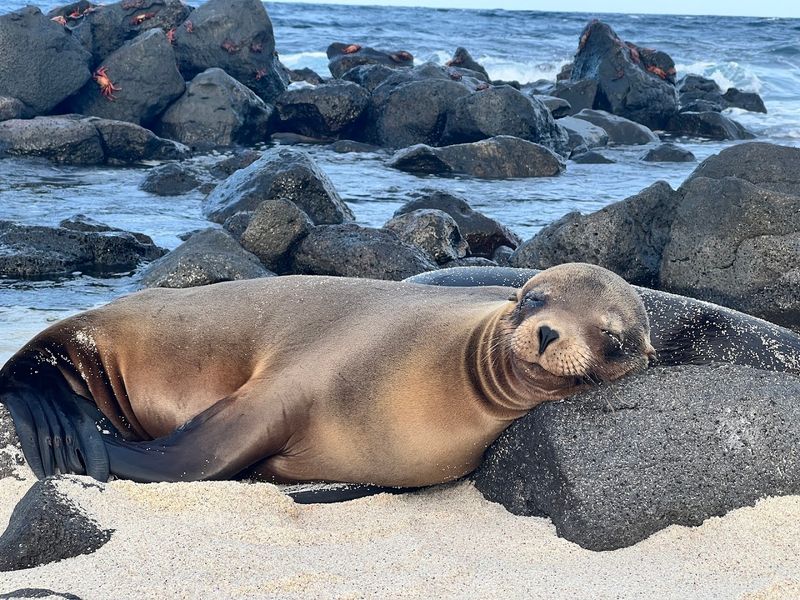
Charles Darwin sailed to these remote volcanic islands in 1835, and what he found there changed science forever. The Galápagos Islands sit about 600 miles off the coast of Ecuador, and their isolation has allowed wildlife to evolve in directions found absolutely nowhere else on Earth.
Giant tortoises that can weigh over 500 pounds roam freely across the lava fields. Marine iguanas, the only ocean-swimming lizards in the world, bask on black rocks along the shoreline.
Blue-footed boobies perform their famously awkward courtship dance right in front of visitors, seemingly unbothered by the audience. Sea lions nap on park benches, and Galápagos penguins swim alongside snorkelers in the equatorial Pacific.
The animals here have little fear of humans, which makes every encounter feel surprisingly personal. Conservation rules are strict, but access is still possible through licensed tours.
2. Pantanal, Brazil
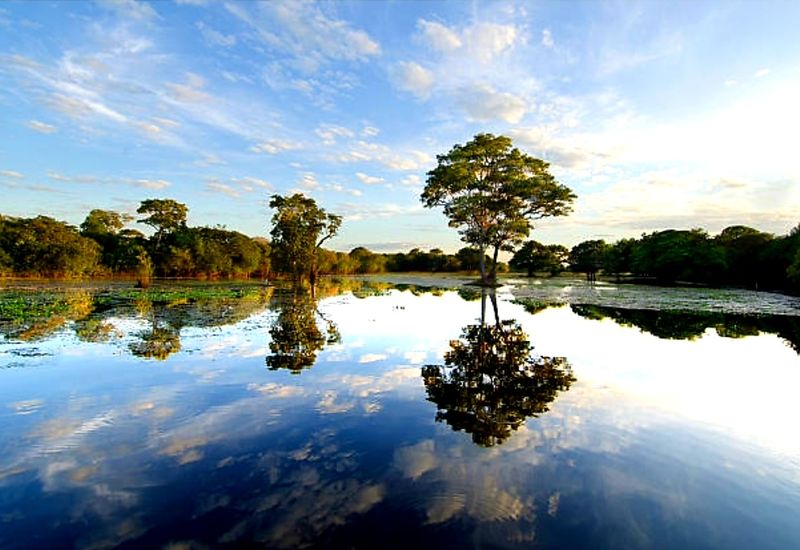
Forget searching for hours through dense jungle canopy just to catch a distant glimpse of something spotted and magnificent. The Pantanal, the world’s largest tropical wetland, offers jaguar sightings that would make most wildlife photographers weep with gratitude.
Spanning roughly 150,000 square miles across Brazil, Bolivia, and Paraguay, this vast flooded grassland is home to an estimated 1,000 bird species, 300 mammals, and more caimans than most people can comfortably count. The open landscape makes spotting animals far easier than in the Amazon, where dense trees block nearly every view.
Giant otters, hyacinth macaws, giant anteaters, and capybaras all share this extraordinary territory. Boat tours along the rivers offer some of the best wildlife viewing in the entire continent.
The dry season, roughly July through October, is the prime time to visit when animals concentrate around shrinking water sources.
3. Amazon Rainforest, Brazil
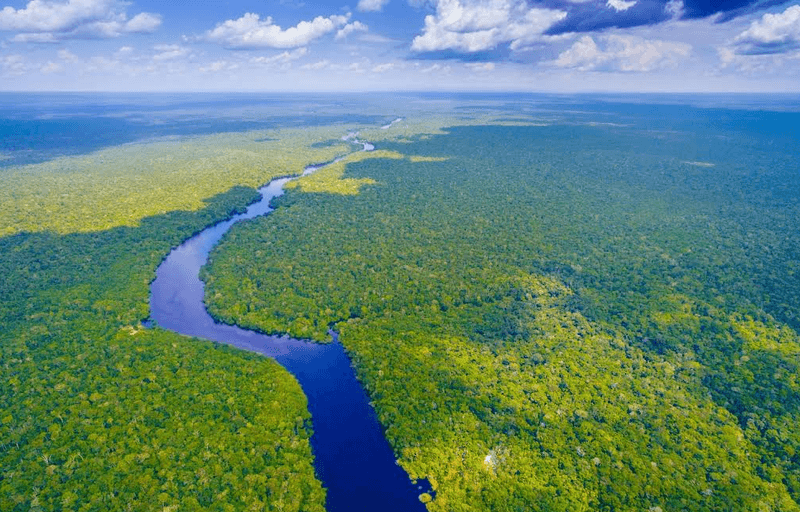
No list of South American wildlife destinations would be complete without the Amazon, and Brazil holds the largest share of this legendary rainforest. It covers more than 2 million square miles and contains roughly 10 percent of all species living on Earth.
Pink river dolphins, known locally as boto, glide through the murky waterways and are considered sacred by many riverside communities. Poison dart frogs, electric eels, sloths, howler monkeys, and scarlet macaws are just a fraction of what waits inside this living, breathing wilderness.
Guided river tours and jungle lodges near cities like Manaus and Belém offer comfortable access to remote areas. Night walks reveal an entirely different cast of creatures, including tarantulas, katydids, and nocturnal primates.
The Amazon is not just a destination but a reminder of how much biodiversity one single ecosystem can hold when left largely intact.
4. Manu National Park, Peru
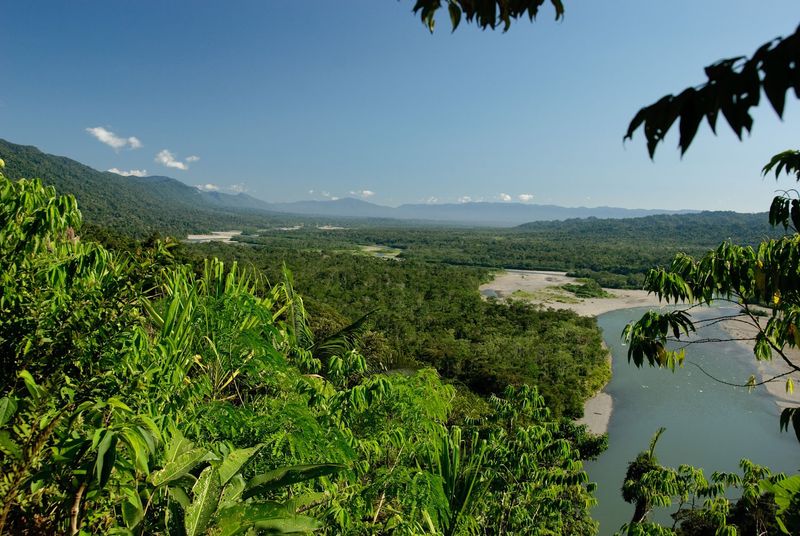
Manu National Park is the kind of place that makes biologists lose sleep with excitement. Tucked into southeastern Peru, it protects one of the most biologically rich areas on the entire planet, covering cloud forests, highland grasslands, and lowland Amazonian jungle all within a single protected zone.
The park is home to over 1,000 bird species, 200 mammal species, and more than 15,000 plant species. Giant river otters, which can reach nearly six feet in length, fish in the oxbow lakes.
Tapirs, spectacled bears, and several monkey species move through the understory below towering canopy trees.
Access is deliberately limited to protect the ecosystem, which means visitor numbers stay low and wildlife encounters feel genuinely wild. Most travelers arrive via a multi-day journey from Cusco, which itself passes through stunning cloud forest scenery.
Manu rewards patience with sightings that feel truly rare.
5. Torres del Paine National Park, Chile
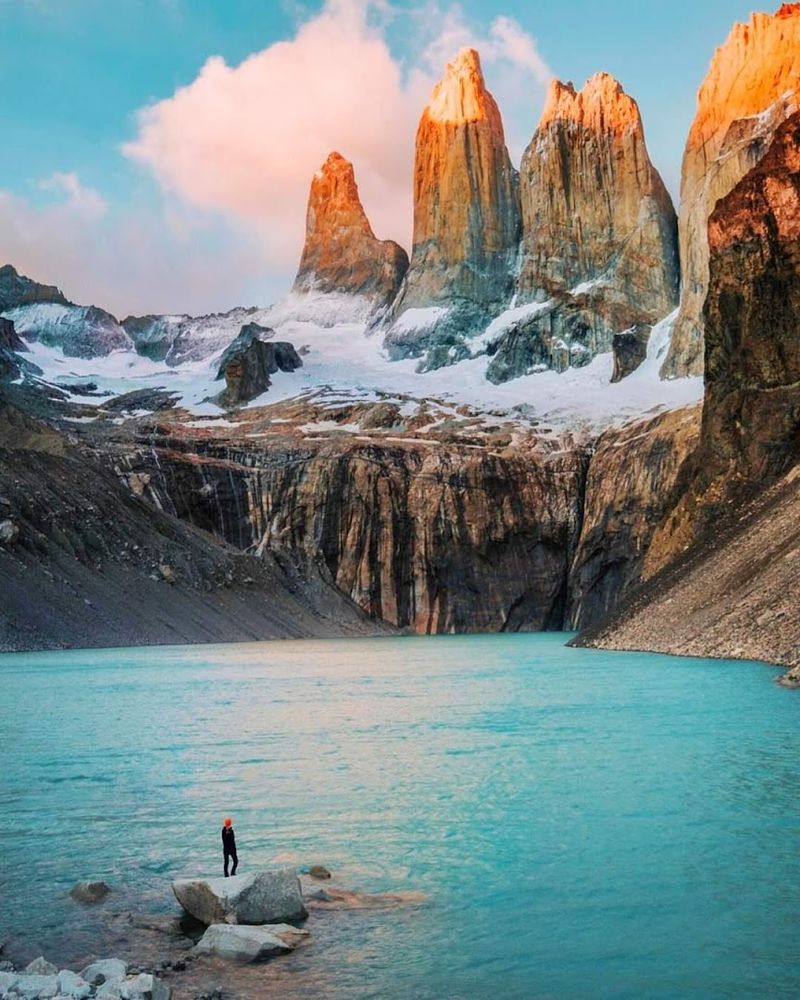
Torres del Paine is widely known for its towering granite peaks and turquoise lakes, but the wildlife here deserves just as much attention as the postcard scenery. This Chilean Patagonia park holds what researchers believe is the largest concentration of wild pumas anywhere in the world.
Guanacos, the wild relatives of llamas, roam the open grasslands in large herds and serve as the puma’s main prey. Andean condors, with wingspans stretching nearly ten feet, circle overhead on thermal currents throughout the day.
Rheas, which look like smaller ostriches, stalk across the steppe with impressive confidence. Darwin’s foxes and Patagonian skunks also make appearances for lucky visitors who move quietly along the trails.
Wildlife watching here is best done on foot or from a vehicle at dawn and dusk when pumas are most active. The park operates year-round, with summer months offering the most stable weather.
6. Yasuní National Park, Ecuador
Scientists have measured the biodiversity inside Yasuní National Park and come back with numbers that are genuinely hard to believe. A single hectare of forest here can contain more tree species than exist in all of North America combined, which tells you something important about what kind of place this is.
Recognized as a UNESCO Biosphere Reserve, Yasuní sits where the Andes, the Amazon, and the equator all converge, creating an ecological crossroads unlike anywhere else. Giant otters and pink river dolphins inhabit the flooded forests, while jaguars and tapirs roam the drier sections.
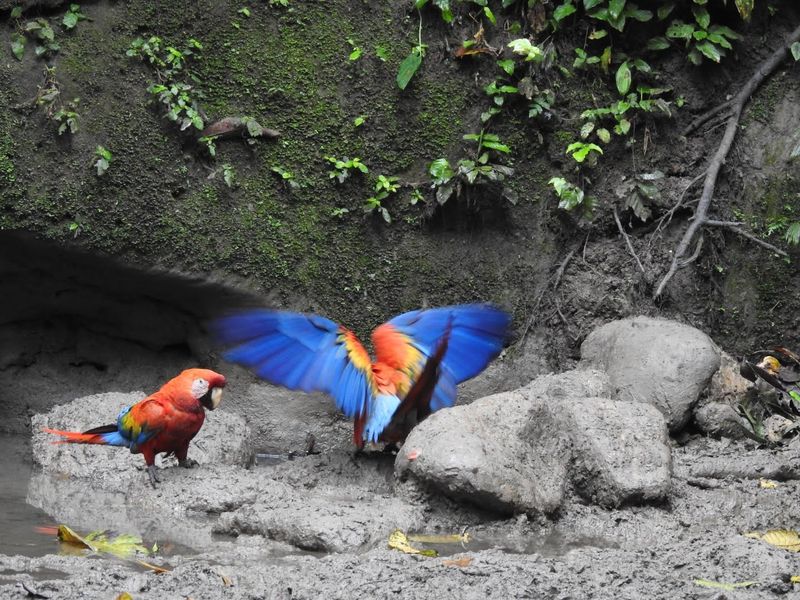
Night safaris reveal tiny tree frogs, glowing-eyed caimans, and nocturnal insects in extraordinary variety. One of the park’s most spectacular sights is the clay licks, where hundreds of parrots gather each morning to consume mineral-rich soil.
Access requires joining organized tours from the Ecuadorian Amazon gateway towns.
7. Madidi National Park, Bolivia
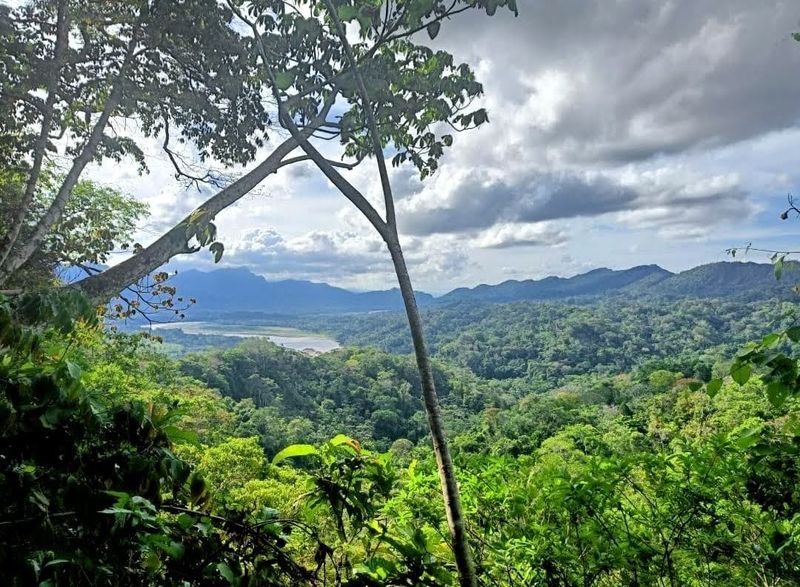
Bolivia does not always top traveler lists for wildlife, but Madidi National Park might just change that reputation permanently. Stretching from snow-capped Andean peaks down to steamy Amazonian lowlands, Madidi covers an altitude range so dramatic that it supports an almost unbelievable variety of habitats within a single park.
Jaguars, spectacled bears, giant anteaters, and giant river otters all live here, along with over 1,000 bird species. Scientists have formally documented new species inside Madidi in recent years, which means parts of the park are still being understood for the first time.
The Chalalan Ecolodge, operated by the local Quechua-Tacana community, offers guided wildlife tours that balance visitor access with conservation. The journey to reach the park involves a combination of road travel and river boat from the town of Rurrenabaque.
Madidi is genuinely remote, which is precisely what has kept its ecosystems so intact.
8. Ibera Wetlands, Argentina
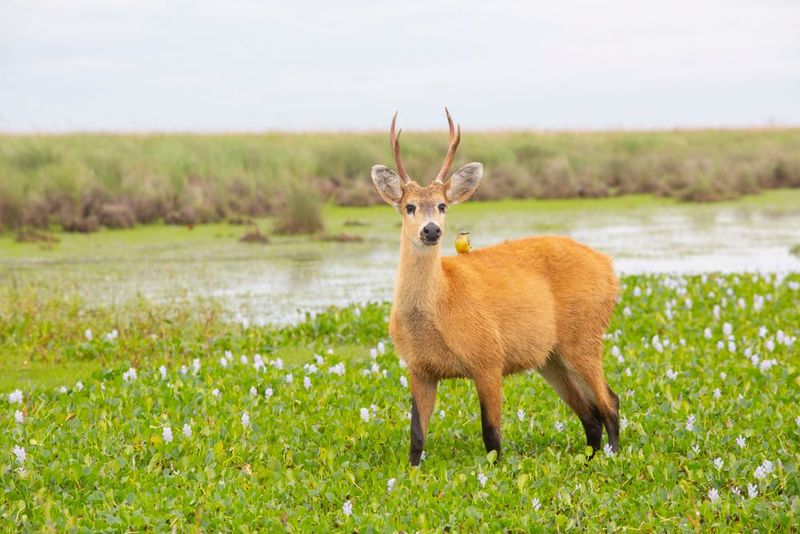
Argentina’s Iberá Wetlands represent one of the most inspiring conservation turnarounds in South America. Thanks to rewilding efforts led by Tompkins Conservation, species that had vanished from the region for decades, including jaguars, giant anteaters, and pampas deer, have been successfully reintroduced.
The wetlands cover roughly 5,000 square miles in the northeastern province of Corrientes and rank as one of the largest freshwater wetland systems on the continent. Capybaras, the world’s largest rodents, wander the marshes in groups, completely unfazed by passing boats and kayaks.
Marsh deer stand knee-deep in lagoons, and yacare caimans line the riverbanks in impressive numbers. Over 350 bird species have been recorded here, making it a serious destination for birdwatchers.
Estancias around the wetlands offer guided wildlife safaris on horseback, on foot, and by boat. The area feels wild and welcoming at the same time.
9. Tambopata National Reserve, Peru
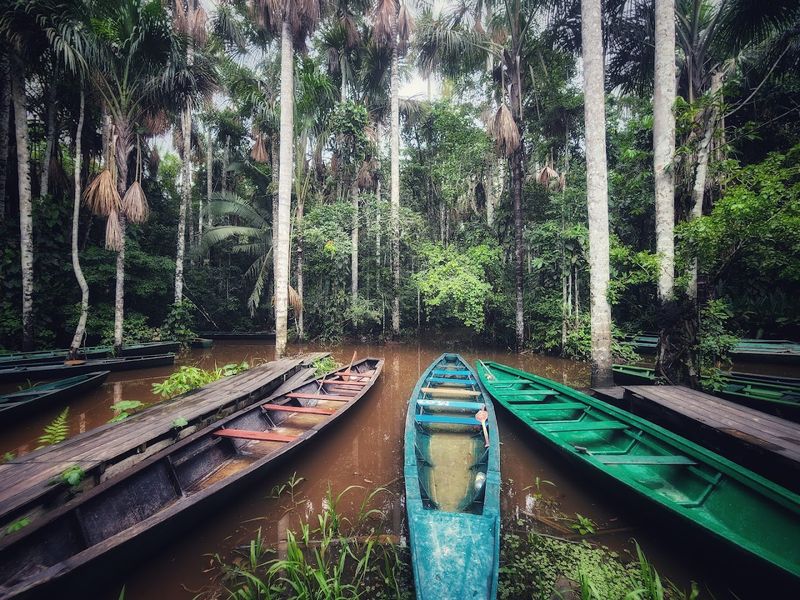
Every morning at Tambopata’s famous Chuncho clay lick, dozens of macaws, parakeets, and parrots descend onto the exposed riverbank in a riot of red, blue, and green. It is one of the most photographed wildlife spectacles in the entire Amazon basin, and it happens reliably enough that tour operators can practically set a schedule around it.
The reserve protects over 1.5 million acres of lowland Amazon rainforest in the Madre de Dios region of southeastern Peru. Giant river otters, black caimans, and multiple monkey species are regularly spotted on river excursions.
Tambopata Research Center, deep within the reserve, offers multi-day stays that put visitors right in the middle of the action. The butterfly diversity alone is staggering, with over 1,200 species recorded.
Puerto Maldonado, the regional gateway city, is served by regular flights from Lima and Cusco, making access straightforward.
10. Lençóis Maranhenses National Park, Brazil
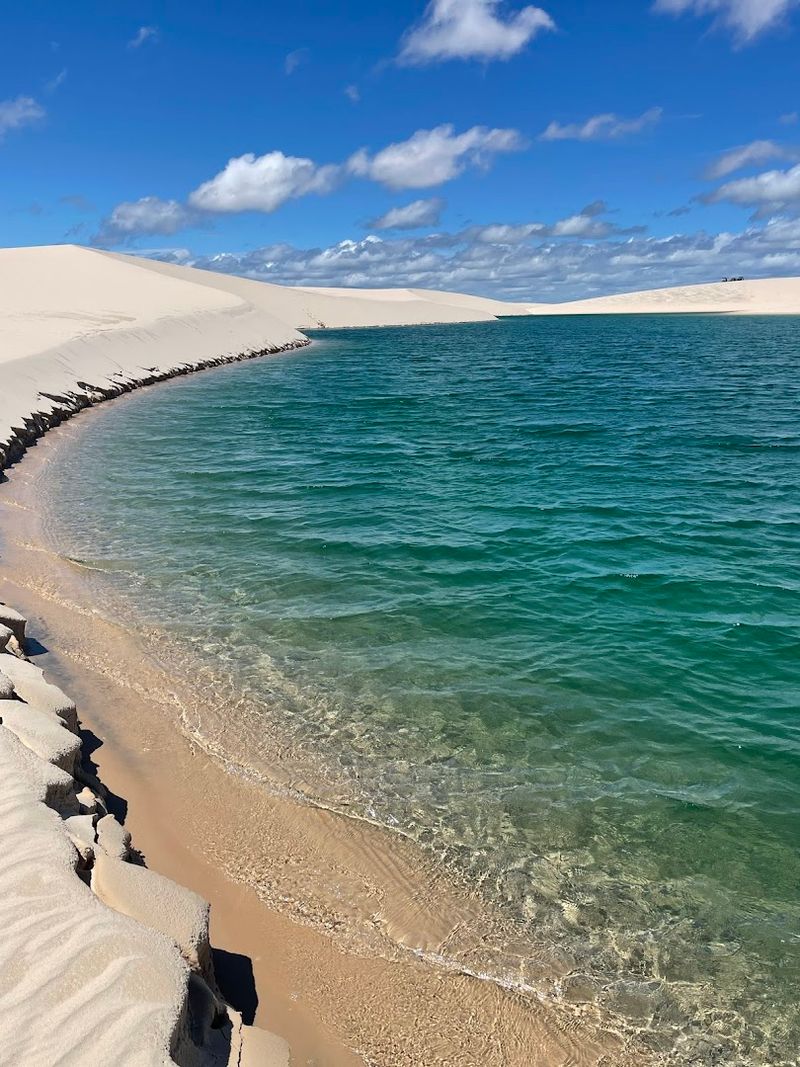
At first glance, Lençóis Maranhenses looks like it belongs in the Sahara, with endless white sand dunes rolling across the horizon. Then the rainy season arrives, and the dunes fill with hundreds of crystal-clear lagoons that support a surprisingly rich community of wildlife.
Fish, including species of wolf fish and traíra, appear in the lagoons each year after traveling through underground channels connected to nearby rivers. Migratory shorebirds and wading birds arrive to feed on the abundant aquatic life trapped within the dunes.
Sea turtles nest on the coastal stretches bordering the park, while crab-eating foxes and maned wolves have been spotted in the transitional zones between the dunes and the surrounding vegetation. The best time to visit is between July and September, when the lagoons are fullest.
The park sits in the state of Maranhão in northeastern Brazil and is accessible from the town of Barreirinhas.
11. Valdés Peninsula, Argentina
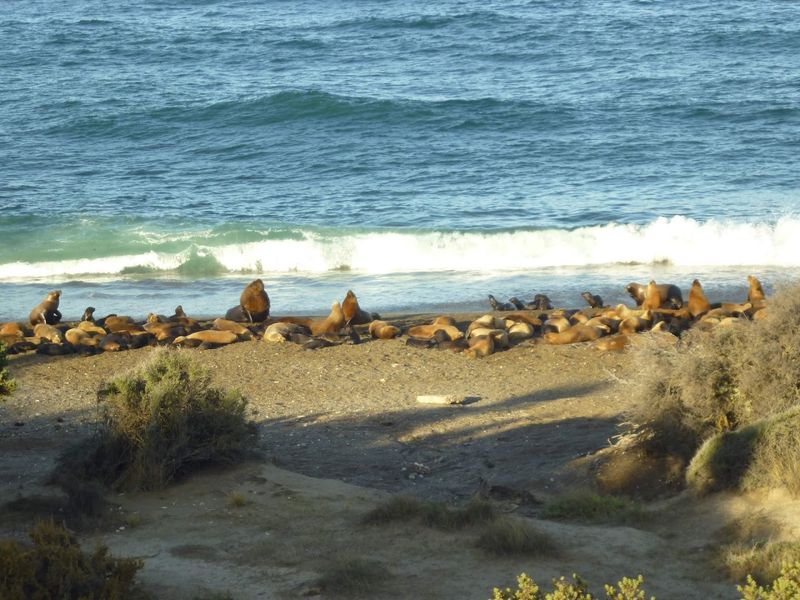
The Valdés Peninsula in Patagonia is essentially a marine wildlife calendar that changes with every season. Southern right whales arrive between June and December to breed and nurse their calves in the sheltered Gulf Nuevo, making it one of the most reliable whale-watching spots in the world.
Elephant seals haul out on the beaches in massive, lumbering colonies, while South American sea lions occupy separate stretches of coastline nearby. Orcas visit the area between March and April, using a remarkable hunting technique where they intentionally beach themselves to catch sea lion pups in the shallows.
Magellanic penguins nest in burrows at Punta Tombo, the largest penguin colony in South America, just a few hours’ drive from the peninsula. UNESCO recognized Valdés as a World Heritage Site in 1999 specifically for its marine biodiversity.
The nearest city is Puerto Madryn, which offers tours and accommodation for every budget.
12. Fernando de Noronha, Brazil
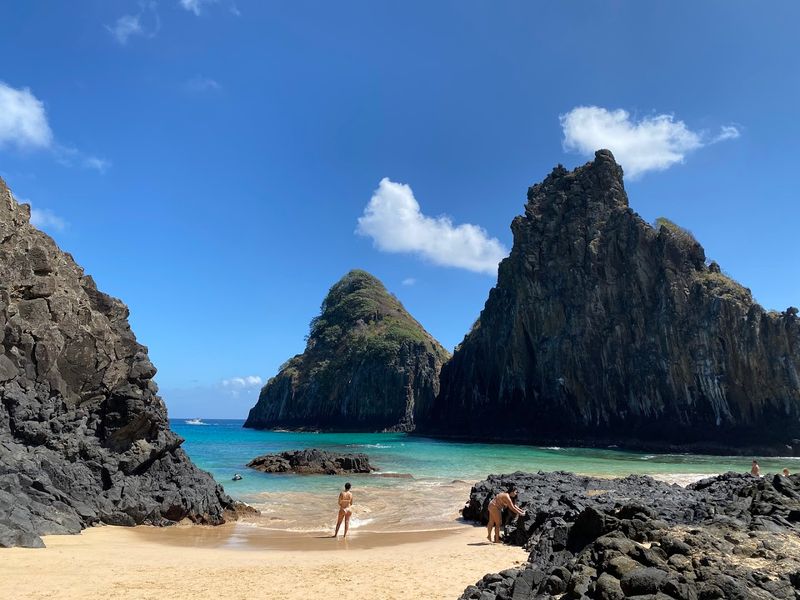
About 220 miles off the northeastern coast of Brazil, Fernando de Noronha is the kind of place that makes people seriously reconsider their life choices in the best possible way. This volcanic archipelago is one of the most strictly protected marine areas in the country, and the results of that protection are obvious the moment you look into the water.
Spinner dolphins gather in the Bay of Dolphins each morning in groups that can number in the hundreds. Green sea turtles and hawksbill sea turtles nest on the beaches and feed in the surrounding reefs, which rank among the healthiest in the Atlantic.
The park limits daily visitor numbers to protect the ecosystem, so booking well in advance is essential. Reef sharks, rays, and enormous schools of fish make snorkeling and diving here exceptional.
The archipelago also hosts seabird colonies including frigatebirds and masked boobies, adding a strong birdwatching dimension to the visit.
13. Canaima National Park, Venezuela
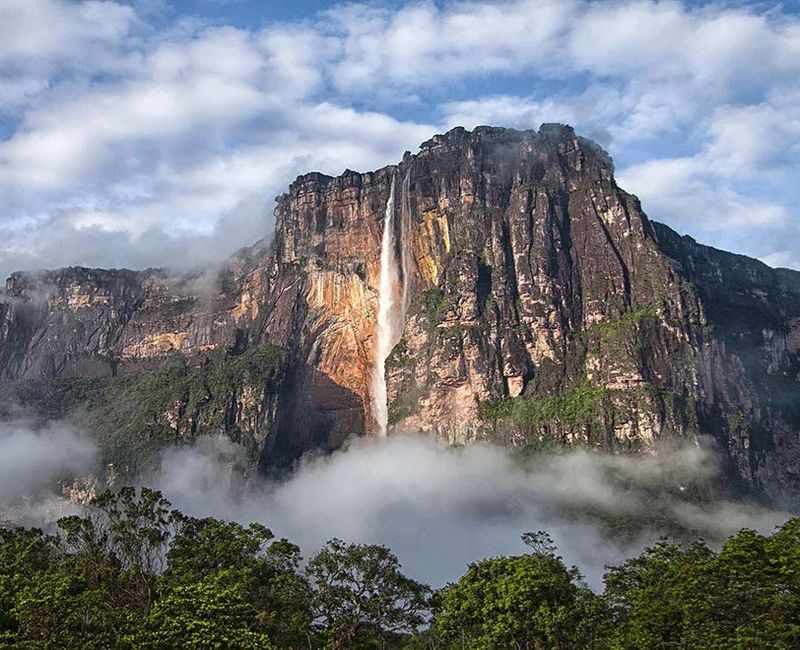
Canaima National Park contains some of the oldest geological formations on Earth, and the flat-topped mountains known as tepuis have been so isolated for so long that evolution has taken some very unusual turns up there. Many plant and animal species found on the tepui summits exist nowhere else in the world.
The park covers nearly 12,000 square miles in southeastern Venezuela and is classified as a UNESCO World Heritage Site. Angel Falls, the world’s highest uninterrupted waterfall at 3,212 feet, drops from the summit of Auyán-tepui and draws visitors from across the globe.
Giant river otters, jaguars, giant armadillos, and hundreds of bird species inhabit the lowland forests and river systems within the park. Indigenous Pemón communities live inside the park boundaries and run many of the tourism operations.
Access is via small aircraft to Canaima village, followed by river and hiking excursions to reach the major sights.
14. Chiloé Island, Los Lagos Region, Chile
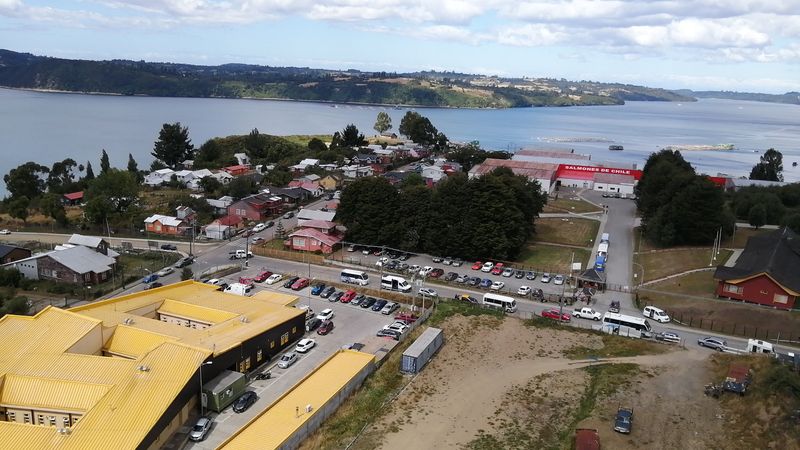
Chiloé Island sits off the coast of southern Chile and operates on its own quiet terms, blending remarkable coastal wildlife with a culture that has developed in relative isolation for centuries. The surrounding waters are far more productive than they might appear from the shore.
Blue whales, the largest animals ever known to have lived on Earth, feed in the channels near Chiloé during the summer months. Magellanic and Humboldt penguins nest on nearby islets, while Peale’s dolphins and Commerson’s dolphins are regularly spotted from ferry crossings.
The island’s forests shelter the Chiloé fox, an endemic subspecies found only in this region, along with the small and secretive pudú, the world’s tiniest deer. Darwin’s frogs, which carry their tadpoles in their vocal sacs, are another local highlight for wildlife enthusiasts.
Castro, the island’s main city, serves as a practical base for exploring both the wildlife and the island’s famous wooden churches.



