There is a shop in Portland, Oregon, where a jacket might be sewn from fabric that was woven in Japan a century ago, and the pants you try on could carry the fingerprints of a craft house that has been running for generations. That is not a marketing gimmick.
That is the daily reality at Kiriko Made, a boutique that has quietly built one of the most original clothing collections in the Pacific Northwest. The philosophy behind every stitch is rooted in a Japanese value called Mottainai, which means wasting nothing and treasuring everything.
Once you understand that, the prices make complete sense, the craftsmanship becomes impossible to ignore, and the urge to own something from this shop is very real.
Where to Find Kiriko Made in Portland
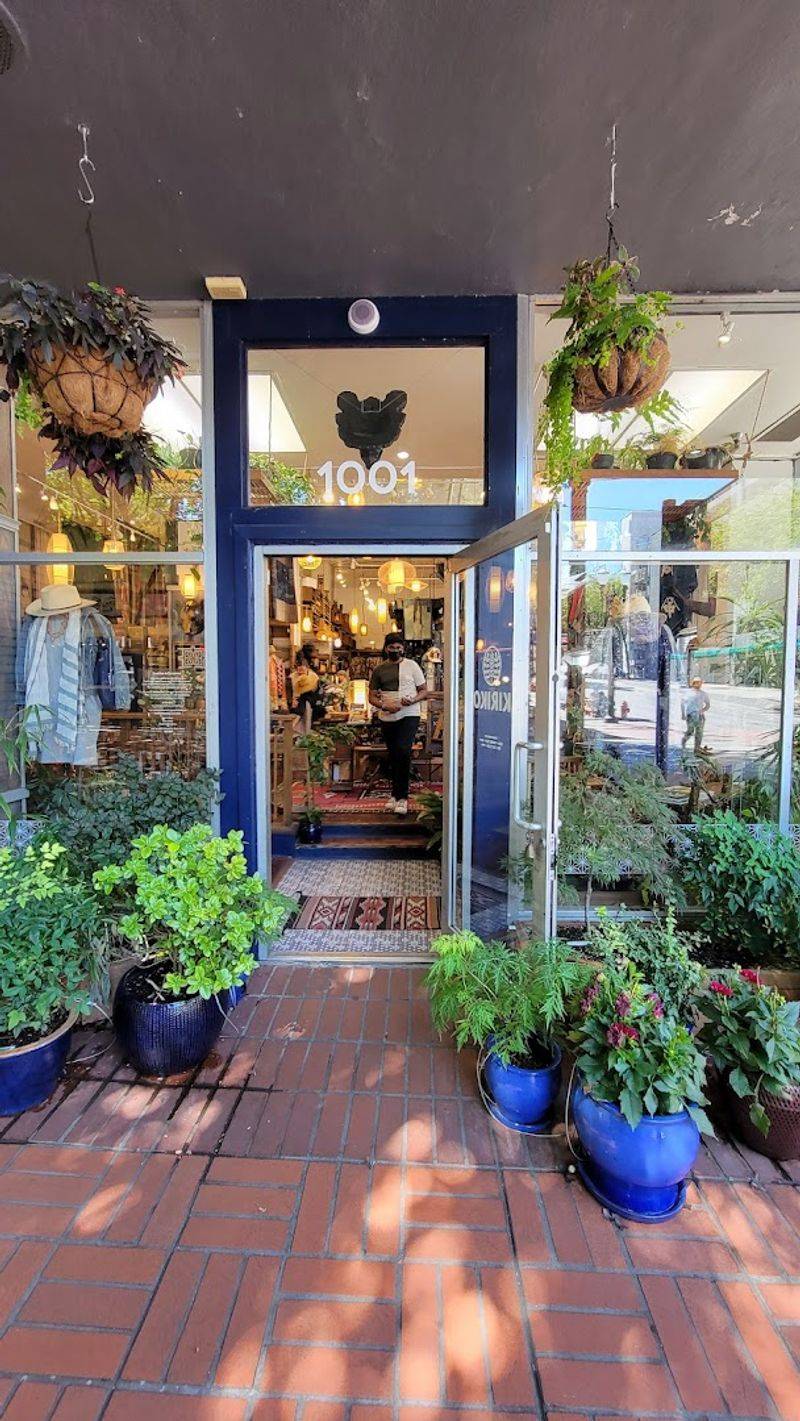
Right in the heart of downtown Portland, Kiriko Made sits at 1001 SW Morrison St, Portland, OR 97205, a location that feels fitting for a shop this quietly confident. The surrounding neighborhood is busy with foot traffic, coffee shops, and the general buzz of city life, yet the moment you step through the door, the outside world seems to slow down considerably.
The store is open seven days a week, with hours running from 11 AM to 6 PM on most days and extending to 7 PM on Fridays and Saturdays. That extra hour on the weekend is a nice touch, giving you a little more time to linger over the fabrics without feeling rushed.
You can also reach the shop by phone at 503-222-0335, or browse the full collection online at kirikomade.com before your visit. For anyone who loves planning a shopping trip in advance, the website gives you a solid preview of what is in store.
The shop holds a 4.8-star rating across nearly 300 reviews, which is the kind of number that tells you the experience consistently delivers something worth talking about.
The Philosophy of Mottainai Behind Every Piece
Long before fast fashion became the norm, Japanese textile culture operated on a completely different set of values. Kiriko Made was built around one of those values, a concept called Mottainai, which translates roughly to a deep regret over waste and a commitment to making every resource count.
The brand treats this philosophy not as a trend but as the actual foundation of how it operates. Fabrics are sourced from Japan with care, garments are constructed to last, and the act of buying something from Kiriko is framed as an investment rather than a transaction.
That mindset changes how you relate to the clothing you wear every day.
Historically, cloth was hand-woven with patterns that carried cultural meaning, and dyes came from seasonal, natural materials. Kiriko Made keeps that tradition alive by sourcing from craft houses in Japan that have been operating for generations.
Owning one of their pieces means you are carrying a thread of that history with you, quite literally, into your daily routine. That is a genuinely rare thing to be able to say about a modern clothing purchase.
The Story of Kasuri, Shibori, and Boro Textiles
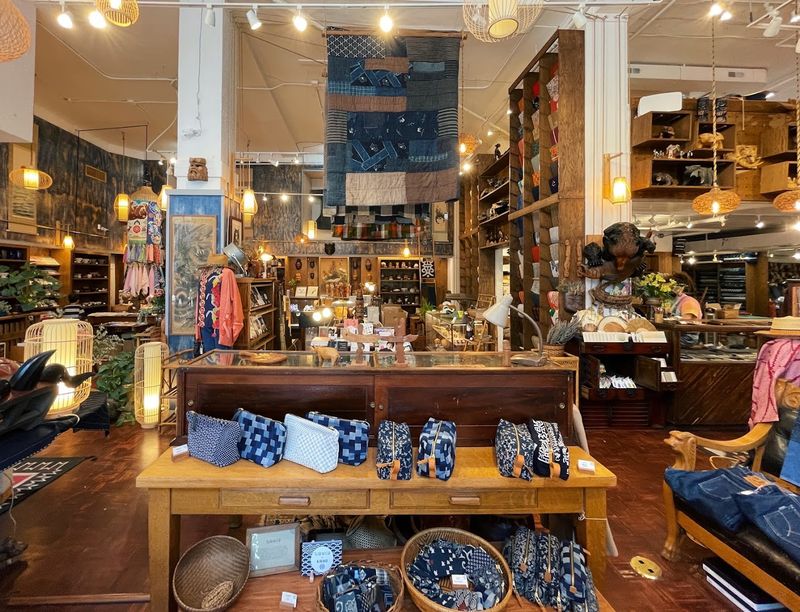
Three fabric traditions sit at the core of what Kiriko Made offers, and each one has a backstory that stretches back centuries. Kasuri is a type of resist-dyed fabric where the threads are dyed before weaving, creating patterns that look slightly blurred or painterly at the edges.
It is one of the most recognizable forms of Japanese textile art, and Kiriko sources both vintage pieces and new kasuri made in traditional craft houses.
Shibori is the Japanese art of hand-dyeing fabric through folding, twisting, or binding before applying dye. The results are never perfectly uniform, which is exactly the point.
Each piece ends up with a pattern that no machine could replicate, making every garment genuinely one of a kind.
Boro refers to textiles that have been patched and repaired over many years, sometimes across multiple generations of a single family. These fabrics carry visible history in every stitch.
Kiriko Made incorporates centuries-old boro into contemporary clothing, which means you might wear a jacket that holds fabric older than your grandparents. That is a level of material storytelling that no mass-produced garment can come close to matching.
The Look and Feel of the Store Itself
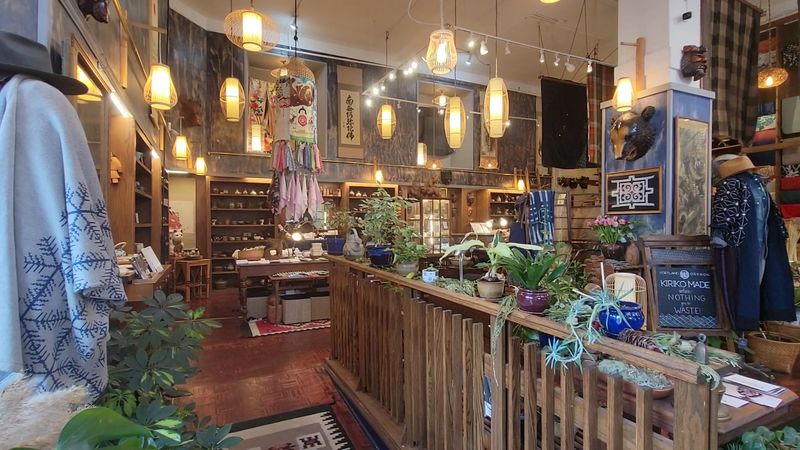
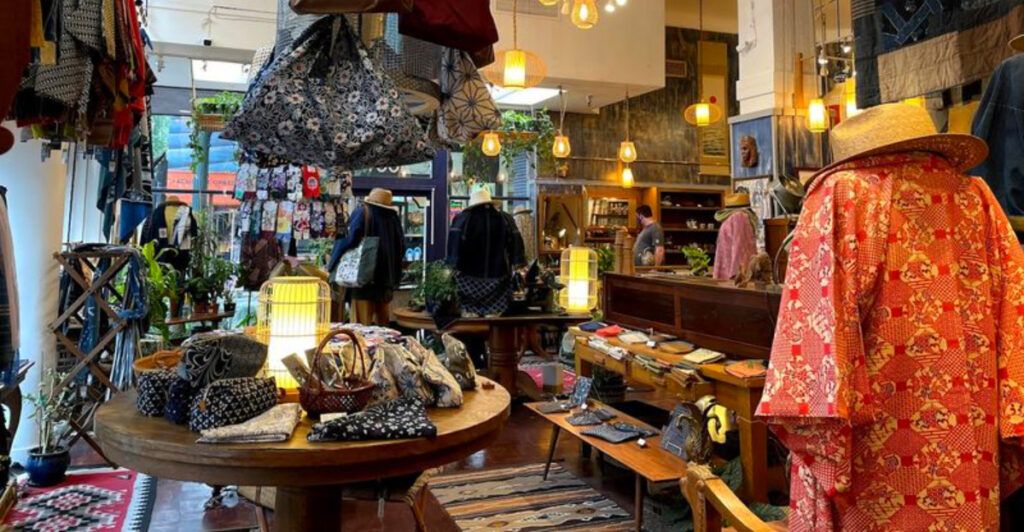
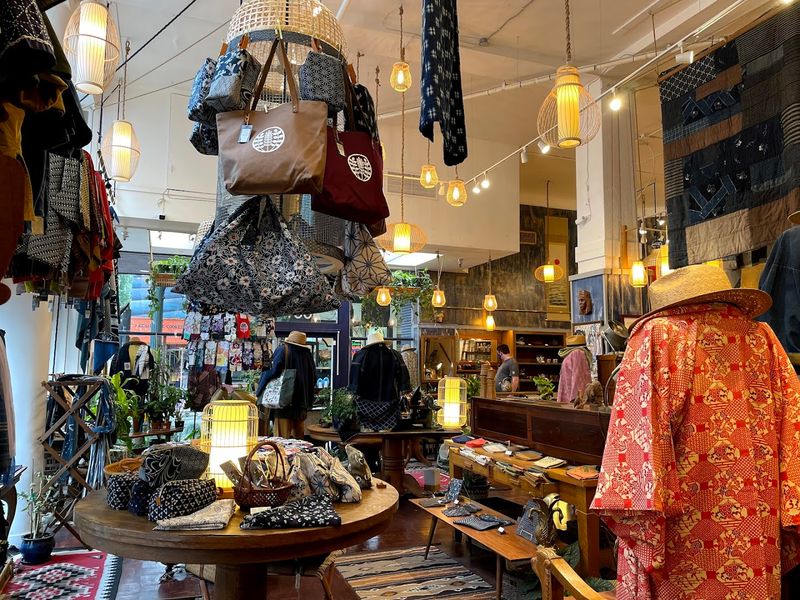
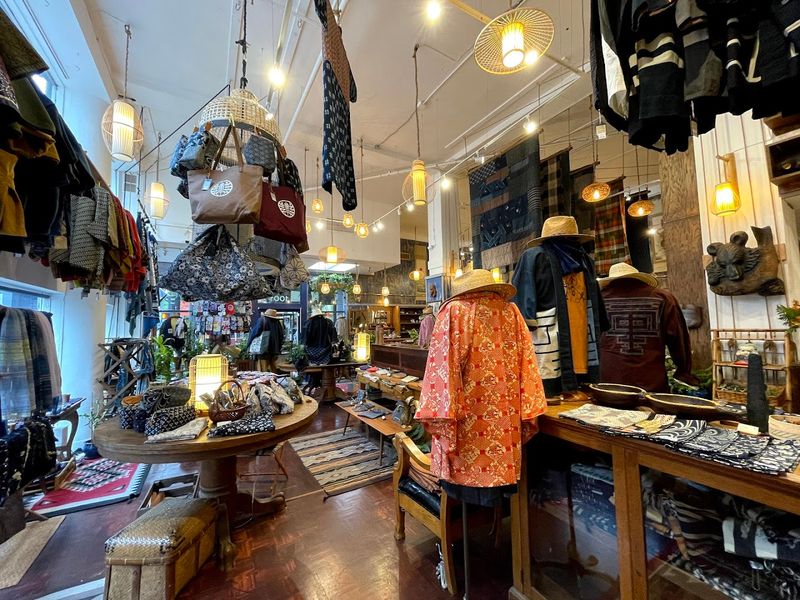
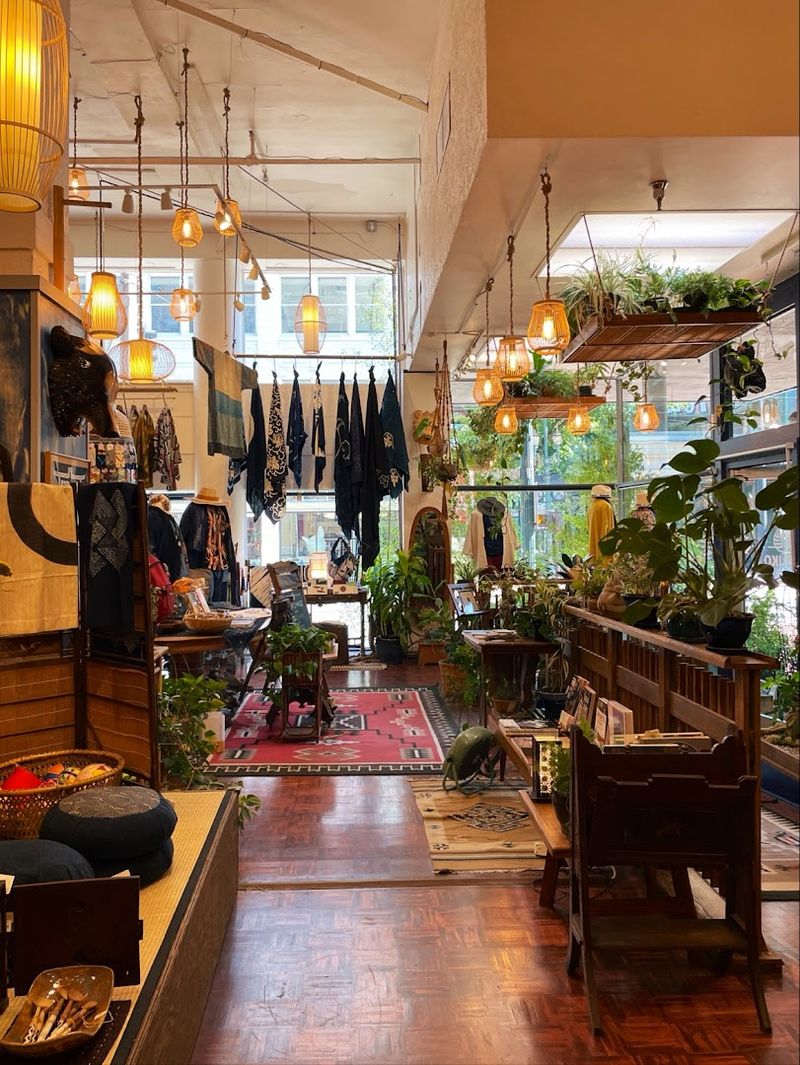
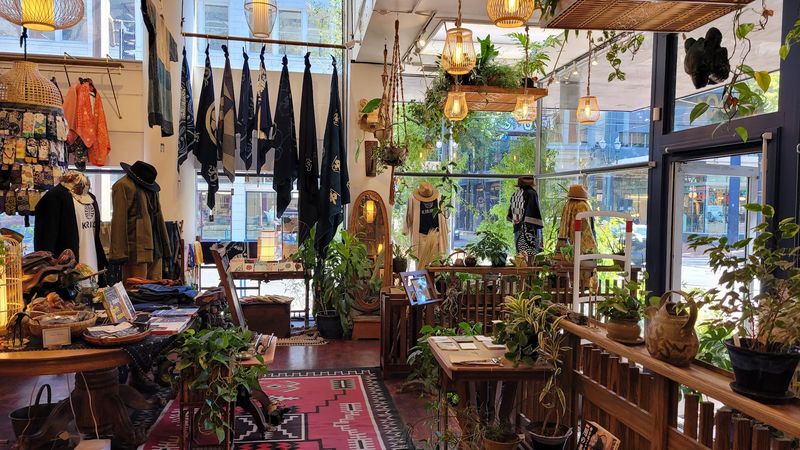
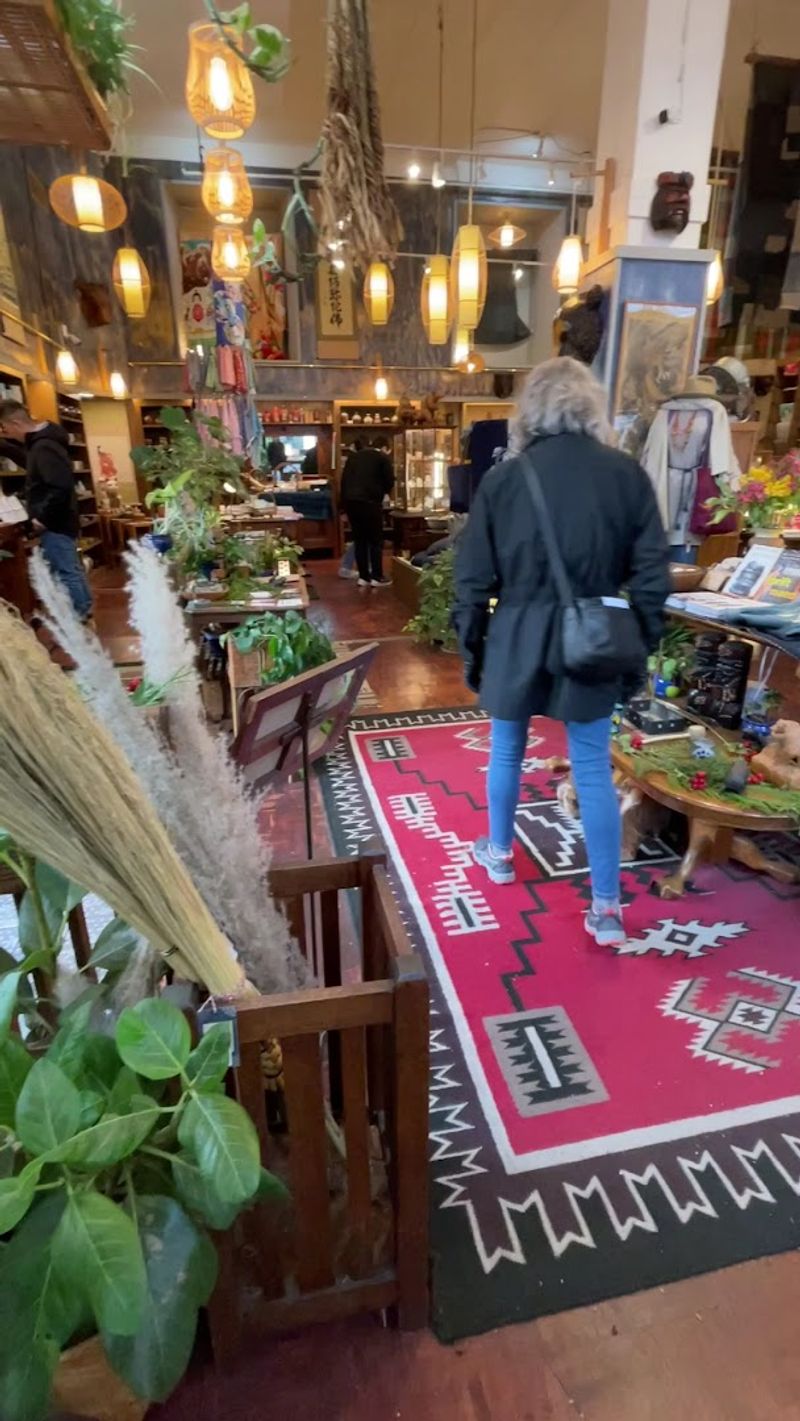
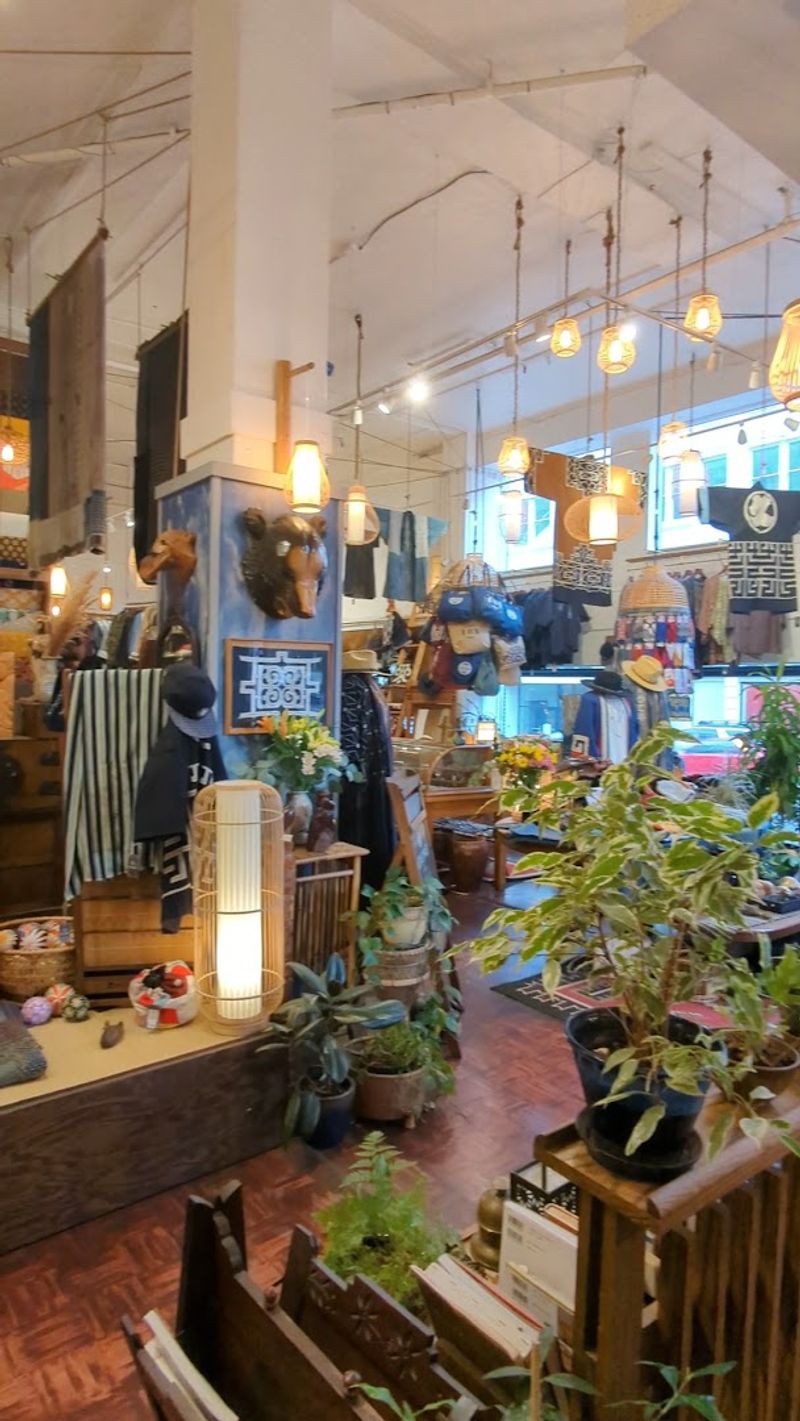
The inside of Kiriko Made has a calm, considered quality that matches its products perfectly. The design is described as biophilic, meaning it draws on natural materials and organic shapes to create a space that feels grounded and unhurried.
Natural wood, clean lines, and thoughtful displays give the shop the feel of a gallery as much as a retail space.
The garments hang in a way that lets the fabric speak for itself. You can see the texture of the denim, the hand-dyed irregularities in the shibori pieces, and the intricate patterns of the kasuri weaves without having to dig through racks.
Everything feels intentional, which is a reflection of how the products themselves are made.
There are also accessories, home goods, and decorative items arranged throughout the space, so the shop never feels like it is only about clothing. Animal statues, handcrafted jewelry, tenugui cloths, and decorative pillows all share the floor with the apparel.
The overall atmosphere is calm and beautifully designed, the kind of place where you find yourself slowing your pace naturally just to take it all in without missing anything.
Clothing That Earns Compliments on the Street
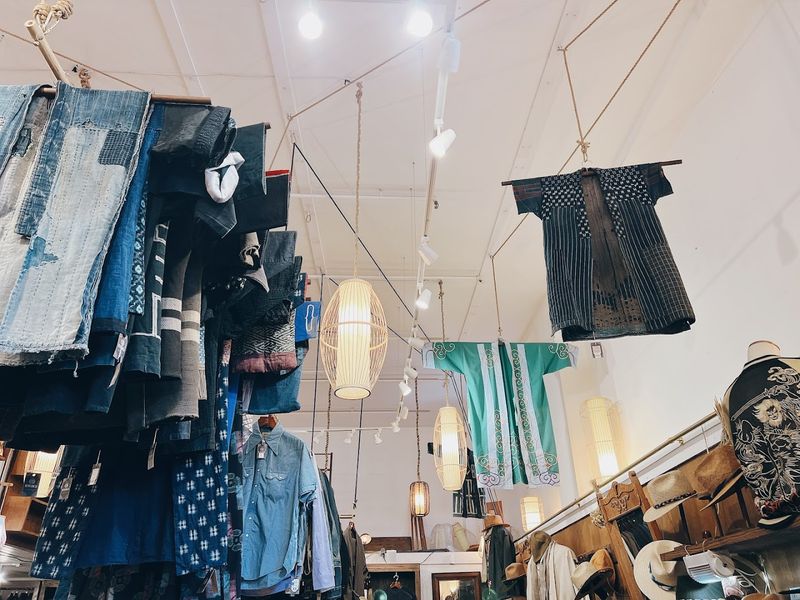
One of the most consistent things people mention after buying from Kiriko Made is that strangers stop them to ask about what they are wearing. That is not an exaggeration.
Wide-leg pants made from light, soft Japanese denim have become something of a signature item, with buyers reporting that the fabric is comfortable enough for long travel days yet stylish enough to draw genuine attention from passersby.
The denim used is 100 percent cotton and noticeably softer than what you find in standard jeans. One buyer described pulling on a pair and feeling like they were wearing a blanket, in the best possible way.
The fit works across a range of body types, and the fabric breathes well enough to wear from early spring through late fall without discomfort.
Jackets are another standout category. A camo jacket with indigo, vermillion, goldenrod, and metallic gold threads has attracted serious admiration from people who spotted it on the street.
When strangers ask where your pants or jacket came from and you can say Kiriko Made, there is a small but real satisfaction in knowing the answer is not available at any other store in the world.
Accessories That Add Depth to Any Wardrobe
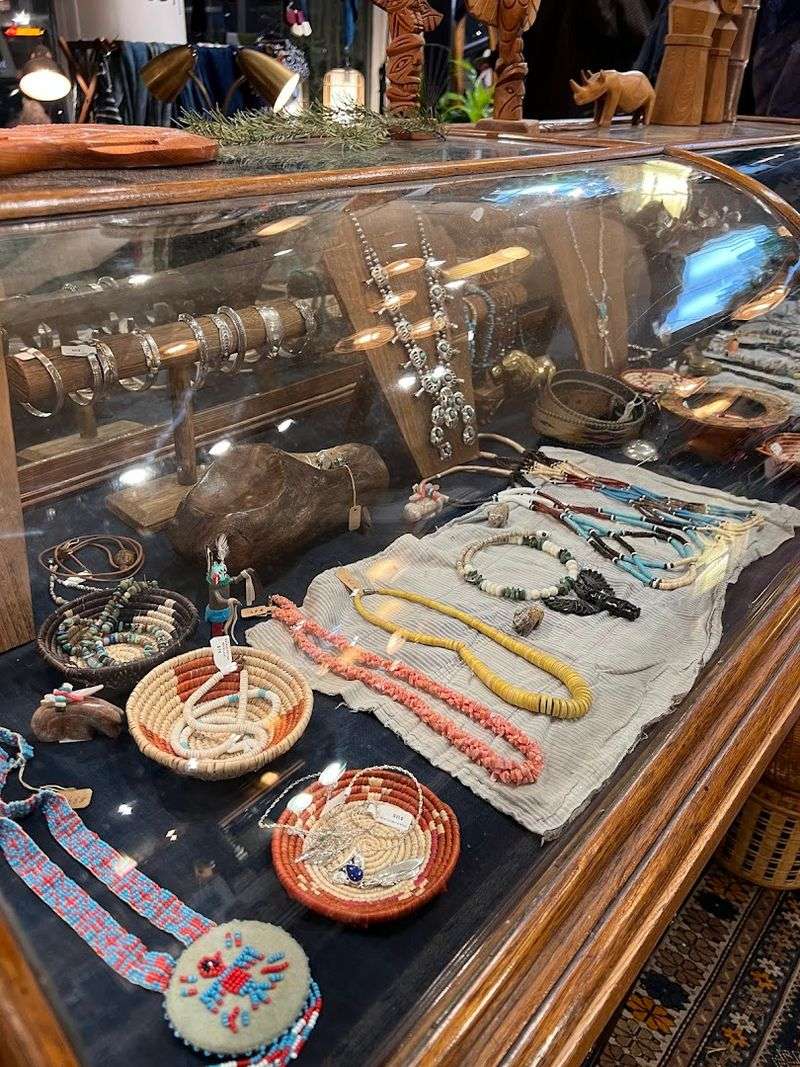
Accessories at Kiriko Made are not afterthoughts. They are crafted with the same attention to material and cultural context as the full garments, and they range from practical everyday items to pieces that feel more like wearable art.
Tenugui cloths, which are traditional Japanese hand towels, come in prints so detailed and soft that buyers have struggled to decide whether to use them or frame them instead.
Bandanas in black, grey, and other colorways are popular picks for people who want to add a subtle Japanese textile touch to their daily look. A leather toggle designed to hold a scarf in place is the kind of small, well-made detail that upgrades an outfit without demanding attention.
Tabi socks, the split-toe socks rooted in Japanese tradition, are available in versions soft enough to make any day feel more comfortable.
Jewelry rounds out the accessories section, with handcrafted necklaces that feature impeccable construction and a level of detail that elevates even the simplest outfit. The Boet Necklace, in particular, has drawn praise for its craftsmanship.
Every accessory at Kiriko Made feels like it was designed by someone who actually wears and uses the things they make.
Home Goods That Bring Japanese Craft Into Your Living Room
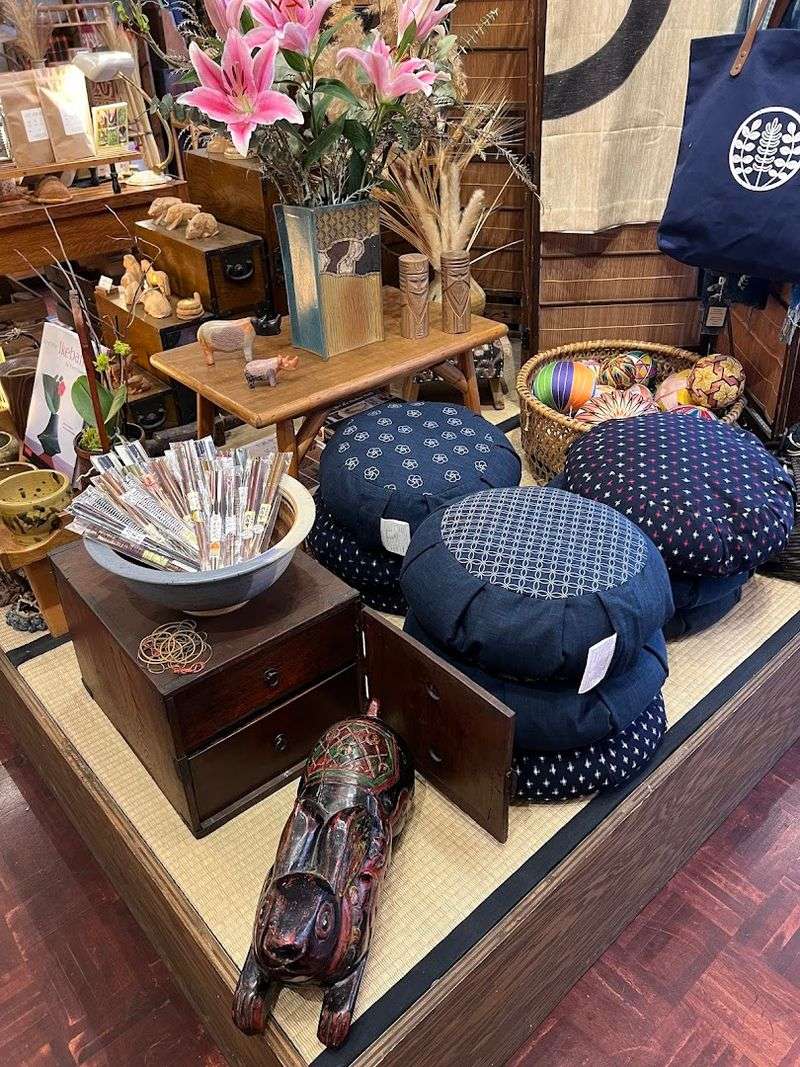
Kiriko Made extends well beyond clothing. The shop carries a range of home goods that bring the same textile philosophy into your living space, and the decorative pillows are a particularly strong entry point for anyone who wants to experience the fabrics without committing to a full garment purchase right away.
The pillow fabrics come from the same sourcing process as the clothing, which means you might have a cushion on your couch made from vintage kasuri or boro cloth that has genuine age and history behind it. Buyers have noted that the pillows work well in a variety of room styles, and that the fabric quality holds up beautifully over time without fading or losing its texture.
Furoshiki wrapping cloths are another home item worth noting. Traditionally used in Japan for wrapping and carrying objects, furoshiki from Kiriko Made are functional enough for everyday use and attractive enough to display.
One buyer specifically mentioned using a furoshiki to wrap their kendo gi and hakama, which is a practical use that honors the item’s cultural origins. The home collection is small but carefully curated, and every piece earns its place on the shelf.
The Gift-Giving Power of a Thoughtfully Curated Shop
Finding a gift that feels genuinely personal and well-made is harder than it should be. Kiriko Made solves that problem in a way that very few shops can, because every item in the store carries a story and a level of craftsmanship that communicates care without you having to say a word about it.
The shop is a favorite destination for housewarming gifts, birthdays, and any occasion where you want to give something that will actually be used and remembered. Decorative pillows, tenugui cloths, handcrafted jewelry, and tabi socks all make strong gift choices for people who appreciate quality and originality.
The packaging is thoughtful too, with items arriving in a way that feels considered rather than simply stuffed into a box.
Online orders ship quickly and arrive in excellent condition, which matters when you are buying a gift for someone in another city. The customer service team is consistently described as kind, helpful, and genuinely engaged with what they are selling.
That combination of great products and attentive service makes Kiriko Made the kind of shop you return to every time a special occasion comes around, because you already know the result will be worth it.
Sustainability at the Core of the Brand
Sustainability is a word that gets used loosely in fashion, but at Kiriko Made, it is baked into the actual production process rather than applied as a label after the fact. The brand works directly with small textile factories in Japan that specialize in traditional, low-waste production methods.
Sourcing vintage and antique fabrics means that materials with existing history get a second life rather than ending up discarded.
The boro tradition is itself a form of radical sustainability. Boro textiles were originally created by rural Japanese families who could not afford to discard worn fabric, so they patched and layered it until a garment became a dense, warm, and visually striking object.
Kiriko Made honors that tradition by incorporating these aged fabrics into contemporary clothing rather than treating them as curiosities behind glass.
Buying from Kiriko also supports the craft houses in Japan that produce the materials. These are small operations, often family-run, that depend on international interest to stay viable.
A purchase at Kiriko Made sends a signal that this kind of careful, skilled production has a market and deserves to continue. That is a genuinely meaningful loop to participate in, and it makes the higher price point feel entirely justified.
Custom and Limited Pieces You Will Not Find Anywhere Else
One of the strongest arguments for shopping at Kiriko Made is simple: you cannot find what they sell anywhere else. The collection is original by design, with garments and accessories produced in limited quantities using fabrics that are either vintage, hand-dyed, or made by craft houses that supply no one else at this scale in the United States.
A hoodie featuring a koi-dragon print has drawn enthusiastic responses for the sharpness of the image and the weight of the fabric. Custom wide-leg pants can be tailored to fit different body types, including shorter frames where off-the-rack clothing often fails.
The customization option is a significant draw for people who have struggled to find well-fitting clothes that also look genuinely interesting.
Vintage silk bomber jackets have earned a spot on many wish lists, with buyers noting the fabric quality and the visual impact of wearing something that carries that kind of history on its back. The limited nature of the inventory means that if you see something you love, waiting too long is a risk.
The collection rotates as new fabrics are sourced from Japan, so each visit to the shop or browse of the website has the potential to surface something you have never seen before.
What the Customer Service Experience Actually Feels Like
Good customer service in a boutique setting can be the difference between a one-time visit and a long-term relationship with a shop. At Kiriko Made, the staff consistently earns praise for being warm, knowledgeable, and genuinely helpful without being pushy.
That balance is harder to strike than it sounds, and the team here seems to understand it naturally.
One customer ordered a jacket online and came in the following day to pick it up without any advance notice. The staff tracked down the specific item quickly and without any friction, which is the kind of small operational detail that builds real loyalty.
Another buyer mentioned that staff took the time to explain the fabrics and their origins, which turned a simple purchase into an educational experience worth remembering.
The online experience mirrors the in-store one in terms of quality and care. Orders are packaged thoughtfully and shipped promptly, and the website communicates the brand philosophy clearly enough that first-time buyers arrive already understanding what makes the shop different.
Whether you are a longtime fan ordering your fifth piece or a curious newcomer browsing for the first time, the experience at Kiriko Made feels like it was designed for someone who actually values what they are buying.
Why Kiriko Made Stands Apart in Portland’s Retail Scene
Portland has no shortage of independent shops with strong identities, but Kiriko Made occupies a category essentially by itself. There is no direct local competitor offering the same combination of vintage Japanese textiles, traditional craft partnerships, and original design at this level of quality and consistency.
That uniqueness is not accidental; it is the result of years of careful sourcing and a clear sense of purpose.
The shop connects Japanese textile heritage to contemporary American life in a way that feels natural rather than forced. Customers who have Japanese heritage describe the experience of owning Kiriko pieces as a joyful way to celebrate that connection.
Customers with no Japanese background describe it as an entry point into a craft tradition they had never encountered before. Both responses point to the same thing: the shop communicates something real.
The 4.8-star rating across nearly 300 reviews is not a fluke. It reflects a business that has consistently delivered on its promise across hundreds of individual transactions, both in-store and online.
For anyone visiting Portland with even a passing interest in craft, textiles, or clothing that carries genuine meaning, a stop at Kiriko Made at 1001 SW Morrison St is one of the most rewarding ways to spend an afternoon in the city.
Share this story