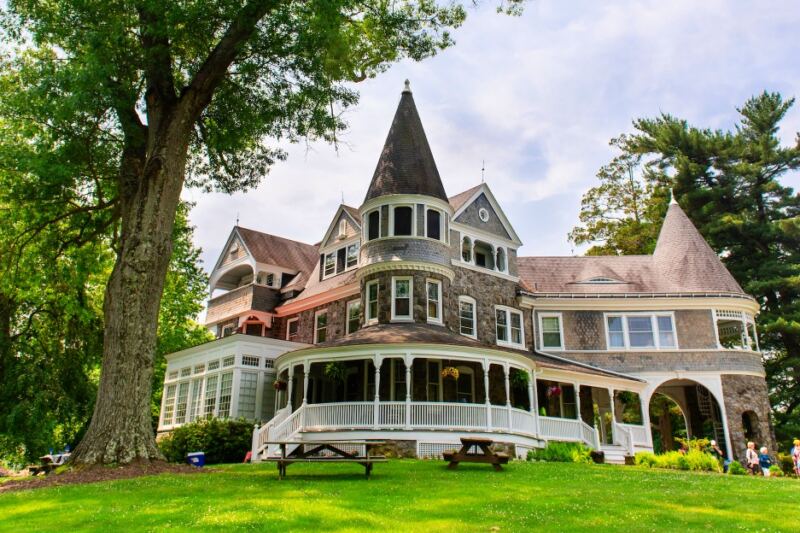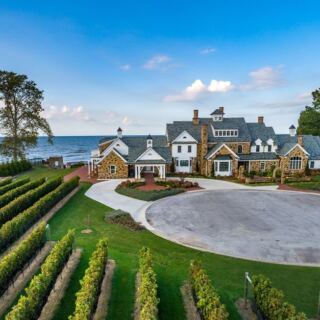
Delaware may be small, but its museums offer an impressive mix of history, art, and culture. From grand estates and historic landmarks to unique collections and beautiful gardens, the First State has far more to explore than many visitors expect.
These 13 museums each offer something memorable, whether you’re interested in American history, fine art, innovation, or unusual artifacts. A few of them may even surprise you.
1. Delaware Art Museum, Wilmington, Delaware
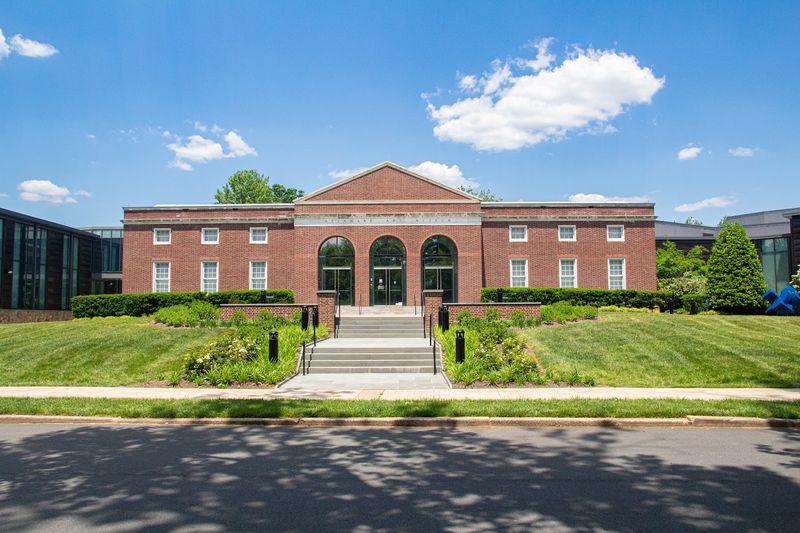
Few art museums in America can claim the title of home to the largest collection of Pre-Raphaelite art outside the United Kingdom, but the Delaware Art Museum holds that distinction with quiet confidence.
Its galleries feature richly detailed paintings from the Pre-Raphaelite Brotherhood alongside a strong collection of American art spanning the 19th and 20th centuries.
Howard Pyle, the celebrated illustrator whose students included N.C. Wyeth and Maxfield Parrish, gets his own dedicated section, which is a treat for anyone who grew up loving illustrated storybooks.
The museum also features rotating contemporary exhibitions that keep the programming fresh year-round. Outside, the sculpture garden gives the visit a relaxed pace, with large-scale works spread across well-maintained grounds.
Admission is reasonably priced, and the museum offers free admission on Sundays, making it one of Wilmington’s most accessible cultural stops for families and solo visitors alike.
2. Winterthur Museum, Garden & Library, Winterthur, Delaware
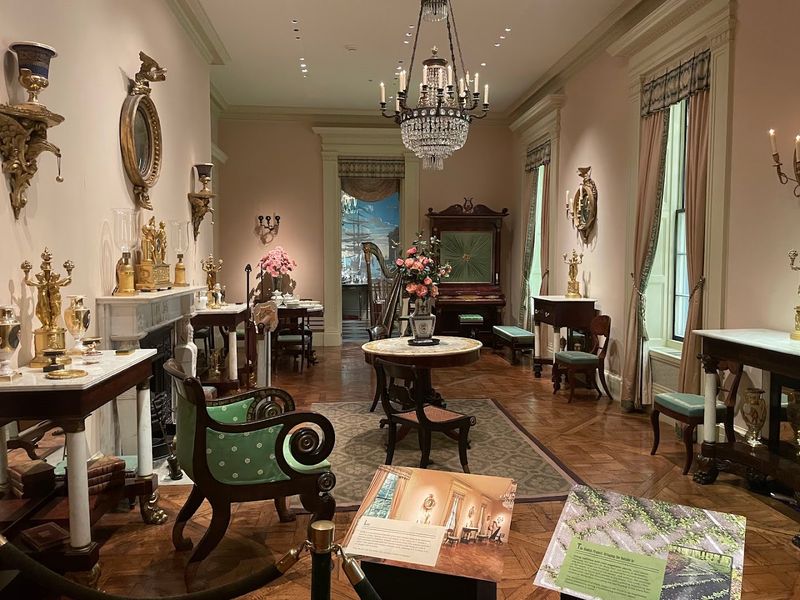
A former du Pont family home turned world-class museum, Winterthur is the kind of place that makes you rethink what a museum visit can actually be.
The house itself contains more than 90,000 objects of American decorative art, including furniture, ceramics, textiles, and silver spanning three centuries of craftsmanship.
Guided tours take visitors through rooms that were designed not just for display but for actual daily life, which gives the whole experience a personal, lived-in quality that sterile gallery spaces rarely achieve.
Beyond the mansion, the 1,000 acres of naturalistic grounds include woodland paths, a quarry garden, and meadows that change dramatically with each season.
The library holds one of the most important research collections on American art and material culture in the country. Winterthur also runs excellent programming for children, including its beloved Yuletide tours during the holiday season, which book up fast.
3. Hagley Museum and Library, Wilmington, Delaware
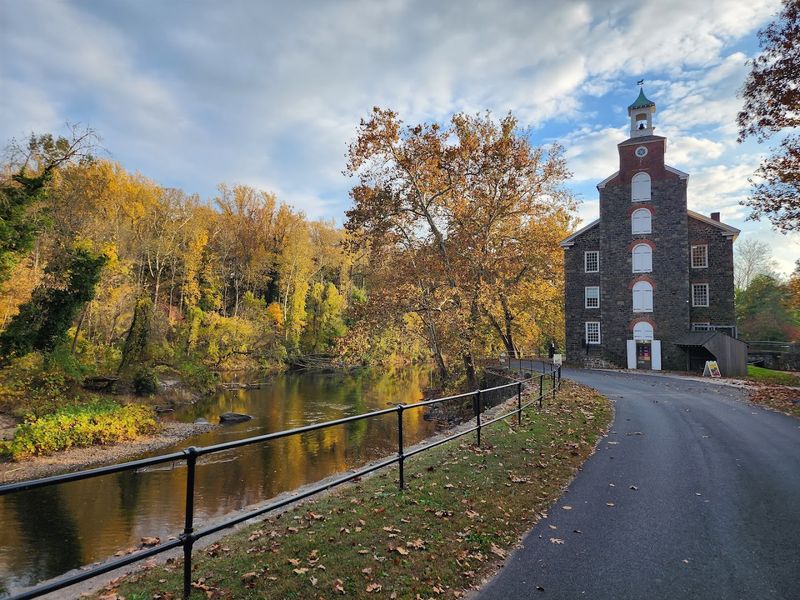
Before DuPont became a global chemical company, it was a gunpowder operation built on the banks of the Brandywine River, and Hagley Museum is where that whole story lives.
The 235-acre site preserves the original black powder yards founded in 1802, complete with stone ruins, restored machinery, worker housing, and a functional 19th-century machine shop that still demonstrates period equipment.
What makes Hagley stand out is how thoroughly it tells the stories of the workers, not just the owners. Exhibits explore the lives of the immigrant laborers, the risks they took, and the tight-knit community that grew around the mills.
The library holds one of the world’s largest collections of patent models, which alone could keep a curious visitor busy for hours.
Seasonal programs, including live demonstrations and family-friendly events, run throughout the year. The riverside setting adds a natural backdrop that makes the whole visit feel more like an adventure than a lecture.
4. Nemours Estate, Wilmington, Delaware
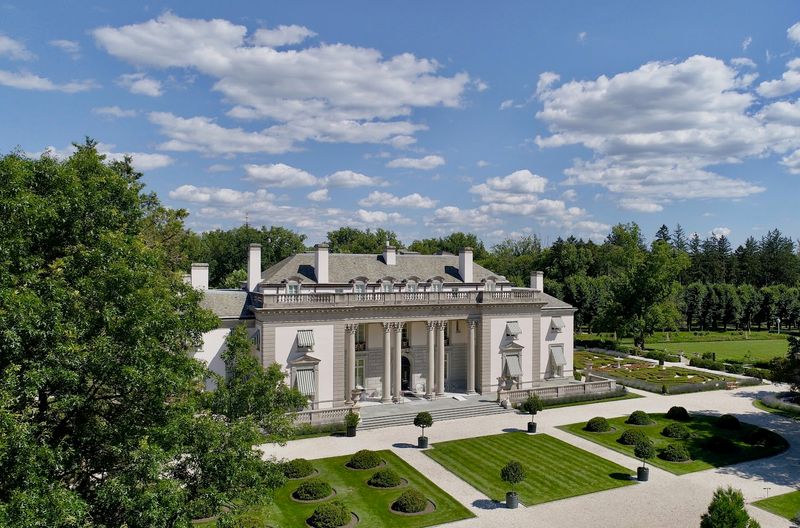
Alfred I. du Pont built Nemours Estate in 1909, and he clearly had no intention of doing anything halfway.
The 77-room Louis XVI-style mansion is one of the largest historic houses open to the public in the Mid-Atlantic region, and a guided tour moves through rooms filled with European antiques, tapestries, and original du Pont family furnishings.
The formal French gardens stretch across the grounds in a series of terraces, fountains, and reflecting pools that took decades to complete. They are among the finest examples of formal garden design in the eastern United States.
A separate building on the property houses a collection of vintage automobiles that belonged to the family, including early 20th-century cars that most visitors would only ever see in a museum catalog.
Nemours reopened after a major renovation in 2022, which modernized the visitor experience while preserving the estate’s original grandeur. Timed tickets are recommended, especially during peak season.
5. Delaware Museum of Nature & Science, Wilmington, Delaware
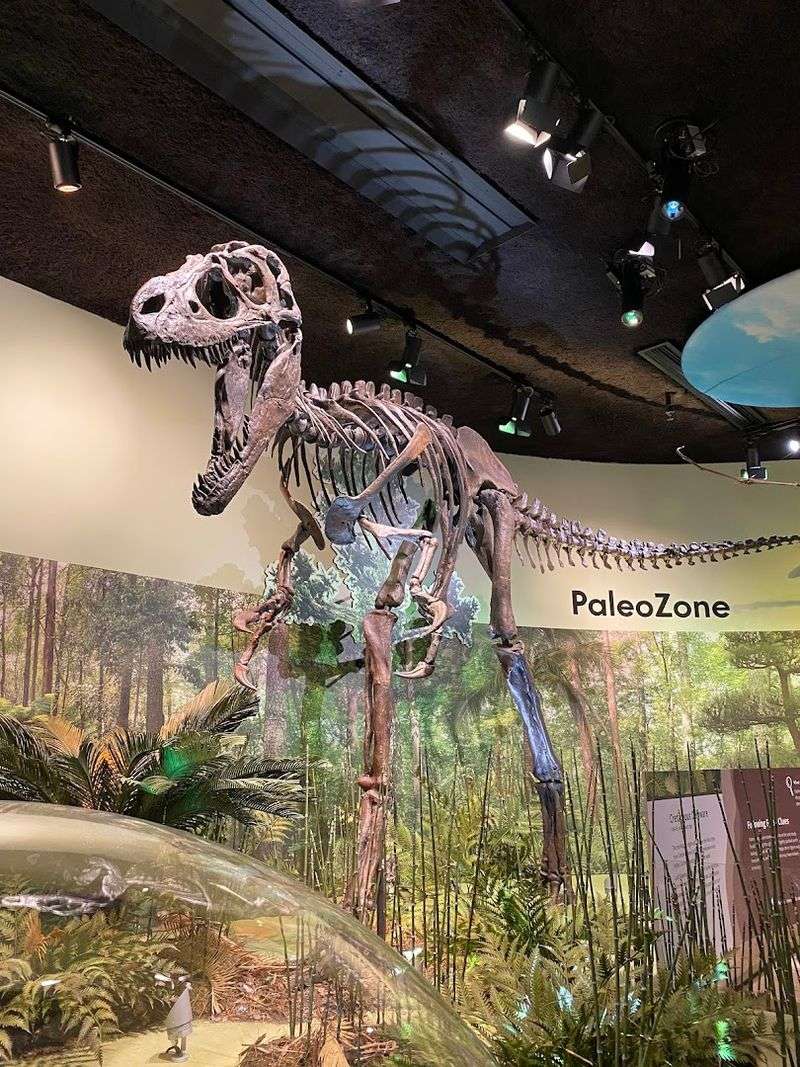
Dinosaurs, Delaware ecosystems, and hands-on discovery stations make this museum one of the most reliably entertaining stops for families in the state.
The Delaware Museum of Nature and Science recently completed a significant renovation, updating its exhibits while keeping the classic natural history museum format that kids and adults both respond to.
A full-scale dinosaur skeleton greets visitors near the entrance, setting the tone for a collection that covers prehistoric life, local wildlife, and global ecosystems with equal enthusiasm.
The Delaware Wilds exhibit focuses specifically on the state’s native plants and animals, giving local visitors a chance to learn about the natural world in their own backyard.
Interactive stations throughout the museum let younger visitors touch specimens, operate models, and engage with science in a way that goes beyond reading labels. The museum also runs educational programs tied to school curricula, making it a popular destination for field trips across the region.
6. Delaware History Museum, Wilmington, Delaware
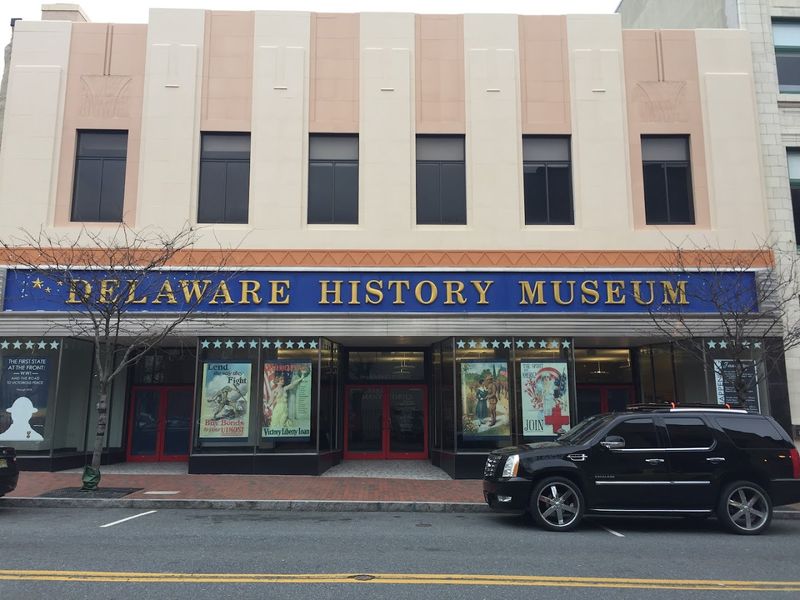
Compact in size but genuinely rich in content, the Delaware History Museum covers more than 400 years of First State history without ever feeling like a textbook on walls.
Permanent exhibits trace Delaware’s story from its earliest Indigenous inhabitants through European settlement, industrial growth, and into the 20th century, using artifacts, photographs, and multimedia installations to keep things moving.
The Jane and Littleton Mitchell Center for African American Heritage is one of the museum’s most important features, offering a dedicated space for the history of Black Delawareans through interactive displays and primary source materials.
The museum regularly updates its temporary exhibitions, which means repeat visitors often find something new to engage with. Its location in downtown Wilmington makes it easy to pair with other nearby cultural stops.
Admission is affordable, and the museum’s manageable size means a thorough visit takes about two hours, making it a practical and rewarding option for history-minded travelers of all ages.
7. Delaware Children’s Museum, Wilmington, Delaware
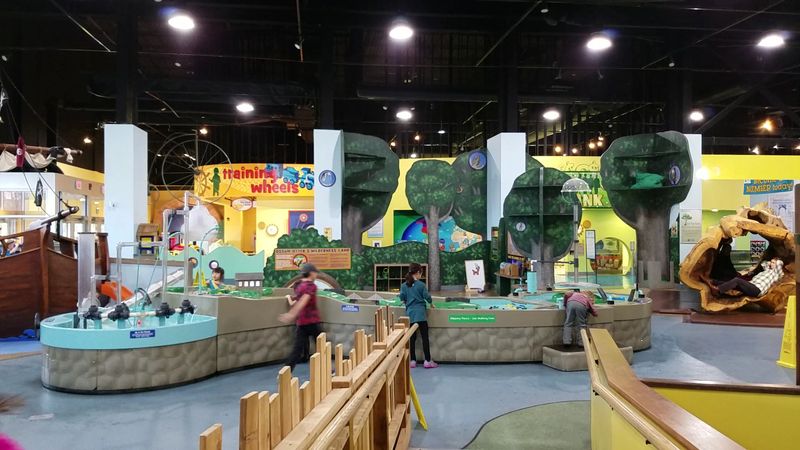
There is nothing passive about a visit to the Delaware Children’s Museum, and that is exactly the point.
Built around the idea that children learn best by doing, the museum fills its space with hands-on exhibits that invite kids to climb, build, sort, investigate, and create across a range of themed zones.
The Explore It gallery focuses on STEM concepts through play, letting children experiment with water tables, engineering challenges, and building materials in ways that feel more like recess than school.
A dedicated area for toddlers provides age-appropriate activities for the youngest visitors, while older kids gravitate toward the more complex interactive stations throughout the building.
The museum also hosts rotating special exhibits that keep the programming fresh for families who visit more than once a year. Located along Wilmington’s Riverfront, it sits near restaurants and other attractions, making it an easy anchor for a full family day out.
Weekend programming often includes themed events and guest educators.
8. Air Mobility Command Museum, Dover, Delaware

More than 30 military aircraft parked on an open ramp at Dover Air Force Base make this one of the most visually striking free museums in the entire Mid-Atlantic region.
The Air Mobility Command Museum covers the history of airlift and aerial refueling operations from World War II through modern military missions, with a collection that includes cargo planes, tankers, and passenger aircraft that served the U.S. military across decades of global operations.
Visitors can board several of the aircraft and walk through their interiors, which gives the collection a hands-on quality that aviation enthusiasts and curious kids both appreciate.
A flight simulator on site lets visitors test basic piloting skills, and the indoor gallery adds historical context through photographs, uniforms, equipment, and personal accounts from service members.
Because it sits on an active Air Force base, visitors need a valid photo ID to enter. Admission is completely free, which makes it one of Delaware’s best value museum experiences year-round.
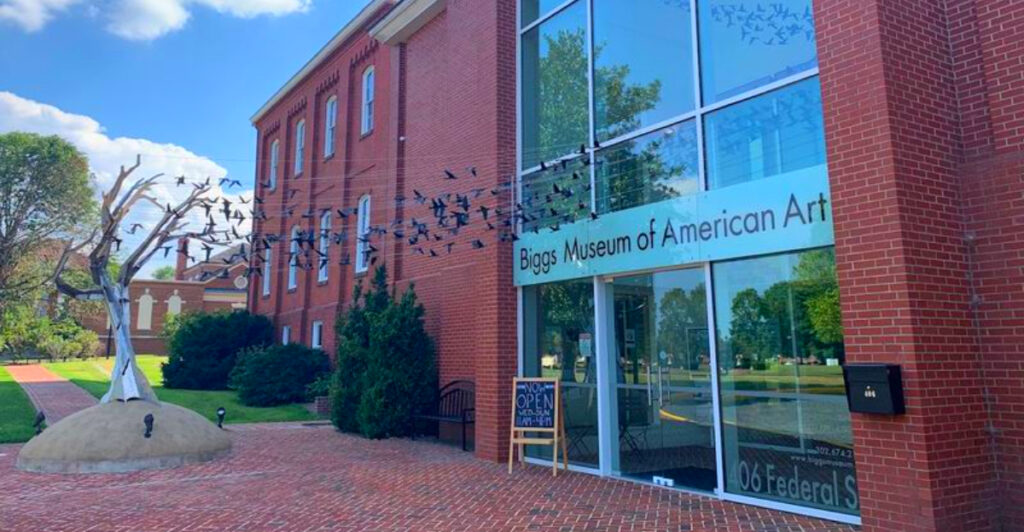
9. Biggs Museum of American Art, Dover, Delaware
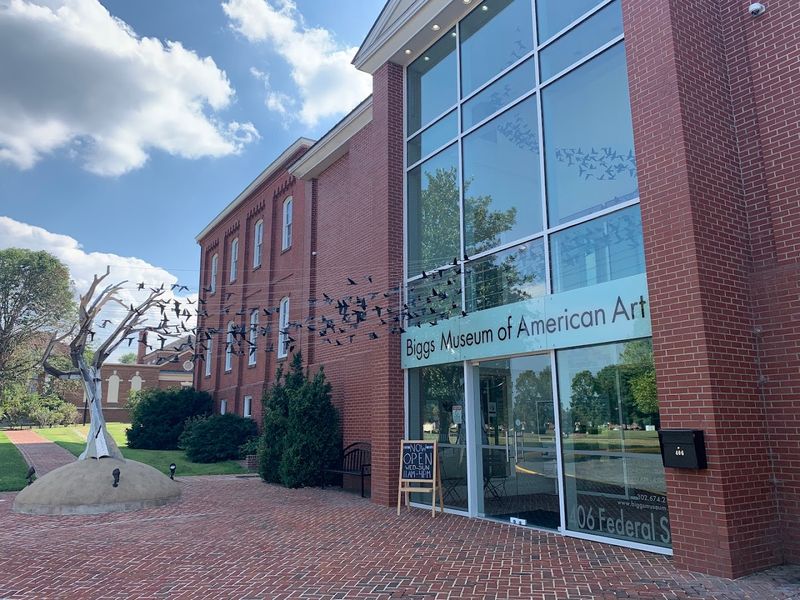
Dover is not usually the first city that comes to mind when people think about fine art museums, but the Biggs Museum has been quietly building one of the Mid-Atlantic’s most focused American art collections for decades.
Its permanent collection spans American fine and decorative arts from the 1700s through the present, with particular strength in colonial and federal period furniture, silver, and paintings that reflect the cultural identity of the region.
Delaware artists receive strong representation throughout the galleries, giving the collection a local character that larger national museums rarely offer. The layout is thoughtful and unhurried, which makes the Biggs a genuinely pleasant place to spend a few hours.
Rotating temporary exhibitions bring in work from beyond the permanent collection, keeping the programming relevant and varied throughout the year.
Admission is free, which makes it an easy add-on to a visit to Dover’s other historic sites. The museum also runs educational events and gallery talks that are open to the public.
10. Zwaanendael Museum, Lewes, Delaware
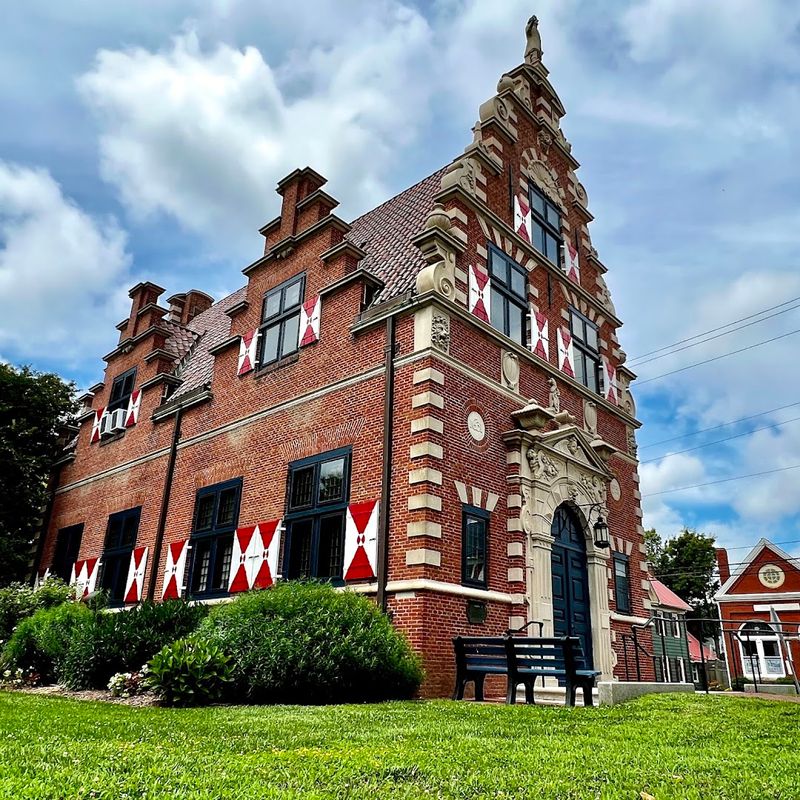
The building alone is worth the trip. Modeled after the Town Hall of Hoorn in the Netherlands, the Zwaanendael Museum’s stepped gable facade and decorative stonework make it look like it arrived in Lewes by accident from a 17th-century Dutch canal town.
Inside, the museum covers the history of Lewes, Delaware’s first European settlement, founded by Dutch colonists in 1631. Maritime history takes up a significant portion of the collection, with artifacts recovered from shipwrecks off the Delaware coast displayed alongside maps, navigational tools, and historical documents.
The War of 1812 also gets dedicated coverage, including the British bombardment of Lewes, which is a chapter of local history that most visitors outside the region know very little about.
One of the museum’s more memorable objects is a so-called Fiji merman, a Victorian-era curiosity that sits somewhere between natural history and carnival sideshow.
Admission is free, and the museum’s compact size makes it easy to combine with a walk through Lewes’s charming historic district.
11. John Dickinson Plantation, Dover, Delaware
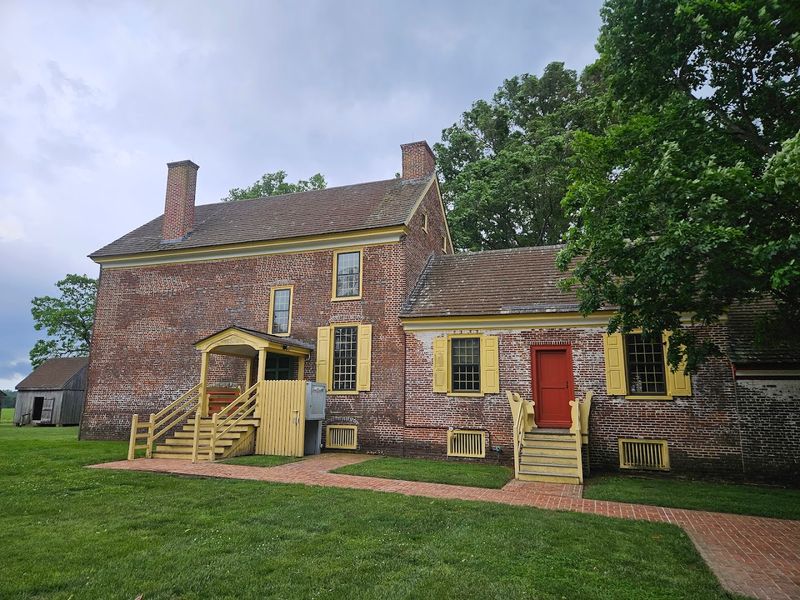
John Dickinson is often called the Penman of the Revolution for his influential political writings, and his family’s plantation outside Dover is where that story gets its proper context.
The site preserves the 18th-century mansion alongside a collection of period outbuildings, farm structures, and reconstructed slave quarters that together tell a far more layered story than a simple founder’s home tour.
Interpreters at the plantation address the lives of the enslaved people, indentured servants, tenant farmers, and free Black individuals who lived and worked on the property, giving the site an honesty that many historic house museums still struggle to achieve.
The mansion itself has been restored to reflect its 18th-century appearance, with period furnishings and architectural details that give visitors a clear sense of how elite Delaware families lived before and after the Revolution.
Admission is free, and guided tours run on a regular schedule throughout the year. The site is managed by the Delaware Division of Historical and Cultural Affairs.
12. New Castle Court House Museum, New Castle, Delaware
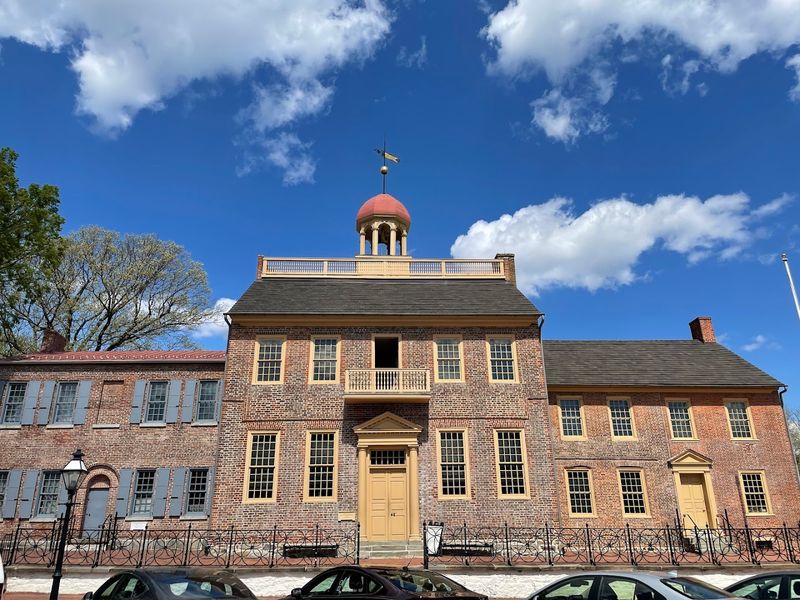
Built in 1732, the New Castle Court House is the oldest surviving courthouse in Delaware and the building where the state’s delegates voted to break ties with Great Britain in 1776.
That single fact gives the place a weight that is hard to overstate. The courtroom on the first floor has been carefully restored to its colonial appearance, and the legislative chambers upstairs still carry the formal gravity of rooms where real history was decided.
Tours cover a wide range of topics, including the history of Delaware’s legal system, the role the building played in defining state boundaries, and its documented connection to the Underground Railroad.
New Castle itself is one of the best-preserved colonial towns in the country, and the Court House sits at the center of a historic district that rewards slow walking and close attention.
Admission is free, and the museum is managed by the Delaware Division of Historical and Cultural Affairs. Parking is available nearby, and the town has good options for lunch within easy walking distance.
13. Nanticoke Indian Museum, Millsboro, Delaware
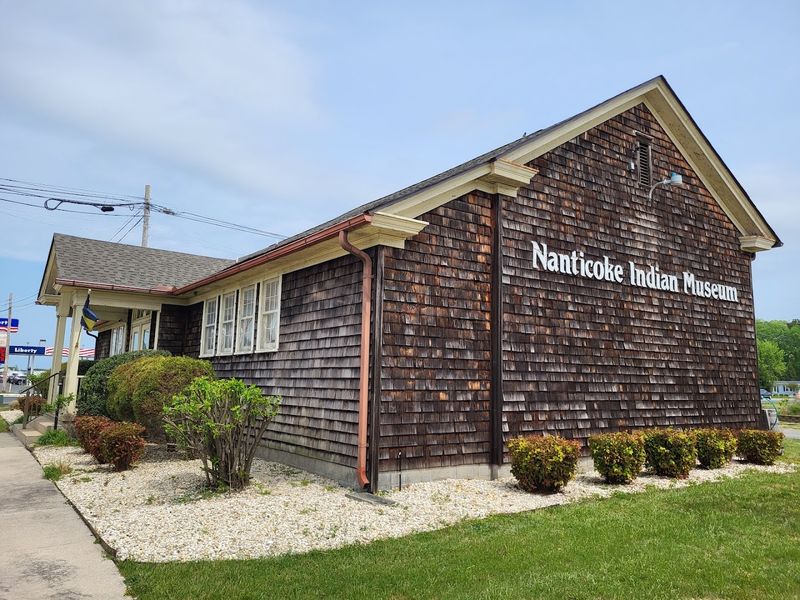
Most people passing through Sussex County have no idea that one of Delaware’s most historically significant museums sits in Millsboro, run by and dedicated to the Nanticoke people who have called this region home for thousands of years.
The Nanticoke Indian Museum is a community-operated institution, which means its exhibits carry a directness and authenticity that larger state-funded museums sometimes lack. Artifacts, photographs, traditional tools, and regalia are displayed alongside explanations written from within the community’s own perspective.
The museum covers Nanticoke history from pre-contact times through the colonial period and into the present, making clear that this is not a story confined to the past.
Each September, the museum hosts the Nanticoke Indian Powwow, one of the longest-running powwows on the East Coast, drawing thousands of visitors for traditional dance, music, and cultural celebration.
Admission is modest, and the staff are knowledgeable and welcoming. A visit here offers context for Delaware’s history that you simply cannot get anywhere else in the state.
Share this story