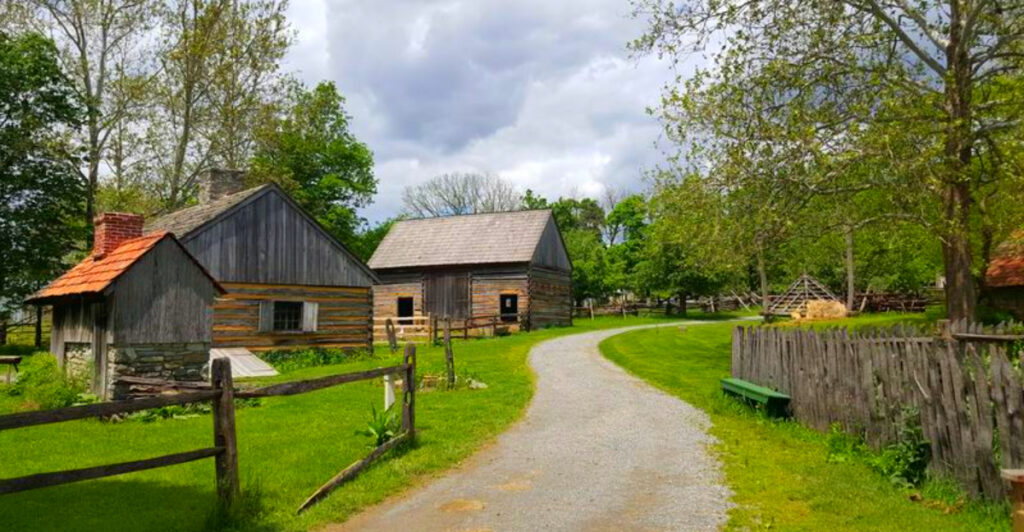
Few places bring Pennsylvania history to life as completely as this Lancaster County museum. Spread across a village of historic buildings, it preserves the tools, trades, and everyday routines that shaped rural life for generations, offering visitors a chance to see history in action rather than behind glass.
Blacksmiths, weavers, and other skilled craftspeople demonstrate traditional techniques throughout the grounds, while exhibits and restored structures provide a deeper look at the region’s cultural heritage. For families, history enthusiasts, and anyone interested in how people once lived and worked, it offers an experience that feels both educational and remarkably authentic.
A Village With a Real Address and a Century of Stories
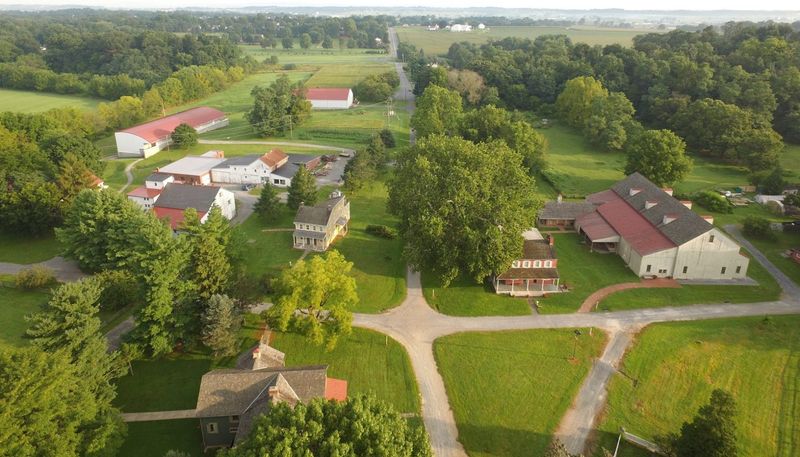
At 2451 Kissel Hill Road in Lancaster, Pennsylvania 17601, you will find one of the most quietly remarkable living history museums in the entire country. Landis Valley Village and Farm Museum sits on 100 acres of Lancaster County land, and the moment you pass through the entrance, something shifts.
The museum is operated by the Pennsylvania Historical and Museum Commission, which gives it the kind of institutional backbone that keeps a place like this alive and well-maintained for generations. It has been open to the public in some form since 1925, and in 2025, it is celebrating its 100th anniversary, a milestone that very few cultural institutions ever reach.
The grounds include more than 40 historic structures spread across a recreated crossroads village and working farmsteads, all built to reflect Pennsylvania German rural life from roughly 1740 to 1940. You can reach the museum by phone at 717-569-0401, and regular hours run Wednesday through Saturday starting at 9 AM, with Sunday hours beginning at noon.
The Origins of a Living History Museum
The origin story of this museum reads like something out of a folk tale, except it actually happened. Brothers George and Henry Landis grew up on a Lancaster County homestead and watched the Pennsylvania German way of life slowly fade around them as the 20th century arrived with its factories and fast pace.
Rather than accept that erasure quietly, the two men began collecting objects that their neighbors were discarding or selling off: tools, furniture, pottery, textiles, farm equipment, and everyday household items that told the story of a community most outsiders barely knew existed. Their personal mission turned into a public museum in 1925, when they opened their collection to visitors on the family homestead.
The Commonwealth of Pennsylvania acquired the site in 1953 and transformed it into the expansive living history museum it is today. The Landis brothers never had formal training as curators or historians, just a fierce love for their heritage, and that passion is still the heartbeat of everything you see here.
The Largest Pennsylvania German Collection in America
The numbers alone are enough to make your jaw drop a little. Landis Valley holds the largest collection of Pennsylvania German artifacts in the entire United States, with somewhere between 75,000 and 100,000 individual items catalogued and preserved on site.
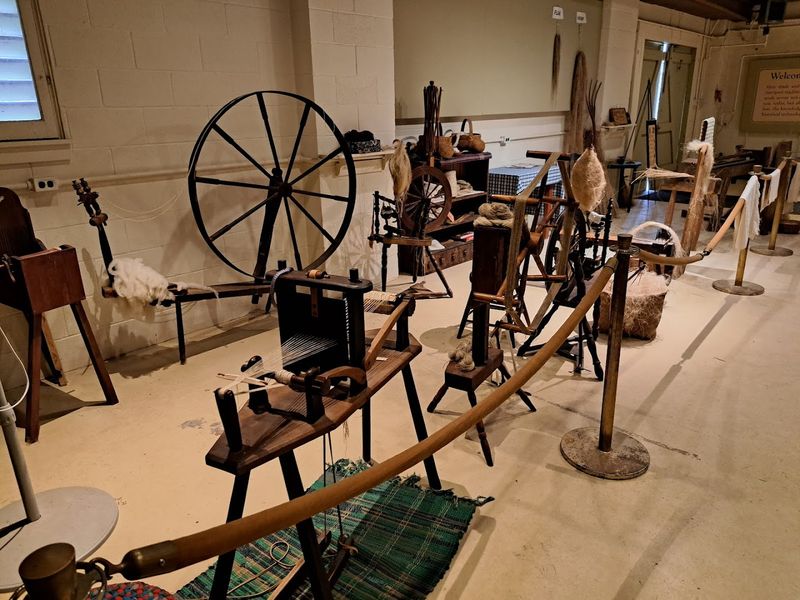
That figure covers an astonishing range of objects: hand-forged iron tools, fraktur documents, painted furniture, decorated ceramics, woven textiles, agricultural equipment, and domestic items that capture both the practical and artistic sides of Pennsylvania German culture across two full centuries.
Two large buildings on the property are dedicated to housing antique collections, and walking through them feels less like browsing a museum and more like opening a very well-organized attic belonging to an entire civilization. The variety is genuinely surprising, from ornate painted chests to humble tin cups, each object carrying a quiet weight of human use and history.
The breadth of what the Landis brothers managed to save before it disappeared forever is something that becomes more impressive the longer you walk these floors.
Forty-Plus Buildings and the Streets Between Them
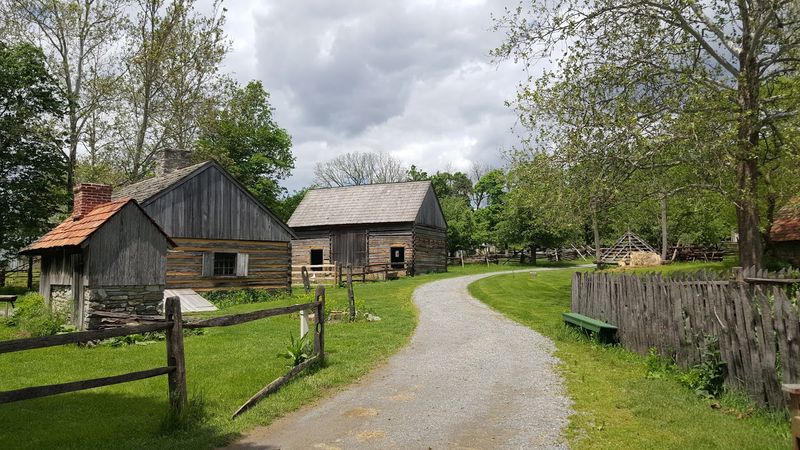
One of the first things visitors notice is that this museum is not a building you walk through. It is a village you walk around, and that distinction matters enormously for how the experience feels.
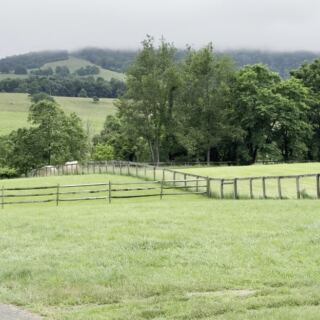
More than 40 historic structures are spread across the 100-acre property, connected by gravel paths that crunch satisfyingly underfoot.
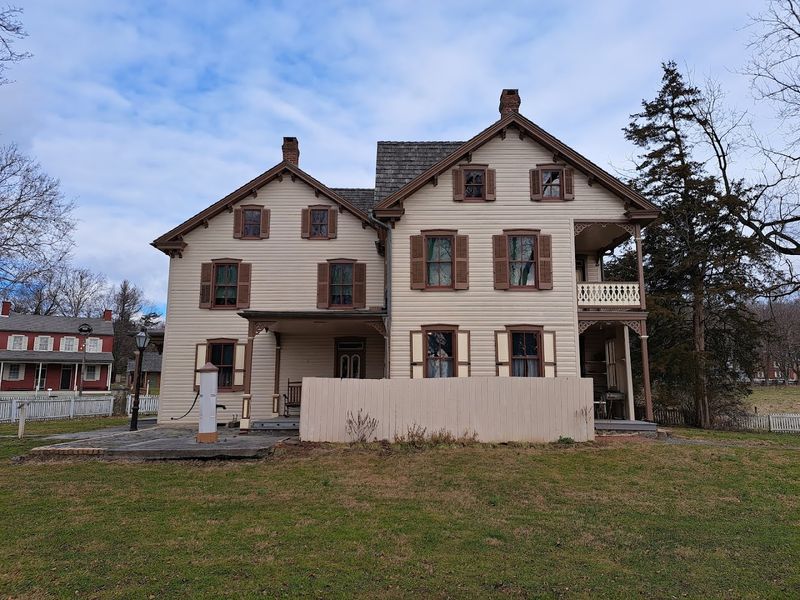
The lineup of buildings reads like a small town directory from another century: a tavern, a blacksmith shop, a schoolhouse, a general store, a tin shop, a gunsmith, a leather shop, a firehouse, historic homes, and more. Each structure is furnished and equipped as it would have been during its original period of use, which creates an atmosphere that is hard to manufacture artificially.
Some buildings have interpreters inside who will talk with you at length about the crafts and daily routines of the people who once worked there. Others are set up for self-guided exploration, where you can open the door and simply look around at your own pace.
The layout rewards slow wandering, and most visitors find they have covered only a fraction of the site by the time they think they are done.
Living Demonstrations That Actually Teach You Something
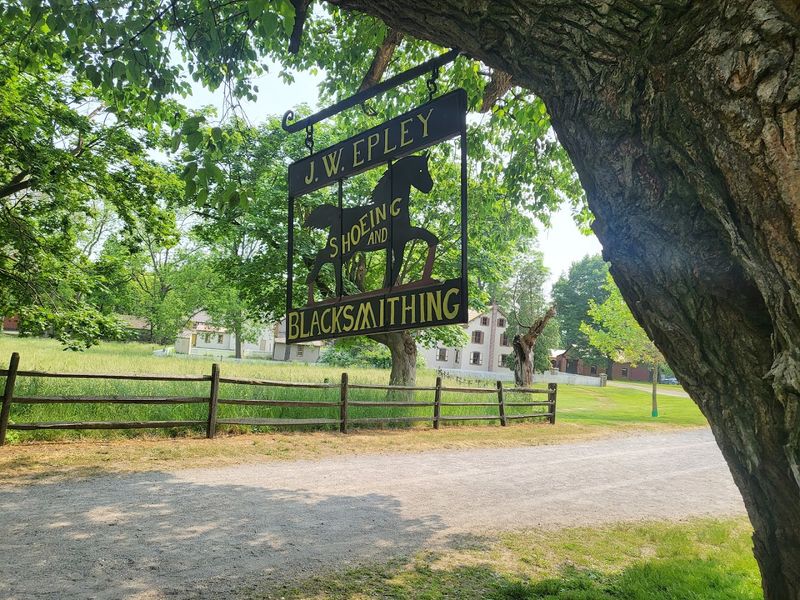
There is a real difference between reading about how something was made and watching a skilled person make it right in front of you. The living demonstrations at this museum fall firmly into the second category, and they are one of the strongest reasons to visit in person rather than just reading about the place online.
On any given open day, you might watch a blacksmith shape metal over a fire, observe hearth cooking techniques that predate modern stoves by centuries, or see a weaver work through the rhythmic process of producing linen on a period loom. The demonstrators are knowledgeable and genuinely enthusiastic, and they tend to answer questions with the kind of detail that comes from real study rather than a rehearsed script.
Craft demonstrations also cover tin work, spinning, and traditional farming techniques, all rooted in the Pennsylvania German traditions the museum exists to preserve. These are not performances designed to entertain tourists.
They are authentic educational experiences that happen to be fascinating to watch, and they have a way of making history feel less like a subject and more like a living practice.
Heritage Breeds and the Working Farmstead
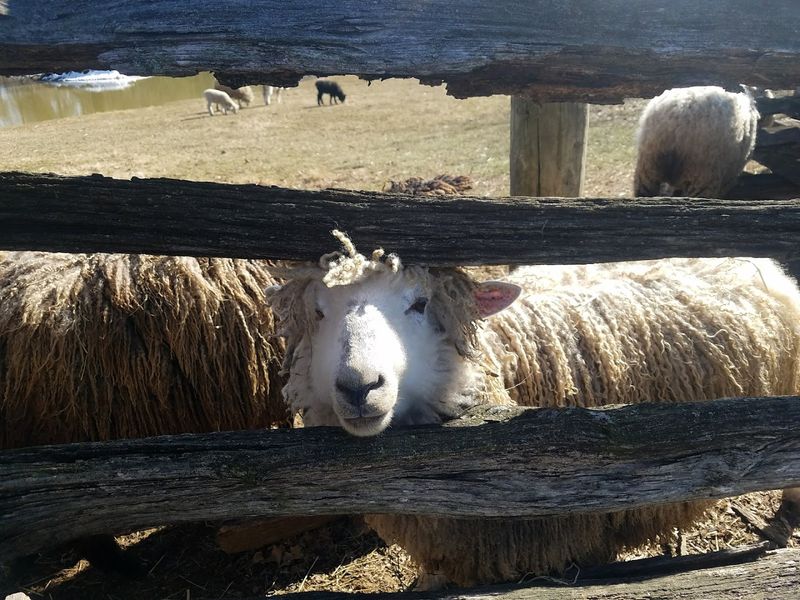
Beyond the village buildings and artifact collections, the museum also maintains working farmsteads that bring agricultural history to life in a very tangible way. Heritage breed animals are kept on the property, representing the kinds of livestock that Pennsylvania German farmers would have raised during the 18th and 19th centuries.
Seeing these animals in context, rather than in a zoo or a modern barn, gives a much clearer picture of how central they were to everyday rural life. Draft horses, heritage chickens, and other traditional farm animals are part of the living landscape here, and their presence adds a sensory layer to the experience that no exhibit panel can replicate.
The farmstead sections of the museum also demonstrate period agricultural practices, showing how crops were planted, tended, and harvested using tools and techniques from the museum’s collection. For younger visitors especially, this is where the history stops being abstract and starts making sense in a very immediate, hands-on way.
The smell of the barn, the sound of the animals, and the texture of the soil all do the teaching that words alone cannot.
The Guided Tour Experience Worth Booking
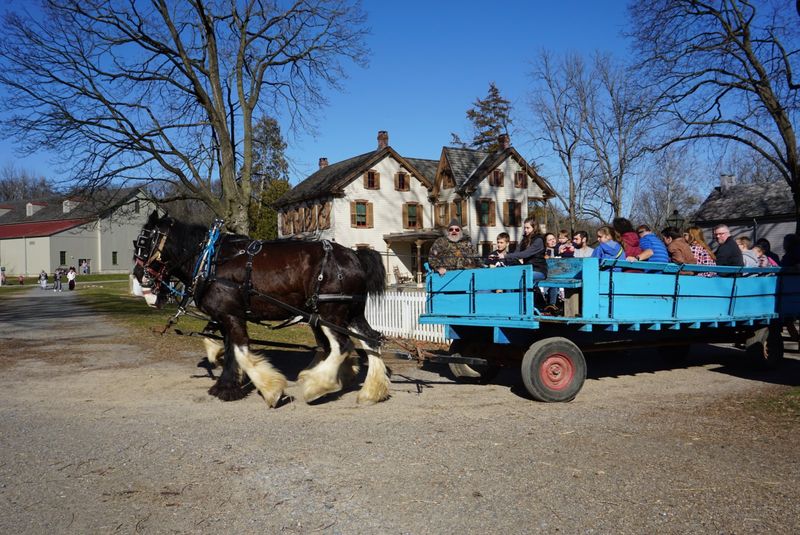
Self-guided exploration is absolutely an option here, and many visitors prefer the freedom of setting their own pace. That said, the guided tours available at Landis Valley are a genuinely different experience and one that most visitors who take them say they would choose again without hesitation.
The guides, many of whom are deeply trained interpreters rather than casual volunteers, bring the buildings and their histories to life with specificity and enthusiasm that you simply cannot get from reading a placard. They tailor their presentations to the group, which means a tour with curious adults hits different notes than one with school-age children, and both versions work well.
A standard guided tour runs roughly 90 minutes to two hours, though many visitors find themselves lingering far beyond that as conversations with interpreters extend naturally into fascinating territory. The admission fee is considered reasonable by most visitors, and the guided tour is typically included in that cost.
Plan to wear comfortable shoes, because the gravel paths and spread-out layout mean you will cover a meaningful amount of ground before you are done.
What the Pennsylvania German Culture Actually Means
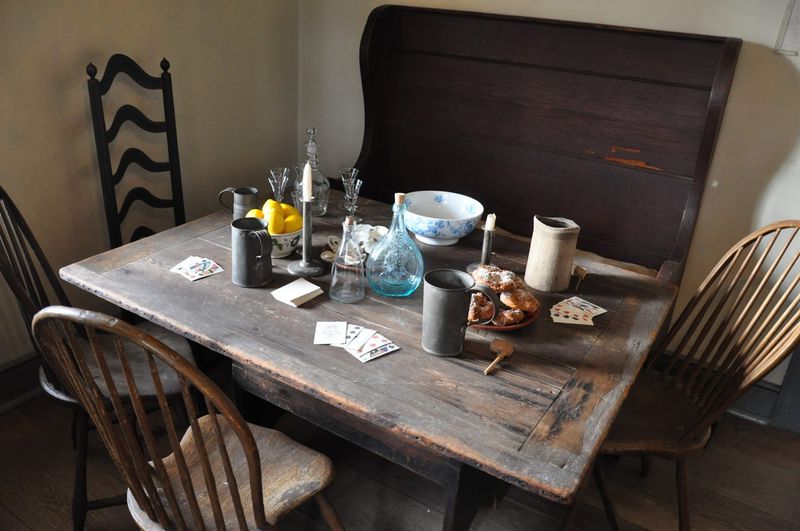
The term Pennsylvania German gets used frequently around Lancaster County, but the museum does an excellent job of actually unpacking what it means rather than letting it remain a vague cultural label. The community it refers to descended primarily from German-speaking immigrants who arrived in Pennsylvania during the 17th and 18th centuries, settling in large numbers in Lancaster, Berks, and surrounding counties.
Their culture was distinct in language, religious practice, artistic tradition, and agricultural method, and it left a deep mark on the region that is still visible today. The museum covers the full span of this cultural story from approximately 1740 to 1940, which means you are looking at two centuries of adaptation, resilience, and creative expression across a single community.
Exhibits touch on the intersection of religion and daily life, the artistic traditions that produced fraktur lettering and painted furniture, and the farming practices that shaped Lancaster County’s agricultural identity. The complexity of the Pennsylvania German story, with all its competing visions and internal variety, is treated with real seriousness here rather than reduced to a simplified postcard version.
Seasonal Events That Transform the Grounds
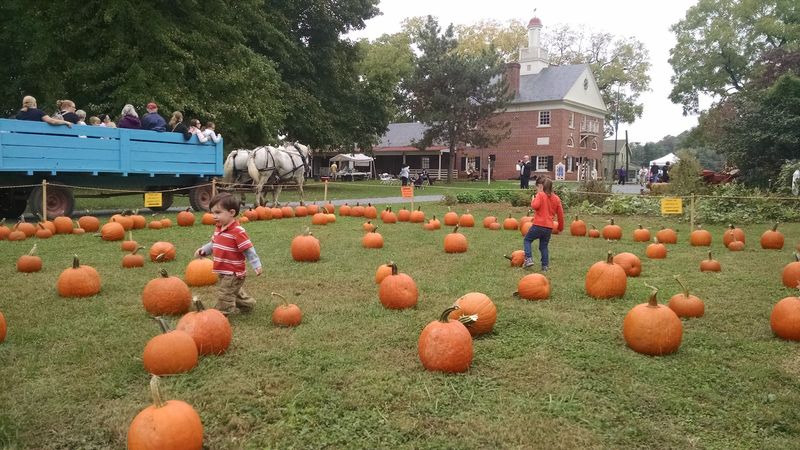
The museum’s calendar of seasonal events is one of its best-kept secrets, and if you time your visit right, you can experience the grounds in a completely different mode than a standard weekday tour. The fall festival in particular draws families from across the region and has developed a strong reputation for atmosphere and programming.
During event weekends, demonstrators are more active, additional crafts and activities are available, and the village setting takes on an energy that feels genuinely celebratory rather than purely educational. The combination of historic buildings, seasonal decorations, and a crowd of engaged visitors creates something that is hard to describe but very easy to enjoy.
Other events throughout the year focus on specific aspects of Pennsylvania German culture, from traditional crafts to seasonal agricultural practices, giving repeat visitors a reason to come back and see something new each time. Checking the museum’s website at landisvalleymuseum.org before your visit is worth the two minutes it takes, because the event schedule can significantly shape how you plan your day and what you prioritize seeing while you are there.
The Gift Shop That Earns Its Own Visit
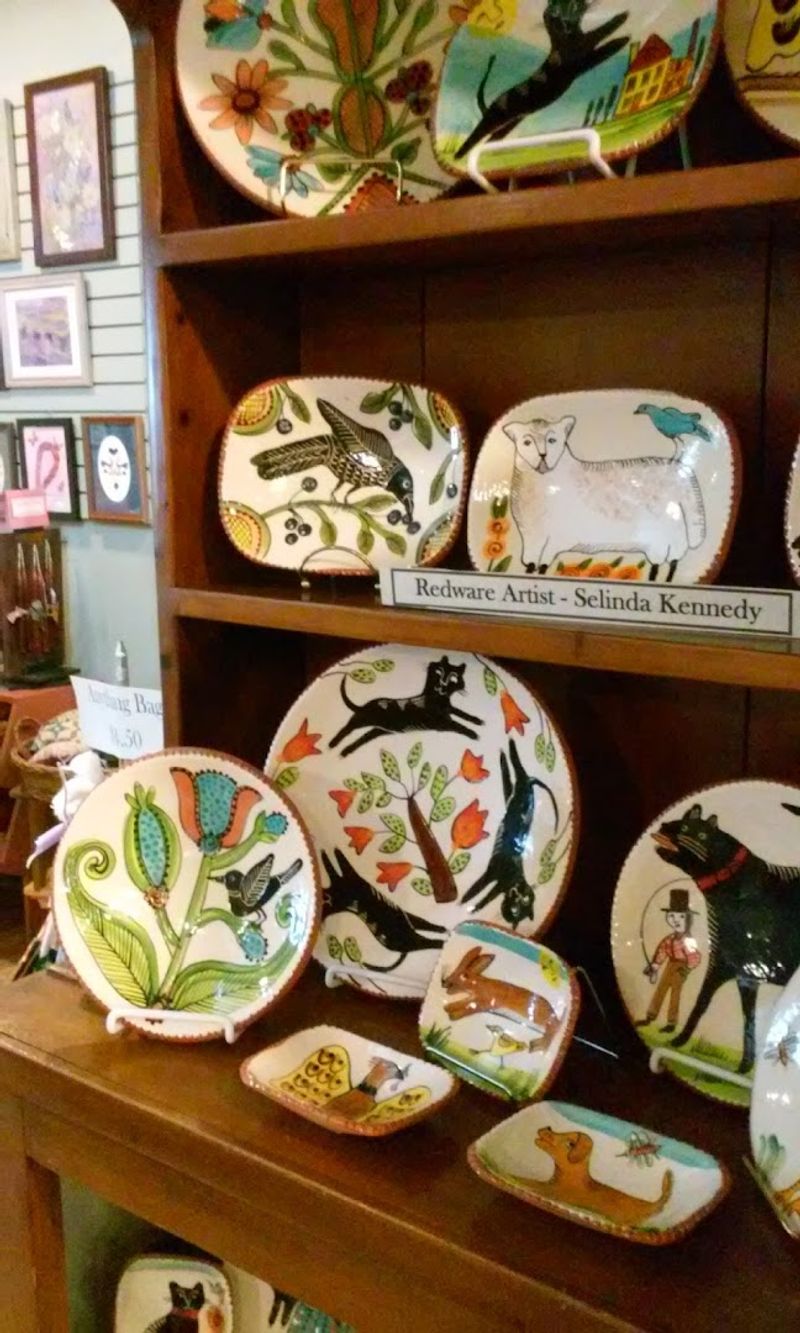
Museum gift shops have a reputation for being afterthoughts filled with generic merchandise, and this one is a pleasant correction to that assumption. The Landis Valley gift shop is notably well-stocked with items that actually connect to the museum’s mission, including locally handcrafted goods, Pennsylvania German heritage books, traditional pottery, and those heirloom seeds mentioned earlier.
One practical and appealing detail: the gift shop is accessible without purchasing museum admission, which means it is worth stopping in even if you are short on time or budget. Local artists and craftspeople are well-represented in the inventory, making it a solid spot to find something that feels genuinely regional rather than mass-produced.
The selection changes with the seasons and with what local makers bring in, so the shop never feels entirely static. For visitors who want a tangible reminder of the Pennsylvania German heritage they just spent hours exploring, this is the right place to find it.
A packet of heirloom tomato seeds or a hand-thrown ceramic piece carries more meaning than a generic souvenir magnet ever could.
Practical Tips for Making the Most of Your Visit
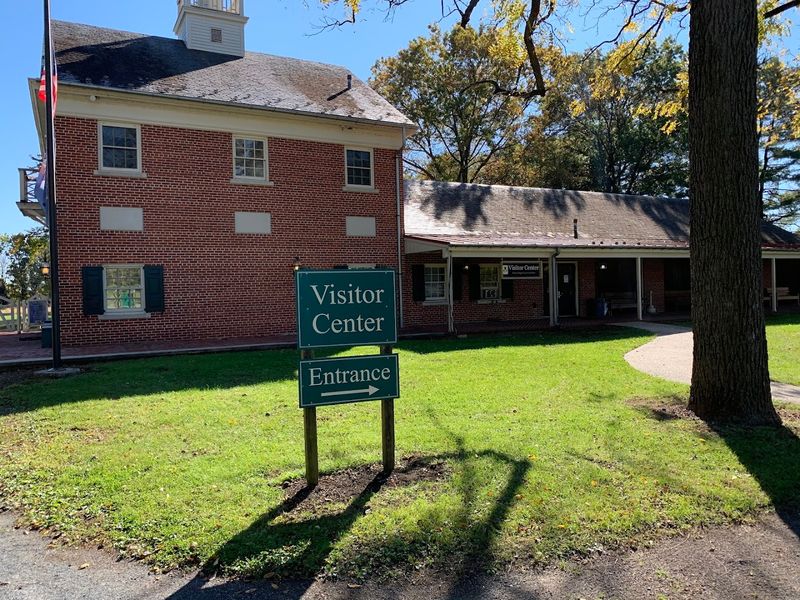
A few practical notes can make the difference between a good visit and a great one. The museum is open Wednesday through Saturday from 9 AM to 4 PM, and Sunday from noon to 4 PM, with Monday and Tuesday being closed days.
Arriving early on a weekday gives you the quietest, most unhurried experience of the grounds.
The site covers 100 acres, which is larger than most visitors expect, so comfortable walking shoes are not optional. Families with young children will find that a stroller works well on the gravel paths, though you will want to leave it outside when entering the historic buildings.
Plan for at least two to two and a half hours to do the museum reasonable justice, and more if you want to linger with demonstrators or explore every building.
Parking is free and plentiful, which removes one common friction point of museum visits entirely. The phone number 717-569-0401 connects you to staff who can answer questions about upcoming events, group tours, or special programs.
A century into its mission, this place shows no signs of slowing down, and that is exactly the kind of institution worth supporting in person.
Share this story