Few Nebraska parks offer as much variety in one place as Platte River State Park. Located just 30 minutes from Omaha, it combines hiking trails, mountain biking routes, an 85-foot observation tower, a waterfall, horseback riding, and family-friendly attractions across a scenic stretch of woodland along the Platte River.
Whether you’re looking for a challenging outdoor adventure or an easy day trip, the park has something to match. Visitors can climb the tower for sweeping views, explore forested trails, or cool off at the spray park after a day outdoors.
It’s the kind of destination that surprises first-time visitors and keeps locals coming back throughout the year.
Where the Park Actually Is and What to Expect at the Gate
Platte River State Park sits at 14421 346th St, Louisville, NE 68037, tucked into the wooded bluffs along the Platte River about 30 minutes southwest of Omaha. The address puts you on a quiet rural road that gives no hint of what is waiting inside.
The park is managed by Nebraska Game and Parks and earns a 4.7-star rating from over 2,200 visitors, which tells you something real before you even step out of the car. Operating hours run from 8 AM to 5 PM daily, and you can reach the park office at 402-234-2217 or find more details at outdoornebraska.gov/platteriver.
A Nebraska State Park Permit is required for entry, so grab one before your visit or pick it up on arrival. The terrain is hilly and forested, so comfortable shoes matter from the moment you park.
First-timers often underestimate how much ground there is to cover, so arriving early gives you the best shot at doing it justice.
The Trail Network That Keeps Hikers Coming Back
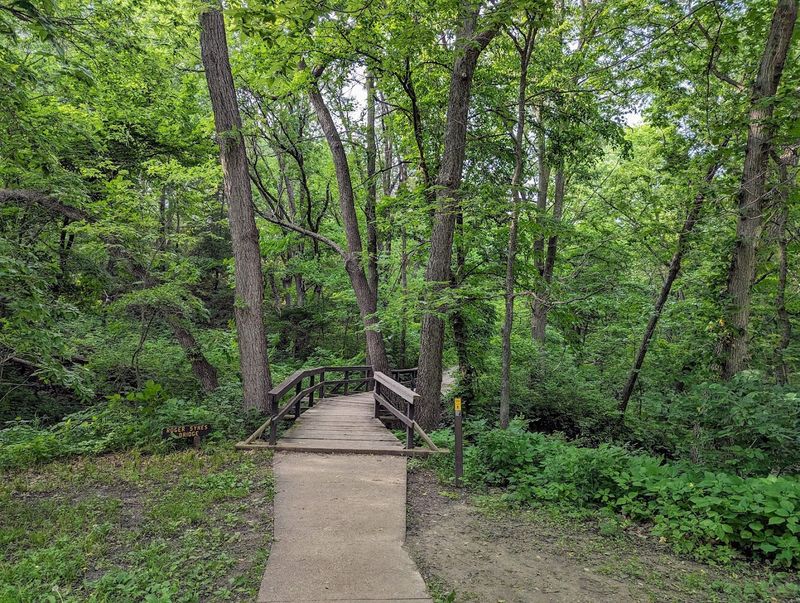
About 10 miles of hiking trails thread through the park’s forested hills, ranging from easy creek-side walks to genuinely challenging climbs that remind your legs they exist. The flagship route is a 6.7-mile loop that takes in the river, the falls, and several ridge sections with open sky above.
Trail conditions change dramatically by season. Spring brings mud and lush greenery; fall layers the paths in color that makes every photo look edited.
Winter visits are quieter and the iced-over waterfall alone makes the cold worth tolerating, though the slopes do get slippery and traction footwear is a smart call.
One honest heads-up: the trail map could use improvement, and several visitors have noted that markings in the northwest corner of the park are sparse or missing entirely. Going with a downloaded offline map or a GPS app saves frustration.
The trails themselves are worth every step of the effort, and the creek bed sections add a playful, exploratory quality that flat park walks simply cannot match.
Stone Creek Falls: The Waterfall Hidden in the Hills
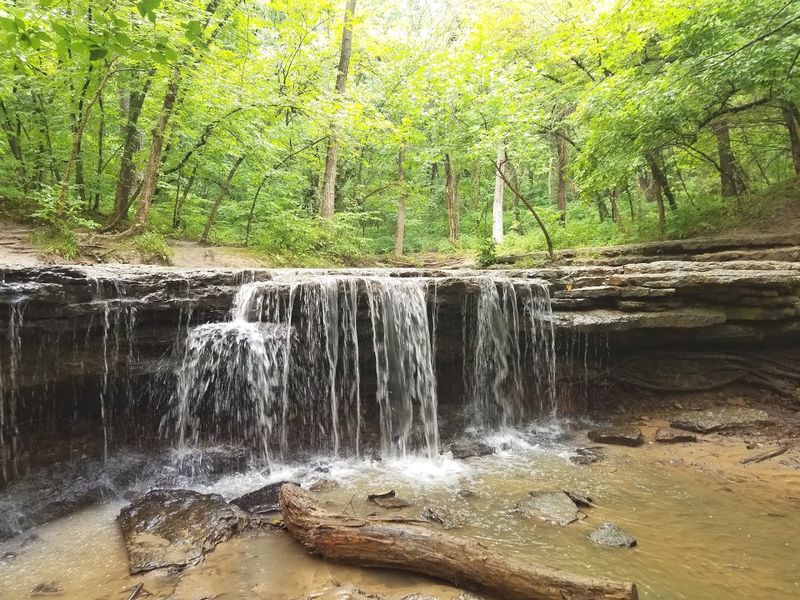
Stone Creek Falls is the kind of waterfall that rewards the walk rather than the photograph. It is small by most standards, roughly six foot tall in dry seasons, but its semi-circular shape creates a natural pool that feeds into Stone Creek in a way that feels intentional and peaceful.
The trail leading to the falls is described as a slightly rolling hike, accessible enough for most fitness levels but with enough terrain variation to feel like an actual adventure rather than a stroll. Visitors can walk directly in the creek both above and below the falls, and the pool area invites a bit of splashing on warm days.
In winter, the falls freeze into a glassy, sculpted shape that looks entirely different from its summer version, and the silence around it is remarkable. Managing expectations helps here: this is not a dramatic cascade, but a quiet, photogenic feature that anchors a genuinely enjoyable trail experience.
The falls are best appreciated as a destination within a longer hike rather than the sole reason for the trip.
The Observation Tower View That Stops People Mid-Sentence
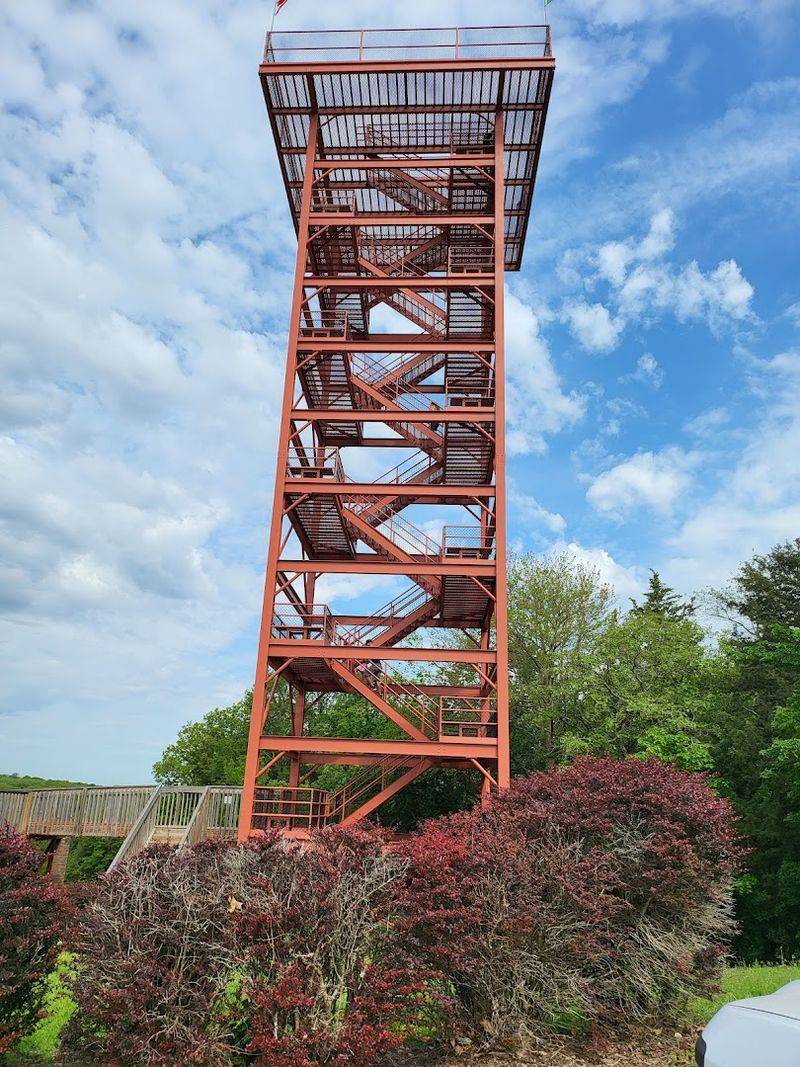
The Lincoln Journal Tower rises 85 feet above the forested bluffs and delivers a 360-degree view of the Platte River Valley that genuinely earns the word spectacular. From the top, the river bends through the landscape below while the surrounding forest stretches out in every direction, and on clear days the view seems to extend further than the geography should allow.
The climb itself is straightforward, a series of switchback stairs inside a wooden tower structure that feels sturdy and well-maintained. Wind picks up noticeably near the top, which adds a bit of drama to the experience without making it uncomfortable.
Wildlife sightings from the tower are not uncommon; bald eagles have been spotted riding thermals above the river from this exact vantage point.
A second, shorter observation tower sits near the Walter Scott Jr. Lodge and offers a more sheltered view for those who prefer something less exposed. The Scott Lodge Restaurant also frames river views through its windows, giving non-climbers a comfortable alternative.
The main tower, though, is the one worth the trip up every single time.
Mountain Biking Trails That Earn Their Reputation
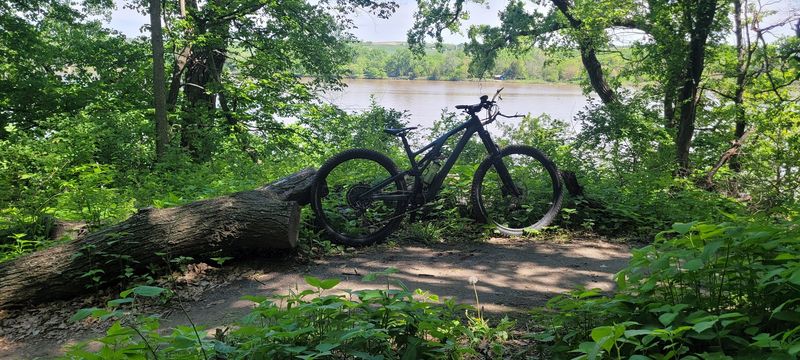
The mountain biking scene at this park has developed a loyal following, and the trail names alone hint at what riders are in for: Otoe Coaster, Eastbound and Down, Red Fox, and Badger Pass all deliver fast, flowing lines through the trees with enough technical variety to keep experienced riders engaged.
The west trailhead and the newer east trails are the most popular starting points, with the east section offering fresher trail conditions and some newer features including wall rides and launch pads. The River Run trail at sunset has become something of a local ritual, combining the best of the singletrack experience with a backdrop that makes the effort feel cinematic.
Skill levels across the trail system range from beginner-friendly rollers to genuinely challenging singletrack that demands attention and control. The park occasionally hosts biking events, so checking the schedule before a weekend visit avoids unexpected crowds on the trails.
For anyone building a Nebraska biking bucket list, this park belongs near the top of it.
Horseback Riding Through the Forest With Guides Who Know the Land
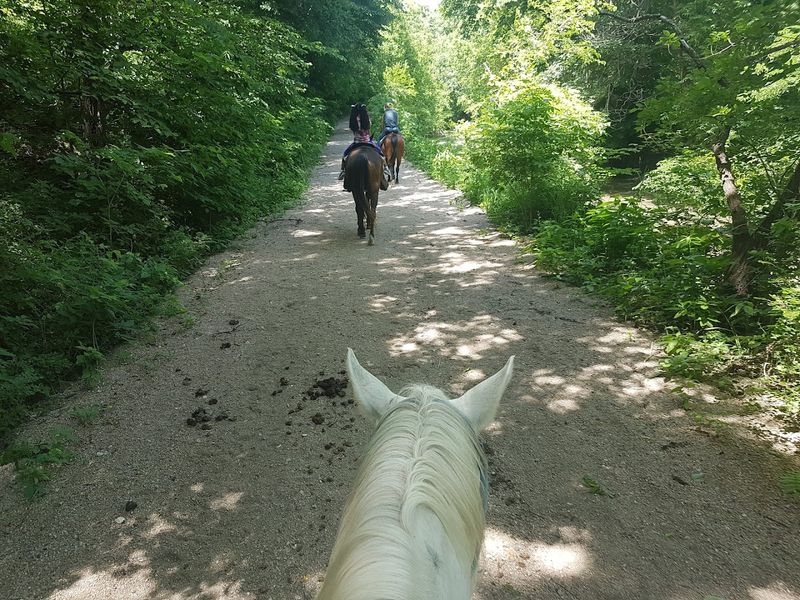
Guided horseback trail rides run through the summer months at around $25 per person, led by staff who know the trails and the horses well. The horses themselves are described by visitors as well cared for, and the guides handle the experience with a casual, knowledgeable confidence that puts first-timers at ease.
The forested trails used for riding offer a different perspective on the park’s terrain than hiking provides. From horseback, the canopy feels closer and the sounds of the forest seem amplified in a way that ground-level walking does not quite replicate.
Guests who bring their own horses can also use the park’s equestrian access points.
A practical note for visitors: tack condition has occasionally been flagged as something the park could maintain more attentively, so it is worth a quick check before heading out on the trail. The experience overall, though, draws repeat visitors who return specifically for the riding.
The combination of shaded trails, quality horses, and knowledgeable guides makes this one of the more distinctive offerings in any Nebraska state park.
Water Activities on Jenny Newman Lake and the Platte River
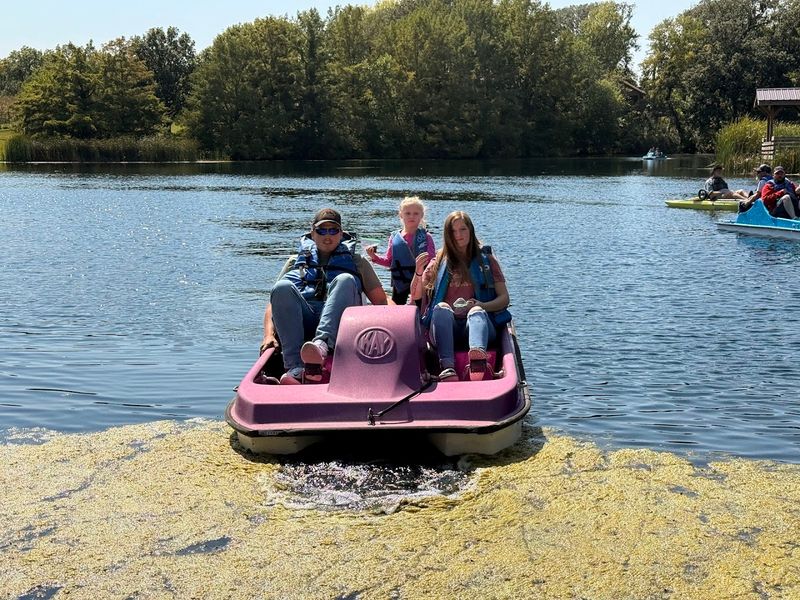
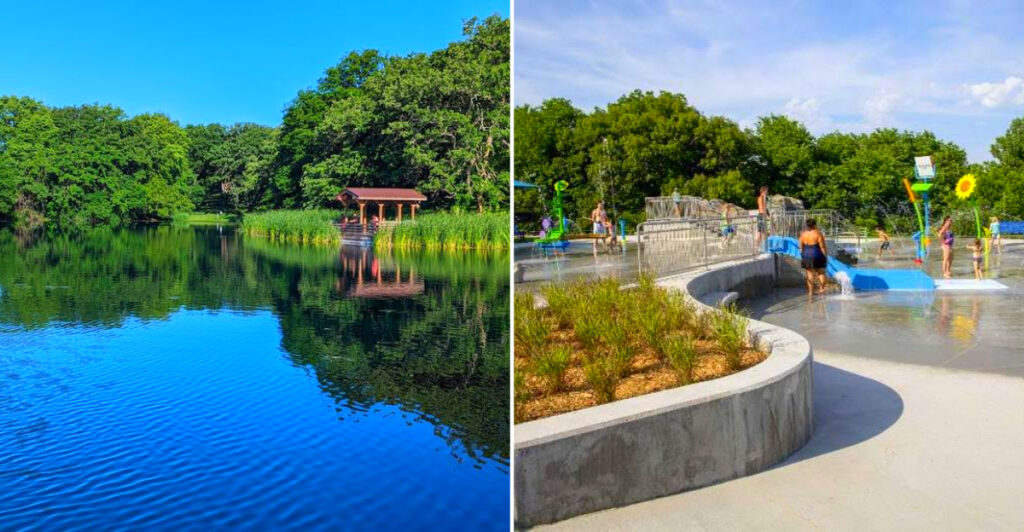
Jenny Newman Lake sits at the heart of the park’s water recreation area, offering paddleboat rentals that turn an afternoon into a genuinely relaxing float. The lake is calm and well-maintained, with fishing permitted for anglers under 16 accompanied by an adult supervisor, making it a natural gathering spot for families.
For those looking to cover more water, the park provides canoe and kayak access to the Platte River Water Trail, a longer route that extends well beyond the park boundaries. Kayak rentals are available on site, so arriving without gear is not a barrier to getting out on the water.
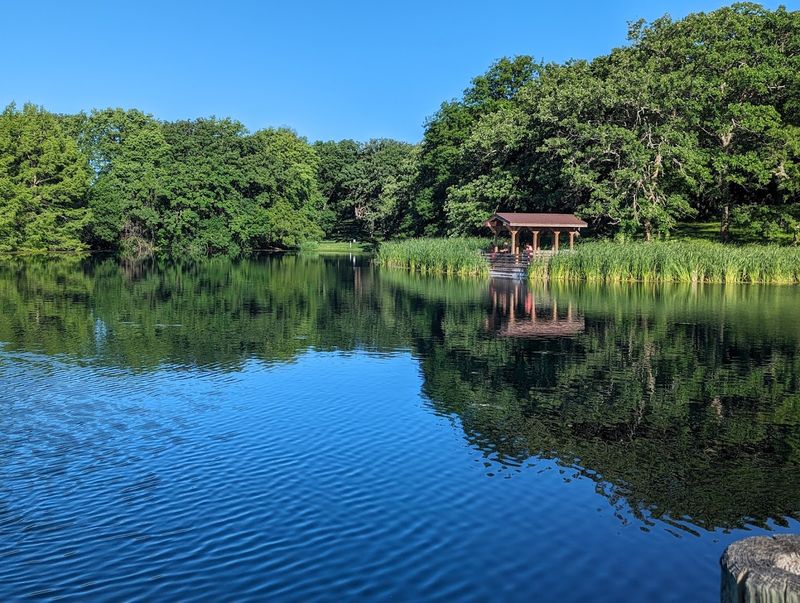
The lake area tends to be busy on summer weekends, so weekday visits offer a noticeably quieter experience with shorter waits for rentals. The surrounding landscape from the water looks different from any trail view, with the forested bluffs reflected in the calm surface on still mornings.
Fishing regulars report catching bluegill, bass, and catfish in the waters near the park, which adds another reason to linger longer than planned.
The Outdoor Heritage Education Complex and Skills You Can Actually Learn
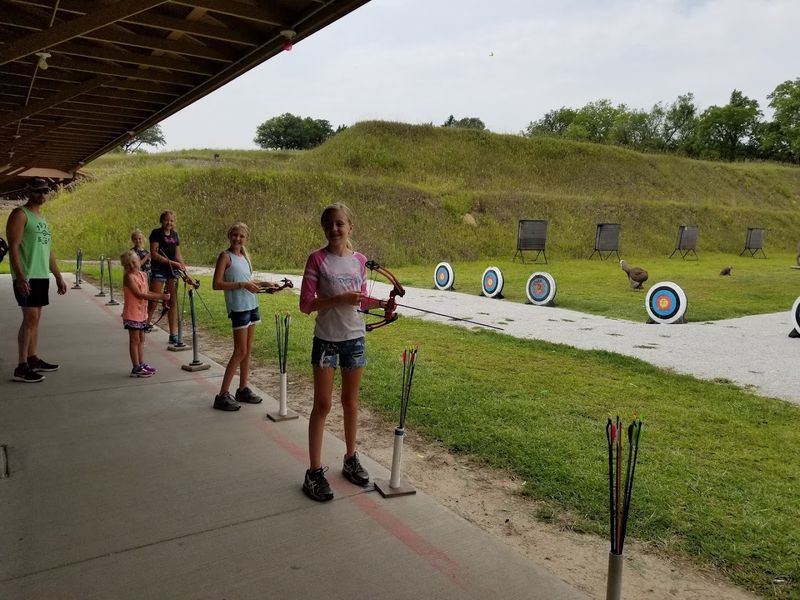
The Roger G. Sykes Outdoor Heritage Education Complex brings a hands-on dimension to the park that most state parks simply do not offer.
The facility includes an archery range with a shooting tower and 3D animal targets, rifle and trap shooting, and a 10-meter indoor pellet gun range for those newer to shooting sports.
Beyond the traditional ranges, the complex also offers tomahawk throwing and slingshot skills, which are the kind of activities that sound slightly absurd until you are actually doing them and realize they require genuine focus and coordination. These sessions are available seasonally and are popular with both youth groups and adults looking for something different.
The educational philosophy behind the complex is straightforward: outdoor skills are worth learning, and a structured, safe environment makes that learning accessible to people who did not grow up with those experiences. Boy Scout troops, school groups, and family visitors regularly use the facility.
If the archery range is your first stop, fair warning: it tends to make everything else feel slightly ordinary by comparison.
Camping, Cabins, and Tepees for Every Kind of Overnight Visitor
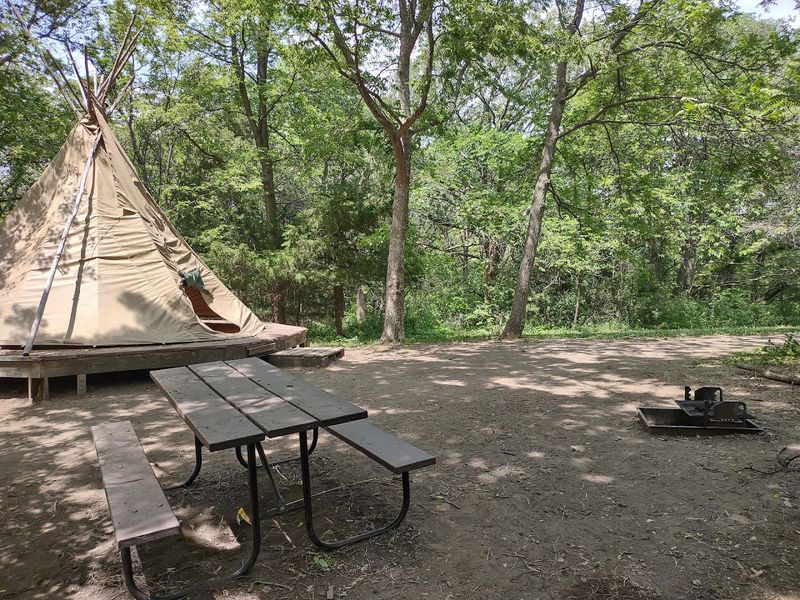
Overnight options at the park span a wider range than most visitors expect. The Bison Campground offers full hookup sites that are clean, modern, and easy to access, making it a reliable choice for RV campers who want amenities without sacrificing a natural setting.
The campground is well-maintained and the proximity to trail access is a practical bonus.
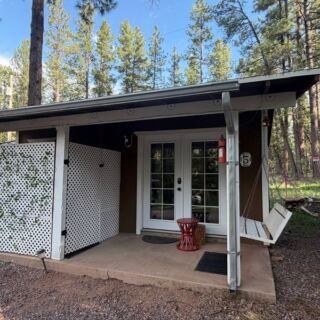
Cabin rentals include named units like the Owen cabin and the Evergreen cabin, each with a distinct layout and character. The Owen cabin features a porch enclosed with wood and windows that guests consistently mention as a highlight, particularly for morning coffee with a forest view.
Cabins sleep up to eight people, though the hot water supply runs short with larger groups, making the public shower facilities a useful backup.
Tepee rentals add a novelty factor that appeals to families and groups looking for something beyond a standard campsite. The dog park on site makes the park unusually pet-friendly for an extended stay.
Booking ahead for summer weekends is strongly recommended, as the most popular cabin options fill quickly.
Family Fun: Spray Park, Playground, Treehouse, and More
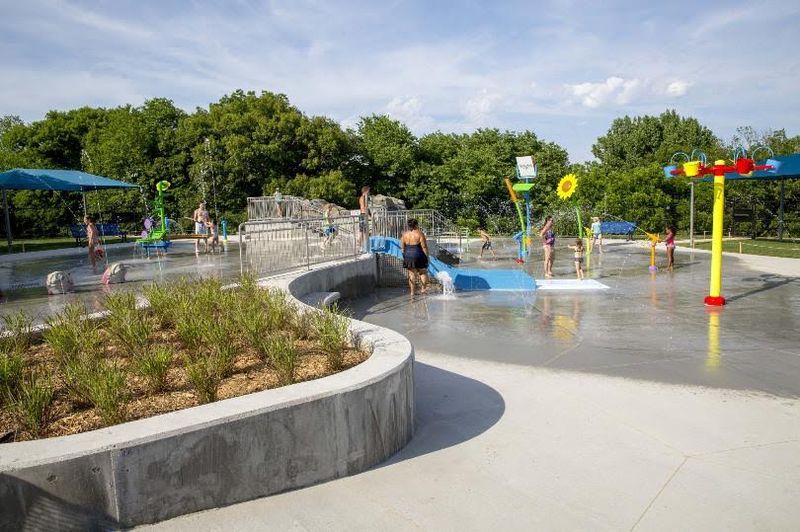
The spray park at Platte River State Park has become one of its most talked-about features for families with younger children. Priced at around $3 per person, it includes slides, water buckets, and fountains that keep kids occupied for hours without requiring any advance planning beyond sunscreen and a change of clothes.
The playground area received a significant upgrade in recent years, adding a treehouse structure with climbing elements and what visitors describe as the largest zip line they have encountered in any park. The equipment is built into the natural hill terrain, which gives the whole area a more adventurous feel than a standard flat playground.
A swimming pool is also available seasonally, rounding out the water options for families who want more than paddleboats. The combination of spray park, treehouse, zip line, fishing lake, and trail access means most kids leave genuinely tired, which is arguably the highest praise any family destination can receive.
The park manages to deliver that outcome consistently, across seasons and age groups.
Best Times to Visit and Tips That Make the Trip Smoother
Fall is widely considered the best season to visit, with the forested trails turning gold and red in a way that makes every hike feel like it was staged for a travel magazine. Spring offers lush greenery but comes with mud, so waterproof footwear is more necessity than suggestion during March through May.
Summer weekends bring the largest crowds, particularly around the spray park, pool, and lake. Arriving before 10 AM on a Saturday secures parking close to the main amenities and avoids the midday rush at the paddleboat rental dock.
Weekday visits in any season deliver a noticeably quieter experience across the entire park.
A few practical notes worth keeping in mind: download a trail map before arrival since cell service can be inconsistent in the forested sections, and the trail markings in the northwest corner of the park are minimal. Bringing a printed map as a backup is not overthinking it.
Dogs are welcome throughout the park but must remain leashed at all times, and the dedicated dog park offers the only off-leash option on the property.
Share this story