Europe is home to some of the most breathtaking universities ever built, where centuries of history meet jaw-dropping architecture. Walking through their courtyards and corridors feels less like visiting a school and more like stepping into a living history book.
From Gothic towers in Scotland to Baroque libraries in Portugal, these campuses have stories carved right into their stone walls. Whether you are a travel lover, a history buff, or just someone who appreciates a seriously good building, this list is for you.
University of Oxford, England
Oxford does not have a campus. It IS the campus.
The entire city doubles as one sprawling academic wonderland, with colleges, chapels, and courtyards tucked around nearly every corner.
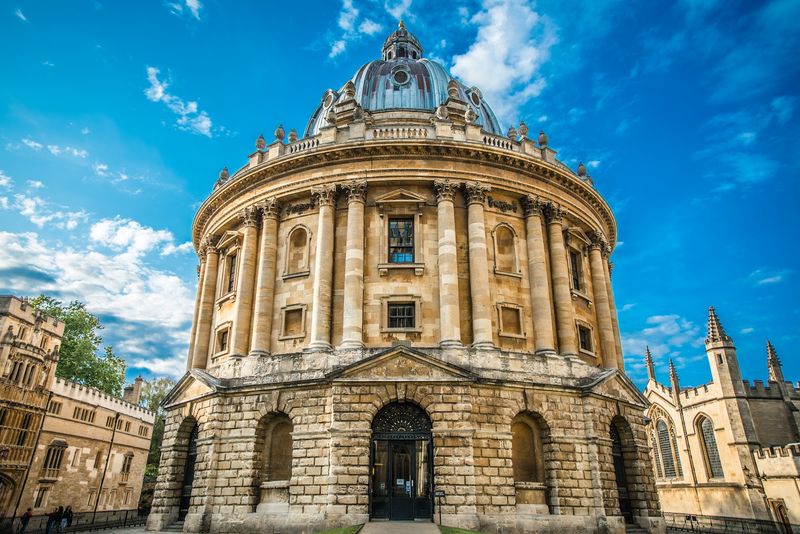
Christ Church, Magdalen College, and the Radcliffe Camera are among the most photographed spots on Earth. The Bridge of Sighs alone has launched a thousand tourist selfies.
Even the narrow back lanes feel like they belong in a fantasy novel.
Stone facades, arched doorways, and quiet quads give Oxford its unmistakable timeless look. No two colleges feel exactly the same, which keeps every walk through the city genuinely surprising.
Entry fees and opening times vary by college and season, so checking ahead saves real frustration. Still, even a slow stroll through Oxford’s streets delivers more architectural beauty per block than most cities manage in a lifetime.
It earns every bit of its legendary reputation.
University of Cambridge, England
Punting along the River Cam is one of those experiences that sounds touristy until you actually do it. Suddenly you are gliding past centuries-old college buildings with a pole in your hand and a ridiculous grin on your face.
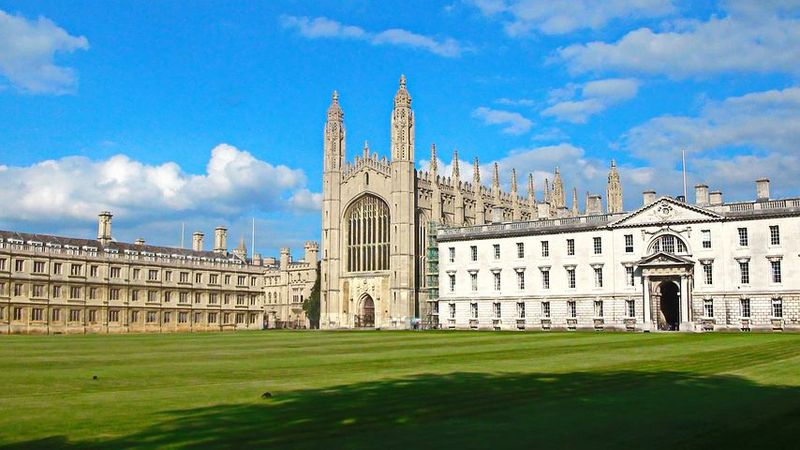
Cambridge has a softer beauty than Oxford, with green lawns, medieval chapels, and elegant college courts lining the water. King’s College Chapel is the undisputed showstopper, its soaring Gothic structure impossible to walk past without stopping dead in your tracks.
Trinity College, St John’s, Clare, and Queens’ College each add their own personality to the city’s graceful academic atmosphere. No two colleges tell quite the same story.
Cambridge is still a fully working university, so access to some colleges shifts depending on term dates. Even from the outside, though, the city offers one of the most rewarding university landscapes anywhere in Europe.
Worth every minute of the journey.
University of Coimbra, Portugal
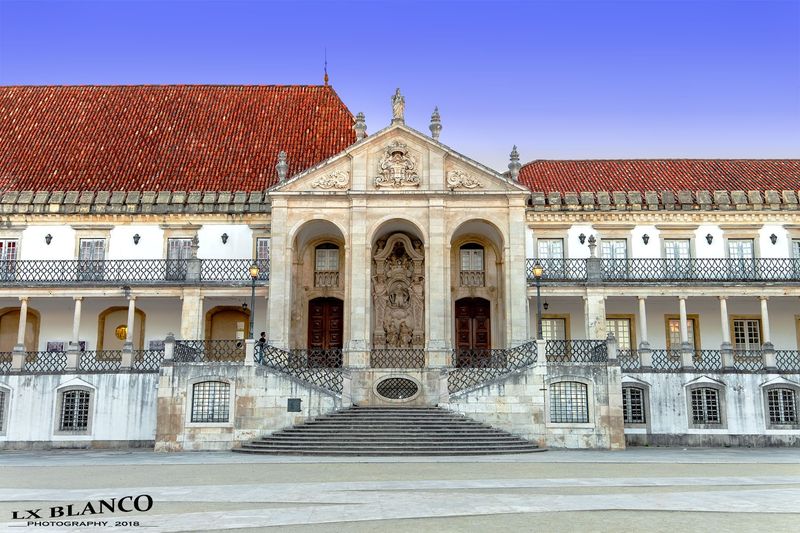
Perched high above the Mondego River, the University of Coimbra has been looking down on the rest of Portugal with quiet scholarly confidence since 1290. That is not arrogance.
That is just geography and history doing their thing.
The Joanina Library is the crown jewel here, a Baroque masterpiece so ornate and dramatic that it regularly appears on lists of the world’s most beautiful libraries. The gilded shelves, painted ceilings, and centuries-old books make it genuinely hard to leave.
The historic area also includes the Royal Palace, St Michael’s Chapel, and the Great Hall of Acts. Together, these spaces reflect how deeply Coimbra is woven into Portuguese cultural identity.
The university’s Alta and Sofia district holds UNESCO World Heritage status, which tells you everything you need to know about its global significance. For lovers of hilltop drama, Baroque excess, and serious academic history, Coimbra is an absolute must-visit destination.
University of Bologna, Italy
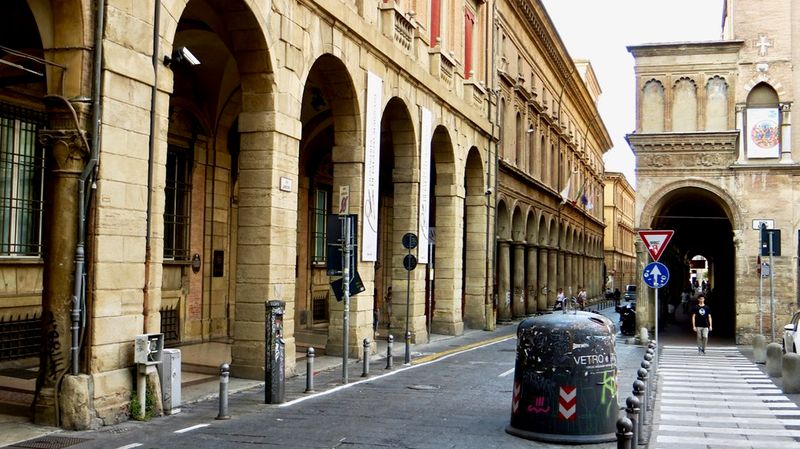
Founded in 1088, the University of Bologna holds the title of the oldest university in the Western world. That is not a small claim, and Bologna wears it with the kind of relaxed confidence only an Italian city could pull off.
There is no single enclosed campus here. Instead, university life bleeds into the city itself, mixing academic buildings with cafes, bookshops, and lively piazzas in the most effortlessly charming way possible.
Bologna’s famous porticoes stretch for miles, sheltering students and visitors alike under their arched walkways. The terracotta rooftops and medieval towers give the whole city a warm, distinctly Italian glow that no filter could improve.
What makes Bologna special is its authenticity. Nothing here feels preserved behind glass or roped off for tourists.
The university still pulses with real academic energy, deeply connected to the city around it. It is history you can actually walk through and feel.
Trinity College Dublin, Ireland
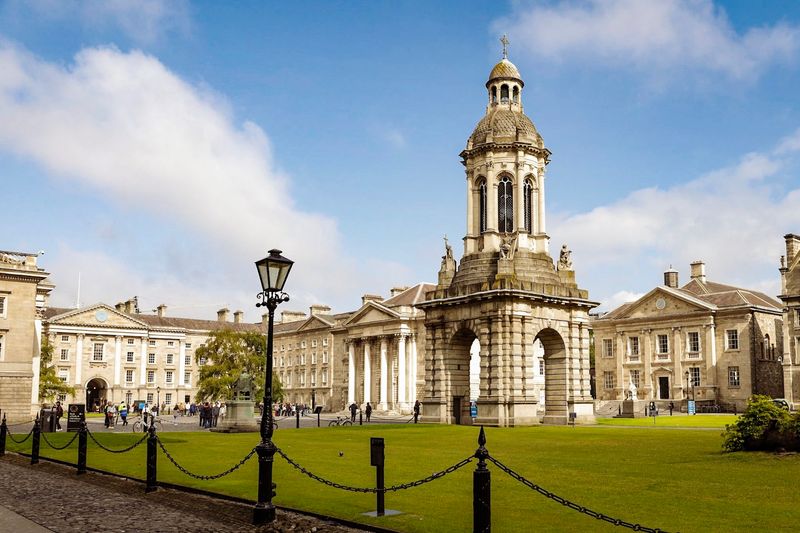
Step through Trinity College Dublin’s main entrance and the city noise drops away almost instantly. Cobblestone squares, elegant buildings, and green lawns take over, creating a calm that feels genuinely magical given how central the campus sits.
The Long Room is the stuff of legend. Its barrel-vaulted ceiling, towering shelves of ancient books, and hushed atmosphere make it one of the most recognizable academic interiors in all of Europe.
I visited on a drizzly Tuesday and it still stopped me in my tracks.
The Book of Kells, an illuminated medieval manuscript of extraordinary beauty, remains a central part of the visitor experience here. Tickets sell out, so booking ahead is genuinely good advice.
Trinity’s architecture spans Georgian, Victorian, and modern styles, which keeps the campus visually interesting throughout. As both a working university and a major cultural attraction, it manages the rare trick of feeling historic and alive at exactly the same time.
University of Salamanca, Spain
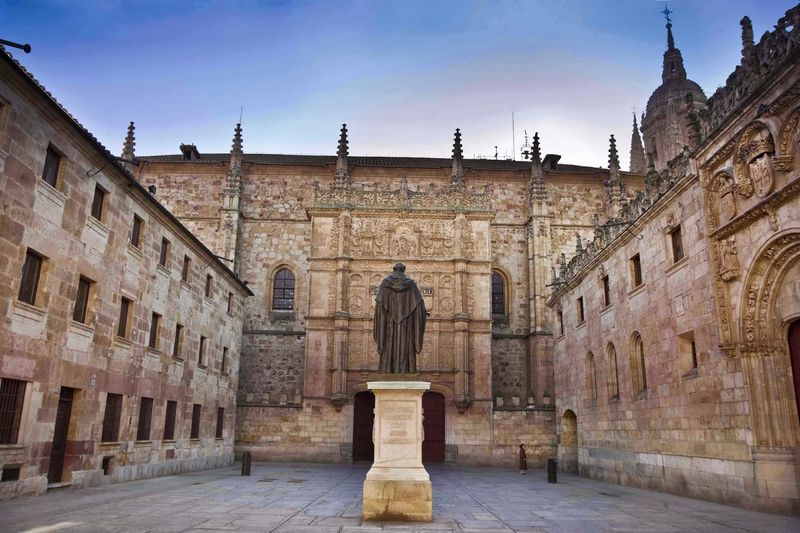
Golden sandstone buildings that practically glow at sunset, a legendary frog hidden in stone carvings, and over 800 years of academic tradition: Salamanca plays the historic university game at an elite level.
The Plateresque facade of the Escuelas Mayores is the university’s most famous feature. Visitors spend considerable time squinting at its intricate carvings, searching for the tiny frog that legend says brings good luck to students who spot it.
Spoiler: it is harder to find than you think.
Inside, courtyards, historic classrooms, and chapels preserve a genuine sense of centuries of scholarship. The whole old quarter of Salamanca is so architecturally harmonious that UNESCO recognized it as a World Heritage Site.
What strikes visitors most is that Salamanca does not feel like a museum. Students still fill these streets, these courtyards, and these lecture halls.
The past and present share the same golden stone, and the result is quietly extraordinary.
University of Glasgow, Scotland
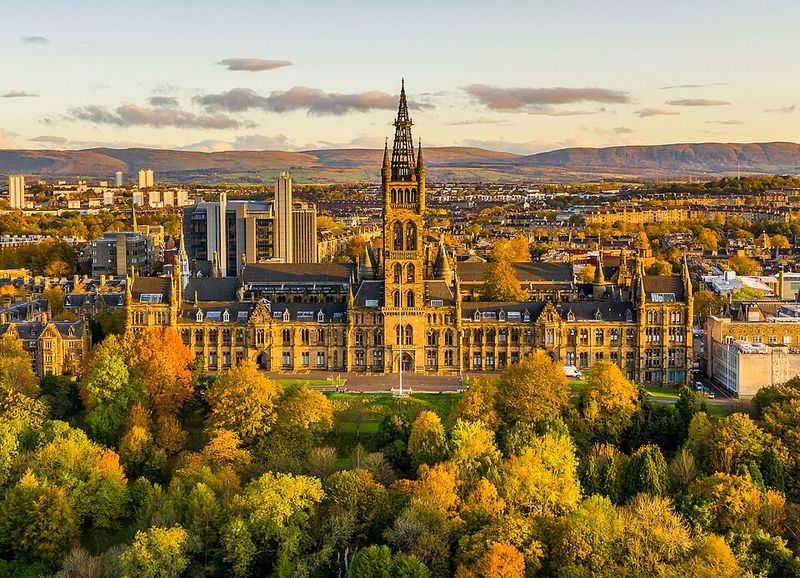
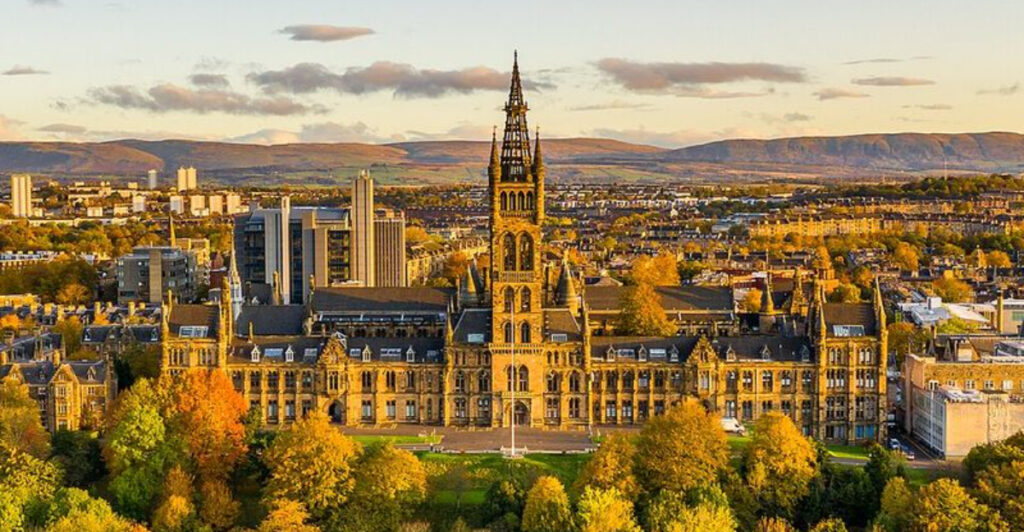
If Hogwarts ever needs a real-world stand-in, the University of Glasgow has been quietly auditioning for centuries. Its Gothic Revival main building, complete with towers, cloisters, and stone arches, looks more like a cathedral than a lecture hall.
Located in Glasgow’s leafy West End, the campus sits near parks, museums, and some of the city’s best cafes. The cloisters are genuinely one of the most photogenic spots in all of Scotland, bathed in moody northern light on a good day.
The main tower creates a dramatic skyline visible from several parts of the city, giving Glasgow one of its most recognizable architectural landmarks. Official visitor tours and self-guided options make exploring the campus straightforward and enjoyable.
Glasgow sometimes gets overlooked in favor of Edinburgh on the Scotland tourist trail, but its university alone makes a strong case for a visit. Gothic grandeur, great coffee nearby, and a campus that earns every single photo taken of it.
University of Vienna, Austria
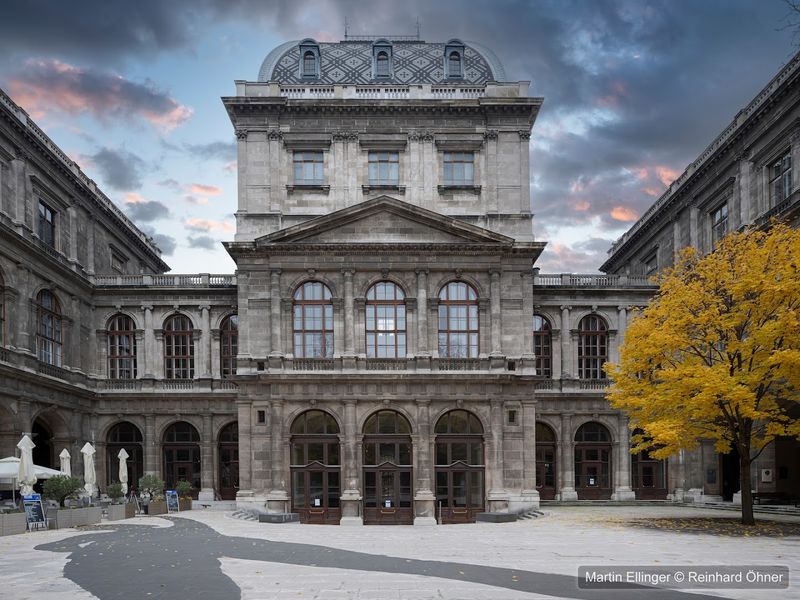
Vienna already has palaces, opera houses, and grand boulevards fighting for your attention. Then the University of Vienna shows up on the Ringstrasse and somehow holds its own among all that imperial competition.
Designed in Italian Renaissance style and inaugurated in 1884, the Main Building is an architectural statement of serious scholarly ambition. The Arcaded Courtyard inside is especially beautiful, lined with busts of famous scholars and flooded with calm, diffused light.
Grand staircases, ceremonial halls, and a historic reading room add further layers of elegance to the interior. Guided tours of the Main Building are available and can include the Aula, Arcade Court, and the Main Ceremonial Hall depending on scheduling.
What sets Vienna’s university apart is how naturally it fits into the city’s broader architectural identity. It feels scholarly and formal without being cold, tied deeply to the cultural and intellectual life that has made Vienna one of Europe’s great capitals for centuries.
Uppsala University, Sweden
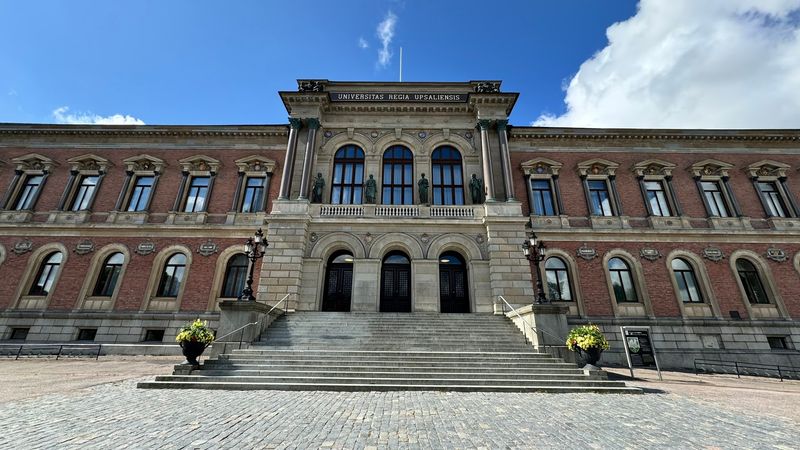
Founded in 1477, Uppsala University is Scandinavia’s oldest, and it carries that seniority with the kind of quiet dignity that only five and a half centuries of academic tradition can produce.
The Universitetshuset, or Main Building, is a major city landmark and still hosts important academic ceremonies, lectures, and concerts. The Grand Auditorium inside is particularly impressive, with a formal grandeur that feels both historic and very much in use.
Uppsala has a calm, unhurried atmosphere compared to many larger European university cities. The historic streets, botanical gardens, and nearby Uppsala Cathedral give the whole place a dignified, almost meditative quality that rewards slow exploration.
Swedish design sensibility runs through everything here: nothing is overdone, nothing shouts for attention, and the beauty sneaks up on you gradually. Uppsala is elegant in a way that gets better the longer you stay.
It is one of those places that genuinely improves on second and third visits.
Heidelberg University, Germany
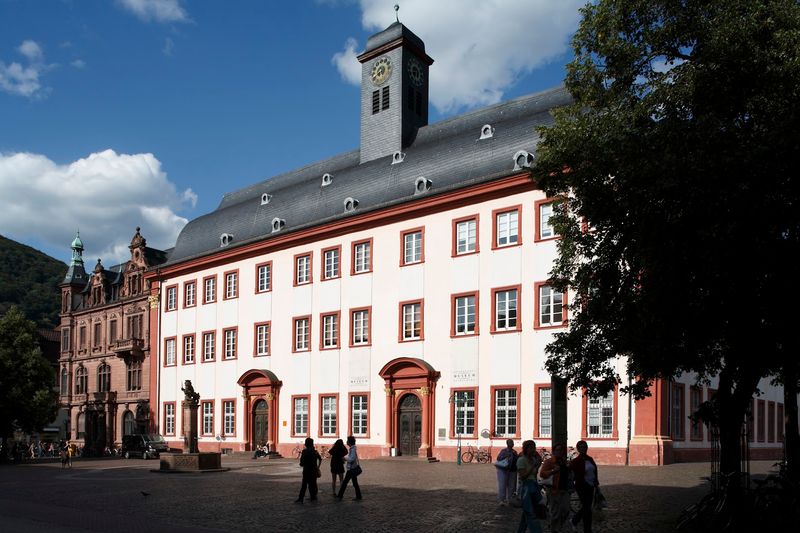
Heidelberg has been called Germany’s most romantic city so many times that it risks becoming a cliche. Then you actually visit, see the castle ruins above the river, and realize the reputation is completely earned.
Germany’s oldest university fits right into this setting. The Old University building is a highlight, particularly the Great Hall redesigned for the university’s 500th anniversary in 1886.
The University Museum inside tells the institution’s story with genuine depth and detail.
What makes Heidelberg special is the combination: university heritage plus storybook city scenery equals something that is genuinely hard to match anywhere else in Germany. The hills, the river, the old lanes, and the academic buildings all reinforce each other beautifully.
Heidelberg is compact enough to explore on foot in a day, but rich enough to deserve more time than that. Travelers who love the intersection of history, architecture, and natural scenery will find it exceptionally hard to leave on schedule.
University of Padua, Italy
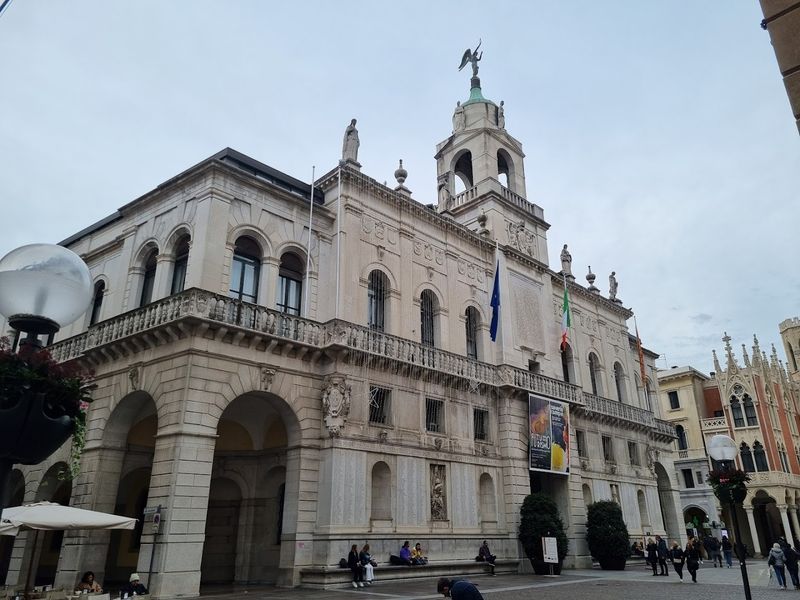
Galileo Galilei taught here. That fact alone should be enough to put the University of Padua on every serious traveler’s radar, but the architecture makes an equally compelling argument all by itself.
Palazzo Bo, the university’s historic heart, sits in the center of Padua and remains actively connected to university life while welcoming visitors through guided tours. The Anatomical Theatre inside is one of the most remarkable academic spaces in Europe, a perfectly preserved Renaissance structure where early medical science was literally reinvented.
Tours can also include historic courtyards, the Galileo Galilei Great Hall, and other ceremonial spaces depending on availability. Each room adds another layer to Padua’s extraordinary academic legacy.
Padua often gets skipped by travelers rushing between Venice and Florence, which is their loss and your gain. Fewer crowds, extraordinary history, and architecture that connects you directly to the Renaissance minds who changed how humanity understands the world.
That is a genuinely hard combination to beat.
Leiden University, Netherlands
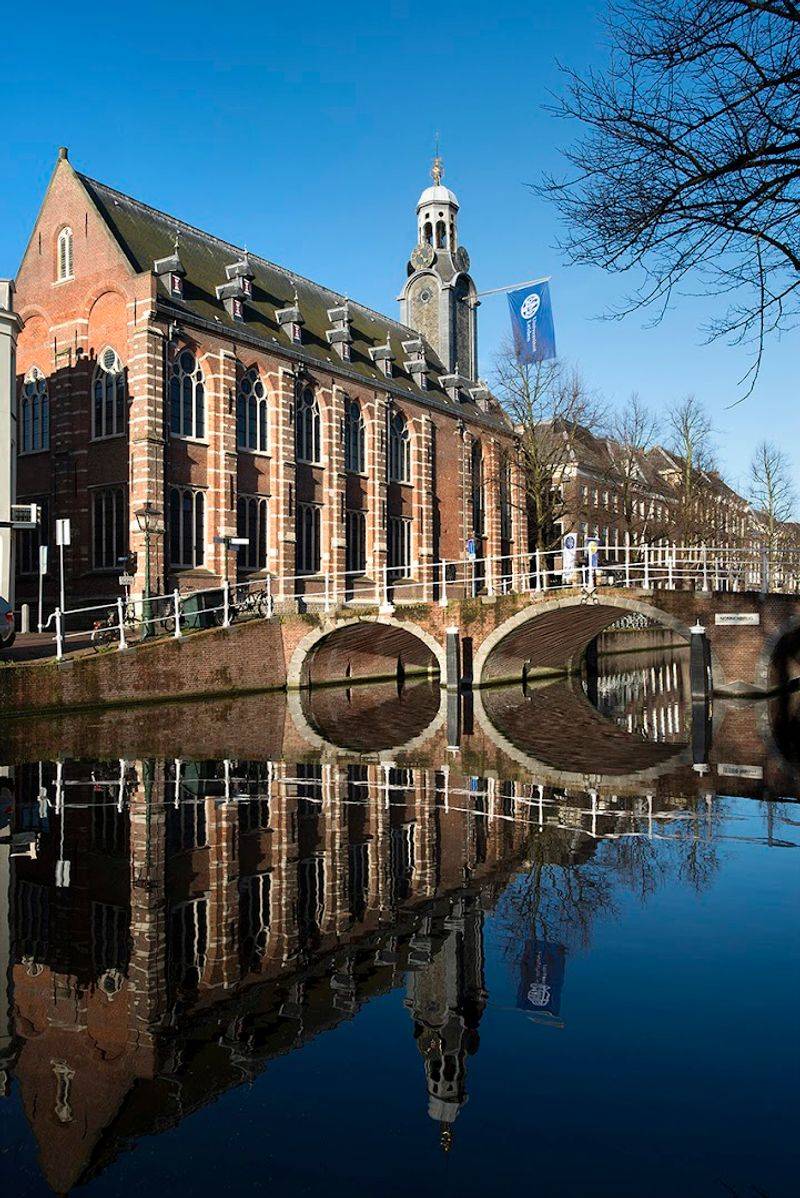
Leiden University’s Academy Building has been owned by the university since 1581, making it one of the longest-standing academic buildings in continuous institutional use anywhere in Europe. That is a remarkable record, even by European standards.
The building sits on Rapenburg, one of the prettiest canals in the Netherlands, and its classic Dutch brick facade fits perfectly into the surrounding streetscape. Inside, historical displays help visitors understand the university’s deep roots in Leiden’s civic and intellectual life.
The Academy Building still hosts graduations, inaugural lectures, and PhD defenses, which means it remains a living part of the university rather than just a preserved relic. That active purpose gives it a warmth that purely ceremonial spaces sometimes lack.
Leiden itself is one of the Netherlands’ most charming university cities. Narrow streets, canal views, and old academic buildings create an intimate atmosphere that rewards slow, unhurried exploration.
It is quieter than Amsterdam but no less beautiful in its own understated, distinctly Dutch way.
Ghent University, Belgium
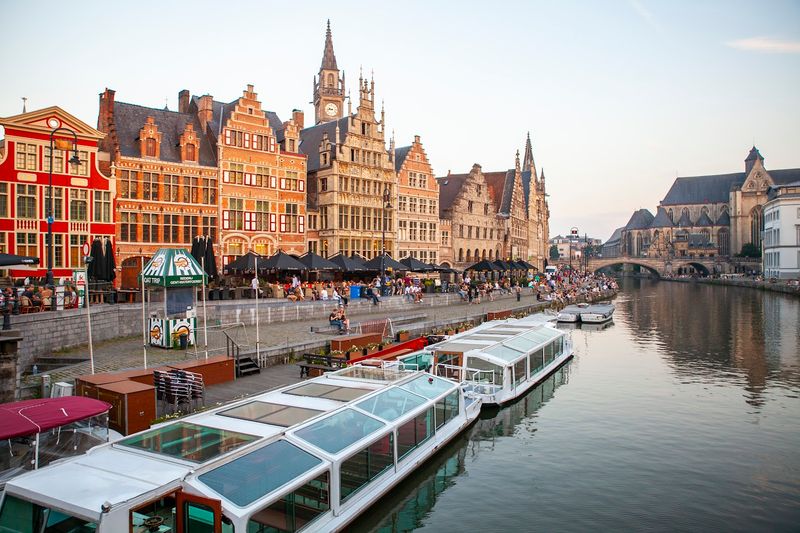
Ghent already has medieval castles, stunning canals, and some of Belgium’s best food. Then Ghent University drops the Aula Academica into the mix and the city’s case for being criminally underrated becomes completely airtight.
The Aula is a grand classical building with Corinthian columns and a formal facade that makes it look like it belongs in ancient Rome rather than modern Belgium. It serves as the ceremonial heart of the university, hosting graduations and major academic events with proper theatrical flair.
The building’s image even appears in the Ghent University logo, which tells you how central it is to the institution’s identity. That kind of architectural pride is entirely justified.
Ghent’s real charm lies in the contrast between its lively student culture and its deeply historic setting. The university is modern and active, but the city around it is richly layered with centuries of Flemish history.
Together, they create an atmosphere that is both intellectually energizing and genuinely beautiful to explore.
University of Edinburgh, Scotland
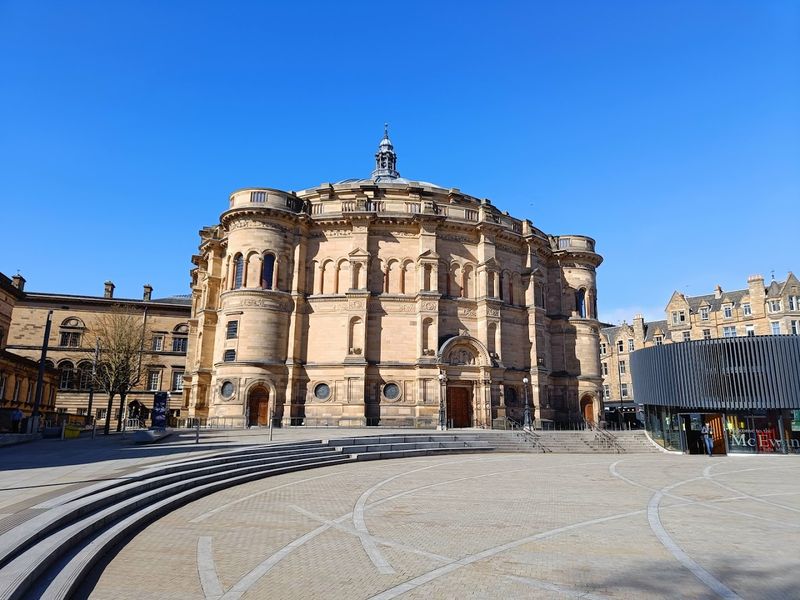
Edinburgh is already one of Europe’s most dramatic cities, with a volcanic hill, a medieval castle, and stone buildings stacked up in ways that look architecturally improbable but somehow work perfectly. The University of Edinburgh fits right in.
Old College is the most striking part of the campus, its grand courtyard and classical architecture reflecting the university’s long role in Edinburgh’s intellectual history. The Scottish Enlightenment was largely shaped by thinkers connected to this institution, which is not a small thing to carry.
The university’s buildings are spread across the city rather than confined to a single campus, which means exploring them naturally leads you through some of Edinburgh’s best neighborhoods and streets. Campus tours and self-guided routes make navigation easy.
For travelers, Edinburgh combines the university’s architectural beauty with volcanic landscapes, historic closes, and one of Europe’s most distinctive skylines. It is the kind of city where every walk turns into an accidental adventure, and the university only deepens that experience considerably.
Stockholm University, Sweden
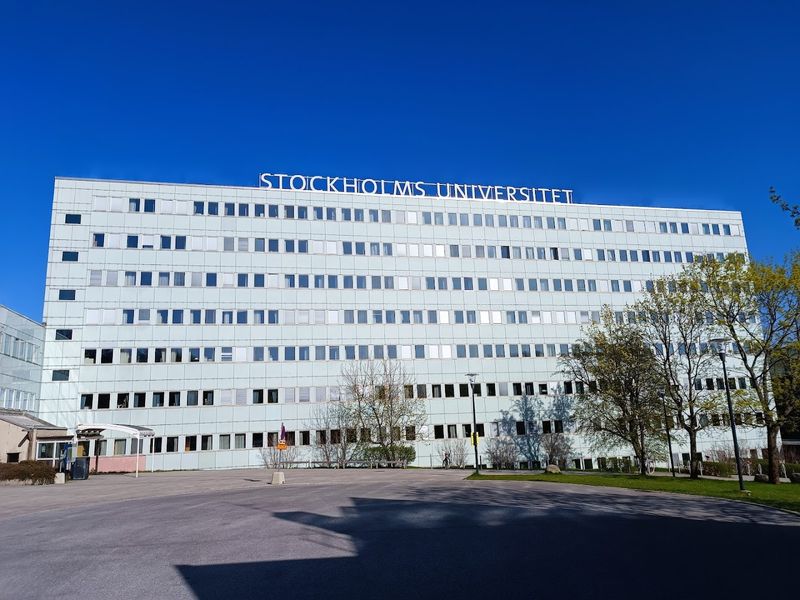
Not every great university needs Gothic towers and medieval courtyards to make a lasting impression. Stockholm University proves that point with calm, confident Scandinavian style.
The Frescati campus sits close to the Royal National City Park, giving it a spacious, green setting that feels genuinely refreshing compared to more densely built European campuses. Trees, open paths, and natural landscapes surround the buildings in a way that makes the whole place feel breathable and relaxed.
The Aula Magna is the campus showpiece, a striking piece of modern Scandinavian design that hosts concerts, lectures, and major events. Public art is scattered throughout the campus, adding creative energy to the natural surroundings.
Stockholm University is a good reminder that architectural beauty does not require age. Here, thoughtful modern design, nature, and public art combine to create something genuinely special.
It is the kind of campus that makes you want to sit outside with a coffee and stay considerably longer than planned.
Share this story