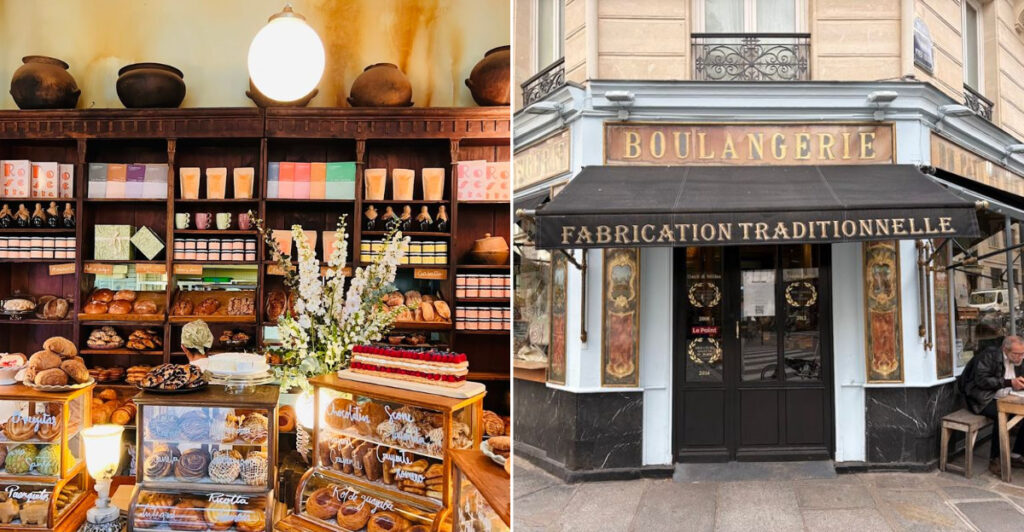
Some trips are planned around museums, beaches, or famous landmarks. But a growing number of travelers are booking flights specifically to eat bread, croissants, and cookies.
I’ll be honest, I once rerouted an entire Paris itinerary just to track down a loaf of sourdough, and I have zero regrets. These 15 bakeries are so legendary that they deserve a spot on your bucket list right next to the Eiffel Tower.
Poilâne (Paris, France): The Legendary Sourdough Bakery That Changed Bread Forever
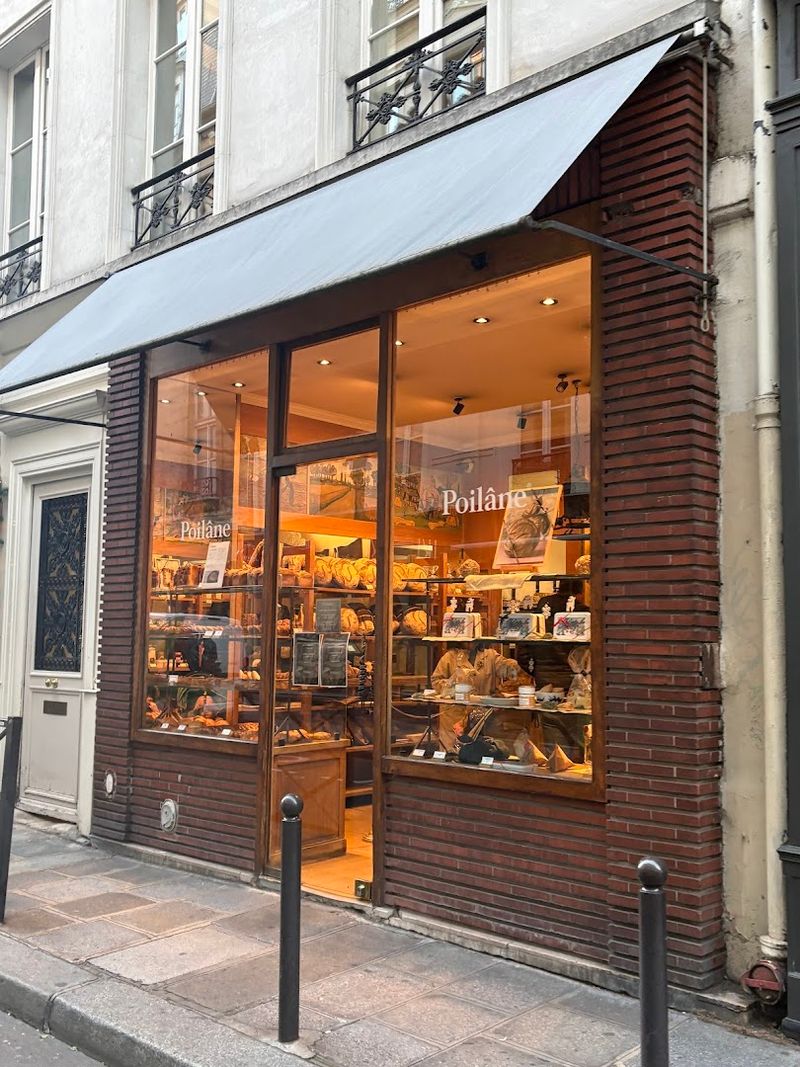
Bread nerds worldwide treat Poilâne like a pilgrimage site, and honestly, they are not wrong. Founded in 1932 by Pierre Poilâne on Rue du Cherche-Midi, this small Paris bakery quietly rewrote the rules of bread-making.
The signature miche, a massive round sourdough loaf baked in a wood-fired oven, became one of the most copied breads in history.
What makes Poilâne special is its stubborn commitment to tradition. No shortcuts, no machines, just skilled bakers working with natural fermentation the old-fashioned way.
The current owner, Apollonia Poilâne, took over the business at just 18 after a family tragedy and has kept the legacy alive with remarkable grace.
You can order the famous butter cookies, called punitions, online, but nothing compares to walking into the original shop. The smell alone is worth the flight to Paris.
Grab a full loaf and carry it around the city like the trophy it is.
Ladurée (Paris, France): The Iconic Home of the French Macaron
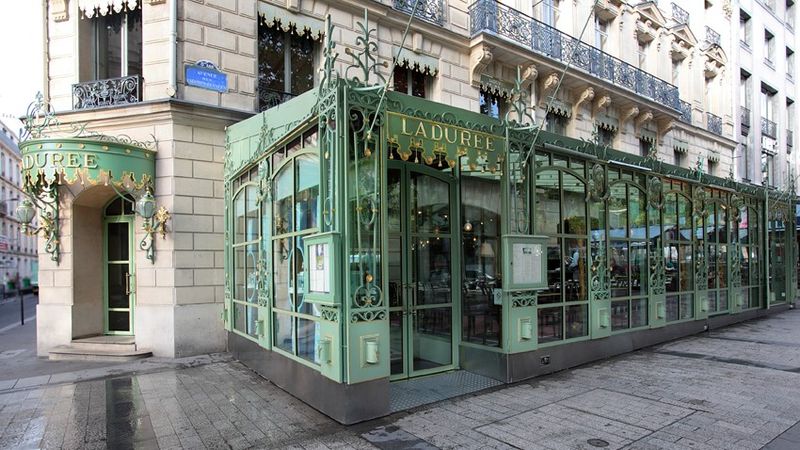
Few food brands carry as much glamour as Ladurée. Walk past their mint-green shopfront on the Champs-Élysées and you will immediately understand why tourists queue around the block.
Founded in 1862, Ladurée is widely credited with popularizing the double-layered French macaron as we know it today.
The macarons here are not just cookies, they are tiny, edible works of art. Flavors rotate with the seasons, and limited-edition collections often sell out within hours.
The presentation alone, packed in those iconic pale green boxes tied with ribbon, makes them the most photographed pastry purchase in Paris.
I picked up a box on my first visit and ate three before leaving the shop. No shame.
If you are visiting Paris, budget time for a sit-down experience in their tea salon, which feels like stepping into a 19th-century jewel box. Skip the airport Ladurée and go straight to the original.
Bouchon Bakery (Yountville, California): Thomas Keller’s Pastry Masterpiece
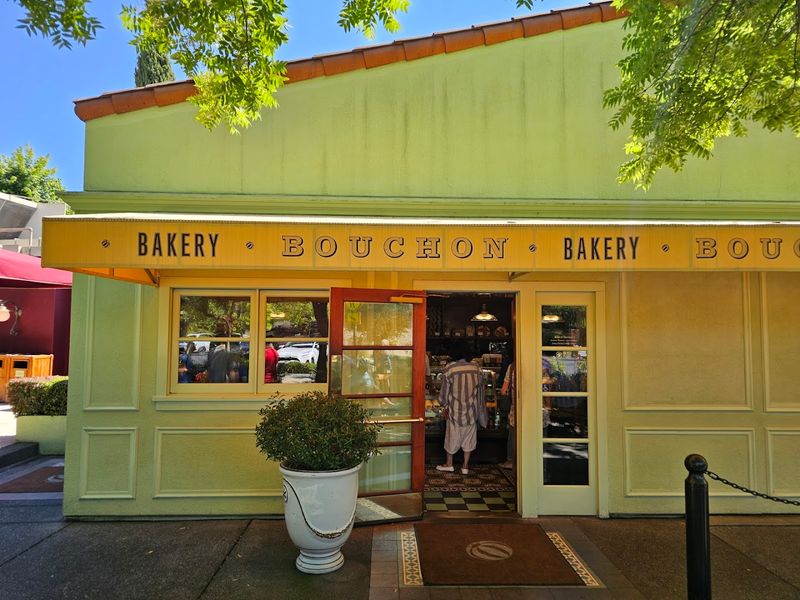
Thomas Keller is the chef behind The French Laundry, one of America’s most celebrated restaurants. So when he opened a bakery next door, people paid attention.
Bouchon Bakery in Yountville, California, brings the precision of fine dining to everyday pastries, and the results are jaw-dropping.
The croissants here are a religion. Buttery, perfectly laminated, and golden in a way that makes you wonder if Keller’s team secretly trains for the Olympics.
The TKO cookie, a chocolate sandwich cookie inspired by an Oreo, has developed its own cult following among regulars and food writers alike.
Yountville is a small town in Napa Valley, which means a trip to Bouchon pairs naturally with wine tasting. Start your morning with a pastry and coffee, then spend the afternoon exploring vineyards.
It is an outrageously pleasant day by any standard. Reservations are not needed, just show up early before the good stuff disappears.
Dominique Ansel Bakery (New York City, New York): Where the Cronut Was Born
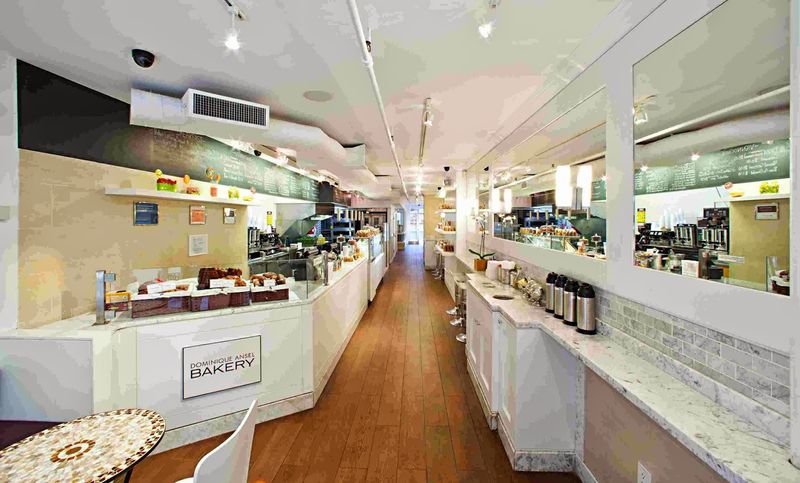
In 2013, Dominique Ansel created a croissant-doughnut hybrid called the Cronut and accidentally broke the internet before that was even a common phrase. People camped outside his SoHo bakery overnight just to get one.
The Cronut was trademarked, copied worldwide, and declared one of Time magazine’s best inventions of the year.
Chef Ansel, a French-born pastry genius who trained in some of Paris’s best kitchens, opened his New York bakery in 2011. The Cronut changes flavor every month, which means repeat visitors always have a reason to come back.
Beyond the famous hybrid, the cookie shot, a chocolate chip cookie cup filled with vanilla milk, is equally brilliant.
Getting a Cronut still requires lining up early, as the daily limit sells out fast. Check the bakery website for the monthly flavor before you visit.
It is the kind of place where the hype is fully justified, which is genuinely rare in the food world.
Tartine Bakery (San Francisco, California): The Bakery That Sparked a Sourdough Revolution
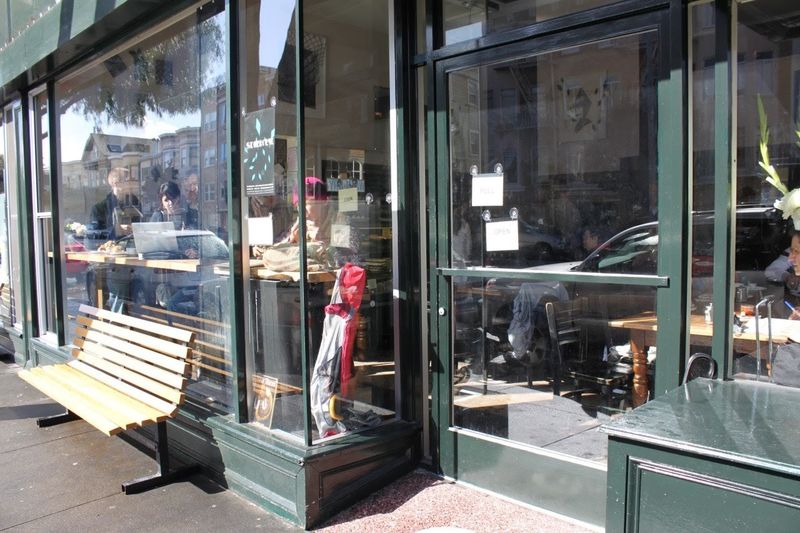
Chad Robertson’s Tartine Bakery did not just make great bread. It inspired a global movement.
His 2010 book, Tartine Bread, became the bible for home bakers everywhere, and suddenly people across the world were nurturing sourdough starters like tiny pets. The bakery itself, tucked into San Francisco’s Mission District, opened in 2002 with his wife Elisabeth Prueitt running the pastry side.
The country loaf comes out of the oven at 5 PM each day and sells out within the hour. Locals time their afternoons around that window.
The croque monsieur and morning buns are equally worth planning your schedule around.
Tartine has expanded over the years, but the original location on Guerrero Street still carries that scrappy, neighborhood-bakery energy that made it famous. The line moves faster than it looks, and the staff are genuinely friendly.
Go hungry, bring cash, and do not skip the croissant. You will regret it if you do.
Pasticceria Marchesi 1824 (Milan, Italy): A Historic Italian Pastry Institution
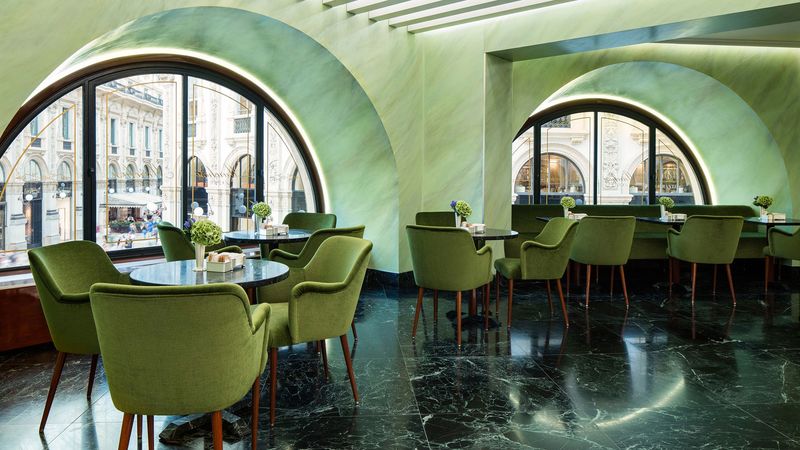
Walking into Pasticceria Marchesi feels like stepping into a painting from the 1800s, and that is entirely intentional. Founded in 1824, this Milan institution has been serving Milanese society through wars, fashion weeks, and more espresso than anyone can count.
The decor has barely changed, and that is the point.
Prada acquired Marchesi in 2014, which raised a few eyebrows but ultimately preserved the bakery rather than commercializing it. The panettone here is considered among the finest in Italy, which is a bold claim in a country where panettone is practically a competitive sport.
The marrons glacés and handmade chocolates are equally outstanding.
There are now two Milan locations, including one inside the Galleria Vittorio Emanuele II, which is the most beautiful shopping arcade in the world. Having a coffee and pastry there while surrounded by 19th-century architecture is an experience that costs very little but feels priceless.
Go on a weekday morning to avoid the crowds.
Hofbäckerei Edegger-Tax (Graz, Austria): The World’s Oldest Continuously Operating Bakery
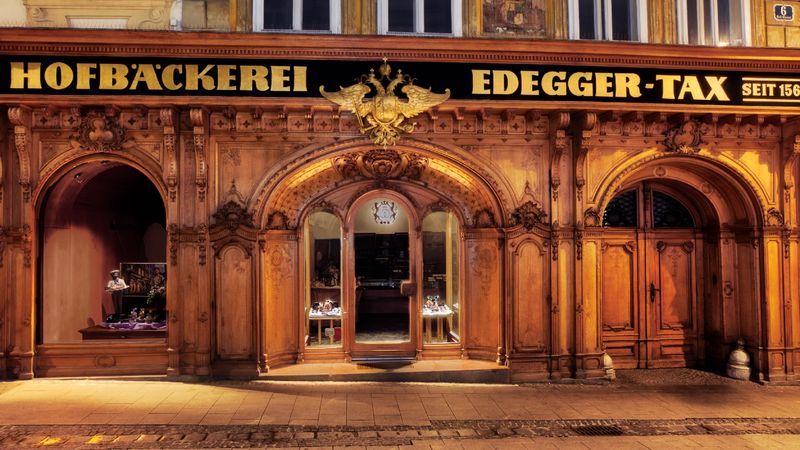
Forget old, this bakery is ancient. Hofbäckerei Edegger-Tax in Graz, Austria, has been baking continuously since 1569, making it the oldest operating bakery in the world.
To put that in perspective, Shakespeare was not yet born when this place first opened its ovens. That is a truly staggering run.
The bakery supplied bread to the Habsburg imperial court, earning the prestigious title of Royal and Imperial Court Bakery. That royal connection is still proudly displayed on their signage today.
The building itself is a heritage landmark, with an ornate facade that tourists photograph constantly without always realizing what they are looking at.
The breads and pastries here lean traditional Austrian, including hearty rye loaves and sweet Kipferl rolls that have changed very little over the centuries. Graz is already one of Austria’s most underrated cities, and adding Edegger-Tax to your itinerary is a no-brainer.
This is living history you can eat, which is the best kind.
Conditori La Glace (Copenhagen, Denmark): Denmark’s Beloved Historic Cake Shop
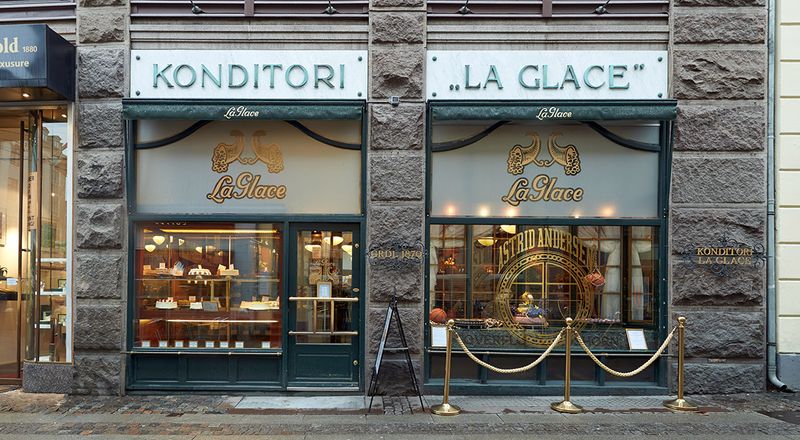
Copenhagen has a serious cake culture, and Conditori La Glace sits at the very top of it. Established in 1870, it is Denmark’s oldest patisserie and has been feeding the city’s sweet tooth for over 150 years.
The shop feels like a time capsule, and the cakes are the kind of elaborate, cream-heavy creations that make your eyes go wide before your fork does.
The Sportskagehis the house specialty, a layered cake with macaroon, whipped cream, caramel, and roasted chestnuts that has been on the menu since 1891. Regulars order it by name with the confidence of people who know exactly what they want.
That kind of loyalty over 130-plus years says everything.
La Glace is located on Skoubogade, just off the main shopping street in central Copenhagen. It is small, charming, and gets busy fast.
A table by the window on a gray Copenhagen afternoon with a slice of Sportskage is, frankly, a near-perfect situation.
Levain Bakery (New York City, New York): Home of the Famous Giant Chocolate Chip Cookie
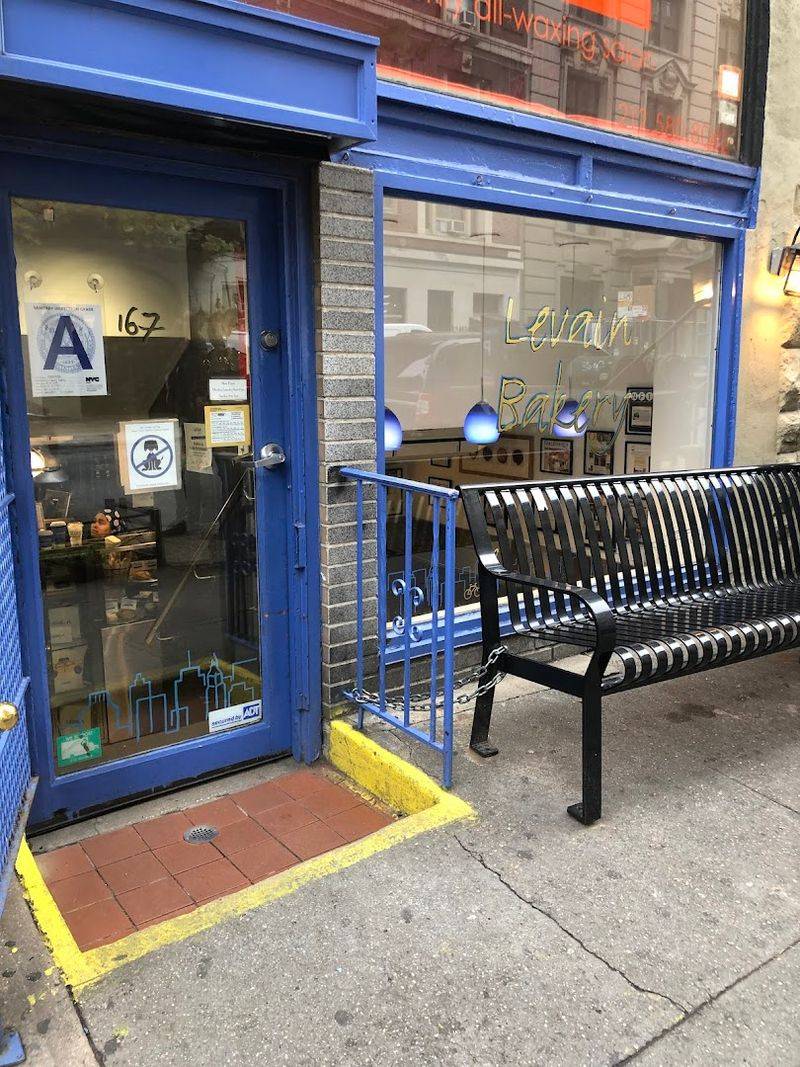
Levain Bakery’s chocolate chip walnut cookie weighs six ounces. Six.
It is thick, doughy in the center, crispy on the outside, and loaded with chocolate chips and walnuts in a ratio that feels almost irresponsible. Food writers have called it the best cookie in America so many times that the title has basically become official.
Pam Weekes and Connie McDonald founded Levain in 1994 on the Upper West Side of Manhattan. What started as a small neighborhood bakery became a full-on tourist destination after the cookie went viral on social media.
There are now multiple New York locations plus outposts in other cities, but the original West 74th Street shop still has the longest lines.
The cookies are best eaten warm, straight out of the bag, standing on the sidewalk outside the bakery. That is not a suggestion, it is the correct way to do it.
They also make excellent bread, but let’s be honest, nobody is flying to New York for the bread.
Fabrique Stenugnsbageri (Stockholm, Sweden): Sweden’s Artisan Cinnamon Bun Destination
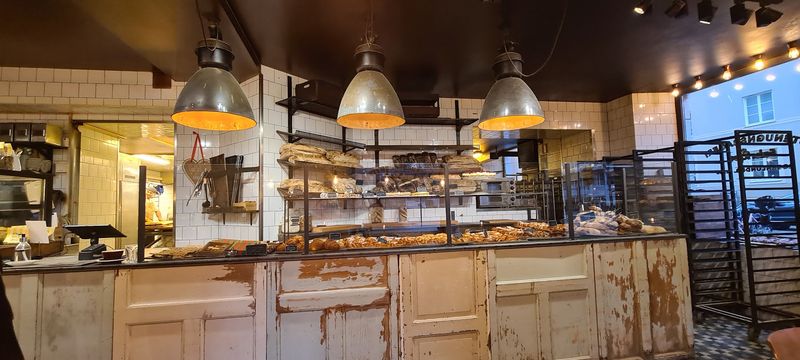
Sweden takes its cinnamon buns, called kanelbullar, very seriously. There is even a national Cinnamon Bun Day on October 4th, which is the kind of public holiday that makes you reconsider your own country’s priorities.
Fabrique Stenugnsbageri bakes some of the finest examples in Stockholm, using stone ovens and traditional methods that produce a bun with serious depth of flavor.
Founded in 2008, Fabrique has grown into a small chain with locations across Stockholm and even a few in London. The buns are made with cardamom-spiced dough, brushed with butter and cinnamon sugar, then topped with crunchy pearl sugar.
They are best eaten the same day, still slightly warm.
The original Fabrique location in the Vasastan neighborhood has a cool, industrial-meets-rustic vibe that fits Stockholm’s design-forward personality perfectly. Pair a bun with a strong filter coffee and you have the Swedish fika experience in its purest form.
Budget extra time because one bun is never actually enough.
Baker D. Chirico (Melbourne, Australia): Australia’s Cult-Favorite Bread Bakery
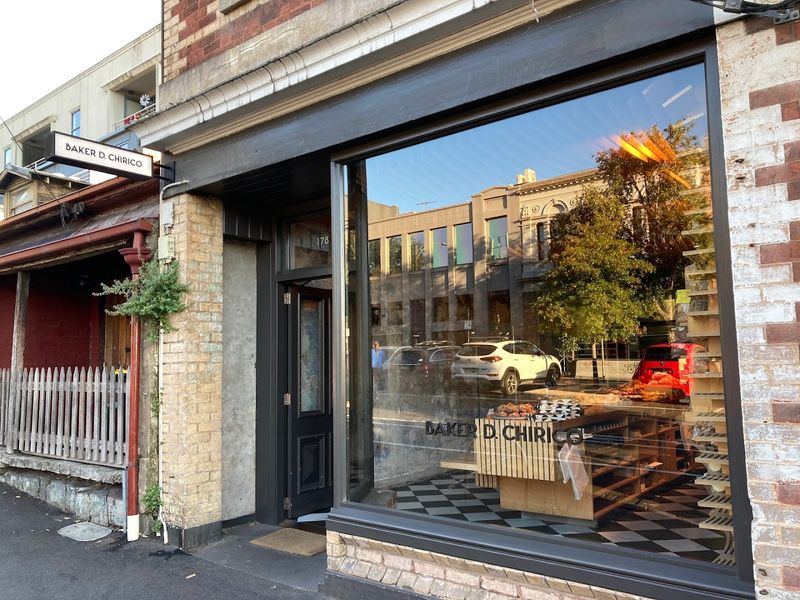
Melbourne has a coffee culture so intense it borders on competitive, but the city’s bread scene deserves equal credit. Baker D.
Chirico in Carlton is the kind of bakery that locals guard fiercely, mentioning it in hushed tones like they are sharing a secret. Daniel Chirico opened the shop with a focus on naturally leavened breads using heritage grains, and the results are extraordinary.
The sourdough here has a complex, slightly tangy flavor that comes from long fermentation times. Chirico sources his grains carefully and mills some of them in-house, which is the level of obsession that separates good bakers from great ones.
The baguettes and fruit loaves also have devoted followers.
Carlton is one of Melbourne’s most walkable neighborhoods, full of excellent cafes and restaurants that make it a great base for a food-focused day. Baker D.
Chirico sells out quickly on weekends, so arrive early or risk going home with nothing but regret. Pre-ordering online is also an option and highly recommended.
Du Pain et des Idées (Paris, France): The Bakery Behind One of Paris’s Best Pastries
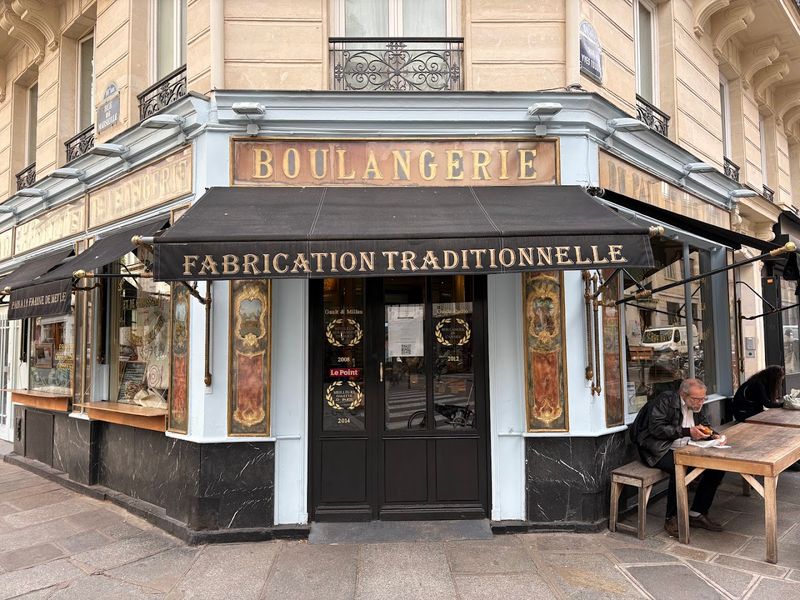
The name translates to Bread and Ideas, which is either a charming philosophy or a very on-brand Parisian flex. Either way, Du Pain et des Idées on Canal Saint-Martin is one of the most beautiful bakeries in Paris, housed in a 19th-century building with painted ceilings and original woodwork that the owner, Christophe Vasseur, painstakingly restored.
Vasseur left a career in fashion to become a baker, which is the kind of career pivot that sounds crazy until you taste his work. His escargot pastries, swirled rolls filled with pistachios and chocolate or praline, have been called some of the best pastries in Paris by food critics who eat pastries for a living.
The bakery is closed on weekends, which is a bold choice that only adds to its mystique. Plan a weekday morning visit and combine it with a walk along Canal Saint-Martin.
The neighborhood is low-key and lovely, and the bread is worth rearranging your entire Paris schedule around.
Lune Croissanterie (Melbourne, Australia): The Bakery People Queue Hours to Visit
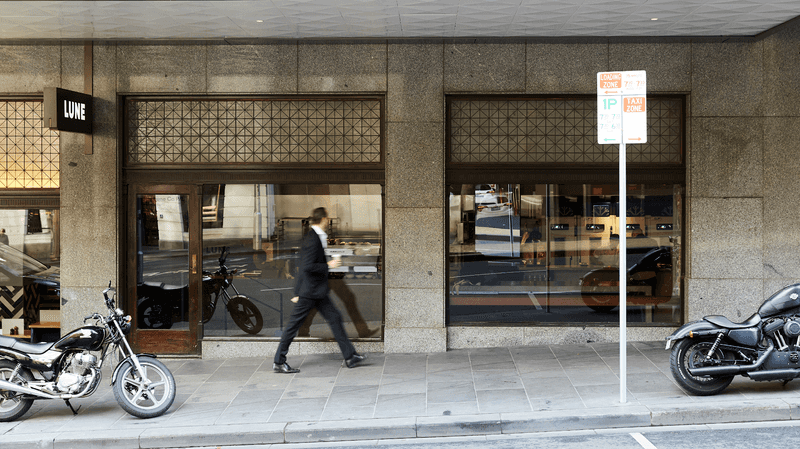
Kate Reid trained as an aerospace engineer before deciding croissants were her true calling. That career switch turned out to be one of Melbourne’s greatest gifts.
Lune Croissanterie in Fitzroy operates out of a converted warehouse where the temperature-controlled croissant lab is visible through glass walls, giving the whole place the feel of a very delicious science experiment.
The croissants here are widely considered among the best in the world. The lamination is impossibly precise, the butter flavor is rich without being greasy, and the texture has that perfect shatter-then-chew quality that croissant obsessives dream about.
Reid applies engineering-level precision to every batch, and it shows in every bite.
Weekend queues can stretch well past an hour, and yes, people happily wait. Arrive early on a weekday if you want a calmer experience.
The menu is deliberately short, which signals confidence. Lune also offers croissant-making classes for those who want to understand the madness behind the method.
Spoiler: it is very complicated.
Panadería Rosetta (Mexico City, Mexico): Mexico’s Most Famous Modern Bakery
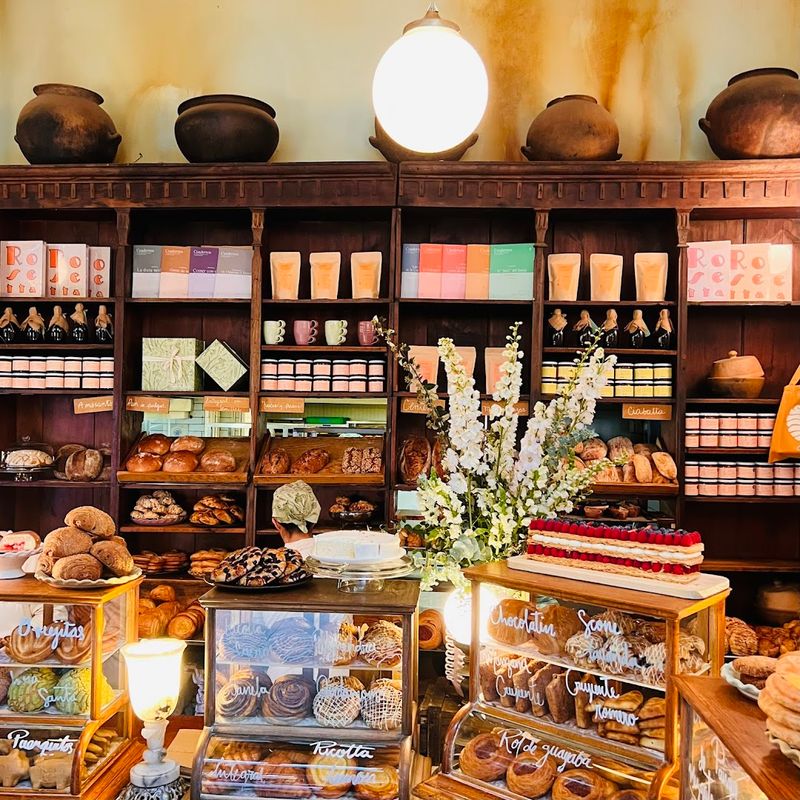
Chef Elena Reygadas opened Panadería Rosetta in Mexico City’s Colonia Roma neighborhood and immediately changed what Mexican bakery culture could look like. Reygadas, who also runs the acclaimed restaurant Rosetta next door, brought a fine-dining sensibility to everyday bread without making it feel precious or unapproachable.
The result is a bakery that locals genuinely love rather than just admire from a distance.
The guava and cheese roll has become the bakery’s signature item, a tender, buttery pastry with a sweet-tart filling that perfectly balances richness. Seasonal specials rotate regularly, keeping regulars coming back to see what is new.
The coffee program is also excellent, which matters enormously in a city with high caffeine standards.
Colonia Roma is one of Mexico City’s most vibrant neighborhoods, full of art galleries, taquerias, and tree-lined streets. Panadería Rosetta fits right in.
Go on a weekday morning, grab a bag of pastries, and eat them on a nearby park bench. That is the correct Mexico City morning.
Bourke Street Bakery (Sydney, Australia): The Neighborhood Bakery That Became a Culinary Landmark
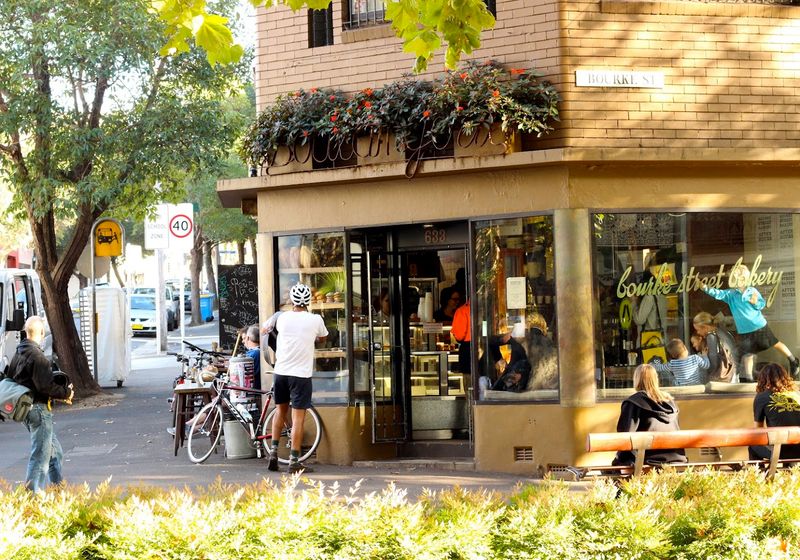
What started as a tiny corner bakery in Surry Hills in 2004 somehow turned into one of Sydney’s most beloved food institutions. Bourke Street Bakery was founded by Paul Allam and David McGuinness with a straightforward mission: make exceptional bread and pastries using quality ingredients and proper technique.
Twenty years later, that simple idea has multiple locations and a cookbook that home bakers swear by.
The sausage rolls here are legendary. Flaky, buttery pastry wrapped around a well-seasoned pork filling, they have converted people who claimed to dislike sausage rolls.
The sourdough loaves are equally respected, and the ginger brûlée tart has its own devoted fan base.
The original Surry Hills location still has the best atmosphere, a tiny shop that spills onto the pavement and always seems to have a friendly queue. Sydney’s inner suburbs are highly walkable, so combining Bourke Street with a stroll through Surry Hills or Darlinghurst makes for a genuinely great morning out.
Share this story