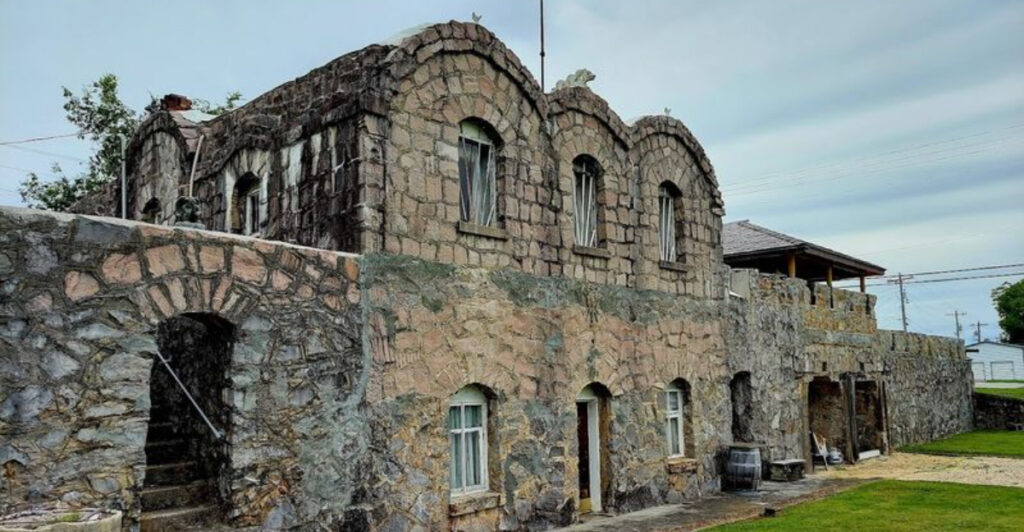
Tucked inside a quiet residential neighborhood in Alcoa, Tennessee, there is a full-on stone castle that most people drive past without realizing what they are looking at. No moat, no drawbridge, but absolutely walls of stacked stone that rise up in a way that stops you cold.
The story behind this place is stranger and more compelling than anything a travel brochure could cook up. Built by hand, tied to apocalyptic fears, and now lovingly restored into a medieval showcase, this castle has become one of those rare spots that genuinely earns the word “unexpected.” Whether you stumbled across it on a quirky travel site or heard about it from a friend who could not stop talking about it, this castle rewards curiosity in a big way.
Keep reading to find out exactly what makes this Tennessee landmark so worth your time.
The Original Builder and His Vision
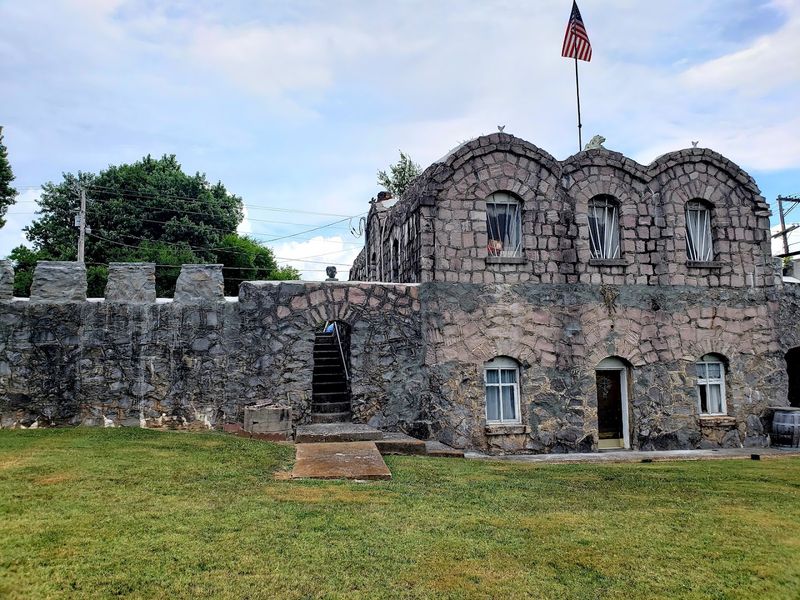
The castle was built by a man named Nicholson, who was not a trained architect or a professional stonemason. He constructed it largely by hand, and the fact that the structure is still standing and structurally sound says a great deal about the effort he put into it.
Nicholson built the manor with survival in mind. His motivations were tied to fears about the end of the world, and the building reflects that mindset in its thick stone walls, its basement spaces, and its general fortress-like design.
Neighbors who grew up near the property recall stories about Nicholson that range from fascinating to outright legendary. His grandparents knew the man personally, and the stories that circulated through the community over the decades became part of local folklore.
The fact that a non-architect built something this durable and this visually dramatic entirely by hand remains one of the most jaw-dropping parts of the whole story.
A Doomsday Shelter Dressed as a Castle
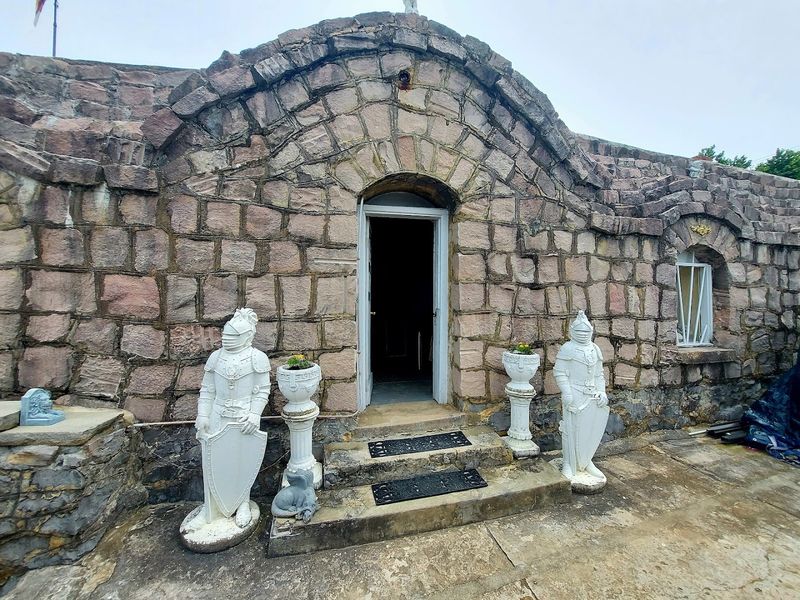
Here is where the story takes a sharp turn into genuinely strange territory. Millennium Manor was not built to host Renaissance festivals or weekend tours.
It was designed as a fallout shelter, a place where its builder planned to survive an apocalyptic event.
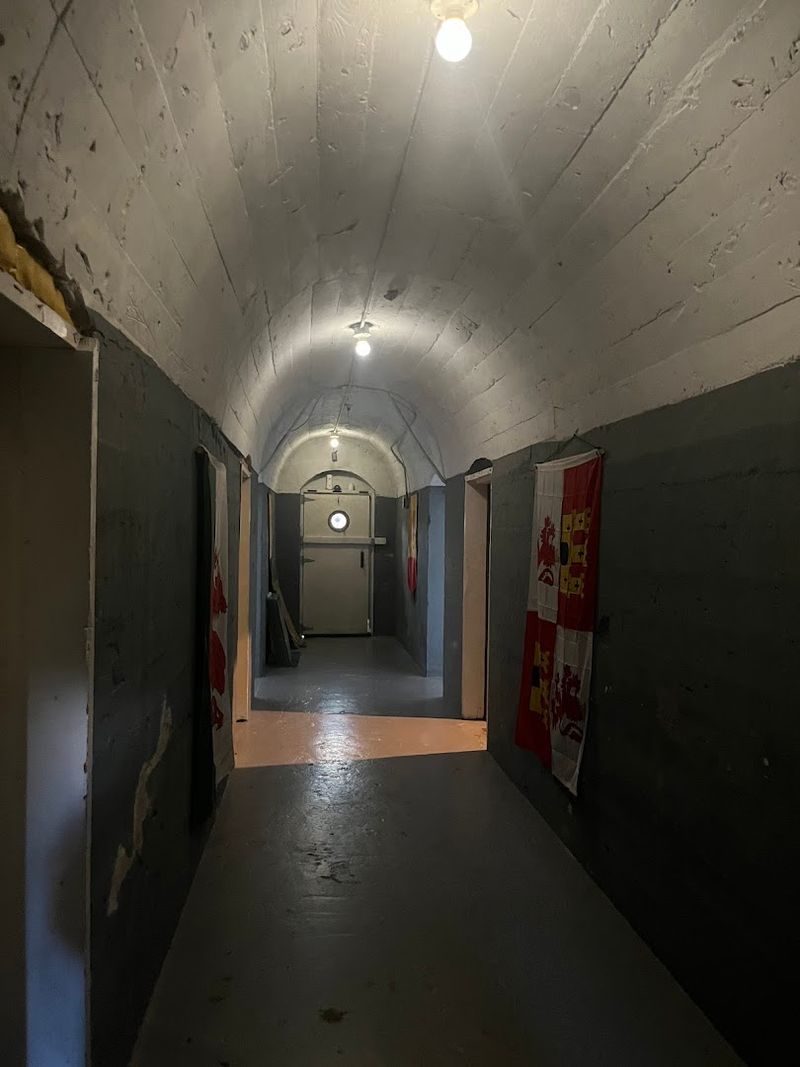
The thick stone walls, the underground rooms, and the overall fortified construction all reflect that original purpose. When you walk through the basement levels, that history becomes very real very quickly.
The dungeon, which tour guides walk guests through, is one of the rooms that carries the most atmosphere from that original era. It is not a theatrical addition.
It was part of the original structure and served a practical purpose in Nicholson’s survival plan.
The current owners have worked to preserve that original character while layering in medieval-themed elements that complement the castle’s visual identity. The result is a layered history that gives every room its own story to tell, which keeps the tour consistently interesting.
Current Owners and Their Restoration Work
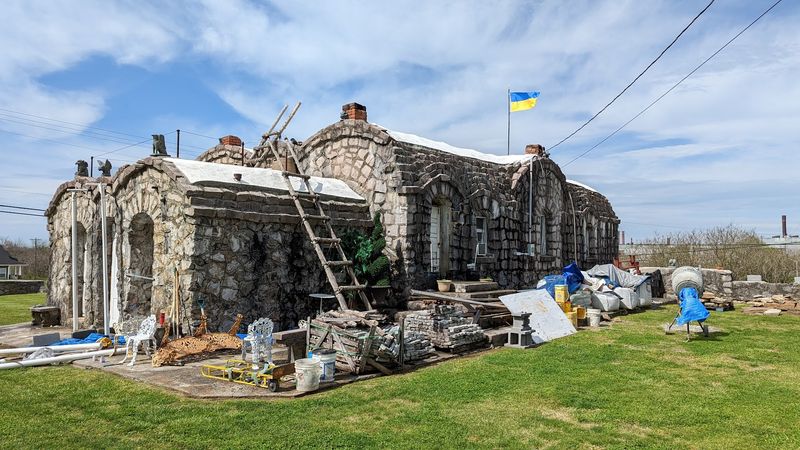
The current owners, including Mr. Fontaine, took on Millennium Manor as a full restoration project, and the scope of what they have accomplished is hard to overstate. A significant portion of the work has been done with their own hands, which adds a personal dimension to every corner of the property.
Restoring a stone castle is not a weekend project. It requires knowledge, patience, and a genuine commitment to keeping the structure alive.
The owners have demonstrated all three in visible ways throughout the property.
They have also been vocal about their vision for the future, which includes expanding the castle as a venue for events and continuing to add medieval-themed elements that fit the building’s character. That forward-thinking approach has kept the property from falling into the kind of disrepair that claimed it before they arrived.
Tours often include glimpses of ongoing work, which gives the whole experience a living, breathing quality that finished museums rarely capture. The project is still very much in motion.
What a Tour Actually Looks Like
Tours at Millennium Manor run on weekends, with the castle open Saturday and Sunday from 12 PM to 5 PM. That schedule is worth noting before you make the drive, since the property is closed the rest of the week.
The tour typically begins with a history overview held outside near the gazebo, where guides set the stage for what guests are about to see. From there, the group moves inside and works through the various rooms and levels of the structure.
Some tours have stretched to nearly three hours, depending on how curious the group is and how much the guide covers. The owners themselves often lead tours, which means the information comes directly from people who have spent years researching and working on the property.
Groups can get a bit tight in some of the narrower passages, and the castle involves a fair number of stairs, so that is useful to keep in mind when planning a visit with anyone who has mobility concerns.
Medieval Collections and Displays Inside
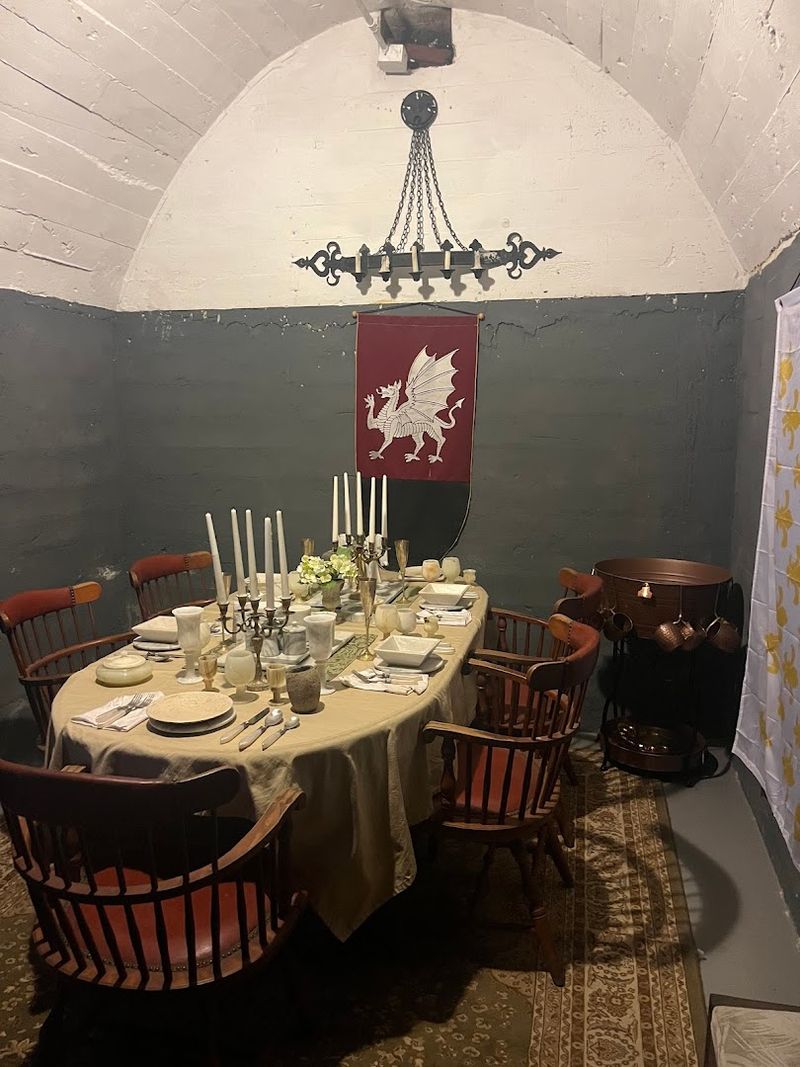
One of the more surprising parts of the tour is the collection of medieval-themed items that fills the interior. These are not cardboard cutouts or cheap decorations.
Many of the pieces are detailed, historically informed, and genuinely interesting to look at up close.
Guests are encouraged to interact with some of the items, which makes the experience more engaging than a typical museum walkthrough. Being able to handle certain pieces adds a layer of connection to the history that passive observation alone cannot provide.
The collection covers a range of medieval themes, from weaponry and armor-related items to period decor and architectural details built directly into the castle walls. Each room tends to have its own focus, which keeps the tour moving without feeling repetitive.
For anyone studying medieval history or simply curious about what daily life in that era looked like, the collection offers a surprisingly rich amount of material to explore. It punches well above the property’s modest exterior expectations.
The Castle’s Place in Local Community History
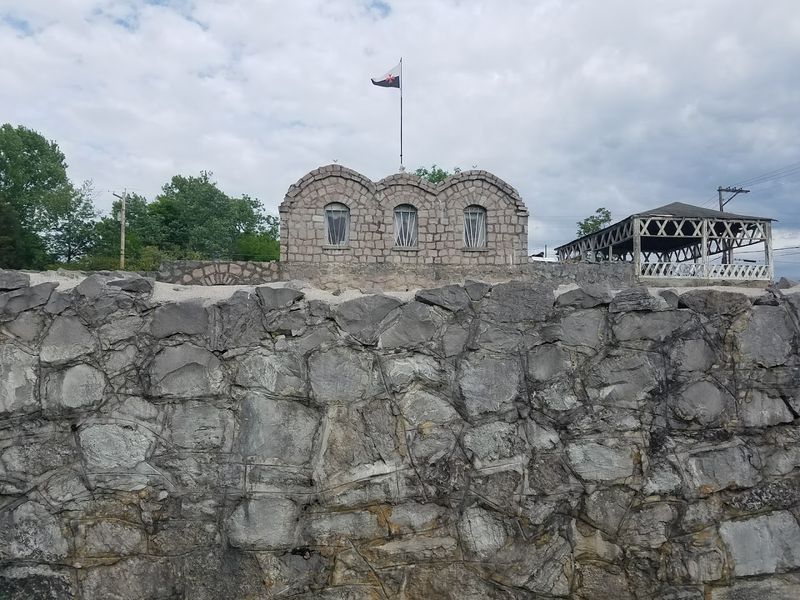
For people who grew up in Alcoa, Millennium Manor is not a discovery. It is a childhood fixture, a landmark that has generated neighborhood stories for generations.
Kids who grew up near the property carried stories about it being haunted, and those tales became a genuine part of local culture.
That kind of deep community connection is something that cannot be manufactured. It develops over decades, and it gives the property a weight that newer attractions simply do not have.
Longtime residents whose grandparents knew Nicholson personally describe the manor as a community treasure, which captures exactly the role it plays in the area’s identity. It is not just a quirky building.
It is a piece of Alcoa’s story.
The current owners have leaned into that community relationship by hosting public events and keeping the property accessible on weekends. That open-door approach has helped a new generation of locals connect with a landmark that might otherwise have faded from public memory entirely.
Why Atlas Obscura Found It Worth Listing
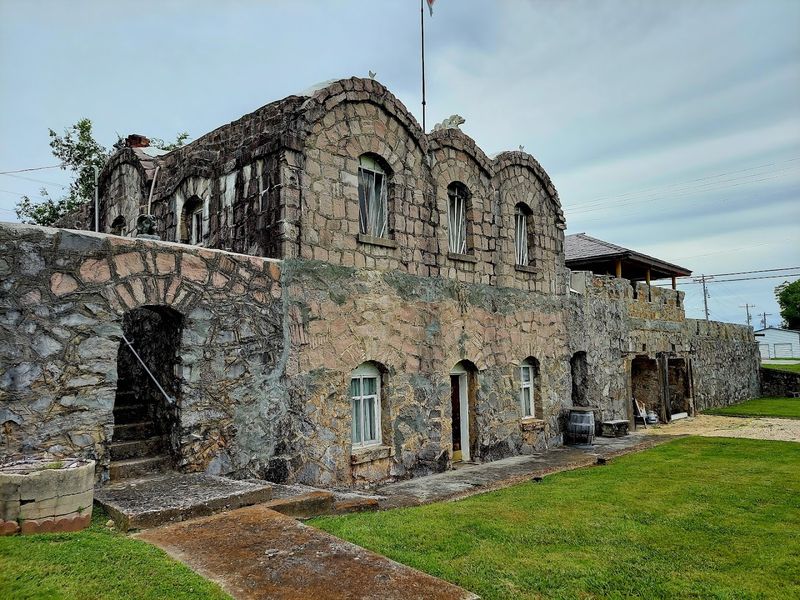
Millennium Manor earned a spot on Atlas Obscura, which is the go-to platform for travelers specifically hunting out the world’s most unusual and overlooked destinations. Getting listed there is not a given.
The site is selective, and the places it features tend to have a genuine story worth telling.
That listing introduced the castle to a much wider audience of curiosity-driven travelers who might never have passed through Alcoa otherwise. For a property that relies on word of mouth and organic discovery, that kind of exposure carries real weight.
The Atlas Obscura crowd tends to be exactly the type of guest who appreciates what Millennium Manor offers: history that is a little complicated, architecture that raises questions, and a story that does not fit neatly into any single category.
For first-time visitors who found the castle through that platform, the real thing apparently delivers on the promise. The general response from that discovery audience has been that the stop exceeded what the listing alone suggested.
Practical Tips Before You Make the Drive
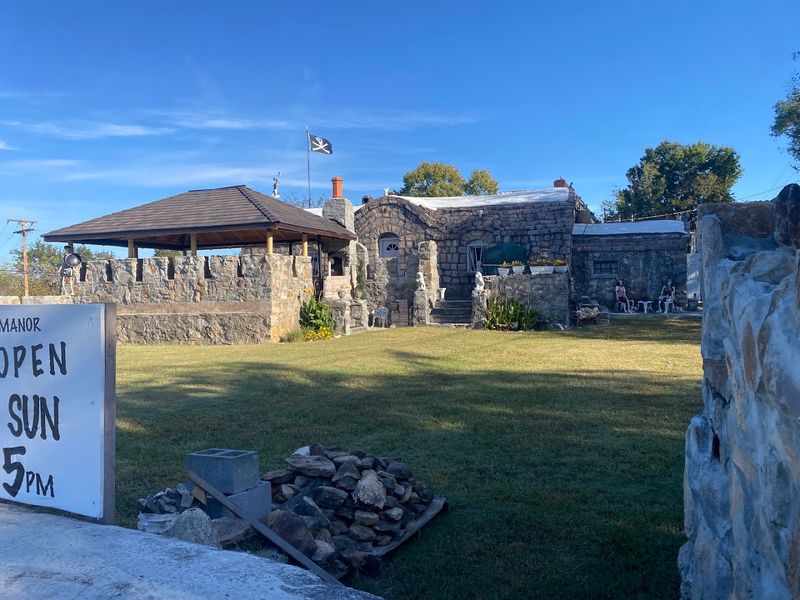
A few practical details can make the difference between a smooth visit and a frustrating one. The castle is open Saturday and Sunday from 12 PM to 5 PM, and it is closed every other day of the week without exception.
Arriving during those hours is the only reliable way to get inside.
The property can also be visited by appointment outside of regular hours, so reaching out ahead of time is worth considering if the weekend window does not work with a travel schedule. The owners have historically been accommodating for planned visits.
Comfortable footwear is genuinely useful here. The tour involves multiple levels, quite a few stairs, and some areas with uneven stone surfaces.
Anyone with significant mobility challenges should factor that in before committing to the full tour.
Budget enough time to actually absorb the experience. Tours can run well over an hour, and rushing through a place this layered means missing half of what makes it worth the trip in the first place.
Give it the time it deserves.
Where Exactly Does This Castle Hides
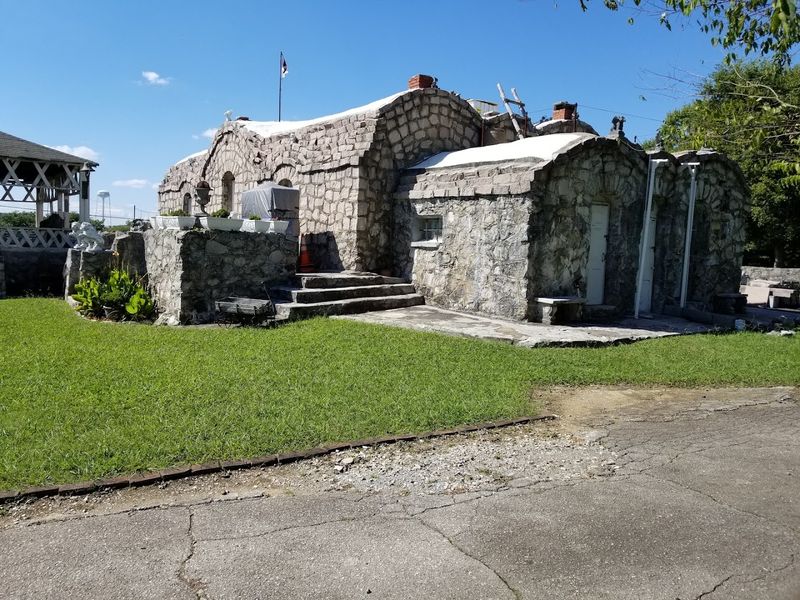
Right in the middle of a neighborhood that looks like any other American suburb, a stone castle stands at 500 N Wright Rd, Alcoa, Tennessee 37701, and it genuinely does not look like it belongs there in the best possible way.
Alcoa sits just south of Knoxville in Blount County, making it an easy stop for anyone already exploring the Great Smoky Mountains corridor. The castle is not hidden behind gates or down a long private road.
It sits close enough to the street that a sharp-eyed passenger will catch it from a moving car. The surrounding houses are ordinary, which makes the contrast even more striking.
Stacked stone walls, medieval-style structures, and architectural details that feel lifted from another century altogether sit right next to everyday Tennessee life.
That contrast alone is part of what makes this place so memorable. Finding something this unusual in such an ordinary setting is genuinely rare.
Share this story