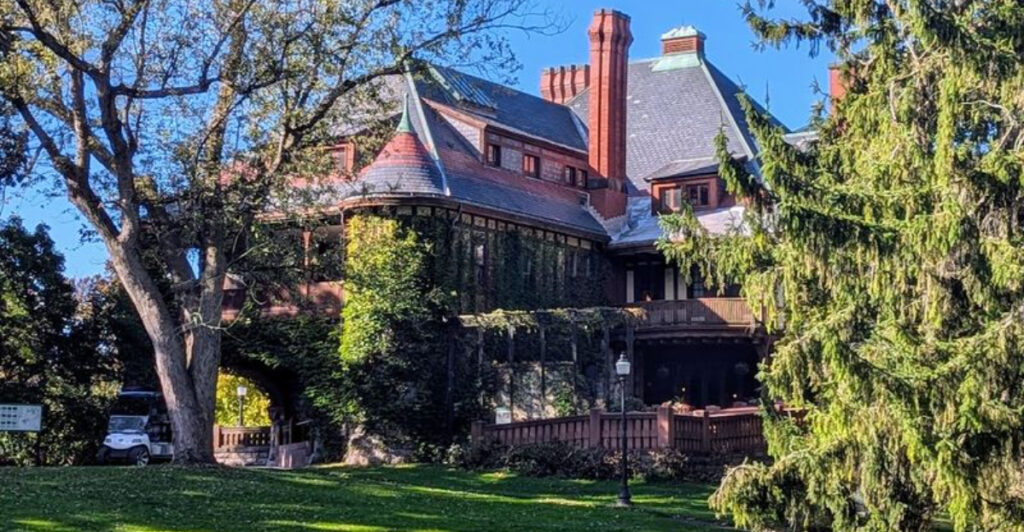
Canandaigua, New York holds a quiet secret that most people drive right past without knowing. Tucked into the heart of the Finger Lakes region sits a 50-acre estate that looks like it was lifted straight from a different century, complete with a grand Victorian mansion, nine distinct formal gardens, and greenhouse paths that feel like they belong in another world entirely.
This is not a manufactured tourist attraction or a polished theme park experience. It is a real piece of American history that has been lovingly preserved by a dedicated team of volunteers who clearly care deeply about keeping its story alive.
Whether you have a few hours to spare or want to make a full day of it, this historic estate rewards every kind of traveler with something genuinely worth seeing.
The Couple Behind the Estate
Every great estate has a story behind it, and the one at Sonnenberg is particularly compelling. Frederick Ferris Thompson and his wife Mary Clark Thompson built this property as their summer home in 1887, using it as a seasonal escape from their life in New York City.
Frederick was a prominent banker whose business dealings helped shape what would grow into one of the largest financial institutions in American history. Mary, however, is the figure most closely associated with the estate’s gardens.
After Frederick passed away in 1899, she channeled her energy into transforming the grounds into an elaborate series of formal gardens that drew on European design traditions.
Mary’s dedication to the property lasted for decades, and she eventually donated much of it to the public. The Thompson story is not just a tale of wealth, but of purpose, loss, and the kind of long-term commitment to beauty that most people only read about in books.
Nine Gardens, Nine Completely Different Worlds
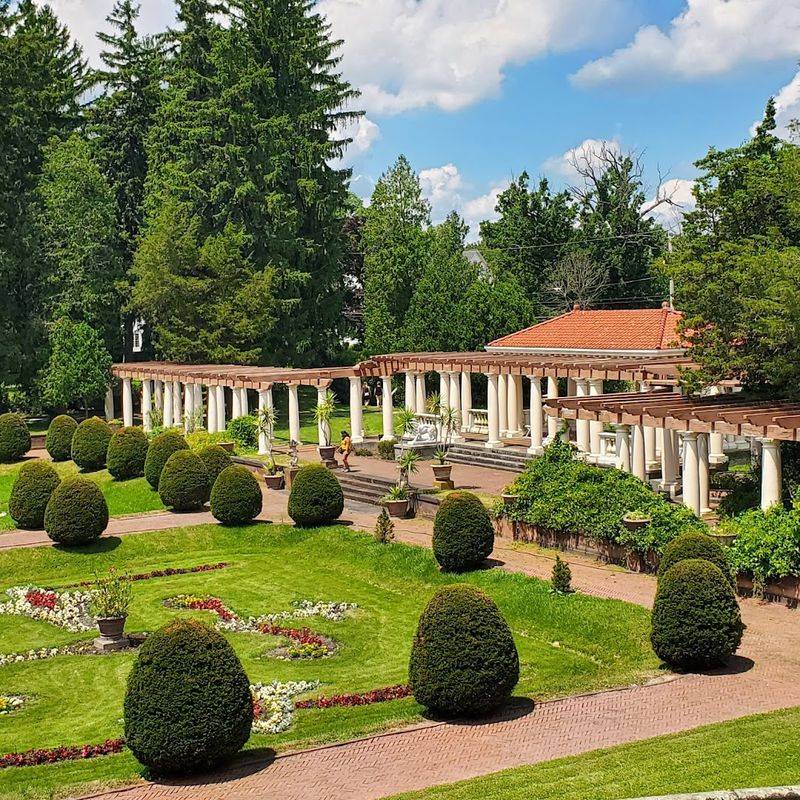
One of the most remarkable things about Sonnenberg is that no two sections of the garden feel alike. The property contains nine distinct formal gardens, each with its own design concept, plant palette, and overall character.
The Rose Garden, the Italian Garden, the Japanese Garden, the Colonial Garden, the Sub Rosa Garden, the Pansy Garden, the Blue and White Garden, the Rock Garden, and the Four Seasons Garden each offer something different to explore. Some are geometric and structured, while others feel more natural and layered.
The Four Seasons Garden is particularly worth seeking out, as its circular greenhouse structure creates an enclosed space that feels completely separate from the rest of the grounds. Visiting in late spring or early summer gives the best chance of seeing the gardens at their most colorful, though the overall layout and architecture make the grounds worth exploring in any season.
Inside the 1887 Queen Anne Mansion
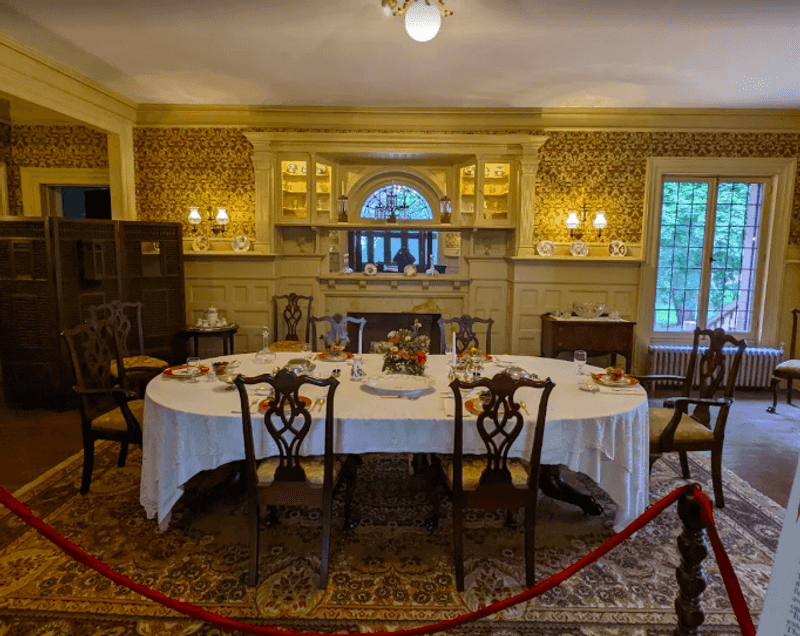
The mansion itself is one of the most talked-about parts of any visit to Sonnenberg. Built in 1887, the Queen Anne structure features a two-story main reception room with a mezzanine level, Tiffany-style original light fixtures, and detailed oak woodwork that has held up remarkably well over the decades.
Tours of the downstairs are available, and knowledgeable guides walk guests through the different rooms while sharing stories about the Thompson family and the various events that have taken place within these walls over the years. The upstairs can also be explored, giving visitors a fuller picture of how the mansion functioned as a home.
One of the more striking artifacts on display is a newspaper from the day after the Titanic sank, which puts the timeline of the estate’s history into sharp perspective. The mansion does not feel like a museum in the traditional sense.
It feels like a home that time simply decided to keep.
The Greenhouse Complex and Its Ancient Residents
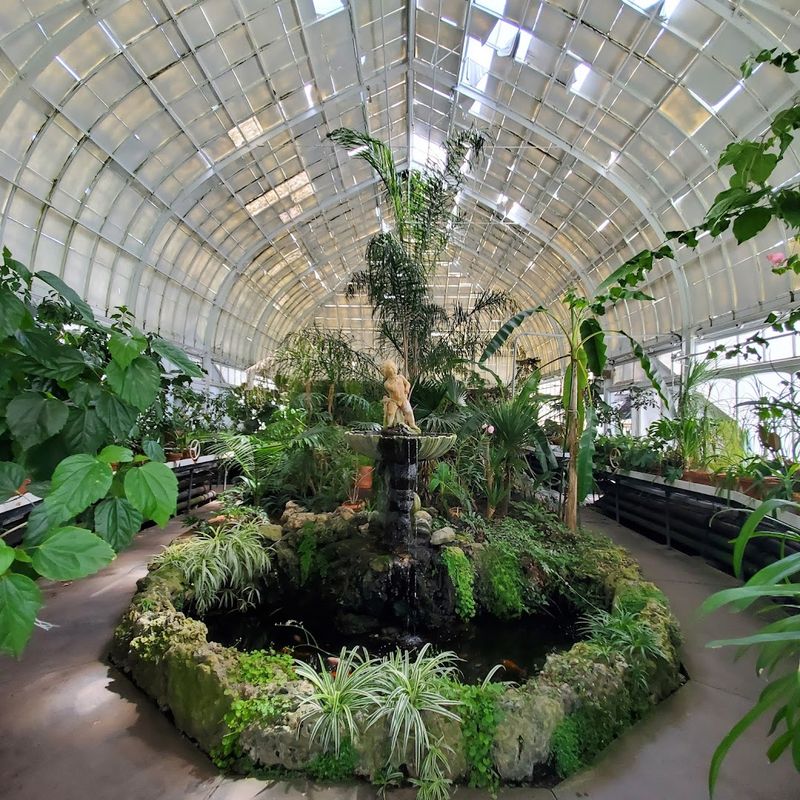
The greenhouse complex at Sonnenberg is one of those places that tends to surprise people who were not expecting much from it. The structures themselves carry the patina of age, with older ironwork and glass panels that tell their own story about the estate’s long history.
Inside, cacti that may be well over a hundred years old push upward toward the glass ceiling, creating a striking visual that feels both ancient and alive. The orchid collection has earned particular praise from those who make a point of seeking it out, offering a level of botanical variety that goes well beyond what most public gardens provide.
The greenhouse paths connect different sections of the complex and give the whole experience a layered, exploratory quality. Guests who take their time moving through each section tend to come away with a much richer understanding of just how much botanical variety the estate actually contains.
It rewards curiosity at every turn.
The Role of Volunteers in Keeping It All Alive
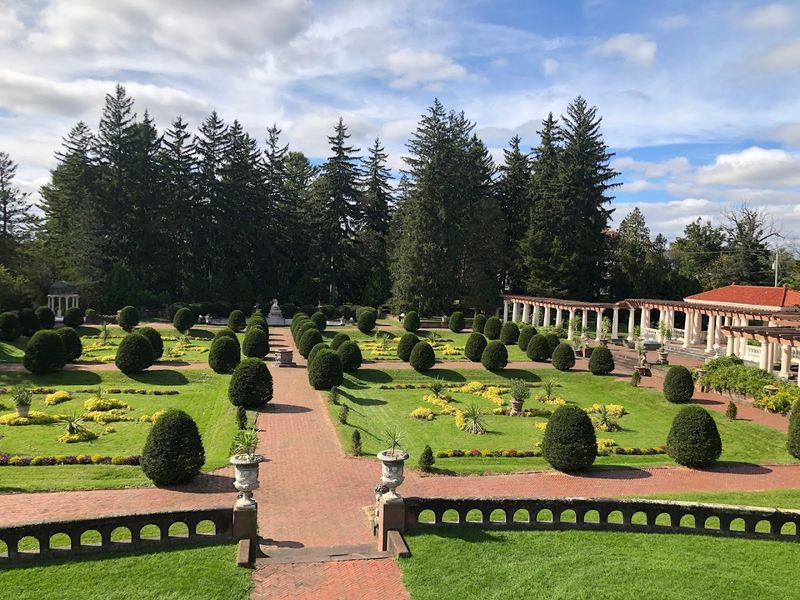
Sonnenberg Gardens and Mansion is largely kept running by a team of dedicated volunteers, and their presence is felt throughout the entire property. From the shuttle drivers who help guests with mobility needs navigate the grounds, to the guides who lead mansion tours with detailed knowledge and genuine enthusiasm, the people here clearly care about what they do.
The estate has faced real challenges over the years, including periods of disrepair and ongoing restoration work. The fact that it continues to function as a public destination is a direct result of the consistent effort put in by those who show up regularly to maintain it.
Guests frequently note how approachable and helpful the staff and volunteers are, whether answering questions about plant species, sharing historical details, or simply offering a golf cart ride to someone who needs it. The human element at Sonnenberg is not background noise.
It is genuinely central to what makes the experience work.
The Cafe and Gift Shop Worth the Stop
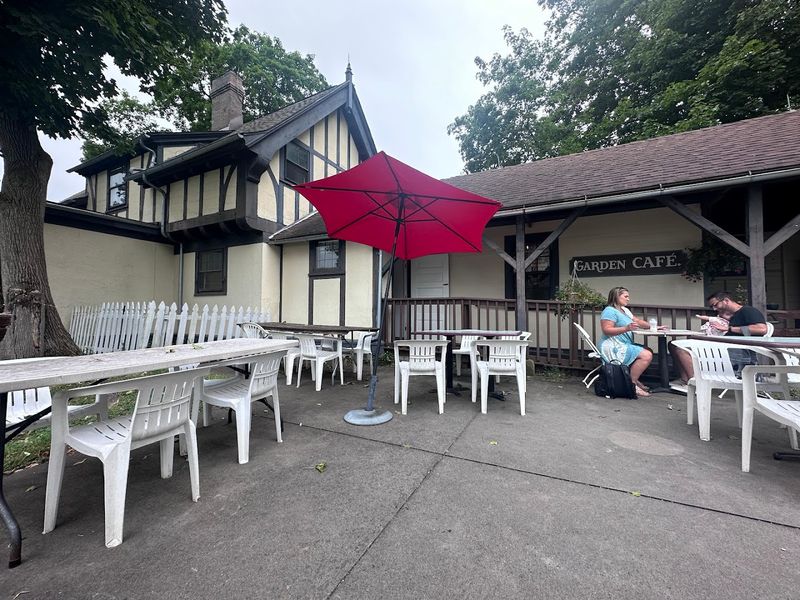
After walking the grounds and touring the mansion, most people find themselves ready for a break, and the on-site cafe delivers exactly that. The space has a cozy, no-fuss character that fits well with the overall tone of the estate.
The menu is straightforward and the setting makes it easy to linger. The cafe sits within the property in a way that keeps the historic atmosphere intact, so eating here feels like a natural extension of the visit rather than a detour from it.
The gift shop is also worth a look, and tends to carry a solid mix of items that appeal to a wide range of tastes. Local products, estate-themed keepsakes, and books related to the property’s history all make appearances.
Whether you are shopping for yourself or picking up something to bring home, the shop adds one more layer of enjoyment to an already full day at Sonnenberg.
A Wedding Venue That Actually Delivers

Sonnenberg has built a growing reputation as one of the more distinctive wedding venues in the Finger Lakes region, and it is easy to understand why. The combination of the mansion, the formal gardens, and the greenhouse paths provides an unusually high level of variety for portraits and ceremony settings.
Couples who choose Sonnenberg often cite the range of backdrops available across the property as a major draw. From the structured geometry of the Italian Garden to the enclosed character of the Four Seasons Garden, nearly every corner of the estate offers something worth photographing.
The events team at Sonnenberg has developed a well-organized system for managing weddings, with detailed coordination from the planning stage through the day itself. The estate also hosts post-elopement sessions, anniversary portraits, and other milestone events throughout the season.
For couples who want a venue with genuine history behind it, Sonnenberg offers something that a banquet hall simply cannot replicate.
When to Visit for the Best Experience
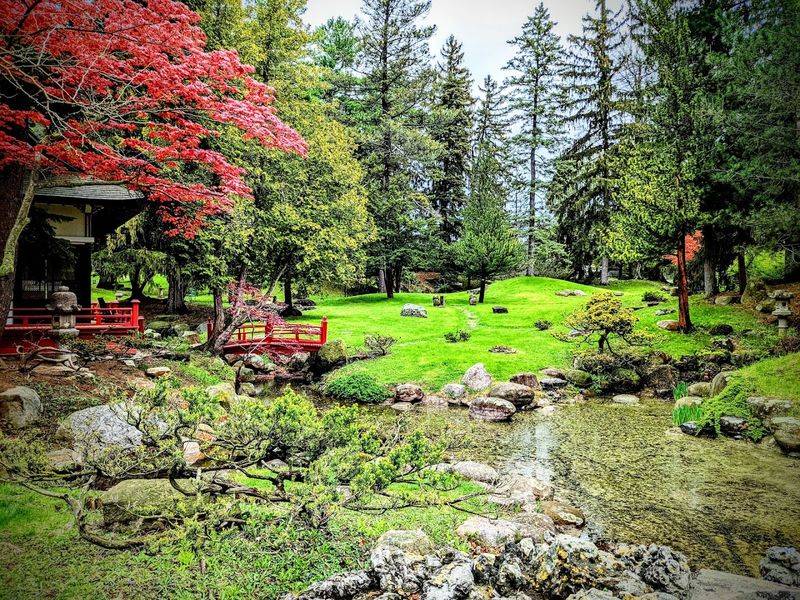
Timing a visit to Sonnenberg can make a significant difference in what the experience looks like. Late spring and summer are generally considered the best windows for seeing the gardens at their most colorful and fully planted.
By June and July, most of the formal garden sections are actively growing and the variety of plants on display is at its peak.
That said, September visits have also drawn strong appreciation from those who made the trip. The walking paths remain fully accessible, the mansion tours continue, and the greenhouse complex is worth visiting regardless of the time of year.
Early arrival is a practical tip worth following. The estate opens at 9:30 AM Thursday through Monday, and getting there closer to opening gives guests more time to move through the grounds at a comfortable pace before the afternoon hours.
Arriving after 4:00 PM risks missing some sections, particularly the koi pond area, which closes as the day winds down.
The Koi Pond and Water Features
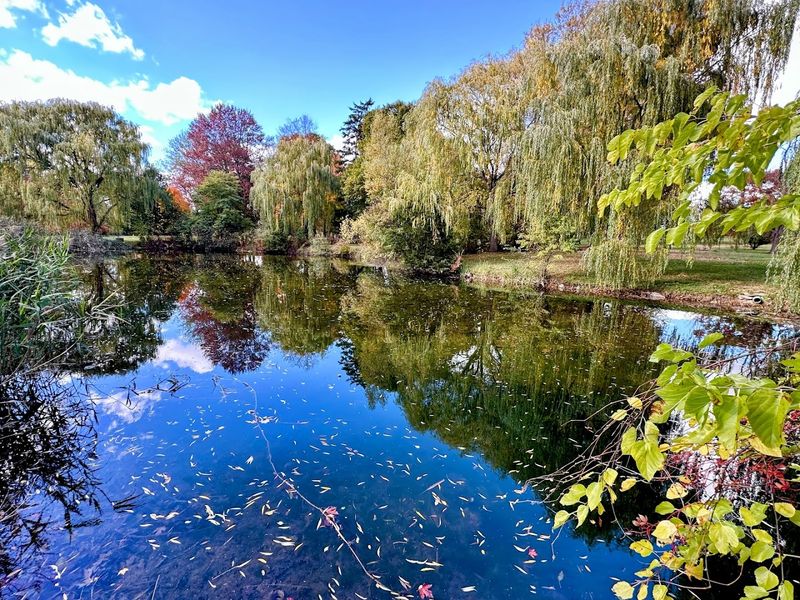
Among the many features spread across the 50-acre grounds, the koi pond stands out as a particular favorite for guests who make a point of seeking it out. The pond adds a calm, reflective quality to the garden experience that contrasts nicely with the more structured sections of the estate.
Water features appear in several areas across the property, though their condition can vary depending on the season and the current stage of ongoing restoration efforts. The koi pond tends to be one of the better-maintained water elements, and visiting earlier in the day gives the best chance of experiencing it fully before closing time approaches.
The overall landscape design at Sonnenberg incorporates water as a recurring element, which reflects the European formal garden traditions that Mary Thompson drew on when she was developing the grounds in the early 1900s. These features connect the modern visitor to a design philosophy that is now well over a century old.
A Living Piece of Finger Lakes History
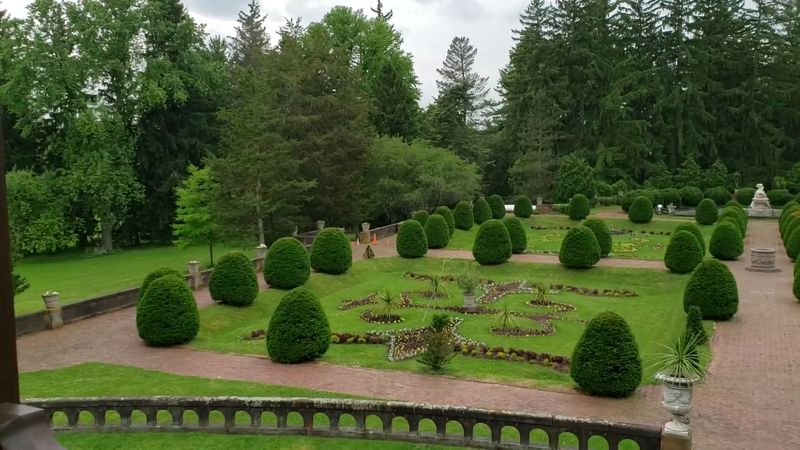
The Finger Lakes region of New York is well known for its natural landscape, but Sonnenberg adds a different kind of depth to the area’s identity. The estate represents a specific chapter of late 19th and early 20th century American life, one that involved significant wealth, a passion for European design, and an eventual turn toward public stewardship.
Mary Thompson’s decision to open the gardens and grounds to the public before her passing in 1923 set the stage for what Sonnenberg has become today. The property has gone through various phases of ownership and management over the decades, eventually coming under the care of New York State as a historic park.
The connection to Citibank’s origins, the architectural details of the mansion, and the scope of the garden design all position Sonnenberg as more than a pleasant day trip destination. It functions as a legible record of a particular era in American history that is genuinely worth understanding.
Getting Around the 50-Acre Property
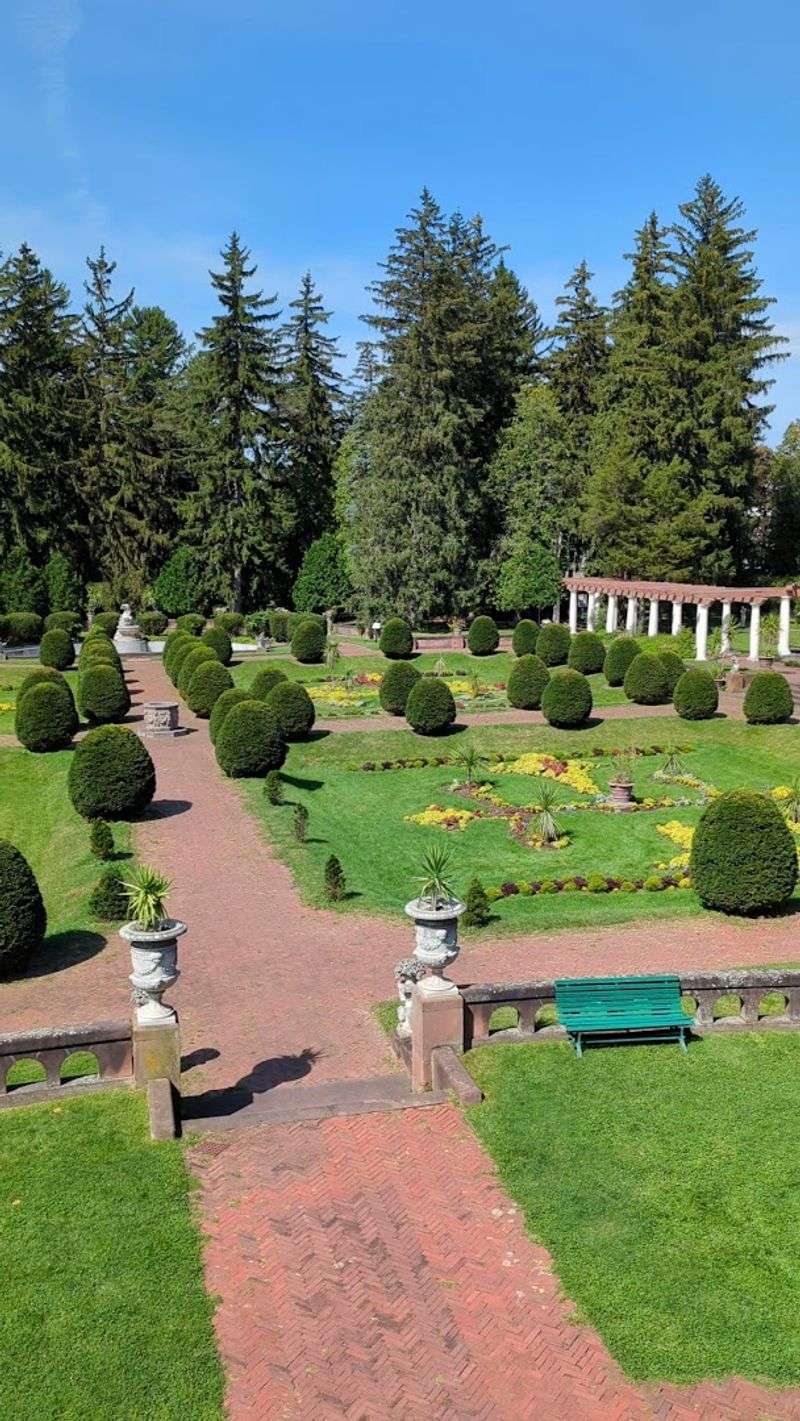
Covering 50 acres on foot is entirely doable for most visitors, but Sonnenberg makes the experience more accessible by offering shuttle service across the grounds. Golf carts operated by knowledgeable drivers provide transportation between the parking area and the mansion, with stops along the way that allow guests to hop on and off as needed.
The shuttle drivers tend to be well-informed about the property and are generally happy to answer questions or point out details that guests might otherwise miss. For visitors with limited mobility, this service is particularly valuable, as the estate’s scale can be challenging to navigate without some assistance.
Walking paths connect the various garden sections and are well-maintained enough to make self-guided exploration straightforward. Most guests report spending between two and three hours on the property, which is enough time to cover the main highlights without feeling rushed.
Planning for at least that amount of time ensures a more complete and satisfying visit overall.
Restoration, Challenges, and Ongoing Work
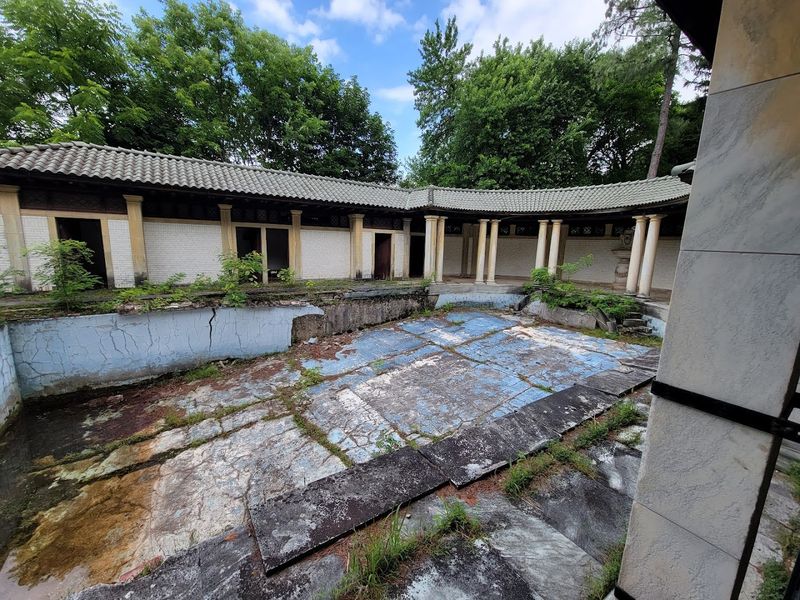
Sonnenberg is a living restoration project as much as it is a finished destination, and being honest about that is part of understanding what a visit there actually looks like. Some sections of the garden show the effects of years of limited resources, with certain plantings, structures, and water features still in various stages of repair or renewal.
The Temple of Diana, for example, has experienced significant deterioration over time. Other areas of the formal gardens have faced challenges with maintenance that are visible to attentive guests.
These realities are part of the estate’s current chapter, not a reason to avoid visiting, but worth knowing before arrival so that expectations are calibrated appropriately.
The volunteer-driven restoration effort has made real progress across the property, and the trajectory is clearly positive. Guests who approach Sonnenberg with an appreciation for the ongoing nature of historic preservation tend to come away with a deeper respect for the work involved in keeping a place like this accessible to the public.
Why This Estate Deserves a Spot on Your List
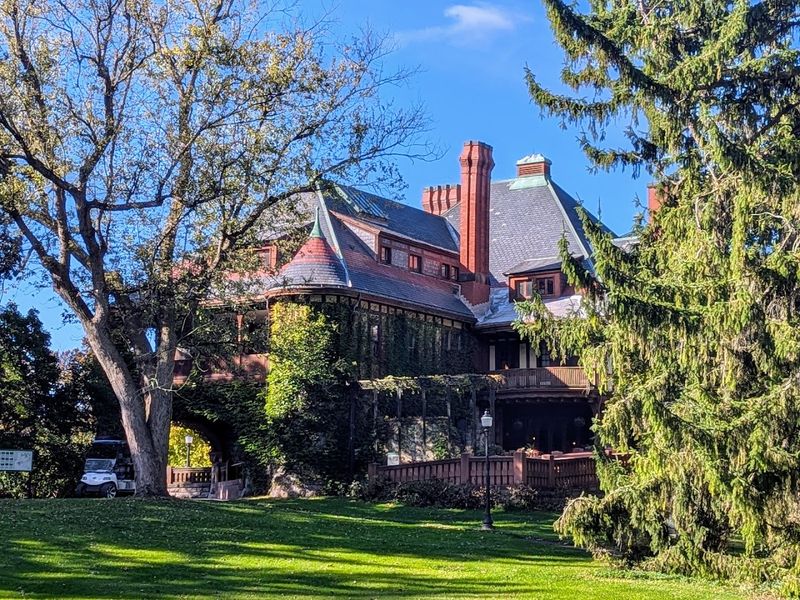
Not every historic site manages to hold a visitor’s attention from the moment they arrive to the moment they leave, but Sonnenberg does exactly that for most people who make the trip. The combination of architectural history, botanical variety, and human storytelling gives the estate a depth that is hard to match within a single day trip destination.
The Thompson family story provides a compelling historical anchor. The nine formal gardens offer genuine variety across a single property.
The mansion tour delivers architectural and cultural details that connect the present to the late 19th century in tangible ways. The cafe, gift shop, and shuttle service round out the experience with practical comfort.
Canandaigua itself is a beautiful town worth spending time in before or after a visit, and combining the two makes for a full and satisfying day in one of New York’s most underappreciated regions. Sonnenberg is the kind of place that earns a second visit before the first one is even finished.
Where is This Place on Gibson Street
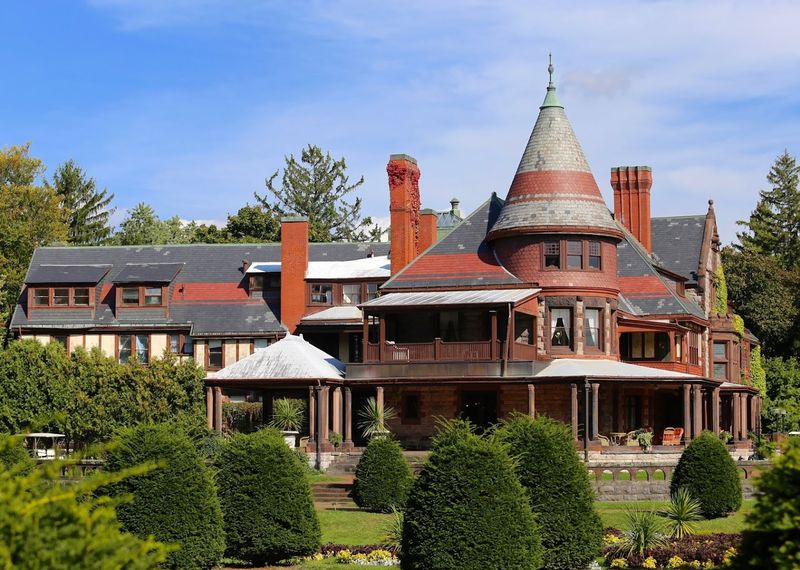
At 250 Gibson St, Canandaigua, NY 14424, Sonnenberg Gardens and Mansion State Historic Park sits on 50 acres of carefully maintained grounds in the Finger Lakes region of New York State. The property is open Thursday through Monday from 9:30 AM to 4:30 PM, and closed on Tuesdays and Wednesdays.
The estate centers around an 1887 Queen Anne-style mansion that was originally built as a summer retreat for Frederick and Mary Clark Thompson. Frederick Thompson was one of the founders of what eventually became Citibank, which gives the property a fascinating connection to American financial history.
The grounds include nine formal gardens, a large greenhouse complex, a cafe, and a gift shop. Admission for adults runs around $16, though the official website often lists discount options worth checking before your visit.
The combination of architecture, landscape, and living history makes this address one of the most rewarding stops in the entire region.
Share this story