Virginia has mountains, coastlines, and colonial history around every corner, but most people completely overlook the biggest lake the state has to offer. Tucked along the Virginia-North Carolina border, this massive reservoir stretches across more than 50,000 acres of sparkling water, yet somehow stays off the radar for a huge chunk of the state’s population.
The dam that created it is an engineering feat worth seeing up close, and the recreation surrounding it could keep a family busy for a week straight. From fishing and camping to swimming and kayaking, this place punches well above its weight, and once you know it exists, you will wonder how you ever missed it.
Virginia’s Best-Kept Water Secret
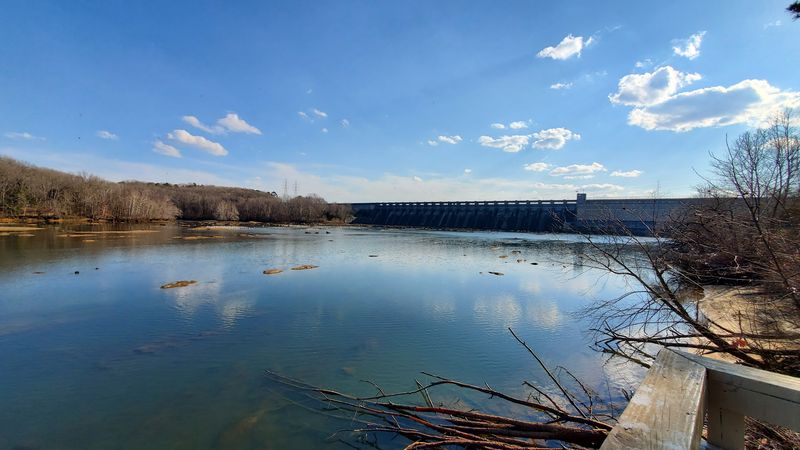
Most people can name Smith Mountain Lake or Lake Anna without hesitation, but ask them about Virginia’s largest lake and you will get a lot of blank stares. John H.
Kerr Reservoir, also known as Buggs Island Lake, covers roughly 50,000 acres of water surface and stretches across the Virginia-North Carolina border.
The reservoir was created by the U.S. Army Corps of Engineers in the early 1950s when the Roanoke River was dammed to control flooding and generate hydroelectric power.
What resulted was a body of water so large it took years for most Virginians to fully appreciate its scale.
The shoreline alone runs for about 800 miles, which is longer than the entire coastline of some U.S. states. That kind of size means there is always a quiet cove or open stretch of water waiting for you.
Finding the Dam: Address and Getting There
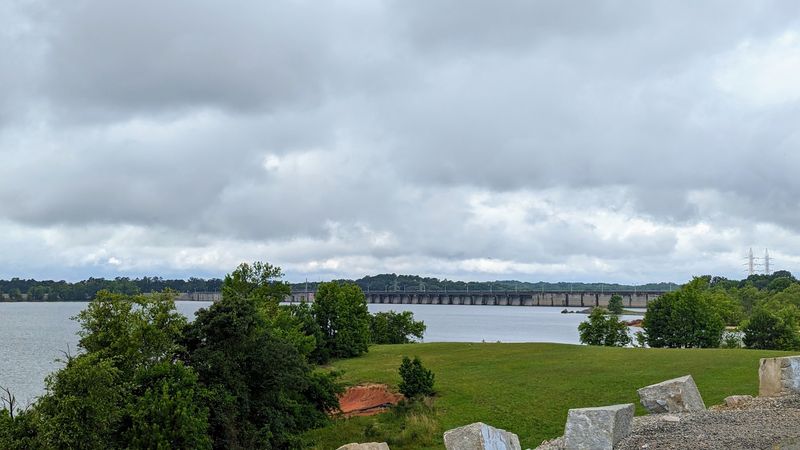
The main hub of activity centers on John H. Kerr Dam and Reservoir at 1930 Mays Chapel Rd, Boydton, VA 23917, right in Mecklenburg County near the small town of Boydton in southern Virginia.
The drive down from Richmond takes roughly two hours, and from Raleigh, North Carolina, you are looking at about an hour and a half.
The area is open Monday through Friday from 8 AM to 4:30 PM for dam viewing and visitor center access, so plan your trip accordingly if you want the full experience. Weekend visitors can still enjoy the lake, campgrounds, and recreation areas even when the dam facilities are closed.
Signage along the local roads is clear and easy to follow once you get close. Parking is available in multiple lots near the dam, the picnic shelters, and the swimming beach, so finding a spot is rarely a problem.
The Dam Itself: Engineering Worth the Drive
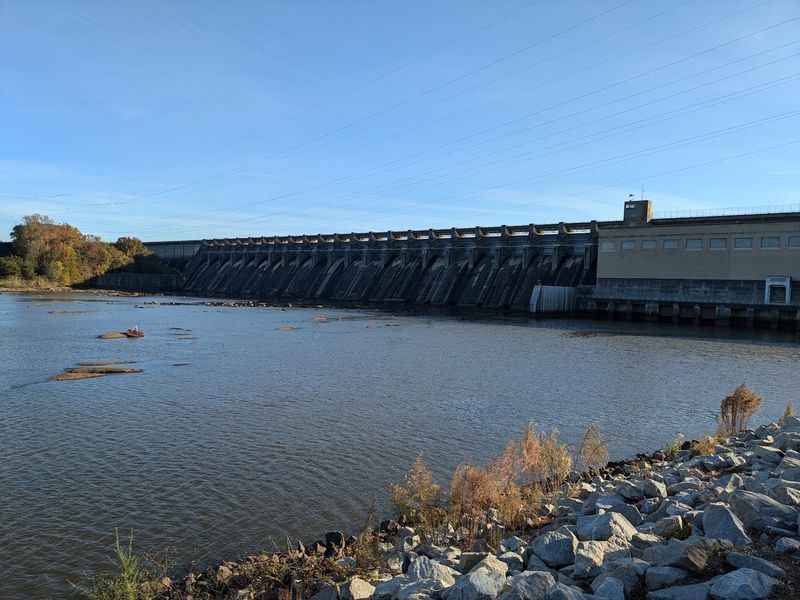
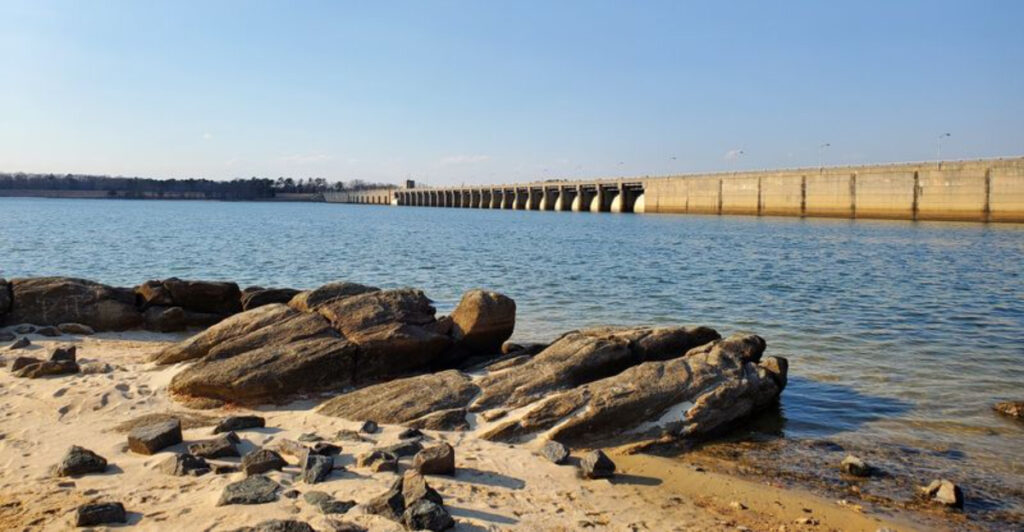
Standing at the overlook and actually seeing the dam up close is one of those experiences that makes you feel genuinely small in the best possible way. The John H.
Kerr Dam is a concrete gravity dam that stretches nearly 2,800 feet across the Roanoke River and stands about 143 feet tall.
Construction wrapped up in 1952, and it has been generating hydroelectric power ever since. The dam produces electricity for the region and also plays a critical role in flood control for communities downstream in both Virginia and North Carolina.
There are several sightseeing vantage points on both sides of the structure, giving you a solid view of the spillway, the turbines, and the river below. The visitor center is free to enter and packed with interesting exhibits about how the dam was built and how it continues to operate today.
Fishing That Keeps Anglers Coming Back
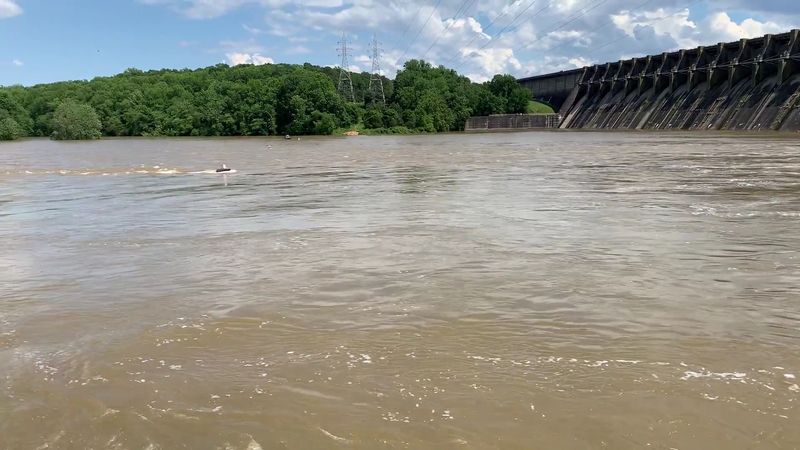
Kerr Lake has a serious reputation among fishing enthusiasts, and that reputation is completely earned. The reservoir is home to striped bass, largemouth bass, crappie, catfish, and bream, making it a genuinely diverse fishery that rewards both beginners and experienced anglers.
Striped bass fishing near the dam is particularly productive when the turbines are generating power, because the current draws baitfish and the stripers follow close behind. Plenty of anglers have pulled in trophy-sized fish right up against the dam face, and the thrill of hooking a big striper in that current is hard to match anywhere else in the state.
Boat rentals are available in nearby Clarksville, so you do not need to own a vessel to get out on the water. Whether you prefer fishing from shore or drifting across open water, the lake gives you plenty of options to work with.
Swimming Beaches That Surprise First-Timers
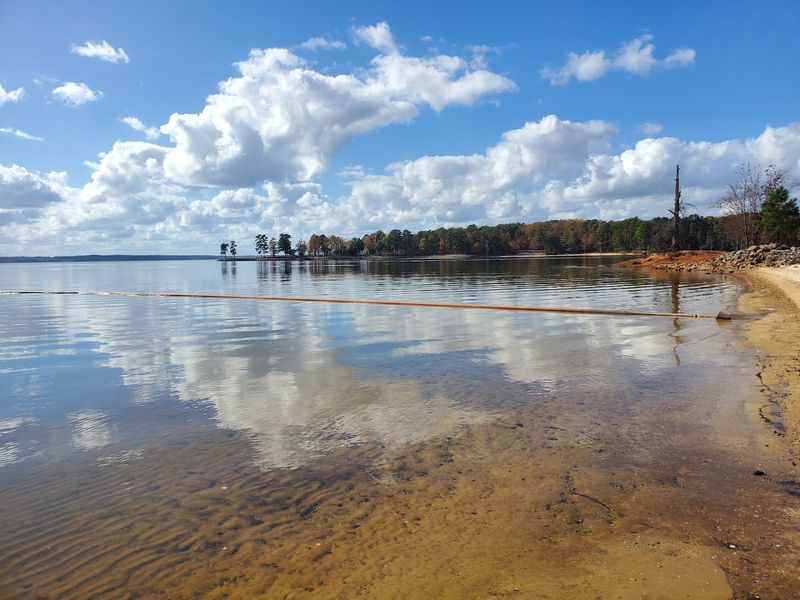
The water at Kerr Lake has a clarity that genuinely catches first-time visitors off guard. Unlike some Virginia lakes that run murky and brown after a rainstorm, the reservoir tends to stay remarkably clean and inviting throughout the swimming season.
There is an accessible beach for swimmers near the dam area that gets busy on summer weekends, and for good reason. The sand is soft, the water is refreshing, and the surrounding scenery of forested hills gives the whole spot a relaxed, natural feel that is hard to replicate at a crowded public pool.
Bathroom facilities are available near the beach, which makes it a practical choice for families with young kids. The swimming area is a great place to spend a full afternoon, and the picnic shelters nearby mean you can set up a proper outdoor meal without hauling everything back to your car.
Camping Options That Go Well Beyond a Single Night
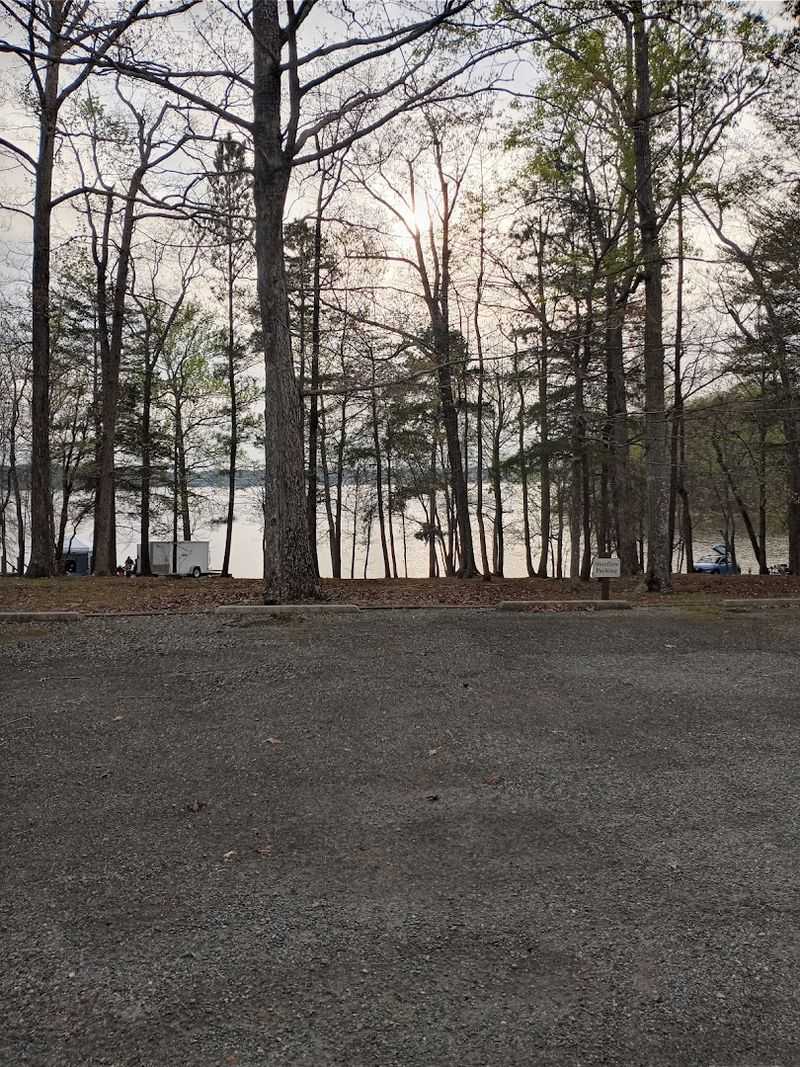
North Bend Campground is the crown jewel of the camping options at Kerr Lake, and families have been returning to it for decades. Some campers have been making the trip annually for over 50 years, which tells you something about the kind of loyalty this place inspires.
The campground offers both tent and RV sites, with several pull-through spaces available for larger rigs. The sites are well-maintained and level, and the campground itself is clean and thoughtfully laid out.
Not every site sits directly on the water, but many are close enough that you can hear the lake from your tent at night.
Occoneechee State Park, which sits right along the reservoir’s shoreline, adds even more camping variety to the area. Between the two options, you could easily plan an 11-day trip and never feel like you have run out of new spots to explore around the water.
Kayaking and Paddling Across 800 Miles of Shoreline
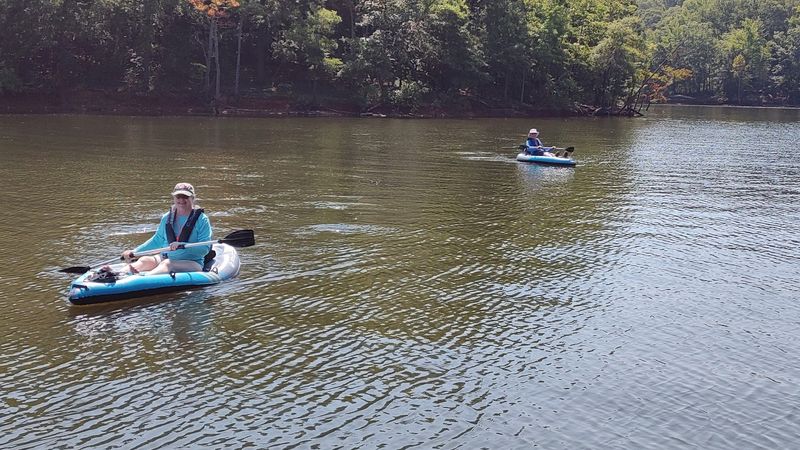
Eight hundred miles of shoreline sounds almost unbelievable until you get out on the water and realize just how many coves, inlets, and quiet stretches exist across this reservoir. Kayaking here feels less like a workout and more like a slow, rewarding exploration of a place that reveals something new around every bend.
The lake’s size means you can paddle for hours without retracing your route, and the shoreline alternates between open views and tucked-away spots that feel completely private. Wildlife sightings are common, including herons, osprey, turtles sunning on logs, and the occasional river otter moving through the shallows.
Launching a kayak is straightforward, with multiple access points scattered throughout the North Bend day-use area and campground. Canoes and paddleboards also work beautifully on the calmer sections of the lake, so whatever non-motorized craft you prefer, the reservoir is ready to accommodate it.
The Liberty Hill Trail for Hikers and Bikers
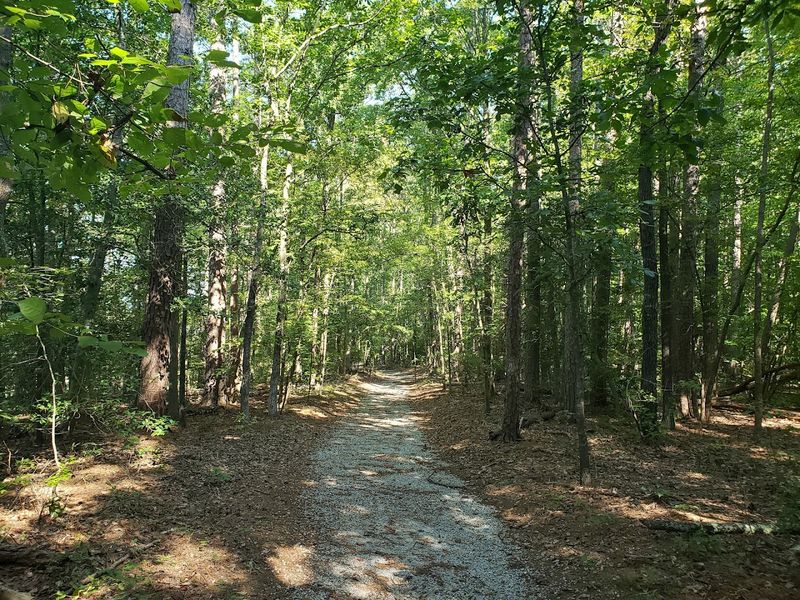
Not everyone who visits Kerr Lake comes for the water, and the Liberty Hill Trail gives land-lovers a genuinely rewarding reason to make the trip. The trail runs along the east side of the dam and offers a pleasant hike through mature forest with occasional glimpses of the reservoir and the river below.
The path is accessible enough for casual walkers but interesting enough to keep experienced hikers engaged. Mountain bikers also use sections of the trail, and the mix of terrain keeps the ride varied without getting too technical for most skill levels.
The forested setting makes the trail particularly enjoyable in spring and fall, when the foliage adds serious color to the experience. After a good hike, the swimming area right across the street from the trail is the perfect reward, so packing a swimsuit along with your hiking shoes is a genuinely smart move.
Picnicking With a View Worth Lingering Over
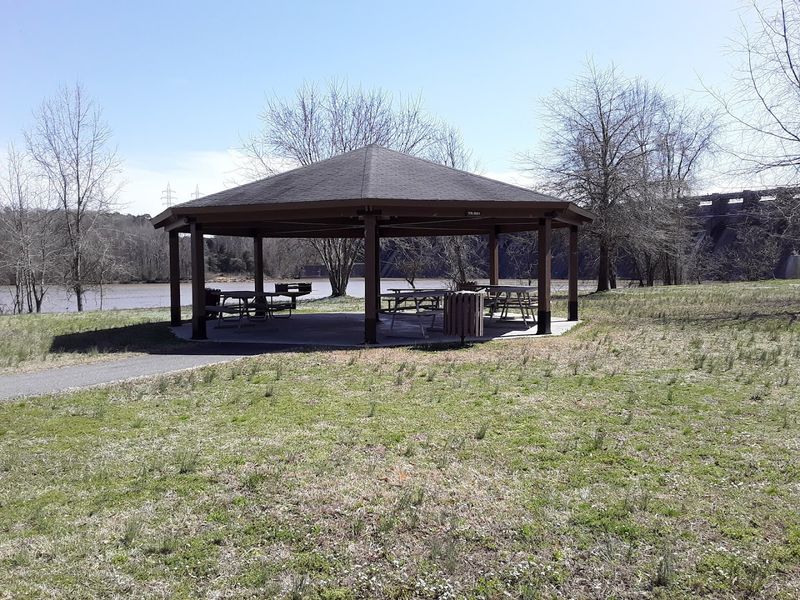
A good picnic spot needs three things: shade, a decent view, and enough space to spread out without feeling crowded. The area around John H.
Kerr Dam delivers on all three without asking much in return.
Multiple picnic shelters are spread across the grounds near the dam, and the riverside park on the downstream side is particularly well-suited for a relaxed outdoor meal. Grills are available at several spots, so bringing food to cook on-site is a completely viable plan rather than just a hopeful one.
The river side of the dam has a calm, almost meditative quality that makes it easy to linger longer than you planned. Watching the water move below the dam while eating a sandwich is the kind of simple pleasure that does not require a reservation, a fee, or anything more complicated than showing up with good food and decent company.
The Free Visitor Center Worth Every Minute
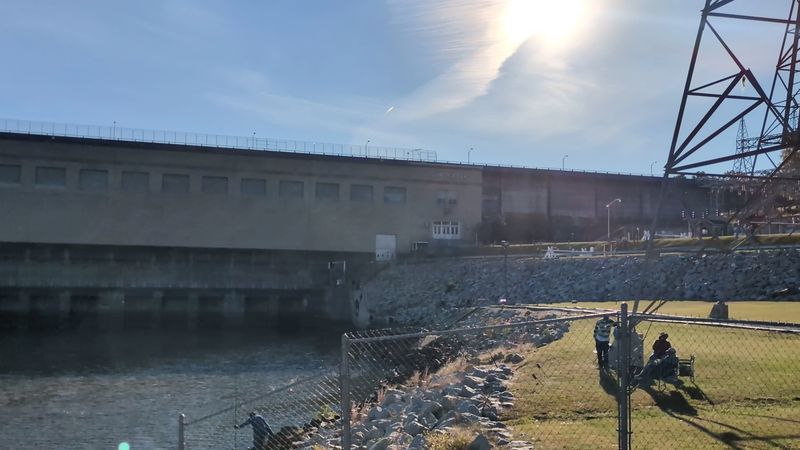
Free admission to a genuinely interesting visitor center is a combination that should never be taken for granted, and the one at John H. Kerr Dam earns its keep.
The exhibits walk you through the history of the dam’s construction, the engineering challenges the Army Corps of Engineers faced in the early 1950s, and the ongoing role the structure plays in flood control and power generation.
Even visitors who did not arrive with a strong interest in civil engineering tend to walk out with a new appreciation for what it takes to tame a river and reshape an entire landscape. The scale models and historical photographs are particularly effective at communicating just how massive this project was.
The center is open Monday through Friday during regular hours, so a weekday visit is the best way to take full advantage of it. Plan to spend at least 30 to 45 minutes inside before heading out to explore the rest of the grounds.
Wildlife and Nature That Reward Patient Observers
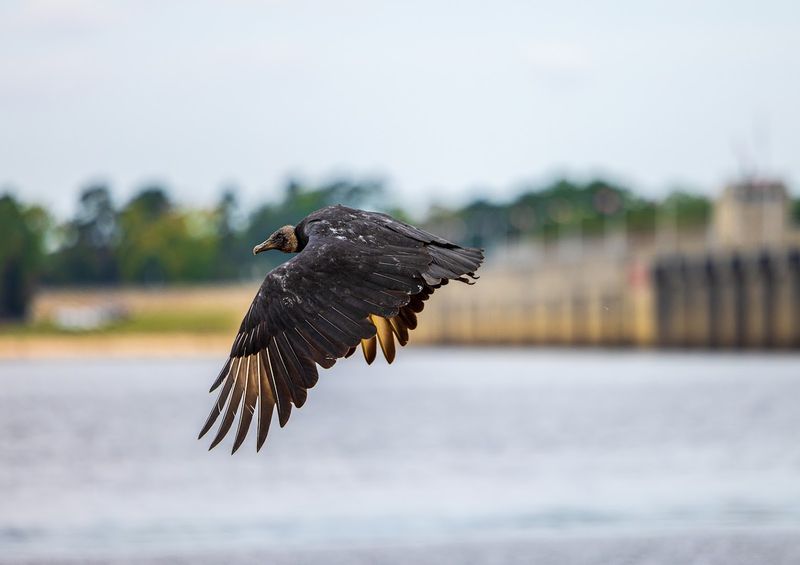
The ecosystem around Kerr Lake is quietly thriving, and spending time near the water with your eyes open pays off in ways that are hard to predict. Great blue herons are a near-constant presence along the shallower edges of the reservoir, standing motionless in the water before striking with a speed that always catches you off guard.
Osprey are also regular visitors, circling high above the water before folding their wings and diving for fish with startling precision. White-tailed deer appear frequently at dawn and dusk along the wooded campground roads, and the tree canopy around the lake supports a broad variety of songbirds throughout the warmer months.
The combination of open water, forested shoreline, and river habitat creates a layered environment that supports an unusually wide range of species. Bringing a pair of binoculars along on any visit here is one of those decisions you will not regret for a single moment.
Planning Your Visit: Practical Tips to Know First
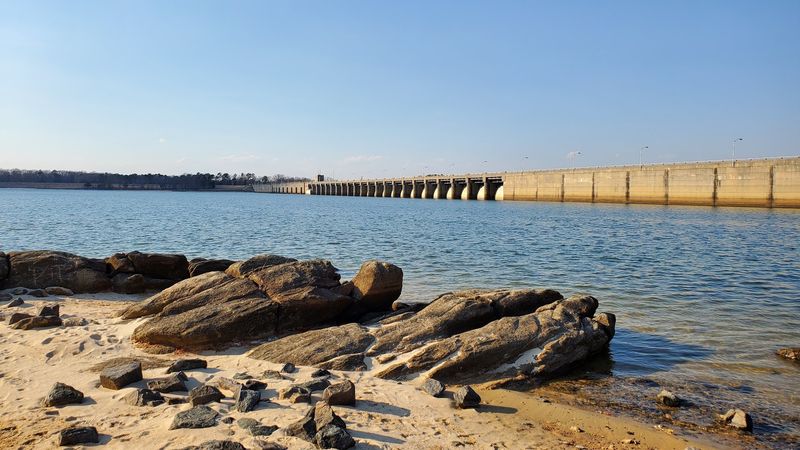
A little planning goes a long way at Kerr Lake, especially during the summer months when the swimming beach and campgrounds fill up fast. Reservations for campsites at North Bend and Occoneechee are strongly recommended if you are visiting between Memorial Day and Labor Day, as walk-in spots become rare quickly.
The dam viewing areas and visitor center operate Monday through Friday from 8 AM to 4:30 PM, so build your schedule around those hours if the dam itself is a priority. Weekends are still great for the lake, the trails, and the beach, just without access to the visitor center exhibits.
Bringing your own kayak or canoe saves money and gives you flexibility with launch timing. Sunscreen, water shoes for the beach, and a good cooler round out the essentials for a full day here.
The lake rewards those who arrive prepared and stay curious about everything it has to offer.
Share this story