A study using the golden ratio ranked Europe’s most beautiful cities, and the results might shock you. Paris, the city most people call the most romantic in the world, did not even make the top cut.
Instead, cities like Venice, Prague, and Budapest took the glory. Buckle up, because this list is full of surprises.
Venice, Italy
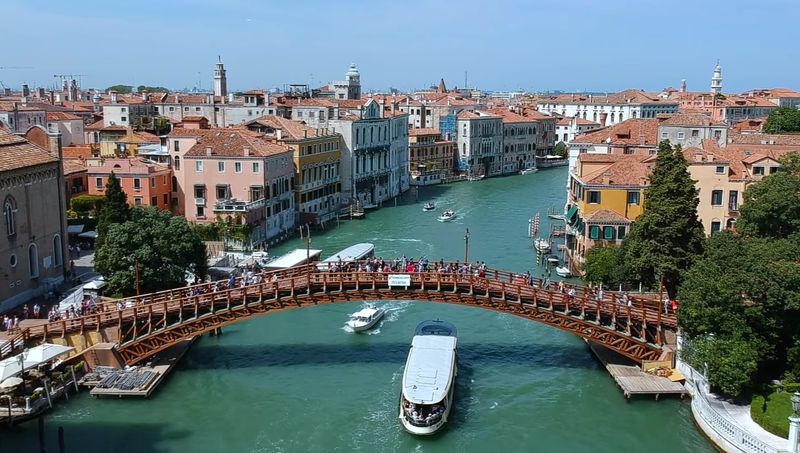
Built on water and held together by pure architectural nerve, Venice clinched the top spot in the golden ratio beauty ranking. Scientists analyzed the harmony of its buildings, and Venice basically aced the test.
No other city on Earth pulls off the whole “floating on a lagoon” look this effortlessly.
St. Mark’s Basilica, Doge’s Palace, and the Grand Canal create a skyline that feels theatrical and completely unrepeatable. What truly sets Venice apart is that the beauty is not concentrated in one famous square.
It hides in narrow alleys, on tiny bridges, and in the shimmer of water beneath your feet.
I visited at 6 a.m. once, before the crowds arrived, and the silence was almost eerie. The city felt like it belonged to nobody and everybody at once.
Venice does not just look beautiful. It performs beauty like it was born for the stage.
Rome, Italy
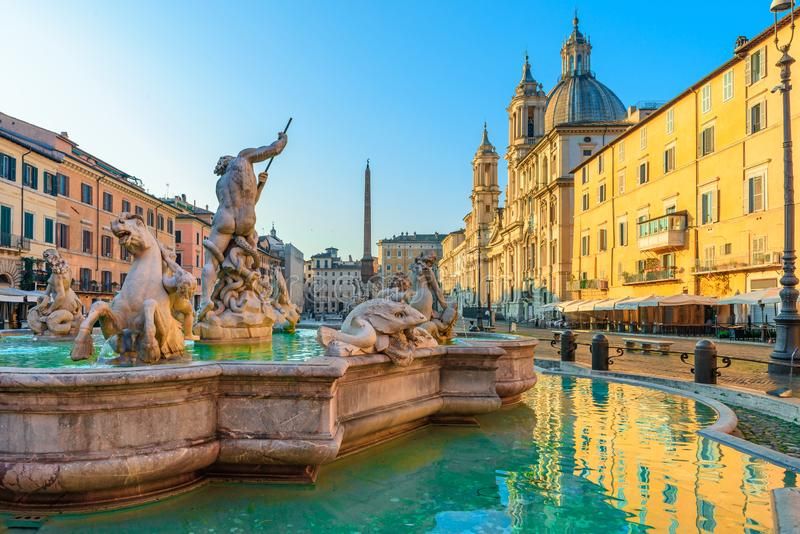
Rome did not finish second by accident. The Eternal City is grand, slightly chaotic, and absolutely dripping in history.
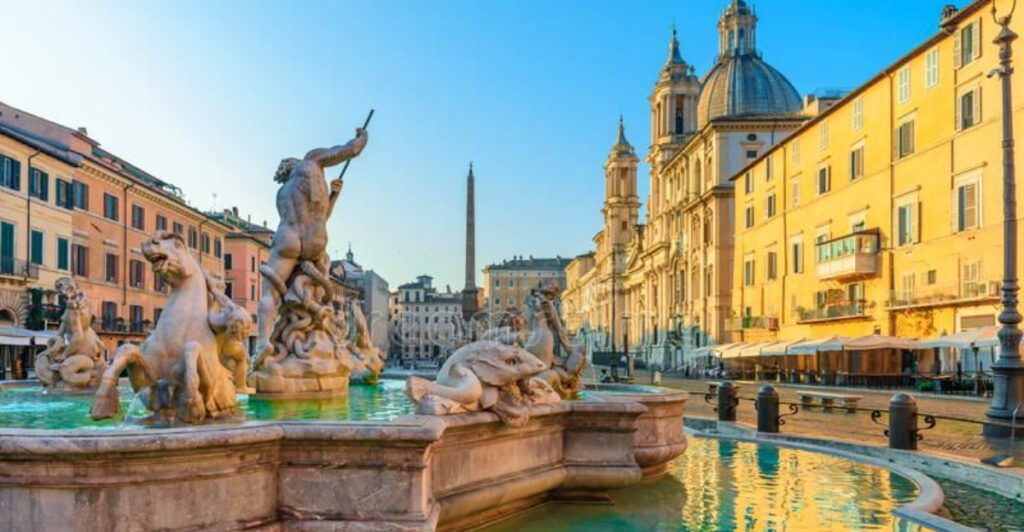
Ancient ruins sit casually beside Baroque fountains, as if nobody thought it was unusual to park a 2,000-year-old temple next to a pizza shop.
The Colosseum, the Pantheon, and the Roman Forum all contribute to a cityscape where multiple centuries are visible at once. That layering is what makes Rome so visually powerful.
You are not just looking at pretty buildings. You are staring at thousands of years of human ambition stacked on top of each other.
Rome’s beauty is heavier than Venice’s. Less delicate, but no less unforgettable.
The city rewards slow walkers who look up, peek into doorways, and stumble across fountains they did not know existed. Rome is the kind of place that makes you feel slightly underdressed no matter what you are wearing.
Barcelona, Spain
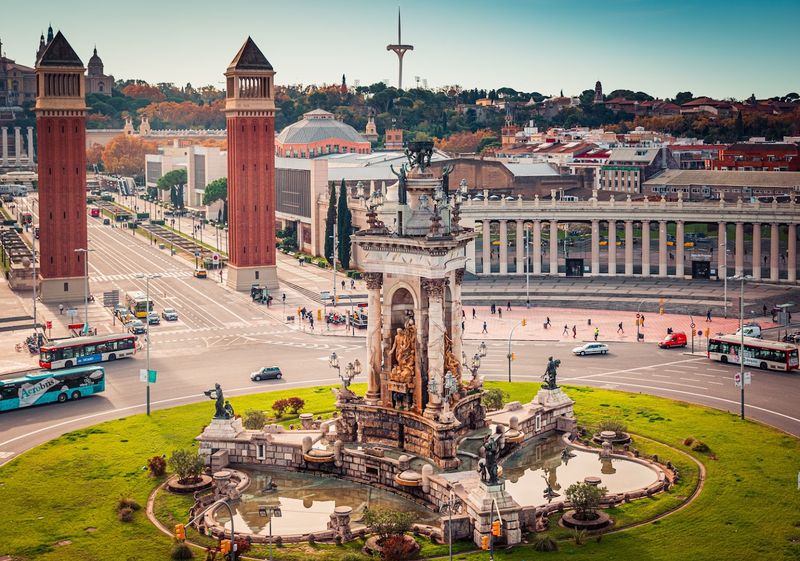
No other city on this list bends the rules of architecture quite like Barcelona. Antoni Gaudi turned stone and tile into something that looks alive, and the city has never looked back since.
Third place in the ranking feels almost modest for a place this visually audacious.
The Sagrada Familia, Casa Batllo, Casa Mila, and Park Guell give Barcelona a dreamlike identity that no other European city can replicate. But Gaudi is not the whole story.
The Gothic Quarter, wide avenues, and modernist facades create a city that feels both ancient and electrically energetic at the same time.
Barcelona’s beauty moves. The buildings seem to twist and glow whenever Mediterranean light hits the stone and tile just right.
It is a city that rewards wandering without a plan. Turn a corner, and you might find a Gaudi mosaic hiding on a wall that most tourists completely walk past without noticing.
Prague, Czechia
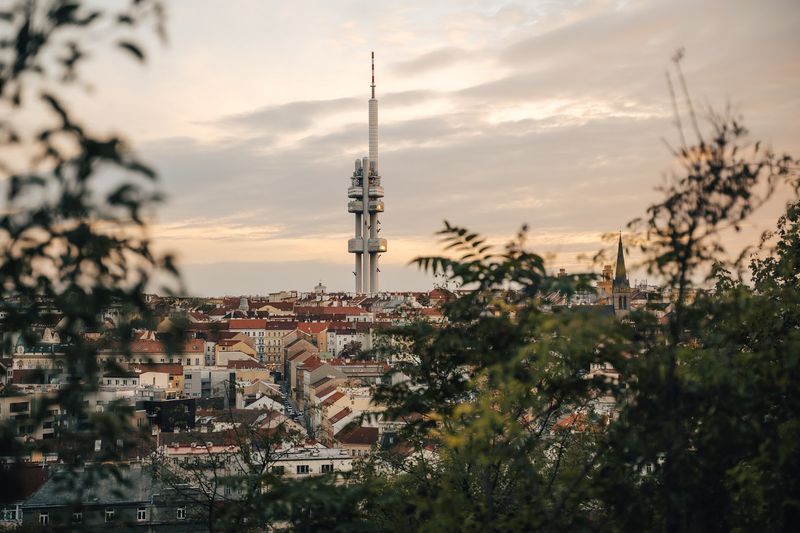
Prague looks like someone took a fairy tale and turned it into a city. Gothic towers, Baroque churches, and cobbled streets fill its historic center so completely that you almost expect a dragon to appear around the next corner.
Fourth place in the ranking is well-earned.
Charles Bridge, Prague Castle, Old Town Square, and the Church of Our Lady before Tyn create one of Europe’s most recognizable skylines. The Vltava River doubles the drama by reflecting all those towers back at you.
It is genuinely hard to take a bad photo here, which is both a gift and a personal challenge I accepted enthusiastically.
What separates Prague from other beautiful cities is consistency. Many cities have one stunning district and then fade quickly.
Prague’s historic core stays beautiful block after block. The architecture does not just decorate the city.
It sets the entire emotional tone of the place from the moment you arrive.
Athens, Greece
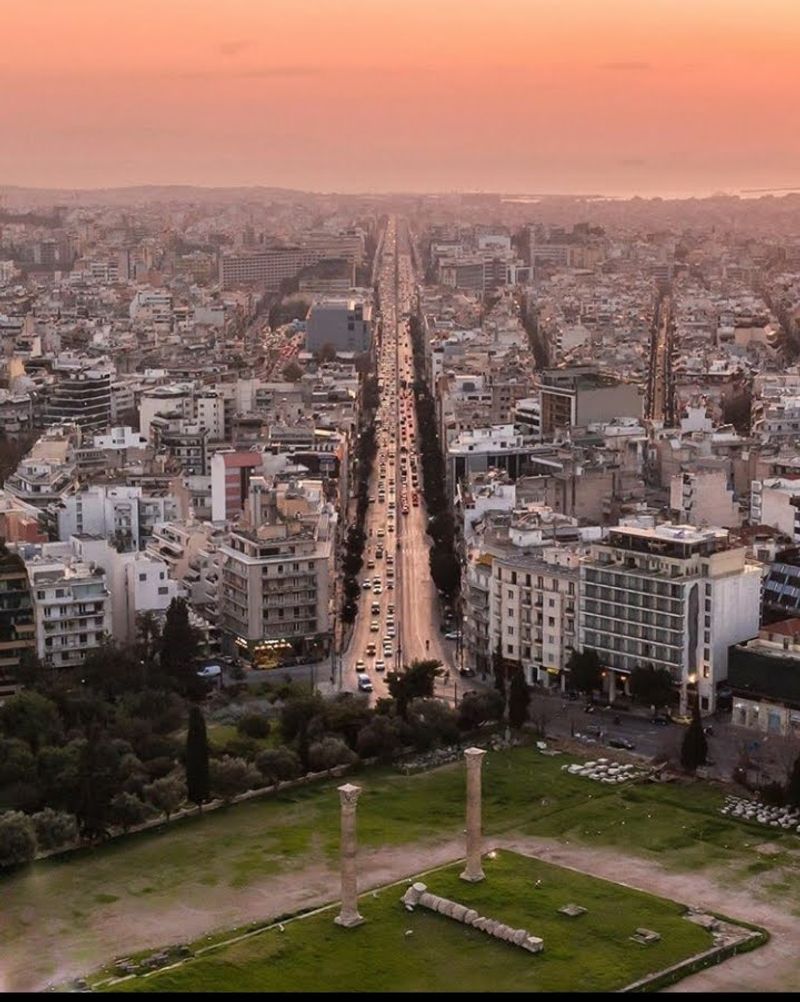
Athens plays by its own rules, and the beauty ranking respected that. Ranked sixth overall, Athens offers something none of the other cities can match: a civilization that invented so many ideas the rest of the world still uses today, all carved in marble and perched on a hill.
The Acropolis is the city’s visual centerpiece. It rises above modern Athens with complete authority, reminding every visitor that this place helped shape art, philosophy, and democracy.
That is a lot of weight for one hill to carry, and it handles it beautifully.
Athens is not uniformly pretty in every neighborhood, and that is honestly part of the appeal. The raw contrast between ancient marble ruins and noisy modern city life gives it an energy that polished capitals often lack.
At sunset, when the Parthenon glows warm gold above the rooftops, Athens stops being merely interesting and becomes genuinely unforgettable.
Budapest, Hungary
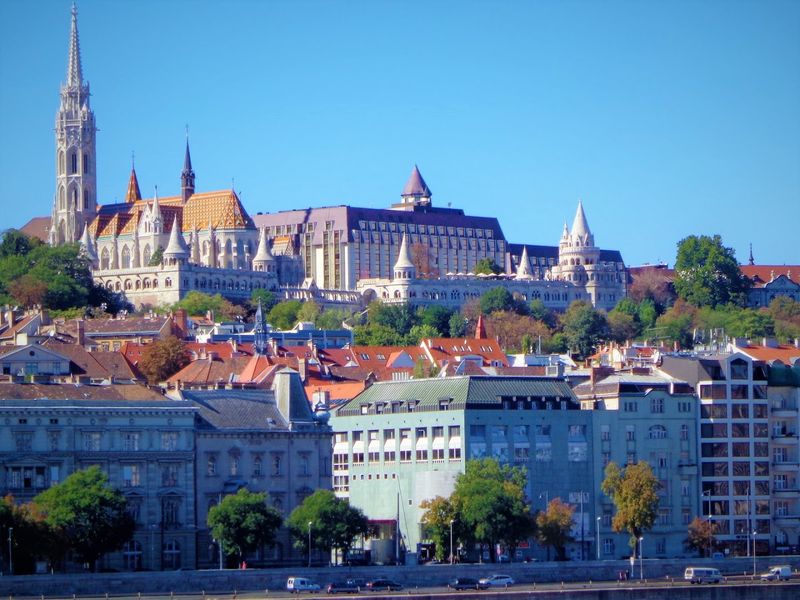
Budapest earned seventh place with the kind of dramatic beauty that makes other cities feel slightly underprepared. The Danube River splits Buda and Pest into two distinct personalities, and together they create one of the most spectacular river cities anywhere in Europe.
The Hungarian Parliament Building alone could win awards. Lit up at night and reflected in the Danube, it looks almost too majestic to be real.
Add Buda Castle, Fisherman’s Bastion, and the grand thermal bath buildings, and Budapest starts feeling like a city that was specifically designed to make jaws drop.
There is a slightly moody quality to Budapest that sets it apart from cheerier capitals. It has elegance, history, and a faint undercurrent of melancholy that makes it feel deeply atmospheric.
That combination of grandeur and brooding character gives Budapest a personality that stays with you long after you have returned home.
Vienna, Austria
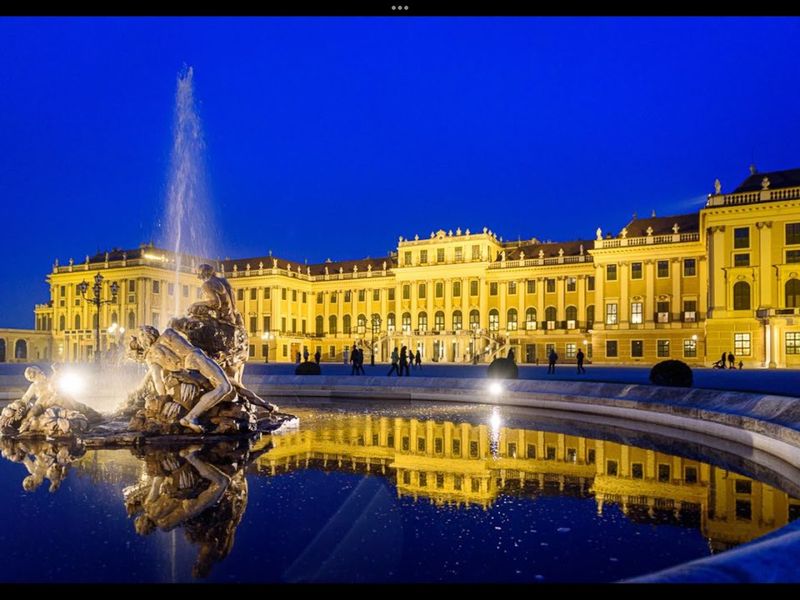
Vienna is what happens when a city takes elegance seriously for several centuries and never loosens up. Ranked eighth, it brings a polished, almost musical kind of beauty to the list.
This is a city of imperial avenues, grand palaces, concert halls, and coffee houses that have been perfecting their cake recipes since the 1700s.
The historic center blends Baroque buildings, medieval streets, and sweeping 19th-century architecture into something that feels carefully composed rather than accidentally charming. Vienna does not stumble into beauty.
It plans it, constructs it, and maintains it with meticulous Austrian precision.
Travelers who love symmetry, classical culture, and architecture that feels almost musical will find Vienna completely irresistible. Every square and boulevard seems designed to impress without showing off too aggressively.
Vienna is the city equivalent of a perfectly tailored coat: refined, confident, and quietly aware that it does not need to try too hard.
Bordeaux, France
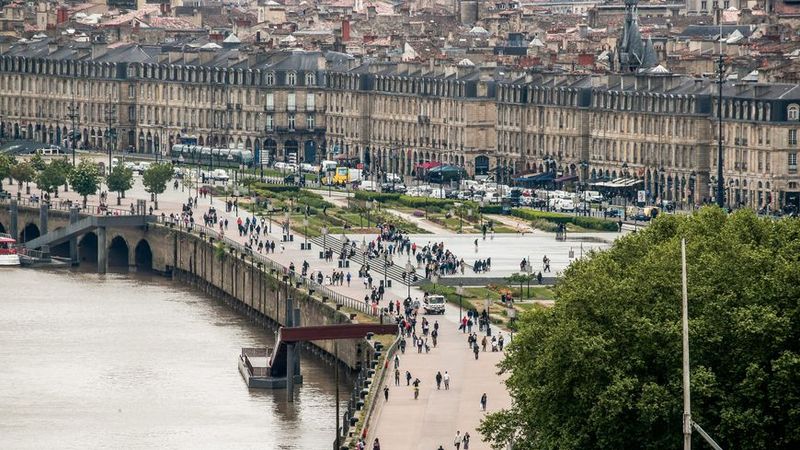
Here is the plot twist nobody expected: Bordeaux ranked ninth, and it beat Paris. Let that sink in.
A city most people know primarily for its wine quietly outscored France’s most famous capital in a scientific beauty study. Bordeaux is officially having its moment.
Its historic center, nicknamed the Port of the Moon, earned UNESCO recognition for a reason. Place de la Bourse is the star attraction, especially when its reflection shimmers in the Miroir d’Eau water mirror below.
Pale stone facades, elegant riverfront streets, and graceful 18th-century architecture give Bordeaux a luminous quality that photographs cannot fully capture.
Bordeaux feels more relaxed than Paris, but do not mistake that ease for a lack of ambition. The city’s beauty is confident and unhurried, like someone who knows they look good and sees no reason to rush.
Wine and architecture: Bordeaux has always known how to pair things well.
Milan, Italy
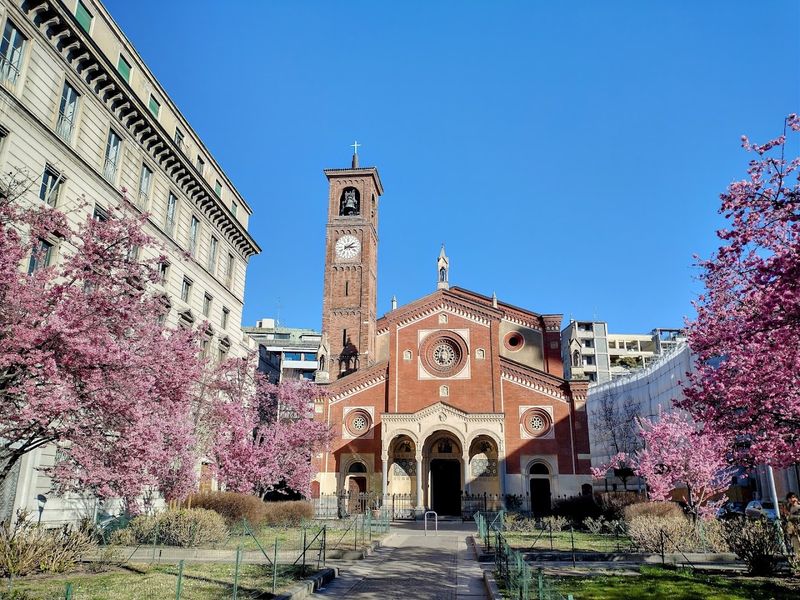
Milan has a reputation problem. Most people hear the name and think fashion weeks and business meetings, not breathtaking architecture.
But the ranking put Milan in the top 10, and honestly, it deserves every bit of that recognition.
The Milan Cathedral is the undisputed showstopper. Its Gothic spires, hundreds of marble statues, and rooftop terraces make it one of the most extraordinary buildings in all of Italy, which is saying something in a country that practically invented extraordinary buildings.
The nearby Galleria Vittorio Emanuele II adds a layer of 19th-century glamour with its soaring glass roof and ornate ironwork.
Milan’s beauty is not immediately obvious the way Rome’s is. It reveals itself slowly, through hidden courtyards, Renaissance churches tucked behind modern storefronts, and the contrast between old stone and sleek contemporary design.
Give Milan a full day of wandering, and it will absolutely change your assumptions about what this city actually looks like.
Stockholm, Sweden
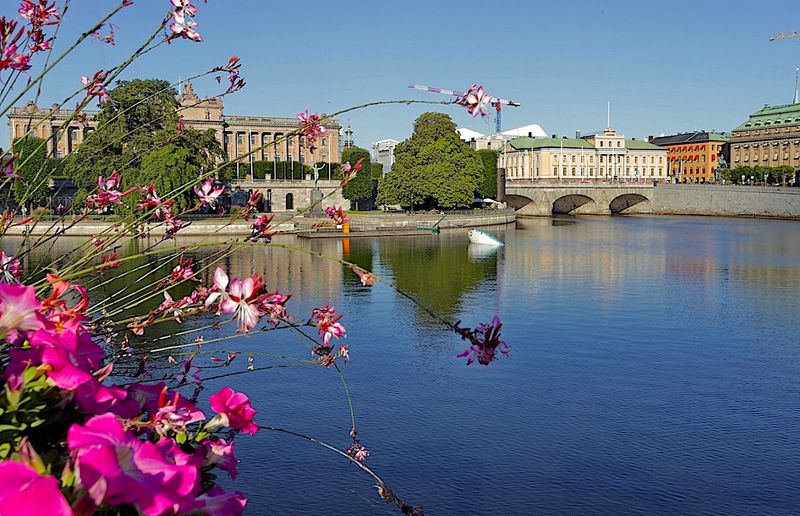
Stockholm sneaked into the wider top 20 of the ranking, and it brings a completely different energy to the list. This is not a city that impresses through density or ornament.
Stockholm wins people over through calm, clarity, and a relationship with water that feels almost poetic.
Gamla Stan, the old town, packs colorful buildings and winding lanes into a small island that looks like it belongs in a Scandinavian storybook. Stockholm City Hall is the city’s most iconic landmark, and the waterfront setting gives the whole city an airy, open quality that feels rare in a capital.
Nordic light does extraordinary things to Stockholm, especially in summer when the sun barely sets and everything glows for hours. Unlike cities that pile on grandeur until you feel overwhelmed, Stockholm offers balance.
It feels calm, beautifully connected to nature, and quietly elegant in a way that grows on you rather than hitting you all at once.
Florence, Italy
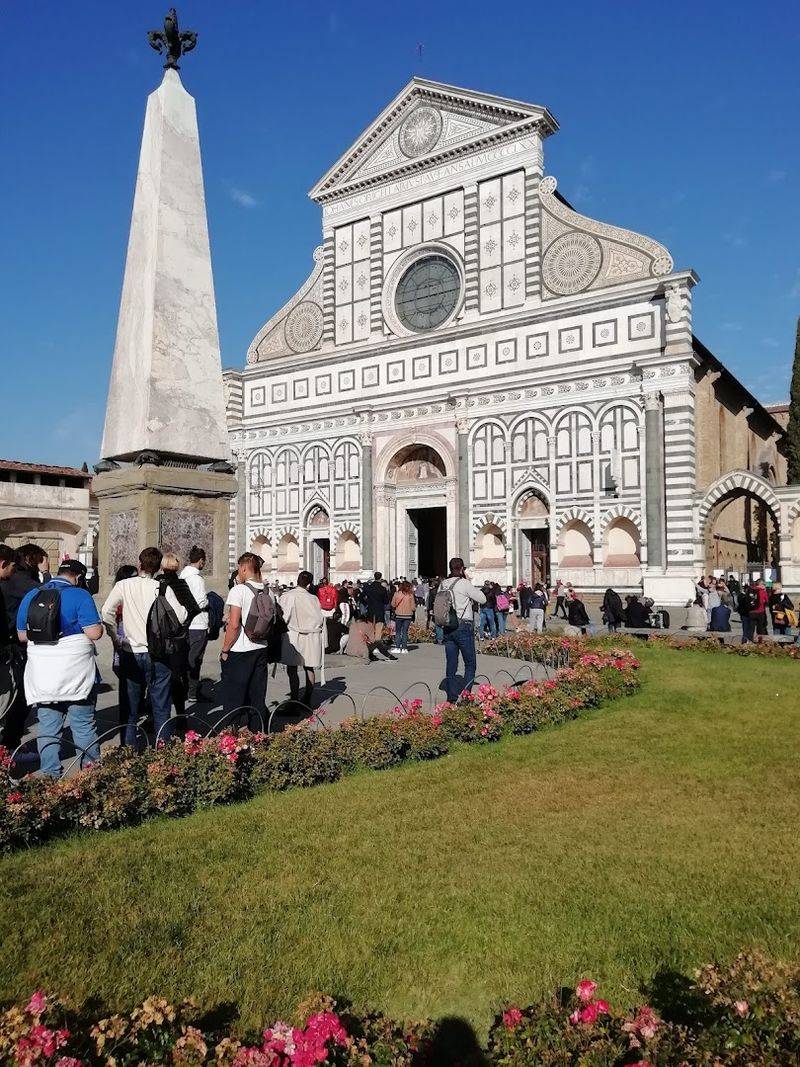
Florence is the city that basically invented the Renaissance and has been quietly smug about it ever since. Its place in the broader beauty conversation is not surprising.
What is surprising is how small the city is relative to the sheer concentration of masterpieces packed inside it.
The Cathedral of Santa Maria del Fiore, Ponte Vecchio, Palazzo Vecchio, and the Uffizi area form a historic center so rich with artistic achievement that it genuinely feels like walking through a living museum. Every street corner has a story, and most of those stories involve a genius who lived there in the 1400s.
Florence’s appeal goes beyond individual landmarks. Warm golden stone, narrow streets that smell like espresso and leather, and river views that look unchanged from Renaissance paintings all contribute to the atmosphere.
Beauty here was never accidental. The Florentines treated it as a serious civic responsibility, and the results have lasted 600 years.
Copenhagen, Denmark
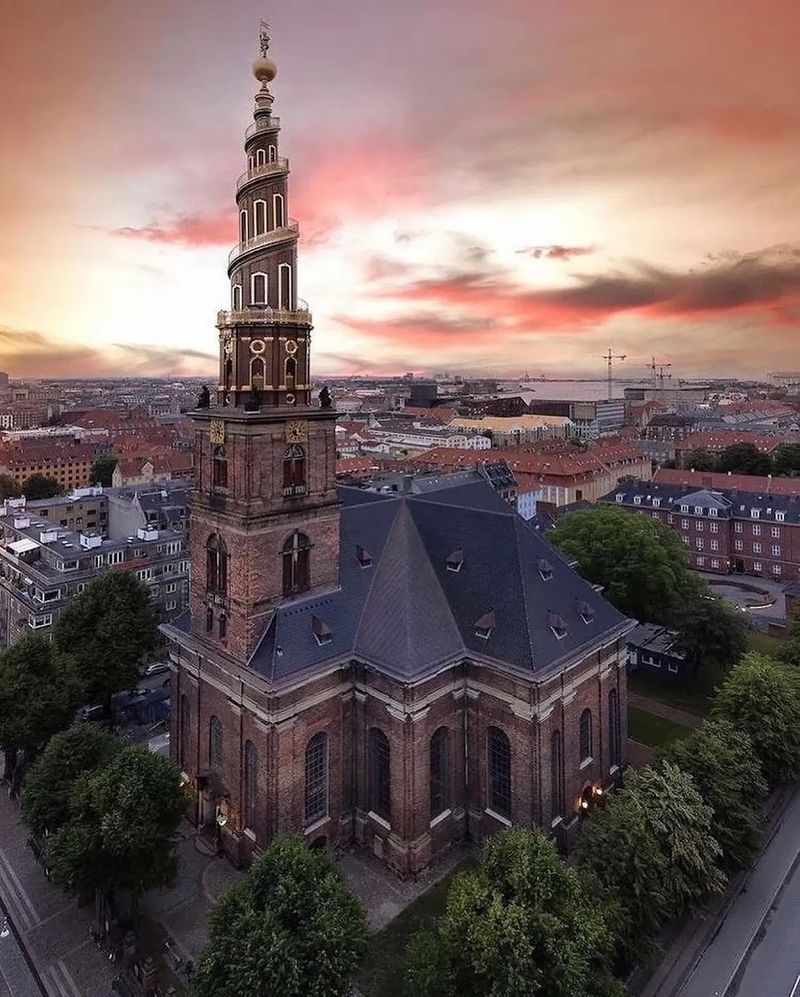
Copenhagen is proof that a city does not need ancient ruins or imperial palaces to be genuinely beautiful. It appeared in the wider top 20 of the ranking by being something rarer: a city that actually looks like a great place to live, not just visit.
Nyhavn is the city’s most famous view, with its row of brightly painted 17th-century harbor houses reflected in the canal. Tourists love it, locals love it, and it is still somehow not overrated.
Beyond Nyhavn, Copenhagen offers modern waterfront architecture, clean Scandinavian design, and streets scaled perfectly for humans rather than cars.
The city does not try to overwhelm you. It just quietly offers colorful facades, excellent coffee, cycling lanes, and architecture that feels thoughtfully human.
Copenhagen is beautiful because it is livable. That combination of historic charm and modern design intelligence is harder to achieve than it looks, and Copenhagen makes it look effortless.
Amsterdam, Netherlands
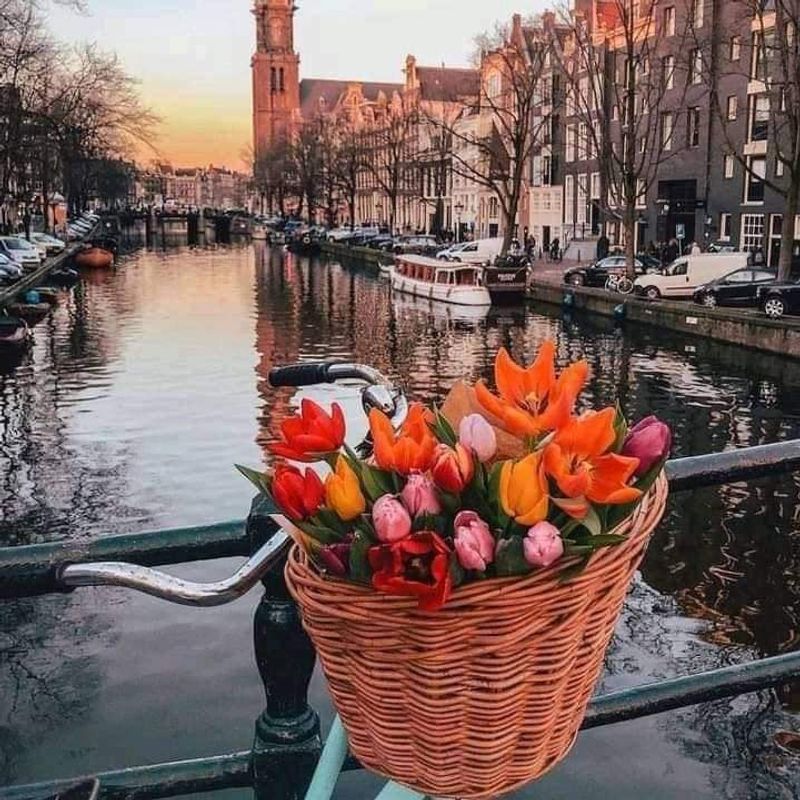
Amsterdam’s canal ring is one of the most recognized urban landscapes in the world, and the city earned its spot in the wider top 20 of the beauty study without breaking a sweat. Few cities have turned a drainage problem into a UNESCO World Heritage Site quite so successfully.
The 17th-century canal district is rhythmic in a way that is hard to explain without seeing it. Canal, bridge, narrow house, leaning slightly forward, tree, reflection.
Then it repeats. The pattern feels calm and deeply pleasing in a way that makes you want to slow down and just look.
Amsterdam is not built for monuments. Its architecture is domestic, coherent, and wonderfully human-scaled.
The city is especially beautiful in soft morning light or in the evening when windows glow warmly along the water. That everyday visual harmony is what makes Amsterdam genuinely memorable long after you have scrolled past a thousand photos of it.
Berlin, Germany
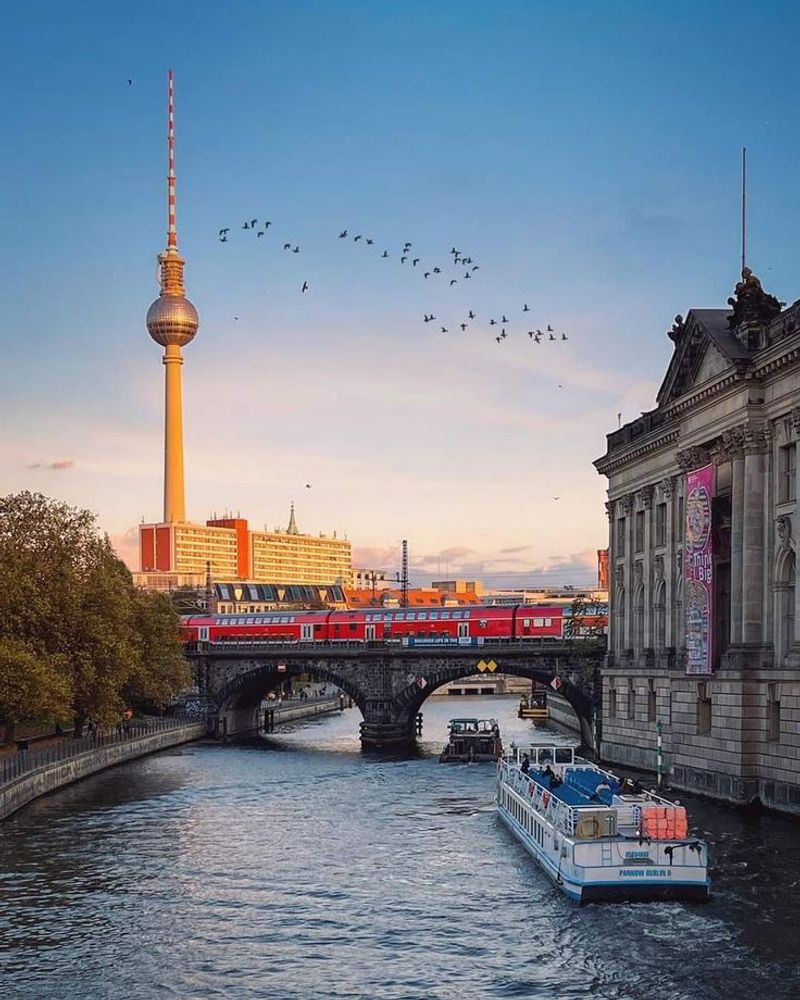
Berlin on a list of beautiful cities? Some people will raise an eyebrow, and that reaction is exactly what makes Berlin interesting.
This is not a city that does beauty conventionally. It does beauty honestly, which is a completely different and arguably more impressive thing.
Imperial architecture, modern glass towers, sprawling museums, sobering memorials, and raw creative neighborhoods all share the same city without any of them apologizing for being there. Museum Island, a UNESCO World Heritage Site, anchors Berlin’s architectural credibility with five world-class museums on a single island in the Spree River.
Berlin’s beauty is layered, sometimes imperfect, and always complicated by history. The city was damaged, divided, rebuilt, and reinvented in ways that left visible marks everywhere you look.
Rather than hiding those layers, Berlin wears them openly. The result is a city with more visual stories per square mile than almost anywhere else in Europe.
Istanbul, Türkiye
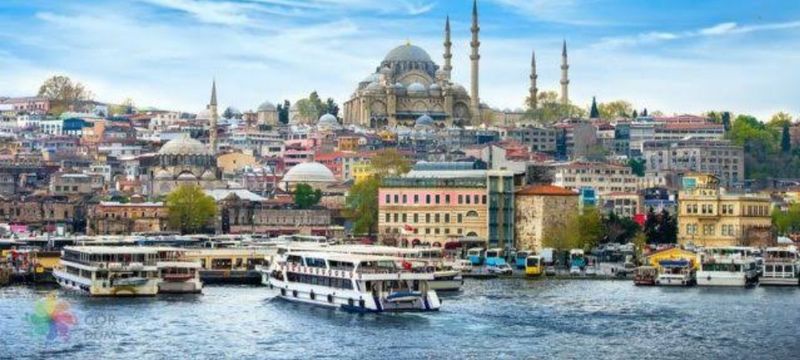
Istanbul does not just straddle two continents. It straddles two thousand years of history while somehow keeping everything upright and visually spectacular.
Its historic areas appeared among the wider contenders in the ranking, and honestly, no city on this list has a more dramatic skyline.
Hagia Sophia, the Blue Mosque, Topkapi Palace, the Suleymaniye Mosque, and the city’s ancient Byzantine walls all rise above a setting that the Bosphorus makes genuinely unfair to compete with. The strait connecting Europe and Asia gives Istanbul a geographic stage that most cities could only dream about.
Istanbul’s beauty is alive in a way that static, museum-like cities are not. Domes, minarets, markets, steep hills, and ferries crossing the water all contribute to a layered urban landscape that shifts depending on the light, the hour, and which neighborhood you happen to be wandering through.
It is theatrical, layered, and absolutely impossible to reduce to a single postcard.
Share this story