Hollywood has always had a complicated relationship with controversy. Some stars were punished for their politics, others for their personal lives, and a few simply for being too honest at the wrong moment.
The stories behind these 15 celebrities reveal just how quickly the entertainment industry can turn on its own. Buckle up, because some of these tales are wild, surprising, and more than a little unfair.
Charlie Chaplin
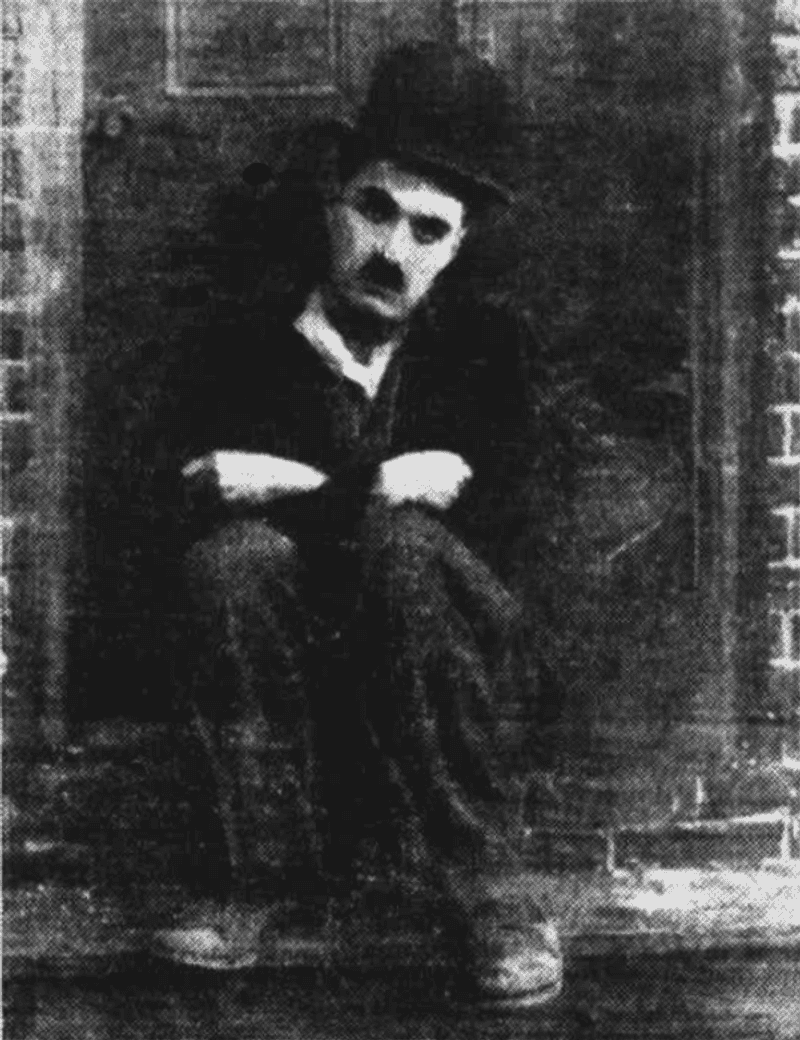
Charlie Chaplin was, for a time, the most famous man on Earth. That is not an exaggeration.
His Little Tramp character was recognized in countries where people had never even heard of Hollywood. Then the Red Scare arrived and changed everything.
During the early 1950s, Chaplin’s refusal to become a U.S. citizen, combined with his left-leaning politics and messy personal life, made him a target for government scrutiny. When he sailed to London for the premiere of Limelight in 1952, U.S. officials revoked his reentry permit.
He never permanently returned to America.
The cruel irony is that Chaplin had not changed. The country around him had.
A man who made the world laugh was suddenly treated like a threat to national security. He eventually received an honorary Oscar in 1972, which felt like the world’s most belated apology wrapped in a gold statuette.
Elvis Presley
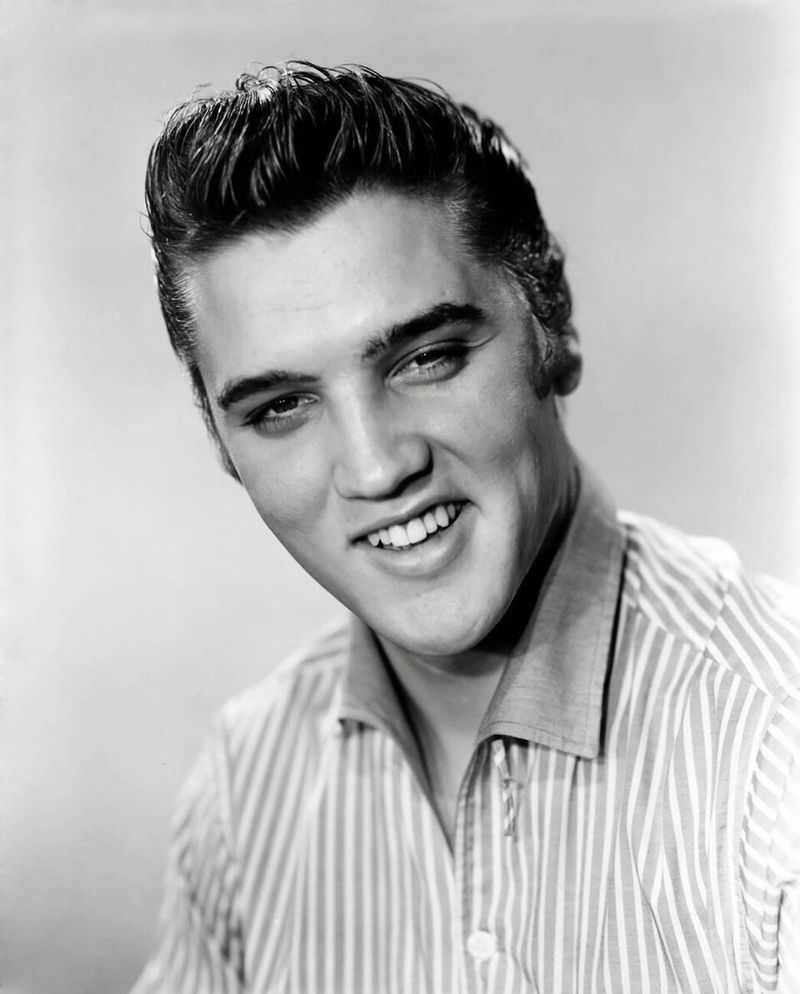
Nothing says “moral panic” quite like a 21-year-old shaking his hips on television. Elvis Presley arrived on American screens in the mid-1950s and immediately caused adults to question the very fabric of society.
Parents clutched their pearls. Teenagers screamed their lungs out.
Everyone had opinions.
The Ed Sullivan Show famously solved the controversy the only way television executives knew how: they filmed Elvis exclusively from the waist up during his third appearance. Crisis averted, apparently.
The kids at home still lost their minds, which probably tells you something about the effectiveness of that strategy.
Looking back now, the panic feels almost quaint. The hip movements that scandalized a generation became the blueprint for virtually every pop performance that followed.
Elvis did not just survive the controversy. He rewrote the rulebook so thoroughly that what was once “too dangerous” became the gold standard of showmanship for decades to come.
Eartha Kitt
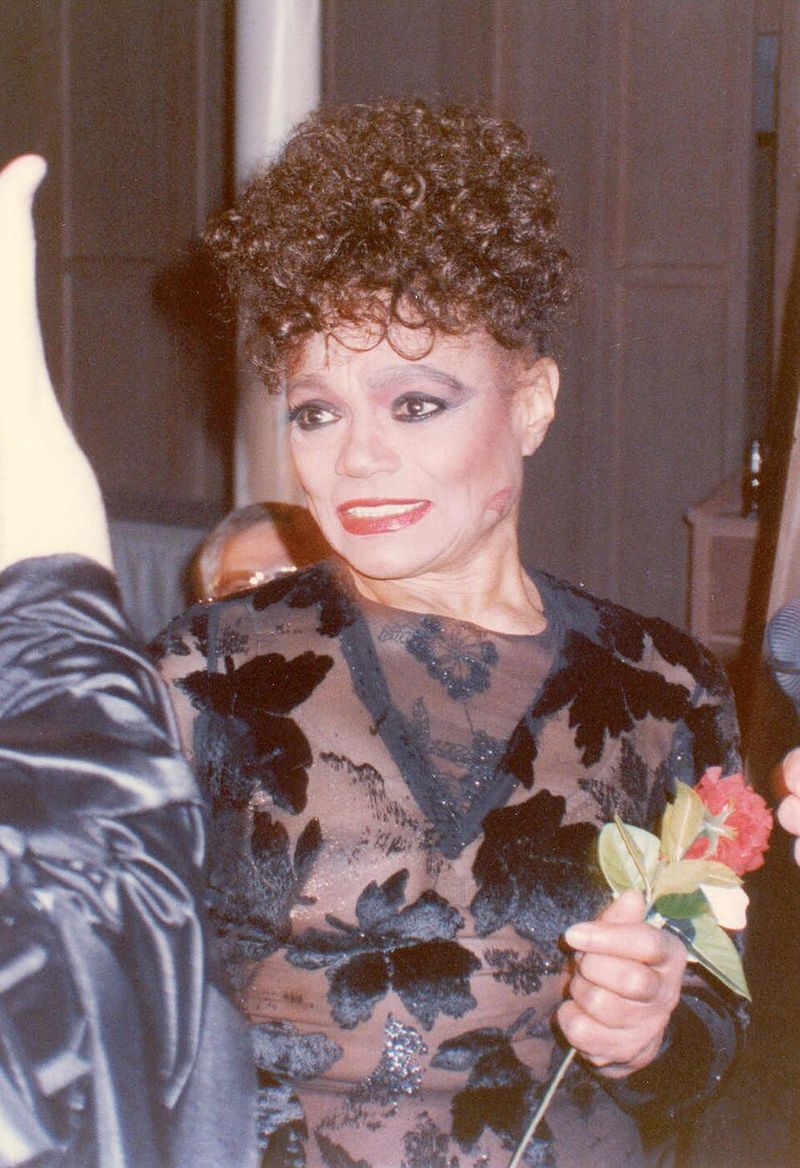
Eartha Kitt walked into a White House luncheon in 1968 and, with one speech, changed the trajectory of her American career forever. Most guests at Lady Bird Johnson’s gathering stuck to polite conversation.
Kitt used her seat at the table to speak out against the Vietnam War. Loudly.
Clearly. Without apology.
The backlash was immediate. Reports suggest the CIA compiled a file on her, and she was effectively blacklisted from major American entertainment for years.
Kitt eventually rebuilt her career in Europe, where audiences were considerably less bothered by a performer having political opinions.
Her story is a masterclass in how the entertainment industry punishes inconvenient truth-telling. She did not commit a crime or behave badly on set.
She spoke her mind in a room full of powerful people who preferred silence. Later generations largely came to see that moment as an act of remarkable moral courage rather than career sabotage.
Mae West
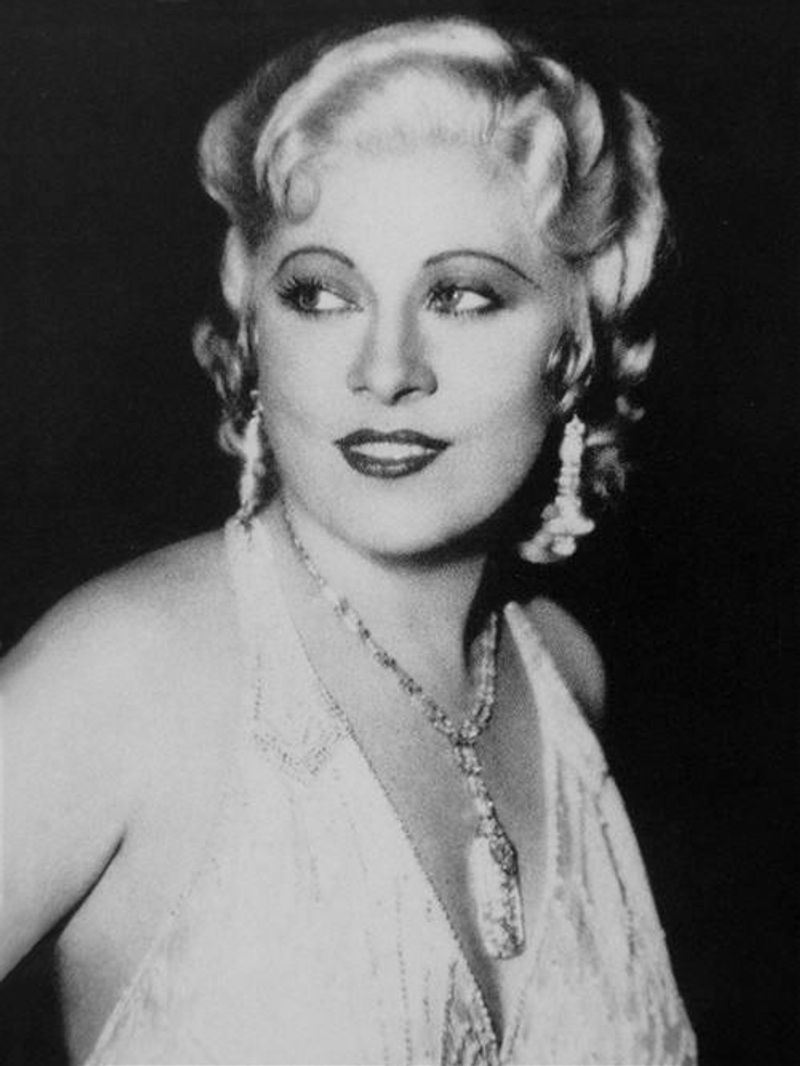
Long before anyone coined the phrase “sex sells,” Mae West had already built a career on it and was charging interest. Her sharp wit and suggestive one-liners made her one of Hollywood’s biggest box-office draws in the 1930s.
Audiences loved her. Moral watchdogs?
Not so much.
West’s double entendres were so effective that censors practically developed a twitch just hearing her name. After a famously provocative 1937 radio appearance, she was labeled an “unfit” personality and quietly banned from network radio for years.
That is a remarkable punishment for someone who was basically just very good at wordplay.
What makes her story genuinely fascinating is that the scandal was the brand. Every attempt to silence her only made her more iconic.
She helped redefine what a female star could get away with on screen, and she did it all with a smirk and a perfectly timed pause.
Jane Fonda
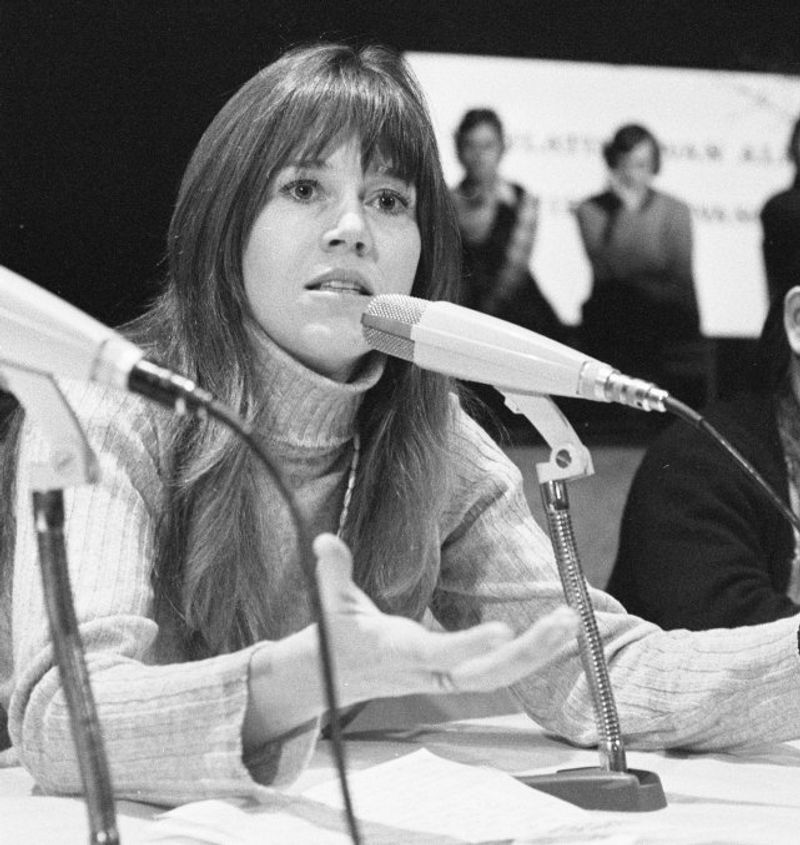
Few celebrity controversies have had the staying power of Jane Fonda’s 1972 trip to North Vietnam. The visit earned her the nickname “Hanoi Jane” and generated a level of public fury that followed her for literal decades.
Some people never forgave her. Some still have not.
The most damaging moment was a photograph of Fonda sitting on a North Vietnamese anti-aircraft gun. She has addressed it many times over the years, calling it a terrible mistake while defending her opposition to the war itself.
That nuance, however, rarely made the headlines that the original image did.
For a long stretch, Fonda was not simply a controversial actress. She was a symbol.
Her career continued because her talent was undeniable, but the controversy clung to her in a way that few Hollywood scandals ever manage. It is a reminder that a single photograph, taken in a single moment, can define a public image for generations.
Lenny Bruce
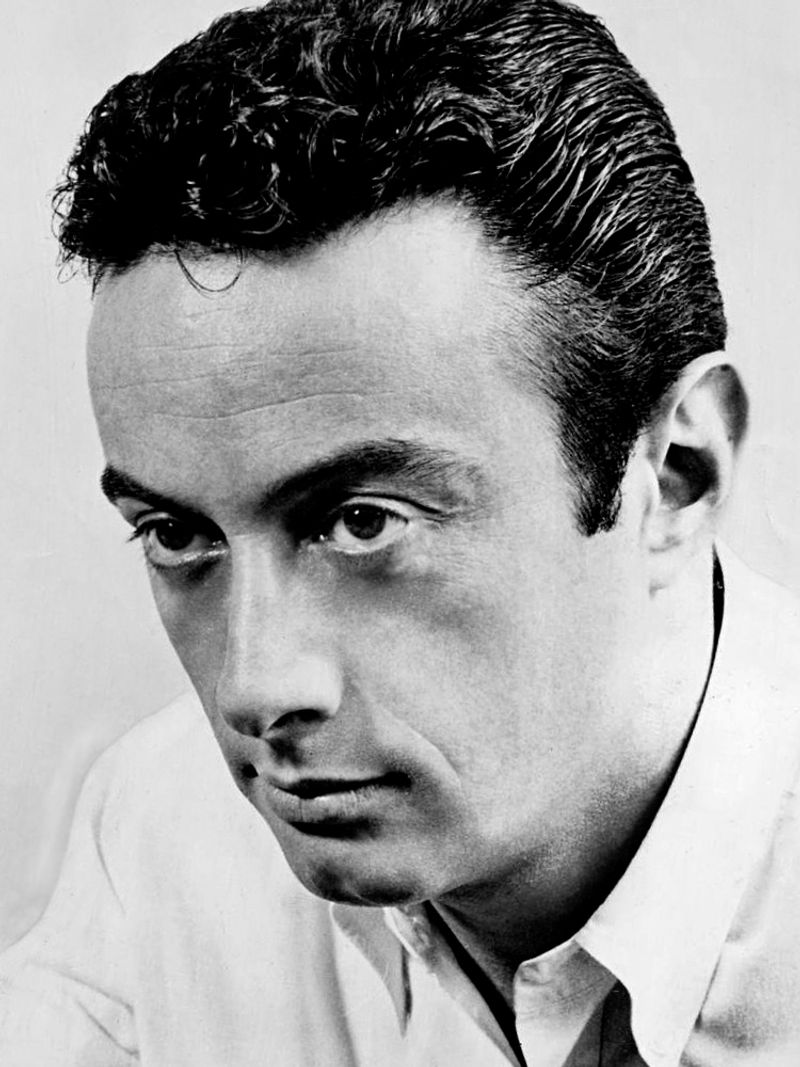
Lenny Bruce was not technically a movie star, but he was one of the most important entertainment figures of his era, and his entire career was essentially one long argument with authority. His comedy targeted religion, race, politics, and hypocrisy with a precision that made audiences roar and made law enforcement reach for their handcuffs.
Between 1961 and 1964, Bruce was arrested multiple times on obscenity charges across different American cities. Venues stopped booking him.
His ability to perform was legally restricted. The establishment treated him less like a comedian and more like a public health hazard.
History has been considerably kinder. Bruce is now widely recognized as a free-speech pioneer whose work cleared a path for generations of boundary-pushing comedians.
He was posthumously pardoned in New York in 2003, which is the government’s way of saying “our bad” about forty years too late. Better late than never, I suppose.
Madonna
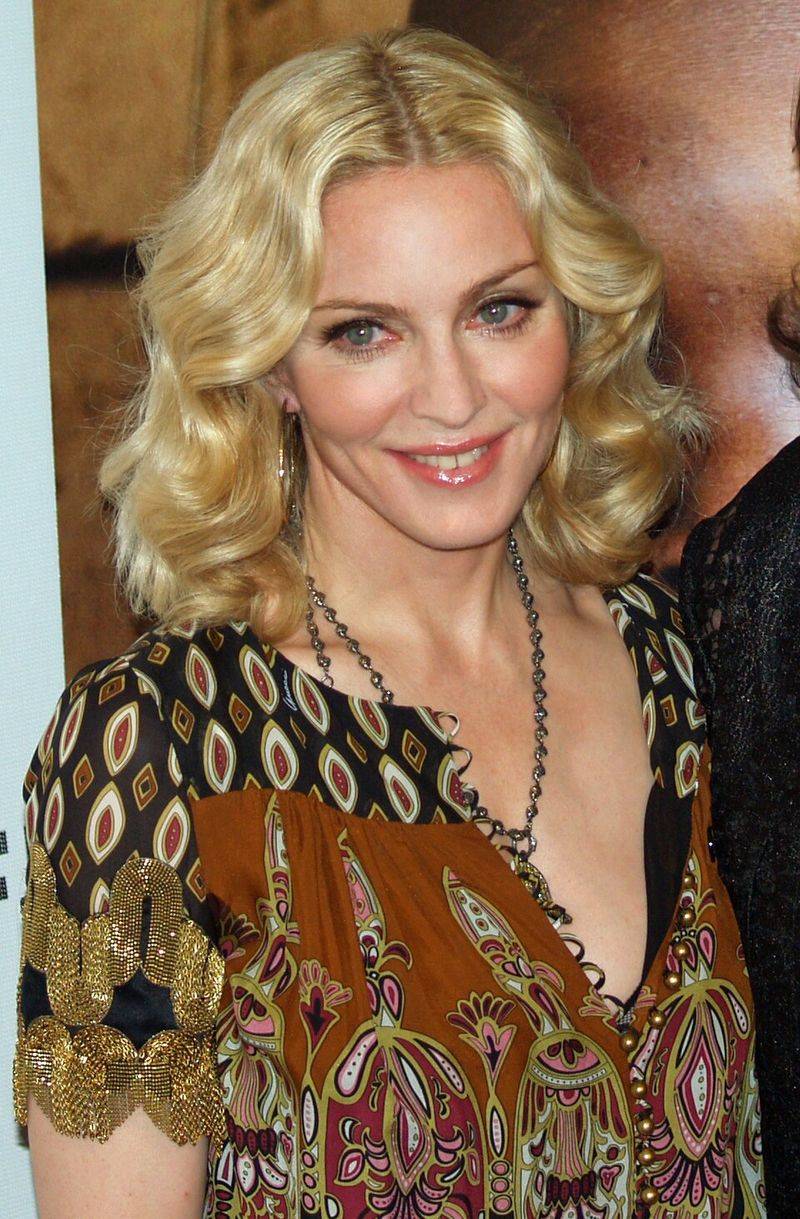
Madonna understood controversy the way a chess grandmaster understands the board. She did not stumble into it.
She planned it, executed it, and then monetized it. Still, even she underestimated the reaction to the Like a Prayer video in 1989.
The video combined burning crosses, religious imagery, stigmata, and an interracial romance in a way that sent conservative groups into full meltdown mode. The Vatican condemned it.
Pepsi, which had just signed a major ad deal with Madonna, pulled the campaign almost immediately after the backlash erupted. That was a very expensive music video for a very nervous soft-drink company.
For most artists, that level of religious and corporate pushback would have been career-threatening. For Madonna, it became mythology.
She proved that controversy, handled with enough confidence, does not just survive public outrage. It compounds interest.
The scandal made her more discussed, more analyzed, and ultimately more enduring than a politely received video ever could have.
Sinead O’Connor
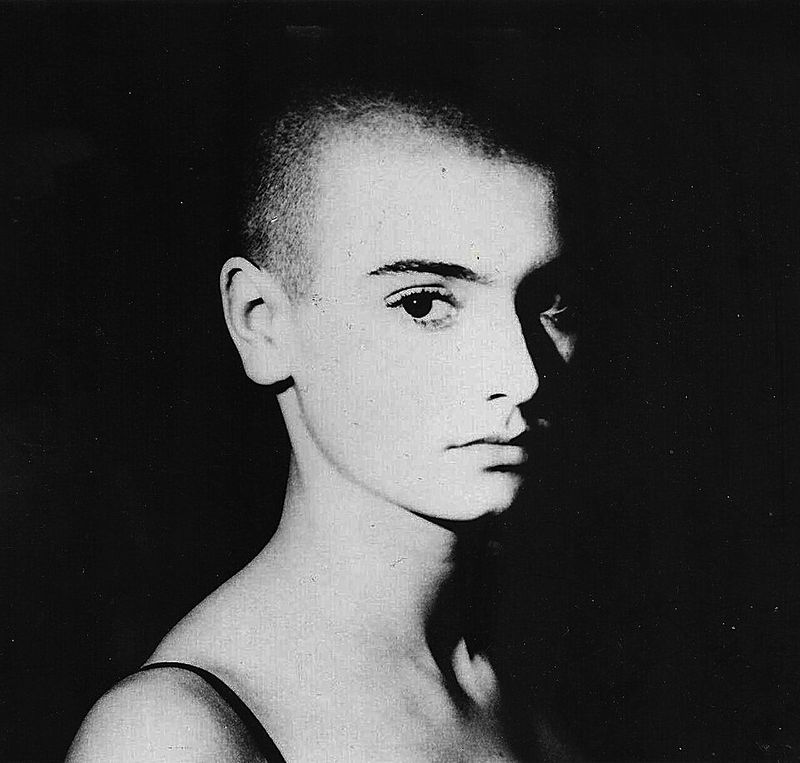
On October 3, 1992, Sinead O’Connor performed on Saturday Night Live and ended her set by tearing a photograph of Pope John Paul II in half on live television. The room went silent.
NBC’s phone lines did not. The backlash that followed was swift, brutal, and, for a time, career-ending in America.
She was booed at a Bob Dylan tribute concert just weeks later. Radio stations pulled her music.
Her name became shorthand for “unstable” in entertainment circles, which is a particularly cruel label for someone who was protesting child abuse within the Catholic Church.
The reassessment came slowly, then all at once. As the Church’s abuse scandals became undeniable global news, people began revisiting that SNL moment with very different eyes.
O’Connor had not been reckless. She had been early.
The world simply was not ready to hear what she was trying to say, and it punished her harshly for the timing.
Janet Jackson
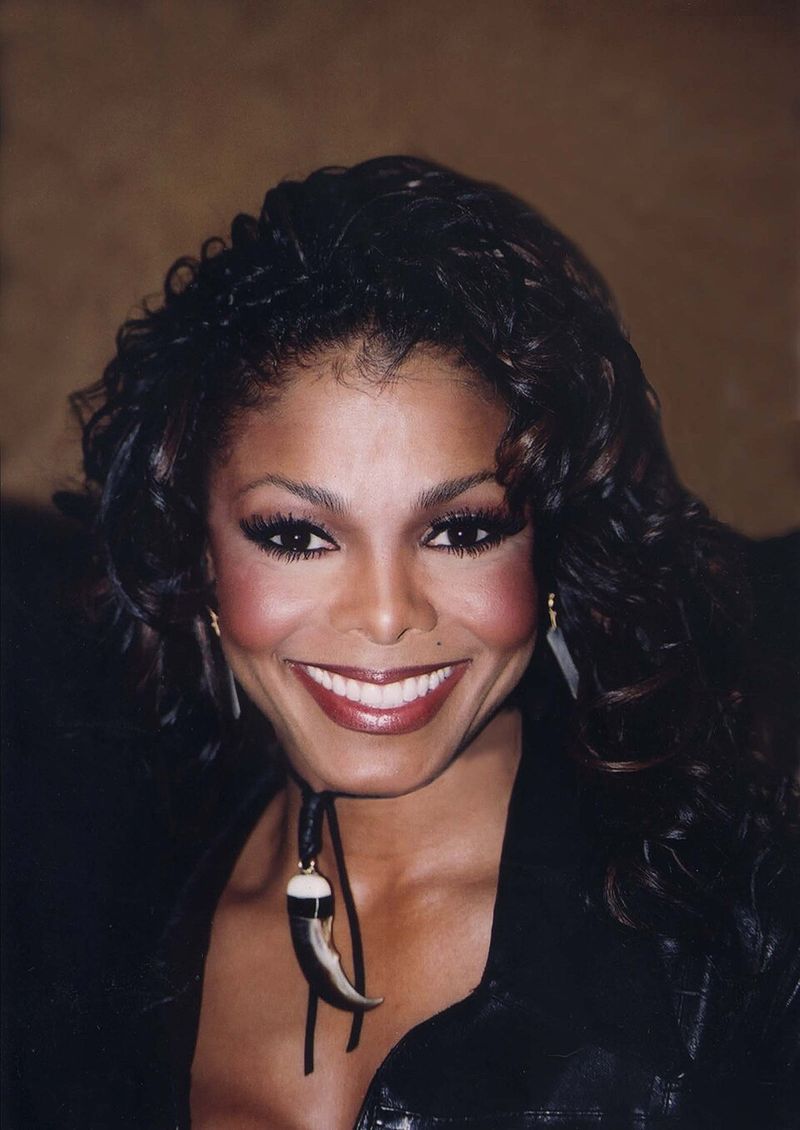
Janet Jackson had already spent two decades proving she was one of pop music’s most consistent stars before the 2004 Super Bowl halftime show. Then came the moment television executives still refer to with a wince: the wardrobe malfunction heard around the world.
What followed was astonishing in its lopsidedness. Jackson’s music was reportedly pulled from playlists at major media outlets.
Her planned Grammy appearance was canceled. Her career momentum stalled in a way that felt deeply disproportionate to an accidental costume failure during a live performance.
Meanwhile, Justin Timberlake, who was sharing the stage, emerged largely unscathed. His career accelerated.
Jackson’s did not. The contrast became a defining example in discussions about how the entertainment industry applies its standards very differently depending on who is standing in the spotlight.
For years, she was treated as too risky for mainstream broadcast, despite being one of pop’s most accomplished performers.
Robert Downey Jr.
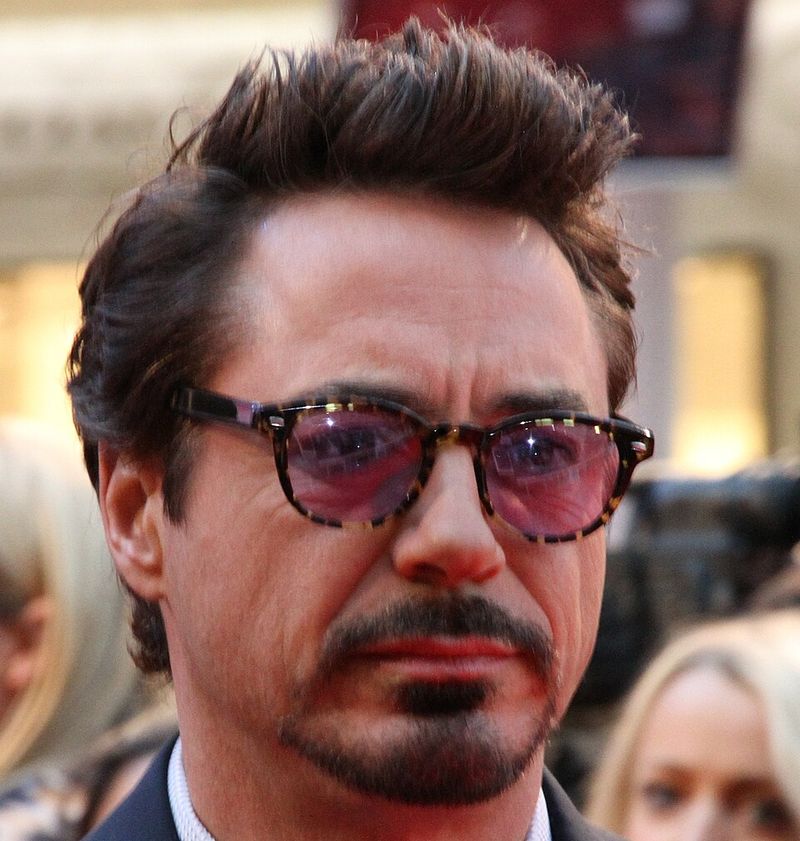
Before Robert Downey Jr. became the beating heart of a billion-dollar franchise, he was the actor studios were afraid to insure. His string of legal troubles and substance-abuse struggles through the 1990s and early 2000s made him, in the eyes of Hollywood risk managers, a very expensive gamble.
The talent was never in question. Directors who worked with him raved about his instincts.
Co-stars loved him. But love does not cover the insurance premiums when a lead actor has an unpredictable track record, and studios were understandably cautious about writing those checks.
Then Iron Man happened in 2008, and the math changed completely. Downey did not just return.
He became the defining face of the most commercially successful film franchise in history. His comeback story is now so beloved that Hollywood practically uses it as a template.
It also raises the question of how many talented people never got a second chance simply because their comeback was not profitable enough to justify the risk.
Winona Ryder
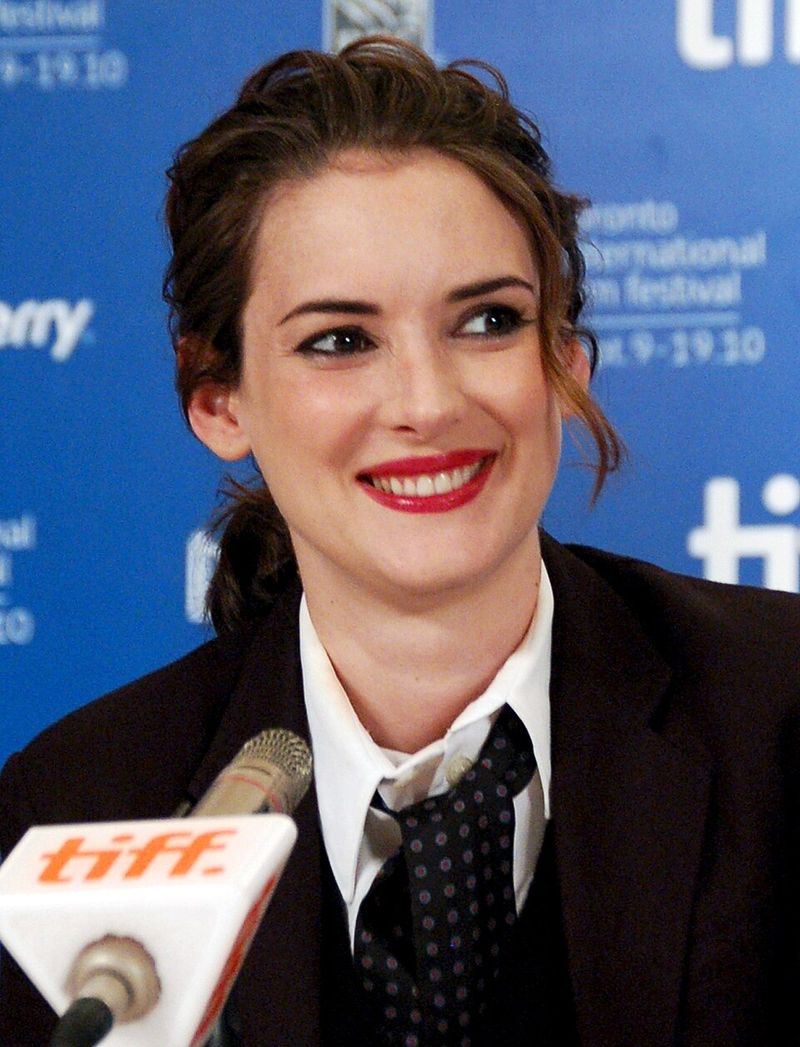
Winona Ryder spent the late 1980s and 1990s collecting some of the most memorable roles in American cinema. Beetlejuice.
Edward Scissorhands. Little Women.
Reality Bites. Then 2001 arrived and a shoplifting arrest at Saks Fifth Avenue became the only story anyone wanted to tell about her.
The tabloid coverage was relentless and, frankly, outsized. Ryder was convicted, sentenced to community service and probation, and then watched as the entertainment industry quietly distanced itself from her name.
She has spoken openly about stepping away from Hollywood during that period, describing it as genuinely disorienting.
Her return through Stranger Things was one of those genuinely satisfying moments where audiences got to remember why they loved someone in the first place. One arrest does not cancel a career’s worth of remarkable performances, even if Hollywood briefly acted like it did.
She came back, and she came back strong, which is honestly the most Winona Ryder thing imaginable.
Katherine Heigl
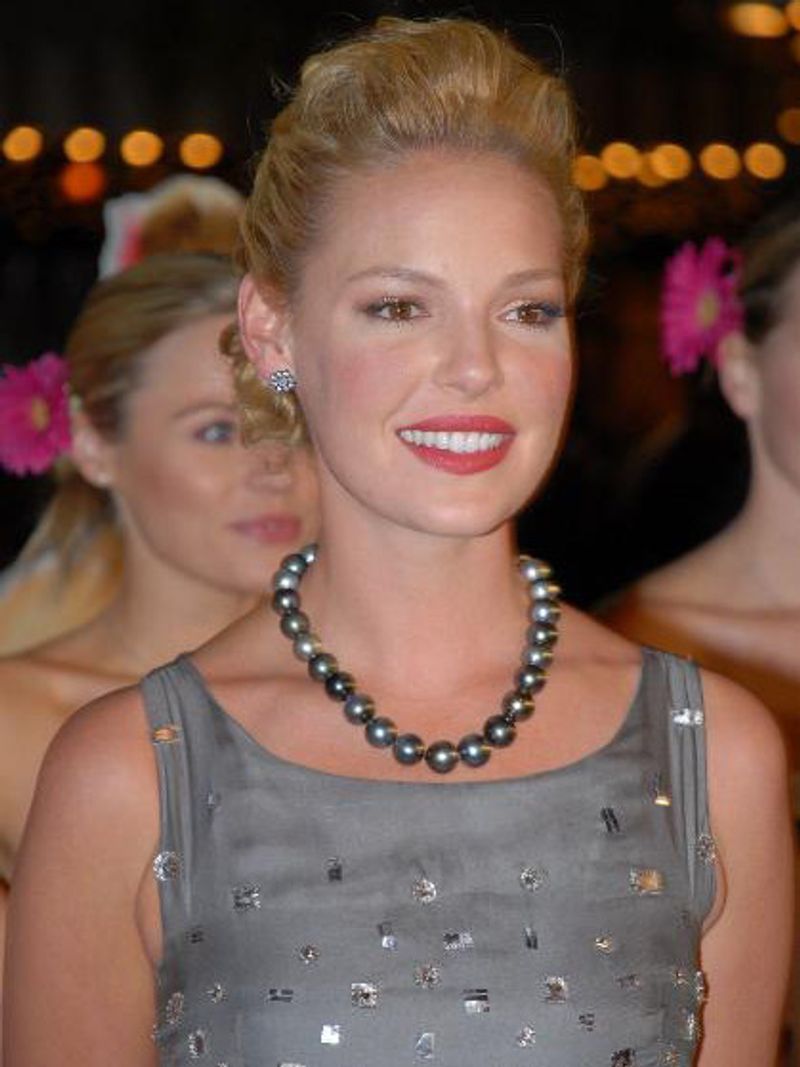
Katherine Heigl’s controversy had no arrests, no scandals, and no dramatic public meltdowns. Her offense, according to Hollywood’s unofficial rulebook, was being too honest.
That turns out to be more than enough to get a reputation in this industry.
After publicly criticizing Knocked Up for how it portrayed women and declining to submit herself for Emmy consideration for Grey’s Anatomy, calling the material not strong enough to merit a nomination, she developed the dreaded “difficult” label. Work slowed.
Opportunities dried up. The industry made its feelings known through scheduling rather than statements.
The debate around Heigl has become a case study in double standards. Male stars who speak candidly about their projects are rarely branded difficult.
Female stars who do the same often find their phones going suspiciously quiet. In later interviews, Heigl has reflected on that period with remarkable honesty, acknowledging missteps while also questioning whether the punishment ever really fit the crime.
Megan Fox

Megan Fox’s post-Transformers career trajectory is one of the more instructive cautionary tales about how Hollywood treats young women who speak their minds. After the first two films made her a household name, Fox compared director Michael Bay to Hitler in a 2009 interview.
The comment landed like a grenade in a very small room.
She did not return for the third Transformers film. For years, she was discussed primarily in terms of what she had done wrong rather than what she had done well.
The “ungrateful” label stuck with a persistence that felt disproportionate to an admittedly clumsy interview comment.
Time has shifted the conversation considerably. Critics and audiences have revisited how young female stars of the 2000s were discussed, packaged, and discarded, and Fox’s experience features prominently in that reassessment.
She has spoken candidly in recent years about the treatment she received, and a lot of people are now listening in a way they were not back then.
Will Smith
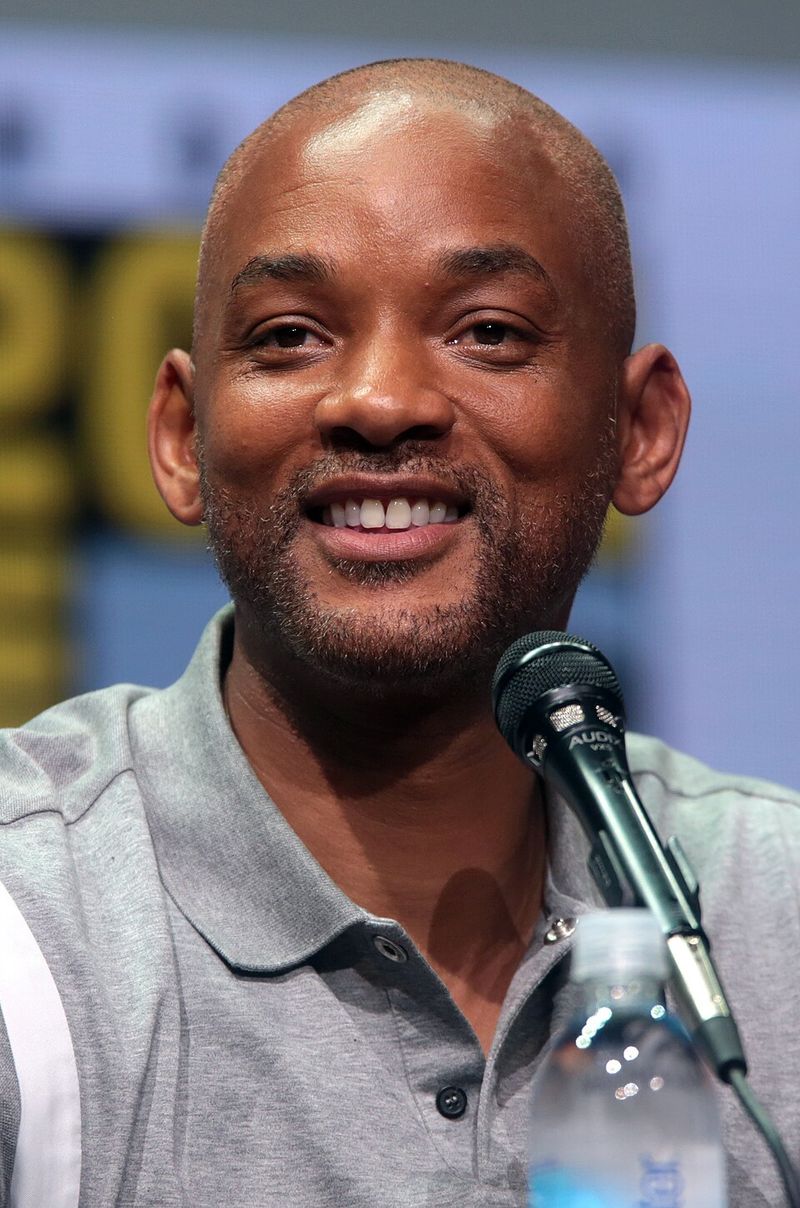
For three decades, Will Smith was Hollywood’s most reliable feel-good export. Charming without being smug.
Bankable without being boring. The kind of star studios built campaigns around because he felt safe.
Then the 2022 Oscars happened in about four seconds of live television.
After Chris Rock made a joke about Jada Pinkett Smith’s shaved head, Smith walked calmly onto the stage and slapped him. In front of the entire world.
With the cameras rolling. The audience gasped.
Social media combusted. Smith then returned to his seat, won Best Actor shortly after, and gave a tearful speech.
It was a genuinely surreal evening.
Smith resigned from the Academy, issued apologies, and was banned from attending Oscars events for ten years. His image, so carefully constructed over decades, shifted overnight.
He was no longer just the Fresh Prince. He became the center of a sprawling conversation about pressure, ego, and what public accountability actually looks like for someone at the very top.
Lindsay Lohan
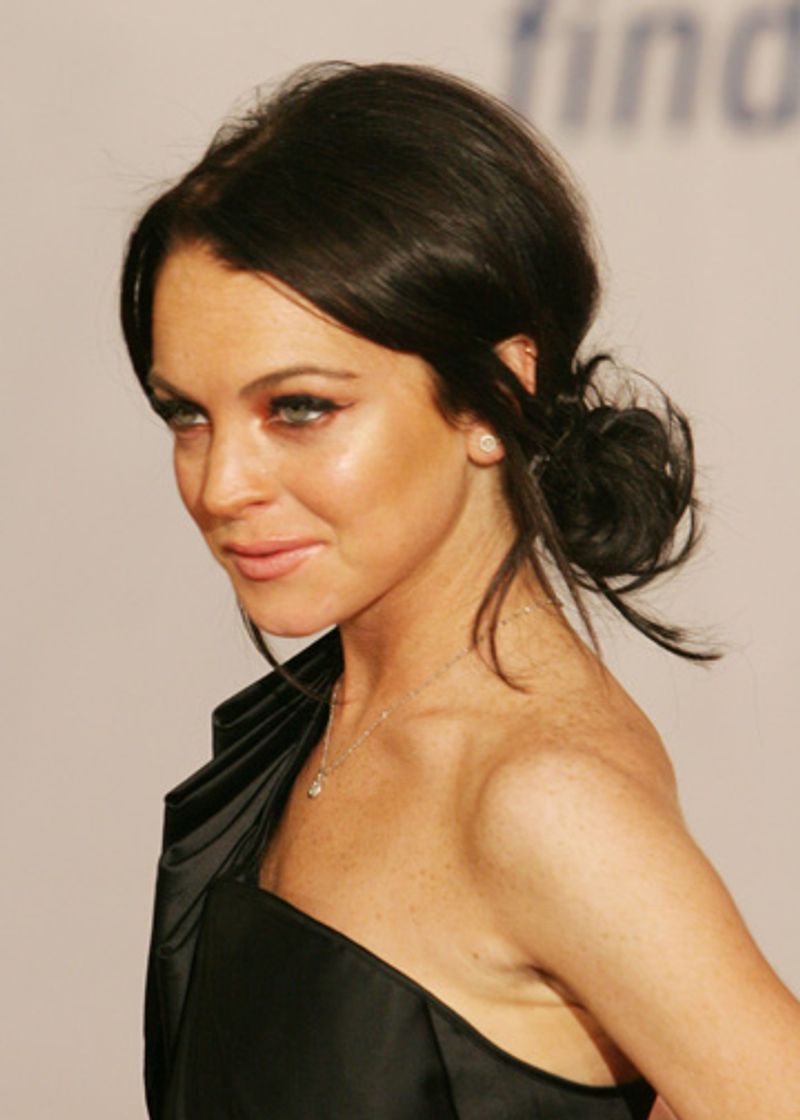
Lindsay Lohan’s career arc reads like a Hollywood cautionary tale that nobody in Hollywood actually learned anything from. She was a genuinely gifted child actress who transitioned into teen stardom with films like Mean Girls, earning real critical respect alongside her commercial success.
Then the 2000s tabloid machine got hold of her story and did not let go.
The coverage of her legal troubles, rehab stints, and missed work obligations was relentless and frequently cruel. Studios stopped hiring her not just because of behavior concerns but because insuring her became complicated.
The conversation shifted entirely away from her talent and toward her chaos, which was exactly what the tabloids wanted.
Her eventual return through Netflix films and the Beetlejuice Beetlejuice legacy project reminded audiences that affection for her never fully disappeared. But during her most turbulent years, she became a cautionary symbol rather than a celebrated performer.
Hollywood built her up young, watched her struggle, and then used her story as a warning label for everyone else.
Share this story