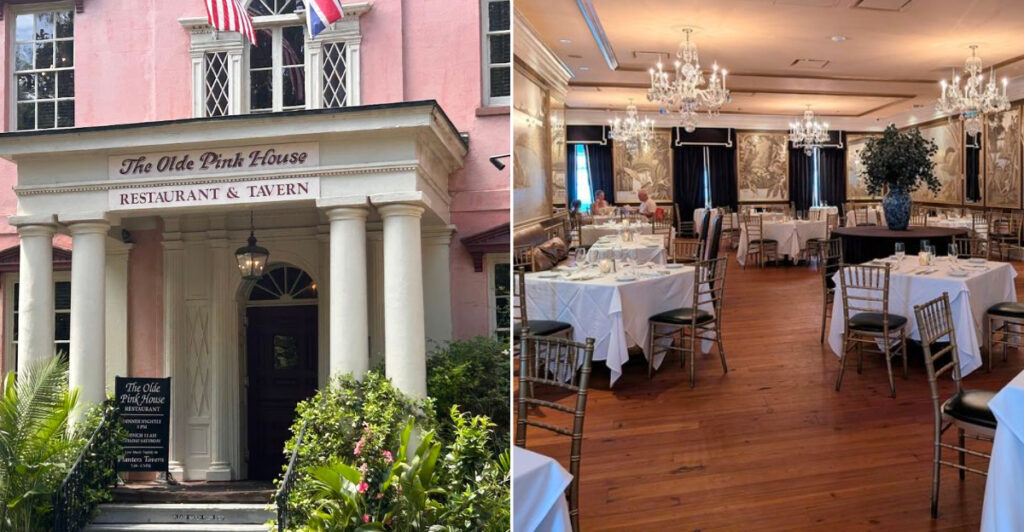
Savannah, Georgia has no shortage of history, but there is one address where the past and the present sit down at the same table and share a meal. A blush-colored Colonial mansion on one of the city’s most storied squares has been drawing curious travelers and devoted locals for decades, not just for what is on the plate, but for the entire world it creates around you the moment you walk through the door.
The building itself is more than 250 years old, and the restaurant inside has made it one of the most talked-about dining destinations in the entire South. This is the kind of place where you book your reservation two months out, arrive early just to take it all in, and leave already planning your next visit.
A Building That Has Outlasted Empires
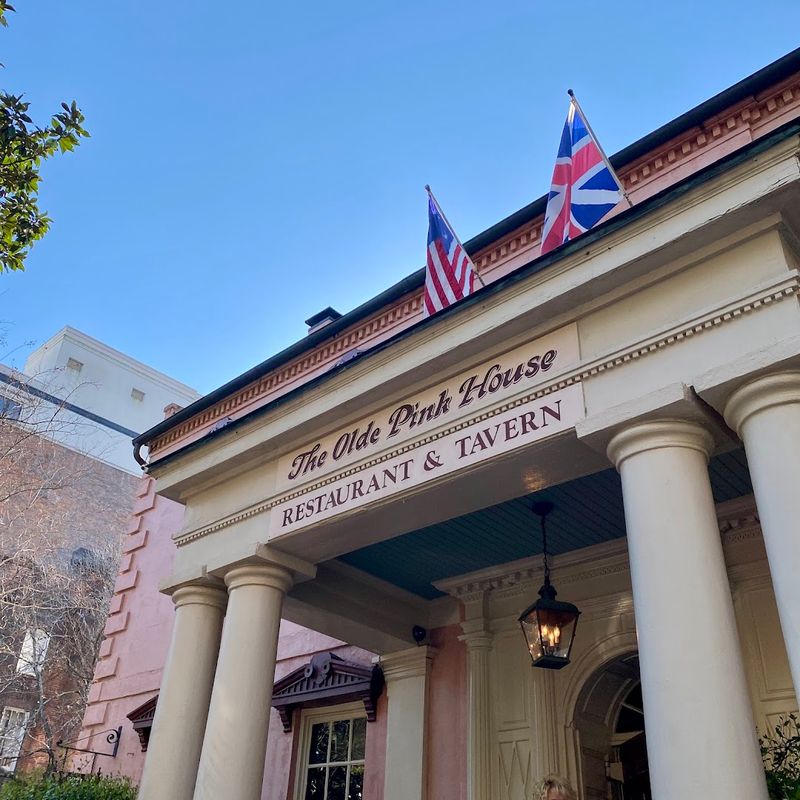
Built in 1771, the structure that houses this restaurant has survived the American Revolution, the Civil War, and more than two centuries of coastal Georgia weather. That kind of resilience is written into every floorboard and every plaster wall.
James Habersham Jr. was a merchant and planter whose family played a central role in Georgia’s colonial economy. The mansion he built reflected that status, with high ceilings, formal rooms, and craftsmanship that was considered exceptional even by the standards of the time.
Over the years, the property changed hands many times, serving as a bank, a private club, and eventually the beloved restaurant it is today. Each chapter of its life left a mark, and those layers of history are part of what makes dining here feel so different from anywhere else.
The building is not just a backdrop; it is very much a part of the story being told at every table.
Thirteen Rooms, Each With Its Own Character
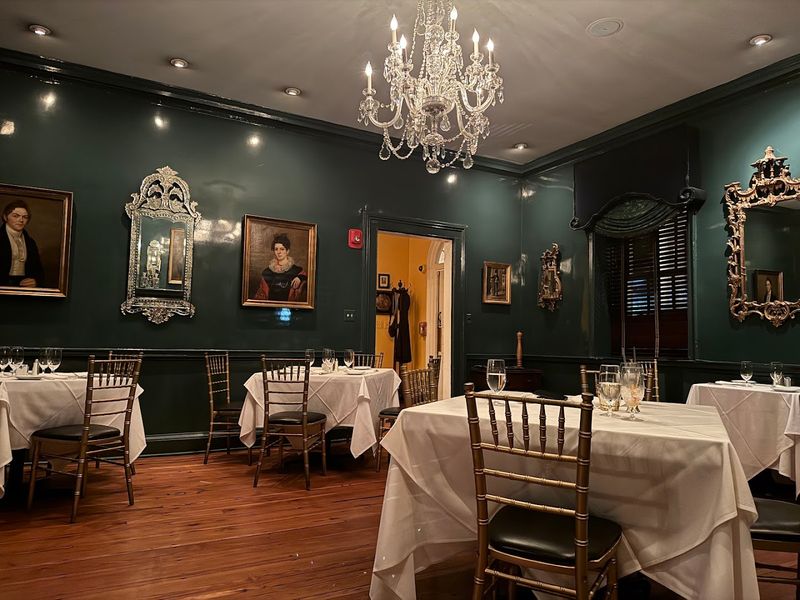
One of the most surprising things about dining here is the sheer scale of the interior. The mansion contains 13 individual rooms, giving the restaurant a capacity that many historic properties simply cannot match without sacrificing atmosphere.
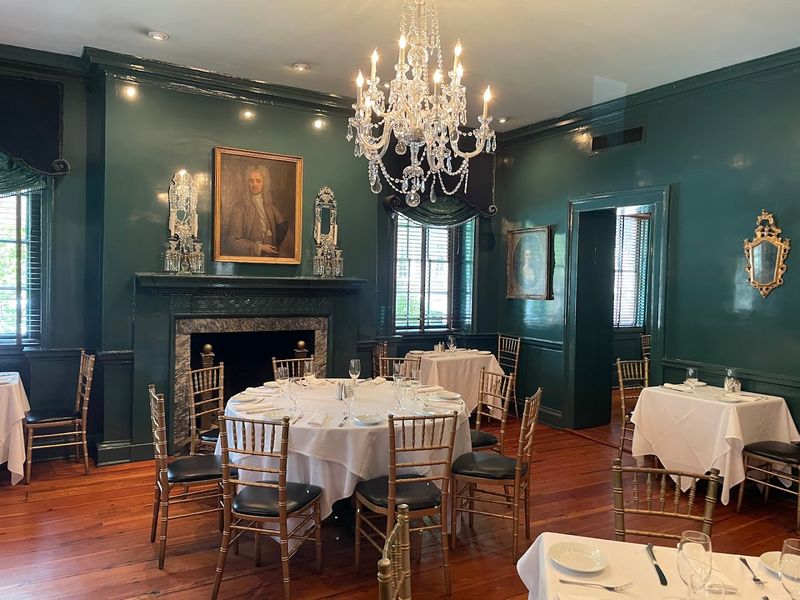
Each room carries its own personality. Some are smaller and more intimate, with low ceilings and walls lined with period portraits.
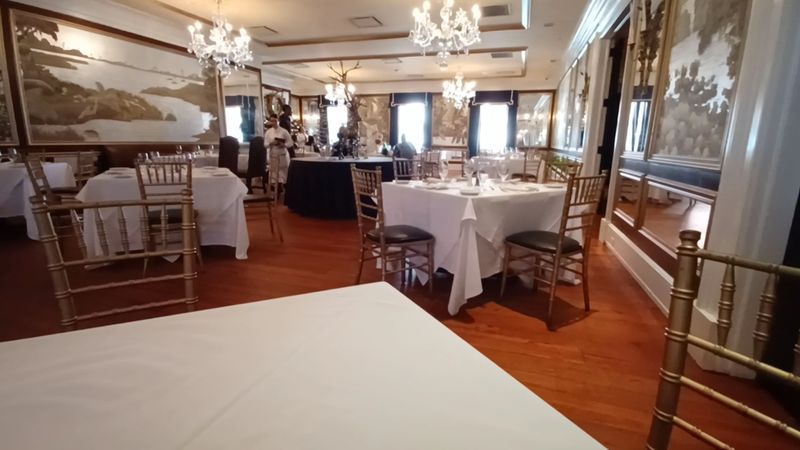
Others are grander, with tall windows that frame views of the square outside. White tablecloths are standard throughout, and the overall presentation is firmly in fine-dining territory.
Large groups can be accommodated without the space feeling crowded, which is a genuine rarity for a building of this age and style. The layout encourages guests to wander a bit before or after their meal, and many do exactly that.
There is always something new to notice in a corner or above a doorframe, and the staff is genuinely happy to answer questions about what you find.
Southern Fine Dining Done With Conviction
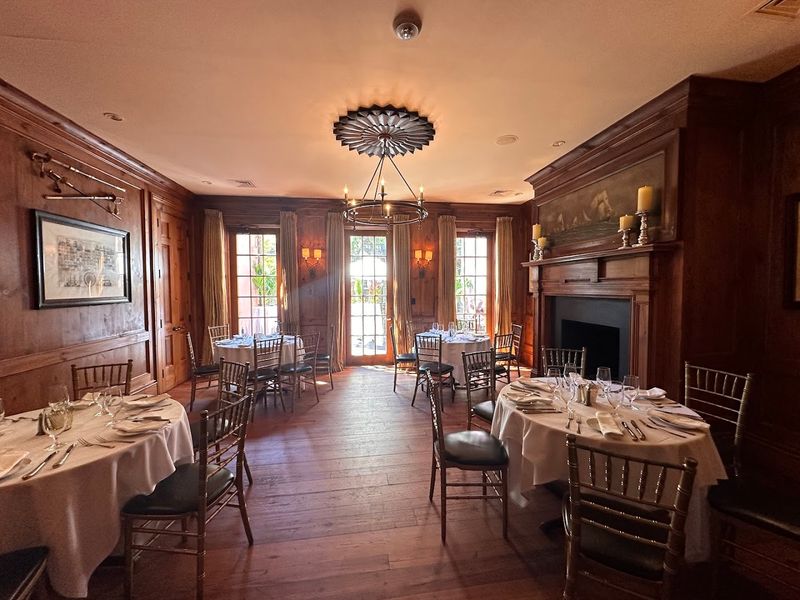
The menu at this restaurant is rooted firmly in Southern culinary tradition, but it does not treat that tradition as a limitation. The kitchen approaches classic regional dishes with genuine craft, elevating familiar ingredients without making them unrecognizable.
The cooking draws on the flavors that define low-country Georgia: coastal seafood, heritage grains, garden vegetables, and preparations that reflect generations of Southern technique. The result is a menu that feels both deeply local and genuinely refined.
Reservations fill up fast, and that is not an exaggeration. Diners have reported booking tables nearly two months in advance for special occasions, only to find that lunch slots were already sparse.
That level of demand says something real about the reputation this kitchen has built over the years. The experience is priced accordingly, landing in the higher range for Savannah dining, but the quality of both the setting and the cooking makes that investment feel well-placed.
The Plantation Tavern Downstairs
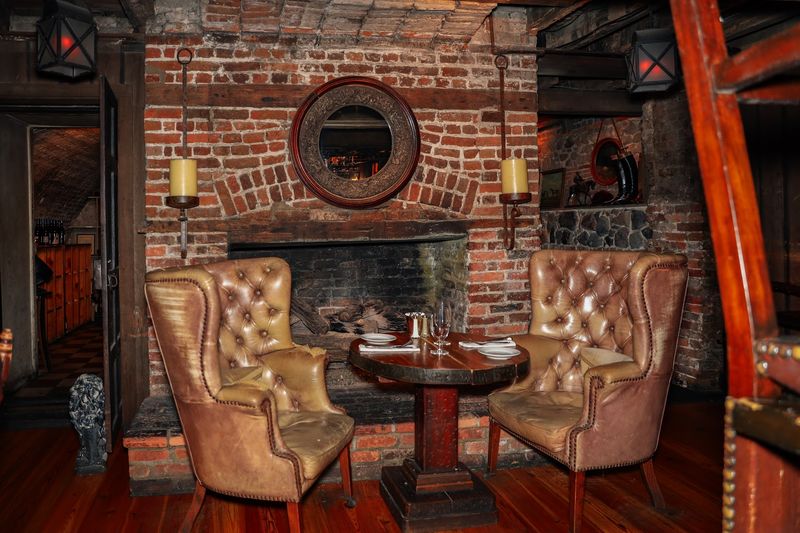
Not every great experience at this address requires a reservation. Below the main dining rooms, the Plantation Tavern operates as a separate, more casual space that welcomes walk-ins on a first-come, first-served basis.
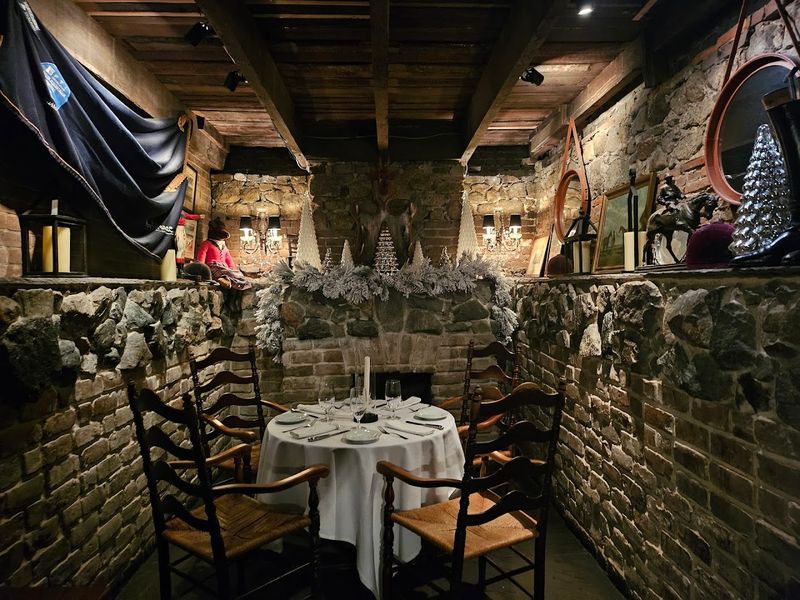
To find it, head to the left of the main entrance and follow the steps down. The tavern has its own distinct energy, with brick walls, lower ceilings, and a bar that becomes the center of activity as the evening progresses.
Live music is a regular feature in this lower level, and the performances add a layer of warmth to what is already a compelling space.
The full menu is available downstairs, so there is no compromise on the food. For travelers who did not plan far enough ahead to secure a table upstairs, the tavern is a genuinely excellent alternative.
More than a few guests have discovered it by accident and ended up considering it the better seat in the house.
The Wallpaper From France and Other Details Worth Noticing
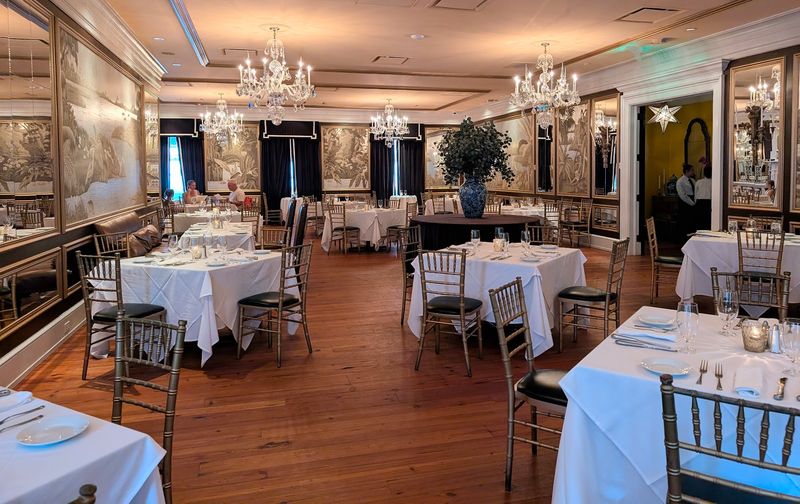
There is a specific kind of pleasure in discovering that a detail you almost overlooked turns out to have a remarkable story behind it. The wallpaper inside the Olde Pink House is one of those details.
It was imported from France, and knowledgeable staff members are happy to share that fact along with many others when guests ask about what surrounds them.
The interior decor throughout the mansion is layered with history. Period portraits hang in the dining rooms.
The wooden floors have been worn smooth by more than two centuries of foot traffic. The architectural proportions of the rooms reflect the Colonial sensibility that valued formality and craftsmanship in equal measure.
Guests who take the time to look around rather than just look at their plates are rewarded with a richer experience. The staff clearly takes pride in the building itself, not just the food, and that enthusiasm for the history of the place is one of the things that sets this restaurant apart.
A Tour That Comes With Dinner
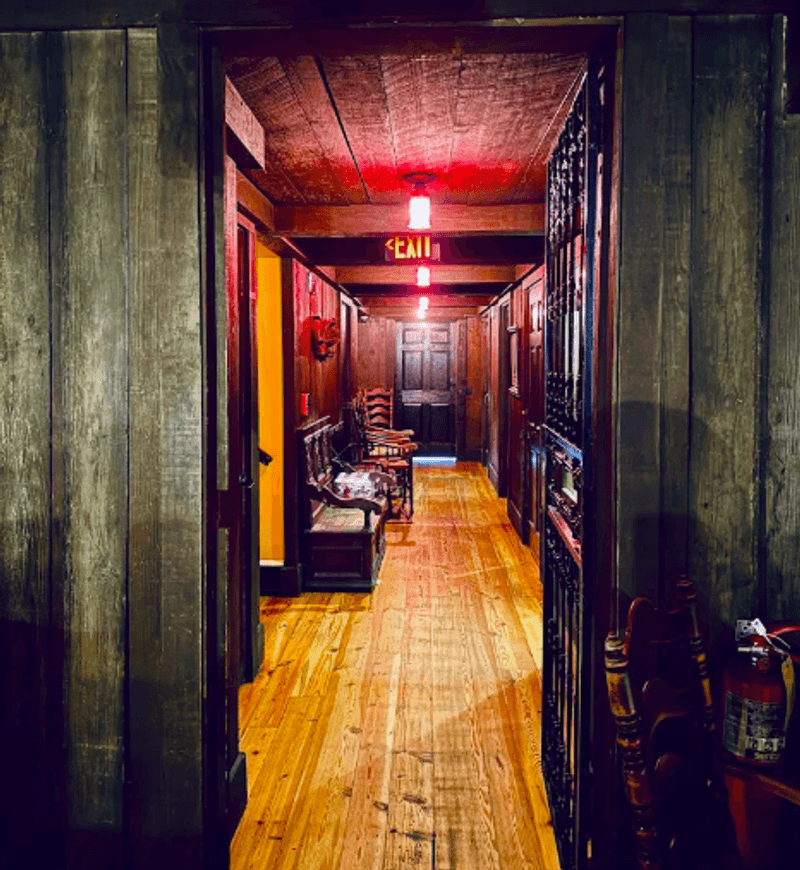
At some restaurants, the meal ends when the check arrives. Here, the experience sometimes extends well beyond the table.
After dinner, guests have been invited to tour the mansion, moving through rooms and learning about the building’s long and layered past.
These tours are not a formal ticketed attraction but rather a generous extension of the hospitality that defines the place. Staff members with genuine knowledge of the property lead guests through the history of the mansion, pointing out architectural features, explaining the significance of specific rooms, and sharing stories about the families and events that shaped the building over the centuries.
The wine cellar is one of the highlights of these informal tours. It is said to have housed some of Savannah’s earliest wealth, and the space itself has a character that the dining rooms above cannot quite replicate.
For anyone with an interest in history, this bonus layer of the experience is reason enough to linger a little longer after the last course.
The Wine Cellar and Its Storied Past
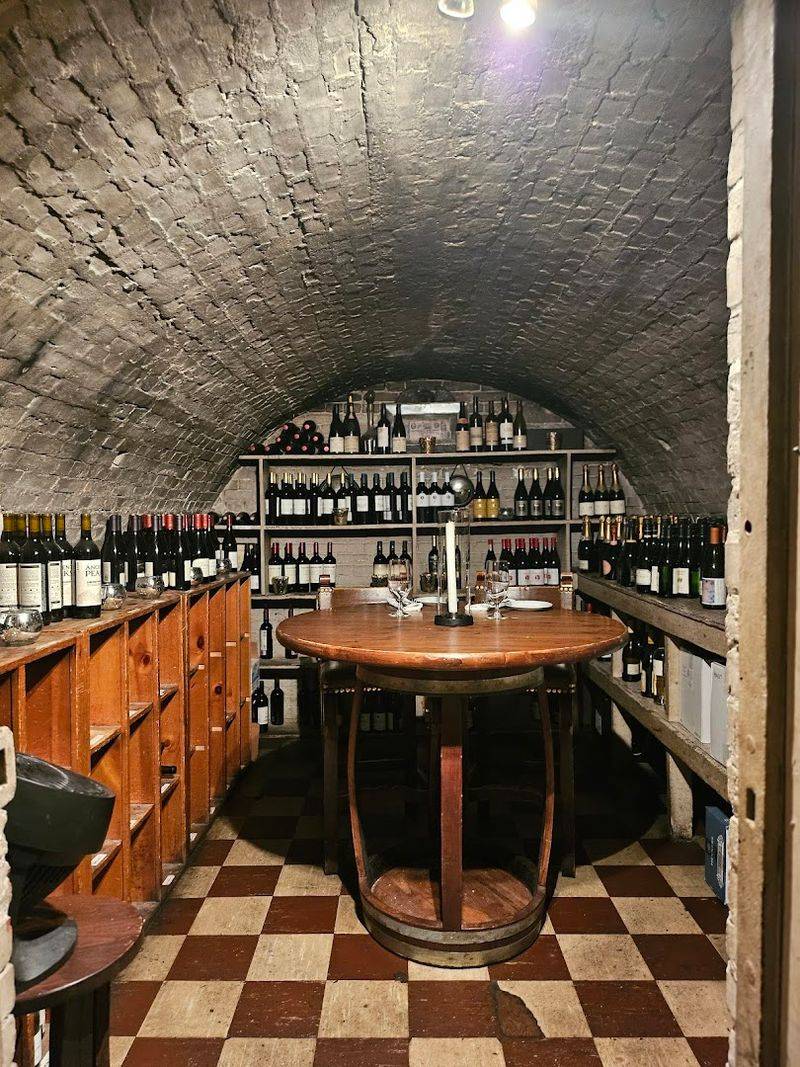
The cellar beneath the Olde Pink House is more than just a storage space or a bar. It is a room with its own biography, connected to the earliest chapters of Savannah’s commercial and social history.
The space is said to have housed some of the city’s earliest accumulated wealth, serving as a vault and gathering place during a period when Savannah was one of the most economically significant ports in the American colonies. That context gives the room a gravity that even a casual visitor can sense.
Today, the cellar functions as the Plantation Tavern, blending its historical identity with a lively present-day role as a music venue and bar. The combination of old brick, candlelight, and live performance creates an environment that is genuinely hard to replicate.
Whether a guest comes for the history, the music, or simply a seat without a reservation, the cellar delivers something memorable on every visit.
Hospitality That Guests Keep Talking About
The building gets most of the attention from first-time visitors, but the staff is what keeps people coming back. The hospitality at this restaurant is consistently described as warm, professional, and genuinely personal in a way that larger or more corporate dining operations rarely achieve.
Servers here tend to be knowledgeable not just about the menu but about the history of the mansion itself. They can speak to the ingredients in a dish, the story behind a piece of decor, and the architectural details of the room they are standing in.
That breadth of knowledge reflects a culture of genuine investment in the guest experience.
The team also handles large group events with a level of efficiency that impresses even seasoned event planners. One company dinner was described as a remarkably well-coordinated operation, with orders taken and delivered at a pace that kept a full party satisfied without any sense of rush or chaos.
That kind of execution does not happen by accident.
Booking a Table Before the Slots Disappear
Getting a seat at this restaurant requires planning, and the earlier that planning begins, the better. Reservations for popular dates, particularly around holidays and Valentine’s Day, have been known to fill up nearly two months in advance, with only lunch slots remaining by the time many guests think to book.
The restaurant is open for lunch Tuesday through Saturday from 11 AM to 2:30 PM, and for dinner Sunday through Monday from 5 PM to 10:30 PM, with dinner service also running on those same weekday evenings. Hours can shift, so checking the official website before planning a visit is always a smart move.
Walk-ins are not entirely out of luck, thanks to the Plantation Tavern below, which operates on a first-come, first-served basis. But for a seat in the main dining rooms upstairs, a reservation is essentially non-negotiable during peak periods.
The earlier the booking, the better the odds of landing the table and the experience that comes with it.
Reynolds Square and the World Outside the Door
The location of this restaurant is not incidental to the experience. Reynolds Square is one of Savannah’s original squares, laid out as part of James Oglethorpe’s famous grid plan for the city in the 18th century.
The mansion that houses the restaurant was built to face that square, and the relationship between the two has remained intact for more than 250 years.
Savannah’s squares are among the most celebrated urban spaces in the American South, and Reynolds Square is a particularly fine example. Tall trees draped with Spanish moss frame the paths, and the surrounding architecture reflects the same Colonial and antebellum influences that define the restaurant’s interior.
Arriving on foot from the surrounding streets, past the squares and the historic facades, sets a tone that carries right through the front door and into the dining room. The neighborhood itself functions as a kind of extended preamble to the meal, and it is worth arriving early enough to take a slow walk around the block before your table is ready.
A Special Occasion Destination That Earns the Title
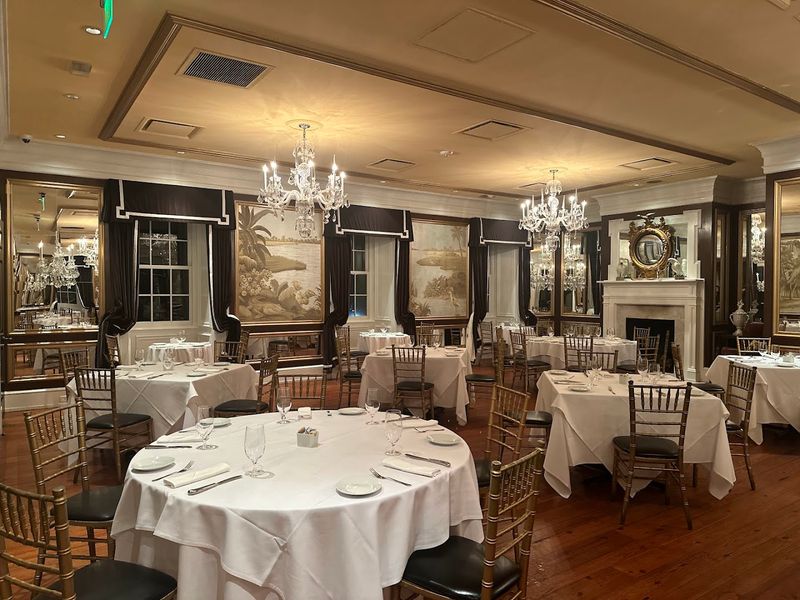
There are restaurants that call themselves special occasion destinations and restaurants that actually earn that description. The Olde Pink House falls firmly into the second category, and the evidence is in how people choose to spend their most significant meals there.
Valentine’s Day dinners, Christmas celebrations, anniversary meals, company holiday parties, and milestone birthdays have all found a home in these rooms. The combination of the historic setting, attentive service, and Southern fine dining creates an environment where an occasion genuinely feels like an occasion.
The price point reflects the experience, landing in the higher tier for Savannah dining, but guests consistently report that the overall value holds up when the full package is considered. It is not just a meal; it is an evening that includes a 250-year-old mansion, a knowledgeable and warm team, live music, and the possibility of an impromptu post-dinner tour through one of Georgia’s most historically significant private homes.
Why This Place Has Stayed Relevant for So Long
Plenty of restaurants occupy historic buildings. Far fewer manage to make the history feel like a living, breathing part of the dining experience rather than a marketing footnote.
That distinction is at the core of what has kept this restaurant relevant and beloved across generations of Savannah visitors.
The Olde Pink House has maintained a 4.6-star rating across more than 10,000 reviews, which is a remarkable level of sustained approval for a restaurant that has been operating in a competitive and tourist-heavy market for decades. That consistency points to something more than a good location or a pretty facade.
The combination of a genuinely significant building, a kitchen committed to Southern culinary tradition, a staff that cares about both the food and the history, and a setting that cannot be replicated anywhere else in the country gives this restaurant a foundation that trends cannot easily shake. Some places earn their reputation once; this one earns it again with every reservation filled and every table that lingers just a little longer than planned.
Where History Has a Street Address
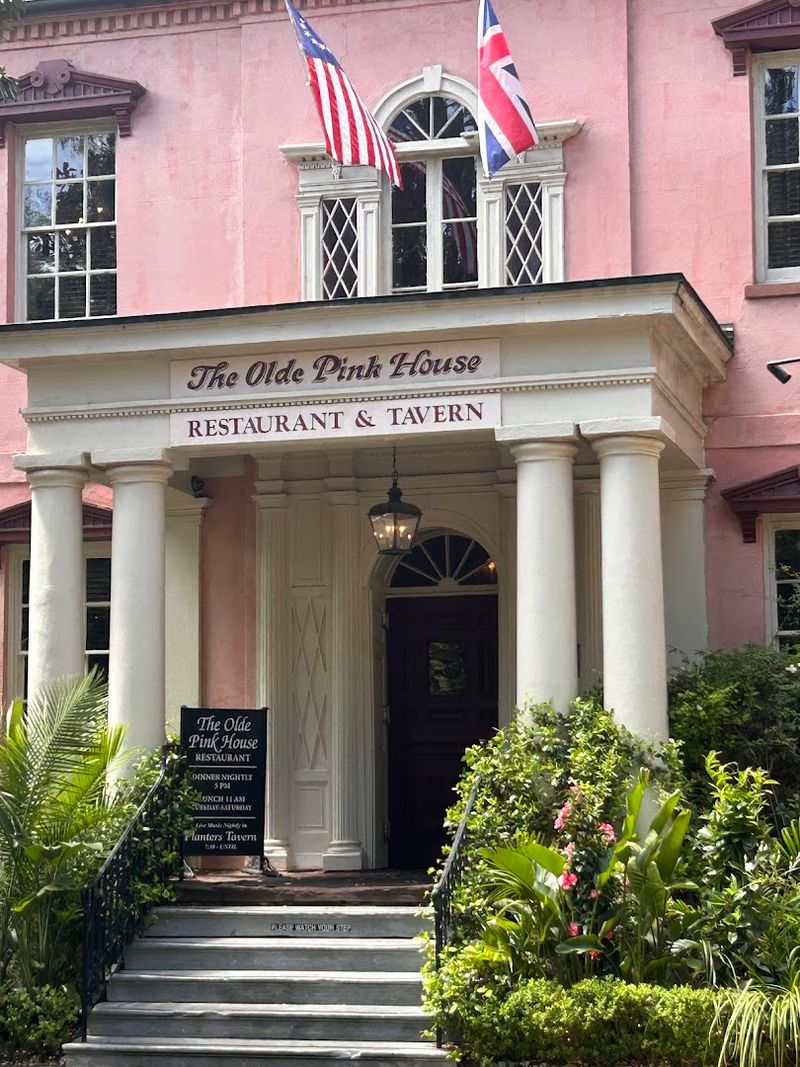
Few restaurants in the American South can claim a home quite like this one. The Olde Pink House sits at 23 Abercorn St, Savannah, GA 31401, right on Reynolds Square in the heart of one of the most architecturally rich cities in the country.
The building dates back to 1771, originally constructed as the private residence of James Habersham Jr., one of Georgia’s most prominent Colonial-era figures. That foundation of deep history gives the entire dining experience a weight and significance that no amount of interior decoration could manufacture.
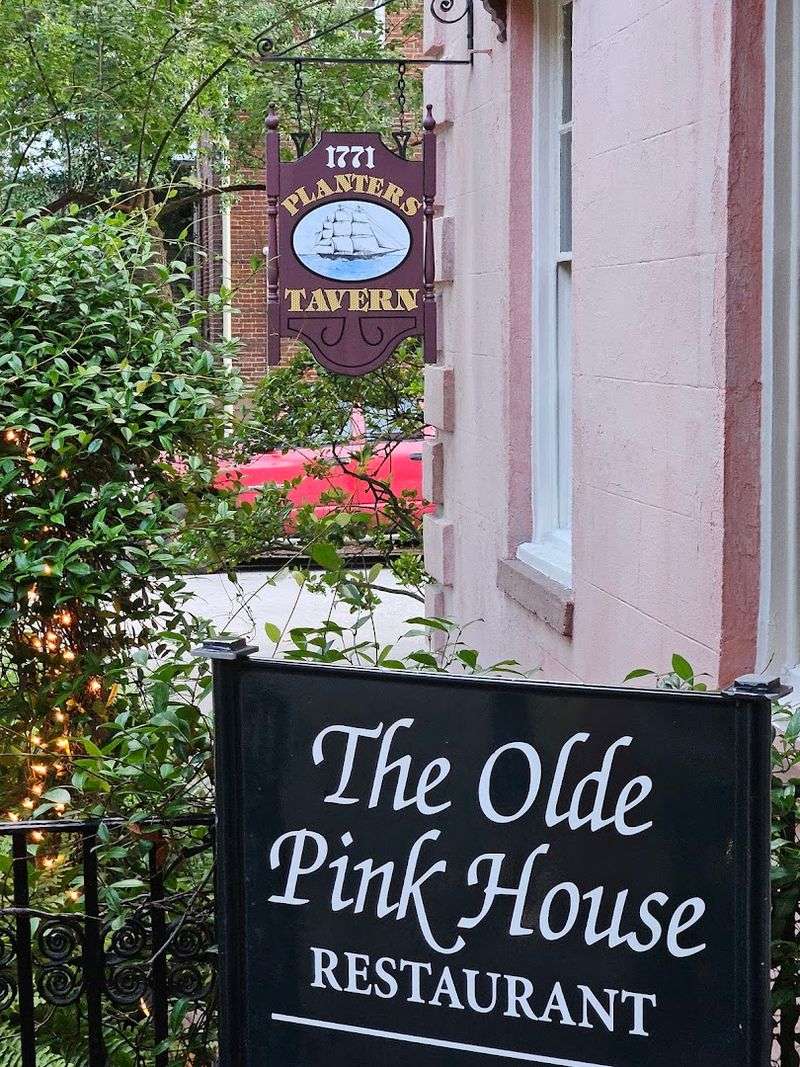
The mansion earned its famous blush color not by design but by nature. The red brick beneath the plaster slowly bled through over the centuries, gradually tinting the exterior the rosy hue that now defines its identity.
Visitors often stop on the sidewalk just to photograph the facade before they ever step inside, and honestly, that reaction makes perfect sense.
Share this story