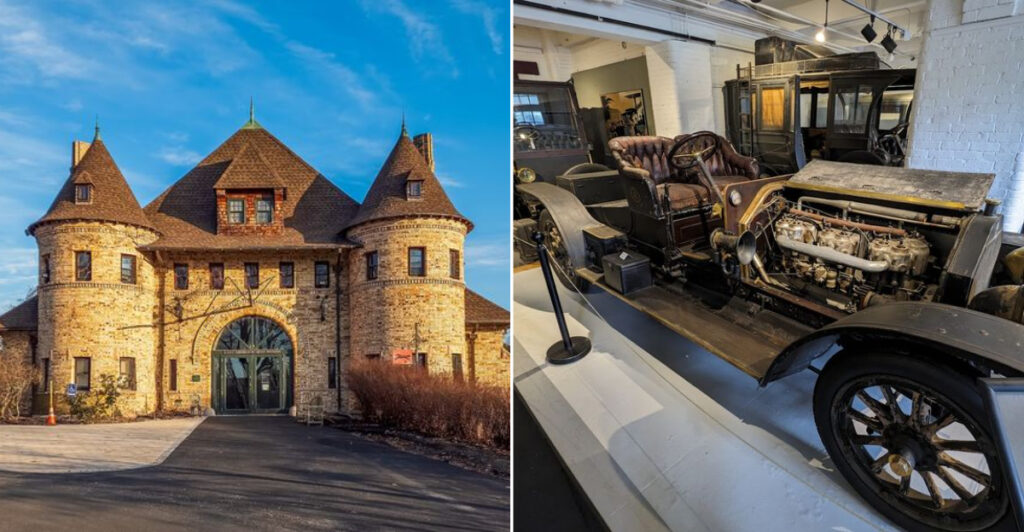
Tucked inside a château-style carriage house in the Boston suburb of Brookline, Massachusetts, sits one of the most unexpected automotive collections in the entire country. The building alone looks like it belongs on the cover of a European travel magazine, and yet inside, it holds the oldest surviving collection of automobiles in the United States.
This is not just a place for die-hard car enthusiasts, though they will certainly feel right at home here. From early horseless carriages to rare Japanese imports, the collection spans more than a century of automotive history, all housed within a building that is itself a masterpiece.
The surrounding park adds even more appeal, with open lawns that regularly host some of the most talked-about car events in the greater Boston area. Whether you know the difference between a carburetor and a crankshaft or not, this place has something genuinely worth seeing.
The Extraordinary Story Behind the Collection
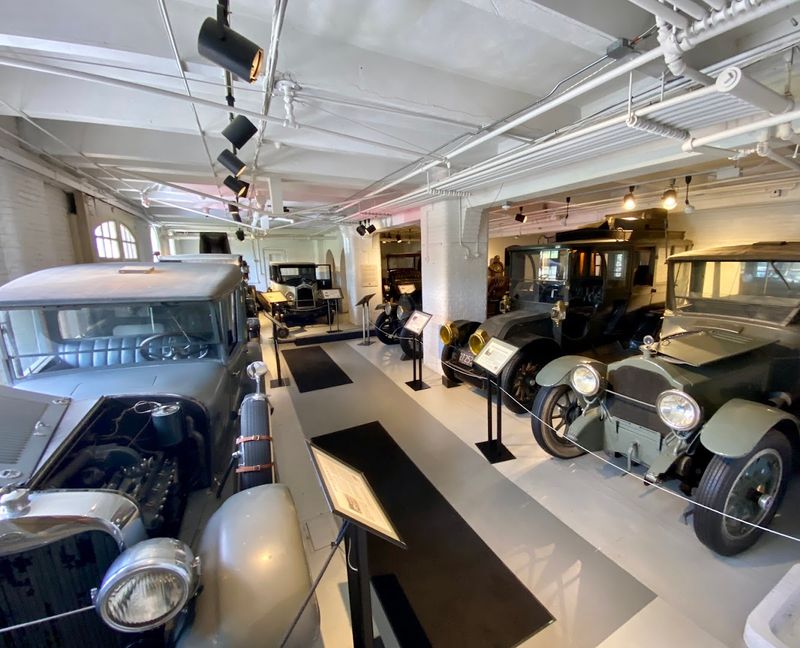
The collection at this museum has a backstory that is as compelling as the cars themselves. Larz Anderson and his wife Isabel were among the wealthiest Americans of the Gilded Age, and between 1899 and 1948, they accumulated what became the oldest surviving collection of automobiles in the United States.
Anderson was a diplomat and a devoted car enthusiast at a time when owning an automobile was a luxury reserved for the very few. The couple purchased some of the earliest motor vehicles ever produced, and rather than treating them as tools, they treated them as prized possessions worth preserving.
When Isabel Anderson passed away in 1948, she bequeathed the estate and its contents to the Town of Brookline. That generous act is the reason the collection still exists today, largely intact and available for the public to explore.
Few museum origin stories carry that kind of weight.
A Carriage House That Outshines Most Museums
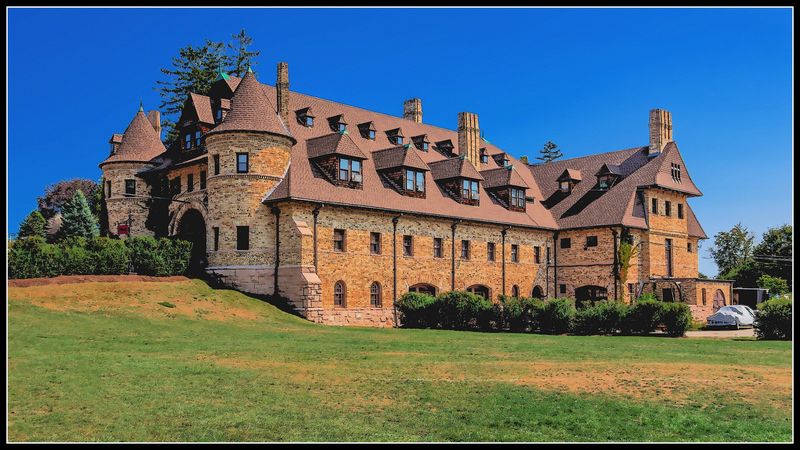
Before even looking at a single car, the building itself commands attention. The carriage house was constructed in 1888 and designed in a French château style, complete with stone walls, arched doorways, and architectural details that feel more at home in the Loire Valley than in suburban Massachusetts.
The structure was built to house the Anderson family’s horses and carriages, and it was later adapted to hold their growing fleet of automobiles. The high ceilings and wide floor plan make it ideal for displaying large vehicles, while the stonework and original woodwork give the space a character that modern museum buildings rarely achieve.
Architecture enthusiasts have noted that the building is worth visiting on its own merits, completely independent of the collection inside. That is a bold claim, but standing inside the main hall surrounded by century-old stone and iron, it is hard to argue against it.
The Oldest Surviving Cars in America
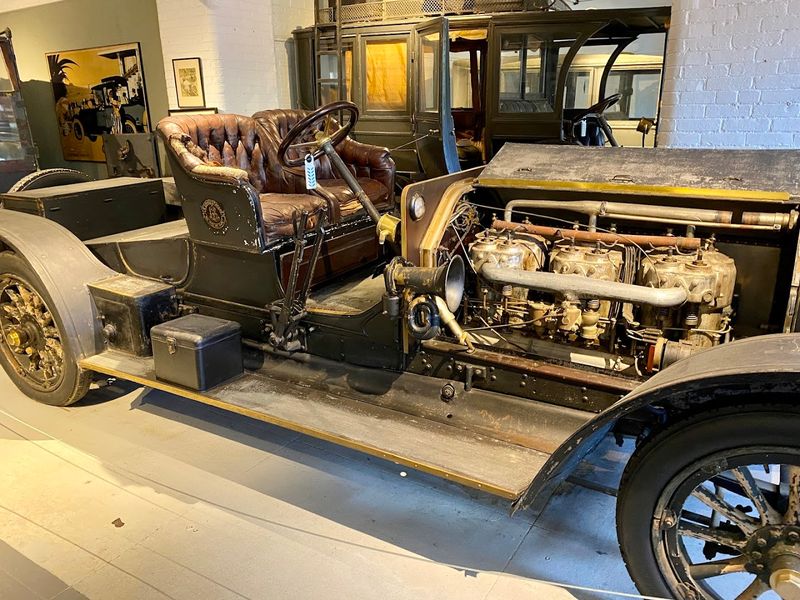
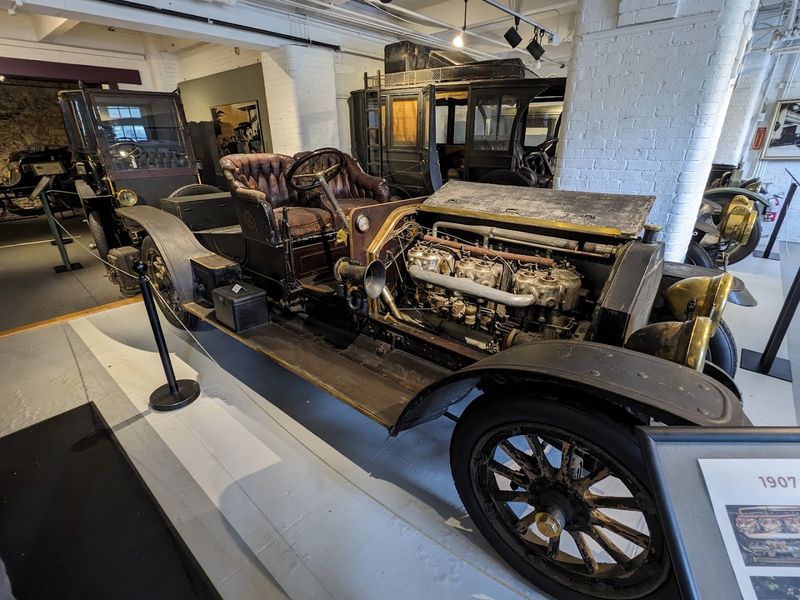
What sets this collection apart from virtually every other auto museum in the country is its age. Several of the vehicles on display date back to the very earliest years of automobile production, with some originating from the late 1890s and early 1900s.
One of the most remarkable aspects of the permanent collection is that many of the cars have not been fully restored. The decision to preserve them in their original, aged condition was intentional, and it gives the collection an authenticity that polished showroom pieces simply cannot replicate.
Rust, patina, and wear tell the real story of how these machines lived.
Each vehicle comes with detailed descriptive panels that explain its history, manufacturer, and significance, which helps put the age and rarity of each piece into clear context. Knowing that a car sitting a few feet away was built before most countries had paved roads makes the whole experience feel genuinely extraordinary.
Rotating Exhibits That Keep Every Visit Fresh
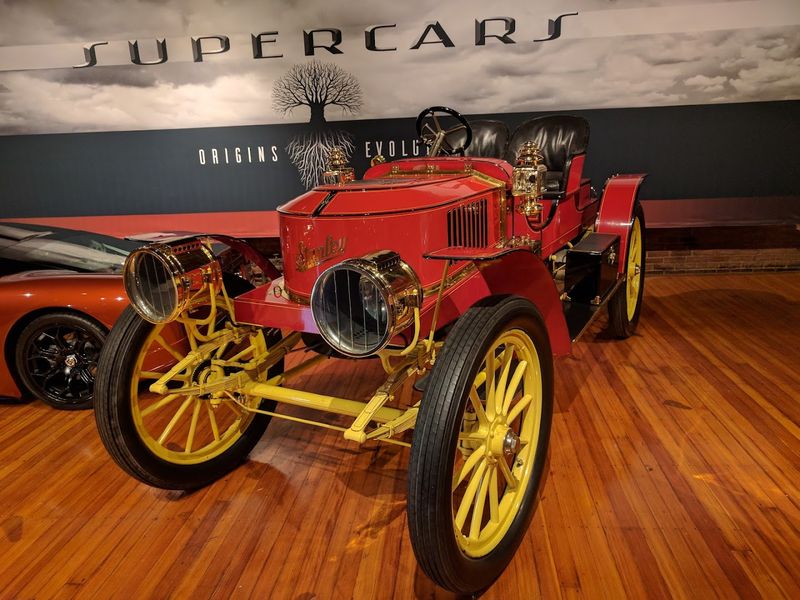
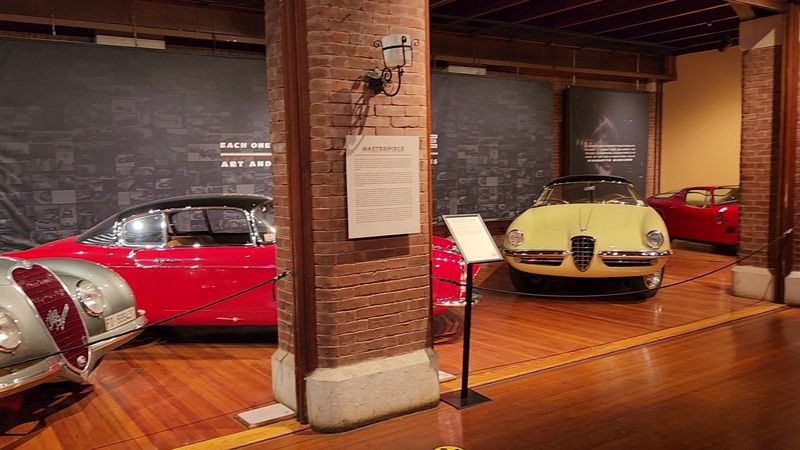
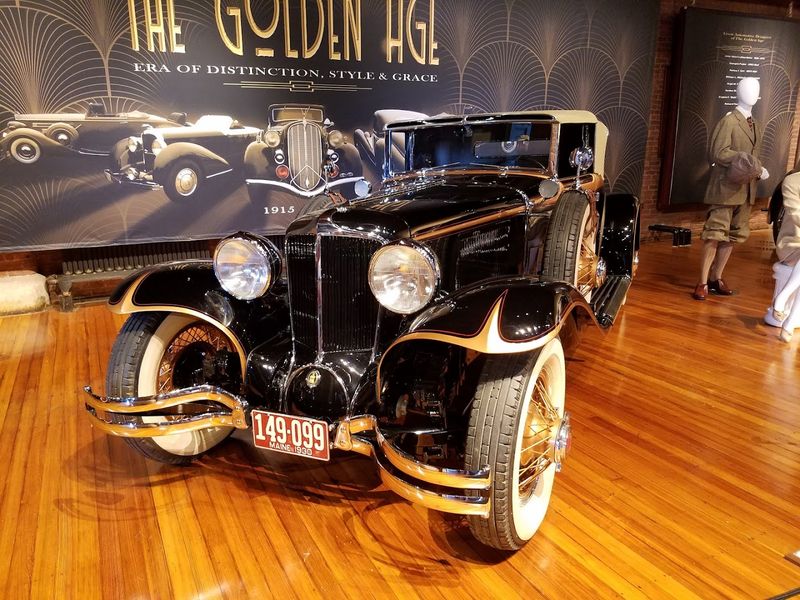
The permanent collection is not the only thing worth coming back for. The museum regularly rotates the vehicles on display, particularly on the main floor, which means a visit in spring can look completely different from one in autumn.
Past rotating exhibits have featured rally cars, European imports, and thematic collections organized around specific eras or manufacturers. The variety keeps the museum relevant and gives regular visitors a reason to return throughout the year rather than treating it as a one-time stop.
The curatorial approach is thoughtful, with each exhibit designed to highlight a specific angle of automotive history rather than simply filling floor space with whatever is available. Vehicles come from multiple private owners and collections, which adds diversity to what is shown.
That rotating model also means the museum is always working to bring in something that has not been seen on those floors before, which is a genuine point of distinction.
Japanese Cars That Rarely Get Museum Treatment
Most automotive museums in the United States lean heavily on American muscle cars and European classics, which makes the Japanese vehicle collection at this museum a genuine standout. The lower level of the carriage house features a selection of Japanese models that span several decades and represent a part of automotive history that is chronically underrepresented in American collections.
For anyone who grew up reading car magazines in the 1970s, 1980s, and 1990s, seeing these vehicles in person carries a particular kind of weight. These are not obscure novelty items, but iconic models that shaped the global auto industry and influenced car culture across generations.
The contrast between the earliest American vehicles upstairs and the Japanese imports downstairs creates an interesting narrative arc through the museum. It becomes less about national pride and more about the broader evolution of what a car can be, which is a more honest and complete way to tell the story of the automobile.
Lawn Events That Draw Hundreds of Car Enthusiasts
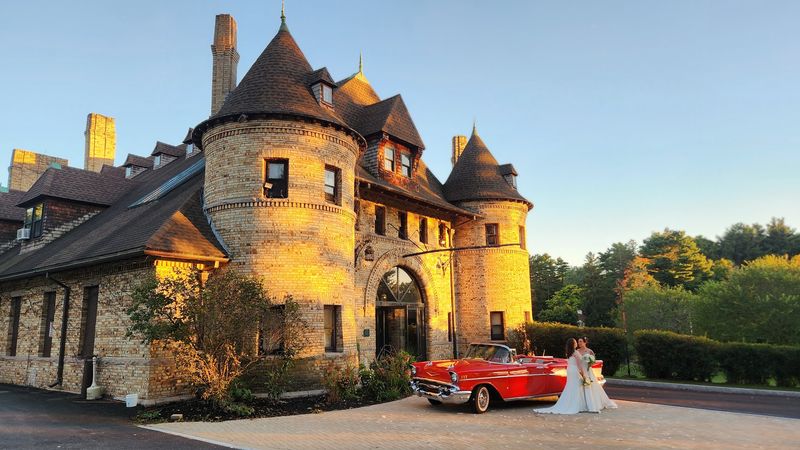
The museum’s outdoor events are a major draw in their own right. Throughout the warmer months, the grounds of Larz Anderson Park host a series of lawn events that bring together dozens to hundreds of vehicles from private owners across the region.
These gatherings cover an impressive range of automotive categories, from Italian classics to rare imports and everything in between. Events like “Tutto Italiano” have earned a strong following, and the Cars and Coffee meetups have become some of the most well-attended informal car gatherings in the greater Boston area.
The event schedule is posted on the museum’s website at larzanderson.org, and some events are free to attend. The combination of a beautifully maintained park setting, a diverse lineup of vehicles, and an enthusiastic community of owners and fans makes these lawn events feel more like a celebration than a formal exhibition.
Checking the calendar before a visit is strongly recommended.
The Grounds of Larz Anderson Park
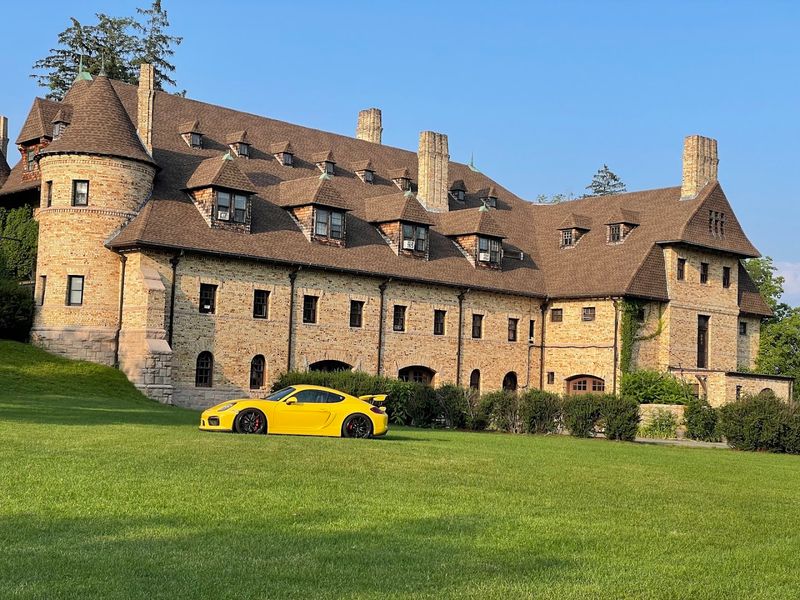
The museum does not exist in isolation. It sits within Larz Anderson Park, a large public green space that covers a significant hillside in Brookline and offers open views that stretch for miles on a clear day.
The park itself is well-maintained, with wide open lawns, mature trees, and walking paths that make it an appealing destination independent of whatever is happening inside the museum. Families with young children, dog walkers, and cyclists all share the space comfortably, and the atmosphere is relaxed rather than formal.
The elevated position of the park means that the views from the upper sections are genuinely impressive for an urban setting. The estate grounds give the whole property a sense of scale that makes the carriage house feel even more dramatic by contrast.
Arriving early and taking a walk around the grounds before entering the museum is a natural way to appreciate the full scope of what this property represents.
What the Admission Experience Is Actually Like
The admission process at this museum is straightforward and unhurried, which sets a relaxed tone from the moment of arrival. The entry fee is modest, and the museum offers a military discount, which reflects a broader commitment to keeping the collection accessible to as many people as possible.
The staff at the front desk are known for being warm and genuinely enthusiastic about the collection. That kind of personal engagement makes a difference in a small museum, where the interaction with staff can shape the entire experience.
Most people find that a thorough visit takes somewhere between 45 minutes and an hour, which makes it an ideal stop rather than an all-day commitment. That time frame also makes it easy to pair with a walk through the surrounding park or a visit to nearby Brookline neighborhoods.
The overall experience feels personal and well-curated rather than overwhelming, which is a quality that larger institutions often struggle to maintain.
A Museum That Works for All Ages
Not every auto museum manages to hold the attention of a mixed-age group, but this one does a reasonable job of it. The collection is broad enough that young children can appreciate the sheer variety and size of the older vehicles, while older visitors can connect with specific makes and models from their own lifetimes.
The detailed information panels next to each vehicle help bridge the knowledge gap for people who are not already car enthusiasts. Reading about the social context of early automobile ownership, or learning how a specific vehicle changed transportation habits, turns the exhibit into something more like a history lesson than a showroom walk.
Families with children aged 12 and older tend to get the most out of a visit, though younger children are welcome and often find the size and age of the vehicles fascinating in their own way. The calm pace of the museum also makes it comfortable for elderly guests who prefer a less crowded environment.
Practical Tips for Planning Your Visit
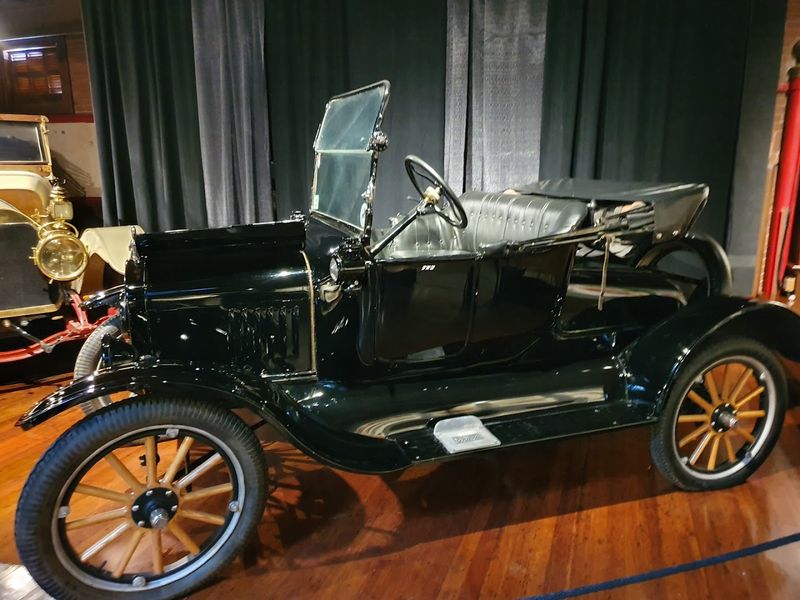
A few practical details can make a visit to this museum go much more smoothly. The museum is open Tuesday through Sunday from 10 AM to 3 PM, and it is closed on Mondays.
Arriving close to opening time on a weekday tends to result in a quieter experience, since weekend afternoons can draw more foot traffic, especially during lawn event days.
Free parking is available on the property, which removes one of the more common frustrations associated with visiting attractions in the greater Boston area. The museum’s website at larzanderson.org lists the current exhibit schedule as well as upcoming lawn events, so checking it before a visit helps set expectations.
The property is accessible for elderly visitors and those with mobility considerations, and the relatively compact size of the museum means it does not require a full day. Pairing a museum visit with time in the surrounding park makes for a well-rounded afternoon that covers both history and the outdoors without feeling rushed.
Why Car Enthusiasts Keep Coming Back
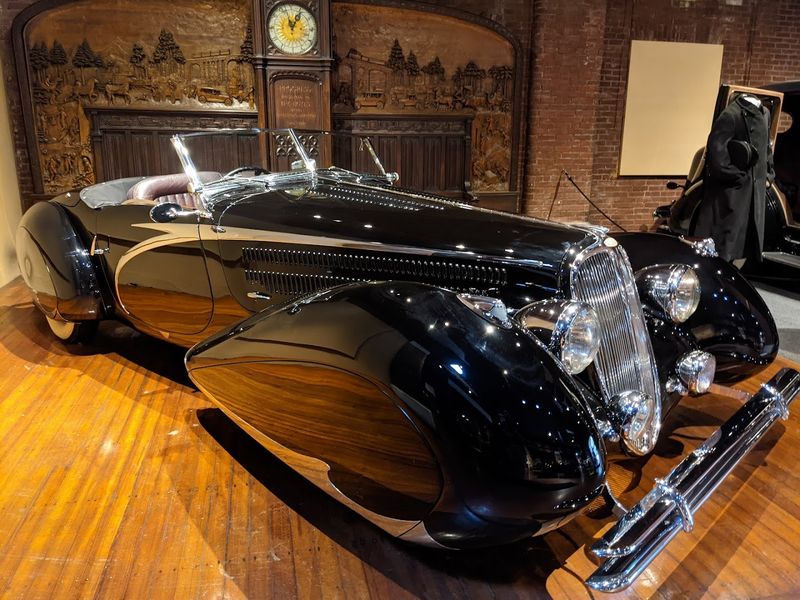
For dedicated automotive enthusiasts, this museum has a pull that is hard to fully explain without walking through it. The combination of genuinely rare vehicles, an ever-changing exhibit schedule, and a community of knowledgeable staff creates an environment where every visit has the potential to turn up something unexpected.
The lawn events alone are enough to bring regulars back multiple times per season. Seeing rare and unusual vehicles that arrive with their private owners, hearing the stories behind specific cars, and connecting with other enthusiasts gives these events a social energy that a static museum display cannot replicate.
The museum also benefits from being in a region with a strong car culture and an educated, curious audience. Greater Boston has a long tradition of supporting niche cultural institutions, and this one has built a loyal following that extends well beyond the immediate Brookline neighborhood.
For car people, it has earned a spot on the short list of must-visit collections in the northeastern United States.
A Place Where History Parks Itself
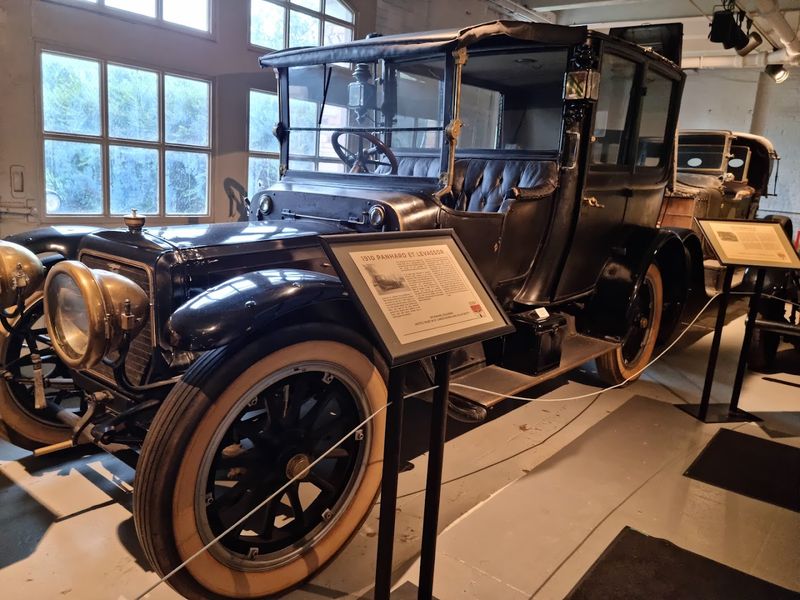
There are not many places in the United States where you can walk into a 19th-century château-style building and find yourself surrounded by the oldest surviving automobile collection in the country. The Larz Anderson Auto Museum in Brookline manages to be all of those things simultaneously, and it does so without any of the stiffness that sometimes accompanies institutions of that age and significance.
The museum treats its collection as a living story rather than a frozen archive. The rotating exhibits, the outdoor events, and the engaged staff all contribute to an atmosphere that feels active and curious rather than purely reverential.
For anyone passing through the greater Boston area with even a passing interest in cars, history, architecture, or simply finding something genuinely worth seeing off the usual tourist path, this museum delivers on every count. Some of the best discoveries are the ones that were never on the original itinerary to begin with.
Where to Find This Hidden Automotive Treasure
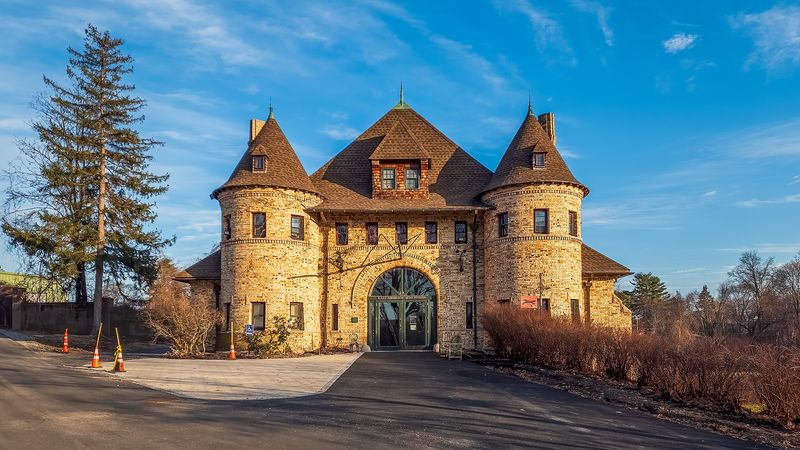
Most people driving through Brookline have no idea that one of America’s most remarkable automotive museums is sitting right in the middle of a public park. The Larz Anderson Auto Museum is located at 15 Newton St, Brookline, MA 02445, nestled within the sprawling grounds of Larz Anderson Park in the Greater Boston area of Massachusetts.
The museum is open Tuesday through Sunday from 10 AM to 3 PM, and it is closed on Mondays. The address can be a little tricky to find the first time, since the building sits back from the main road and is partially hidden by mature trees and rolling hills.
Free parking is available on the property, which makes a visit even more accessible. The surrounding park is a public green space that draws joggers, families, and picnickers, making the museum feel like a natural part of the neighborhood rather than a standalone attraction.
Share this story