Nature has a way of surprising us with creatures that look like they belong in fairy tales or fantasy movies. From animals with dragon-like scales to birds with prehistoric stares, the real world is full of beings that seem almost too strange to exist.
These 15 animals prove that reality can be just as wild and imaginative as any myth or legend. Get ready to meet some of the most jaw-dropping creatures on Earth.
1. Saiga Antelope
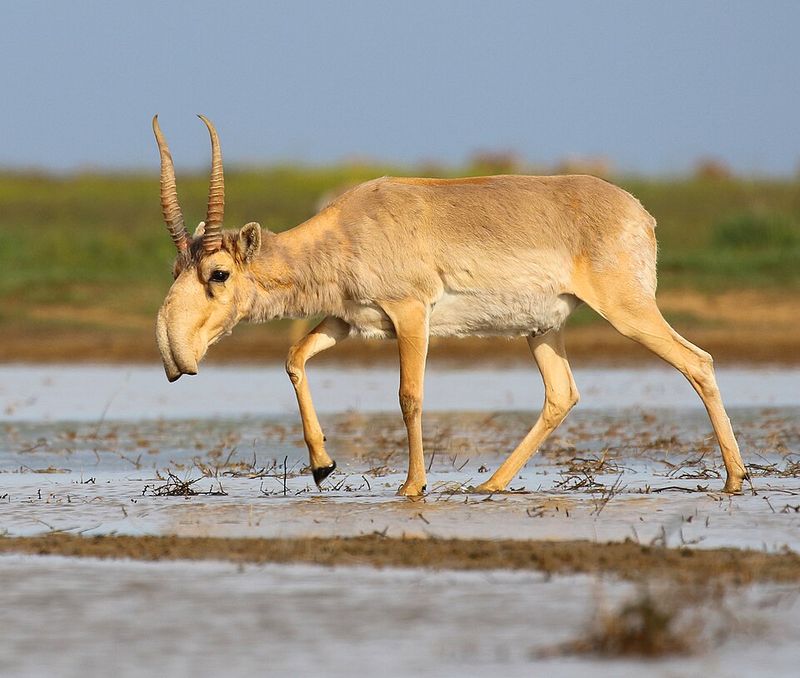
Picture an antelope crossed with a character from a science fiction film, and you get the Saiga. Found roaming the grasslands of Central Asia, this unusual creature has a large, drooping nose that looks almost cartoonishly oversized for its slim face.
That strange snout is actually a natural air filter and temperature regulator.
During cold winters, the nose warms the air before it reaches the lungs. In summer dust storms, it filters out particles.
Scientists consider the Saiga one of the most ancient mammals still alive today, having survived alongside woolly mammoths thousands of years ago.
Sadly, Saiga populations have dropped sharply due to poaching and disease. Conservation groups are working hard to protect them.
Seeing one in the wild feels like spotting a living relic from another era, a creature that truly bridges the gap between myth and prehistoric reality.
2. Aye-Aye
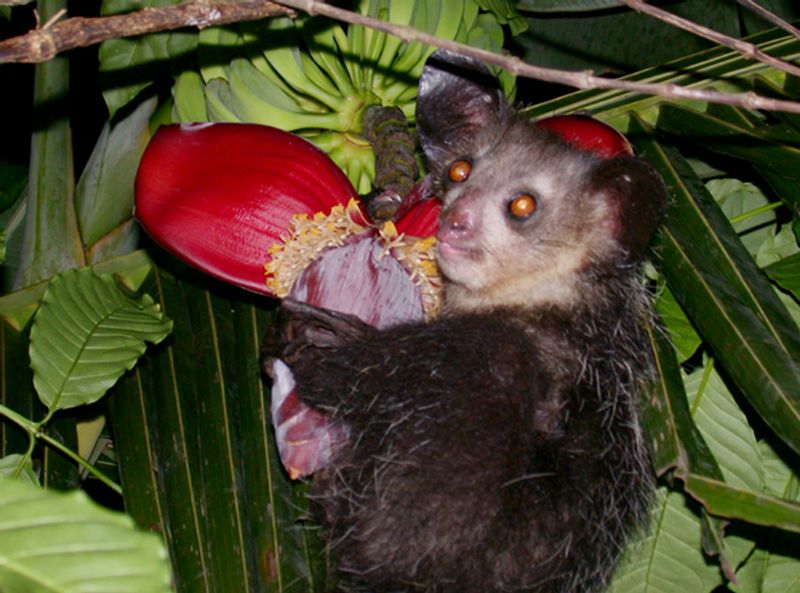
Few animals have inspired as much local legend and fear as the Aye-Aye of Madagascar. With eyes that glow in the dark, ears like a bat, and one freakishly long bony finger, it looks like something conjured from a ghost story.
Local Malagasy people have long considered it a bad omen.
That elongated middle finger is actually a clever feeding tool. The Aye-Aye taps on tree bark to find hollow spaces, then uses that finger to scoop out grubs hiding inside.
It is the only primate known to use echolocation-like tapping to find food.
Despite its eerie reputation, the Aye-Aye is a harmless nocturnal creature just trying to find its next meal. It is also endangered, partly because of the superstitions surrounding it.
Learning the truth about this misunderstood animal is one of nature’s most fascinating lessons in not judging by appearances.
3. Okapi
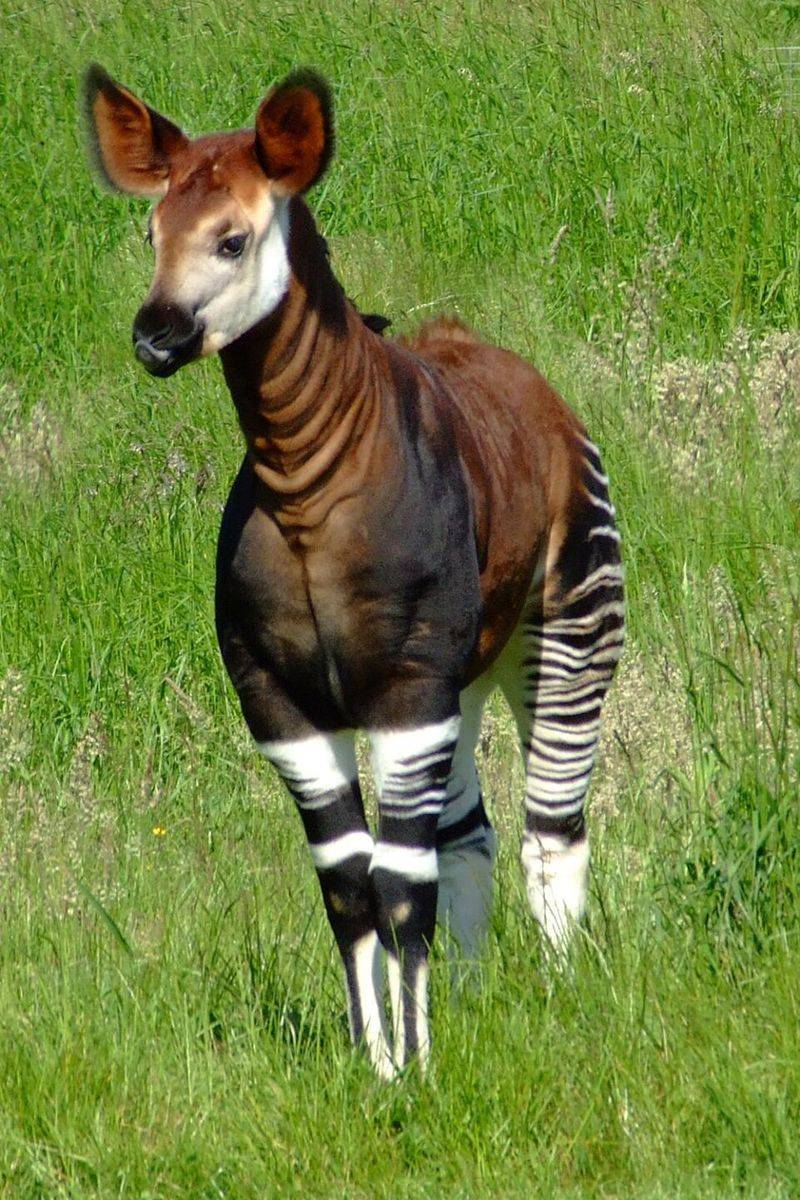
For years, European explorers dismissed reports of the Okapi as pure myth. When they finally encountered one in the Congo rainforest in 1901, it stunned the scientific world.
Here was an animal with zebra-striped legs, a dark reddish-brown body, and the long neck of its only living relative, the giraffe.
The Okapi is sometimes called the “forest giraffe,” and the family resemblance is real. Both animals share the same long, dark tongue, which they use to strip leaves from branches.
An Okapi’s tongue is long enough to clean its own ears.
Despite its striking look, the Okapi is extremely shy and rarely seen in the wild. It was not even photographed alive until 1901.
Today it is an endangered species, with fewer than 25,000 remaining. The Okapi remains one of nature’s most spectacular reminders that truth is often stranger than fiction.
4. Pangolin
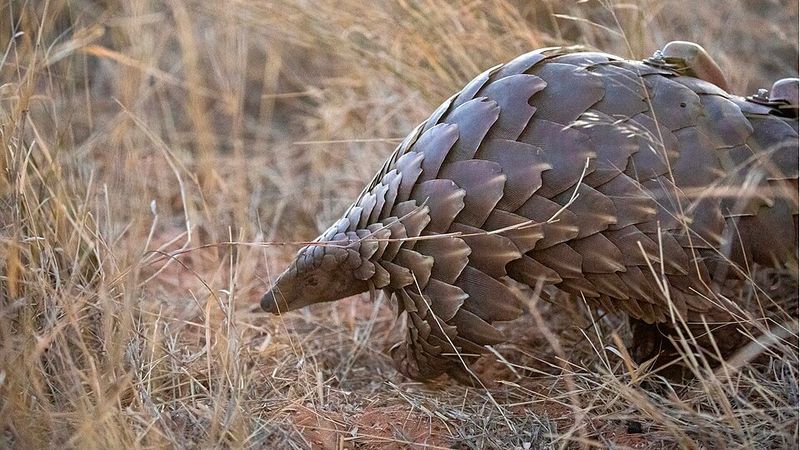
Roll a pinecone into a living creature, give it a long sticky tongue, and you have something close to a Pangolin. Covered head to tail in overlapping keratin scales, this mammal looks more like a baby dragon than anything else found in nature.
When threatened, it rolls into a tight, nearly impenetrable ball.
Those scales are made of the same material as human fingernails. No other mammal on Earth has this kind of armor.
The Pangolin uses its incredibly long tongue, which can be longer than its entire body, to lap up ants and termites from underground colonies.
Pangolins are the most trafficked mammals in the world, hunted for their scales and meat despite being protected by international law. All eight species are considered vulnerable or endangered.
Raising awareness about their plight is one of the most important things wildlife advocates are currently working on around the globe.
5. Shoebill
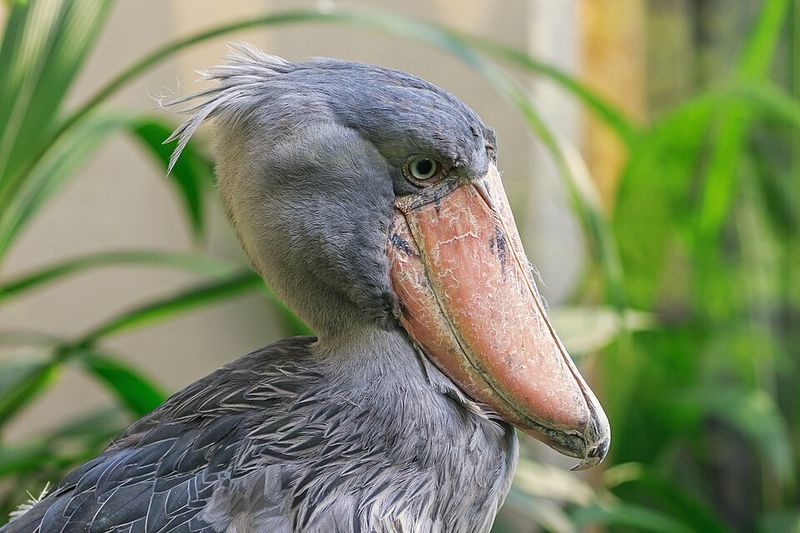
Standing nearly five feet tall with a bill shaped like a Dutch wooden shoe, the Shoebill is one of the most prehistoric-looking birds alive. Found in the swamps of central Africa, it can stand perfectly still for hours, waiting for fish, frogs, or even small crocodiles to come within striking range.
That enormous bill snaps shut with tremendous force, one of the most powerful strikes of any bird. The Shoebill has been described by birdwatchers as resembling a statue more than a living creature because of how motionless it stands.
Ancient Egyptians likely encountered this bird and depicted similar creatures in their artwork.
What makes an encounter with a Shoebill truly unforgettable is its stare. Those pale yellow eyes lock onto you with an unsettling intensity that feels almost intelligent.
Birdwatchers travel from around the world just for a chance to stand before this incredible, living dinosaur of the wetlands.
6. Thorny Devil
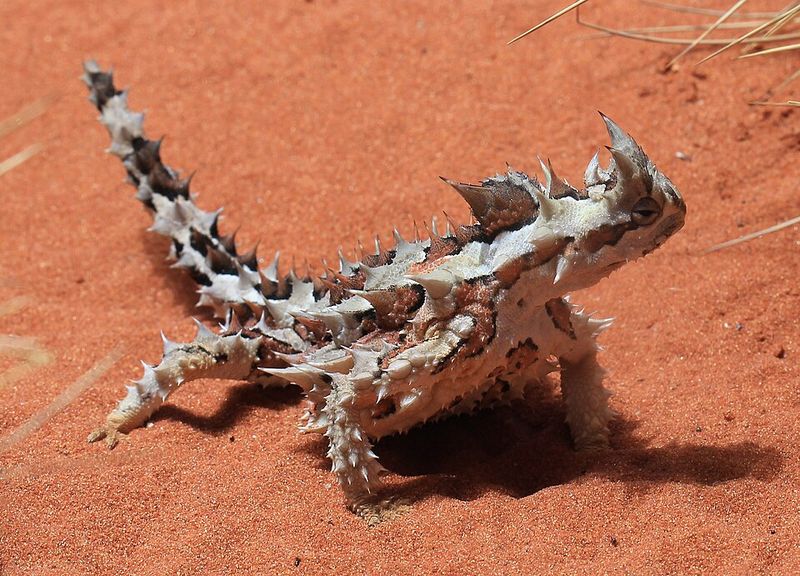
Australia is known for its wild wildlife, but the Thorny Devil might be the most fantasy-worthy creature on the continent. Every inch of its small body is covered in sharp, conical spines, giving it the unmistakable look of a miniature dragon out of a medieval story.
Its coloring shifts with temperature, blending into desert sand beautifully.
One of its most remarkable tricks is drinking through its skin. Tiny grooves between the scales channel moisture from any surface it touches, directing water straight to its mouth.
This adaptation lets it survive in the harsh Australian outback where water is scarce.
The Thorny Devil also has a “false head,” a spiny lump on the back of its neck. When threatened, it tucks its real head down and presents this decoy to confuse predators.
For an animal just four inches long, it has an impressive collection of survival strategies worthy of any mythical beast.
7. Axolotl
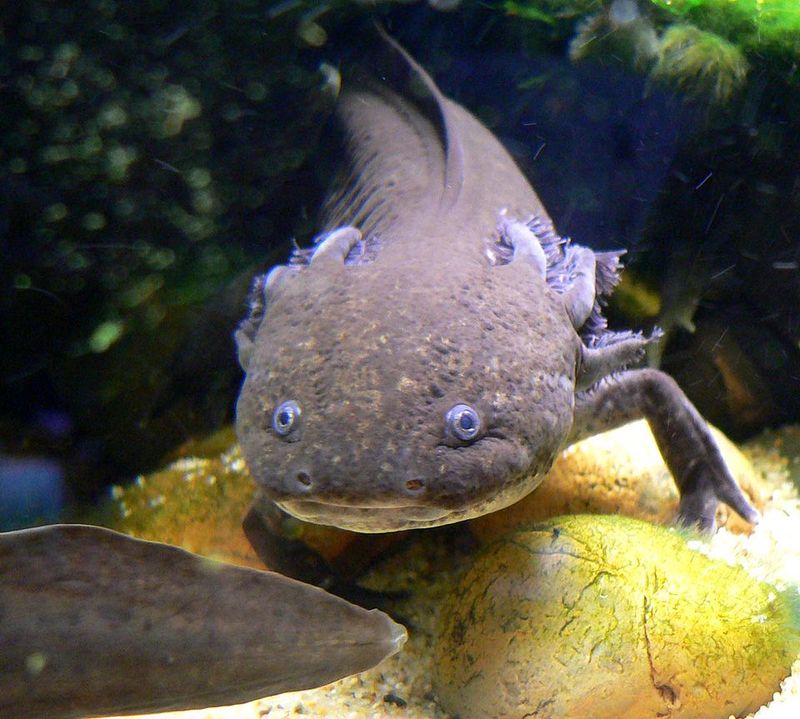
There is something almost enchanting about the Axolotl. Native to a single lake system near Mexico City, this small salamander looks like it swam out of a Studio Ghibli film.
Its feathery, flower-like gills frame its head like a crown, and its face is fixed in what looks like a peaceful, permanent smile.
Unlike most amphibians, the Axolotl never fully transforms into an adult form. It keeps its juvenile features throughout its entire life, a biological phenomenon called neoteny.
Scientists have studied it intensively because of its extraordinary ability to regenerate lost limbs, heart tissue, and even parts of its brain.
In Aztec mythology, the Axolotl was linked to the god Xolotl, a deity associated with lightning and death. Today it is critically endangered in the wild, found only in the canals of Xochimilco.
Captive breeding programs are working hard to ensure this magical creature does not disappear forever.
8. Chinese Giant Salamander
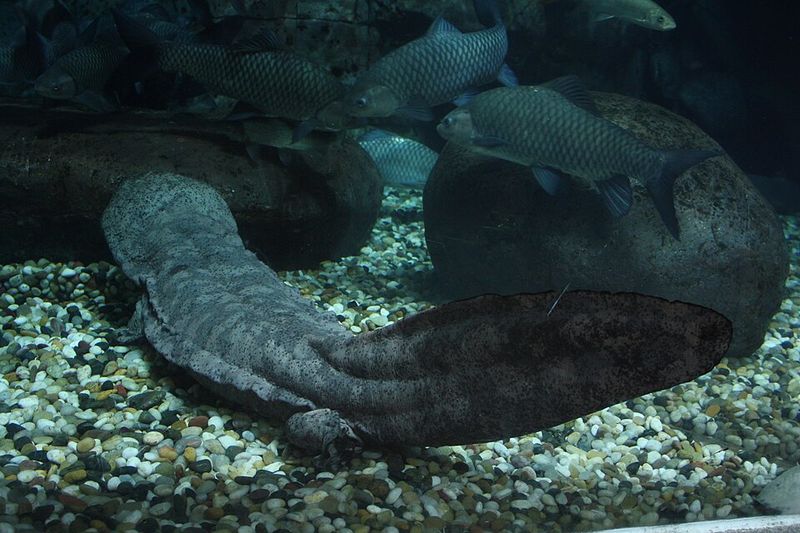
Stretching up to six feet long and weighing as much as 140 pounds, the Chinese Giant Salamander is the largest amphibian on Earth. It looks less like a modern animal and more like something that escaped from a museum exhibit on ancient sea monsters.
Its wrinkled, flat body and tiny eyes give it an almost alien quality.
Chinese folklore is full of references to creatures that match this salamander’s description. Known locally as the “giant fish baby” because of the cry it makes, which sounds eerily like a human infant, it has fueled legends for centuries.
It breathes primarily through its skin rather than its small, underdeveloped lungs.
Habitat loss and overhunting have pushed this species to the edge of extinction. It is now considered critically endangered.
Conservation efforts in China are underway, but the challenge is enormous. Protecting this living fossil means preserving a direct link to the Jurassic period, over 170 million years ago.
9. Cassowary
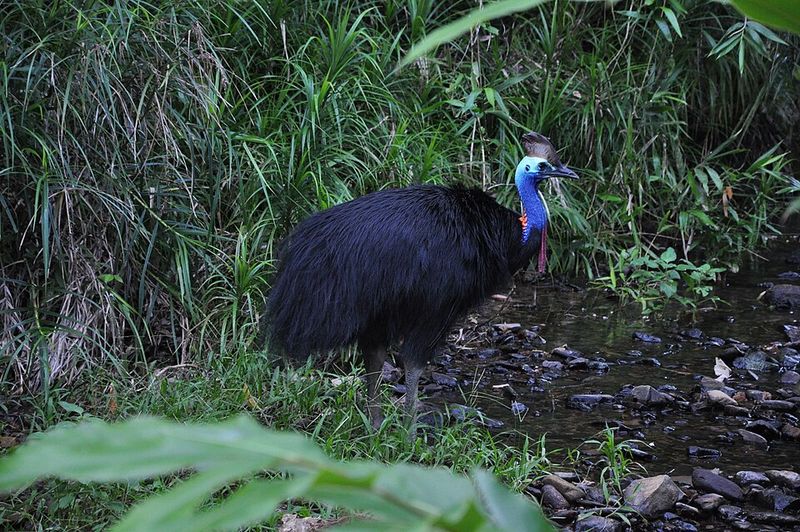
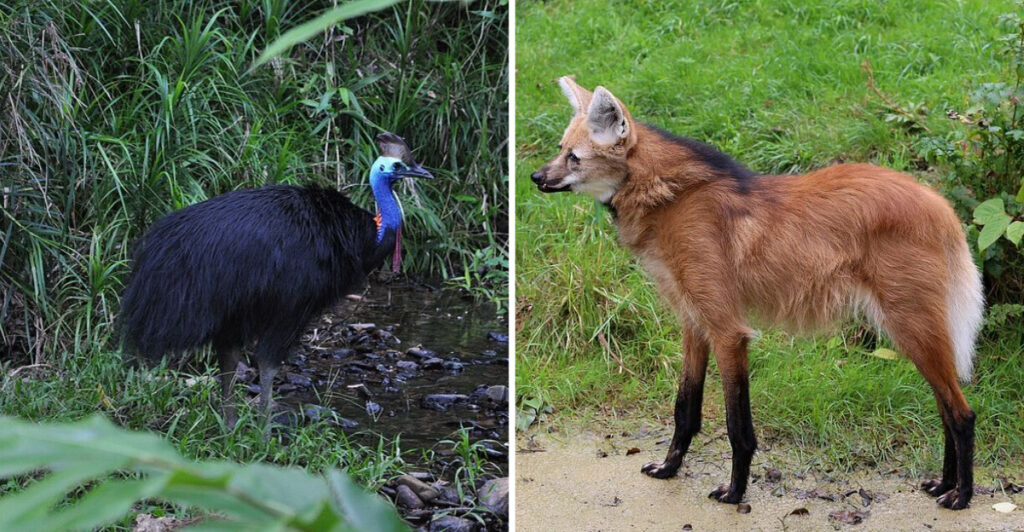
If a velociraptor somehow made it to the modern world, it might look a lot like a Cassowary. Standing up to six feet tall with vivid blue and red skin on its neck, a bony helmet called a casque on its head, and razor-sharp claws, this flightless bird looks like evolution forgot to stop at dinosaurs.
The Cassowary is considered the most dangerous bird on Earth. Its inner toe carries a dagger-like claw that can grow up to four inches long.
When cornered, it can deliver powerful kicks capable of causing serious injury. Despite this, it plays a vital role in its rainforest ecosystem by spreading seeds from the fruit it eats.
Found in the rainforests of Australia and New Guinea, the Cassowary is a shy animal that generally avoids humans. But its prehistoric appearance commands respect.
Watching one move silently through dense jungle brush is like catching a glimpse of the Cretaceous period come back to life.
10. Markhor
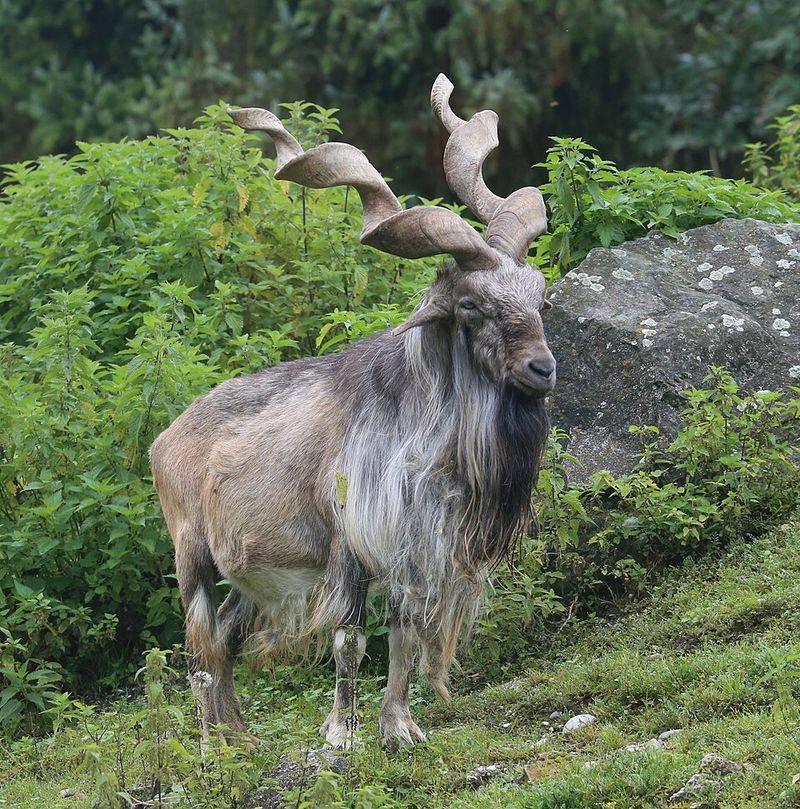
High in the rocky mountains of Central Asia lives an animal that looks like it stepped straight out of a mythology book. The Markhor is a wild goat with horns that spiral dramatically upward in a tight corkscrew pattern, sometimes reaching five feet in length.
Its shaggy mane and bold mountain stance add to the legendary impression.
Its name comes from the Persian words for “snake” and “eater,” though it does not actually eat snakes. Local folklore suggests the Markhor’s chewing motions can extract snake venom from the ground, and the foam from its mouth was once collected as a cure for snake bites.
These myths speak to the deep cultural respect this animal commands.
Pakistan has named the Markhor its national animal. Once severely threatened by overhunting, conservation programs have helped its population recover in recent years.
Seeing a Markhor balanced effortlessly on a sheer cliff face is one of the most breathtaking wildlife sights in all of Asia.
11. Jerboa
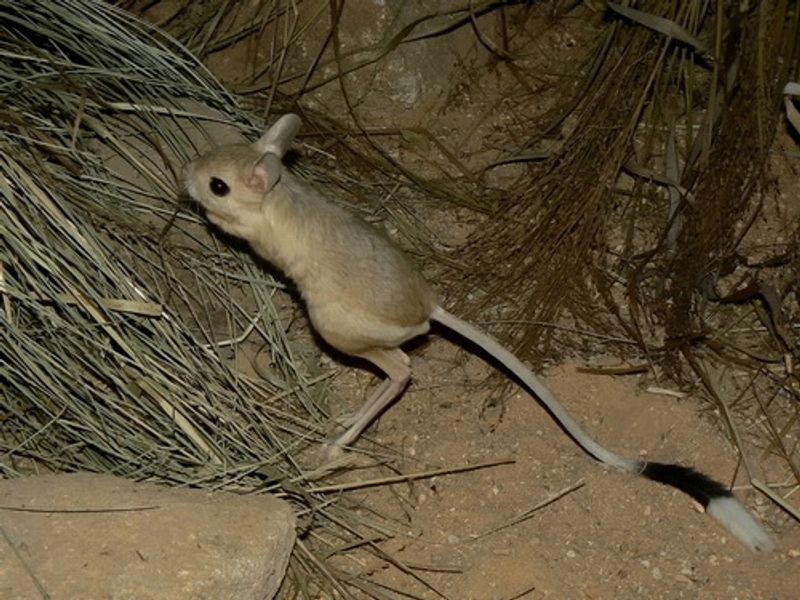
Meet the Jerboa, a tiny desert rodent that looks like someone combined a kangaroo, a rabbit, and a cartoon mouse into one creature. With oversized ears, enormous dark eyes, and hind legs built for jumping, it can leap up to ten times its own body length in a single bound.
That is an extraordinary feat for an animal the size of a golf ball.
Found across the deserts of Asia and North Africa, the Jerboa is perfectly adapted to extreme heat. It never needs to drink water, getting all the moisture it needs from the seeds and insects it eats.
Its long tail helps it balance mid-leap with surprising grace.
The Long-eared Jerboa is so unusual looking that early explorers reportedly struggled to describe it accurately to people back home. It almost defies categorization.
Watching one hop across moonlit desert sand, those giant ears swiveling like satellite dishes, feels like watching a creature from another world entirely.
12. Gerenuk
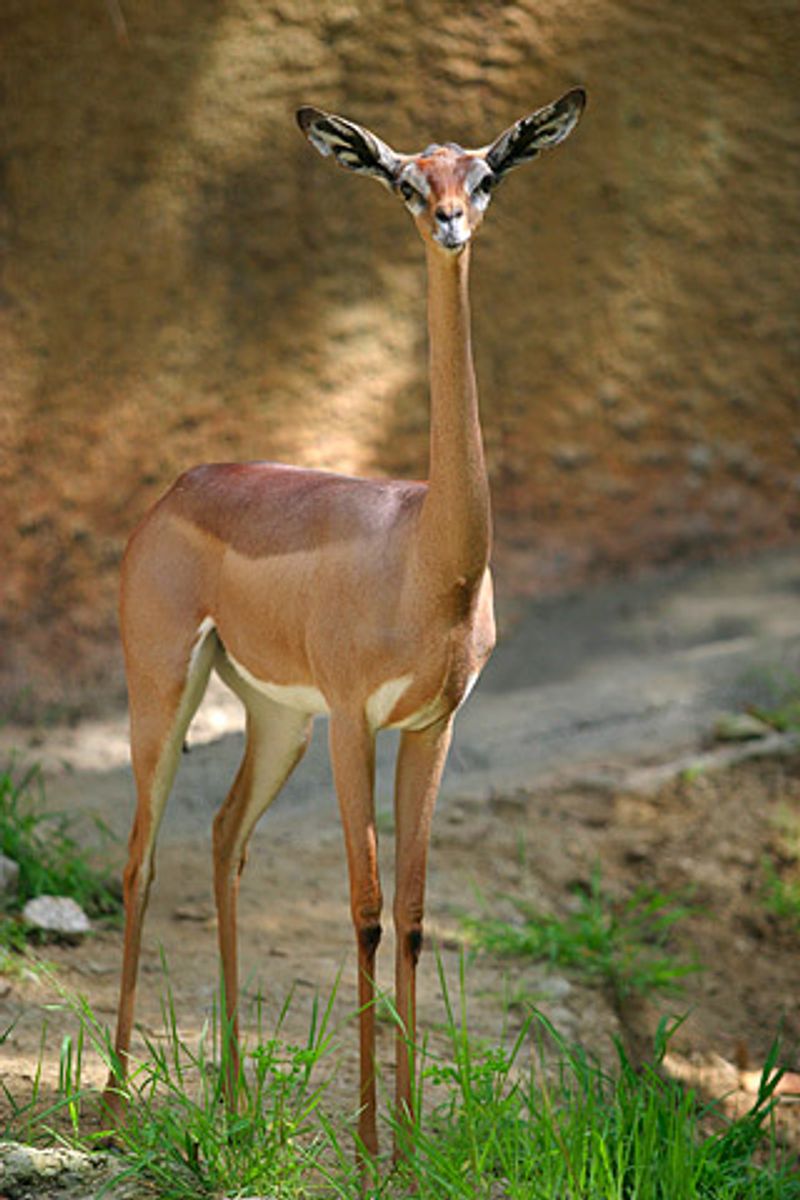
Somewhere between a gazelle and a giraffe, the Gerenuk carved out its own extraordinary niche. Its name comes from the Somali word for “giraffe-necked,” and one look at this East African antelope explains why.
That impossibly long neck sits atop a slender body built for browsing trees that other animals cannot reach.
What truly sets the Gerenuk apart is its habit of standing fully upright on its hind legs to feed. It can balance on two legs for extended periods, stretching its neck to reach the highest, freshest leaves on acacia branches.
No other gazelle does this with such consistent ease and elegance.
Like the Jerboa, the Gerenuk also does not need to drink water directly. It gets all the hydration it needs from the leaves and shoots it consumes.
Watching a Gerenuk stand tall against an African sunset, perfectly balanced and completely at ease, is a moment that genuinely looks like a scene from a nature fairy tale.
13. Fossa
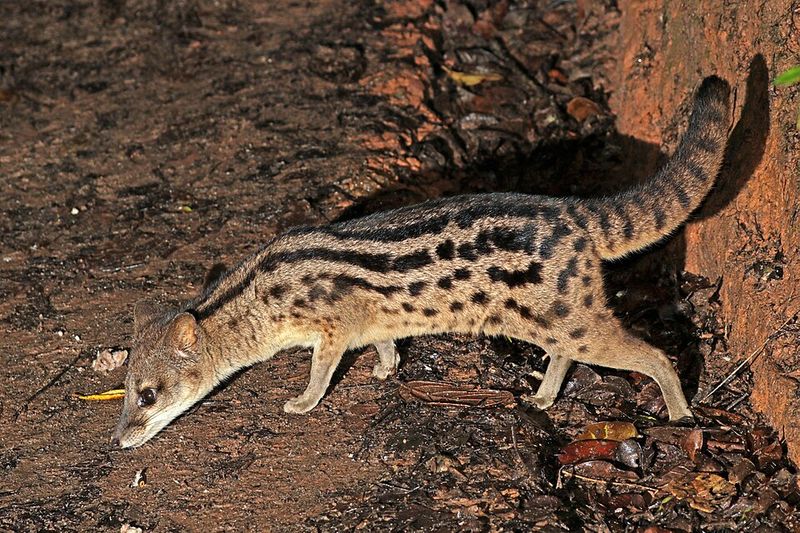
Madagascar is an island full of biological surprises, and the Fossa sits at the top of that list. At first glance, it looks like a small puma.
Look again and it resembles a mongoose. Study it carefully and you notice features shared with cats and even dogs.
Taxonomists spent years debating exactly what kind of animal it was.
The Fossa belongs to its own unique family, Eupleridae, found only in Madagascar. It is the island’s apex predator, capable of hunting lemurs through the treetops with remarkable agility.
Its semi-retractable claws and flexible ankles let it descend trees headfirst, a skill that makes it a remarkably versatile hunter.
Growing up to six feet long from nose to tail tip, the Fossa is far larger than it appears in photographs. Its secretive nature and forest habitat make it rarely seen.
Encountering one in the wild is considered an extraordinary privilege, a sighting that even experienced naturalists describe with obvious excitement.
14. Maned Wolf
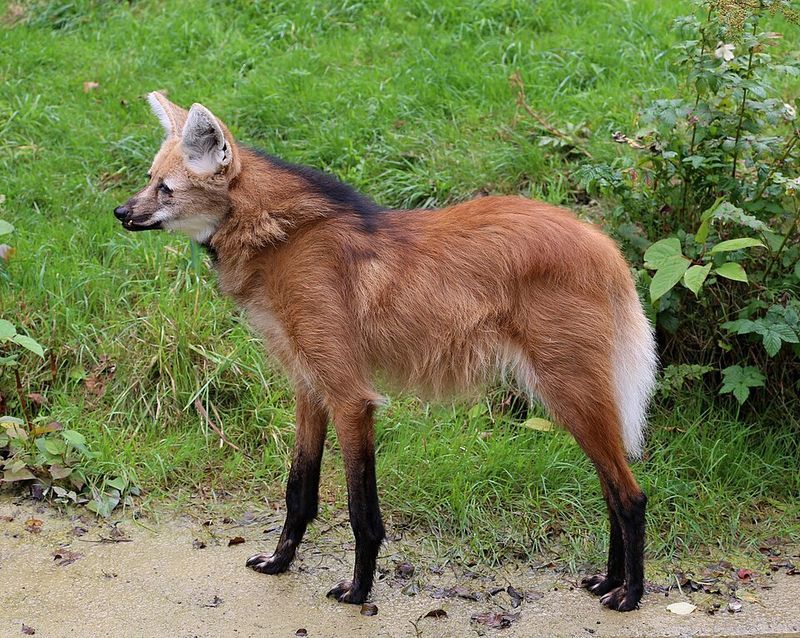
Walk into the Brazilian cerrado at dusk and you might spot what looks like a fox on stilts. The Maned Wolf is neither a wolf nor a fox, despite looking convincingly like both.
It stands on legs so long and slender that early European travelers assumed it was some kind of mythical hybrid creature, and honestly, the confusion is understandable.
Those extraordinary legs are an adaptation for seeing over tall savanna grasses. The Maned Wolf is actually the largest canid in South America, but it is not closely related to true wolves.
It has its own genus, Chrysocyon, meaning “golden dog.” Its diet is surprisingly varied, including fruits, insects, reptiles, and small mammals.
One of its favorite foods is a tomato-like fruit called the lobeira, or “wolf’s fruit,” named specifically because of this animal’s fondness for it. The Maned Wolf is classified as near threatened.
Its haunting, roaring bark echoing through the cerrado at night sounds as mythical as it looks.
15. Tarsier
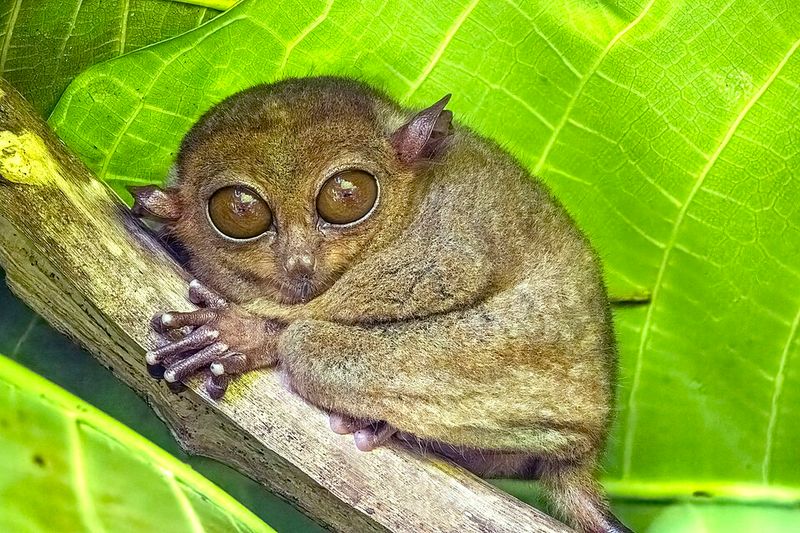
Each of the Tarsier’s eyes is larger than its entire brain. Let that sink in for a moment.
This tiny primate, found on islands across Southeast Asia, has the largest eyes relative to body size of any mammal on Earth. Those enormous, fixed eyes cannot move in their sockets, so the Tarsier compensates by rotating its head nearly 180 degrees.
Ancient sailors who encountered Tarsiers on remote islands brought back stories of creatures with supernatural vision, able to see in total darkness and turn their heads like owls. Those stories were not far from the truth.
Tarsiers are exclusively carnivorous primates, hunting insects, lizards, and even small birds entirely at night.
Each finger tip ends in a rounded pad that helps the Tarsier grip branches with precision. Despite their wide-eyed, almost doll-like appearance, they are fierce and capable hunters.
Holding one in your gaze feels genuinely otherworldly, as if something ancient and knowing is staring straight back at you.
Share this story