Casting the right actor for a role can make or break a movie. When the fit is perfect, audiences forget they are watching someone perform.
But when the casting misses the mark, it can pull viewers right out of the story and follow a film for decades. Here are 15 times Hollywood made casting choices that left audiences and critics scratching their heads.
1. Sofia Coppola as Mary Corleone (The Godfather Part III, 1990)
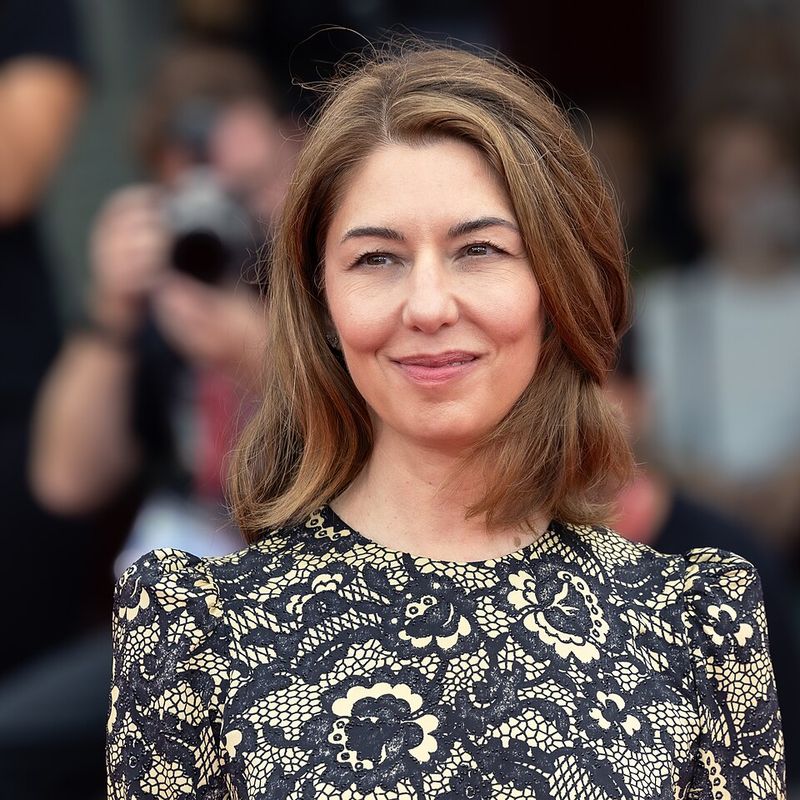
Few casting controversies have lingered as long as Sofia Coppola stepping into the role of Mary Corleone in her father Francis Ford Coppola’s third Godfather film. She was not originally the plan.
Winona Ryder dropped out due to illness just before production began, and the director turned to his own daughter as a last-minute replacement.
Critics were brutal. Many felt her performance lacked the emotional depth the role demanded, especially alongside seasoned veterans like Al Pacino and Diane Keaton.
The Golden Raspberry Awards even gave her a Worst Supporting Actress nomination.
Sofia herself has spoken openly about how painful the experience was. She later became a celebrated filmmaker in her own right, winning an Oscar for Lost in Translation.
Still, her appearance in Godfather Part III remains one of Hollywood’s most talked-about casting missteps, widely seen as a significant drag on the film’s legacy.
2. John Wayne as Genghis Khan (The Conqueror, 1956)
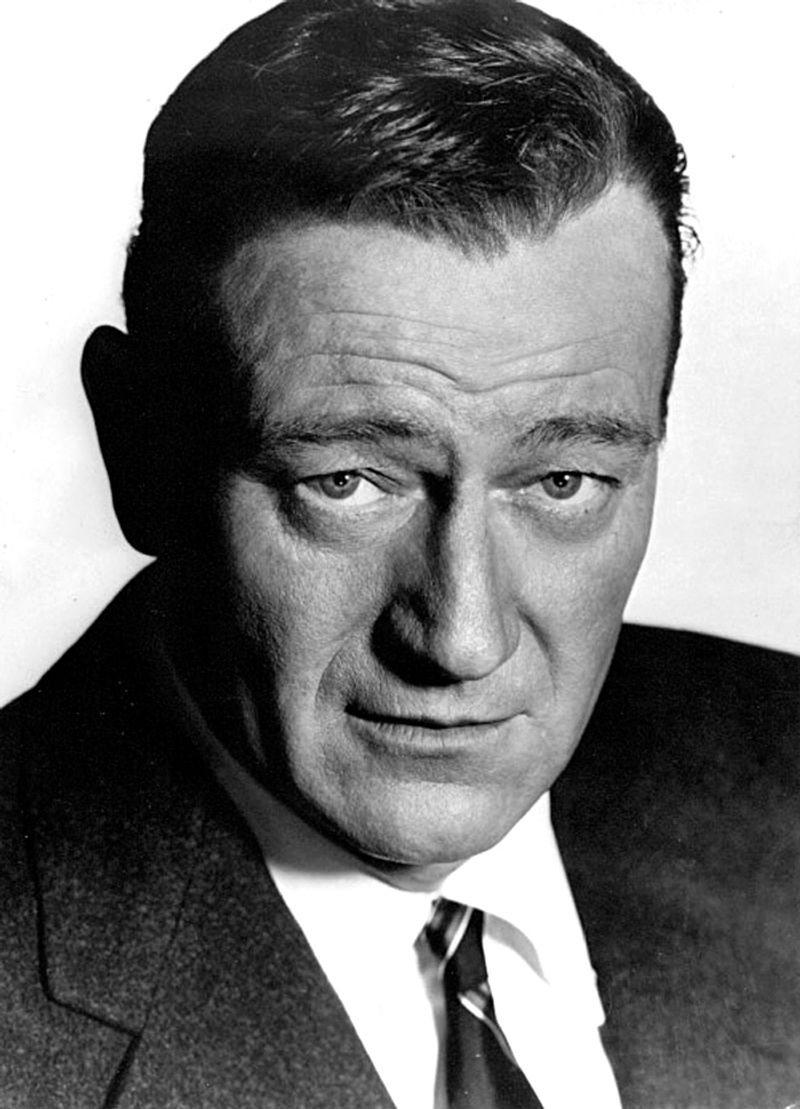
Calling this a mismatch would be an understatement. John Wayne, the quintessential American cowboy, was cast as Genghis Khan, the fierce Mongol conqueror, in a decision that baffled audiences from the moment the trailer aired.
Wayne reportedly pushed hard for the role himself, convinced he could pull it off.
He could not. His trademark drawl clashed spectacularly with lines like “I feel this Tartar woman is for me.” The film was panned immediately and has since become a textbook example of Hollywood’s troubling history of casting Western actors in Asian roles.
The production also carried a tragic footnote. Filmed near a nuclear testing site in Utah, a disproportionate number of cast and crew, including Wayne himself, later developed cancer.
The Conqueror is remembered today less as a film and more as a cautionary tale on multiple levels.
3. Mickey Rooney as Mr. Yunioshi (Breakfast at Tiffany’s, 1961)
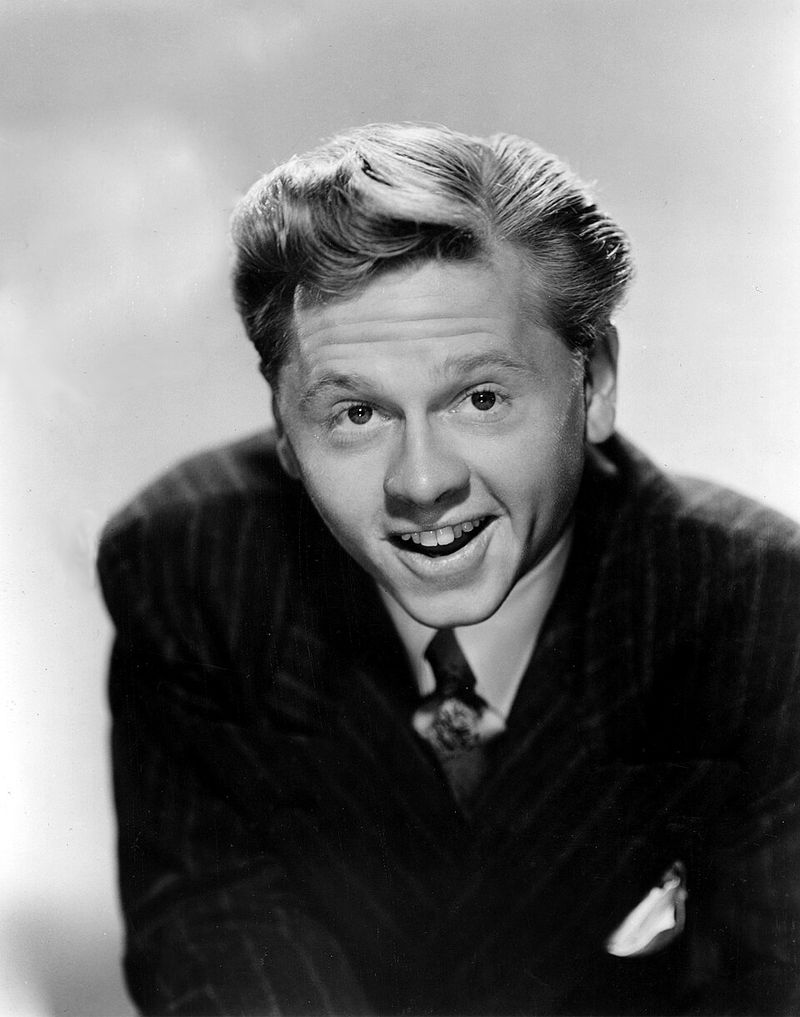
Breakfast at Tiffany’s is beloved for Audrey Hepburn’s iconic performance, but one casting choice has cast a long shadow over the film’s reputation. Mickey Rooney played Mr. Yunioshi, a Japanese neighbor, in a performance built entirely on exaggerated, offensive stereotypes.
He wore prosthetic teeth, applied eye makeup, and played the character as a bumbling caricature.
Even by 1961 standards, the portrayal made many viewers uncomfortable. Over the decades, criticism has only grown louder.
Rooney himself later expressed regret, saying he had no idea the performance would hurt people and apologizing sincerely.
The role is now widely taught in film studies as an example of Hollywood’s long history of yellowface casting, where white actors were given Asian roles while actual Asian actors were largely excluded from mainstream films. It remains one of the most cringe-worthy moments in classic Hollywood cinema.
4. Denise Richards as Dr. Christmas Jones (The World Is Not Enough, 1999)
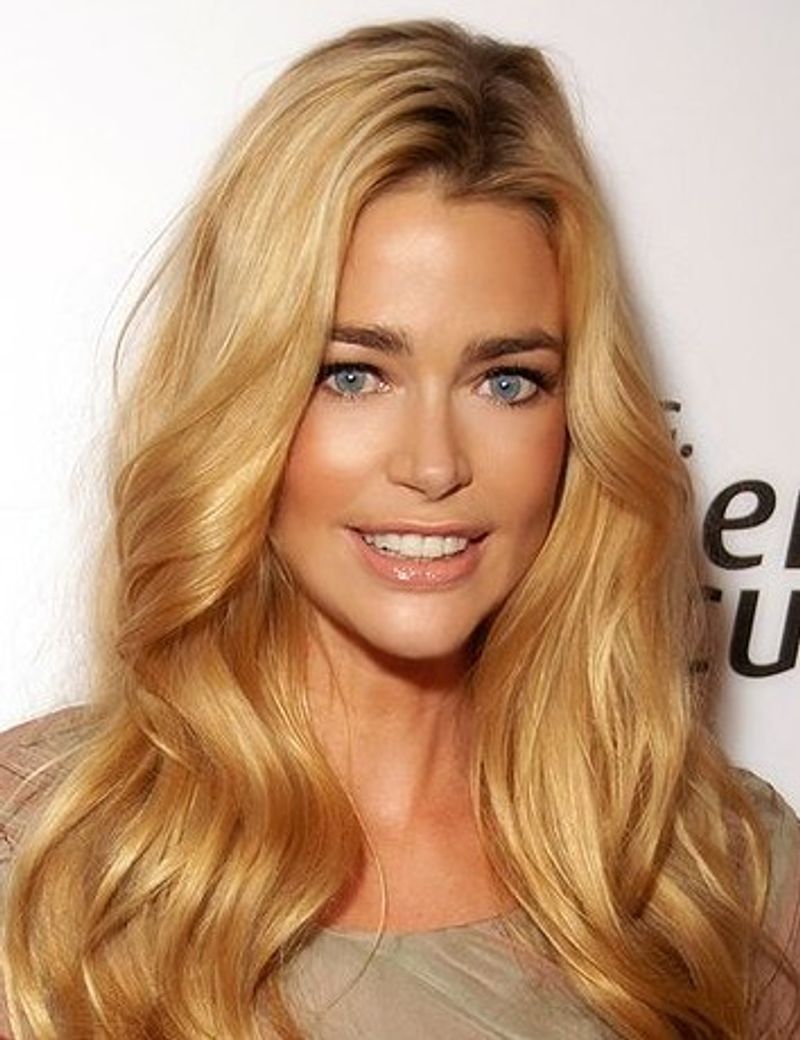
Bond films have always stretched believability, but casting Denise Richards as a nuclear physicist named Dr. Christmas Jones pushed that suspension of disbelief to its breaking point. Richards was 28 at the time and had built her career on roles that leaned into her looks rather than intellectual gravitas.
Audiences and critics alike struggled to accept her as one of the world’s foremost nuclear experts. Her line deliveries were frequently called flat, and the character felt more like a catalog model who wandered onto a reactor set than a credible scientist.
The role earned Richards a Razzie Award for Worst Supporting Actress and has become a permanent fixture on worst Bond girl lists. To her credit, Richards has handled the criticism with humor over the years.
Still, the casting choice remains a prime example of Hollywood prioritizing looks over fit when building a character who needed both.
5. Cameron Diaz as Jenny Everdeane (Gangs of New York, 2002)
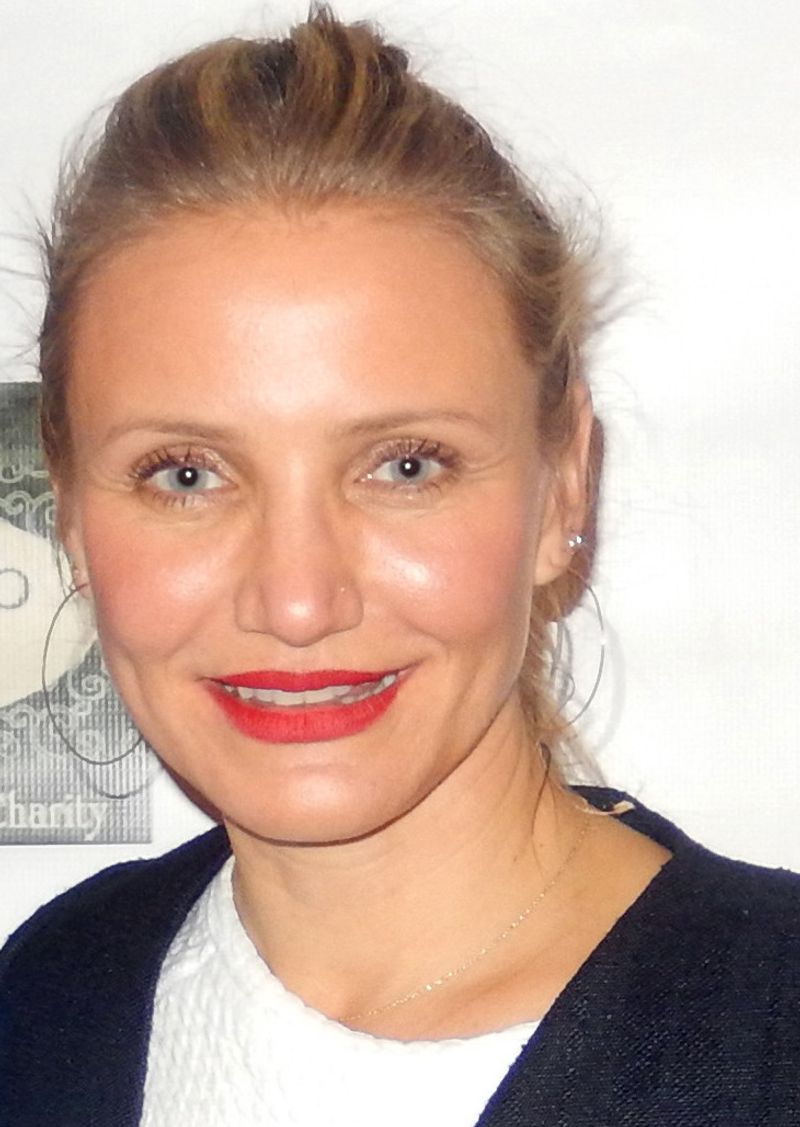
Martin Scorsese’s Gangs of New York was a sprawling, ambitious historical epic filled with powerhouse performances from Daniel Day-Lewis and Leonardo DiCaprio. Cameron Diaz, however, stood out for the wrong reasons.
Her portrayal of Jenny Everdeane, a crafty pickpocket navigating the brutal streets of 1860s New York, felt out of place throughout.
Critics noted that Diaz, charming and effective in comedies, seemed unable to fully inhabit the gritty world Scorsese had constructed. Her accent wavered, and her chemistry with DiCaprio was frequently described as unconvincing.
Audiences noticed the gap between her performance and those around her.
Diaz is a talented performer who has shone in the right roles. But Jenny Everdeane required a rawness and period authenticity that never quite materialized on screen.
The film succeeded despite the casting, not because of it, and Diaz’s performance remains its most debated element.
6. Keanu Reeves as Jonathan Harker (Bram Stoker’s Dracula, 1992)
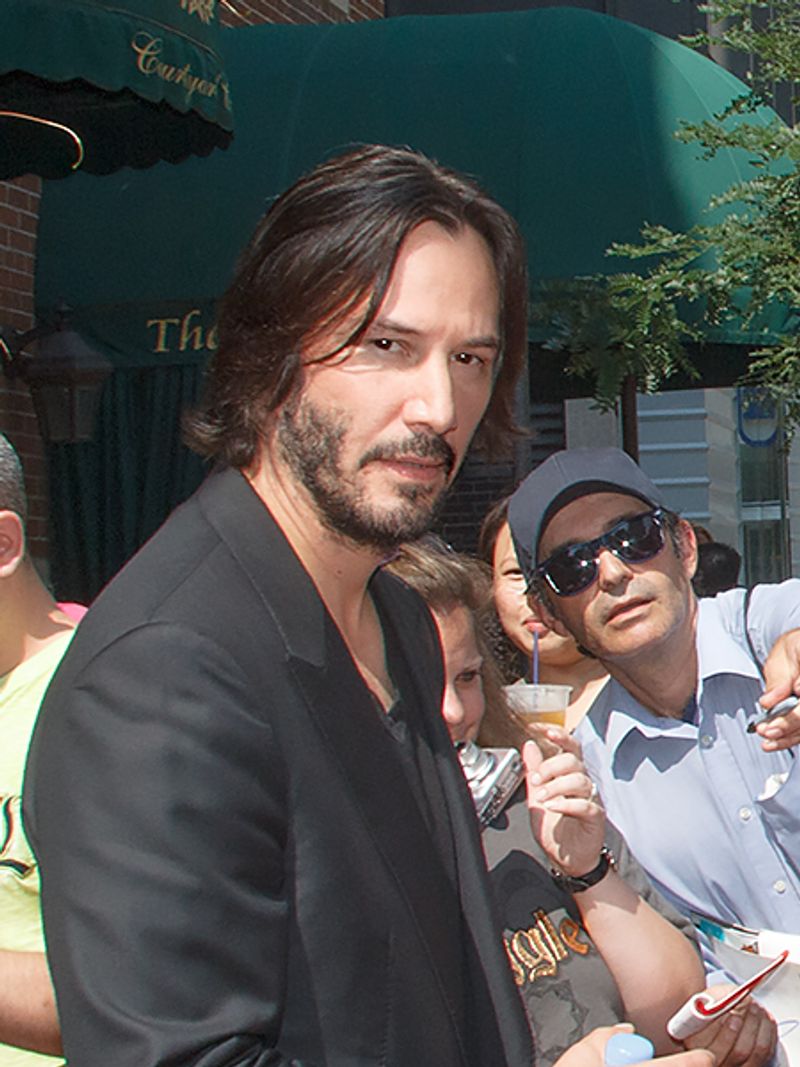
Francis Ford Coppola assembled a remarkable cast for his lush adaptation of Bram Stoker’s Dracula. Gary Oldman, Winona Ryder, and Anthony Hopkins all delivered memorable work.
Then there was Keanu Reeves as Jonathan Harker, and the contrast was impossible to ignore.
Reeves attempted a British accent that ranged from inconsistent to outright distracting. In scenes alongside Oldman’s ferociously committed Dracula, Reeves appeared frozen, delivering lines with a flatness that drained tension from what should have been terrifying confrontations.
Film students still use clips from the movie to illustrate the difference between an actor fully immersed in a role and one visibly struggling. Reeves has since become a beloved Hollywood figure, excelling in action roles that suit his physicality and natural screen presence.
But Jonathan Harker exposed the limits of his range at the time, and his accent alone has become the stuff of movie legend.
7. Topher Grace as Eddie Brock/Venom (Spider-Man 3, 2007)
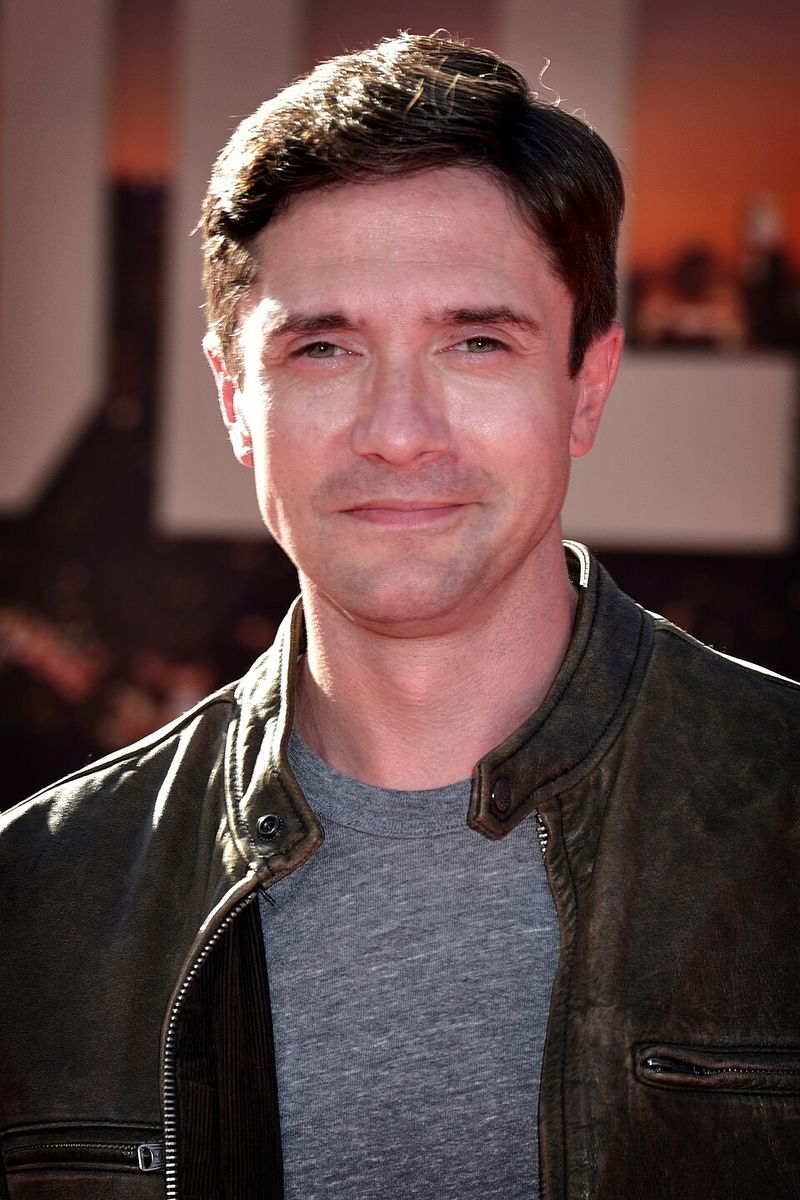
Venom is one of Spider-Man’s most fearsome villains. In the comics, Eddie Brock is a physically massive, intense journalist whose rage and bitterness make him the perfect host for the alien symbiote.
Topher Grace, best known for playing lovable goofball Eric Forman on That 70s Show, was none of those things.
Grace is a capable actor, but his wiry frame and naturally comedic energy worked against the menace Venom required. Fans who had waited years to see the character on screen were visibly disappointed.
The casting felt like the film’s producers had never seriously considered what made Venom scary in the first place.
Spider-Man 3 had multiple problems, and Grace was not solely responsible for its failures. Still, the Venom casting became a rallying point for fan frustration.
When the character was later rebooted with Tom Hardy in 2018, audiences responded with far greater enthusiasm, proving the role needed a different kind of energy entirely.
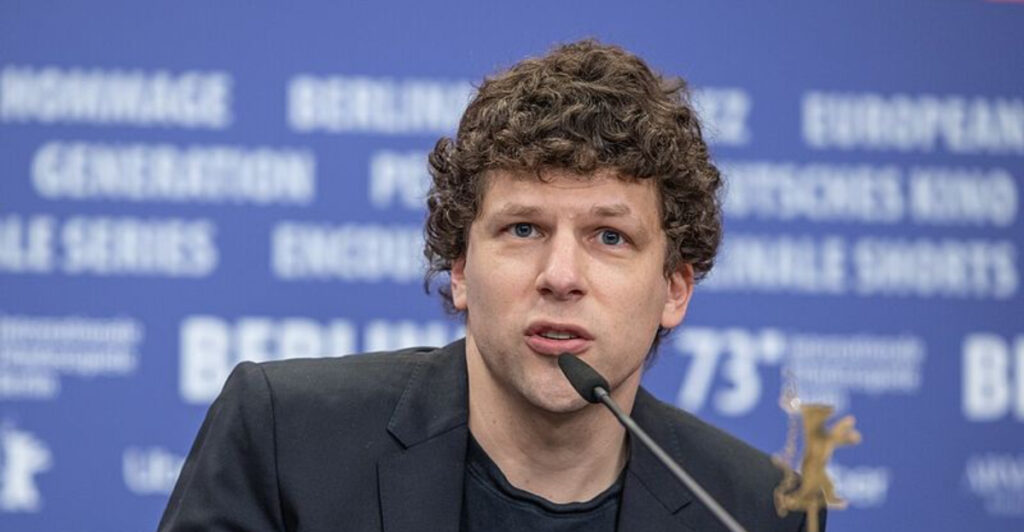
8. Jesse Eisenberg as Lex Luthor (Batman v Superman: Dawn of Justice, 2016)
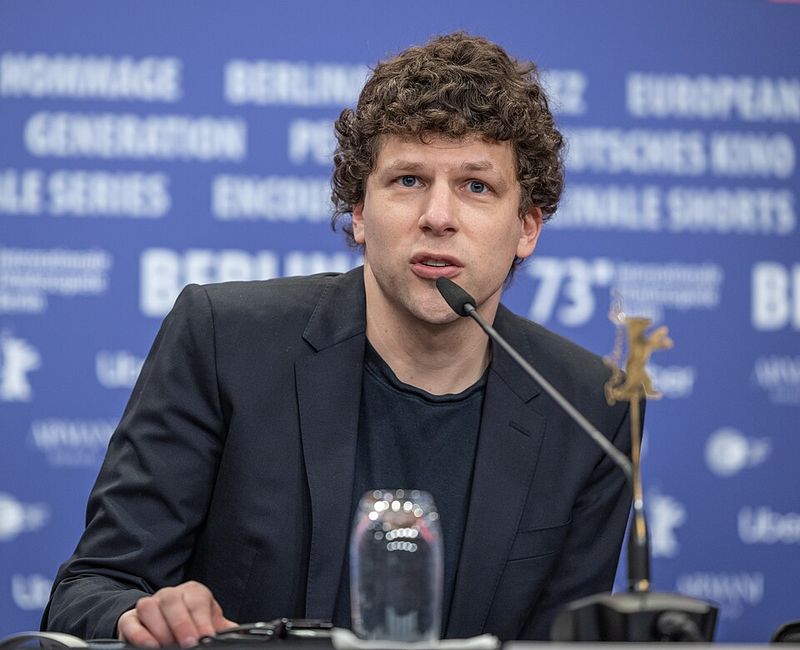
Lex Luthor has traditionally been portrayed as a calculating, cold, and physically commanding villain. Jesse Eisenberg brought something entirely different to the role: a twitchy, fast-talking, almost manic energy that felt closer to a tech startup founder having a bad day than a world-class criminal mastermind.
Some viewers appreciated the unconventional interpretation. Many more found it jarring, particularly in a film that was already struggling to balance multiple storylines and character introductions.
Eisenberg’s Lex felt like he belonged in a different, quirkier movie altogether.
DC fans had strong expectations for a character who has been a cornerstone of Superman mythology for decades. Eisenberg’s portrayal did not meet those expectations for a significant portion of the audience.
The performance divided critics sharply, with some calling it bold and others calling it miscalculated. Either way, it became one of the most debated aspects of a film that generated plenty of debate to begin with.
9. Dane DeHaan as Valerian (Valerian and the City of a Thousand Planets, 2017)
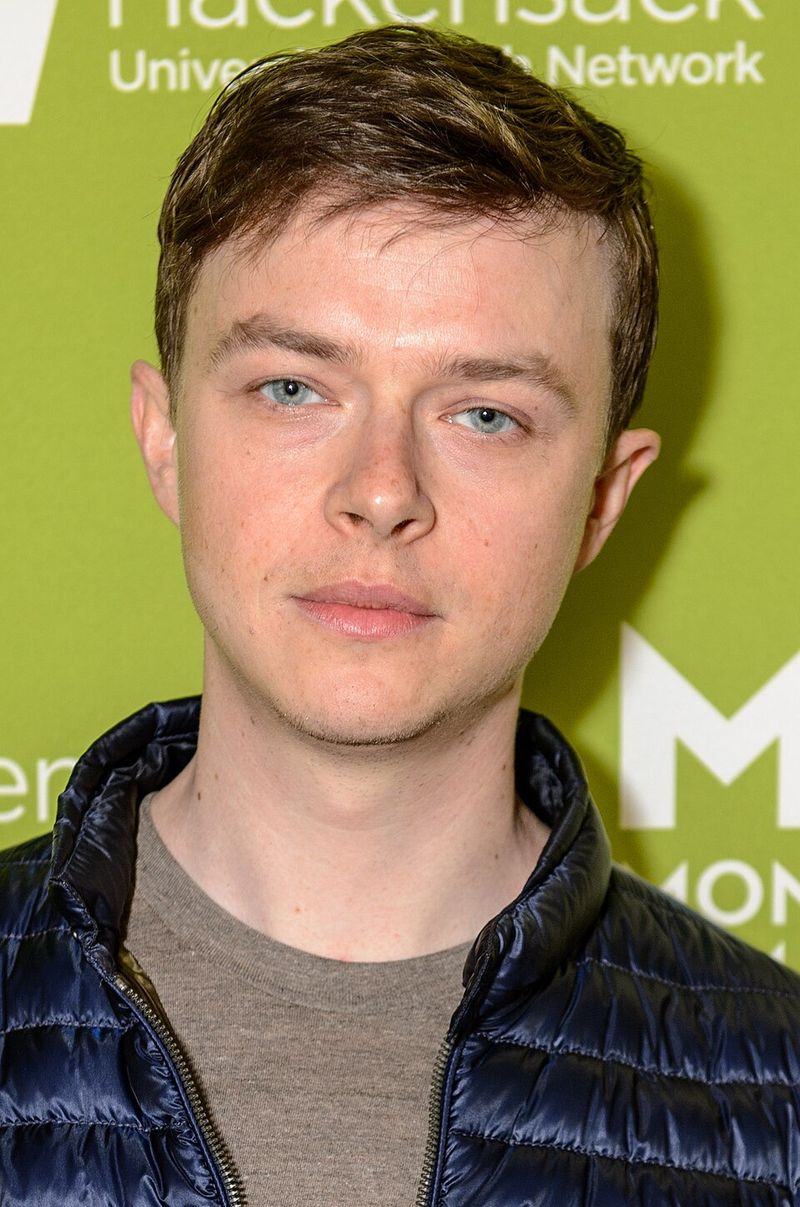
Luc Besson’s Valerian and the City of a Thousand Planets was one of the most visually ambitious science fiction films in years, packed with dazzling worlds and creative alien designs. What it needed at its center was a charismatic, swaggering hero audiences could root for.
What it got was Dane DeHaan.
DeHaan is a skilled actor who excels in brooding, fragile roles. Valerian, however, needed someone with effortless cool and the kind of magnetic screen presence that makes viewers believe a character can charm his way through any situation.
DeHaan never quite sold that swagger, and his chemistry with co-star Cara Delevingne was described by many critics as lukewarm at best.
The film underperformed significantly at the box office, and while its problems went beyond casting alone, DeHaan’s inability to anchor the story as a convincing action hero was widely cited as a key factor in why audiences never fully connected with the film.
10. Vince Vaughn as Norman Bates (Psycho, 1998)
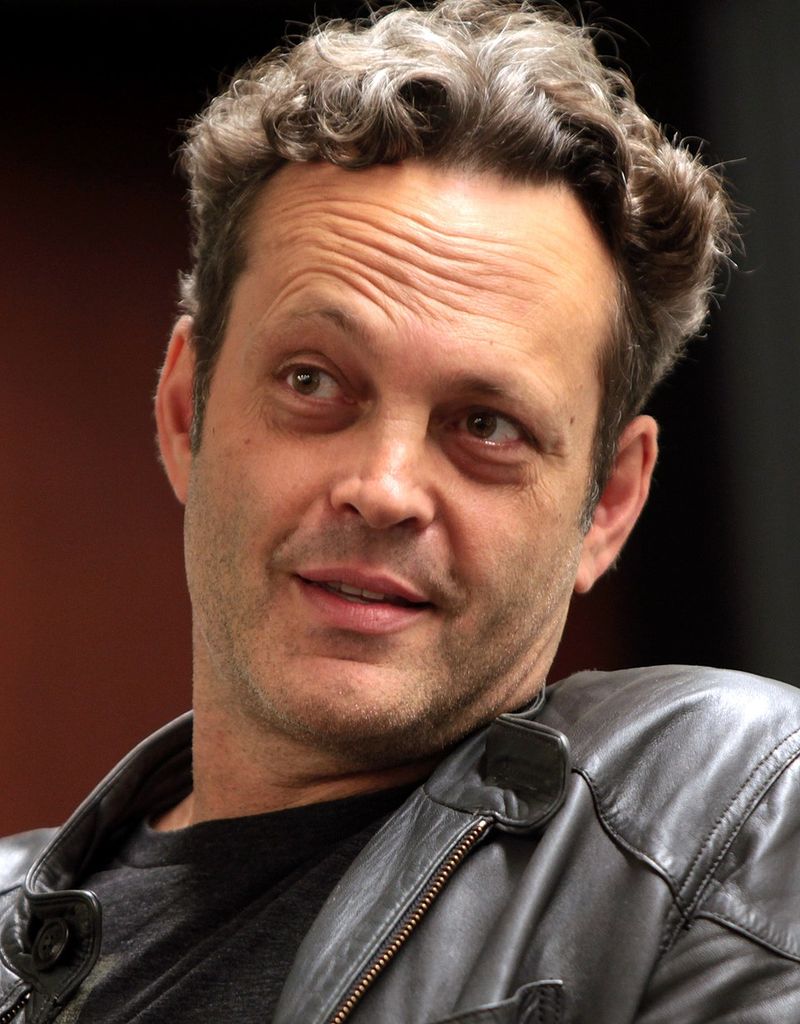
Gus Van Sant’s 1998 shot-for-shot remake of Alfred Hitchcock’s Psycho was already a controversial concept. Remaking a masterpiece frame by frame raised eyebrows before a single actor was cast.
Then came the announcement that Vince Vaughn would step into Anthony Perkins’s shoes as Norman Bates, and skepticism turned to outright alarm.
Vaughn was known primarily for comedic roles, and his natural energy, loose and gregarious, worked completely against the coiled, unsettling quietness that made Perkins’s Norman so unforgettable. Vaughn appeared uncomfortable throughout, never finding the creeping menace the role demanded.
The film was critically savaged, and Vaughn’s performance bore much of the blame. He has since rebuilt his career effectively in comedy and drama alike.
But Norman Bates remains a role that exposed a fundamental mismatch between an actor’s natural strengths and what a character genuinely requires. Some icons simply cannot be recast without losing what made them iconic.
11. Russell Crowe as Javert (Les Miserables, 2012)
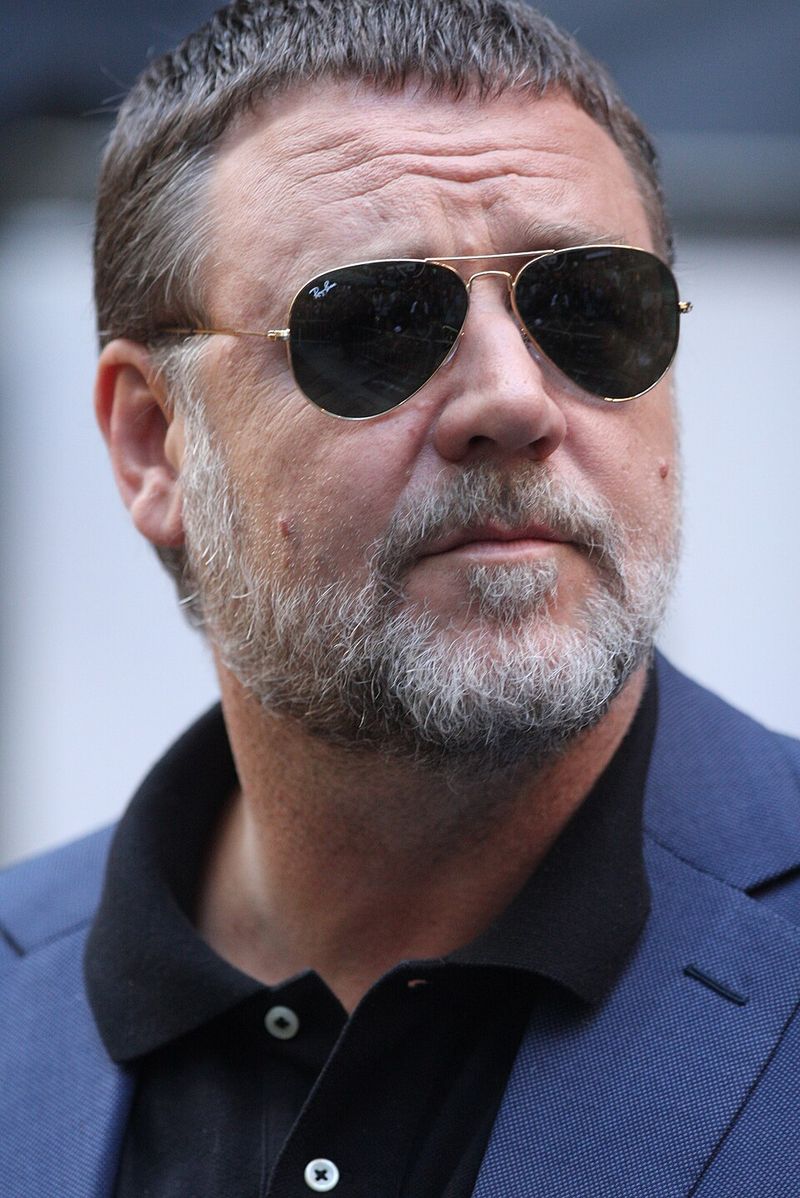
Russell Crowe is a genuinely gifted actor with an Oscar on his shelf and a long list of commanding performances to his name. Singing in a live-recorded movie musical, however, is a very different skill set, and Les Miserables made that distinction painfully clear.
Crowe was cast as the relentless Inspector Javert, one of the most demanding singing roles the musical has to offer.
Director Tom Hooper made the bold choice to have actors sing live on set rather than lip-sync to pre-recorded tracks. For Hugh Jackman and Anne Hathaway, this approach produced raw, emotional performances.
For Crowe, it exposed the gap between a competent singer and the powerhouse the role required.
His voice, while not without warmth, lacked the thunderous authority Javert demands. Critics were kind about his acting but consistent in their assessment of his vocal limitations.
The role needed someone who could shake walls, and Crowe simply could not deliver that.
12. Hayden Christensen as Anakin Skywalker (Attack of the Clones and Revenge of the Sith)
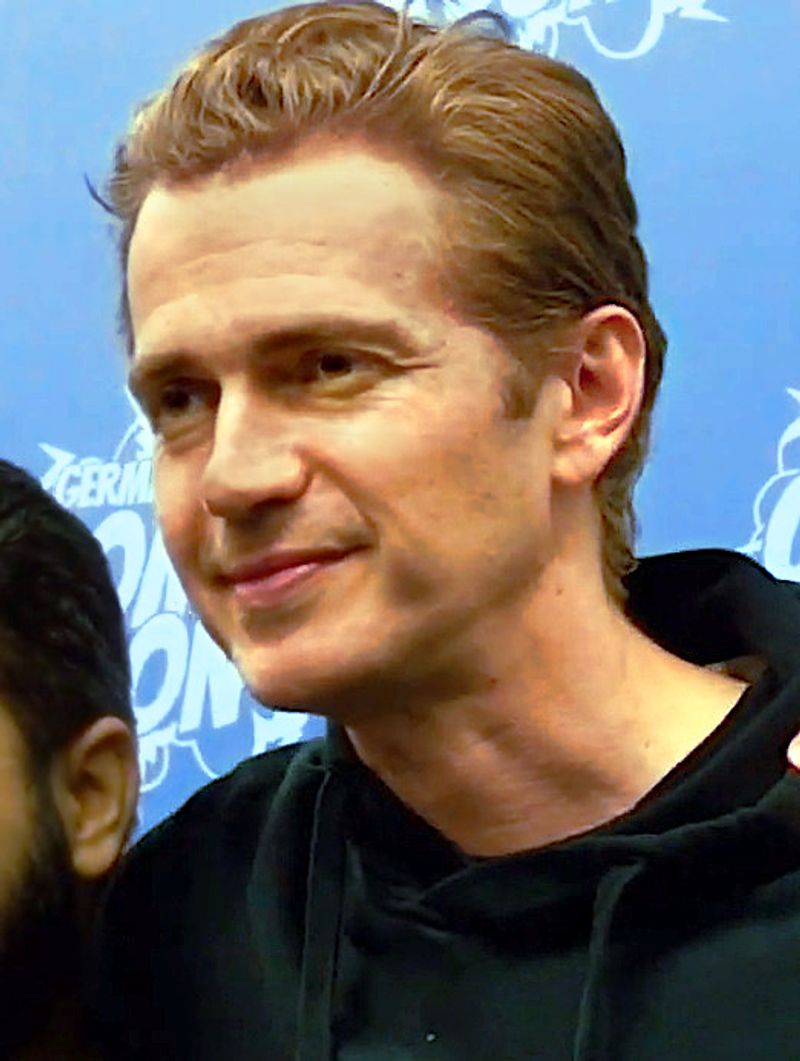
The Star Wars prequel trilogy had plenty of critics, and much of the frustration was directed at George Lucas’s script and direction. But Hayden Christensen’s portrayal of young Anakin Skywalker became the most personal target of fan disappointment.
The role required someone who could make audiences feel the slow, heartbreaking slide of a good man toward darkness.
Christensen delivered his dialogue with a stiffness that made emotional scenes feel awkward rather than tragic. His romantic scenes with Natalie Portman were widely mocked, particularly the infamous sand monologue in Attack of the Clones.
Even fans who wanted to root for him found it difficult to connect.
Years later, Christensen has spoken about how the experience affected him personally, and many fans have softened their view with time. His return in the Obi-Wan Kenobi series was warmly received.
But the prequel performances remain a central part of why those films struggled to win over longtime Star Wars devotees.
13. Tom Cruise as Jack Reacher (Jack Reacher, 2012)
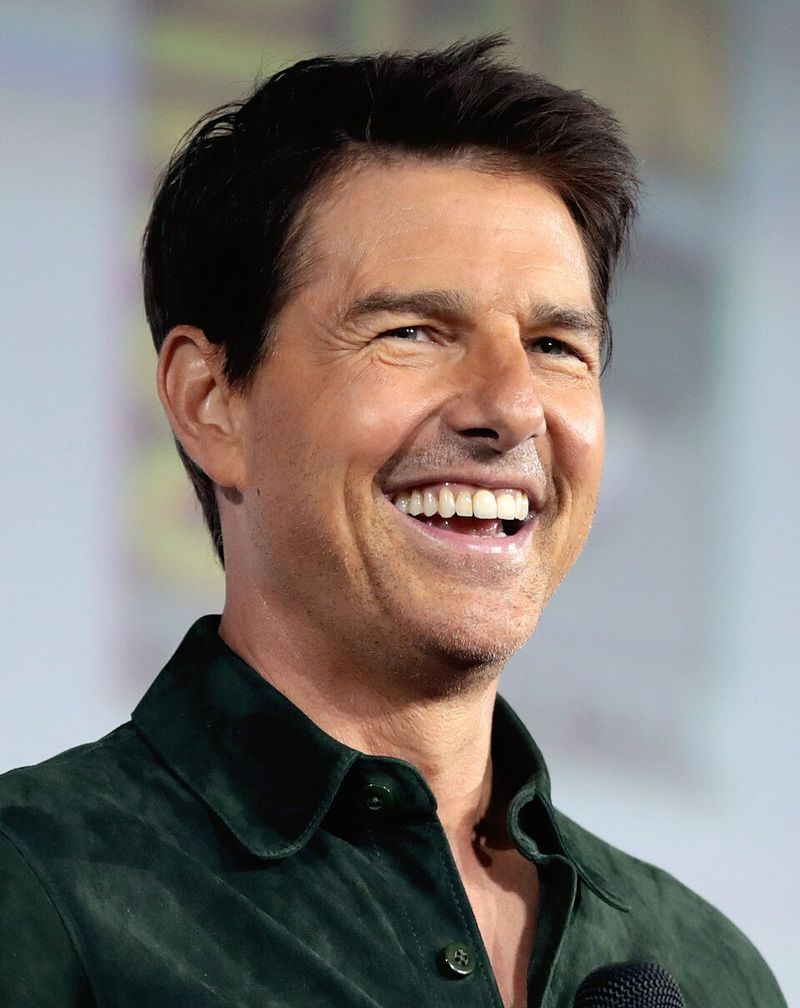
Lee Child’s Jack Reacher is described in the novels as a 6-foot-5, 250-pound former military investigator with a physical presence that stops rooms cold. Tom Cruise stands around 5 feet 7 inches.
The mismatch in physicality was so obvious that Child himself fielded endless questions about it before the film even opened.
Cruise is an undeniably compelling screen presence and threw himself into the role with his usual commitment. Many casual viewers enjoyed the film as a solid action thriller.
But for readers who had spent years picturing Reacher as an unstoppable mountain of muscle and quiet menace, Cruise simply could not bridge that gap no matter how hard he tried.
The franchise was eventually rebooted as a streaming series starring Alan Ritchson, who stands 6-foot-2 and carries the physical authority the character demands. Ritchson’s casting was met with widespread approval from book fans, making the contrast with Cruise all the more pointed.
14. Jared Leto as the Joker (Suicide Squad, 2016)
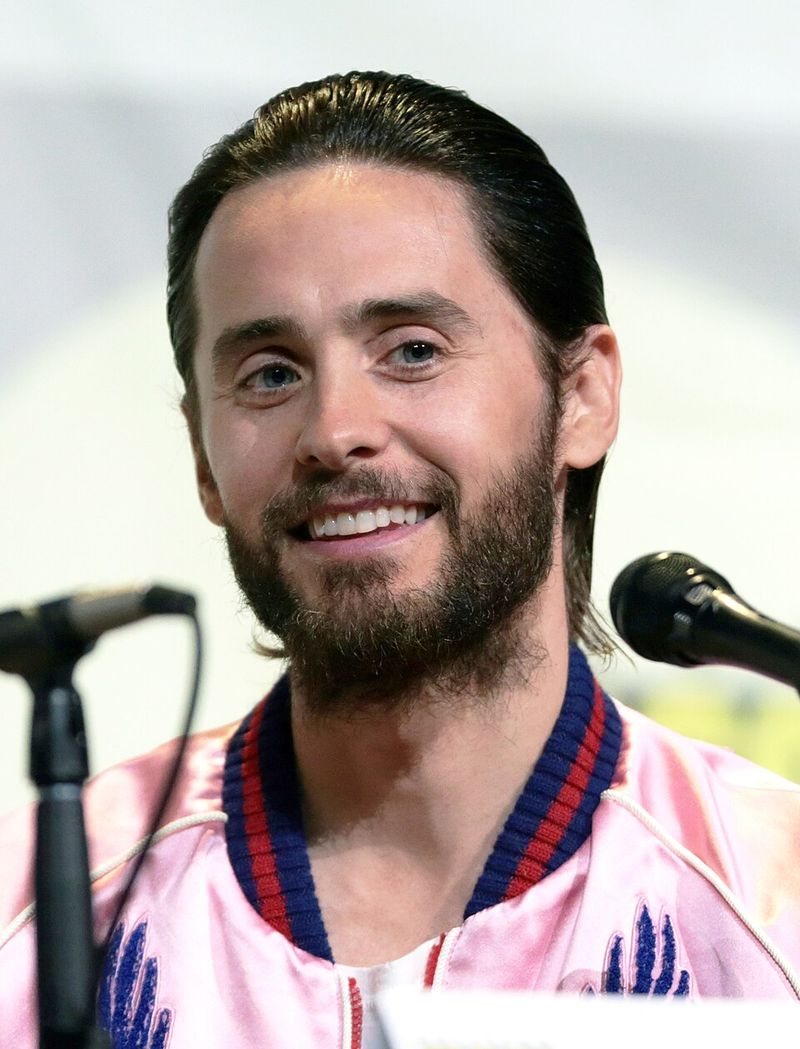
Taking on the Joker after Heath Ledger’s legendary performance in The Dark Knight was always going to be a nearly impossible task. Jared Leto chose to go in a completely different direction, crafting a heavily tattooed, grill-wearing, almost gangster-inspired version of the character that divided audiences from the first promotional image.
Beyond the look, stories emerged during production about Leto’s extreme method acting choices, which included sending bizarre gifts to castmates. The approach generated more headlines than enthusiasm.
When the film arrived, many viewers felt his Joker appeared in too few scenes to make a real impact, and the scenes he did have left many cold.
Leto’s interpretation felt more like a costume than a character, lacking the psychological complexity that makes the Joker compelling. He later reprised the role briefly in the Zack Snyder cut of Justice League to a similarly mixed response, cementing his tenure as one of the least celebrated takes on the iconic role.
15. Cara Delevingne as Enchantress (Suicide Squad, 2016)
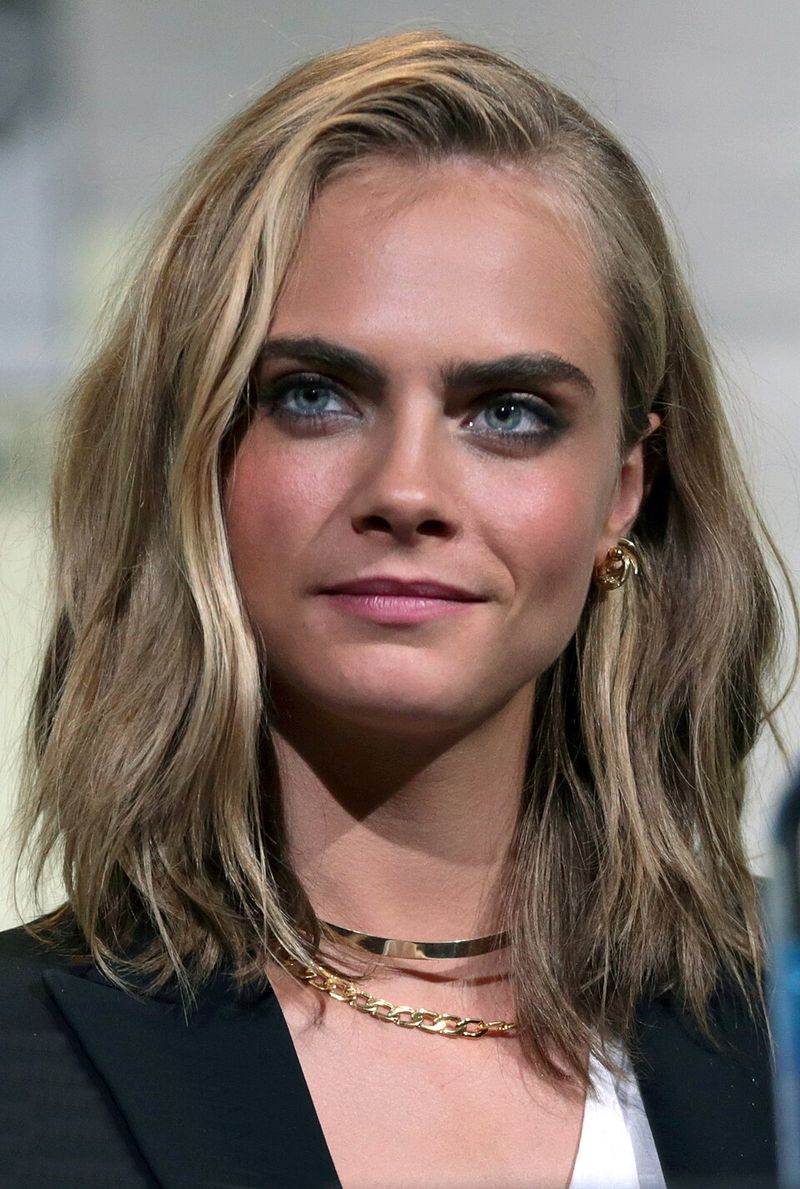
Cara Delevingne arrived in Suicide Squad with genuine buzz. She had made a strong impression in Paper Towns and brought a striking physical presence to the screen.
Enchantress, an ancient and terrifying magical entity, seemed like a role that could showcase a different side of her abilities. The reality was less convincing.
Critics pointed to her performance as one of the film’s most significant weak points. Her portrayal of Enchantress relied heavily on strange, writhing physical movements and a whispery delivery that many found unintentionally funny rather than menacing.
The character’s motivations were also poorly written, which made Delevingne’s job considerably harder.
Separating the actress from the script is fair, and the film’s writing failed many of its characters. Still, Delevingne could not elevate the material the way a more experienced performer might have.
Enchantress remains a missed opportunity, and the role did more damage than good to Delevingne’s momentum as a rising dramatic actress at the time.
Share this story