Some of the most well-known public figures have surprised their fans by openly talking about witchcraft, paganism, and magical traditions. From rock singers to bestselling authors and attorneys, these individuals have brought ancient spiritual practices into the modern spotlight.
Their openness has helped spark wider conversations about what it means to practice witchcraft in today’s world. Whether you are curious about the topic or already familiar with it, this list offers a fascinating look at public figures who have never shied away from sharing their beliefs.
1. Fiona Horne
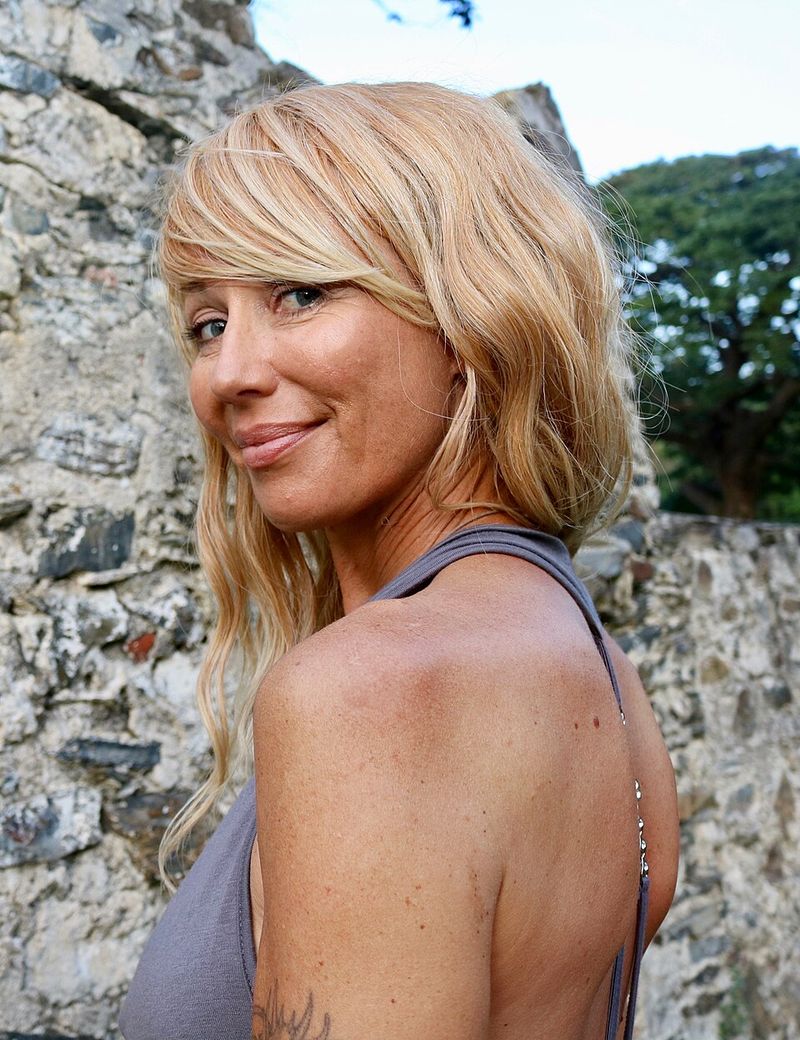
Few celebrity witches have been as open and unapologetic about their beliefs as Fiona Horne. The Australian singer rose to fame as a member of the pop-rock band Def FX before stepping fully into her identity as a practicing Wiccan.
Her transition from rock star to outspoken witch caught many fans off guard, but Horne embraced it wholeheartedly.
She has written several books on Wicca, including titles aimed at young adults curious about the craft. Her approachable writing style helped introduce a new generation to pagan spirituality without intimidation.
Horne has appeared on television programs discussing her beliefs with refreshing confidence.
What makes her story compelling is how naturally she blended celebrity culture with spiritual practice. She never treated witchcraft as a phase or a gimmick.
For Horne, it was always a sincere and deeply personal path worth sharing with the world.
2. Fairuza Balk
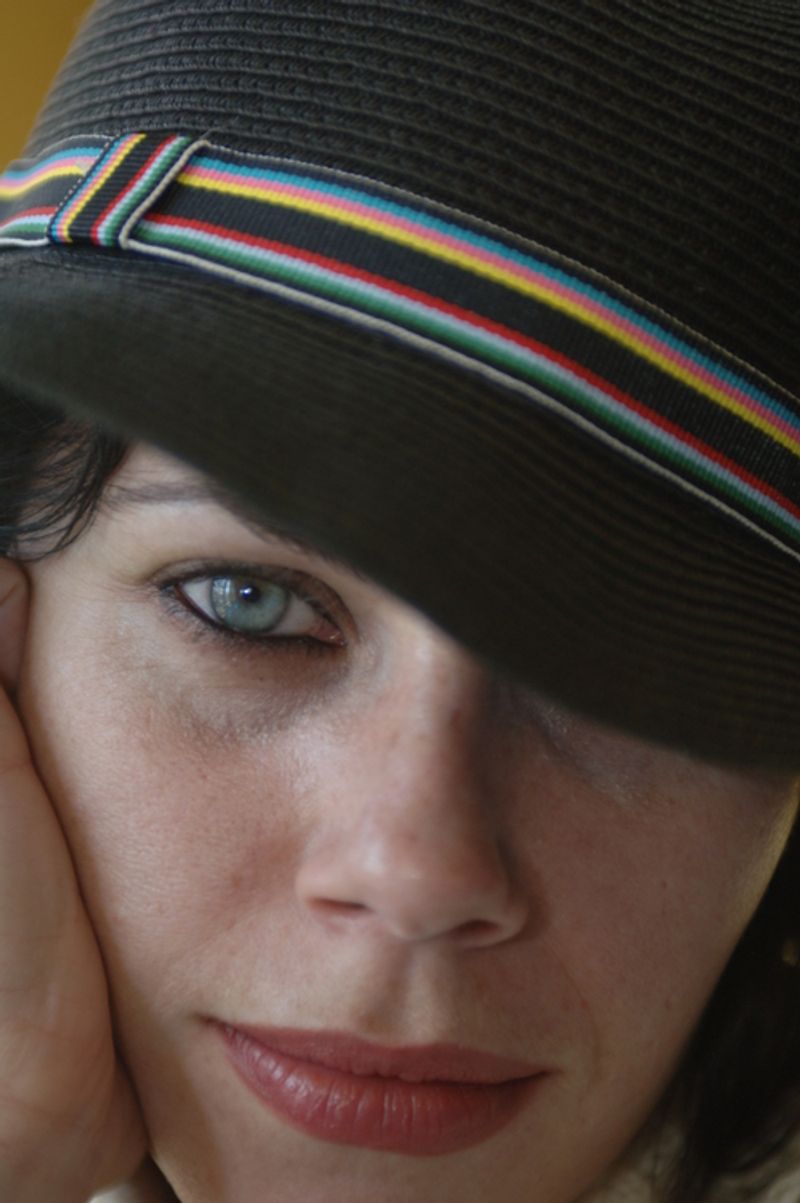
Most people recognize Fairuza Balk from her iconic role as Nancy Downs in the 1996 film The Craft, but her connection to witchcraft goes far beyond the movie set. Balk has spoken openly in interviews about her genuine interest in occult traditions and pagan spirituality.
She was not just playing a character; she was already drawn to that world before filming began.
Balk reportedly purchased an occult shop in Los Angeles called Panpipes Magickal Marketplace during the height of her fame. The store became a gathering place for practitioners and curious seekers alike.
Her ownership of the shop signaled just how serious she was about the community.
Over the years, she has discussed how pagan philosophy shapes her worldview and creative life. Balk remains one of Hollywood’s most authentic examples of an actress whose on-screen role genuinely reflected her off-screen spiritual path.
3. Azealia Banks
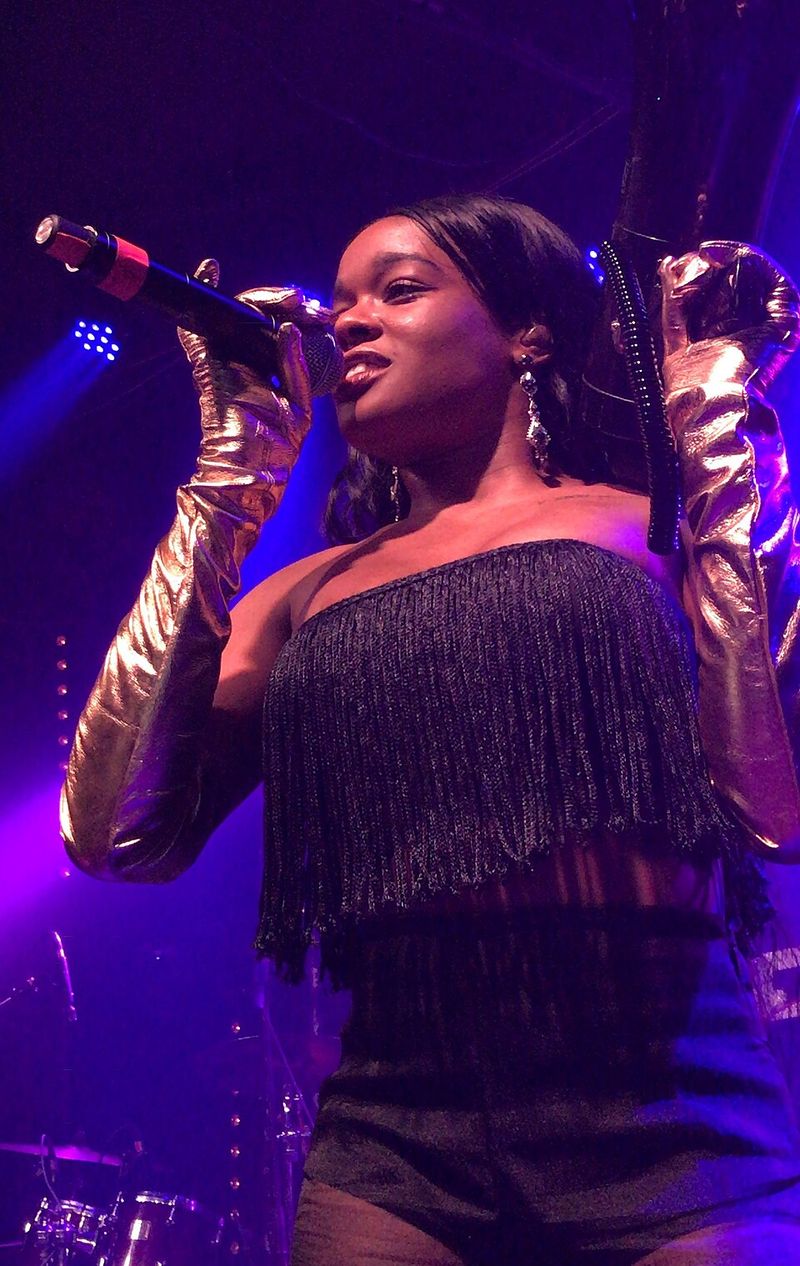
Azealia Banks is no stranger to controversy, and her public statements about practicing folk magic have added another layer to her already complex public image. The rapper has openly referenced brujeria, a form of folk magic rooted in Latin American spiritual traditions, in interviews and on social media.
Her candid approach left little room for ambiguity about her beliefs.
Banks has described performing rituals and working with spiritual forces as a regular part of her life. While her statements have sometimes drawn criticism and mockery, she has remained unapologetic about her practices.
For her, spirituality and artistry are deeply intertwined.
Regardless of how her comments have been received, Banks has undeniably pushed conversations about folk magic and witchcraft into mainstream pop culture discussions. Her willingness to speak openly about taboo subjects, even at personal cost, reflects a boldness that few public figures are willing to match.
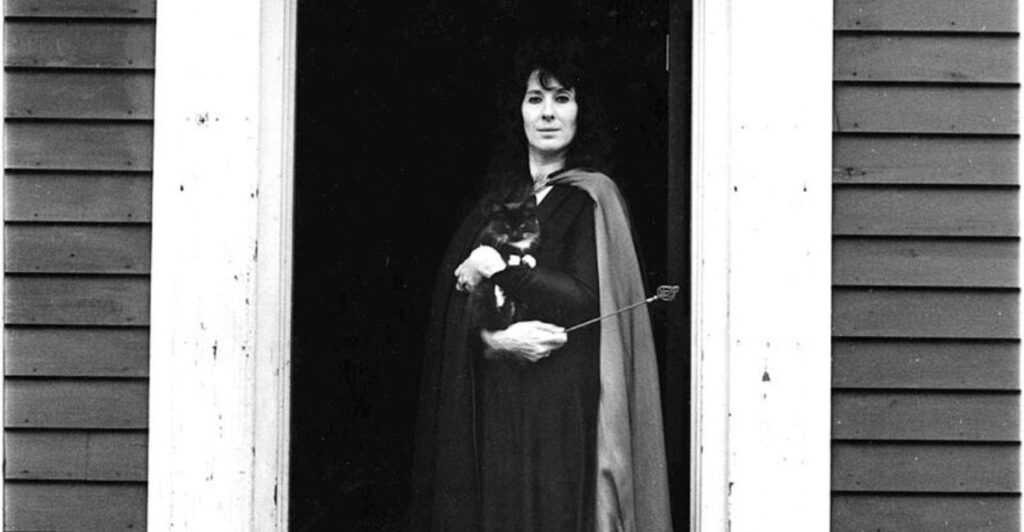
4. Laurie Cabot
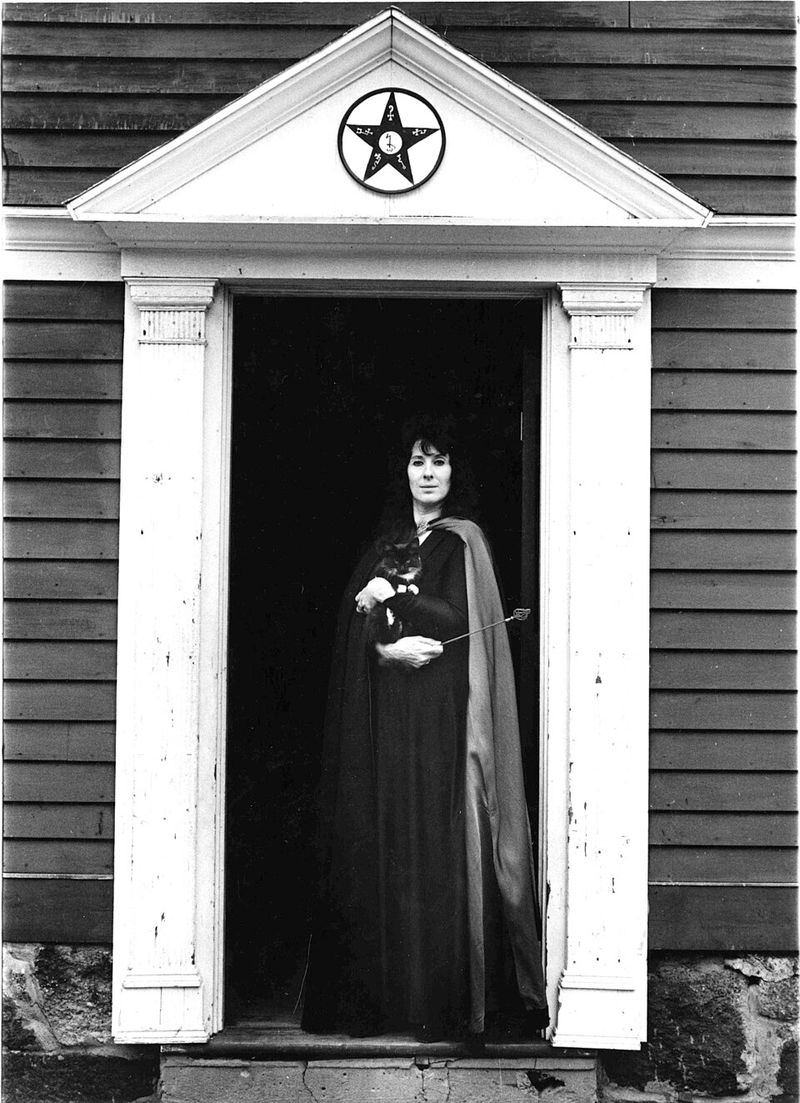
Laurie Cabot holds a title that few people can claim: the Official Witch of Salem, Massachusetts. The designation was granted by the governor of Massachusetts in recognition of her cultural contributions and her decades of public advocacy for the Wiccan community.
She has worn the title with pride since the 1970s.
Cabot founded the Cabot Tradition of Witchcraft and has spent her life teaching classes, writing books, and appearing on television to discuss the craft. She helped shift public perception of witchcraft at a time when doing so carried real social risk.
Her courage in speaking openly paved the way for many who came after her.
Her book Power of the Witch became a foundational text for many practitioners. Cabot’s legacy is not just about books or titles; it is about the community she built and the respect she earned through decades of honest, committed public service to the pagan world.
5. Starhawk
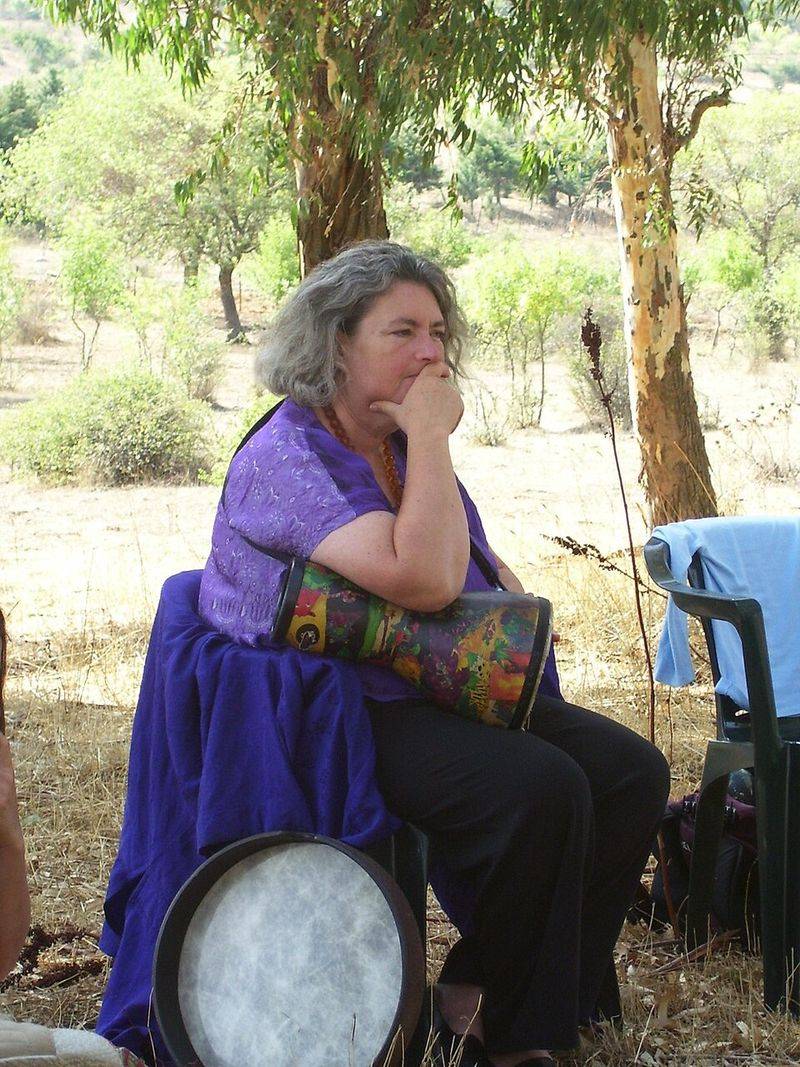
Starhawk is arguably one of the most influential figures in the entire modern pagan movement. Her 1979 book The Spiral Dance introduced earth-based spirituality and Goddess religion to a massive mainstream audience and has never gone out of print.
It remains one of the best-selling books on witchcraft ever written, and for good reason.
Beyond writing, Starhawk is a committed activist who has connected her spiritual practice to environmental and social justice causes for decades. She helped found the Reclaiming Tradition of Wicca, which emphasizes community ritual, political engagement, and personal transformation.
Her work shows how deeply witchcraft can be woven into everyday ethical commitments.
She has spoken at universities, led workshops internationally, and appeared in documentaries exploring modern paganism. Starhawk never separated the spiritual from the political, and that integration has made her work enduringly relevant.
Few people have done more to shape how the world understands contemporary witchcraft as a living tradition.
6. Selena Fox
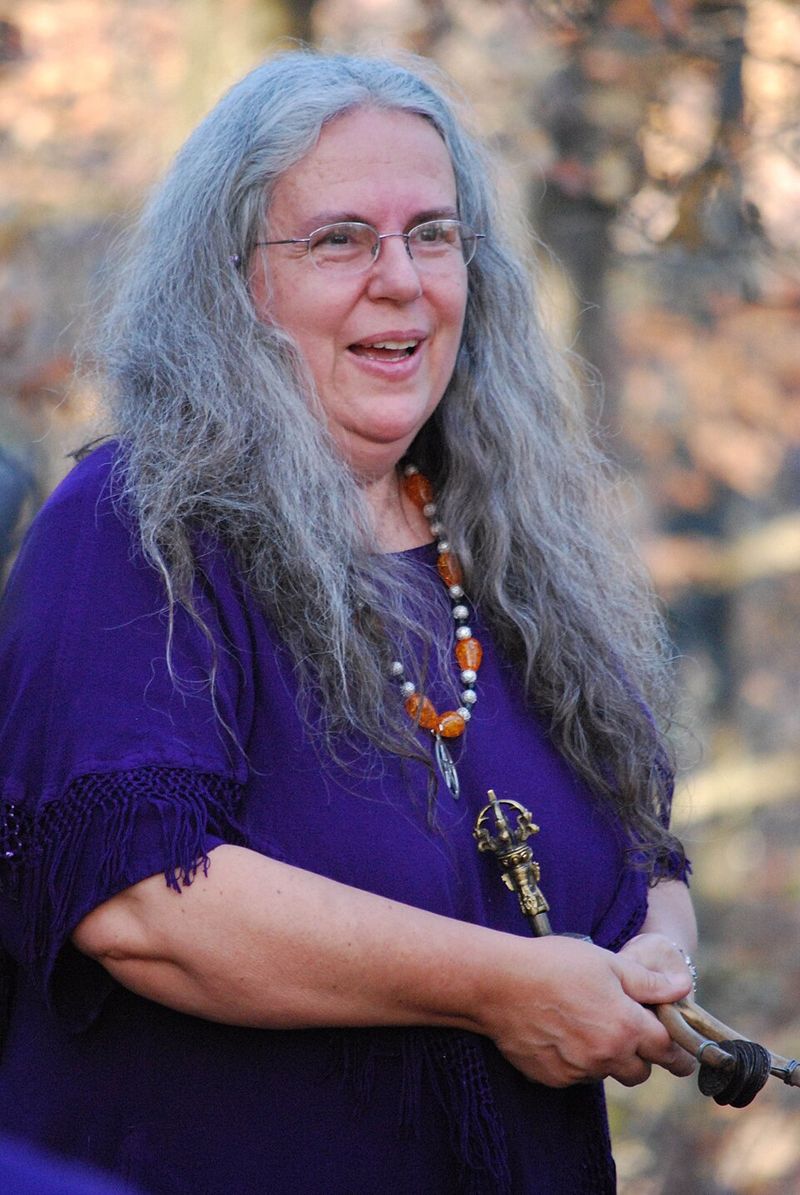
Selena Fox founded Circle Sanctuary in Wisconsin in 1974, and for more than five decades she has been one of the most recognized public voices for paganism and witchcraft in the United States. Circle Sanctuary operates as a nature preserve, spiritual center, and legally recognized pagan church.
Its existence alone was a groundbreaking achievement in religious recognition.
Fox has testified before government bodies on behalf of pagan religious rights and worked tirelessly to ensure that Wiccan and pagan veterans could receive the pentacle symbol on their military grave markers. That campaign, which succeeded in 2007, was a historic milestone for religious equality in America.
Her persistence made a real difference.
She has been interviewed by major media outlets and remains an active minister, counselor, and community leader. Fox approaches her role with quiet dedication and a deep reverence for the natural world.
Her life’s work is a testament to what patient, principled advocacy can accomplish over time.
7. Phyllis Curott
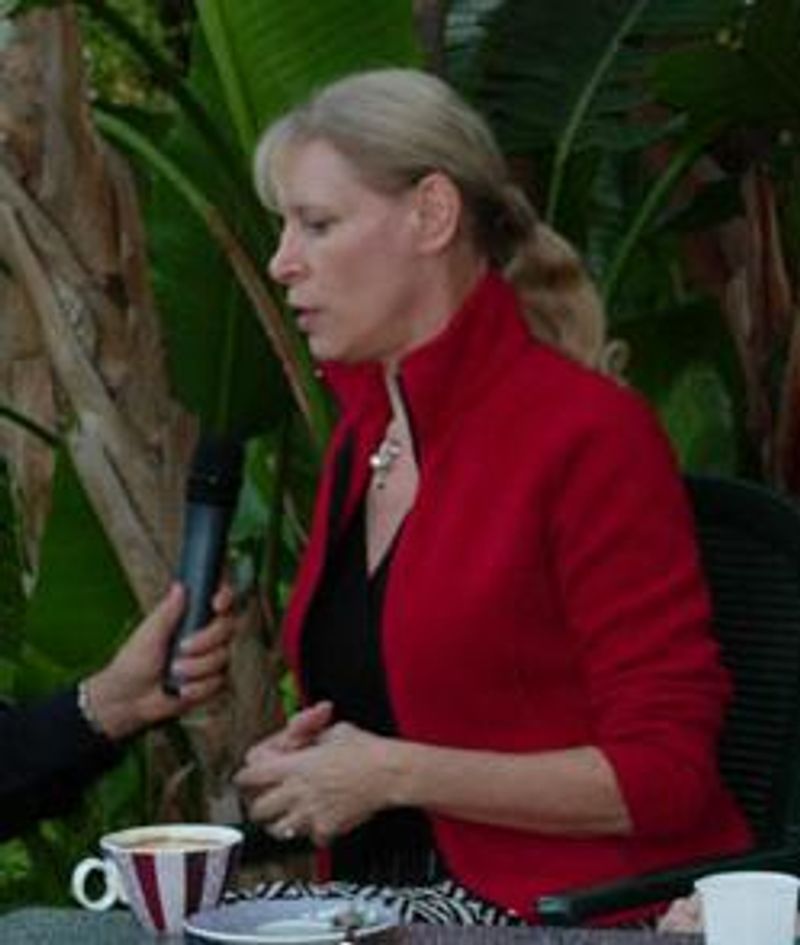
Phyllis Curott brings a perspective to witchcraft that is genuinely rare: she is both a practicing Wiccan high priestess and a Harvard-educated attorney. Her ability to navigate two worlds that society rarely places together has made her one of the most compelling public advocates for modern paganism.
She speaks about witchcraft with both spiritual depth and intellectual precision.
Her memoir Book of Shadows: A Modern Woman’s Journey into the Wisdom of Witchcraft and the Magic of the Goddess introduced her story to a wide audience and became a bestseller. The book offered an honest and thoughtful account of how she discovered Wicca as an adult and how it transformed her life.
Readers found it both relatable and inspiring.
Curott has appeared on major television programs, spoken at international conferences, and served in leadership roles within pagan organizations. Her work has helped demonstrate that witchcraft is a serious, ethically grounded spiritual tradition worthy of the same respect given to any other recognized religion.
Share this story