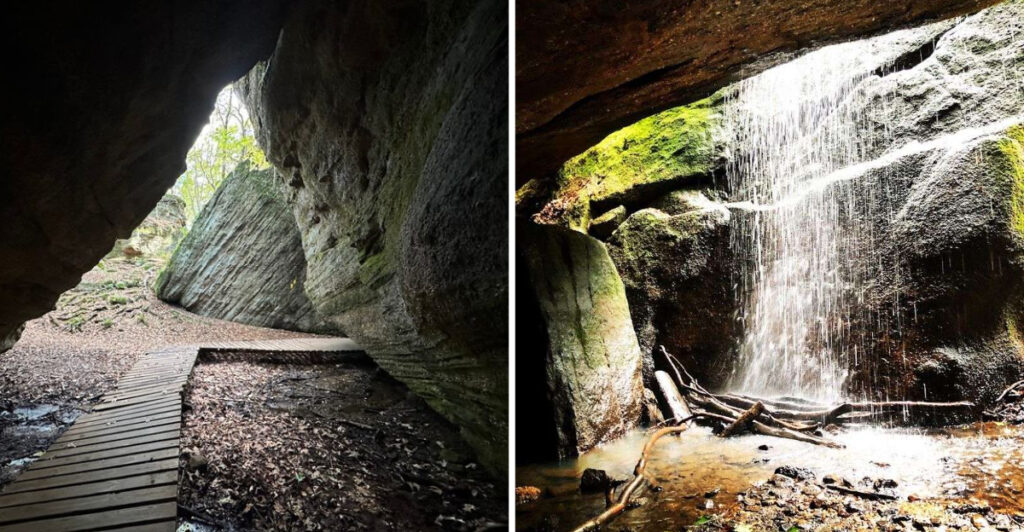
There is a place in northeast Ohio where the ground opens up into narrow stone corridors, where mossy canyon walls tower over your head, and where the only way forward is sometimes to turn sideways and squeeze. This is not a theme park or a movie set.
It is a real state park with real ancient rock formations that took hundreds of millions of years to form, and it is waiting for you just outside a small Ohio town. The trails here range from a relaxed walk along the treetops to a full-on rock scramble through tight crevices with names like Fat Man’s Peril and The Squeeze.
Add a glass-floored bridge cantilevering over a waterfall, a few hidden caves, and cascading streams, and you have one of the most surprisingly thrilling outdoor experiences in the entire state.
What Makes This Park Unlike Any Other in Ohio
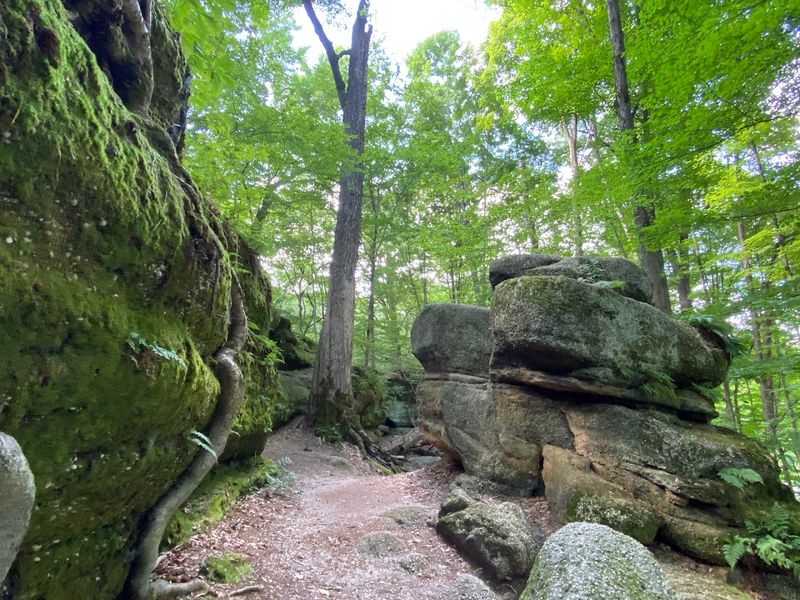
Most Ohio state parks offer pleasant trails through woods and maybe a pond or two. Nelson-Kennedy Ledges State Park plays by an entirely different set of rules.
Spread across 167 acres in Portage County, the park is built around a series of massive Sharon conglomerate sandstone ledges that formed roughly 350 million years ago. Glacial activity during the Ice Age further carved and shaped these formations into the dramatic cliffs, overhangs, crevices, and cave-like passages that hikers explore today.
The geology here is genuinely rare. You will not find rock formations quite like these anywhere else in the state, which is exactly why the park draws visitors from across Ohio and beyond.
It is compact, intense, and packed with natural detail that rewards slow, curious exploration rather than just a quick walk-through.
Getting There: Location and Park Access
Nelson-Kennedy Ledges State Park sits at 12440 OH-282, Garrettsville, OH 44231, in the northeastern corner of Ohio, roughly 35 miles southeast of Cleveland.
The drive in is straightforward, and the parking area is free, which is a genuinely pleasant surprise for a park this popular. The lot can fill up on busy weekend mornings, so arriving early is the smartest move, especially on spring and fall weekends when the scenery is at its most dramatic.
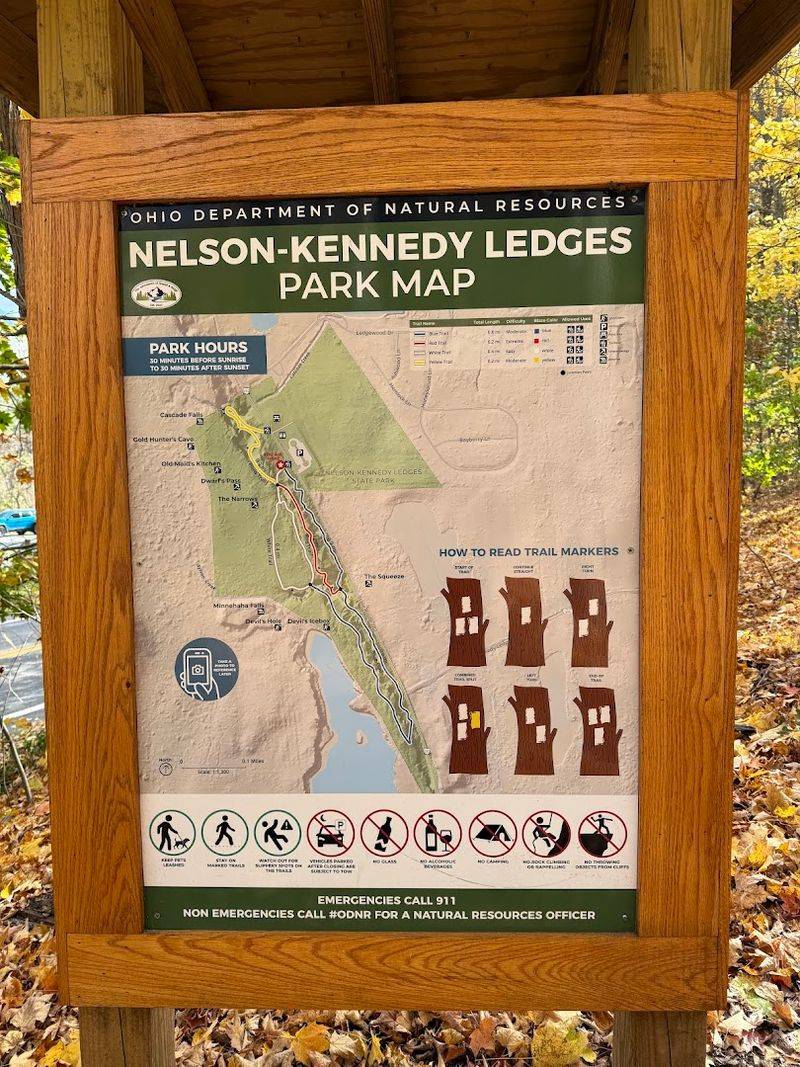
Park hours run from 7 AM to 7 PM daily, giving you a solid window to explore without feeling rushed. A trail map is posted near the parking lot, though several visitors have noted that the map is displayed in reverse orientation compared to the actual park layout, so give yourself a moment to get your bearings before heading in.
The Four Color-Coded Trails and What to Expect on Each
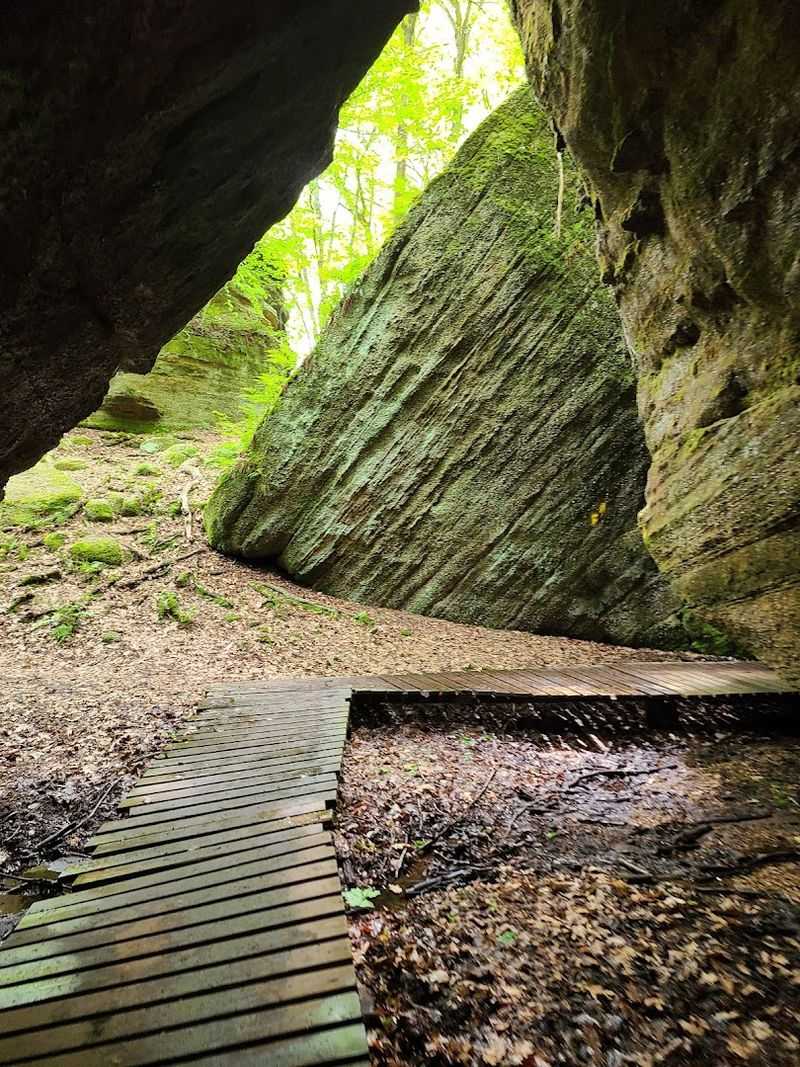
The park features four distinct trails, each marked by a different color and designed for a different type of hiker. Understanding the difference before you start can save a lot of confusion once you are out on the rocks.
The White Trail is the easiest, following a wider and flatter path along the top of the ledges before leading to the Falls Edge Glass Walkway. The Blue and Yellow Trails step up the challenge with some elevation changes and closer access to the base of the cliffs and cascading streams.
The Red Trail is the one that earns its reputation, demanding crouching, climbing, and squeezing through tight rock crevices that will test both your flexibility and your nerve.
A fit adult and a third-grader can cover all four trails in about two hours, though most people linger much longer once the exploring instinct kicks in.
Fat Man’s Peril and The Squeeze: The Rock Passages That Define the Park
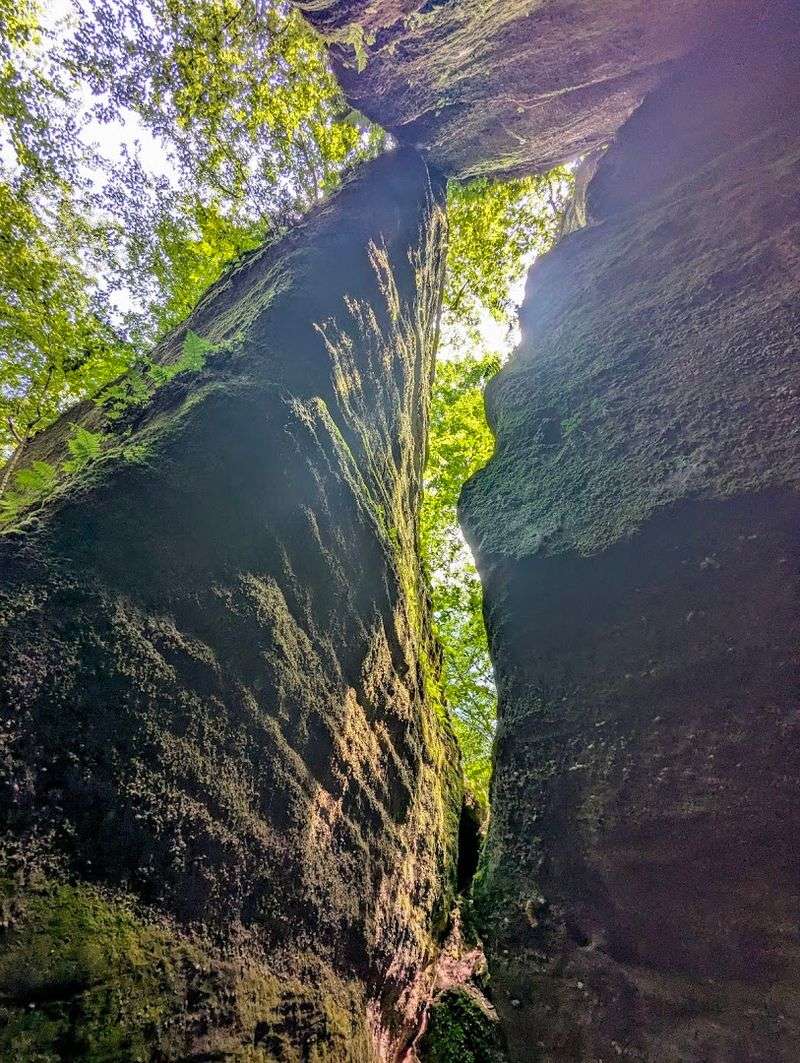
No feature at this park sparks more anticipation than the tight rock passages on the Red Trail. Fat Man’s Peril and The Squeeze are exactly what they sound like: narrow gaps between towering sandstone walls where hikers must turn sideways, suck in a breath, and work their way through.
These passages are not gimmicks. They are natural formations shaped by centuries of erosion and glacial movement, and the experience of moving through them feels genuinely primal.
The rock walls press close on both sides, the air cools noticeably, and for a moment you are very aware of just how old and indifferent these stones are to human presence.
Larger adults may find certain sections more challenging, and that is worth knowing before you commit to the Red Trail. Wear flexible clothing, leave the backpack as slim as possible, and bring a good sense of humor for the tighter spots.
The Falls Edge Glass Walkway: A New Landmark Above the Falls
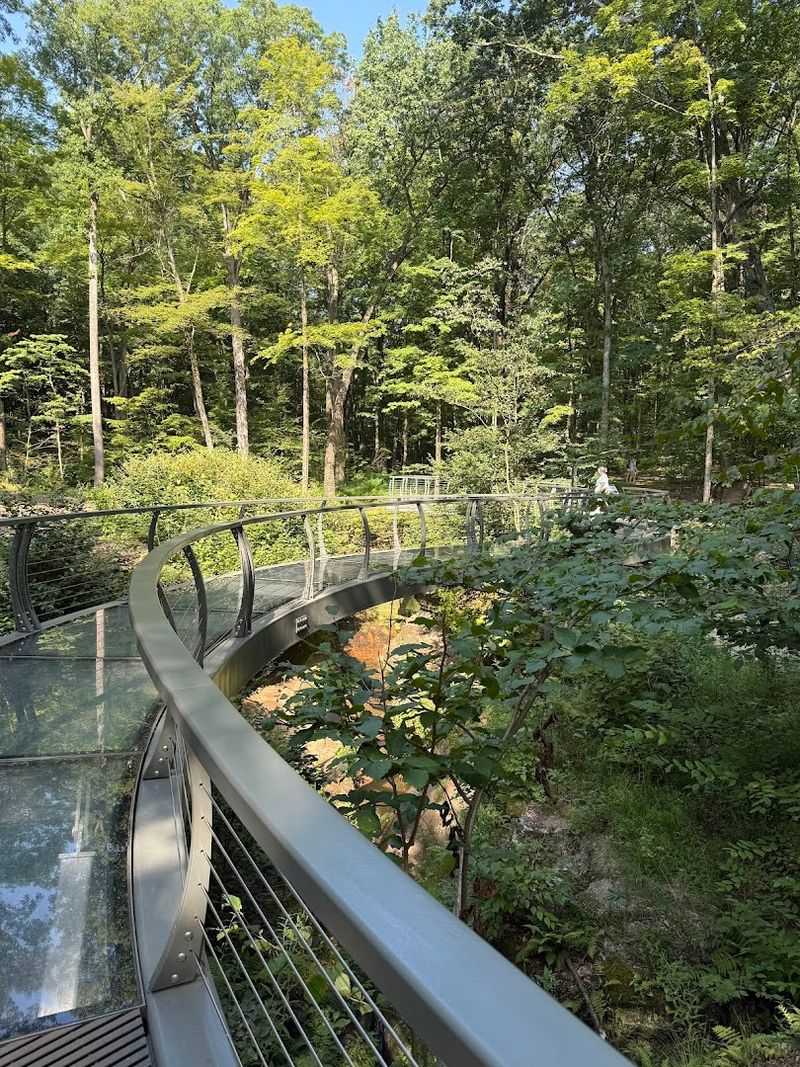
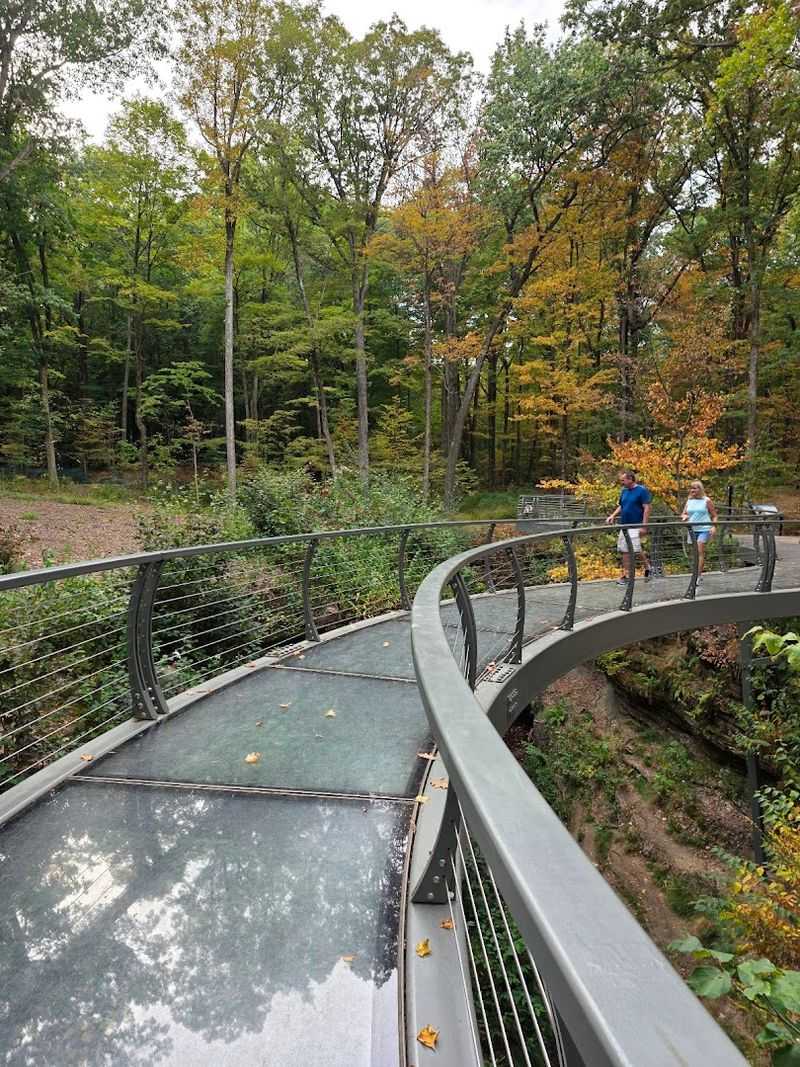
The newest addition to the park is also the one generating the most conversation. The Falls Edge Glass Walkway is a 137-foot structure that cantilevers directly over a creek and waterfall, with a transparent glass floor that lets you look straight down at the water rushing below your feet.
To reach it, follow the White Trail from the main trailhead. The bridge opened in 2025 and has quickly become a major draw, though opinions on it are genuinely mixed.
Some visitors find the experience thrilling and visually stunning. Others feel it slightly interrupts the natural view of the falls rather than enhancing it, and the glass does tend to show smudges and mud from foot traffic.
Either way, it is worth walking across at least once. The perspective from the middle of that bridge, looking down at moving water through glass, is one you will not forget quickly.
The Waterfalls Hidden Inside the Park
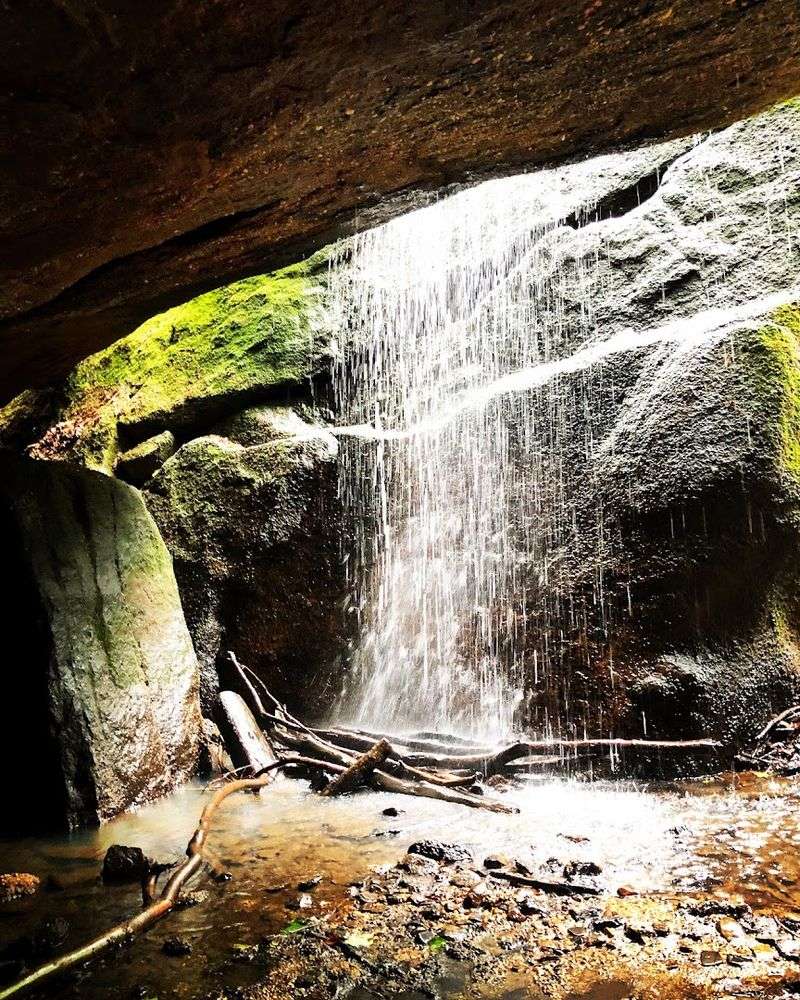
Beyond the glass bridge, the park hides a few waterfalls that reward hikers who take the time to explore the less obvious corners of the trail system. Cascade Falls at Gold Hunter’s Cave is a particular standout, with water tumbling over moss-covered rock into a natural pool below.
The Yellow Trail leads to another waterfall at its far end, making it a satisfying loop for anyone who wants a scenic payoff without tackling the most demanding terrain. These falls are not massive by any measure, but their setting inside the narrow rock corridors gives them an atmosphere that larger, more famous waterfalls sometimes lack.
Spring is widely considered the best season to catch the waterfalls at their fullest, when snowmelt and rain keep the streams running strong. Even in drier months, the rock formations surrounding the dry streambeds are worth every step of the approach.
The Devil’s Icebox: A Cave Worth Seeking Out
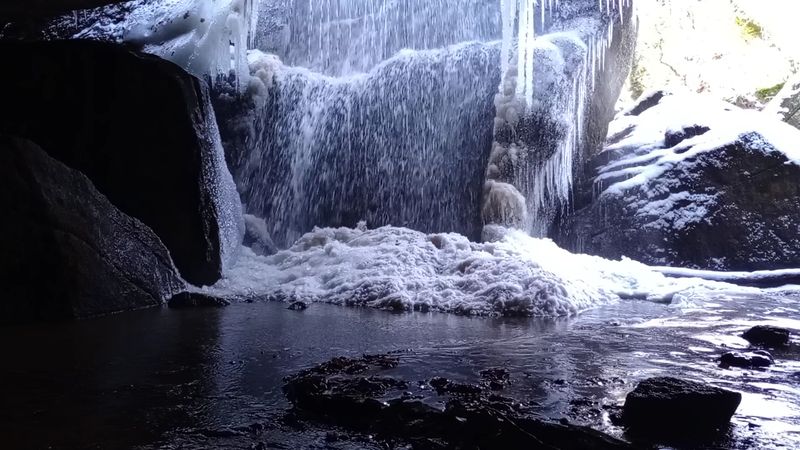
One of the most atmospheric spots in the entire park is a cave formation known as the Devil’s Icebox. The name is not just colorful branding.
The air inside drops noticeably in temperature compared to the surrounding trails, a natural refrigeration effect created by the cave’s depth and the cold water that flows nearby.
The cave sits near a waterfall accessible from the trail system, and the combination of the rushing water, the cool air, and the dramatic rock overhang above creates a setting that genuinely stops you mid-step. It is one of those spots where the camera comes out automatically because words feel insufficient.
The footing around the cave entrance can be slippery, especially after rain, so planting each step carefully before shifting your weight is the right approach here. Good grip on your shoes makes a real difference in a spot like this.
What to Wear and Bring for a Safe and Enjoyable Visit
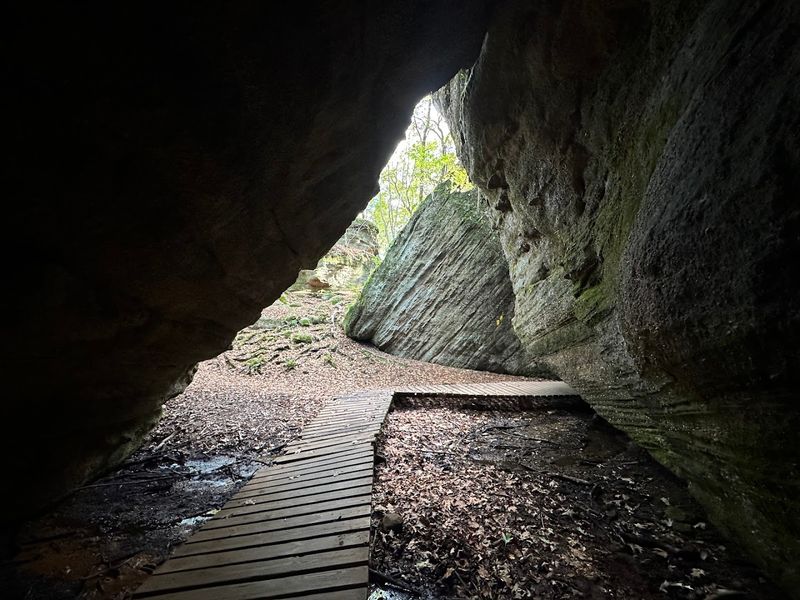
The single most important thing to get right before visiting this park is your footwear. Flip-flops, sandals, and smooth-soled shoes are genuinely dangerous on wet rock surfaces, and the park’s terrain includes plenty of both.
Sturdy hiking boots or trail shoes with aggressive rubber soles are the right call, full stop.
Beyond shoes, bring more water than you think you need. There are no food or drink facilities inside the park, and the physical demands of the Red Trail in particular can sneak up on you.
A light daypack with water, snacks, and a small first aid kit covers the basics comfortably.
The park also operates on a carry-in, carry-out trash policy with no garbage cans along the trails, so a small bag for your wrappers and waste keeps the park clean for everyone who follows. A hiking pole is genuinely helpful for anyone with knee or hip concerns.
Tips for Visiting With Kids
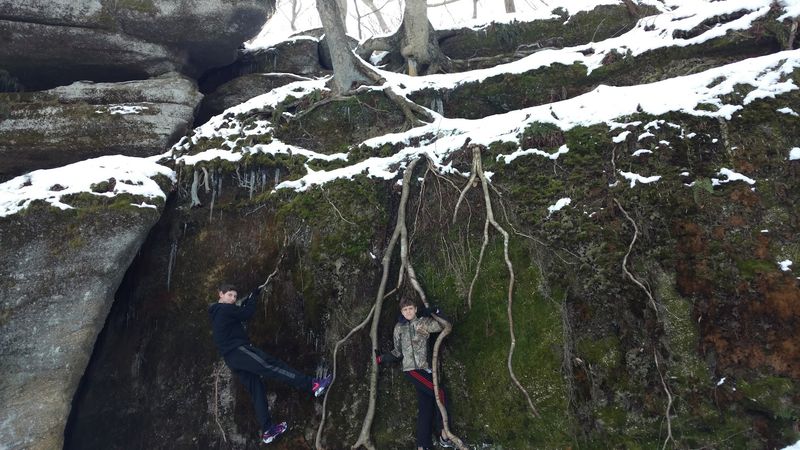
Families with children will find this park genuinely thrilling, but it demands active supervision at every step. The rock formations include crevices and drop-offs that are easy to miss while a curious kid is already three steps ahead of you, and the park itself posts warning signs reminding adults to keep close watch.
That said, kids who are steady on their feet and old enough to follow directions tend to absolutely love this place. Climbing on real rocks, squeezing through passages, and discovering waterfalls in the middle of a forest hits different from a playground.
The White Trail is the most manageable for younger children, while the Red Trail is better suited for older kids who are confident on uneven terrain.
Very young children and those who are still developing balance and coordination may find the more technical sections more frustrating than fun, so tailoring the route to your group is smart planning.
The Moss, the Light, and the Photography Opportunities
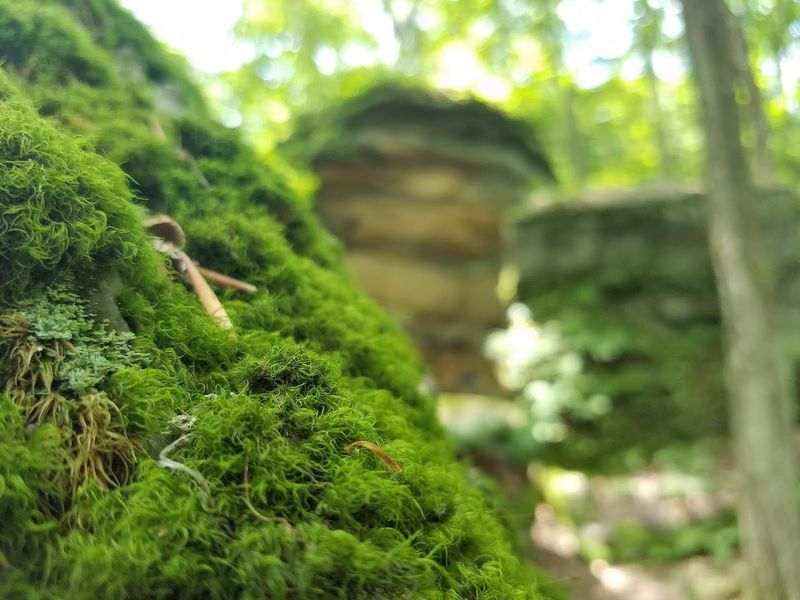
Few natural subjects photograph as well as thick green moss on ancient stone, and this park has it in extraordinary abundance. The ledges are blanketed in multiple varieties of moss that glow almost neon green in the right morning light, creating a backdrop that makes even a basic smartphone camera look talented.
The narrow canyon passages create natural shadow and highlight contrasts that serious photographers will find compelling. Early morning visits offer the best light quality, with rays cutting through the tree canopy at low angles and illuminating the mist near the waterfalls in ways that feel almost theatrical.
The park has also reportedly caught the attention of film and production scouts, and it is not hard to see why. The combination of minimal human infrastructure, dramatic natural geometry, and constantly interesting flora gives the place a visual character that feels genuinely cinematic without any artificial enhancement required.
Best Times of Year to Visit
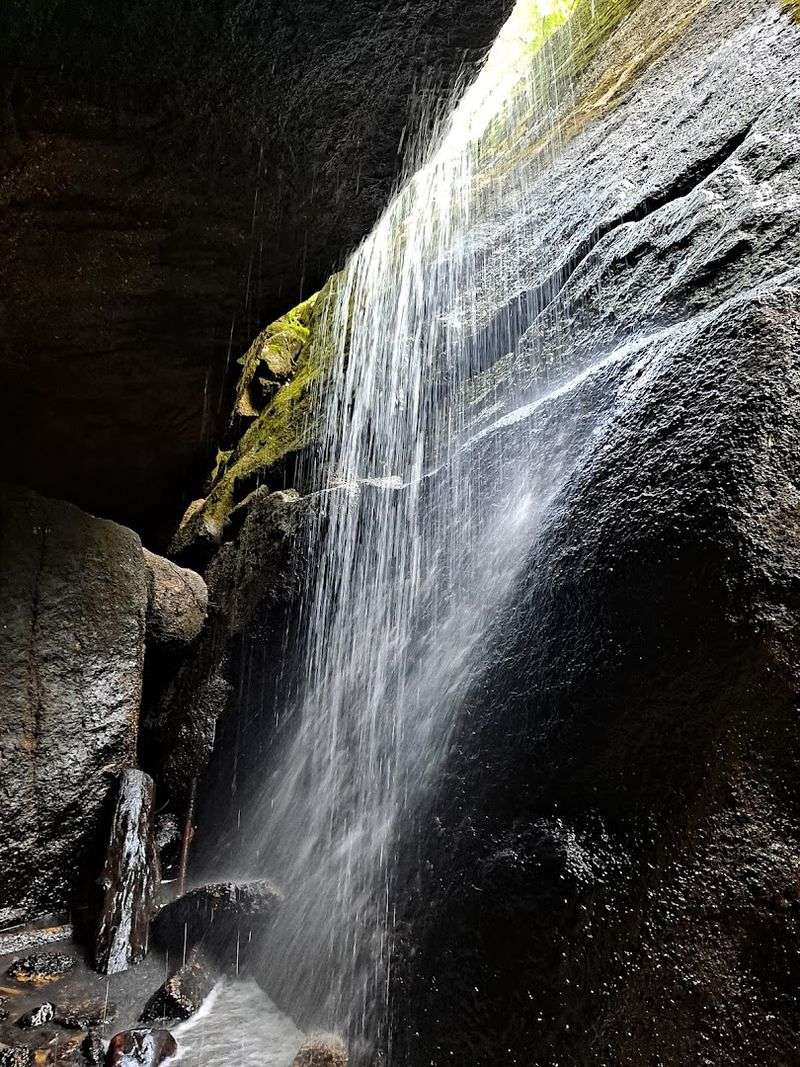
Spring is the season most often recommended by repeat visitors, and the reasons are straightforward. The waterfalls run at their strongest from March through May, the moss reaches its most vivid green, and the moderate temperatures make the physical demands of the trails much more manageable than they would be in July heat.
Fall is a close second, particularly in October when the surrounding hardwood forest turns orange, red, and gold. The contrast of warm foliage against the grey and green of the rock faces is genuinely striking, and the cooler air makes even the strenuous Red Trail feel more approachable.
Summer visits are absolutely doable, but the combination of heat, humidity, and larger crowds can make the experience feel more crowded and less comfortable. The rocks and cave passages do stay noticeably cooler than the surrounding air, which provides some natural relief on hot days.
How the Park Compares to Other Ohio Hiking Destinations
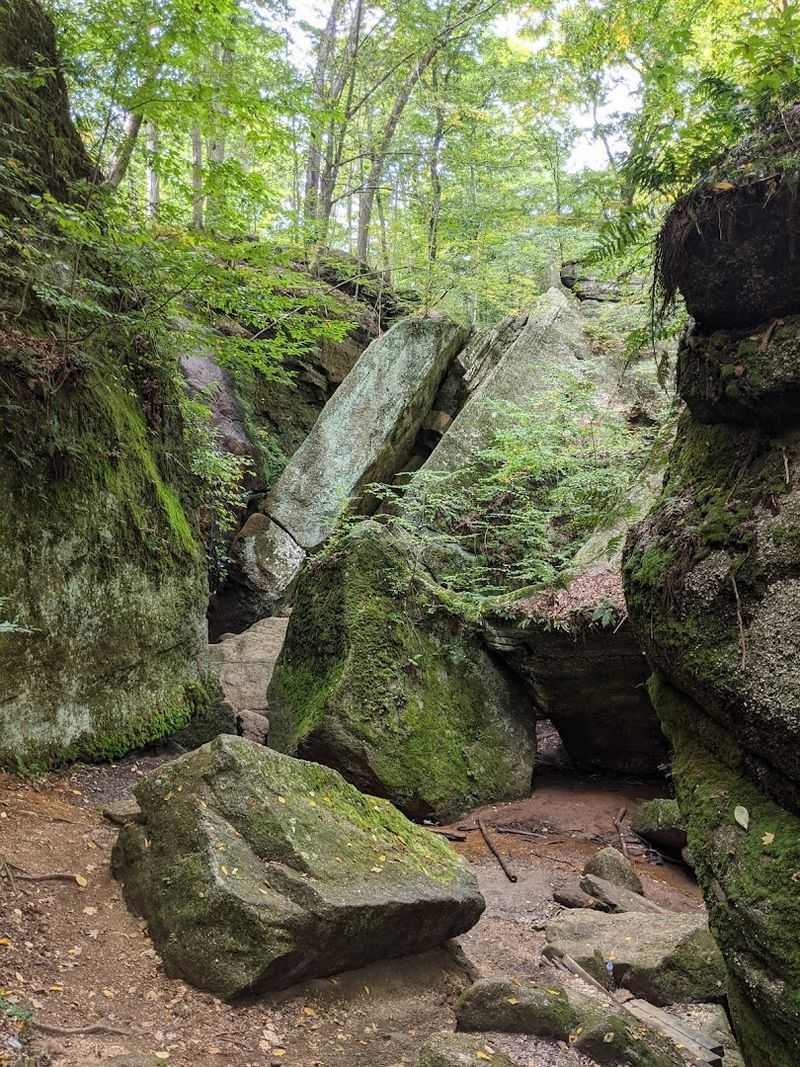
Ohio is home to some genuinely impressive natural areas, and Hocking Hills State Park in the south tends to get most of the attention. Nelson-Kennedy Ledges operates at a smaller scale in terms of total acreage, but the intensity of its terrain per square foot is arguably higher than almost anything else the state offers.
The Ledges Trail at Cuyahoga Valley National Park covers similar geological territory with Sharon conglomerate formations, but the passages and crevices at Nelson-Kennedy are tighter, more varied, and more physically engaging. The park is also compared favorably to Beartown Lakes Reservation and other Portage County natural areas, though it tends to outperform them in sheer geological drama.
For hikers who have done the standard Ohio circuits and are looking for something that genuinely surprises them, this park delivers that feeling consistently. It is the kind of place that earns a second visit before the first one is even finished.
The Atrium: Where the Trails Begin and the Mood Shifts
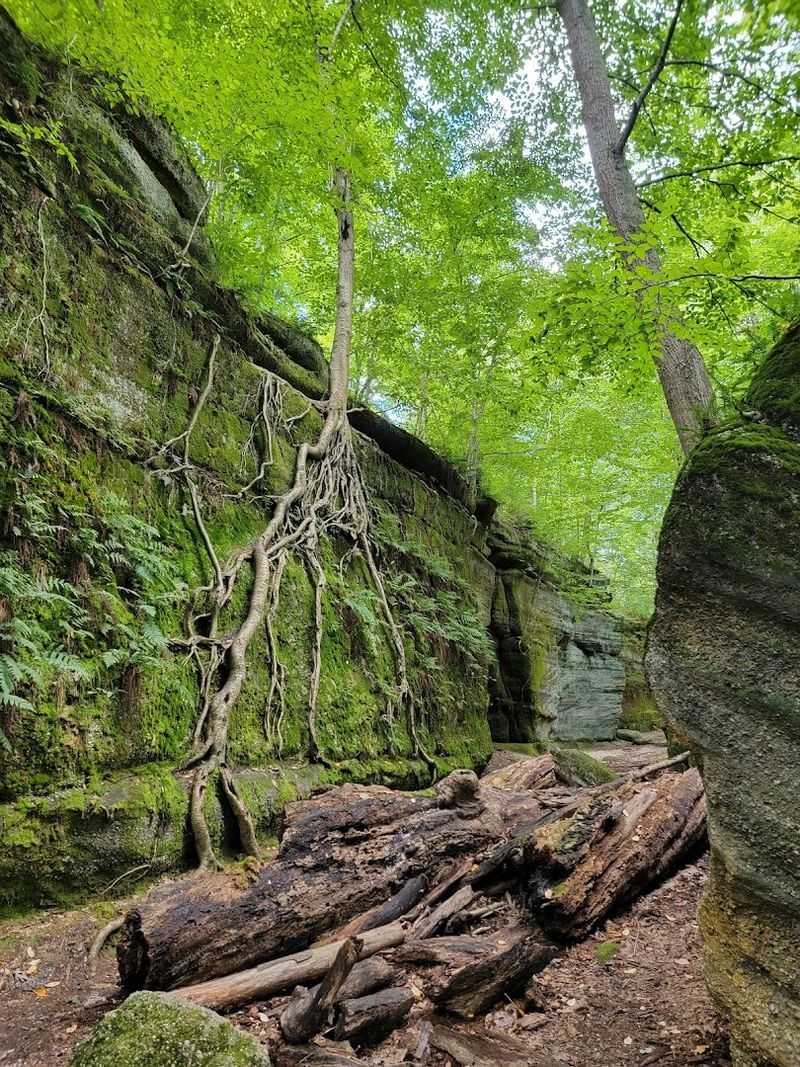
About 150 feet from the parking lot, the trail system opens into a wide, cathedral-like clearing that regulars call the Atrium. Tall straight trees rise on all sides, and the forest floor opens up in a way that creates a sense of arrival, like passing through a doorway into a different world.
This is where the color-coded trail markers branch off in different directions, and where most visitors pause to get their bearings and choose their route. The White Trail to the glass bridge veers slightly up and to the left.
The Yellow, Blue, and Red trails begin from this same central point and fan out into the ledges below.
The Atrium itself is worth a quiet moment before the hiking begins. The acoustics change noticeably in this open space, the birdsong gets louder, and the sense that something genuinely interesting is just ahead becomes almost tangible.
Wildlife, Flora, and the Living Ecosystem of the Ledges
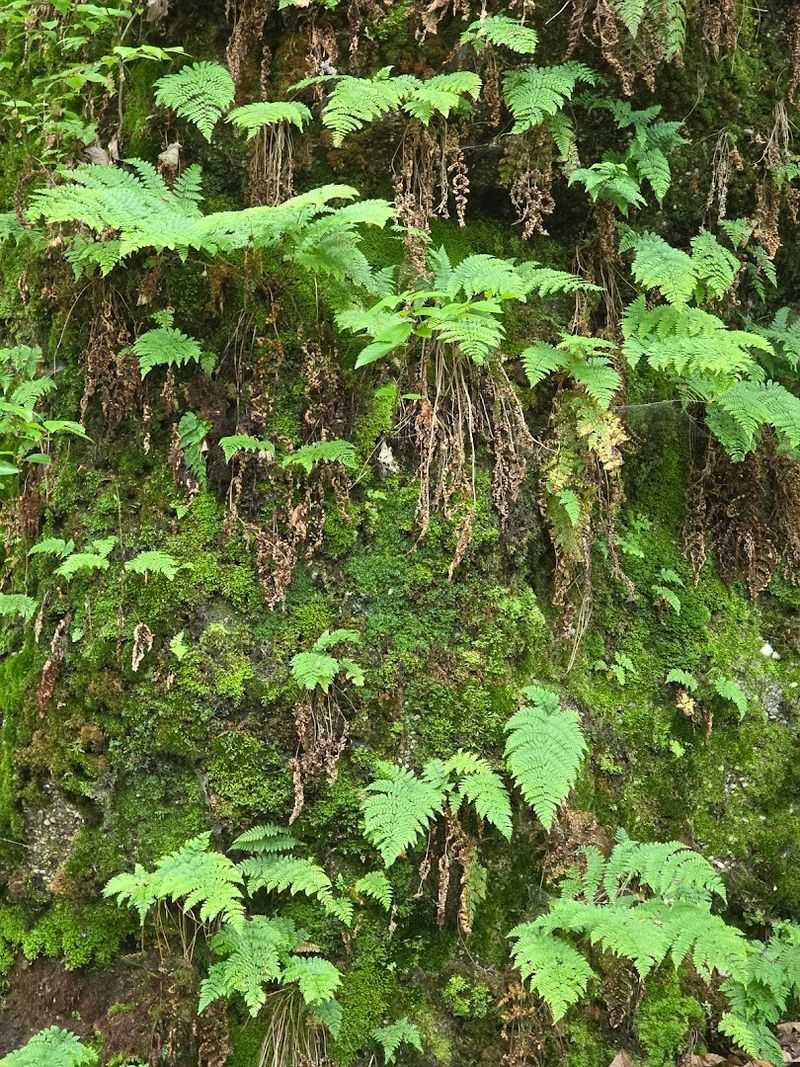
The microclimate created by the deep rock crevices and shaded canyon floors supports plant and animal life that you would not typically encounter elsewhere in Ohio. Fern species that prefer cool, moist environments thrive in the shadows of the ledges, and some of the flora found here is considered regionally uncommon.
Salamanders are regular residents of the wetter cave areas, and the park’s bird population is notably active, particularly during spring migration. White-tailed deer move through the area frequently, and the forest canopy hosts a rotating cast of woodpeckers, warblers, and other woodland species that reward anyone who brings binoculars.
The moss varieties alone are worth studying closely if you have any interest in botany. Some patches grow in shapes and textures that look almost sculptural, particularly where water seeps slowly through the rock face and creates a permanent damp surface that supports dense biological communities year-round.
A Final Word Before You Go
Nelson-Kennedy Ledges State Park is the kind of place that makes you reconsider what you thought you knew about Ohio’s outdoor scene. It is compact enough to explore in a single morning, but rich enough in detail that you could spend an entire day and still feel like you missed something worth going back for.
The rock passages, the hidden waterfalls, the glass bridge, the cool cave air, and the sheer age of the stone all combine into an experience that is harder to summarize than it is to simply feel when you are standing in the middle of it. Go with good shoes, a full water bottle, and no particular rush.
Whether you squeeze through Fat Man’s Peril on your first visit or save it for the second, this park has a way of making every visitor feel like they discovered something genuinely rare, because in a lot of ways, they did.
Share this story