Philadelphia is full of historic landmarks, but few combine history and nature as seamlessly as this 55-acre arboretum in Northwest Philadelphia. Home to centuries-old trees, open meadows, ponds, and a Victorian stone mansion, it offers a peaceful escape that feels far removed from the surrounding city.
Originally established as a private estate in the 1850s, the property has welcomed the public for more than a century. Visitors can explore diverse gardens, see a collection of more than 140 tree species, visit a working farm, and learn about the family’s history that shaped the landscape.
Whether you’re interested in horticulture, local history, or simply finding a quiet place to spend an afternoon, it’s one of Philadelphia’s most rewarding green spaces.
A Countryside Estate Hidden in Germantown
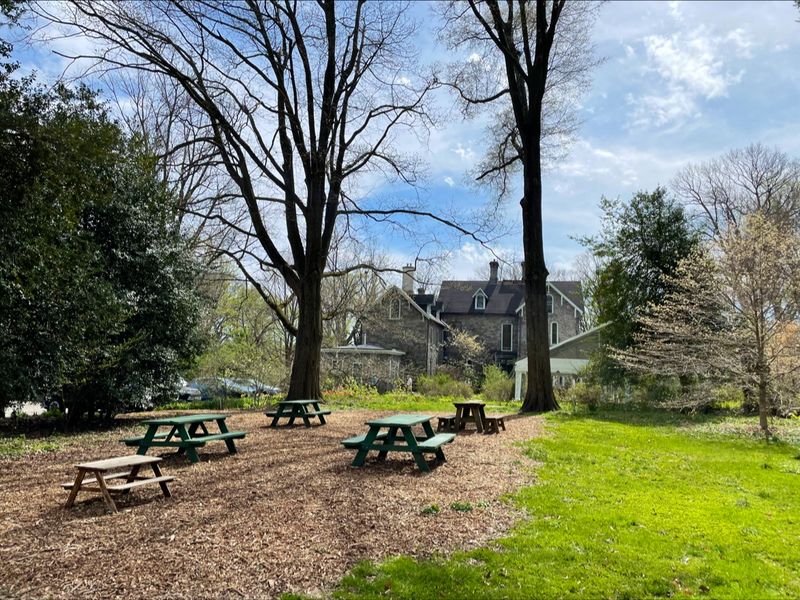
Right in the middle of one of Philadelphia’s oldest neighborhoods, at 1 Awbury Rd, Philadelphia, PA 19138, sits a place that genuinely makes you forget you are in a major American city.
Awbury Arboretum covers 55 acres in the historic Germantown area of Northwest Philadelphia, Pennsylvania. The moment you pass through its entrance, the urban soundtrack fades and something quieter takes over: wind through old oaks, ducks on a still pond, and the soft crunch of gravel underfoot.
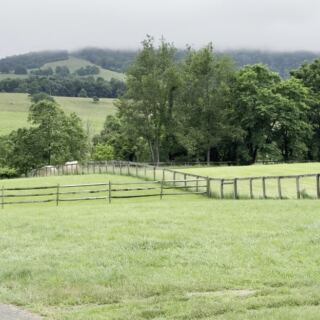
The arboretum is considered the largest remaining open green space in Germantown, and that title is well earned. Rolling lawns sweep toward woodlands, and gentle hills frame views that feel more like rural England than a dense city neighborhood.
Visitors can reach it easily via SEPTA’s Washington Lane Regional Rail station, which sits directly across from the main entrance. Whether you arrive by train, car, or on foot, the transition from city to countryside happens almost instantly.
The Quaker Family Who Built a Dream Retreat
Henry Cope, a prosperous Quaker merchant, purchased this land in 1852 as a summer escape from the heat and bustle of central Philadelphia. He named the property after Avebury, a village in England where his family had roots, and that name eventually evolved into Awbury.
The Cope-Haines family, as they became known through generations of marriage and inheritance, transformed the estate into a carefully tended landscape that blended beauty with purpose. As the surrounding Germantown neighborhood grew and urbanized, the family chose to stay year-round, turning their summer retreat into a permanent home.
Their legacy is visible in every corner of the arboretum today. The family’s deep Quaker values of stewardship, community, and simplicity shaped how the land was maintained and eventually shared with the public.
In 1916, the Cope family deeded the entire property to the City Parks Association, ensuring it would never be developed. That single generous act is the reason visitors can walk these grounds for free more than a century later.
The Landscape Design That Makes It Feel Like England
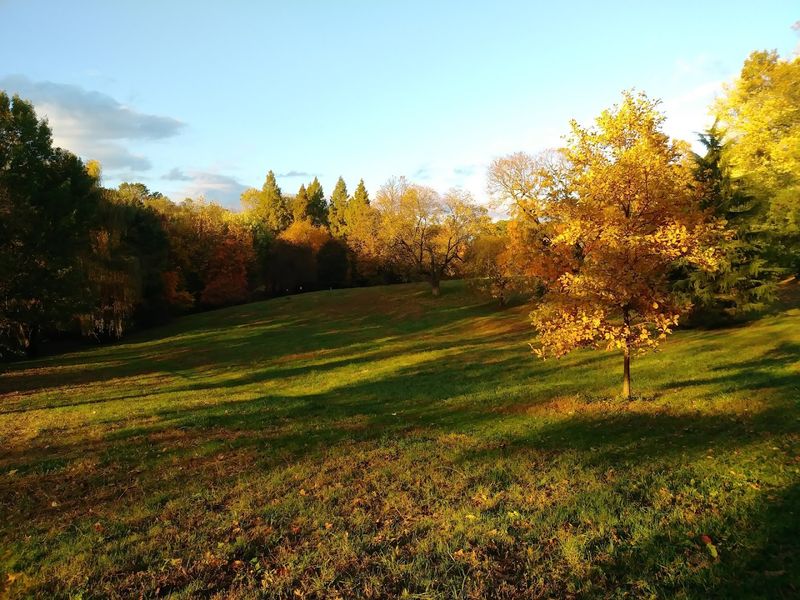
Not every beautiful green space earns the word picturesque, but Awbury Arboretum was literally designed in the English romantic picturesque style, a landscape tradition that prizes natural-looking scenery over formal geometric layouts.
The guiding hand behind this design was horticulturalist William Saunders, a man whose resume is impressive by any measure. Saunders also worked on the grounds of the U.S.
Capitol, so he knew a thing or two about making landscapes feel grand without feeling stiff.
His approach at Awbury created a series of connected experiences: open meadows that invite you to slow down, woodlands that offer shade and mystery, hills that give unexpected views, and ponds that reflect the sky on calm days. Nothing feels forced or overly manicured.
The result is a landscape that genuinely tricks your eyes into believing you have traveled somewhere far from Philadelphia. That countryside quality is not accidental; it was carefully planned more than 150 years ago and has only deepened with time.
Over 140 Tree Species and One Record-Breaking River Birch
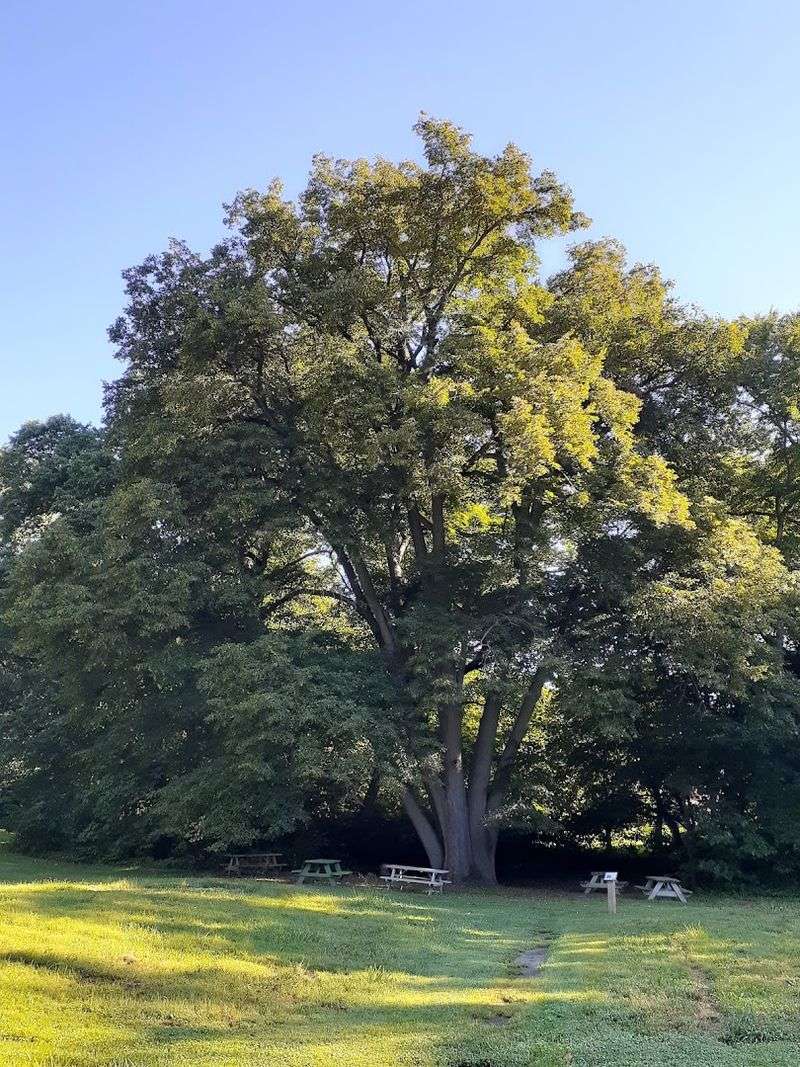
Tree lovers tend to go a little quiet when they first walk through the arboretum’s collection. The grounds hold over 140 species of trees, many of them well over a century old, and their size and variety are genuinely impressive.
Among the standouts is a State Champion River Birch, a title given to the largest known example of a tree species in Pennsylvania. The tree’s peeling, coppery bark and sweeping canopy make it easy to spot and hard to walk past without stopping for a closer look.
Beyond that champion specimen, the collection spans a remarkable range: towering beeches, spreading oaks, ornamental magnolias, and dozens of species that most city residents rarely encounter up close. Each tree in the arboretum carries its own small story of growth, survival, and seasonal change.
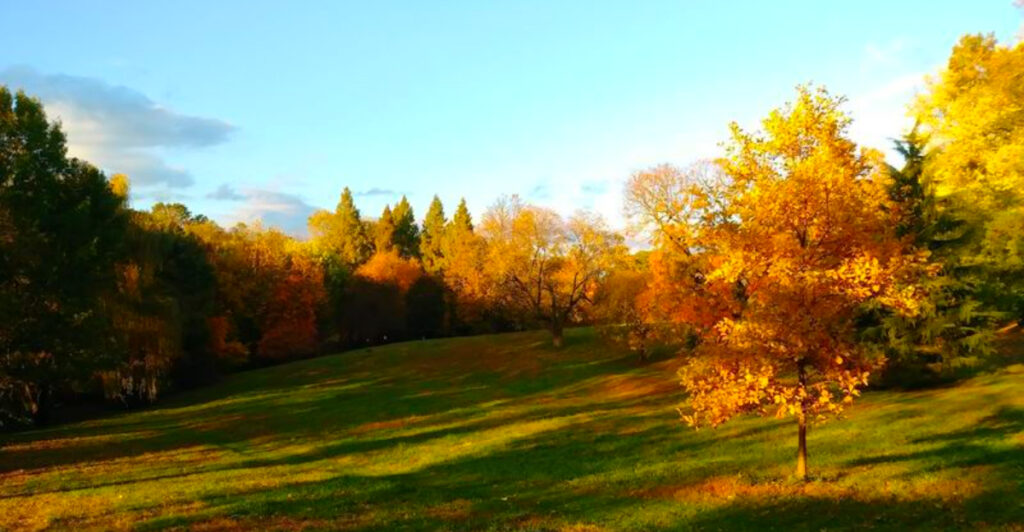
Spring brings blossoms that seem almost theatrical in their color, and fall turns the whole arboretum into a display of amber, red, and gold that photographers return for year after year. The trees alone make the visit worthwhile.
The Francis Cope House: A Victorian Mansion With Many Roles
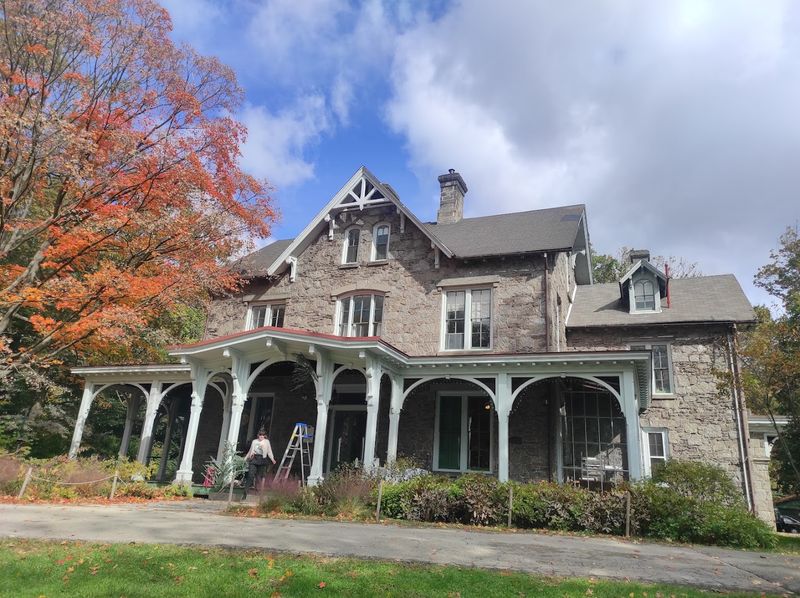
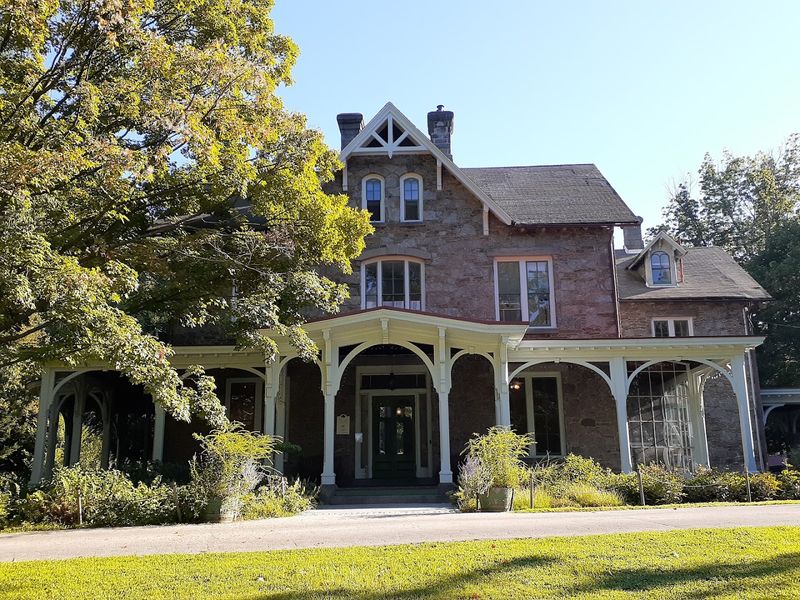
The Francis Cope House is the kind of building that stops you mid-step. Built in 1862 from local stone in a solid Victorian style, it anchors the arboretum visually and practically, serving as its headquarters, art gallery, and event space all at once.
The house regularly features exhibits by local Philadelphia artists, so a visit to the arboretum can include a genuine gallery experience without any additional cost or reservation. The stone walls, high ceilings, and generous porch give the interior a calm, unhurried atmosphere that suits the surrounding landscape perfectly.
Weddings held here take full advantage of the setting. The porch alone is large enough to host a cocktail hour, while the surrounding gardens and lawns extend the celebration outdoors.
It is a venue that requires very little decoration because the landscape does most of the work.
The house also plays a practical role as the place where visitors can pick up maps and printed guides about the arboretum’s history, which makes it a smart first stop before heading out to explore the grounds.
The Secret Garden and AdventureWoods Playground
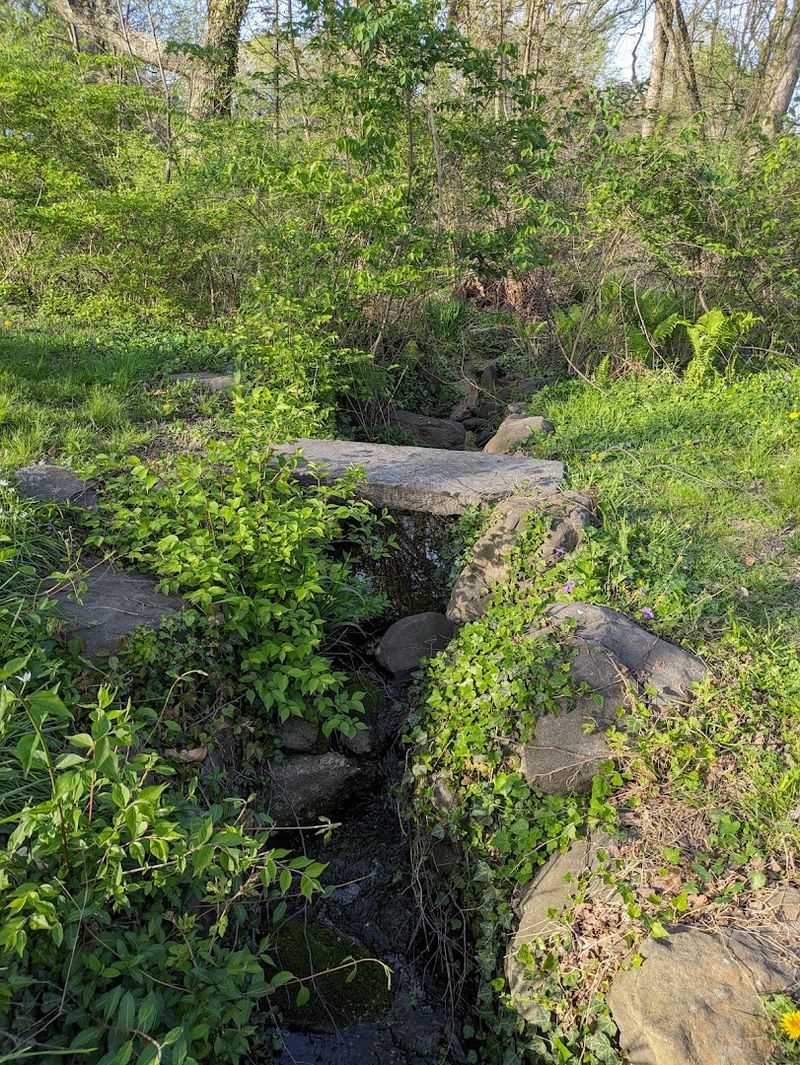
Every arboretum needs at least one spot that feels like a discovery, and Awbury delivers with its restored Secret Garden. Tucked within the larger property, it has an enclosed, intimate quality that makes it feel separate from the open meadows and woodland trails surrounding it.
The garden has been carefully brought back to life with native plants, structured paths, and flowering borders that shift with the seasons. It rewards visitors who take a slower pace and pay attention to the smaller details: a climbing vine, a pollinator at work, the geometry of a well-kept bed.
Inside the Secret Garden, families with young children will find AdventureWoods, a natural materials playground built from logs, rope, and organic shapes rather than plastic and metal. It encourages kids to climb, balance, and explore in ways that feel connected to the natural world around them.
The combination of a restored historic garden and a creative play space for children in the same enclosed area is an unusual pairing, and it works beautifully for families looking for something beyond a standard park visit.
The Farm at Awbury: Goats, Chickens, and Urban Agriculture
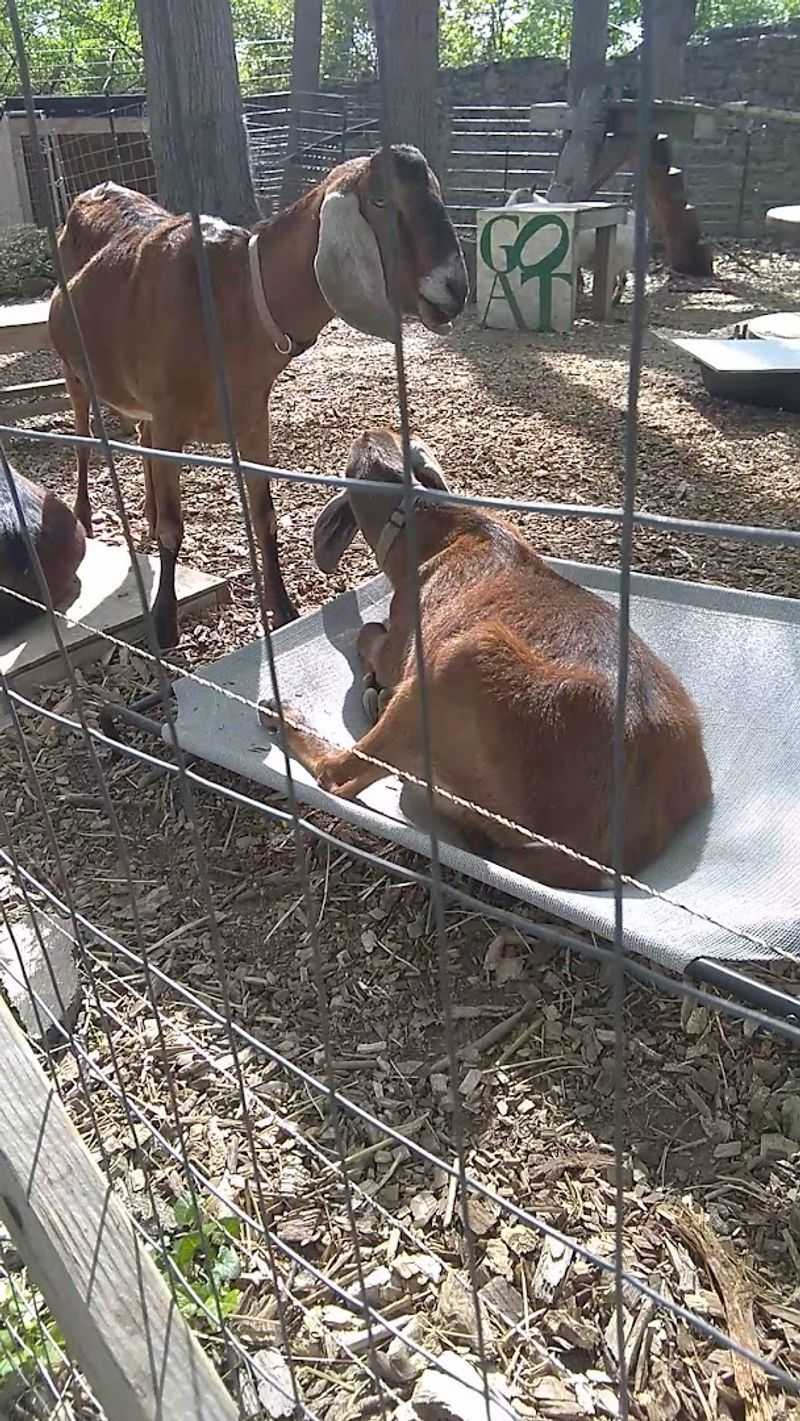
Few things in Philadelphia are as unexpectedly delightful as rounding a corner at Awbury and coming face to face with a small herd of goats. The Farm at Awbury, also known as the Agricultural Village, operates as a fully functioning urban farm within the arboretum’s grounds.
The farm grows food, runs community garden plots, maintains pollinator habitats, and hosts workshops on topics ranging from composting to seed saving. It is an active, working space rather than a decorative one, and that energy gives it a lively character distinct from the quieter parts of the arboretum.
Goat walks are among the most popular activities here, particularly with children and first-time visitors who are not expecting to meet farm animals in the middle of a city neighborhood. Chickens and beehives round out the agricultural picture, making the farm feel genuinely productive.
Fresh fruit from the trees on the property is sometimes available to visitors, adding a sensory reward that goes beyond sight and sound. The farm connects people with where food actually comes from, which is a surprisingly powerful experience in an urban setting.
Bird Watching, Wetlands, and Wildlife You Did Not Expect
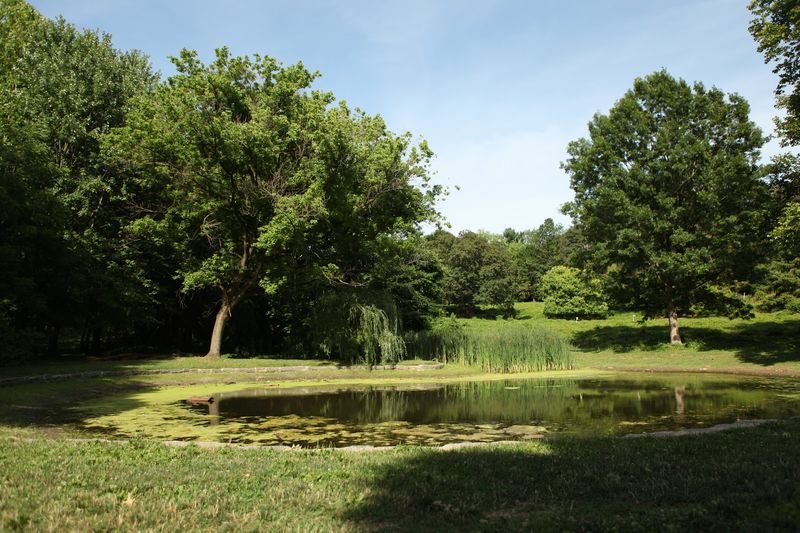
Awbury’s wildlife population is one of its most entertaining surprises. The arboretum functions as a bird sanctuary, and the variety of species that move through the property across different seasons keeps regular visitors genuinely engaged.
The pond near the train station entrance is a reliable spot for duck watching, and the wetland areas around it support a broader range of water-loving birds and insects. Native plant restoration in the meadows has made the arboretum increasingly attractive to pollinators, adding another layer of ecological activity to observe.
Groundhogs have claimed the McNabbtown field area as something of a personal territory, with visible burrow networks that give the meadow a lively, slightly chaotic energy. Spotting one of these chunky residents waddling across the lawn is a reliable highlight for first-time visitors.
The mix of wetlands, woodlands, meadows, and open lawns creates multiple distinct habitats within a relatively compact space, which is exactly why the wildlife diversity here punches well above what most city parks can offer.
Trails, Maps, and the Joy of Getting Slightly Lost
The trail system at Awbury rewards explorers who are comfortable with a little uncertainty. The paths wind through different habitats without always announcing where they are headed, which is part of the charm for visitors who prefer discovery over direction.
Picking up a printed map at the Francis Cope House before heading out is genuinely useful, especially on a first visit. The arboretum is larger than it initially appears, and the variety of terrain means that different trails offer meaningfully different experiences rather than just variations on the same walk.
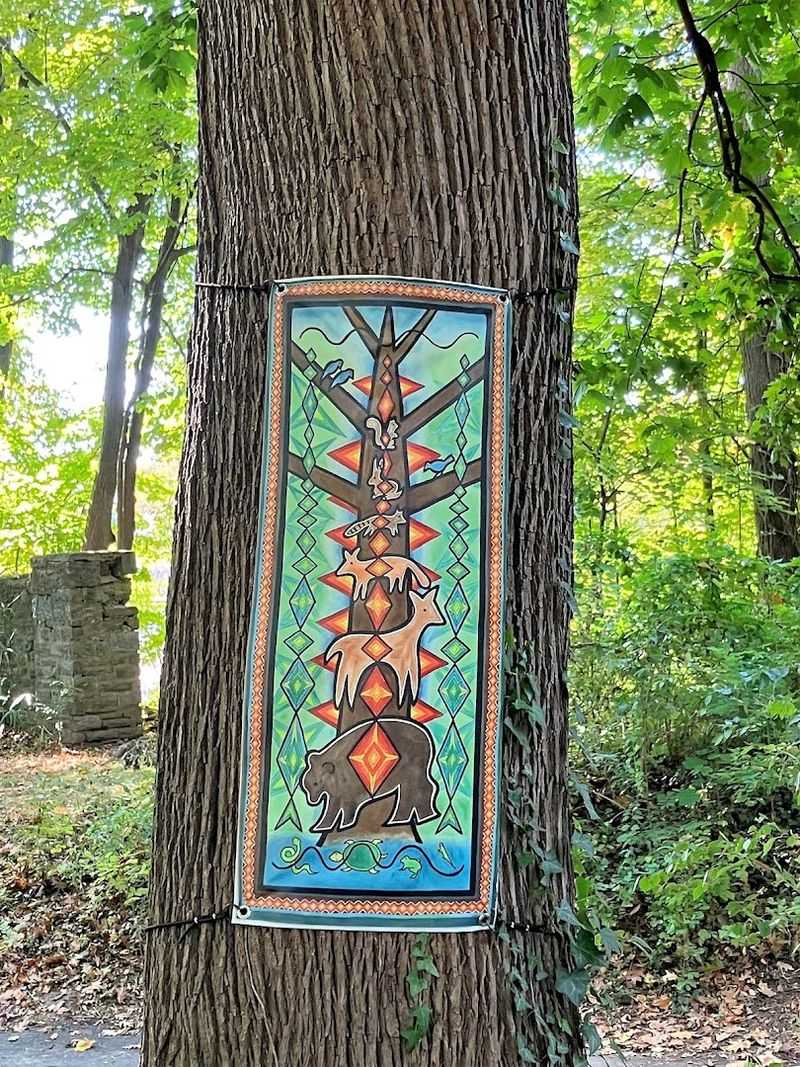
The Beech Hollow Trail, for example, passes through a quiet section of the property that has hosted rotating outdoor art exhibits in the past, including a memorable series of animal totem paintings that visitors encountered unexpectedly between the trees. That kind of surprise is exactly what makes trail walking here feel rewarding.
Dogs are welcome on leash throughout the arboretum, and the loop trails are well-suited to a relaxed pace. Fall is an especially popular season, when the tree canopy turns the whole property into a slow-burning display of color.
Free Admission and Programs That Serve the Community
One of the most remarkable things about Awbury Arboretum is that it has been free and open to the public every single day from dawn to dusk for over 100 years. In a city where green space often comes with a price tag, that commitment stands out.
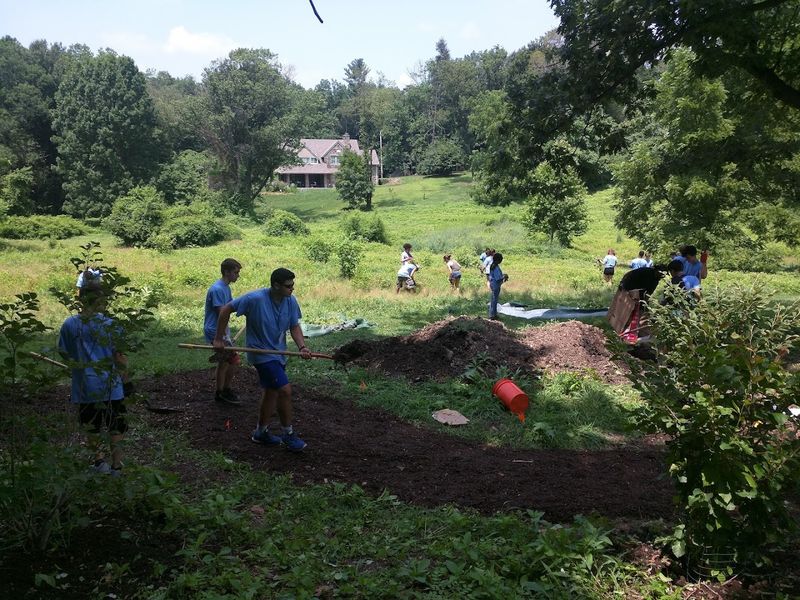
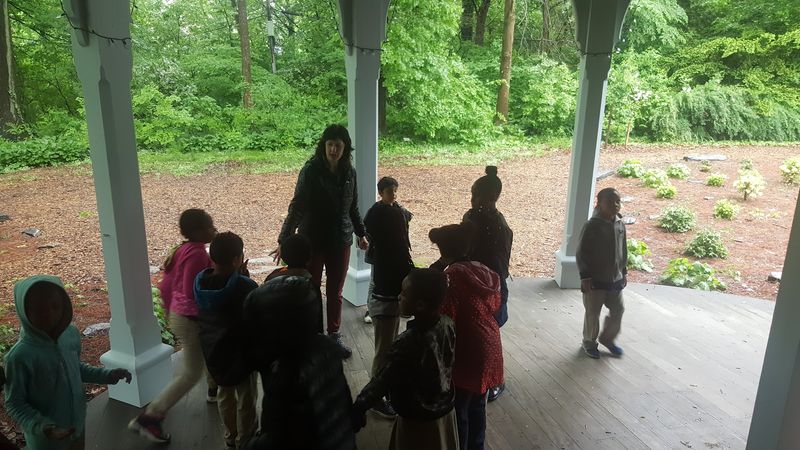
Beyond simple access, the arboretum runs an impressive range of educational programs for all ages. Weekend events have included craft activities for children, nature workshops for families, and community gardening sessions that connect residents with the land in practical ways.
Many of these programs are free or offered at very low cost.
The staff and volunteers who run these programs are consistently described by visitors as warm, knowledgeable, and genuinely enthusiastic about sharing the space. That human element transforms what could be a passive park visit into something more participatory and memorable.
Checking the arboretum’s website at awbury.org before visiting is a smart move, because the calendar of events changes regularly and there is almost always something happening beyond a simple walk through the grounds.
Practical Tips for Getting the Most Out of Your Visit
Awbury Arboretum is open Monday through Friday from 10 AM to 4 PM, and on weekends from 10 AM to 2 PM. The grounds themselves are accessible from dawn to dusk daily, but the Francis Cope House and staffed areas follow the shorter schedule.
Parking is limited, with a small lot on site holding roughly eight cars, and additional spaces available near the train station or along Washington Lane. Arriving by SEPTA’s Washington Lane Regional Rail station is genuinely convenient and drops you right at the entrance.
Dogs are welcome throughout the arboretum as long as they are kept on a leash, and the trails are comfortable enough for most fitness levels. Bringing a reusable water bottle and wearing sturdy shoes will make the experience noticeably more enjoyable, especially on the woodland trails.
A visit of one to two hours covers the main highlights comfortably, though the farm, secret garden, and trail network can easily fill a half-day for anyone who wants to move slowly and take everything in. The arboretum rewards patience more than speed.
Share this story