Few museums can claim to occupy the exact site of the history they tell. In Montpelier, Idaho, visitors can step inside the only surviving bank that Butch Cassidy is known to have robbed, making this one of the most authentic Old West attractions in the country.
The museum explores the famous 1896 robbery while also tracing Cassidy’s journey from a Utah ranch kid to one of the West’s most legendary outlaws. Original artifacts, historic photographs, and the bank’s preserved features help bring the story to life, while exhibits raise intriguing questions about what may have happened to Cassidy later in life.
For anyone interested in Western history, true crime, or larger-than-life characters, it’s a stop that offers far more than its modest exterior suggests.
The Building That Started It All
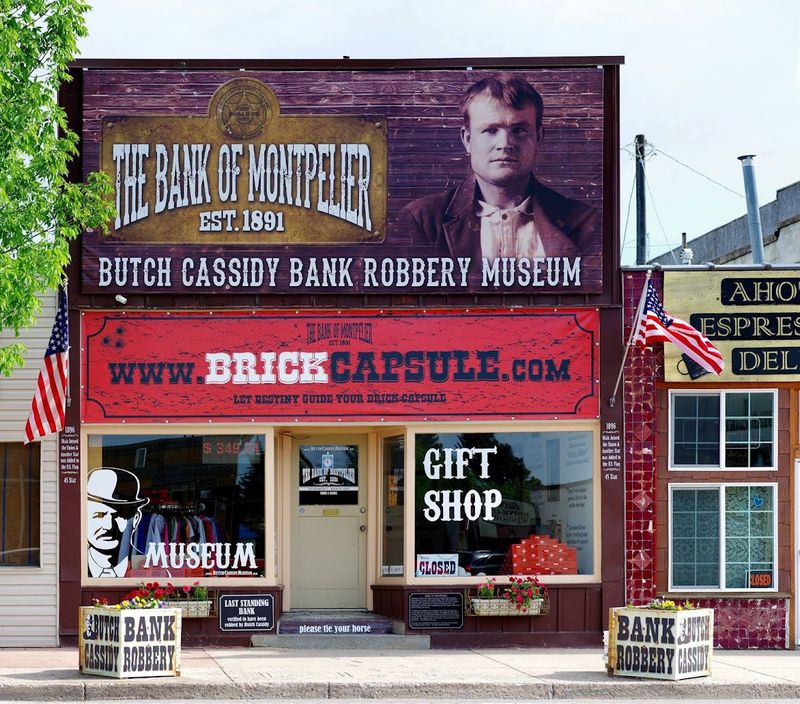
There is something immediately striking about the old Bank of Montpelier building at 833 Washington St, Montpelier, Idaho 83254. From the outside, it looks like a sturdy relic from another century, because that is exactly what it is.
The structure dates back to the late 1800s and has outlasted nearly every other building connected to Butch Cassidy’s outlaw career. When current owner Radek Konarik acquired the abandoned building in 2005, it was in rough shape.
His years of careful restoration brought it back to something close to its original condition.
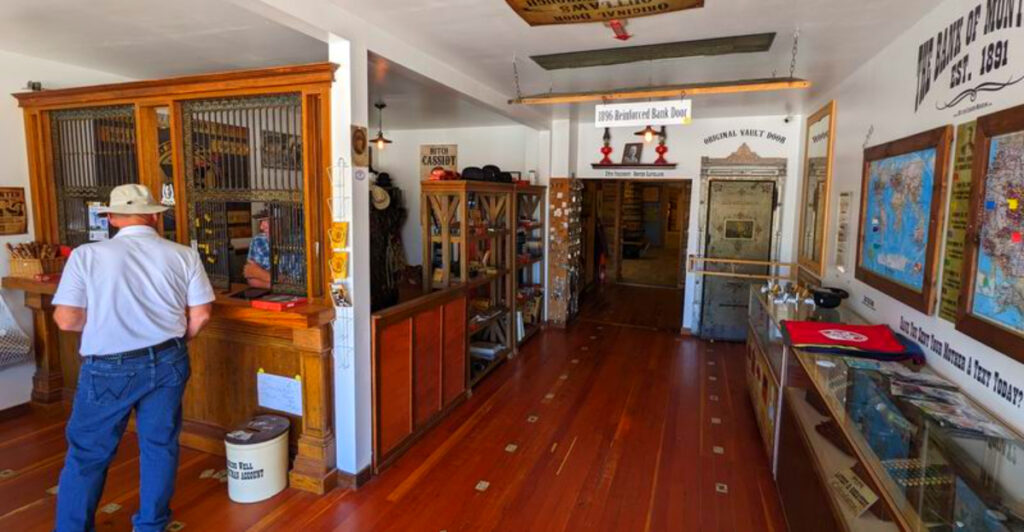
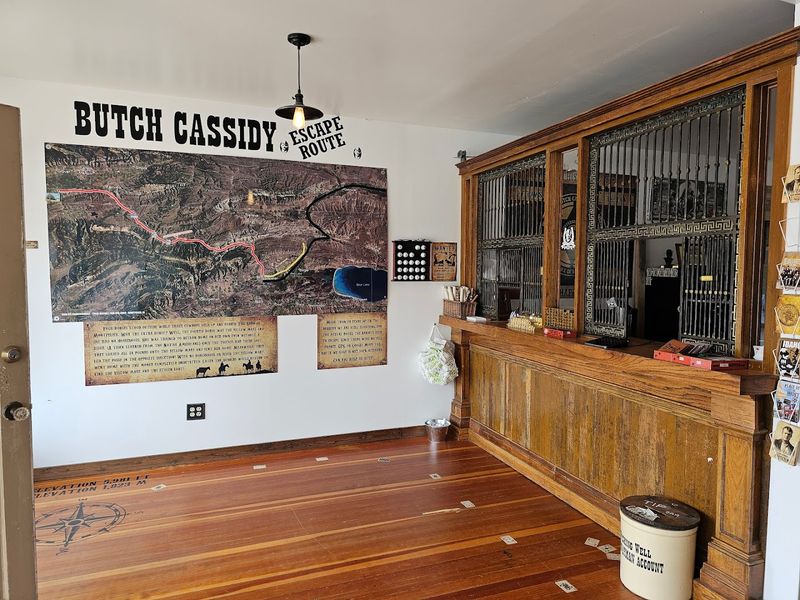
Walking through the front door, you step onto the same hardwood floors that Cassidy and his crew crossed on August 13, 1896. The original bank teller cages with their steel bars are still standing.
The front door itself is from the era of the robbery. Few places in the American West can claim that kind of unbroken physical connection to a legendary event.
The Boy Behind the Outlaw Name
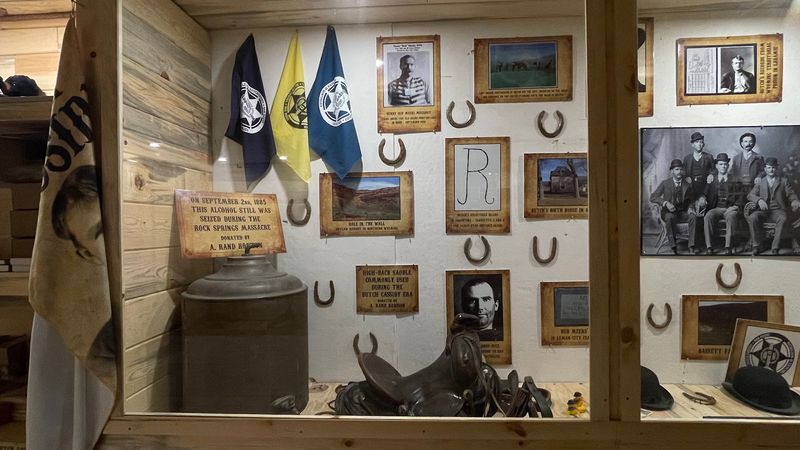
Before there was a Butch Cassidy, there was a boy named Robert LeRoy Parker, born on April 13, 1866, in Beaver, Utah. He was the eldest of 13 children raised in a Mormon family, and his early years were spent doing honest ranch work.
The museum fills in details about this quieter chapter that most people never think about. As a teenager, Parker worked on ranches across Utah and Wyoming, learning to ride and rope with the best of them.
It was during this period that he crossed paths with a cattle thief named Mike Cassidy, whose last name the young man eventually adopted as his own.
That choice of name tells you something about where his loyalties were drifting. The museum presents this backstory with a mix of photographs and written displays that make the transformation from farm boy to outlaw feel gradual and, honestly, a little understandable given the rough economic times of the era.
His First Brush With the Law
The first time Butch Cassidy ran into legal trouble, the offense was almost comically minor. He walked into a closed shop, took a pair of jeans, and left an IOU note.
The law did not find it quite as charming as he apparently did.
That small incident is one of the more human details the museum highlights, and it works well as a reminder that most outlaws did not start out as hardened criminals. Cassidy began rustling cattle by 1884, which was a more serious step, but still a far cry from armed robbery.
His first major bank robbery came on June 24, 1889, in Telluride, Colorado, years before Montpelier ever heard his name. The museum traces this arc carefully, showing how each step built on the last.
It is the kind of storytelling that makes history feel less like a textbook and more like a story that could have gone differently at several key moments along the way.
The Wyoming Prison Stint That Changed Everything
Between his early cattle rustling and the Montpelier robbery, Cassidy served 18 months in a Wyoming prison for horse theft. He was released in January 1896, just seven months before the Montpelier job.
That timeline is not a coincidence.
The museum makes a point of connecting these dots. Prison did not slow Cassidy down.
If anything, it seemed to sharpen his focus on bigger targets and better planning. The Montpelier robbery showed a level of coordination that his earlier crimes lacked, suggesting he used his time inside to think carefully about what came next.
Displays at the museum walk visitors through this period with enough detail to make the sequence feel logical rather than random. Cassidy was not reckless.
He was calculating, and the prison chapter is part of what shaped that quality. Understanding this stretch of his life helps explain why the Wild Bunch became as organized and effective as it did in the years that followed his release.
The 1896 Montpelier Bank Robbery
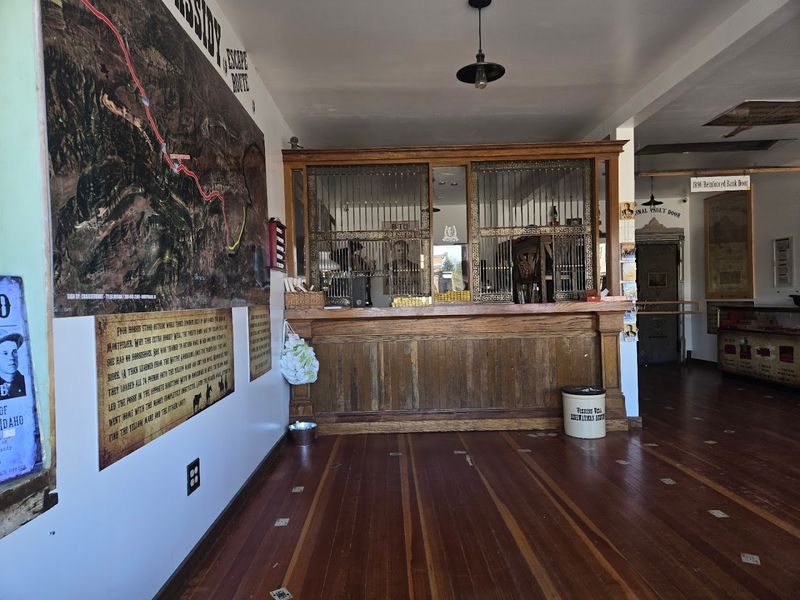
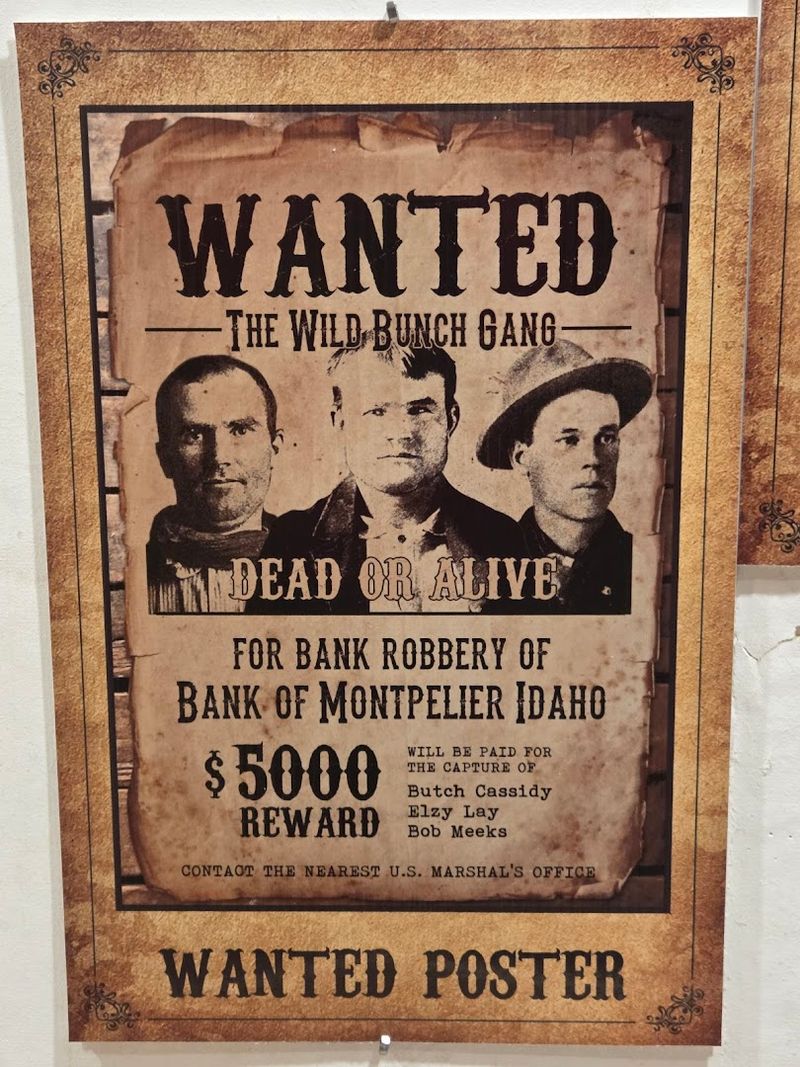
August 13, 1896, is the date that put this small Idaho town on the outlaw map. Butch Cassidy, Elzy Lay, and Bob Meeks rode into Montpelier and robbed the Bank of Montpelier of an estimated $7,000 to $16,500, depending on which historical account you read.
The robbery was quick and relatively smooth. The gang had scouted the location in advance, timed their escape route carefully, and managed to ride out before any serious pursuit could be organized.
It was a signature move for Cassidy, who preferred precision over brute force.
The museum treats this event as its centerpiece, and rightfully so. The original teller cages, vault, and hardwood floors are all part of the exhibit, meaning you are not looking at a reconstruction.
You are standing in the actual space where it happened. That physical reality gives the whole story a weight that no replica could replicate, and it is genuinely hard not to feel it.
The Original Vault and What It Holds
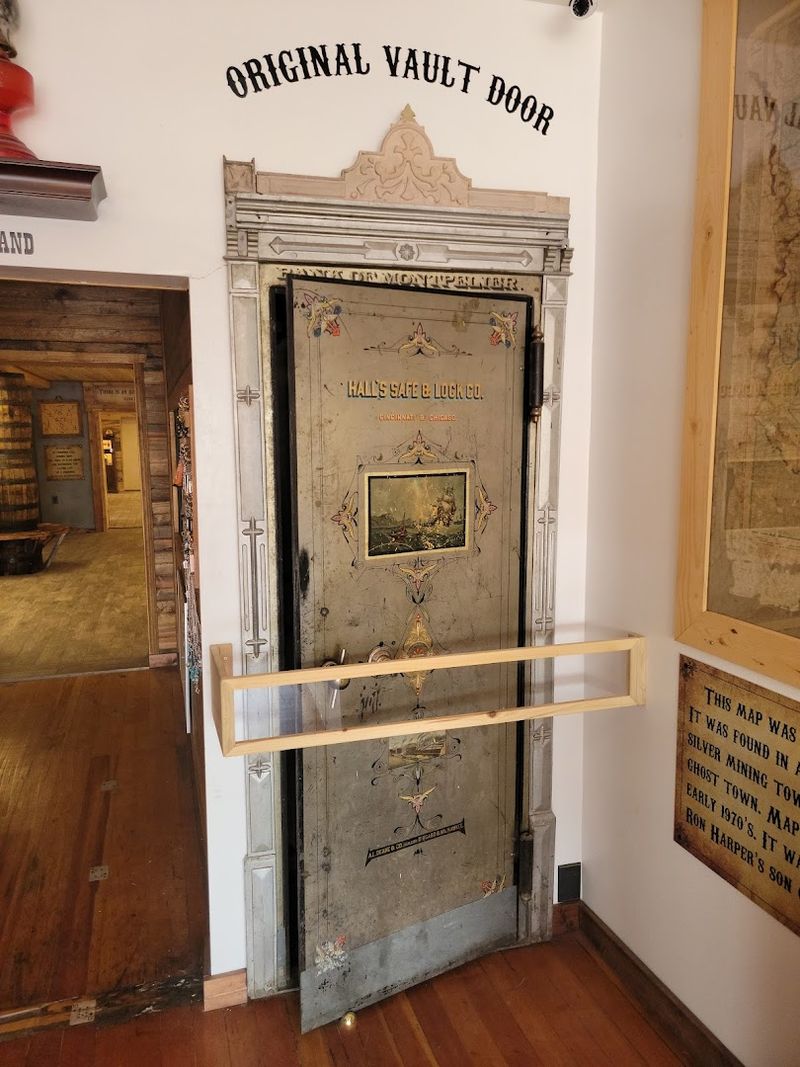
One of the most tangible thrills of the museum is the original bank vault, which dates directly to the time of the robbery. Visitors can actually step inside it, which is the kind of hands-on history that most museums only dream of offering.
The vault is compact, as you might expect from a small-town bank in the 1890s, but it carries an unmistakable atmosphere. The steel walls and heavy door are not decorative.
They are original, and knowing that Cassidy and his crew were in this exact space makes the experience feel surprisingly immediate.
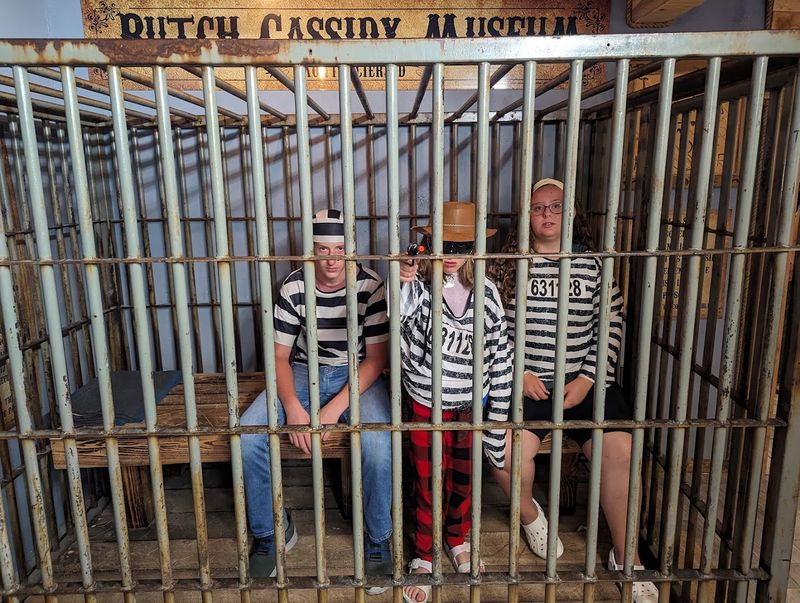
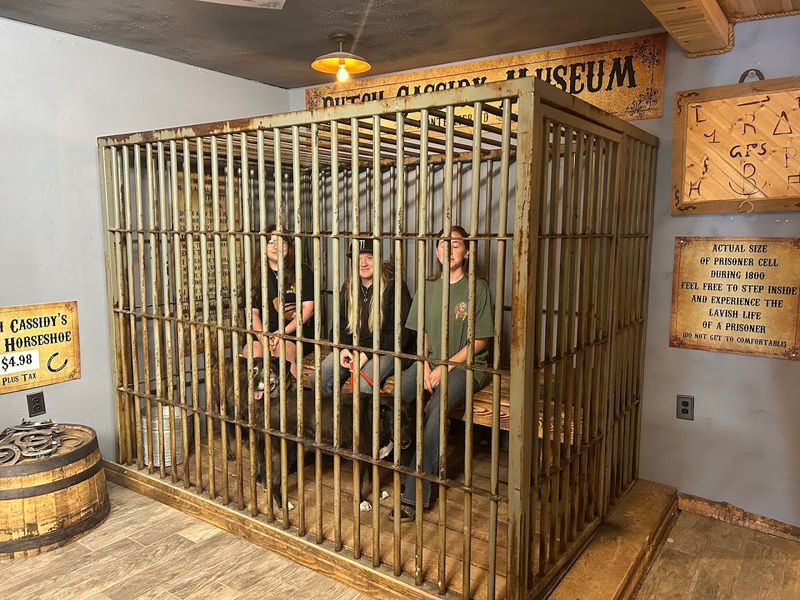
The museum also features an old jail cell that visitors can explore, adding another layer of period authenticity to the tour. These are not props or reconstructions.
Konarik has worked to preserve the genuine elements of the building rather than dress it up for effect. The result is a space that rewards curiosity, and the vault is easily the single most memorable stop on the self-guided walk through the exhibits.
The Photograph That Raises a Big Question
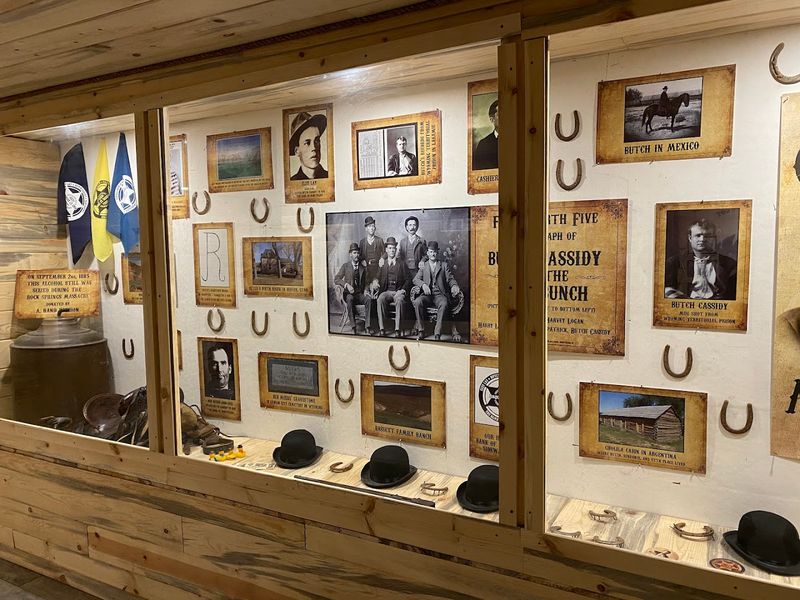
Among the artifacts collected by Radek Konarik, one stands out for the questions it raises rather than the answers it provides. The museum displays a photograph believed to show Butch Cassidy taken in South America after his reported passing, which officially occurred in Bolivia in 1908.
The debate over whether Cassidy actually survived has been going on for over a century. Several people who knew him personally claimed to have seen him alive years after the supposed Bolivian incident, and the museum does not shy away from presenting that controversy directly.
The photograph is presented with appropriate context, and the staff can offer a detailed account of why some historians believe the official story has gaps. Whether you leave convinced or skeptical, the discussion itself is one of the most engaging parts of the visit.
History rarely wraps up neatly, and this particular loose end has kept researchers, writers, and curious travelers arguing in the best possible way for generations.
The Storyteller Running the Place
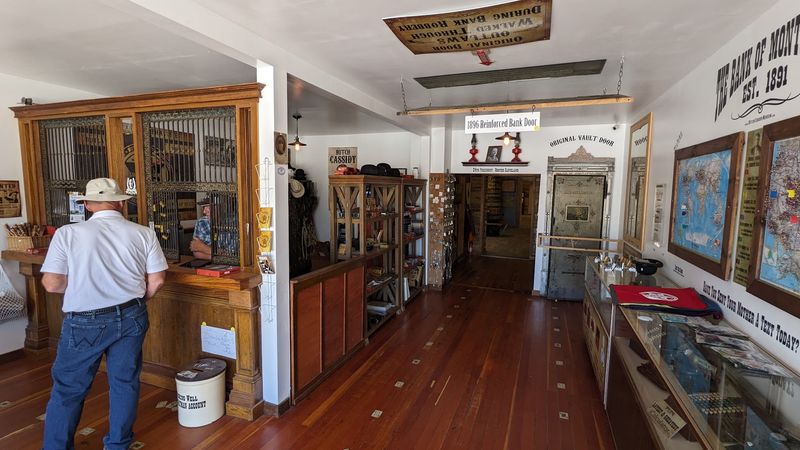
No review of this museum would be complete without mentioning the person most likely to greet you at the door. The staff member on duty, often the owner or a knowledgeable caretaker, has a genuine gift for turning dry historical facts into something you actually want to hear.
Visitors consistently describe leaving with information they never expected to pick up, delivered in a style that feels more like a conversation than a lecture. Questions are welcomed, and the answers tend to run longer than expected, in a good way.
The depth of knowledge on display covers not just Cassidy but the broader context of outlaw culture, frontier economics, and the specific geography of the robbery.
That human element is what separates this museum from a simple exhibit space. The artifacts are impressive, but the stories layered on top of them are what make the visit memorable.
Plan to spend more time here than you think you will need, because once the stories start, it is genuinely hard to find a stopping point.
Free Admission and a Gift Shop Worth Browsing
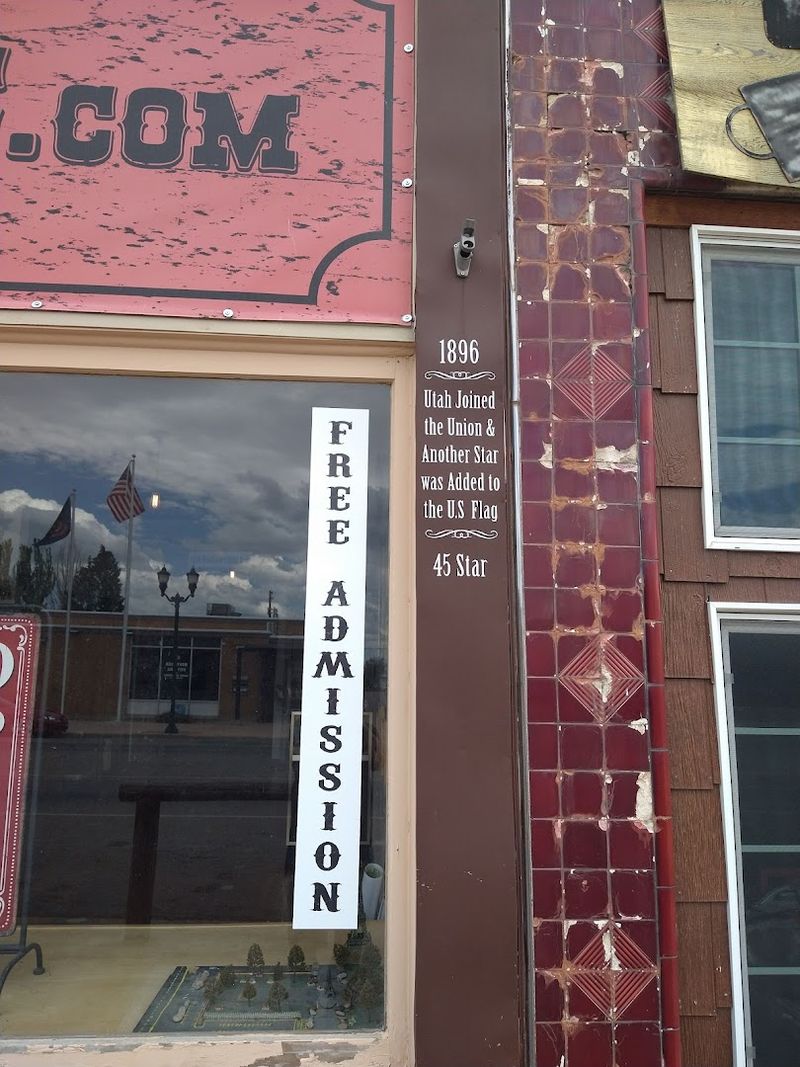
The museum charges no admission fee, which makes it one of the better value stops on any road trip through the Mountain West. Donations are accepted and genuinely appreciated, as they help keep the building maintained and the exhibits growing.
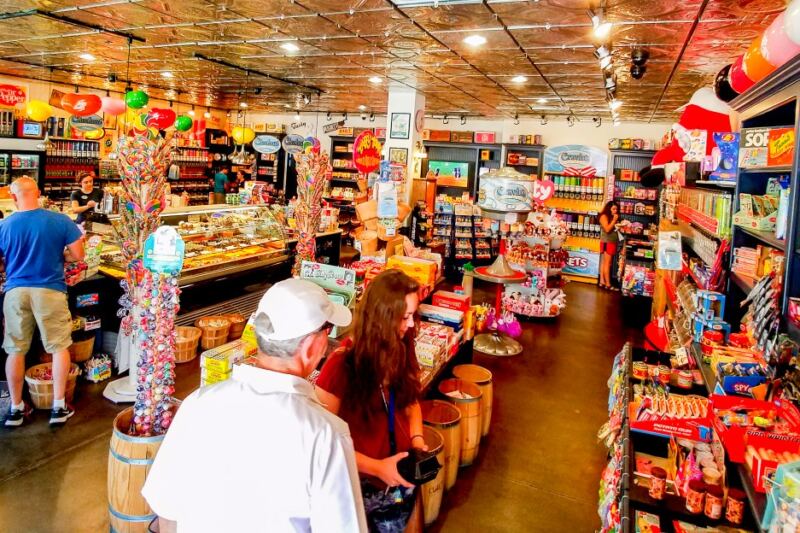
The gift shop is a mix of quirky and practical. Replica gold bars, branded t-shirts, locally sourced honey, and even a bottle of aftershave reportedly similar to what Cassidy wore are all available for purchase.
The aftershave, with its clove-forward scent, is the kind of oddly specific souvenir that actually makes a good story later.
Buying something from the shop is one of the most direct ways to support the museum’s continued operation, and the prices are reasonable for what you get. The souvenirs lean toward the fun and thematic rather than the generic, which gives the shop a personality that matches the museum itself.
It is hard to walk out empty-handed, and that is not a complaint.
The Annual Robbery Reenactment
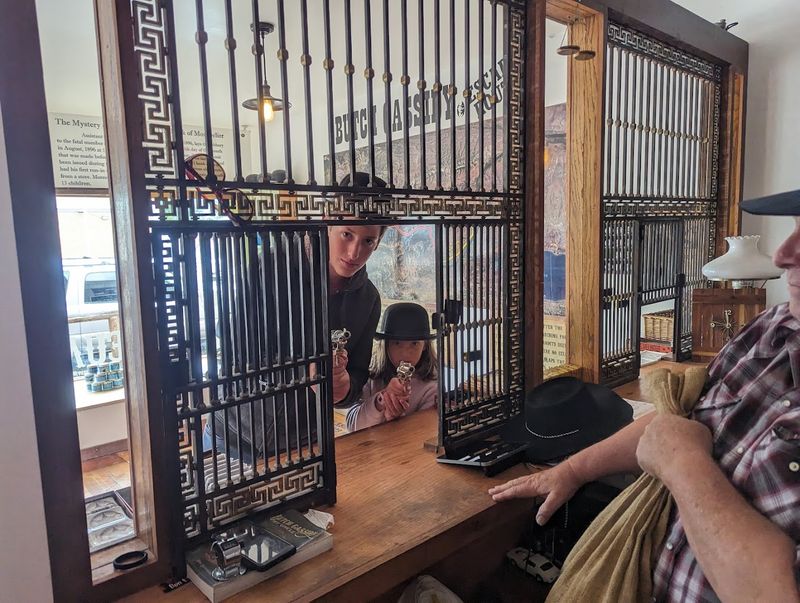
Once a year, Montpelier turns the clock back to 1896 in a way that goes beyond exhibits and photographs. The museum hosts an annual reenactment of the bank robbery on the Saturday closest to August 13, drawing visitors who want to see the event played out in real time on the actual street.
The reenactment is a community event as much as a museum program, and it gives the robbery a theatrical dimension that complements the quieter, more reflective experience of the indoor exhibits. Actors in period-accurate clothing recreate the getaway with enough energy to make the whole thing genuinely entertaining.
If your travel schedule has any flexibility, timing a visit to coincide with the reenactment is worth the effort. It transforms a good museum stop into a full afternoon of living history, and the combination of the indoor exhibits and the outdoor performance gives you a more complete picture of what August 13, 1896, actually looked and felt like in this small Idaho town.
When to Visit and What to Know Before You Go
The museum operates seasonally, generally from Memorial Day in late May through Labor Day in September. Hours are not always posted consistently on the building or the website, so calling ahead is a smart move before making a special trip.
The phone number is +1 801-706-4004.
The museum is compact, and most visits run between 30 minutes and an hour, depending on how many questions you ask and how deep the conversation with the staff goes. There is no pressure to rush, and the no-admission policy means you can take your time without feeling like you are burning through an expensive ticket.
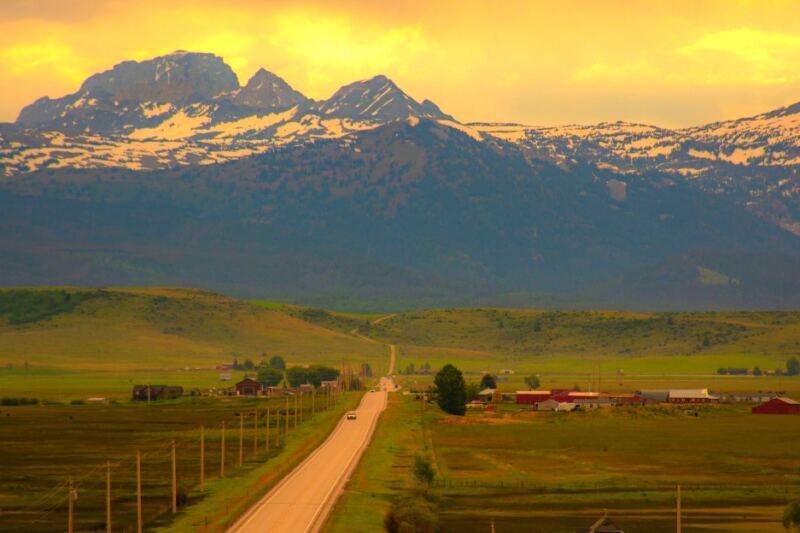
Montpelier itself is a small town in Bear Lake County in southeastern Idaho, close to the Wyoming border. It sits along US-30, making it a natural stop for anyone driving through the region.
The surrounding landscape is open and scenic, and a visit to the museum pairs well with a broader exploration of the area’s outdoor spaces and local character.
Why This Small Museum Leaves a Lasting Impression
Small museums often struggle to compete with the polished productions of larger institutions. This one sidesteps the competition entirely by offering something no big-budget exhibit can manufacture: the real thing.
The floors, the vault, the teller cages, and the front door are all original, and that authenticity is felt rather than explained.
The museum also benefits from a focused story. Rather than trying to cover everything about the American West, it zooms in on one specific event and one specific person, tracing the arc from Utah farm boy to notorious outlaw with enough detail to satisfy curious visitors without overwhelming them.
There is a reason people drive hours out of their way to stop here, and it is not just the novelty of visiting a crime scene. It is the combination of genuine artifacts, an engaging human guide, and a story that still has unanswered questions after more than a century.
That combination is rarer than it sounds, and it makes the Butch Cassidy Museum a stop worth planning around.
Share this story