The Wild West is often remembered as an era of adventure and opportunity, but daily life on the frontier was far harsher than popular culture suggests. Settlers, cowboys, miners, and travelers faced constant challenges, from dangerous working conditions and limited medical care to unreliable food and water supplies.
Modern conveniences have made life far easier than most people realize. These thirteen historically documented realities highlight just how difficult frontier life could be and why many of us would struggle to adapt.
The gap between life today and life in the Old West is larger than it appears.
1. Clean Water Was Hard to Find
Cholera outbreaks on the American frontier were not rare occurrences but rather predictable consequences of how water was sourced and stored. Rivers served as bathing spots, livestock watering holes, and drinking water sources all at once.
That overlap created serious contamination problems that frontier communities had neither the tools nor the scientific understanding to address properly.
Wells were slightly better but still vulnerable. Outhouses built too close to well sites allowed waste to seep into groundwater, spreading typhoid and dysentery through entire communities without anyone realizing the connection.
The germ theory of disease was not widely accepted in medical practice until the 1880s, meaning most people had no idea why they kept getting sick.
Water barrels used on wagon trains were rarely cleaned between uses. Standing water in warm weather became a breeding environment for harmful bacteria within days.
Modern travelers who rely on filtered bottles and tested municipal supplies would find the frontier water situation both alarming and immediately dangerous.
2. A Minor Injury Could Become a Death Sentence
Before the widespread use of antiseptics, a scratch from a rusty nail or a shallow cut from farm work carried a very real risk of turning fatal. Infection set in quickly, and without antibiotics, the body had limited defenses once bacteria entered a wound.
Gangrene could develop within days of an untreated injury.
Joseph Lister published his work on antiseptic surgical techniques in 1867, but adoption across the American frontier was slow. Many rural practitioners continued using unwashed instruments and bare hands well into the 1880s.
Amputation was often the only available response to a badly infected limb, and even that procedure carried significant risk without proper anesthesia.
Qualified physicians were rare west of the Mississippi. Many people who called themselves doctors had little formal training and relied on remedies that ranged from ineffective to genuinely harmful.
3. You’d Miss Air Conditioning Almost Immediately
Summer temperatures across the Great Plains and Southwestern territories regularly climbed above 100 degrees Fahrenheit during the peak of the frontier era. Kansas, Texas, and Arizona territories recorded brutal heat stretches that lasted for weeks at a time.
Frontier buildings offered almost no relief, constructed from wood, sod, or adobe with minimal ventilation design.
Heat-related illness was a documented problem for settlers, soldiers, and laborers throughout the 1870s and 1880s. Workers on cattle drives across Texas in July faced sun exposure for twelve or more hours daily with no shade structures and limited water access.
The physical demands of frontier labor combined with extreme heat created conditions that modern bodies, accustomed to regulated indoor temperatures, are simply not conditioned to handle.
Willis Carrier did not invent the first modern air conditioning system until 1902, meaning the entire Wild West era unfolded without it. Settlers used wet cloths and shade as their primary cooling tools.
After even two days in that heat, the appeal of frontier life would wear off quickly for most modern individuals.
4. Food Spoiled Fast
Refrigeration as a household technology did not become widely available until the early twentieth century. Frontier settlers worked entirely without it, relying instead on salting, smoking, drying, and canning to extend the life of their food.
Each of those methods had significant limitations, especially in summer months when temperatures accelerated spoilage.
Salt pork and dried beans formed the backbone of most frontier diets because they were among the few options that could survive weeks without refrigeration. Fresh vegetables were seasonal and geographically dependent.
Scurvy, caused by vitamin C deficiency, was a documented health problem among settlers and trail travelers who went long stretches without access to fresh produce.
Improperly preserved food caused serious illness regularly. Botulism, food poisoning, and parasitic infections from undercooked or spoiled meat were occupational hazards of frontier eating.
A modern person accustomed to checking expiration dates and storing leftovers in a refrigerator would find the daily task of keeping food safe both exhausting and genuinely risky in a frontier setting.
5. Horses Aren’t as Easy as They Look
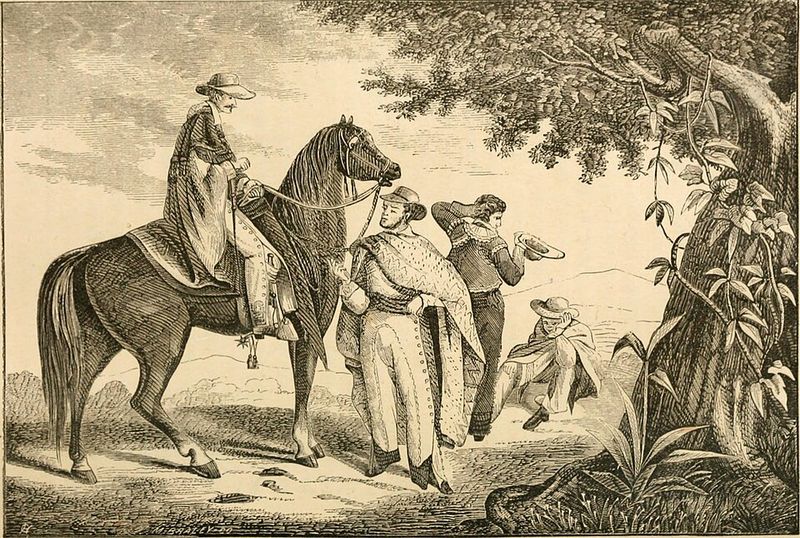
Horsemanship was a skill that frontier residents developed over years, not days. Controlling, saddling, feeding, and maintaining a horse required consistent practice and physical conditioning that most modern people simply do not have.
A horse that senses an inexperienced rider will test that rider in ways that movies never show.
Saddle soreness after a full day of riding was a real and painful condition. Cowboys on cattle drives spent up to fifteen hours on horseback daily, and even experienced riders dealt with chafing, muscle strain, and joint pain.
An untrained modern rider attempting the same would likely be unable to walk properly after day one.
Beyond physical discomfort, horses required constant care. They needed feeding, watering, grooming, and hoof inspection every single day.
A poorly maintained horse could go lame, leaving a traveler stranded miles from the nearest settlement with no backup transportation option. The frontier relationship with horses was one of daily labor and skilled partnership, not the casual riding experience that popular culture suggests.
6. The Weather Was Relentless
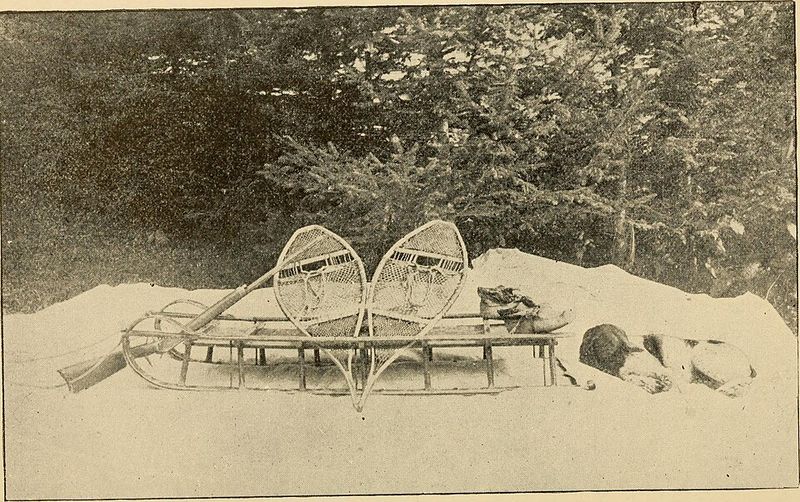
The central and western United States in the 1870s and 1880s offered some of the most extreme weather patterns on the continent, and frontier settlers had almost no warning systems to prepare for them. Blizzards could descend on the northern plains within hours, dropping temperatures dangerously and trapping families in poorly insulated structures for days.
The Schoolchildren’s Blizzard of January 1888 is one documented example of how fast conditions could turn dangerous. A sudden storm swept across the Dakota Territory and Nebraska, catching people unprepared outdoors.
Settlers on the southern plains faced a different but equally dangerous threat from tornadoes and flash floods that arrived with little warning.
Drought was another constant pressure. Extended dry periods destroyed crops, dried up water sources, and forced families to abandon homesteads they had worked for years to establish.
The federal government did not operate a national weather bureau with public forecasting capabilities until 1870, and even then, frontier communication was too slow for warnings to reach remote settlements in time to be useful.
7. Personal Hygiene Was Optional
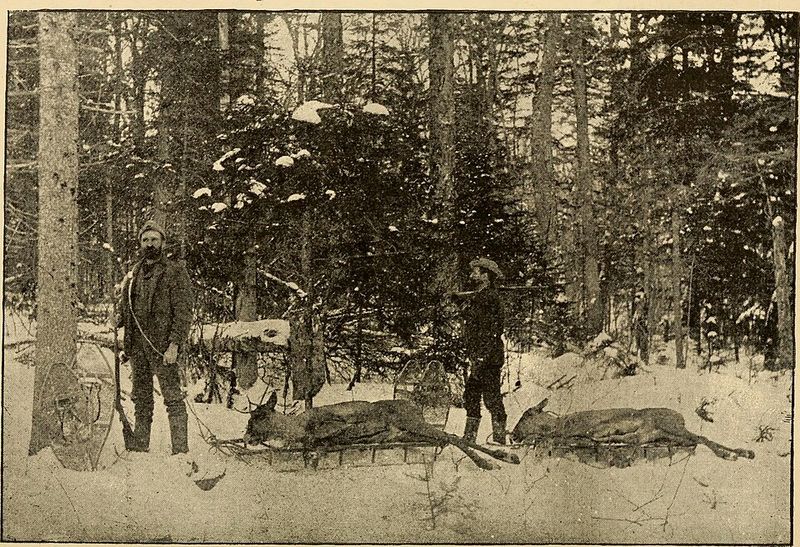
Running water was not a feature of frontier life. Every drop used for washing had to be hauled by hand from a well, river, or rain barrel.
Heating that water required building a fire and waiting. The entire process of taking a basic bath could consume an hour or more of labor, which made frequent bathing impractical given the other demands of frontier survival.
Shared towels at public establishments like saloons and boarding houses were common practice. The same towel might be used by dozens of people before being washed.
This routine sharing of personal items contributed to the spread of skin conditions, eye infections, and respiratory illnesses throughout frontier communities.
Lice infestations were widespread in frontier communities and documented in military records, homesteader diaries, and traveler accounts from the period. Bedding was rarely washed with the frequency needed to prevent infestations.
A modern person conditioned to daily showers, deodorant, and clean laundry would find the hygiene standards of the Wild West era both uncomfortable and medically concerning within the first forty-eight hours.
8. You’d Be Constantly Battling Disease
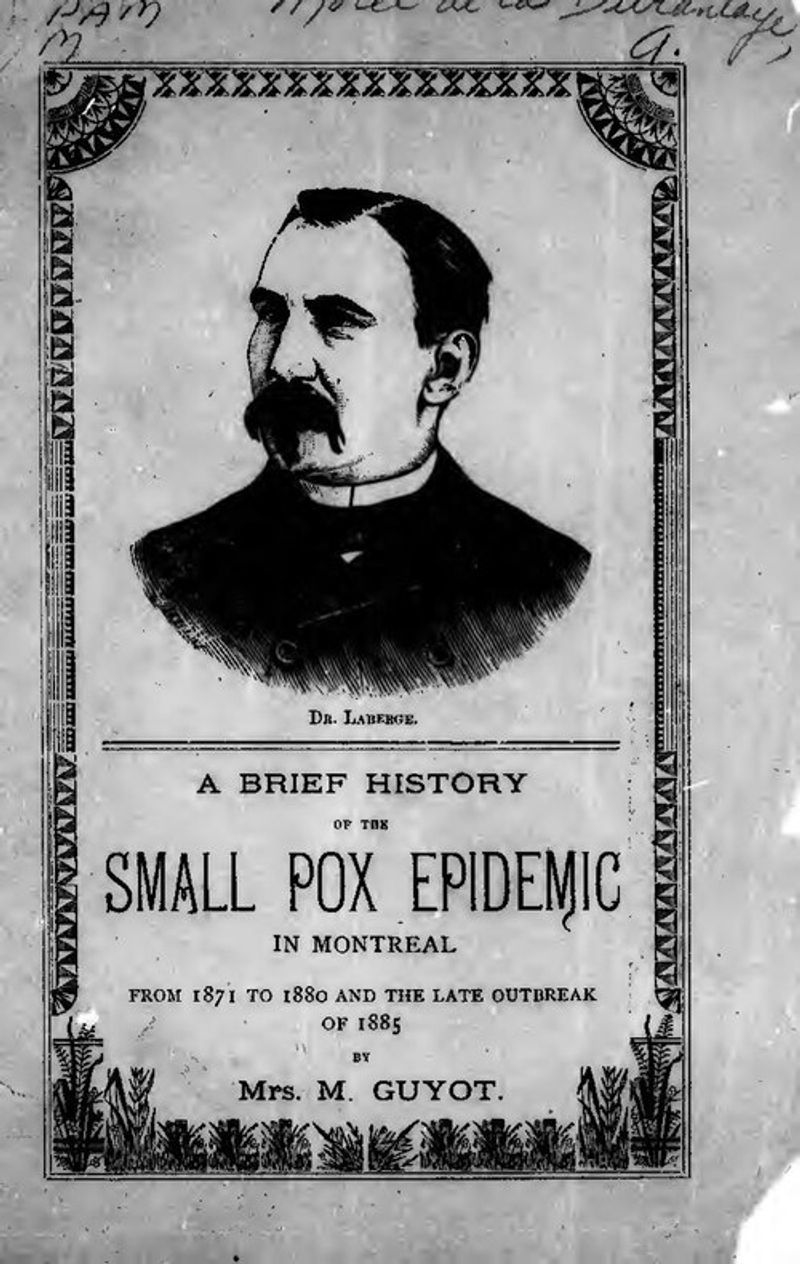
Smallpox vaccination existed during the Wild West era, but access to it across remote frontier communities was inconsistent and often nonexistent. Tuberculosis, called consumption at the time, spread steadily through settlements where people lived in close quarters with poor ventilation.
Entire families could be affected within a single winter season.
Cholera epidemics along major wagon trails were so common that historians have documented thousands of graves lining the Oregon and California Trails. The disease could progress from first symptoms to a fatal outcome in less than twenty-four hours in severe cases.
Communities had no reliable quarantine infrastructure to slow the spread once an outbreak began.
Influenza outbreaks struck frontier communities with regularity throughout the 1870s and 1880s. Without modern antiviral medications or hospital infrastructure, sick individuals depended entirely on rest, hydration, and whatever home remedies their communities had developed.
A modern person whose immune system has never encountered many of these historical pathogens would be particularly vulnerable to the disease environment of the frontier era.
9. Travel Was Slow and Dangerous
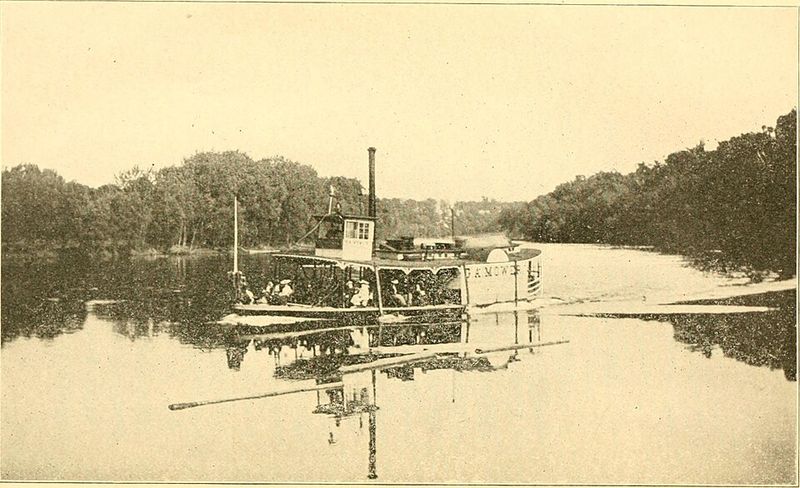
Before the transcontinental railroad’s completion in 1869, crossing significant distances in the American West meant weeks or months of travel by wagon, horse, or stagecoach. Even after the railroad expanded, reaching destinations not served by rail lines still required slow overland travel on unpaved and poorly maintained routes.
The Oregon Trail, spanning roughly 2,000 miles from Missouri to Oregon, took wagon trains an average of four to six months to complete. River crossings were among the most consistently dangerous segments, with wagons overturning in strong currents and livestock lost regularly.
Broken axles, lame horses, and steep terrain added unpredictable delays to every journey.
Stagecoach travel was faster but not comfortable or safe. Coaches operated on fixed schedules regardless of weather or road conditions, and passengers had no options if a wheel broke or a horse went lame miles from the nearest way station.
10. Dental Care Was Basically Primitive
Professional dentistry existed in urban centers during the 1870s, but trained dental practitioners were rare on the frontier. Most rural communities relied on barbers or blacksmiths to perform tooth extractions when pain became unbearable.
These procedures were done without modern anesthetics, using metal forceps and considerable force.
Toothbrushes existed in the 1800s but were not common household items across frontier settlements. Most people cleaned their teeth irregularly if at all, using rough cloths, salt, or chalk-based powders.
The resulting tooth decay was widespread and well-documented in skeletal remains and frontier medical records from the period.
A persistent toothache on the frontier was not a manageable inconvenience but a serious quality-of-life problem that could last months. Infections spreading from a rotting tooth into the jaw or bloodstream could become life-threatening without proper treatment.
11. Guns Were Everywhere
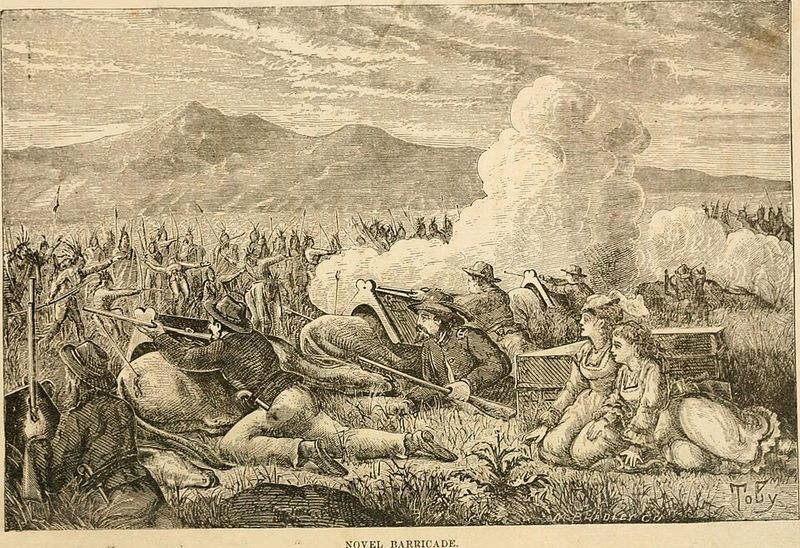
Firearms were practical tools in frontier life, used for hunting, livestock protection, and self-defense against wildlife. The widespread ownership of guns was not a cultural statement but a functional reality of living in remote areas without organized law enforcement.
However, that prevalence came with consistent risks that extended well beyond intentional use.
Accidental discharges were a documented cause of injury on the frontier. Guns with worn mechanisms, improper storage practices, and limited safety features contributed to incidents involving both adults and children.
Frontier medical records from Kansas and Texas in the 1870s and 1880s include numerous cases of accidental gunshot wounds requiring treatment.
Dodge City, Kansas, recorded notable violence statistics during its cattle drive peak years in the late 1870s. While Hollywood exaggerates the frequency of formal duels, disputes that escalated to gunfire were a real part of frontier social dynamics.
12. Hard Physical Labor Was Nonstop
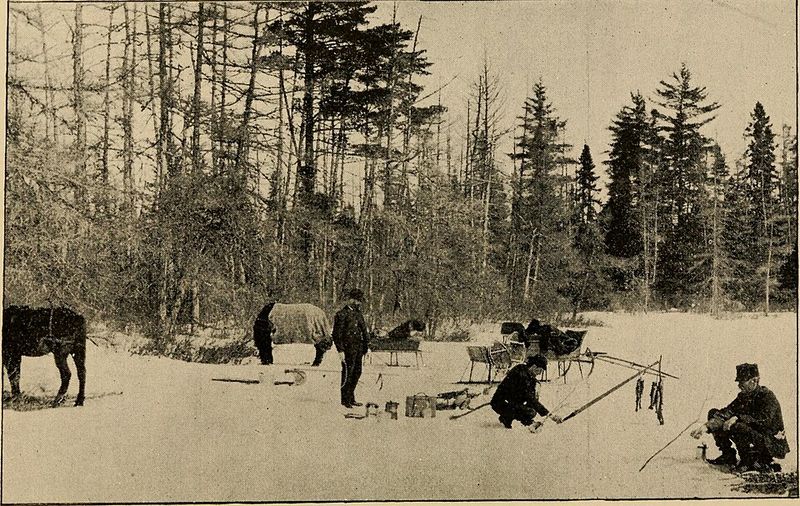
Every basic necessity of frontier life required sustained physical effort. Water did not come from a tap but from a well or river, often requiring multiple trips with heavy buckets.
Firewood had to be chopped and stacked before each winter season, a task that could take weeks of consistent daily work to complete adequately.
Cattle driving, mining, and farming all demanded physical output that few modern occupations come close to matching. Cowboys on long cattle drives worked from before sunrise to after sunset with limited rest periods.
Miners in the silver and gold fields of Nevada and Colorado worked in physically punishing conditions underground, often for twelve-hour shifts.
The frontier body was conditioned through years of this labor. Modern adults, even those who exercise regularly, are not physically prepared for the sustained, full-body demands of frontier daily life.
13. Loneliness Could Be Crushing
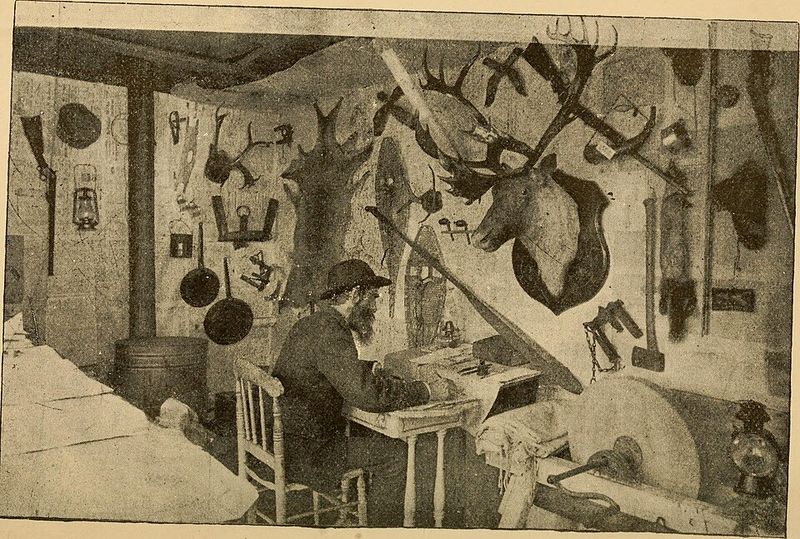
Homestead claims under the Homestead Act of 1862 were granted in 160-acre parcels, which sounds generous until you consider that those parcels were spread across enormous stretches of open land. Neighboring families could be several miles apart, and visiting required significant travel time on horseback or by wagon.
Social interaction was not a casual option but a planned event.
Mail service on the frontier was slow and unreliable. A letter sent from a Kansas homestead to family in Ohio might take two to three weeks to arrive, and a reply would take just as long.
Settlers who relocated from eastern cities or European countries often went months without any meaningful contact with the people they had left behind.
Frontier diaries and historical accounts from the 1870s and 1880s document depression, anxiety, and psychological strain among settlers, particularly women who had relocated far from established social networks.
Share this story