Chicago’s South Side has always had a story worth telling, and the world is finally paying attention. The arrival of the Obama Presidential Center has shined a spotlight on a region already packed with history, culture, food, and natural beauty.
From legendary jazz clubs to stunning lakefront parks, the South Side offers experiences you simply cannot find anywhere else in the country. Whether you’re a first-time visitor or a longtime Chicagoan, there’s always something new to discover just a few miles south of the Loop.
The Obama Presidential Center
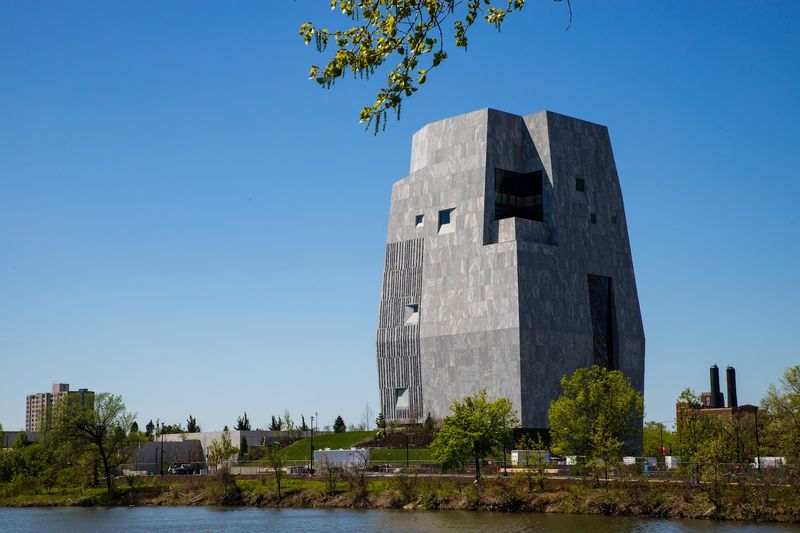
Nothing quite prepares you for the scale of this place. The Obama Presidential Center sits on a 19-acre campus in Jackson Park and includes a soaring museum tower, a public Chicago Public Library branch, athletic facilities, gardens, and community spaces that feel genuinely welcoming to everyone.
It was designed not just as a monument but as a living neighborhood anchor.
The Sky Room at the top of the museum tower offers sweeping 360-degree views of the South Side and Lake Michigan. On a clear day, you can see the city skyline, the park’s lagoons, and the shoreline stretching for miles.
It’s one of the most dramatic viewpoints in all of Chicago.
More than 20 large-scale public artworks are installed throughout the campus, making even a casual walk around the grounds feel like a visit to an outdoor gallery. Local culinary talent is also featured in the dining spaces, giving visitors a genuine taste of South Side food culture.
The center is free and open to the public for outdoor exploration.
Jackson Park

Frederick Law Olmsted, the same landscape genius behind New York’s Central Park, helped shape Jackson Park into the green masterpiece it is today. The park stretches along Lake Michigan’s shoreline and features lagoons, wooded islands, open meadows, and historic landscapes that have been drawing South Siders outdoors for well over a century.
Few urban parks anywhere in America match its combination of natural beauty and historical depth.
The park gained worldwide fame as the host site of the 1893 World’s Columbian Exposition, an event so grand it literally changed how Americans thought about cities. Remnants of that fair, including the Wooded Island and the formal gardens, still survive and give the park an almost storybook quality.
Wandering through those older sections feels like stepping into another era entirely.
Today, Jackson Park is also home to the Obama Presidential Center and the Museum of Science and Industry, making it one of the most destination-packed green spaces in the Midwest. Cyclists, joggers, birdwatchers, and picnickers all share the paths comfortably.
The park recently underwent a major restoration to honor both its Olmsted heritage and its exciting new future.
The Museum of Science and Industry

Step inside and you might find yourself standing next to an actual German U-boat submarine captured during World War II. The Museum of Science and Industry is not shy about going big.
It occupies the Palace of Fine Arts, one of the last surviving buildings from the 1893 World’s Columbian Exposition, and its neoclassical columns and grand dome make it one of Chicago’s most recognizable landmarks.
Inside, the exhibits cover everything from coal mines to space exploration. A full-sized replica of a coal mine takes visitors underground, while a real Apollo 8 command module sits on display reminding you that human beings once rode that tiny capsule around the moon.
The sheer variety of what’s on offer here is genuinely staggering for a single institution.
Families with kids especially love the interactive exhibits, which encourage hands-on learning rather than passive reading. The museum runs seasonal shows in its massive domed theater and hosts popular annual events like the holiday Christmas Around the World display.
Plan for at least three or four hours because leaving early feels like a real loss. Tickets are reasonably priced, and the museum is open most days of the year.
Hyde Park
Hyde Park has a quiet confidence about it that sets it apart from almost every other Chicago neighborhood. It’s the kind of place where a Nobel Prize winner might be grabbing coffee at the same counter where a high school student is working on homework.
The neighborhood is home to the University of Chicago and served as the longtime residence of Barack and Michelle Obama, giving it a cultural weight that’s hard to match anywhere on the South Side.
Bookstores like Seminary Co-op and 57th Street Books are legendary among book lovers across the country. Both stores operate out of cozy, labyrinthine spaces where you can spend an afternoon getting happily lost among the shelves.
The neighborhood’s independent spirit runs deep, and local cafes and restaurants carry that same character.
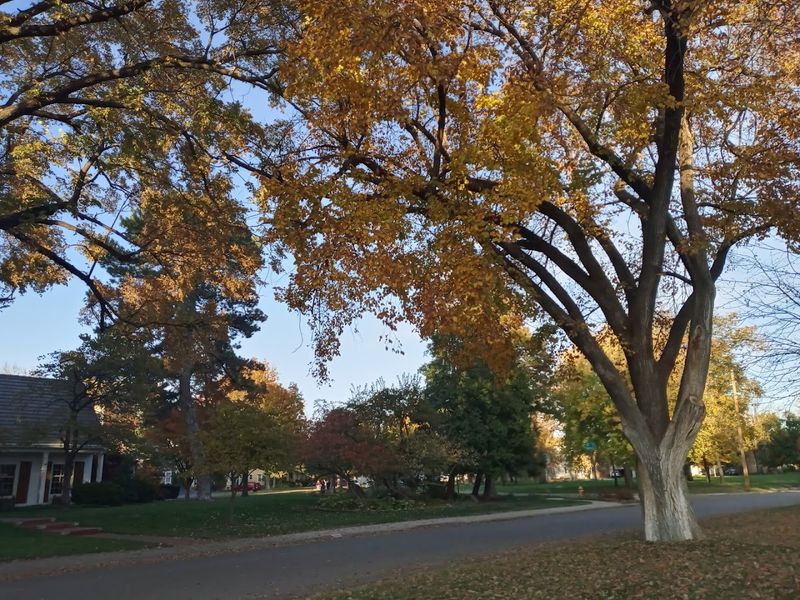
Architecturally, Hyde Park is a treasure trove. Victorian-era homes sit alongside mid-century modern apartment buildings, and historic greystones line streets shaded by mature trees.
The neighborhood has managed to stay genuinely diverse and intellectually alive for decades, which is rarer than it sounds in a major American city. Walking its streets on a weekend morning, coffee in hand, feels like a very particular kind of Chicago luxury.
The University of Chicago Campus
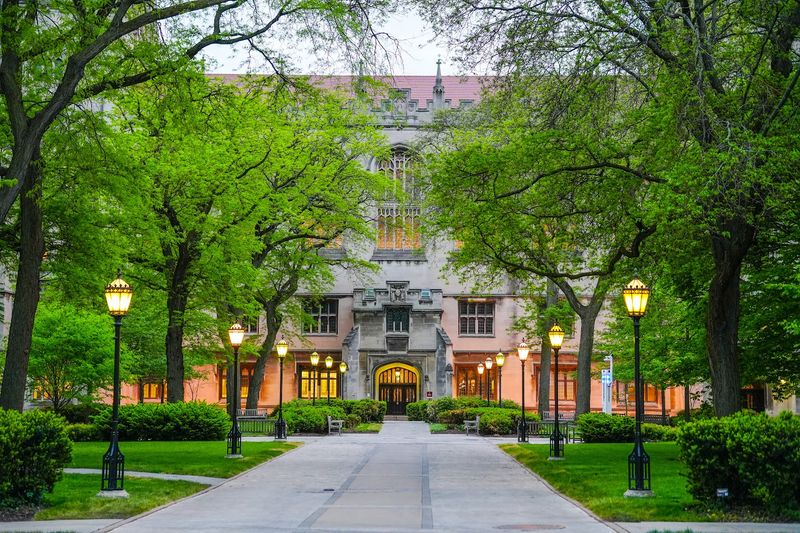
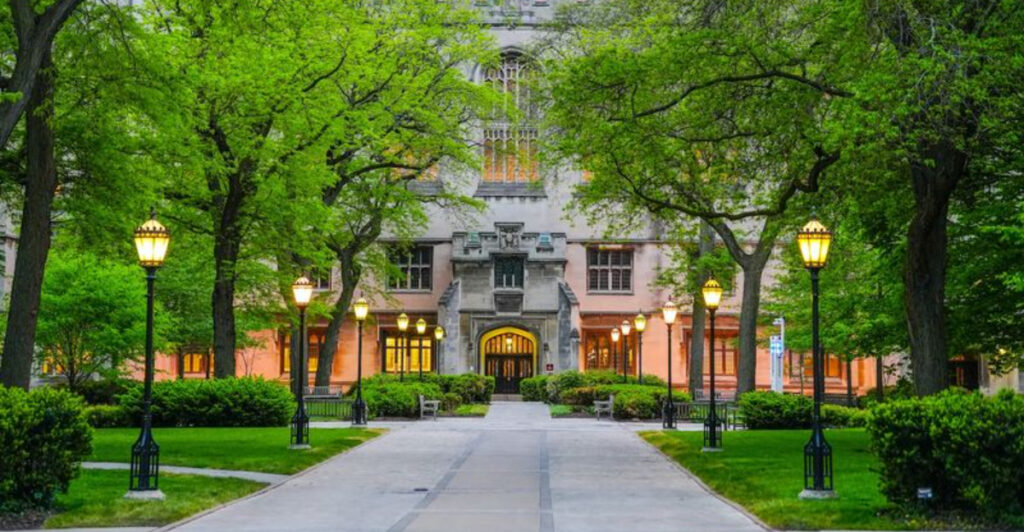
Gothic architecture in the American Midwest sounds like it shouldn’t work, but the University of Chicago campus makes it feel completely inevitable. The stone buildings, pointed arches, and ivy-covered walls create an atmosphere that’s equal parts medieval European university and classic American intellectual ambition.
Visitors with no academic connection to the school are completely welcome to walk the grounds, and many do.
The main quadrangles are open green spaces perfect for a slow afternoon stroll. Public art is scattered throughout the campus, including works by major artists that most people would expect to find only in museums.
The Regenstein Library’s striking brutalist exterior is worth a look on its own, even if you never go inside.
Beyond the buildings, the campus hosts public lectures, art exhibitions, and cultural events throughout the year that are open to the wider community. The Smart Museum of Art and the Oriental Institute, both located on campus, offer free or low-cost admission and house genuinely world-class collections.
The Oriental Institute alone contains ancient artifacts from Egypt, Mesopotamia, and Persia that would be headline attractions at larger, more famous institutions. Spending a morning exploring the campus costs nothing and rewards curiosity generously.
Promontory Point
Locals guard Promontory Point like a beloved secret, even though it’s been hiding in plain sight for decades. This narrow peninsula juts into Lake Michigan at 55th Street and offers some of the finest unobstructed views of the Chicago skyline available anywhere along the entire lakefront.
Unlike the crowded downtown beaches, Promontory Point has a relaxed, neighborhood feel that makes it genuinely special.
The limestone revetment walls that line the point’s edge have become iconic gathering spots. People bring lawn chairs, coolers, and guitars.
Families spread out blankets. Couples watch the sun go down over the water while the city glitters behind them.
On summer evenings, the point feels like the best outdoor living room in Chicago.
Swimming is popular here too, though the entry points are rocky rather than sandy, which actually keeps the crowds thinner than at the nearby beaches. The point is also a favorite spot for birdwatchers during migration season, when unusual species stop over on their journeys north and south.
The Olmsted-designed landscape surrounding the point adds a layer of historic charm that makes the whole experience feel a little timeless. It’s worth the trip from anywhere in the city.
Bronzeville
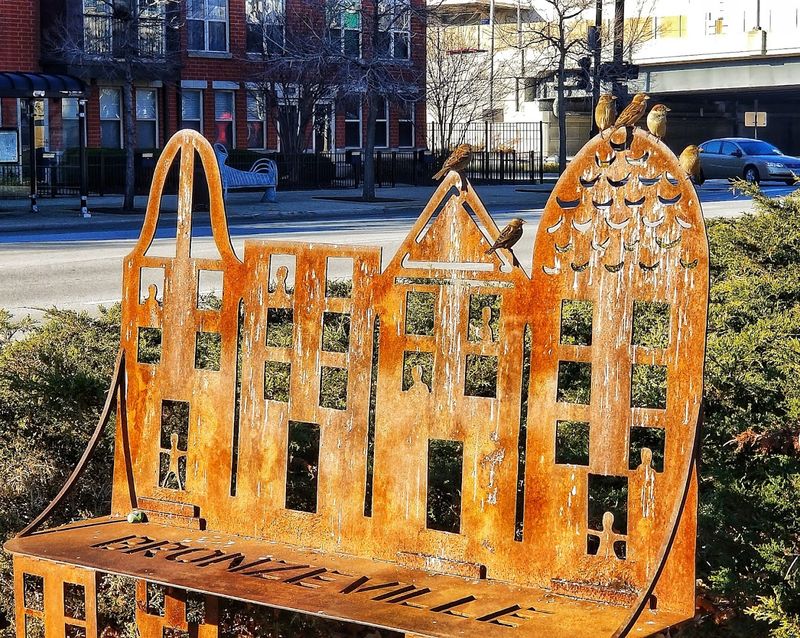
Between the 1910s and 1970s, Bronzeville was arguably the most culturally influential Black neighborhood in America. During the Great Migration, hundreds of thousands of African Americans moved from the South to Chicago, and Bronzeville became the beating heart of their new community.
Jazz legends, blues pioneers, poets, athletes, entrepreneurs, and civil rights leaders all called this neighborhood home at one point or another.
The neighborhood’s historic significance is visible on every block. The Black Metropolis National Heritage Area covers much of Bronzeville and preserves the stories of figures like Louis Armstrong, Ida B.
Wells, Gwendolyn Brooks, and Nat King Cole, all of whom had deep connections here. Walking the streets with even a little background knowledge turns a simple stroll into something that feels like living history.
Today, Bronzeville is experiencing a creative revival. New restaurants, galleries, and community organizations are breathing fresh energy into historic buildings and vacant lots alike.
The Bronzeville Incubator supports local entrepreneurs, and murals celebrating neighborhood history cover many exterior walls. The annual Bronzeville Week festival draws visitors from across the city.
For anyone serious about understanding Chicago’s cultural identity, Bronzeville is not optional reading. It’s the main text.
South Shore Cultural Center
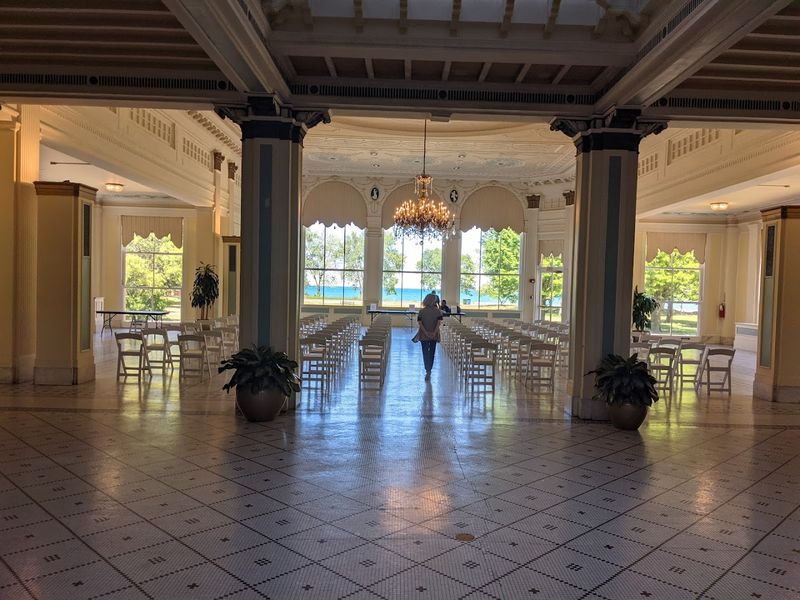
There’s something wonderfully unexpected about discovering a Mediterranean Revival mansion sitting right on the Lake Michigan shoreline. The South Shore Cultural Center started life in 1906 as an exclusive private country club, but the Chicago Park District took it over in 1974 and opened it to the public, which was honestly the best thing that could have happened to it.
Today it serves as a vibrant cultural venue accessible to everyone.
The ballroom is genuinely breathtaking, featuring ornate plasterwork, chandeliers, and a sweeping view of the lake. It’s no wonder Barack and Michelle Obama chose this space for their wedding reception in 1992.
The building’s grand architecture gives every event held here a sense of occasion that’s hard to manufacture anywhere else.
Outside, the grounds include a beach, a nine-hole golf course, equestrian stables, formal gardens, and open lawn areas. Summer weekends here can feel almost festive, with families, couples, and community groups all sharing the lakefront space.
Art exhibitions, dance performances, and cultural festivals happen throughout the year. The center is also home to a ceramics studio and a photography darkroom, both available to the public.
Admission to the grounds is free.
The South Side’s Public Art Scene
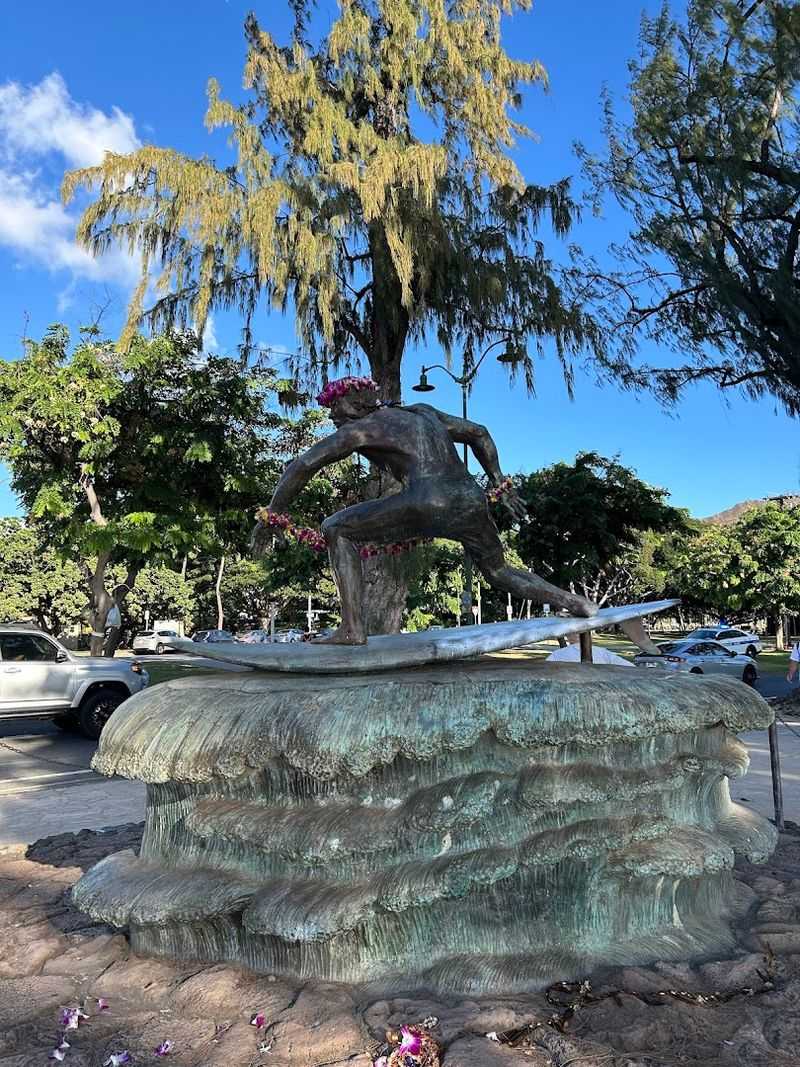
You don’t need to set foot in a gallery to experience serious art on the South Side. The neighborhood murals here are not decorative afterthoughts.
They are full-scale artistic statements painted by skilled artists who take their work, and their communities, seriously. From Bronzeville to Woodlawn to South Shore, the walls tell stories that no museum exhibit could fully capture.
The Obama Presidential Center’s campus raises the stakes even further, featuring more than 20 large-scale commissioned artworks by major artists. These pieces were selected specifically to reflect South Side culture and history, and they range from sculpture to mosaic to architectural installations woven into the landscape itself.
The whole campus functions as a curated outdoor art experience.
Community organizations like the Chicago Urban Art Society and various neighborhood groups have been supporting and expanding the South Side’s mural tradition for years. Self-guided mural walks are popular on weekends, especially in Bronzeville and Pilsen, which sits just to the west and shares the South Side’s passion for public expression.
Local art fairs and open studio events happen regularly throughout warmer months. For visitors who appreciate art that feels rooted in real human experience rather than market trends, the South Side is hard to beat anywhere in the country.
Historic Architecture
Frank Lloyd Wright designed the Robie House in 1910, and it still stops people in their tracks more than a century later. The long horizontal lines, cantilevered roof, and intricate art glass windows make it one of the most celebrated examples of Prairie Style architecture ever built.
It sits right in the middle of the University of Chicago campus in Hyde Park, and guided tours are available regularly throughout the week.
But the Robie House is only the beginning. The South Side contains entire historic districts filled with remarkable architecture spanning multiple eras and styles.
The Prairie Avenue Historic District preserves some of Chicago’s oldest surviving mansions, built by the city’s wealthiest families in the decades following the Great Chicago Fire of 1871. The Glessner House, also on Prairie Avenue, is another National Historic Landmark open for tours.
Beyond the landmark buildings, the South Side’s everyday residential architecture is worth appreciating on its own terms. Greystone two-flats, ornate Victorian homes, and mid-century courtyard apartment buildings line neighborhood streets throughout the area.
Architecture enthusiasts who focus only on the downtown Loop miss a huge portion of Chicago’s actual built history. The South Side rewards anyone willing to look up and pay attention while walking its streets.
Lake Michigan Beaches
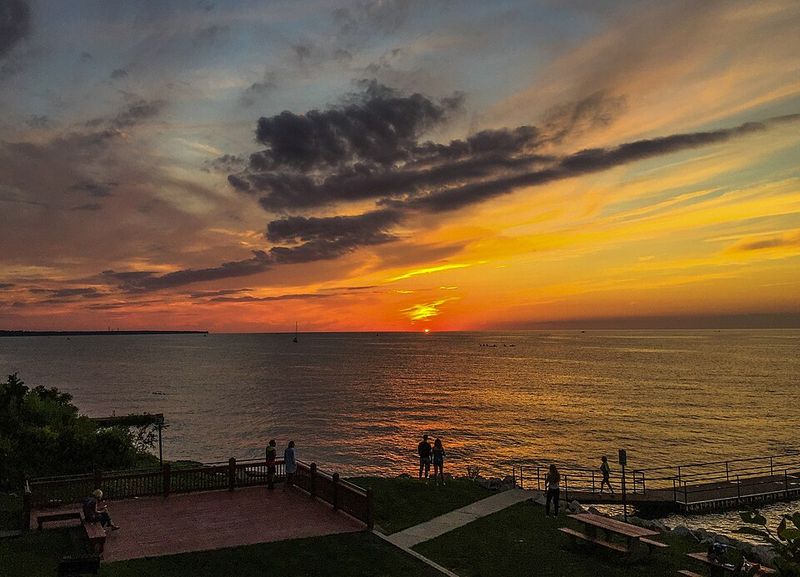
Oakwood Beach, Rainbow Beach, and 63rd Street Beach are not exactly household names outside the South Side, and that’s precisely what makes them so appealing. While tourists crowd Oak Street Beach and North Avenue Beach downtown, South Siders enjoy these stretches of sand with far more breathing room and a lot more local flavor.
The water is the same Lake Michigan, the views are just as beautiful, and the summer energy is completely genuine.
63rd Street Beach is a particular favorite, sitting right near the South Shore Cultural Center and offering access to both sandy swimming areas and the cultural center’s own lakefront grounds. On hot July weekends, the beach fills with families, volleyball players, and music, creating the kind of spontaneous community scene that city planners spend millions trying to manufacture elsewhere.
The South Side lakefront path connects several of these beaches and extends for miles in both directions, making it ideal for cyclists and joggers who want a long, scenic route without fighting downtown crowds. Sunrise walks along this stretch of shoreline are especially rewarding.
The combination of open sky, open water, and relative quiet gives the South Side lakefront a character that feels both urban and genuinely restorative at the same time.
The Midway Plaisance
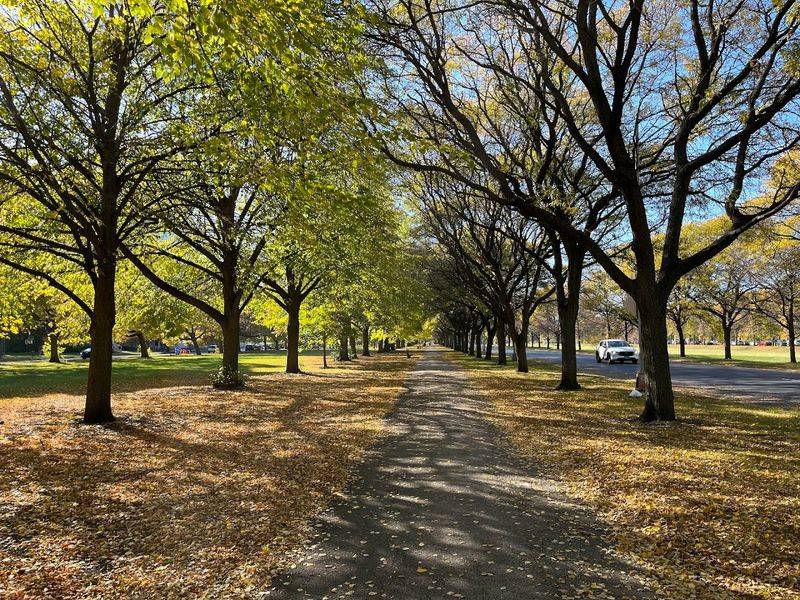
Originally built as the entertainment zone for the 1893 World’s Columbian Exposition, the Midway Plaisance was where fairgoers rode the world’s very first Ferris wheel. That original wheel is long gone, but the broad green corridor connecting Jackson Park to Washington Park remains one of the South Side’s most underappreciated outdoor spaces.
It stretches a full mile and is wide enough to feel genuinely open even in a dense urban neighborhood.
Today the Midway serves as both a park and a kind of green spine running through the heart of Hyde Park. University of Chicago buildings line its northern edge, giving the whole corridor an academic, tree-canopied atmosphere.
In winter, the sunken central section is flooded and converted into a public ice skating rink, which is one of Chicago’s more charming seasonal traditions.
Spring and summer bring out joggers, cyclists, dog walkers, and families who use the wide lawns for everything from frisbee to yoga. Public art installations appear along the path periodically, adding visual interest to what is already a historically rich landscape.
The Midway is also a useful connector for visitors moving between Jackson Park and Washington Park on foot or by bike. It’s the kind of place that rewards slow, unhurried exploration rather than a quick pass-through.
Soul Food and Local Dining
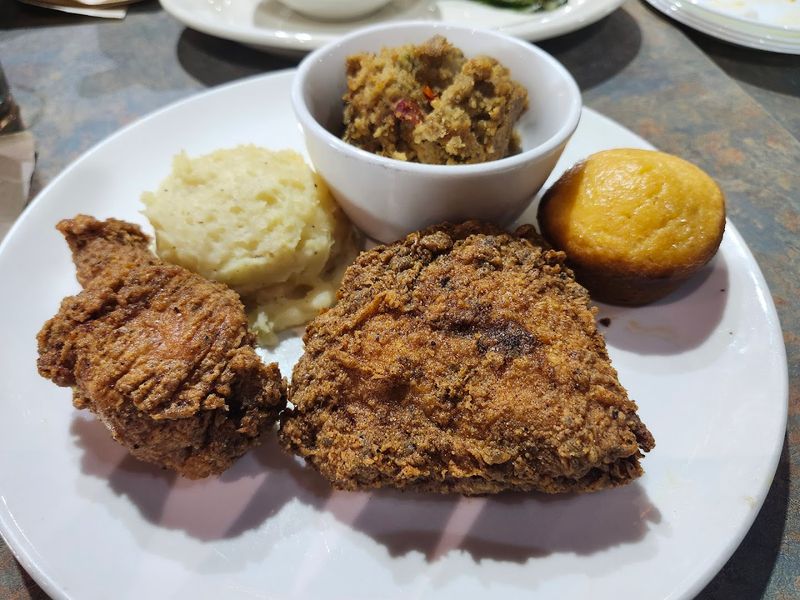
Eating your way through the South Side is one of the most rewarding things you can do in Chicago, and nobody who has tried Honeybee Lunchroom’s vegan soul food or Uncle John’s BBQ has ever walked away disappointed. The South Side’s food culture runs deep, shaped by generations of African American cooks who brought their culinary traditions north during the Great Migration and built something entirely their own in Chicago’s kitchens.
Classic soul food institutions serve fried chicken, oxtails, collard greens, cornbread, and sweet potato pie with the kind of confident simplicity that only comes from decades of practice. Barbecue joints smoke their meats low and slow in the Chicago style, which leans toward rib tips and hot links rather than brisket.
The flavor profiles are bold, satisfying, and completely unfussy in the best possible way.
Newer restaurants across Hyde Park, Bronzeville, and South Shore are expanding the conversation without abandoning the roots. The Obama Presidential Center’s dining options are curated specifically to highlight South Side culinary talent, giving local chefs a platform that reaches a global audience.
Food festivals, pop-ups, and neighborhood markets add even more variety throughout the year. Skipping the South Side dining scene while visiting Chicago would be a genuine and deeply regrettable mistake.
Rich Musical Heritage

Chicago blues was born on the South Side, and that’s not a metaphor. Legends like Muddy Waters, Howlin’ Wolf, and Buddy Guy built their careers playing clubs in neighborhoods like Bronzeville and Englewood, and the music they made in those rooms changed the direction of American popular music forever.
Rock and roll, soul, and R&B all carry the fingerprints of what happened on these streets.
Jazz arrived here during the Great Migration when New Orleans musicians followed their audiences north and found a thriving South Side scene ready to embrace them. Gospel music flourished in the neighborhood’s churches, with figures like Thomas A.
Dorsey, known as the father of gospel music, developing the genre right here in Chicago. House music, the electronic dance genre that swept the world in the 1980s and 1990s, also traces its origins to South Side clubs and DJs.
Today, the musical legacy lives on through venues, festivals, and community organizations committed to keeping these traditions alive and evolving. The Chicago Blues Festival, held annually in Grant Park, draws performers and fans with deep South Side roots.
Local churches still host powerful gospel performances on Sunday mornings that are open to visitors. For music lovers, the South Side is not a footnote in American music history.
It’s a headline.
A Living Story of Chicago
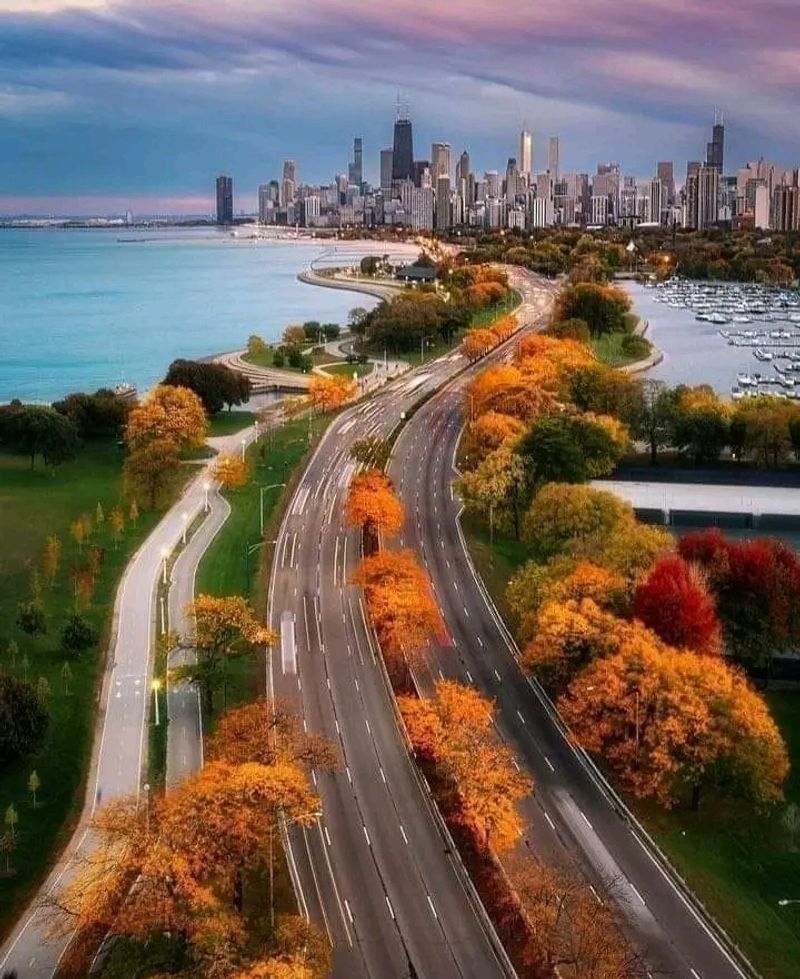
No single neighborhood in America packs more transformative history into a walkable area than the South Side of Chicago. The Great Migration reshaped the city’s demographics, culture, and politics in ways still felt today.
The civil rights movement found passionate voices and organized leadership here. The University of Chicago produced dozens of Nobel laureates whose ideas changed economics, physics, literature, and medicine on a global scale.
The architectural innovations that put Chicago on the world map were not limited to the downtown Loop. South Side architects, developers, and community builders contributed to the city’s physical story in ways that are still being documented and celebrated.
And then there is the simple fact that America’s first Black president grew up as a community organizer on these streets before the world ever knew his name.
What makes the South Side genuinely compelling is that its story is still being written. New businesses, new art, new community institutions, and new generations of residents are actively shaping what comes next.
The Obama Presidential Center is the most visible symbol of that ongoing momentum, but it represents a much broader energy that runs throughout the entire region. Visiting the South Side right now, at this particular moment in its history, feels like catching something important while it is still happening.
Share this story