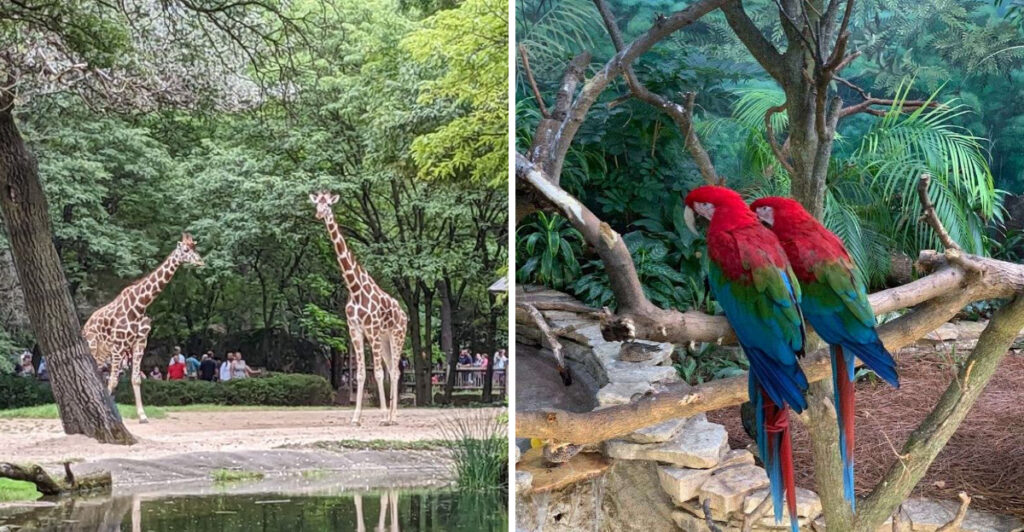
Most zoos keep animals behind thick glass or iron bars, making you feel like you are watching a nature documentary from your couch. One zoo in Illinois decided that was not good enough and quietly rewrote the rules of how humans and animals share the same space.
The result is a place where you can stand just a few feet from a polar bear, a tiger, or a giraffe with almost nothing between you and them. That bold idea started at Brookfield Zoo, and it has shaped how zoos around the world are built to this day.
The Zoo That Started a Revolution: Address, Location, and Legacy
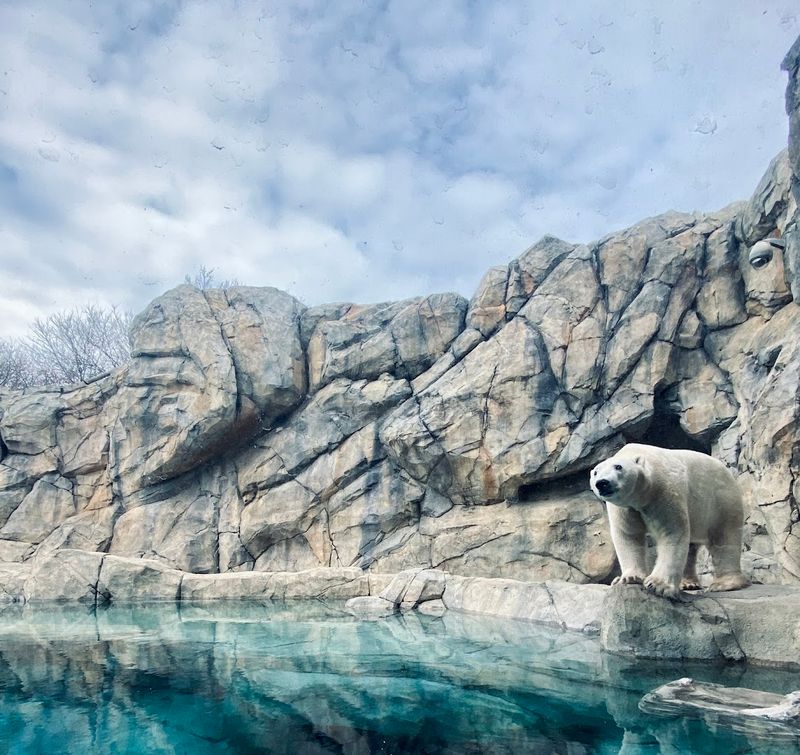
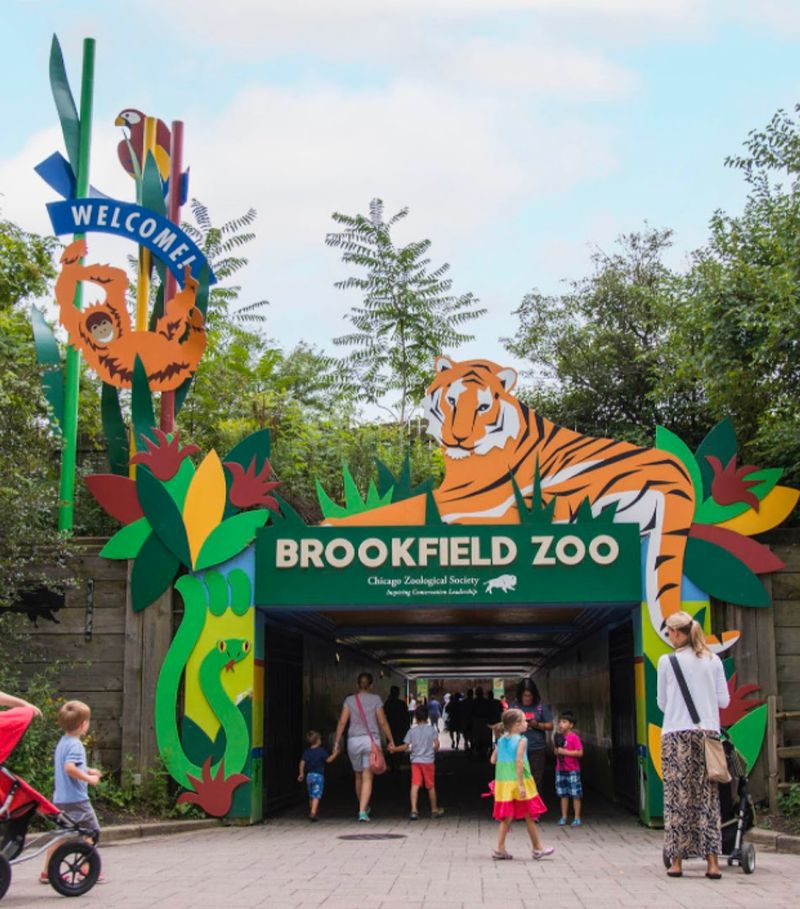
Back in 1934, a zoo opened in Brookfield, Illinois, that made every other zoo in America look a little outdated overnight. Brookfield Zoo, located at 8400 31st St, Brookfield, IL 60513, became the first zoo in the United States to replace traditional barred cages with open, naturalistic exhibits called “barless” enclosures.
Before Brookfield, most people expected to see animals pacing behind iron bars. The founders had a different vision: let animals roam in settings that looked and felt closer to their natural habitats, separated from visitors by moats, rocks, and carefully designed terrain instead of metal bars.
That single design choice sent ripples through the zoo world for decades. Zoos across the country and around the globe began redesigning their exhibits to follow Brookfield’s lead.
Today, the zoo covers 216 acres and is home to thousands of animals from hundreds of species. It sits about 14 miles west of downtown Chicago and draws millions of visitors every year.
You can reach them at (708) 688-8000 or visit brookfieldzoo.org to plan your trip.
The Barless Exhibit Concept: A Design That Changed Everything
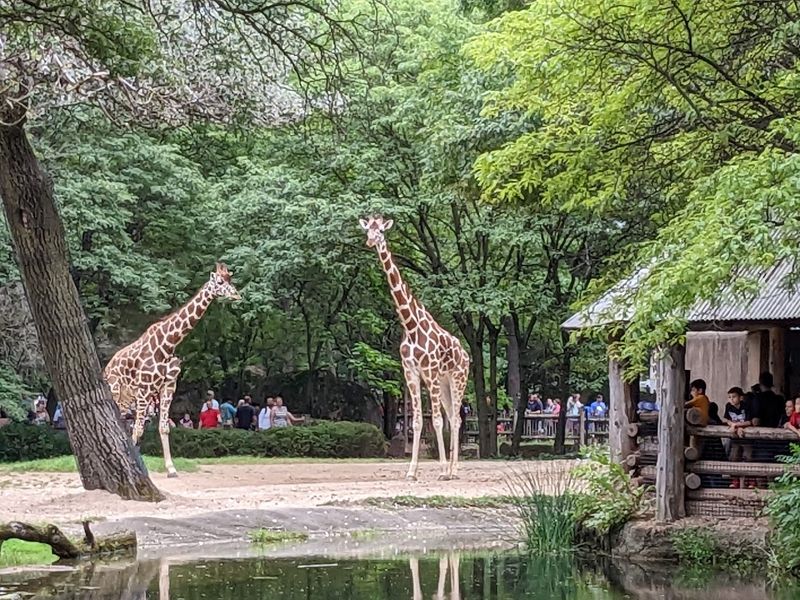
The idea of removing bars from zoo enclosures sounds simple, but in 1934 it was genuinely radical. Brookfield Zoo was inspired by the Hagenbeck-style zoo design pioneered in Germany, which used sunken moats and natural landscaping to create the illusion that animals were completely free.
What this meant for visitors was a completely different emotional experience. Instead of looking through iron bars at a sad, pacing animal, you stood at the edge of a naturalistic scene that felt almost like a window into the wild.
The animals benefited too. Larger spaces, more natural materials, and room to move reduced stress behaviors that were common in traditional caged exhibits.
The design acknowledged that animals are not just objects to be displayed but living creatures with real behavioral needs.
Brookfield’s approach pushed the entire zoo industry to reconsider what a zoo should actually be. Every modern zoo that features open-air exhibits, naturalistic habitats, or immersive environments owes something to what Brookfield started.
That legacy is not just historical, it is visible in every exhibit you walk through on your visit today.
The Animals You Will Actually See Up Close
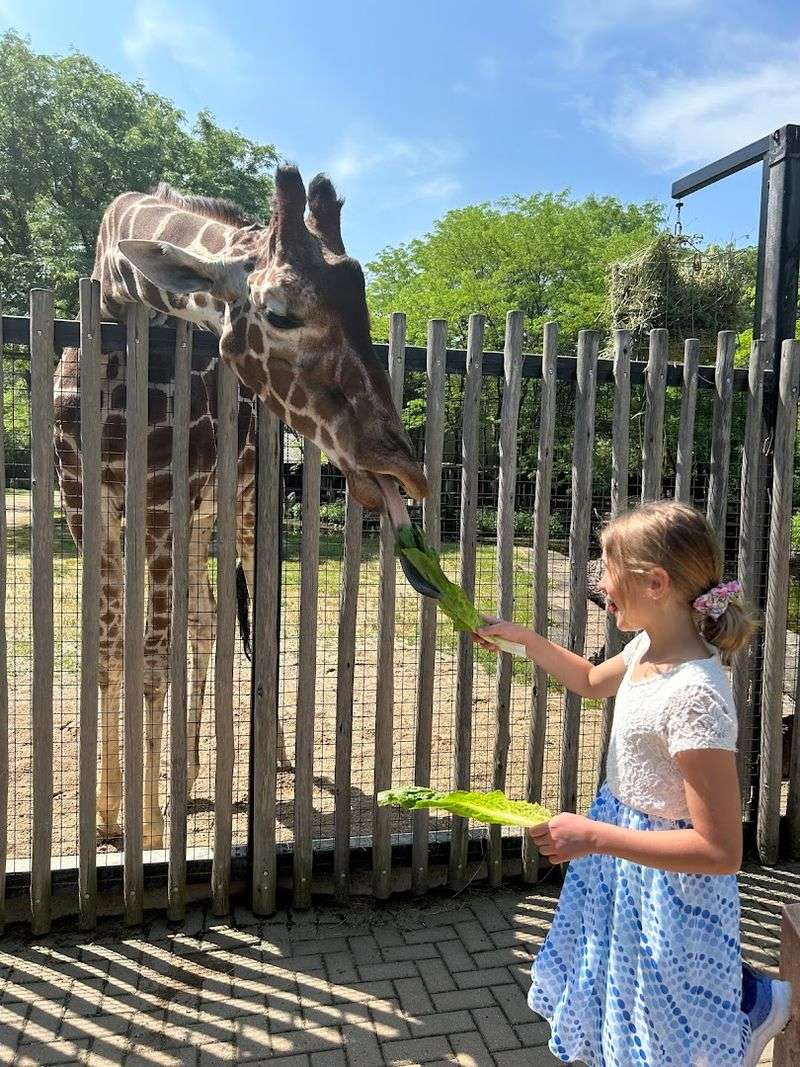
One of the first things you notice at Brookfield Zoo is how close you can actually get to the animals. The big cat exhibits let you stand near lions and tigers with only a carefully engineered barrier between you, and the views are genuinely striking.
The polar bears and brown bears are crowd favorites that consistently put on a show. On a good day, you might catch them swimming, playing, or just sprawling out in ways that feel surprisingly personal to watch.
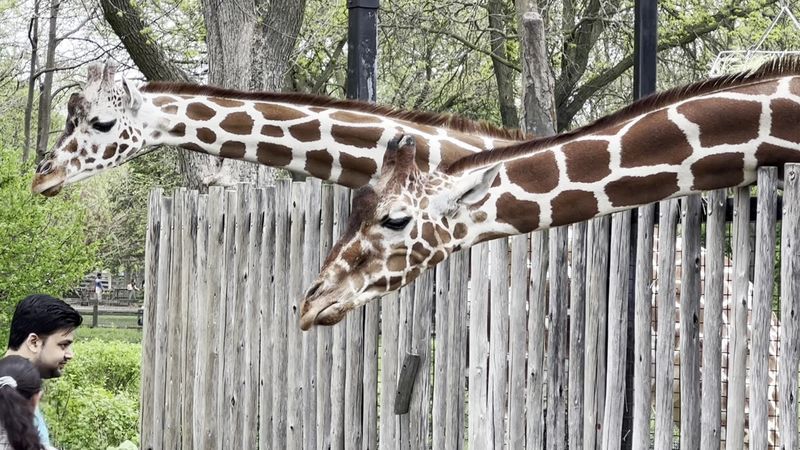
Giraffes, gorillas, dolphins, and a huge variety of reptiles and birds fill out a roster that takes a full day to properly explore. One visitor who spent over four hours walking through the park said they still did not see everything, which tells you something about the scale of what is here.
The dolphin show deserves a special mention. It has been updated to be more educational than performance-driven, focusing on the animals’ natural behaviors and biology.
Front-row seats come with a splash warning, which kids absolutely love. The variety and accessibility of the animals here is genuinely one of Brookfield’s strongest qualities.
Indoor Exhibits: Where the Zoo Comes Alive in Any Weather
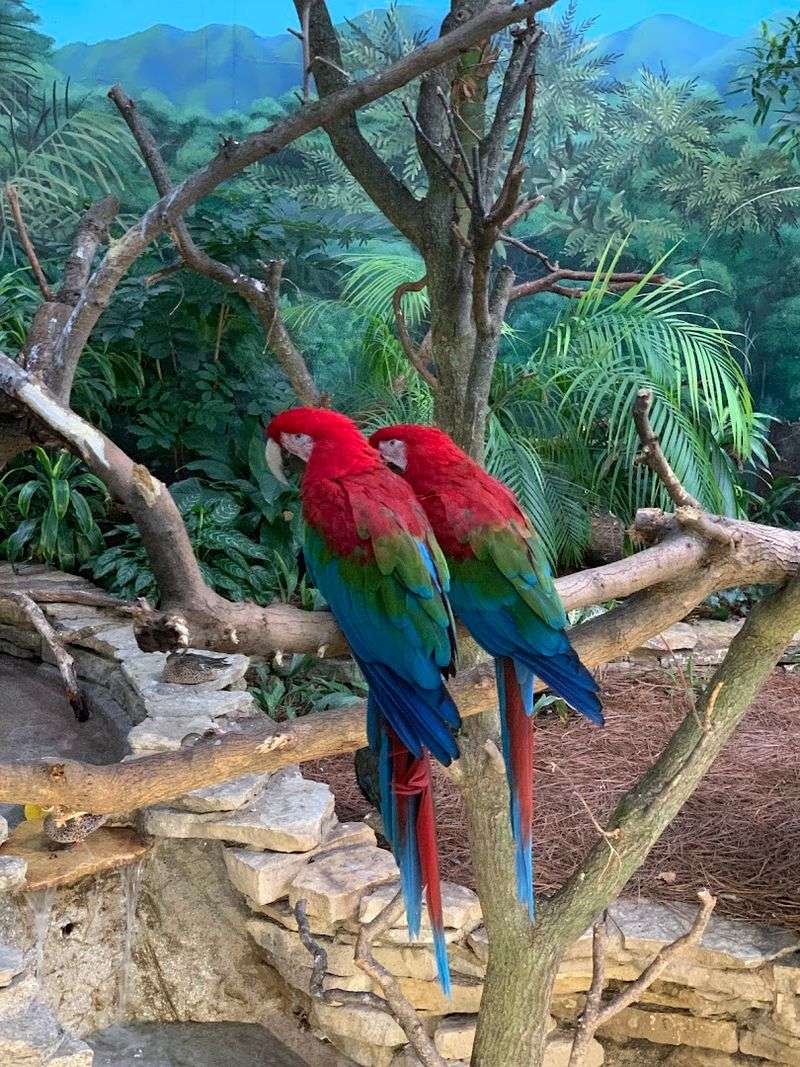
Chicago-area winters are no joke, and Brookfield Zoo has a clever answer to the question of what to do when the temperature drops. A large portion of the zoo’s animals are housed in expansive indoor buildings that you walk through like enclosed ecosystems.
The indoor exhibits range from tropical rainforest environments to arid desert settings, each one carefully climate-controlled to match the needs of the animals inside. Walking through them feels more like exploring a living exhibit than wandering through a building.
This setup makes Brookfield one of the best year-round destinations in the Chicago area. Families with toddlers especially love the winter visits because the kids can burn off energy while parents stay warm and actually enjoy themselves.
The buildings also tend to offer some of the closest animal encounters in the park. Since the spaces are enclosed and designed for viewing, sightlines are excellent and animals are often active and visible.
Bring water because the tropical buildings can get warm, and most buildings have water refill stations near the entrance. It is one of those practical details that makes a long visit much more comfortable.
The Dinosaur Trail: A Scavenger Hunt Hidden in Plain Sight
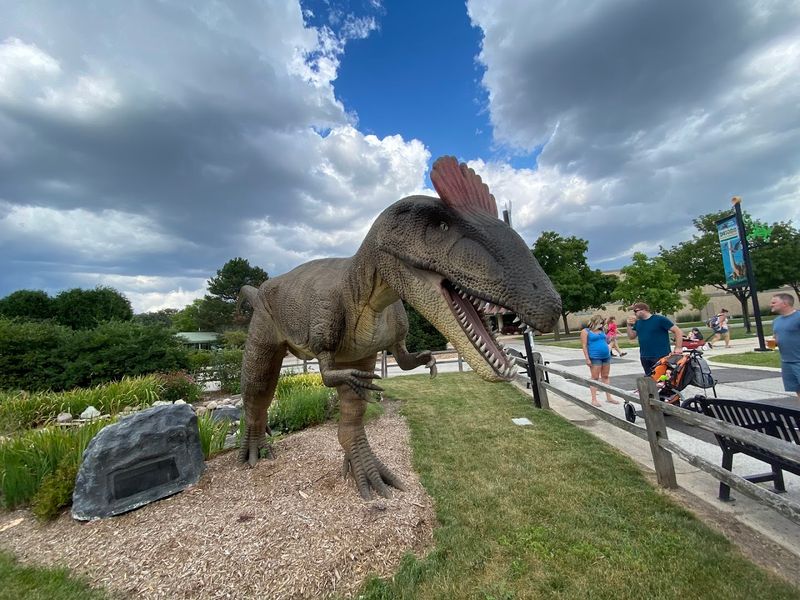
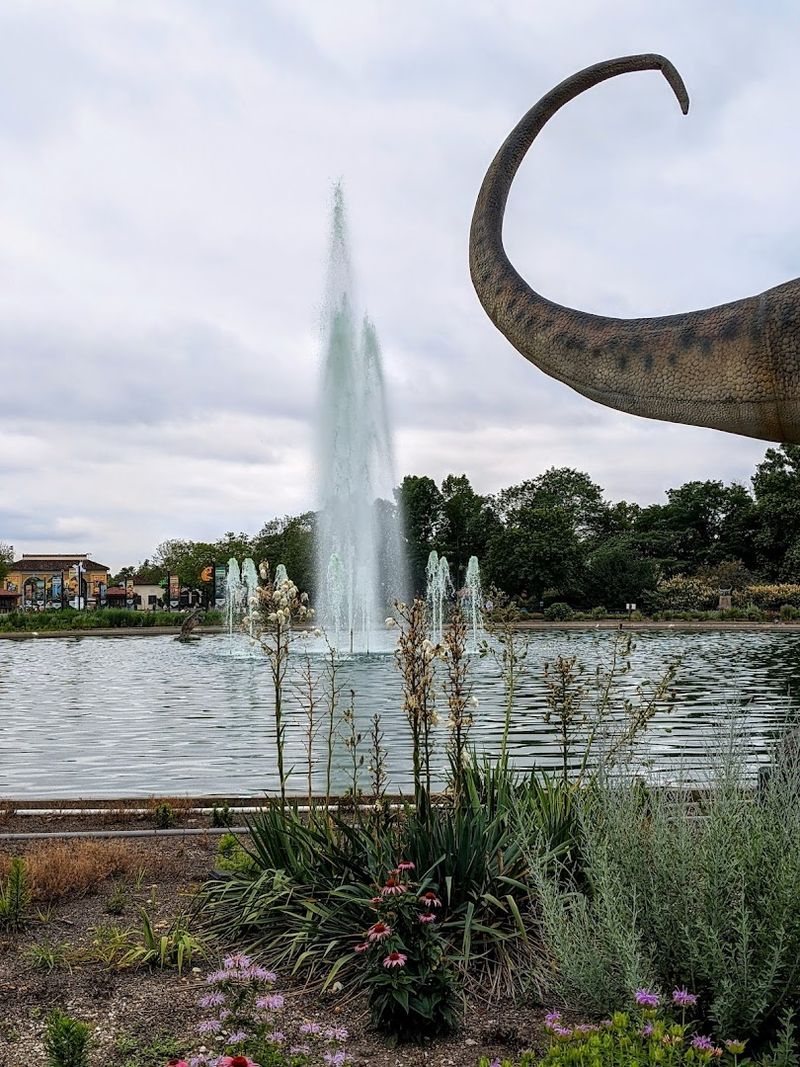
Scattered throughout the zoo’s 216 acres, you will find 30 life-sized dinosaur displays that have become one of the most talked-about features of a Brookfield visit. They are not just decorations.
They are part of an interactive experience designed to keep kids engaged as they move between animal exhibits.
The dino dig activity gives younger visitors a hands-on archaeology-style experience where they can uncover fossil replicas and learn about prehistoric life. It is one of those clever additions that turns a simple walk into a full adventure.
Families with toddlers report that the dinosaurs work almost like a reward system during the visit. Every time energy starts to flag, another giant prehistoric creature appears around the corner and curiosity kicks back in.
It is genuinely smart programming.
The dinosaurs are also surprisingly well-crafted. They are detailed and realistic enough to impress older kids and adults, not just the youngest visitors.
If you are planning a trip and have children in the 3 to 10 age range, the dinosaur trail alone is worth building your day around. The combination of real animals and prehistoric creatures in one park is a pretty hard experience to beat.
Planning Your Visit: Hours, Tickets, and the Parking Situation
Brookfield Zoo is open every day of the week from 9:30 AM to 6:00 PM, which gives you a solid window to work with, though most frequent visitors will tell you that six hours is a reasonable minimum if you want to see everything.
Admission prices vary by season and age, and the zoo also offers family memberships that are worth considering if you live within a reasonable distance and plan to visit more than twice a year. The membership structure changed recently, which removed some perks, so it is worth checking the current details at brookfieldzoo.org before committing.
Parking is available at the North and South entrances and costs extra on top of admission, which catches some first-time visitors off guard. Several regulars suggest taking public transit if you can, both to save money and to avoid any parking hassle on busy days.
Free admission days are offered periodically, including some days in February, which is a great way to experience the zoo at a lower cost. The zoo’s app is genuinely useful for navigation and helps you plan a route that covers your must-see exhibits without too much backtracking.
Downloading it before you arrive is a smart move.
Food Options Inside the Zoo: What Is Actually Worth Eating
Zoo food has a reputation for being overpriced and underwhelming, and at Brookfield, the pricing part of that reputation is fair. Between admission, parking, and food, costs can add up quickly, so knowing what to prioritize helps.
The food at Grove Kitchen has earned genuine praise from visitors who were pleasantly surprised by the quality. It is not gourmet, but for a zoo cafeteria-style option, the food is solid and the indoor seating is a welcome break on hot or rainy days.
Wild Burger is a seasonal option that opens during summer and has developed a loyal following among repeat visitors. If your visit falls during the warmer months, it is worth seeking out.
The rest of the food options are fine but unremarkable.
The smartest strategy, especially for families, is to bring your own snacks and a refillable water bottle. Water fill stations are available in most of the indoor buildings, so staying hydrated does not require spending money at every turn.
Packing a lunch is allowed and saves a meaningful amount of money over the course of a full-day visit. A little preparation on the food front makes the whole experience more relaxed and easier on your wallet.
The Mold-A-Rama Machines: A Quirky Zoo Tradition Worth Knowing About

Every zoo has its souvenirs, but Brookfield Zoo has something that loyal visitors treat almost like a ritual: the Mold-A-Rama machines. These vintage vending machines mold a small plastic animal figurine right in front of you while you watch, and they have been a part of the Brookfield experience for decades.
The machines are warm to the touch, smell faintly of melted plastic, and produce a little animal in about a minute. It sounds simple, but there is something genuinely satisfying about watching your souvenir get made on the spot.
Families who visit multiple times a year often make collecting a new Mold-A-Rama figure part of their tradition. The figures are inexpensive compared to most zoo gift shop items, and the novelty of the process never seems to wear off for kids.
The machines have been around long enough that some adults visiting today remember getting their first Mold-A-Rama as children at the same zoo. That kind of multigenerational appeal is rare and speaks to how well Brookfield has maintained the little details that make a place feel special.
It is the kind of small, low-key experience that ends up being one of the things you remember most about the day.
The Dolphin Show: Education Meets Entertainment
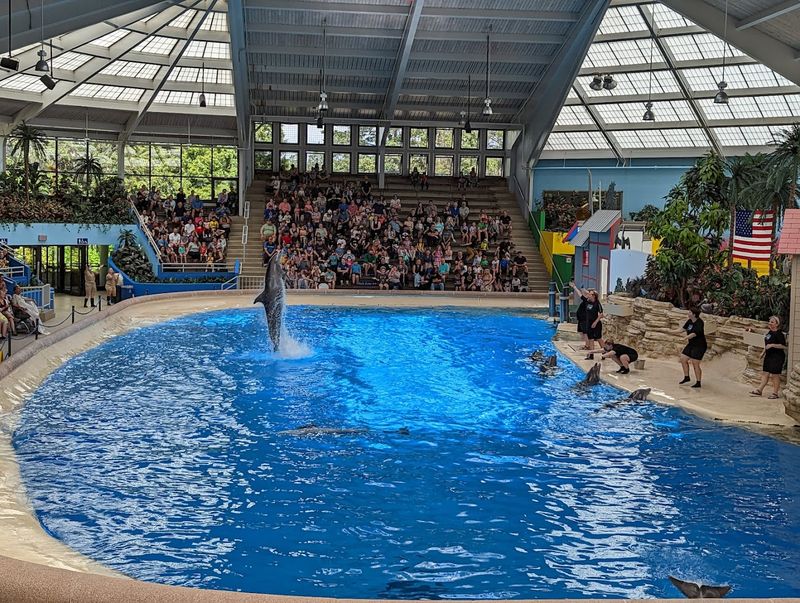
The dolphin show at Brookfield Zoo has been a centerpiece attraction for years, and its recent format change has made it more interesting than ever. Rather than focusing on choreographed tricks, the current show is built around demonstrating the dolphins’ natural behaviors and highlighting what makes these animals so cognitively sophisticated.
The shift toward education over pure spectacle was a deliberate choice, and it works. The show explains how dolphins communicate, how they navigate, and what their lives look like in the wild, all while the animals are actively swimming, leaping, and interacting in front of you.
The seating arrangement is tiered, and the front rows come with a very real chance of getting splashed. Kids treat this as a feature rather than a bug, and honestly, on a warm day, it is hard to argue with them.
The show runs at scheduled times throughout the day, so it is worth checking the zoo’s app or the posted schedule when you arrive and planning your route around it. Arriving a few minutes early gets you a better seat choice.
It is one of those experiences that tends to be a highlight for visitors of all ages, not just the youngest members of the group.
Free Days and Seasonal Events: Getting More From Your Visit
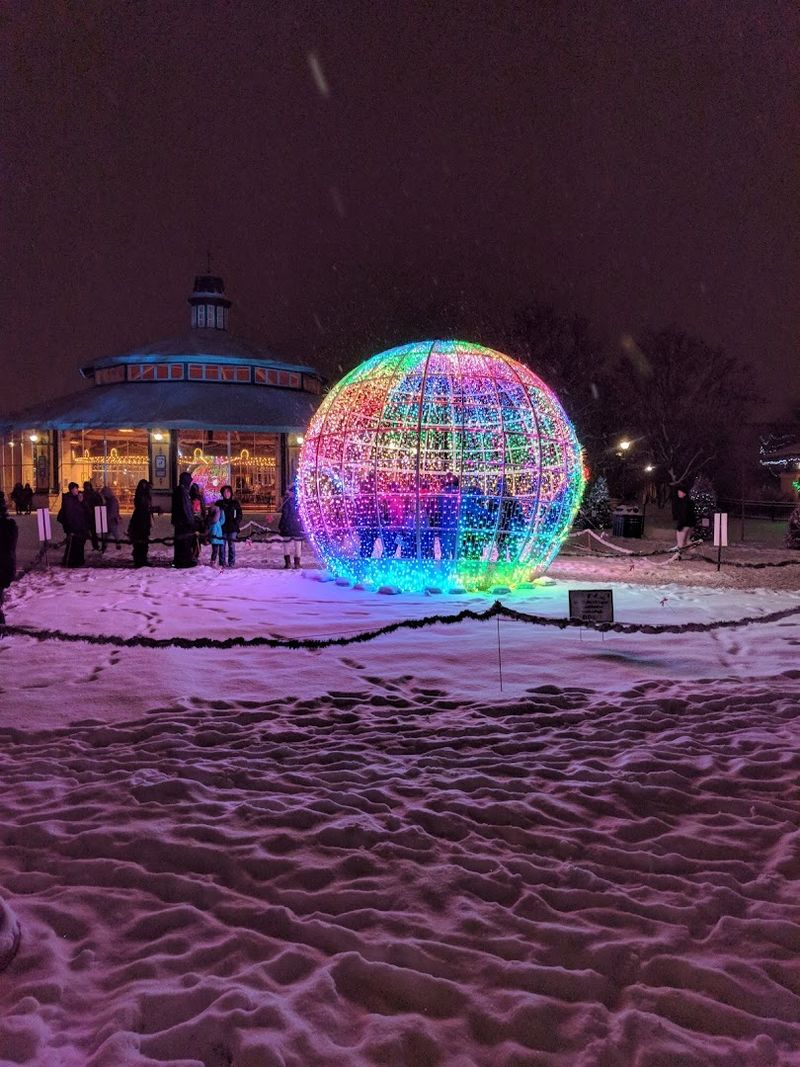
Brookfield Zoo does something that not every major zoo bothers with: it offers free admission days at various points throughout the year. February is the best-known month for this, with multiple free days that make winter visits especially appealing for local families looking for an affordable outing.
The zoo also goes all-in on seasonal programming. Fall visits come with elaborate Halloween decorations and themed activities throughout the grounds.
As October transitions into November, the zoo begins setting up for its winter holiday displays, which are worth a separate trip on their own.
Spring and summer bring the most activity, with seasonal food options opening up, outdoor exhibits fully staffed, and the highest variety of animal activity. Weekday visits in spring, particularly on Wednesdays and Thursdays, tend to have lighter crowds and a more relaxed pace.
Checking the zoo’s event calendar before you visit is genuinely useful because the programming changes frequently. Some events require separate tickets or pre-registration, and knowing that ahead of time prevents disappointment at the gate.
The seasonal layers Brookfield adds to the base zoo experience are one of the reasons so many families visit multiple times a year rather than treating it as a one-and-done destination.
Navigating 216 Acres: Tips for Making the Most of a Full Day
At 216 acres, Brookfield Zoo is genuinely large, and underestimating the walking involved is a common first-timer mistake. Comfortable shoes are not optional here.
They are essential, especially if you are bringing children or planning to stay for most of the day.
The zoo’s layout is logical but sprawling, and the official app is the most practical navigation tool available. It shows real-time information about exhibit locations, show schedules, and dining options, and it helps you build a route that avoids unnecessary backtracking.
The North entrance tends to have shorter lines in the morning, particularly on weekends. Arriving right at the 9:30 AM opening gives you the best chance of moving through popular exhibits before the crowds build up around midday.
Breaking the zoo into zones and tackling one at a time is a practical approach for families. The indoor buildings are good midday stops because they offer shade, air conditioning, and water stations.
Pacing yourself matters more than rushing to cover everything, because visitors who try to see it all in three hours almost always leave feeling like they missed something. A relaxed, unhurried approach consistently produces the best experience at a place this size.
Why Brookfield Zoo Still Matters Almost a Century Later
There is something quietly remarkable about a place that fundamentally changed its industry and then kept improving for nearly 90 years. Brookfield Zoo’s barless design was not a gimmick or a marketing move.
It was a philosophical statement about how humans should relate to animals, and that statement has held up.
The zoo continues to invest in exhibit expansions and animal welfare improvements, though longtime visitors will note that some areas are showing their age and could benefit from updates. That honesty is part of what makes Brookfield feel real rather than polished beyond recognition.
The staff here genuinely seem to care about what they do. The educational placards, the animal care information shared during shows, and the enthusiasm of the keepers during feeding demonstrations all reflect an institution that takes its role seriously.
Brookfield Zoo earns its 4.6-star rating across nearly 29,000 reviews not because it is perfect, but because it consistently delivers something meaningful: a genuine connection between visitors and the natural world. That connection was the whole point back in 1934, and it remains the whole point today.
Few places can say they have stayed true to their founding idea for that long, and even fewer have made the world better for it.
Share this story