There is a mountain in North Carolina where, for a few glorious weeks each summer, the entire landscape turns into a sea of pink and purple blooms so dense and so vast that it genuinely stops people in their tracks. I had seen photos online for years, and every single time I told myself I would make the trip.
When I finally did, I understood why no photo ever quite captures what you see with your own eyes up there. This is a place where nature puts on a show that feels almost too good to be real, and the best part is that it is completely accessible to almost anyone willing to make the drive up a winding mountain road in western North Carolina.
Where It All Begins: The Address and Setting
The Rhododendron Gardens sit along State Road 1348 in Bakersville, NC 28705, perched near the summit of Roan Mountain at roughly 6,200 feet above sea level. That elevation is not a small detail.
It shapes everything about the experience, from the temperature to the light to the way the clouds sometimes drift right through the trails.
Bakersville is a small town in Mitchell County, tucked into the Blue Ridge Mountains near the Tennessee border. Getting there involves a scenic mountain drive that many visitors say is already worth the trip on its own.
The road climbs steadily, and with each curve, the views open up a little more.
The gardens are managed as part of the Roan Mountain State Park system, and the surrounding area is part of Pisgah National Forest. Parking costs just three dollars per car, paid directly to the rangers on site.
Two separate parking lots serve the area, and both have public restrooms, which is a small but genuinely appreciated detail when you are that far up a mountain.
The Scale of It: World’s Largest Natural Rhododendron Garden
Most people use the word “large” loosely when describing a garden. Here, it means something entirely different.
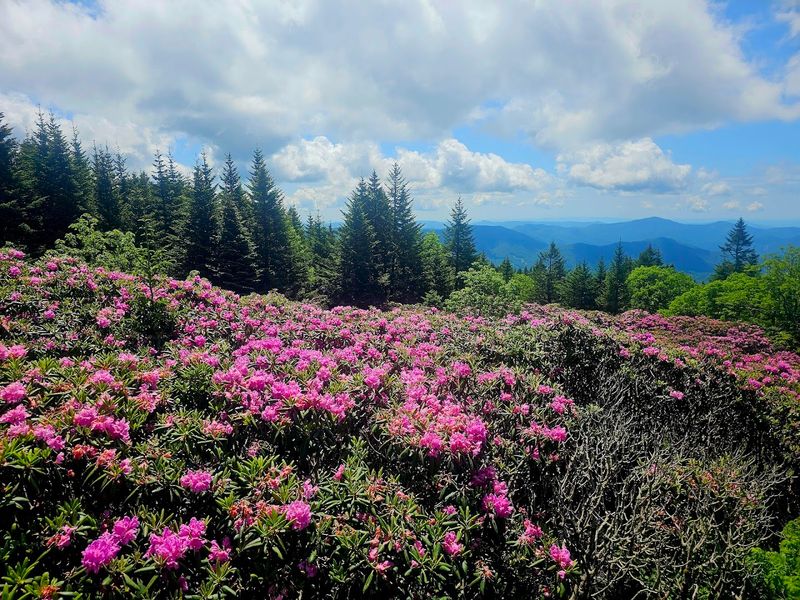
The Rhododendron Gardens on Roan Mountain are widely recognized as the largest natural rhododendron garden in the world, covering approximately 600 acres of the mountain’s high balds.
That is not a planted garden in the traditional sense. These rhododendrons grew here naturally, spreading across the open grassy balds and into the surrounding forest over many centuries.
The result is a living landscape that no landscape architect could ever fully replicate, no matter how much time or budget they had.
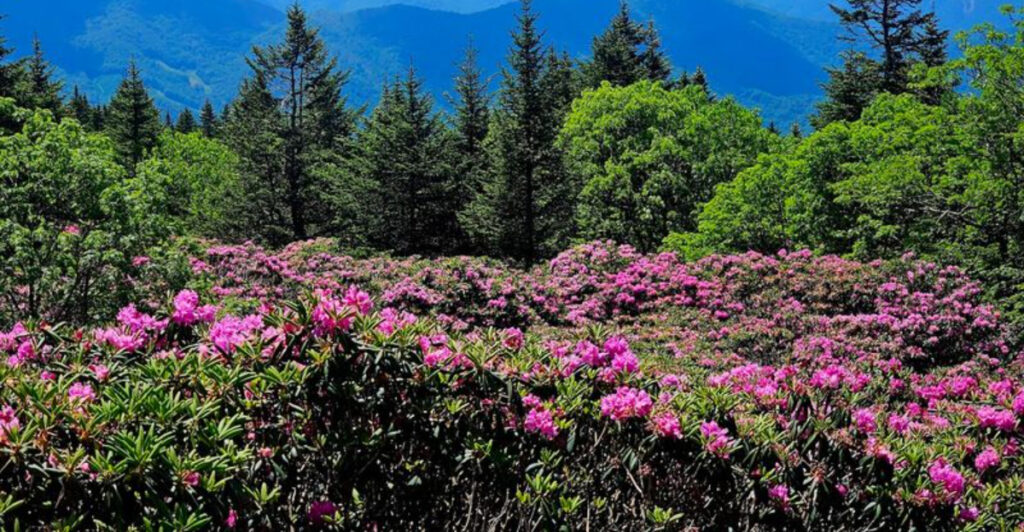
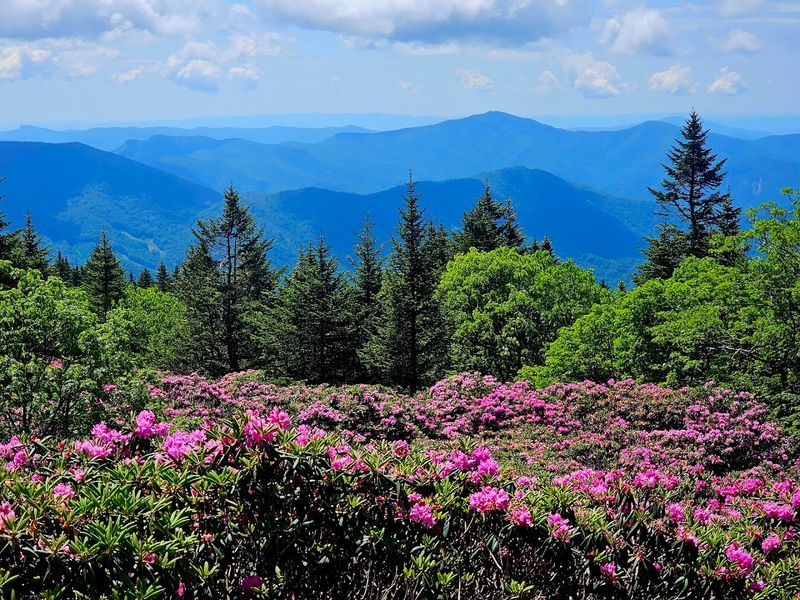
The dominant species here is Catawba rhododendron, known for its rich pink to purple blooms that explode across the mountain in mid to late June. When the entire hillside is in peak bloom, the color is so saturated and so continuous that it genuinely looks like something from a painting.
Standing at the overlook during peak season and looking out at hundreds of acres of flowering shrubs is one of those rare experiences that rearranges your sense of what nature can actually do.
Peak Bloom Timing: When to Plan Your Visit
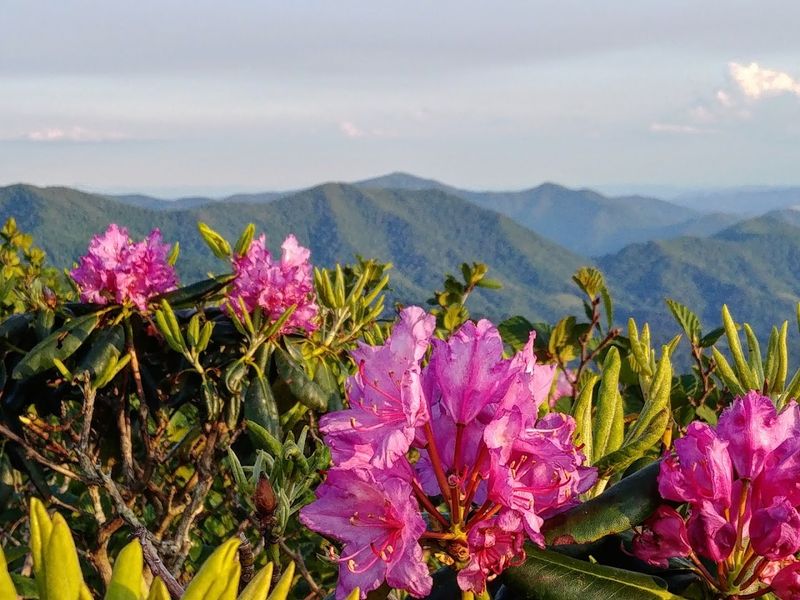
Timing is everything at this garden, and getting it right makes the difference between a pretty walk and an experience you will talk about for years. Peak bloom at the Rhododendron Gardens typically falls during the third week of June, though the exact dates shift slightly from year to year depending on winter conditions and spring temperatures.
The Catawba rhododendrons at this elevation bloom later than those at lower altitudes, which is actually a gift. By the time the lower mountain blooms have faded, the high balds are just getting started.
That said, the peak window is short. The most intense flowering can last as few as several days before the blossoms begin to drop.
Visiting a week or two after peak still offers beauty, with many bushes holding onto their color. Visiting before peak means green shrubs and a quieter trail.
The annual Rhododendron Festival, typically held in June in nearby Bakersville, is timed to coincide with the bloom and draws visitors from across the region. Checking local bloom reports before booking your trip is a genuinely smart move here.
The Paved Trails: Accessibility for Everyone
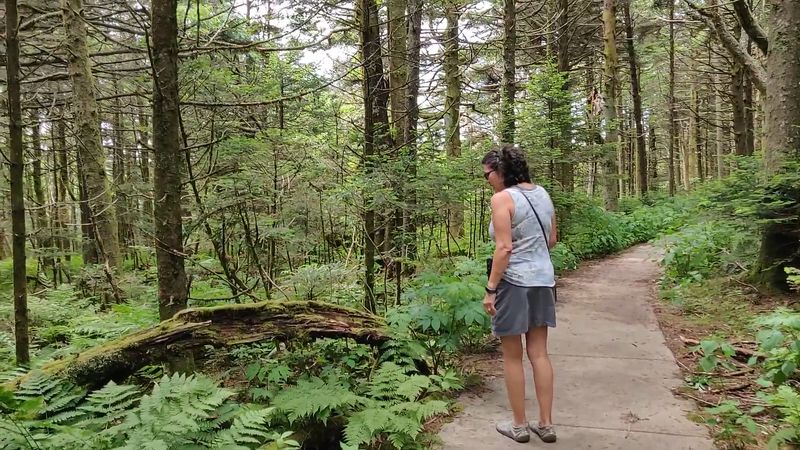
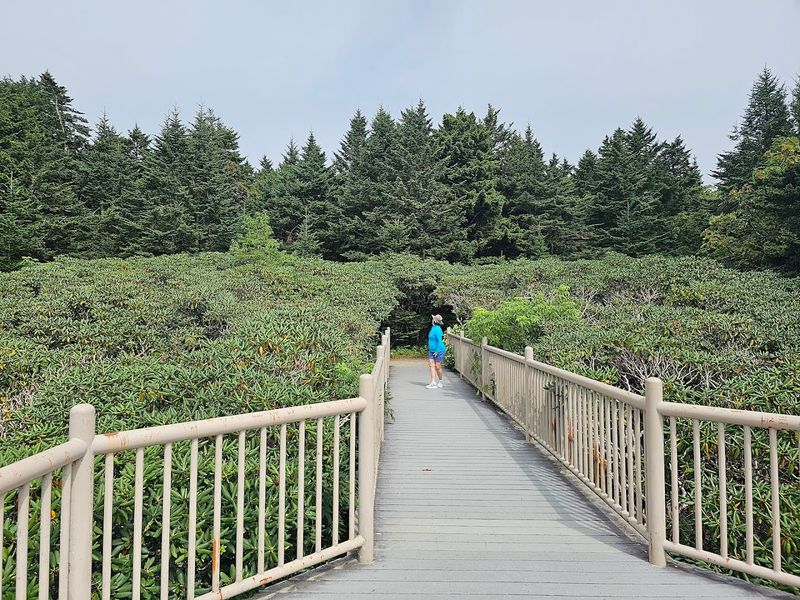
One of the most genuinely thoughtful things about this destination is how accessible it is. The main trail through the gardens is paved with concrete sidewalks, and the surface is level enough that wheelchairs and strollers handle it without trouble.
That kind of accessibility at 6,200 feet on a mountain summit is not something you take for granted.
The paved path meanders from the parking area through the dense rhododendron thickets and out to a scenic overlook with mountain views that stretch for miles. The walk is gentle, and even visitors who do not consider themselves hikers can complete it comfortably.
Most people spend around 30 minutes on the main paved loop, though there is plenty to pause and look at along the way.
The path winds through sections where the rhododendron bushes arch overhead, creating a tunnel effect that feels genuinely enclosed and otherworldly. On a foggy morning, that tunnel effect becomes even more pronounced, and several visitors have described the feeling as walking through an enchanted forest.
The light filters through the leaves in a way that makes even a basic smartphone camera produce stunning results.
The Unpaved Option: Hiking to a Second Overlook
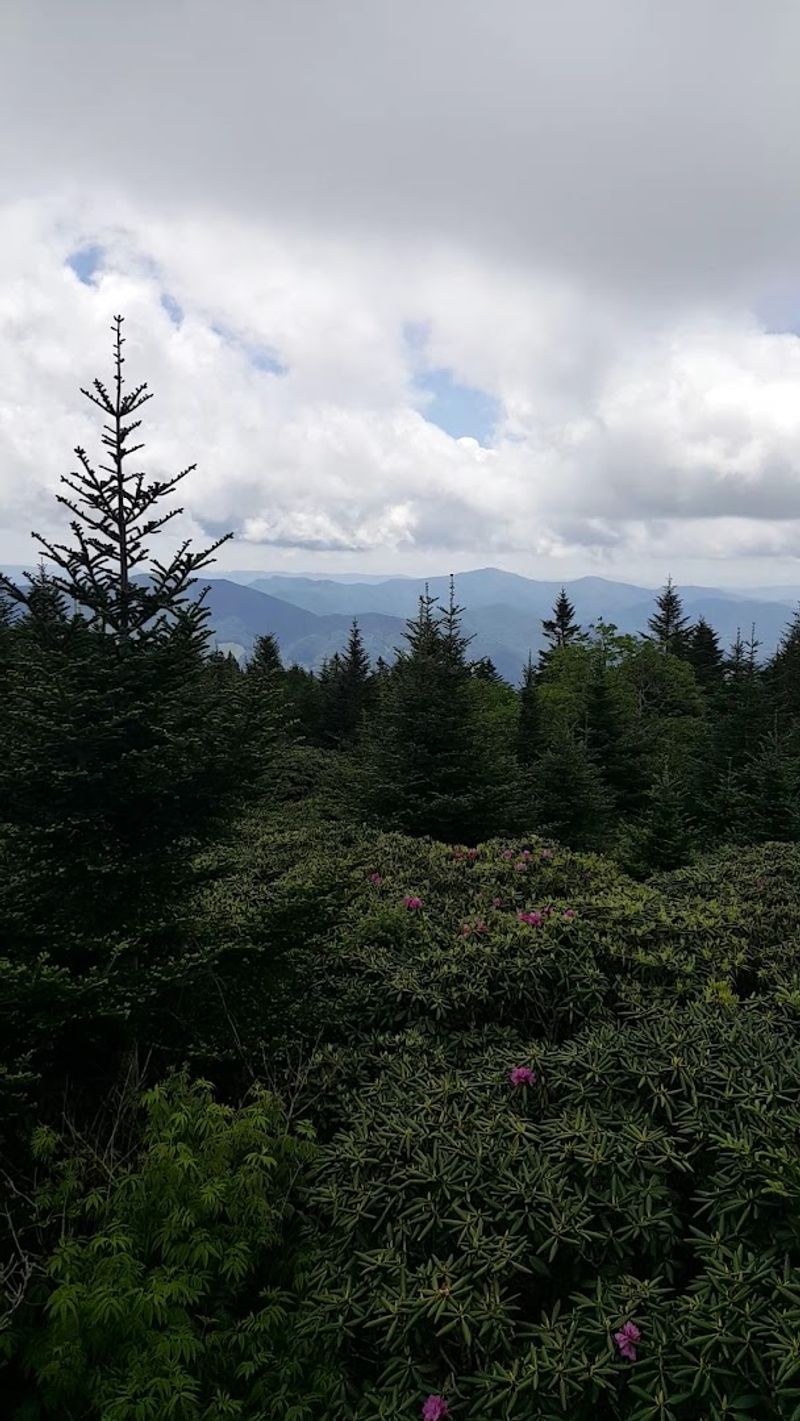
Beyond the paved loop, a one-mile unpaved trail branches off toward a second scenic overlook, and this one rewards the extra effort with a different kind of view. The trail surface shifts from smooth concrete to gravel and then to exposed rock, requiring a bit more attention underfoot.
Good shoes matter here more than they do on the paved path.
The trail to Roan Knob Lookout involves climbing over some sizable rocks, and the elevation gain is noticeable. Most fit visitors reach the overlook in around 25 minutes from the trailhead.
The payoff at the top is a wide, open vista that stretches across the surrounding ridgelines and valleys in multiple directions.
For photographers especially, this upper overlook is worth every rocky step. The combination of the high elevation, the open sky, and the rhododendron-covered slopes below creates a composition that is genuinely hard to find anywhere else in the eastern United States.
Bringing a proper camera rather than relying on a phone is a choice many visitors say they wish they had made on their first trip, and nearly all of them plan a return visit with better gear in hand.
Temperatures at the Summit: Pack Accordingly
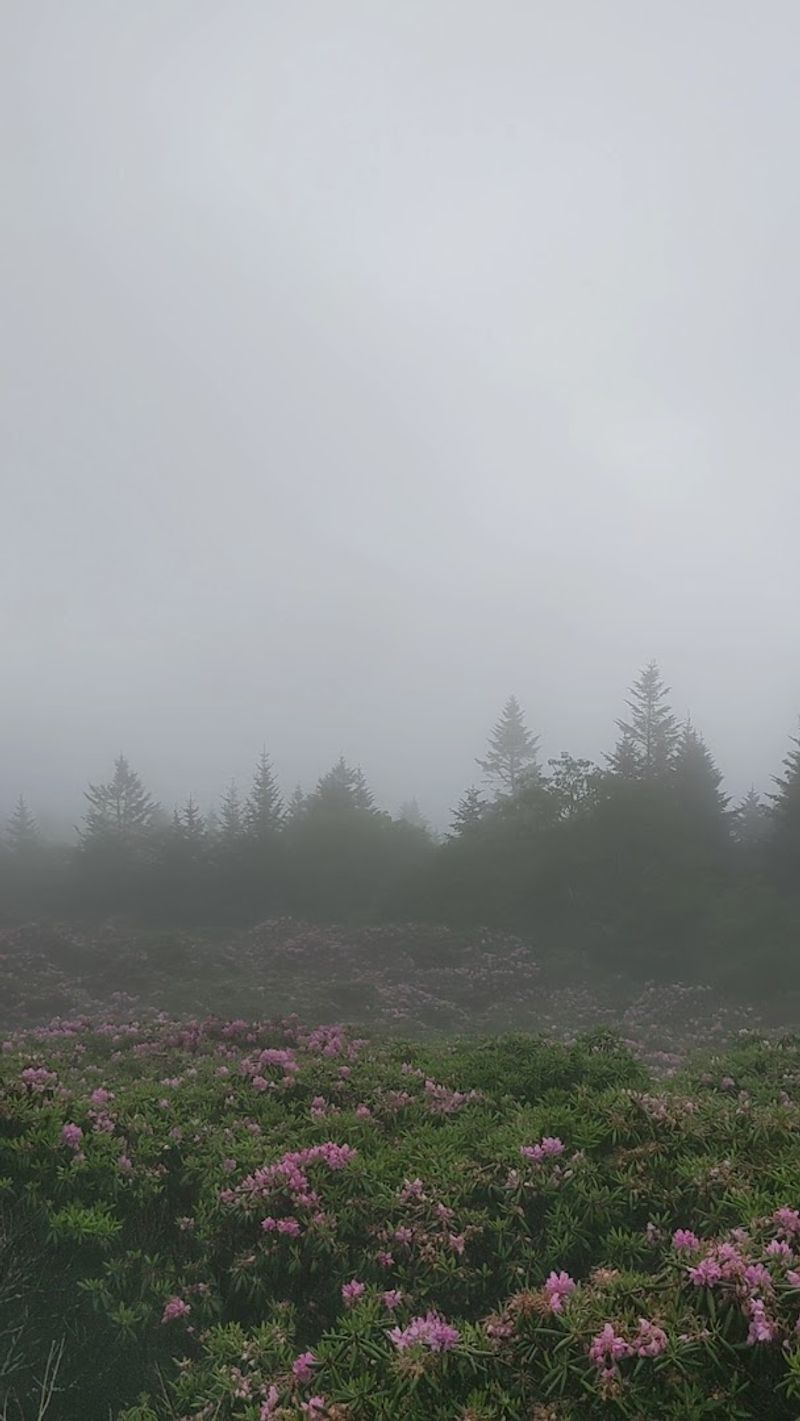
The single most common piece of advice from everyone who has visited the Rhododendron Gardens is also the one most often ignored: bring a jacket. At 6,200 feet, the temperature at the summit can run 10 to 15 degrees cooler than the towns in the valley below.
On a July afternoon when it feels like summer in Bakersville, the garden summit can feel like a crisp autumn morning.
Recorded temperatures of 55 degrees Fahrenheit in July are not unusual here, and the wind at the top of the open balds can make it feel even cooler. The combination of elevation, open exposure, and frequent cloud cover means conditions change quickly.
A light layer packed in a daypack is one of those things you will either be glad you brought or regret leaving in the car.
The cool temperatures are also part of what makes the gardens so pleasant to visit in summer. While the rest of North Carolina bakes in July heat, the Roan Mountain summit offers a natural escape into genuinely refreshing air.
On a Monday in July, visitors have reported a comfortable 69 degrees at the garden while the surrounding lowlands sat in full summer heat below.
The Appalachian Trail Connection
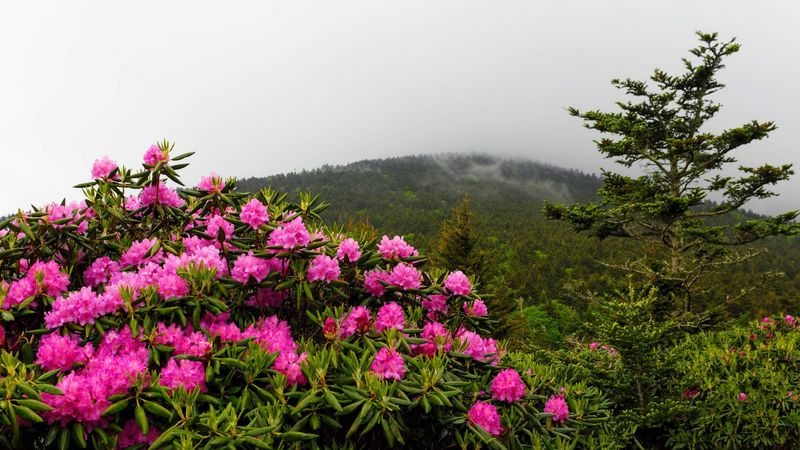
Roan Mountain holds a special place in the broader hiking world because the Appalachian Trail runs directly through it. The main trail from the lower Carvers Gap parking lot up to the garden intersects the Appalachian Trail along the way, and that intersection adds a layer of significance to the experience that goes beyond the flowers.
Carvers Gap, located at the base of the climb, is one of the most visited points along the entire Appalachian Trail corridor. From there, hikers can head up toward the gardens on a roughly three-mile round trip that passes through dense forest, crosses sections that feel like walking through a creek bed, and passes a trail shelter used by long-distance hikers.
The trail is well-established and clearly marked, though it does involve roots, rocks, and some flowing water in wetter seasons. Near the turn toward the gardens, a short spur trail leads to a lovely vantage point that offers a preview of the views to come.
For anyone who wants a more complete mountain experience rather than driving straight to the upper parking lot, the hike from Carvers Gap is the version of this trip that tends to leave the deepest impression.
Picnic Areas and Practical Amenities
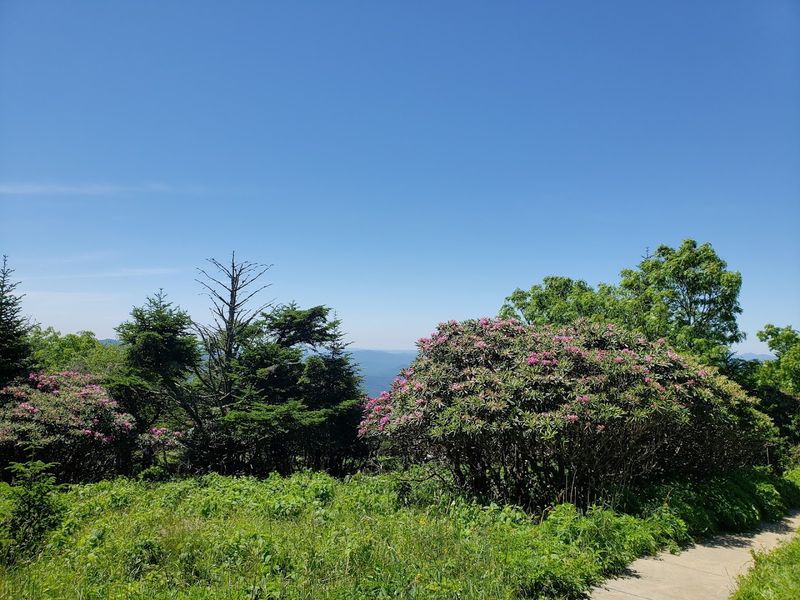
Not every great destination needs to be complicated, and the practical setup at the Rhododendron Gardens reflects that sensibility. The upper parking lot includes a picnic area with tables set among the trees, making it a genuinely pleasant spot to spread out a lunch after a walk through the gardens.
The setting, surrounded by rhododendrons and mountain air, turns a simple packed sandwich into something that feels a bit special.
Both parking lots have public restrooms, though the bathroom facilities are located down at the picnic area near the lower garden section rather than at the overlook itself. That is worth knowing before you head up the trail, so a quick stop before setting out saves a longer walk back later.
Parking costs three dollars per car, paid to the rangers at the entrance. Overflow parking is available for visitors who are able to walk a bit further from their vehicles.
The whole setup is clean, well-maintained, and thoughtfully organized for the volume of visitors the garden receives during peak season. It is the kind of place that makes you appreciate the people who keep it running quietly in the background.
The Rhododendron Festival: A Community Celebration
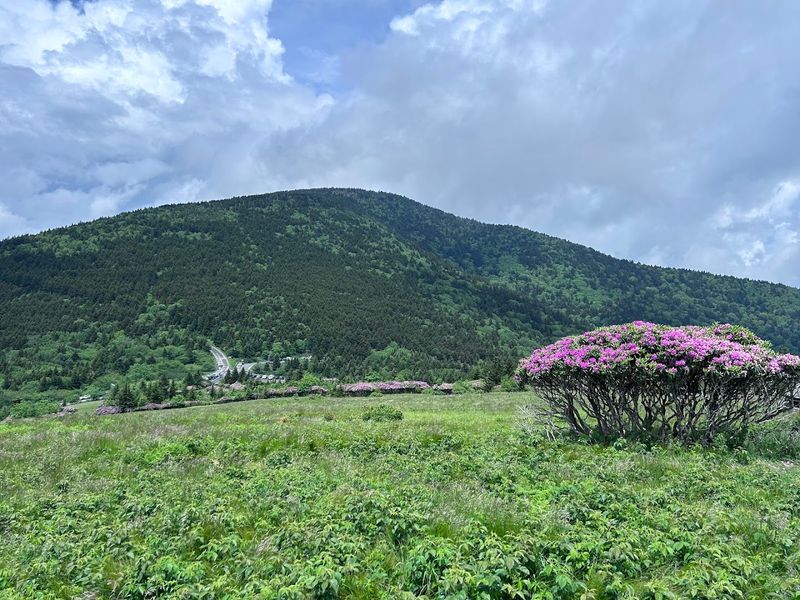
Every June, the town of Bakersville comes alive with the annual North Carolina Rhododendron Festival, a community event timed to coincide with peak bloom on the mountain above. The festival draws visitors from across the state and beyond, filling the small town with local vendors, artisans, food stalls, and a general sense of celebration that feels genuinely rooted in the place.
The festival has been running for decades and holds real significance for the local community. It is not a manufactured tourist event but a tradition that the people of Mitchell County have built around something they are genuinely proud of.
That pride shows in the way the event is organized and in the warmth visitors consistently report from the locals they meet there.
One visitor picked up a beautiful anniversary gift for his wife at the festival market, which speaks to the quality of the local crafts and goods on offer. The combination of the festival atmosphere in town and the blooming gardens on the mountain above makes the third week of June a particularly rewarding time to plan a visit to this corner of North Carolina.
The two experiences complement each other in a way that makes the trip feel complete.
Fog, Weather, and the Mood of the Mountain
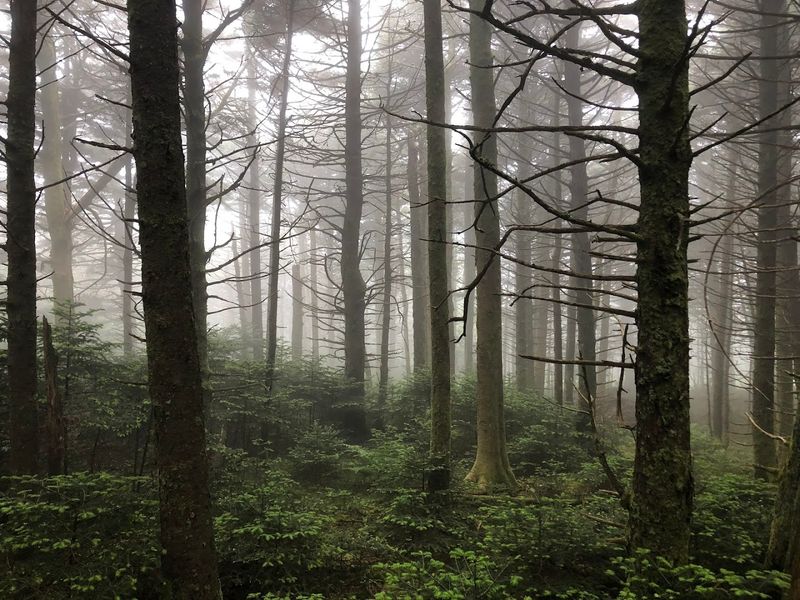
Roan Mountain has its own weather, and that is not an exaggeration. At 6,200 feet, clouds do not just appear overhead.
They arrive at eye level, drift through the trail, and sometimes reduce visibility to just a few feet in every direction. That kind of weather can feel dramatic when you are not expecting it, but it also creates something genuinely atmospheric.
Visitors who have walked the garden trails in heavy fog describe the experience as feeling like an enchanted forest, with the rhododendron tunnels disappearing into white mist and the sound of wind moving through the leaves. It is a completely different experience from a clear-sky visit, and some people prefer it.
The fog softens everything and adds a quiet, almost meditative quality to the walk.
On clear days, the overlook views are spectacular and expansive. On cloudy days, the garden itself becomes the main event, with the blooms and the textures of the forest demanding more attention.
Weather on the summit can shift quickly, so checking the forecast before heading up is practical advice. Whatever conditions greet you at the top, the mountain has a way of making the visit feel memorable regardless.
Photography at the Gardens: Tips for Getting the Best Shots
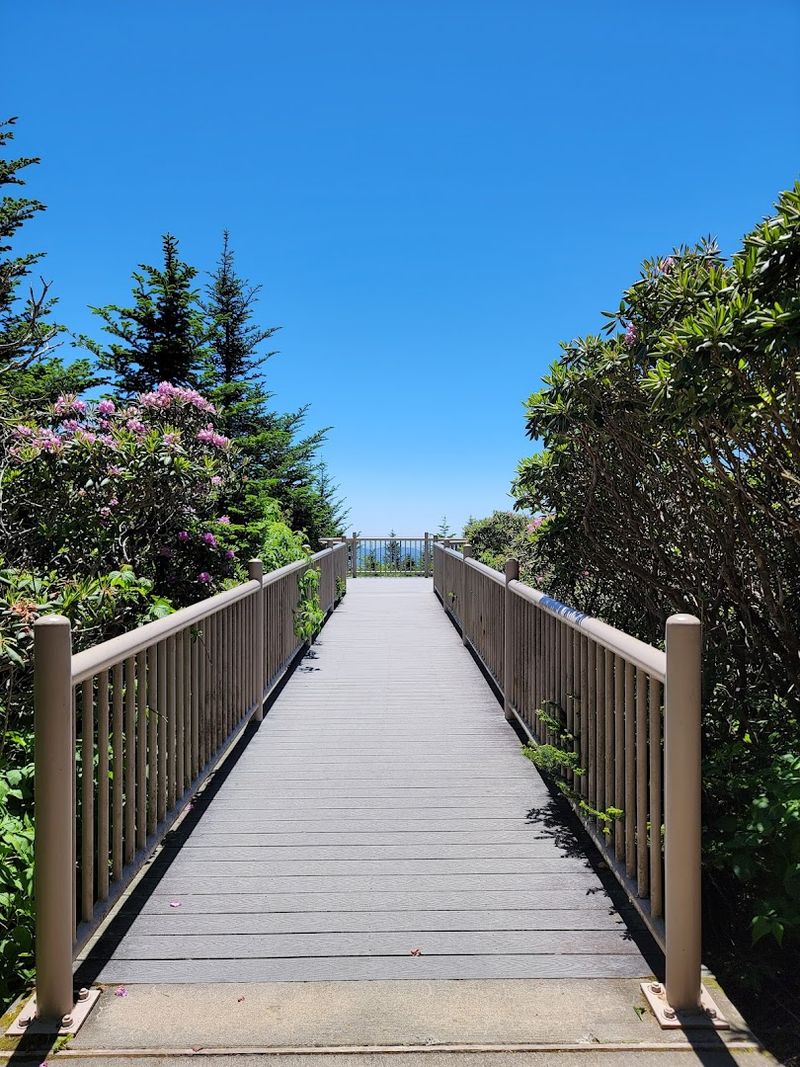
The Rhododendron Gardens have a reputation among photographers as one of the most rewarding natural subjects in the eastern United States, and after visiting, that reputation makes complete sense. The density of the blooms during peak season creates a wall of color that fills the frame in almost any direction you point a camera.
The challenge is not finding a good shot but choosing between too many of them.
Early morning visits offer the best light and the fewest other visitors in the frame. The golden hour light at this elevation has a particular quality, softer and cooler than at lower altitudes, that works especially well with the pink and purple tones of the Catawba rhododendrons.
Arriving at opening time on a weekday gives you the best combination of light and space.
The rhododendron tunnels along the paved path are a favorite subject, especially when a bit of mist lingers in the air. The overlook sections offer wide landscape shots with blooms in the foreground and mountain ridges behind.
Many visitors who made the trip with only a smartphone have returned specifically with a proper camera, and every one of them has said the second visit produced even better results than they expected.
Planning Your Visit: Everything You Need to Know Before You Go
A few practical details make the difference between a smooth visit and an unnecessarily stressful one. The garden is busiest on weekends during peak bloom season, and the parking lots fill up early.
Getting there before 9 a.m. on a Saturday in the third week of June is a genuinely smart strategy, particularly for anyone in the group who has difficulty walking longer distances from overflow parking areas.
The three-dollar parking fee is cash-friendly and collected by rangers on site. The upper parking lot is the closest to the main garden trails and the overlook, while the lower Carvers Gap lot is the starting point for the longer three-mile hike through the Appalachian Trail corridor.
Both are valid options depending on your group’s energy level and goals for the day.
Weekday visits offer a noticeably quieter experience. One visitor who arrived on a Monday in July encountered only a few other people on the entire trail, which allowed for an unhurried walk and a genuine sense of solitude on the mountain.
The gardens are worth visiting outside of peak bloom as well, since the forest, the views, and the cool temperatures make the destination rewarding in any season when the trails are open and accessible.
Share this story