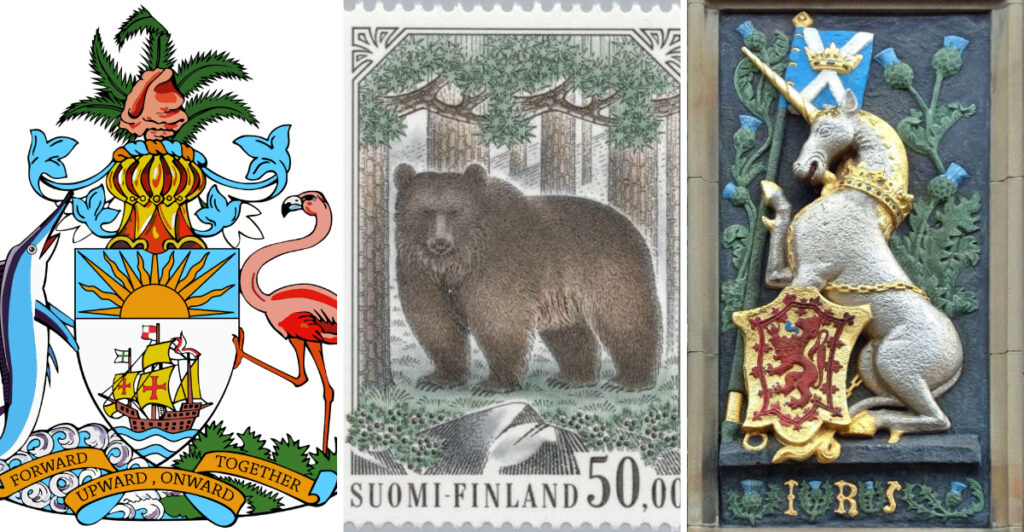
Every country has a national symbol, but some choices are far more unusual than others. From mythical creatures to extinct birds, the world’s national symbols tell fascinating stories about history, culture, and identity.
Some countries chose fierce animals, while others picked something you might never expect. Get ready to explore 15 countries whose national symbols are genuinely one of a kind.
1. Scotland: The Unicorn
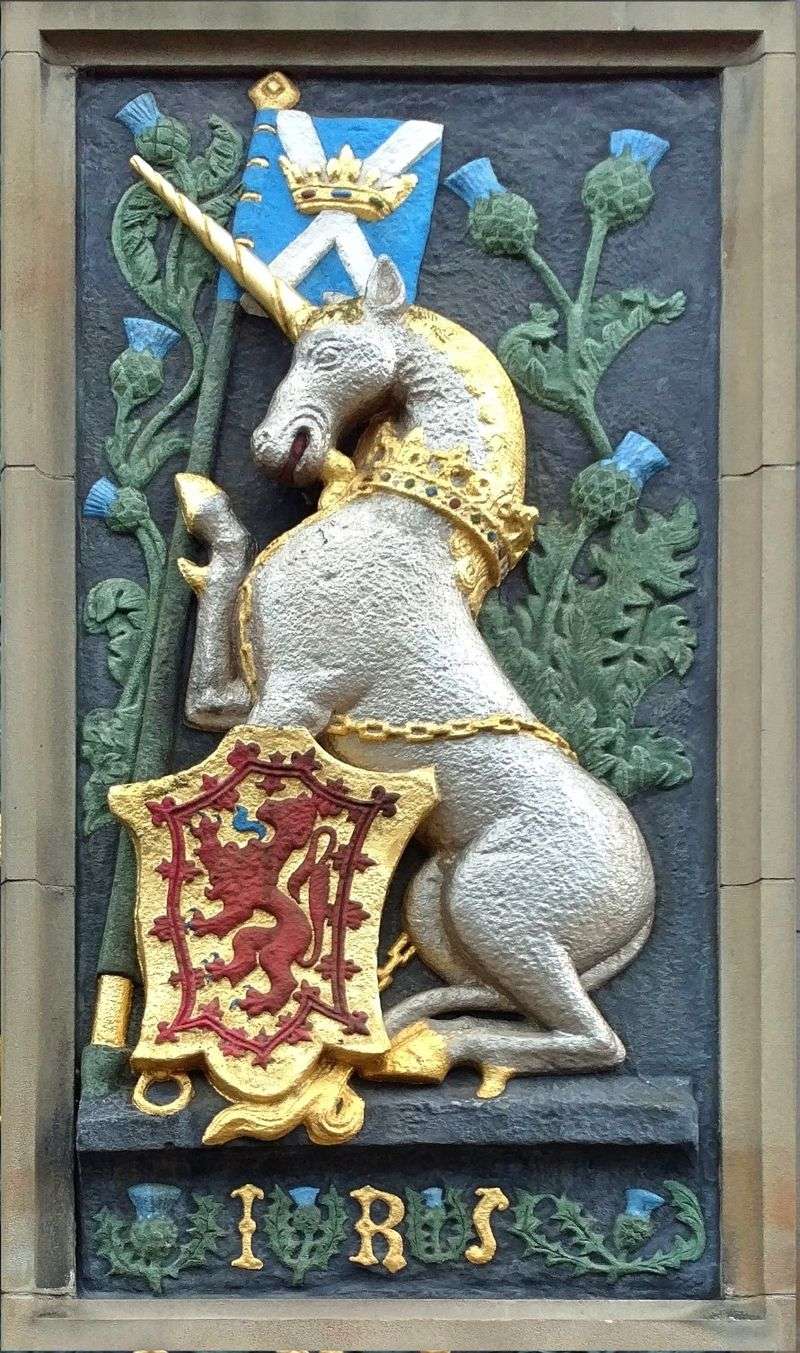
Most countries pick real animals as national symbols, but Scotland went a completely different route. The unicorn, a mythical horned horse, has been part of Scottish heraldry for centuries.
Ancient Celtic legends described it as the most powerful of all creatures, impossible to tame.
In medieval Europe, the unicorn was considered a symbol of purity, strength, and independence, all values that Scotland fiercely identified with. Scottish kings began using it on royal seals as far back as the 12th century.
Today, two unicorns appear on Scotland’s royal coat of arms, each wearing a crown and golden chain.
The chain is actually symbolic, representing the idea that only a king could control such a powerful beast. Scotland’s choice of the unicorn shows that national pride does not always need to be grounded in reality.
2. New Zealand: The Kiwi
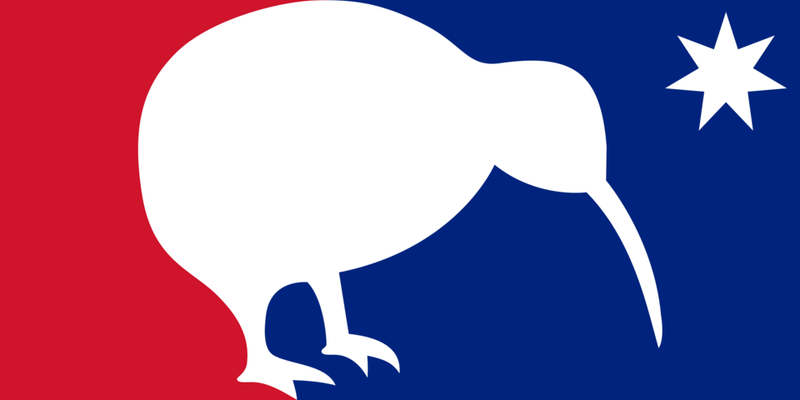
Stumpy legs, no visible wings, and a beak that looks slightly too long for its body, the kiwi is not exactly what most people picture as a national symbol. Yet New Zealanders have fully embraced this quirky little bird as a proud emblem of their identity.
The kiwi is so beloved that New Zealanders themselves are often nicknamed “Kiwis.”
This flightless bird is nocturnal, shy, and about the size of a chicken. It lays one of the largest eggs relative to body size of any bird in the world.
A female kiwi’s egg can weigh up to 20 percent of her body weight, which is remarkable by any standard.
Conservation efforts have become critical because the kiwi faces serious threats from introduced predators. New Zealand runs active breeding programs to protect this irreplaceable national treasure for future generations.
3. Wales: The Red Dragon
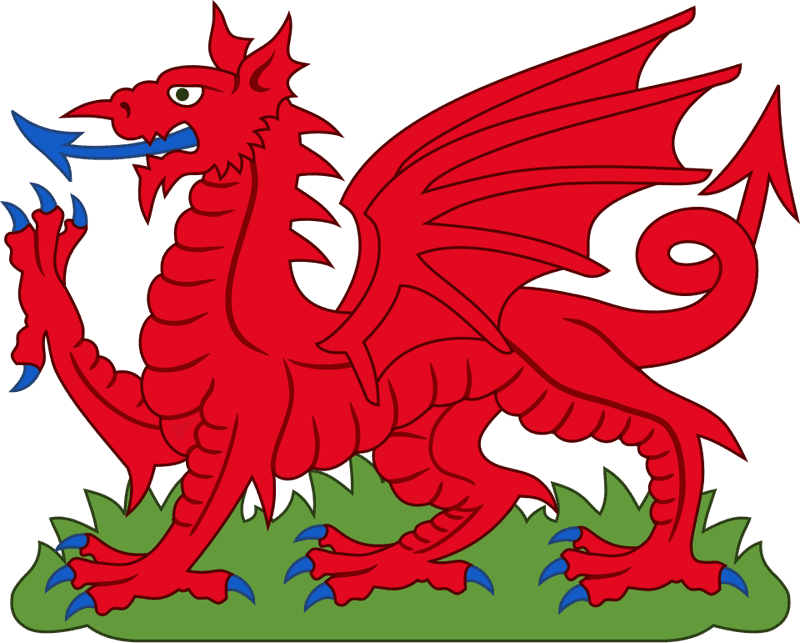
A fire-breathing dragon on a country’s flag sounds like something from a fantasy novel, but Wales made it official. The red dragon, known in Welsh as Y Ddraig Goch, appears boldly on the Welsh flag and has represented the nation for well over a thousand years.
The legend behind it is equally dramatic. According to an old Welsh tale, a red dragon fought a white dragon beneath the earth, and the red dragon’s eventual victory symbolized the triumph of the Welsh people over their invaders.
King Arthur’s father, Uther Pendragon, is also tied to dragon imagery in Welsh mythology.
The dragon officially became part of the Royal Badge of Wales in 1807 and was placed on the national flag in 1959. Few national symbols carry as much legendary weight or visual impact as this fiery, centuries-old emblem.
4. Bhutan: The Druk (Thunder Dragon)
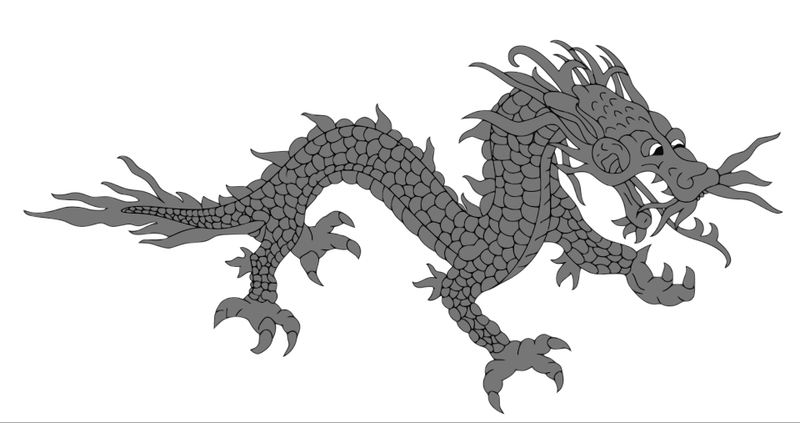
Bhutan does not just have a dragon as a national symbol; it has built its entire national identity around one. The country’s name in Dzongkha, the official language, is Druk Yul, which translates to “Land of the Thunder Dragon.” The dragon appears prominently on the national flag, shown in white to represent purity.
In Bhutanese tradition, the Druk is not a fearsome monster but a powerful protector. The jewels clutched in the dragon’s claws represent the country’s wealth, while its thunderous roar is said to echo through the Himalayan mountains during storms.
Bhutanese leaders even hold the title Druk Gyalpo, meaning “Dragon King.”
This deep connection between the dragon and national identity makes Bhutan unique among countries of the world. The symbol blends mythology, spirituality, and governance into one powerful image that defines an entire kingdom.
5. Mauritius: The Dodo
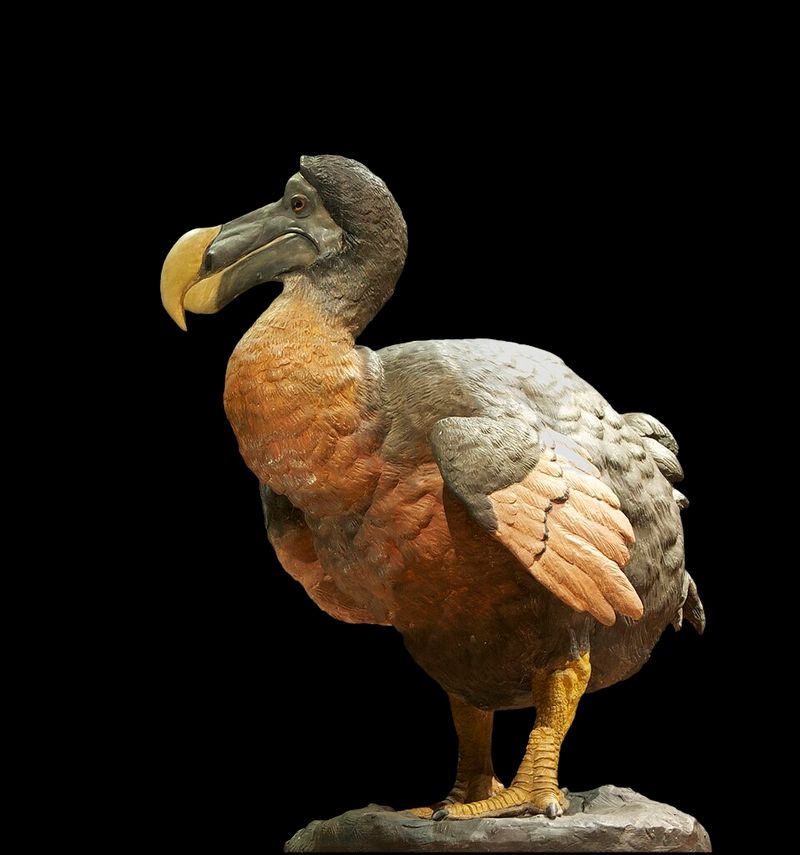
Choosing an extinct animal as your national symbol is a bold move, and Mauritius owns it completely. The dodo, a large flightless bird that disappeared in the late 17th century, remains one of the most recognized symbols of the island nation.
It appears on the Mauritian coat of arms alongside a sambar deer.
The dodo lived only on Mauritius and had no natural predators before humans arrived. When Dutch sailors landed in the 1600s, the bird’s lack of fear made it easy prey.
Combined with habitat destruction and invasive species, the dodo was extinct within less than a century of human contact.
Today, Mauritius uses the dodo as a reminder of environmental responsibility and unique natural heritage. Museums, coins, and official documents all feature the bird.
In a way, the dodo’s legacy continues to speak louder than its extinction ever silenced it.
6. Bermuda: The Bermuda Petrel
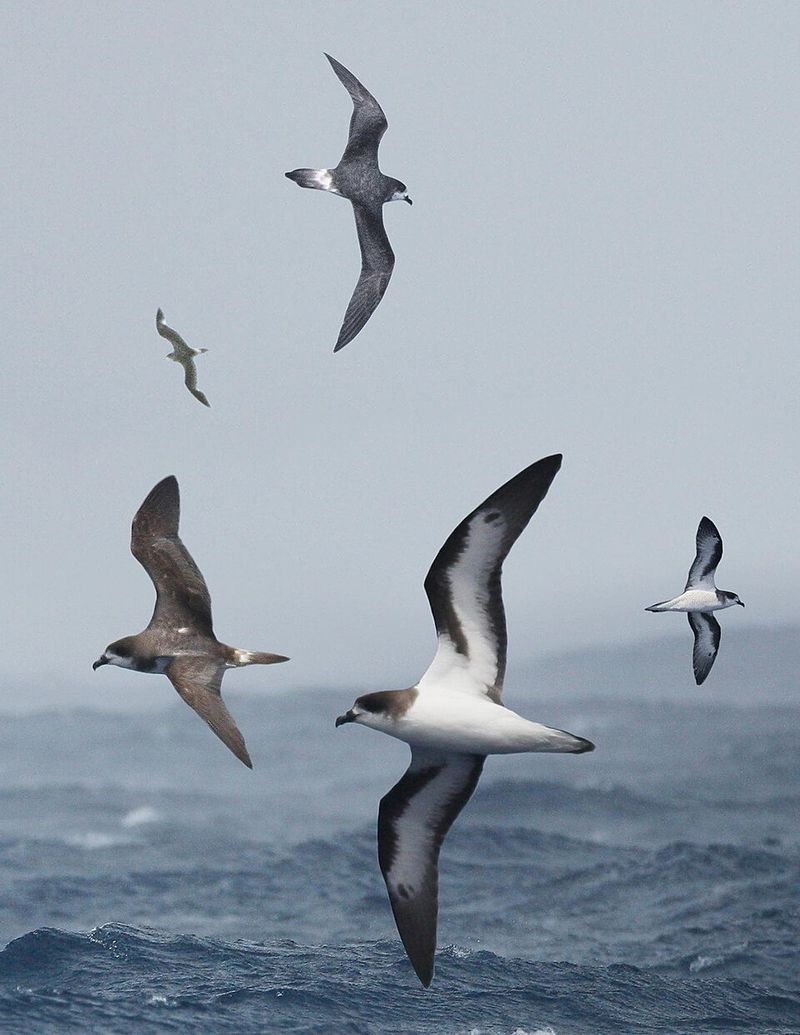
For over 300 years, scientists believed the cahow was completely gone from the earth. This small, dark seabird had not been officially spotted since the early 1600s, leading naturalists to declare it extinct.
Then, in 1951, ornithologist David Wingate discovered a tiny surviving colony nesting on rocky islets off Bermuda’s coast.
That discovery turned the cahow into something extraordinary: a living symbol of survival against impossible odds. Bermuda adopted the bird as its national symbol, and conservation programs have slowly helped the population recover.
From just 18 breeding pairs in the 1950s, numbers have grown to over 100 pairs today.
The cahow nests in burrows and returns to the same site year after year. Its story has inspired wildlife conservationists worldwide.
Bermuda’s choice of this once-lost seabird reflects a deep respect for resilience and the remarkable possibility of second chances in nature.
7. Australia: The Kangaroo
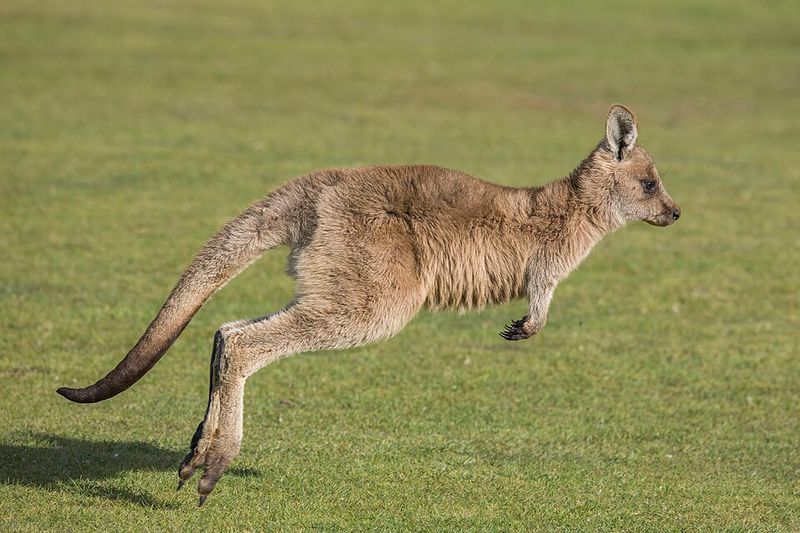
The kangaroo is globally famous, but there is one quirky reason Australians are especially proud of it as a national symbol. A kangaroo cannot easily move backward.
It is physically built to hop forward, and that biological quirk became a metaphor for a nation always moving ahead, never retreating.
This forward-only symbolism appealed to Australian leaders when choosing emblems for the national coat of arms in 1908. The kangaroo appears alongside the emu, another bird that struggles to move in reverse.
Together, they make a uniquely Australian statement about national ambition and progress.
Beyond symbolism, kangaroos are genuinely fascinating animals. They can reach speeds of 35 miles per hour and use their powerful tails for balance.
Female kangaroos carry their joeys in pouches for months after birth. Australia’s national symbol is strange, yes, but also scientifically incredible and deeply tied to the continent’s wild identity.
8. Canada: The Beaver
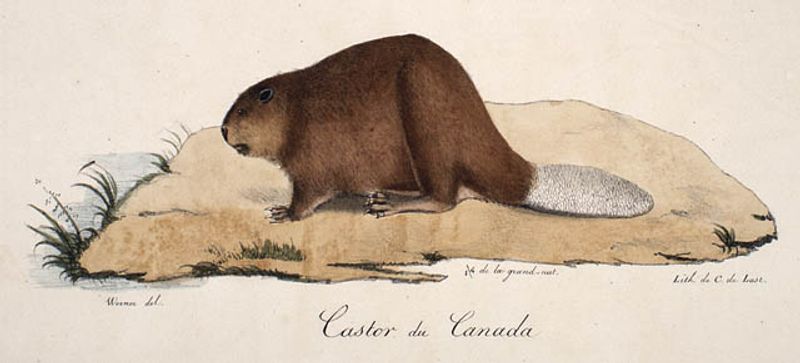
Canada’s national animal is not a moose, a polar bear, or even a wolf. It is a beaver, a semi-aquatic rodent best known for building dams and chewing through trees.
While that might sound underwhelming, the beaver’s role in shaping Canadian history is genuinely enormous.
During the 17th and 18th centuries, beaver fur was one of the most valuable commodities in North America. European demand for beaver pelts drove exploration deep into the Canadian wilderness and helped establish major trade networks.
The Hudson’s Bay Company, one of the oldest companies in North America, featured a beaver on its coat of arms.
Canada officially declared the beaver a national symbol in 1975. It appears on the nickel coin and is celebrated for traits Canadians admire: hard work, determination, and resourcefulness.
For a country built on rugged determination, the beaver is actually a perfect fit.
9. The Bahamas: The Flamingo
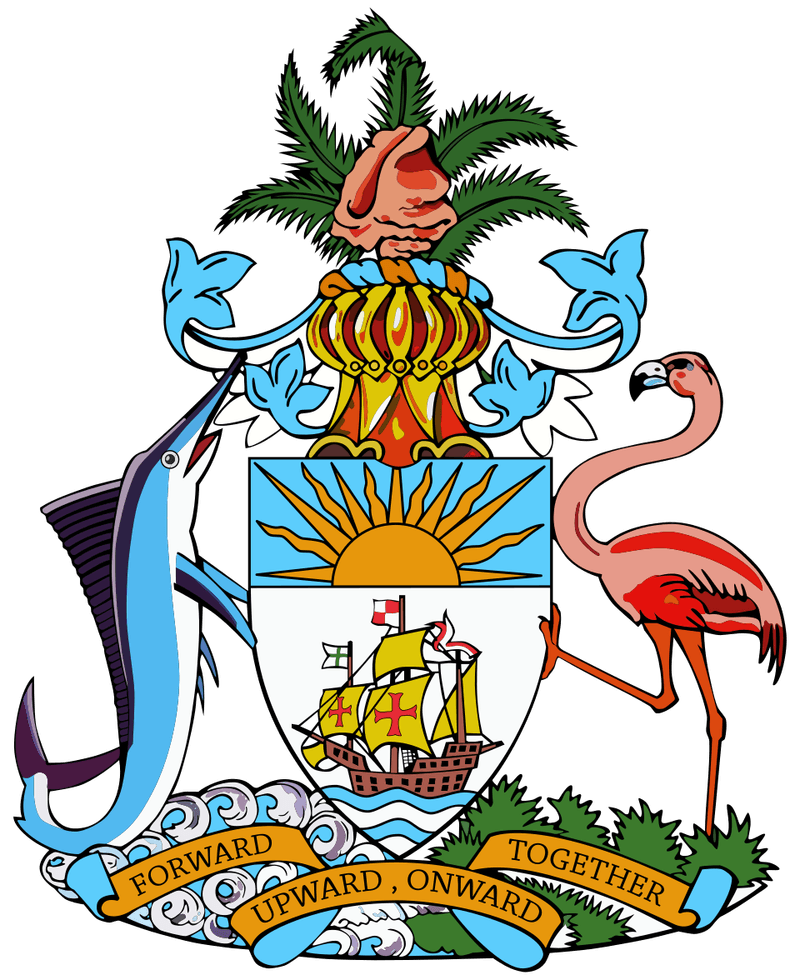
Pink, tall, and undeniably eye-catching, the flamingo was a fitting choice for The Bahamas. These birds are famous for their vivid coral-pink feathers, which actually come from pigments in the algae and shrimp they eat.
A flamingo raised without that diet would gradually turn white.
The Bahamas once had enormous flamingo populations across its islands, but hunting in the 19th and early 20th centuries nearly wiped them out. Conservation efforts, particularly on Inagua Island, helped the population recover dramatically.
Today, Inagua hosts one of the largest flamingo colonies in the Western Hemisphere, with over 50,000 birds.
The flamingo became the national bird of The Bahamas as a symbol of the islands’ natural beauty and successful wildlife recovery. Watching thousands of flamingos take flight together in a burst of pink is a sight that genuinely stops visitors in their tracks every single time.
10. Finland: The Brown Bear
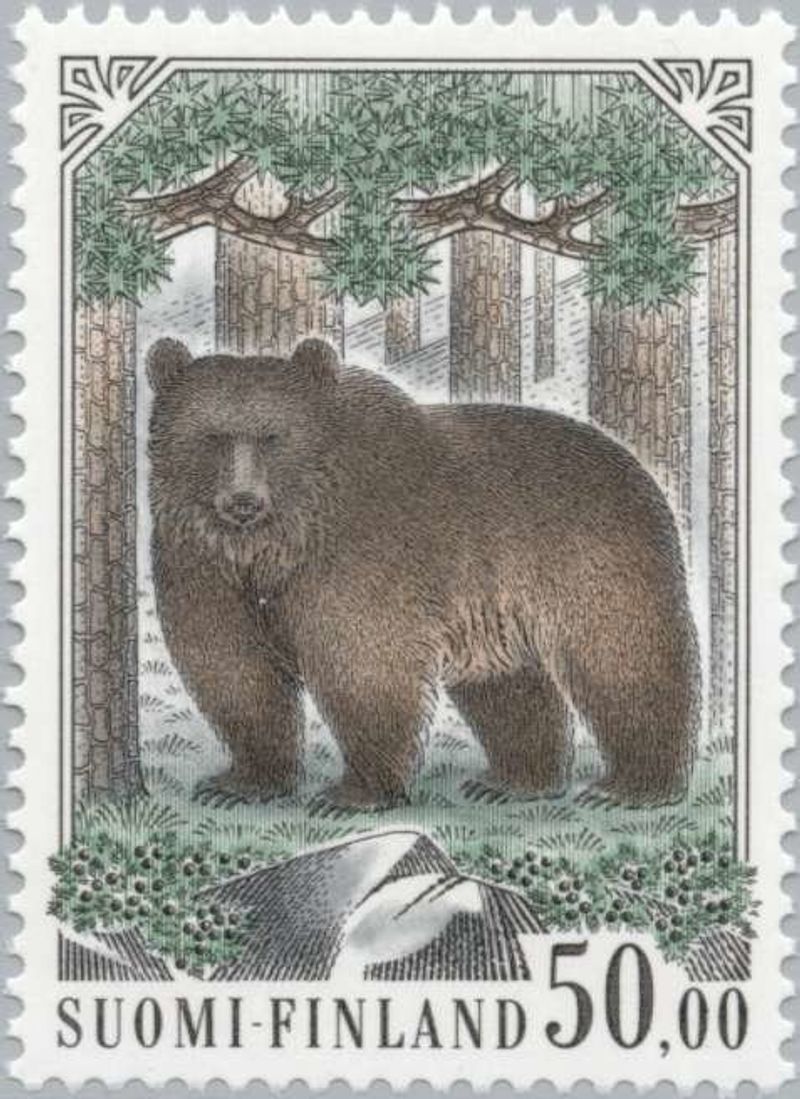
Finland’s relationship with the brown bear goes far deeper than simply naming it a national animal. For ancient Finns, the bear was so sacred and powerful that people avoided speaking its real name aloud.
Instead, they used dozens of poetic substitutes, such as “the golden king of the forest” or “the broad-footed one.”
This tradition, known as a taboo language practice, reflected genuine reverence rather than fear. Ancient Finnish communities believed that saying the bear’s name could summon it or offend the spirit world.
The bear appeared frequently in Finnish mythology, folk songs, and the national epic, the Kalevala.
Today, Finland still takes its bear seriously. The country has a stable wild bear population, and the animal remains a source of deep cultural pride.
Whether in ancient folklore or modern wildlife conservation, the brown bear occupies a uniquely honored place in Finnish national identity.
11. Singapore: The Merlion
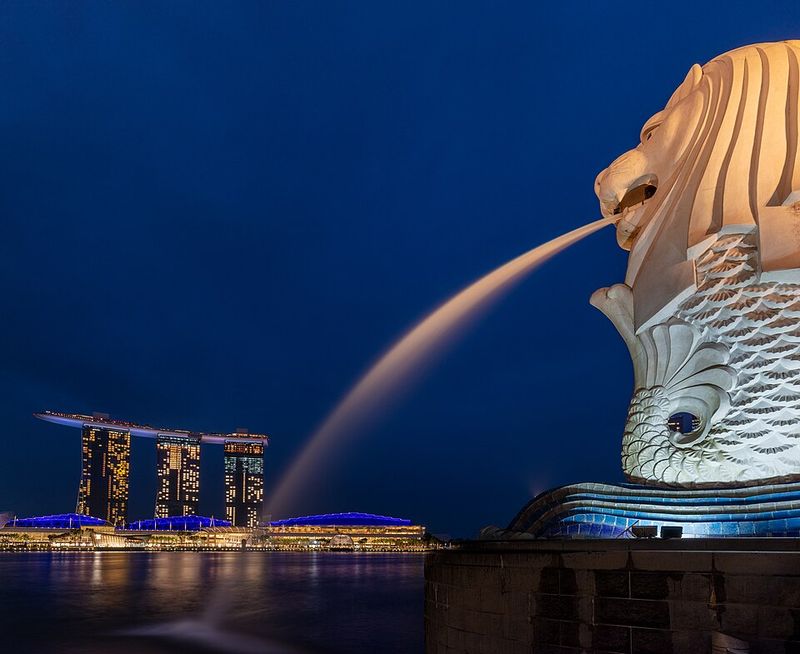
Half lion, half fish, and entirely made up: the Merlion is one of the world’s most unusual national symbols because it is a creature that never existed anywhere in nature or mythology before Singapore invented it. The Singapore Tourism Board created the Merlion logo in 1964 to represent the city-state’s dual identity.
The lion head references the ancient name for Singapore, Singapura, which means “Lion City” in Sanskrit. According to legend, a Sumatran prince spotted a lion on the island and named it accordingly, though historians note lions never actually lived there.
The fish body honors Singapore’s origins as a humble fishing village called Temasek.
Today, the Merlion statue at Marina Bay is one of Asia’s most photographed landmarks. It is a completely invented symbol, yet it captures Singapore’s layered history with surprising depth.
Sometimes the most meaningful symbols are the ones a nation deliberately creates for itself.
12. Antigua and Barbuda: The Fallow Deer
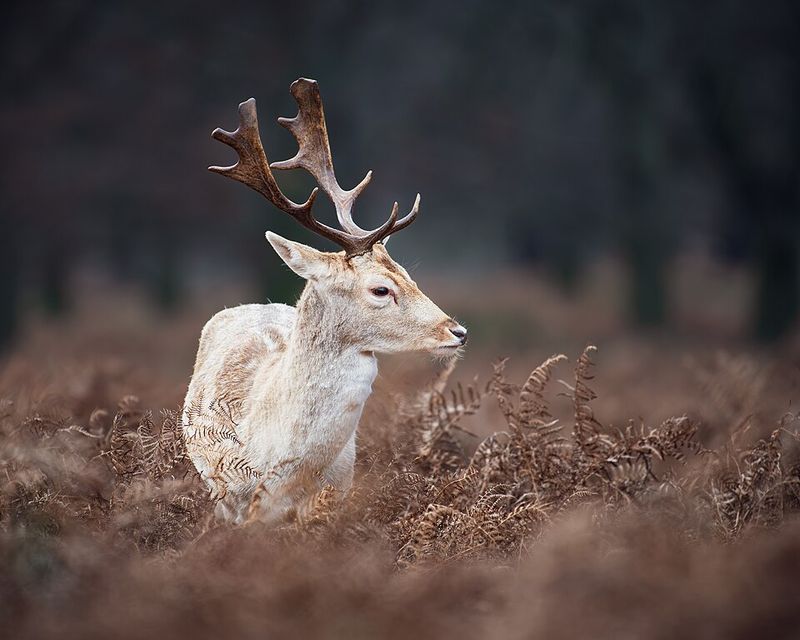
Here is a fun historical twist: Antigua and Barbuda’s national animal is not originally from the Caribbean at all. The fallow deer was introduced to the islands by European colonizers, most likely in the 17th century, and over time it became so woven into island life that it earned official national status.
Fallow deer are recognizable by their spotted coats and broad, flat antlers. They are medium-sized deer, more graceful than imposing, and they adapted remarkably well to the tropical environment of Antigua.
Hunting the deer became a tradition among the islands’ elite during colonial times.
Today, the fallow deer population is protected and managed carefully. Despite its non-native origins, the animal has become genuinely embedded in Antiguan culture and appears on official national imagery.
It is a reminder that national identity can absorb and celebrate things that arrived from somewhere else entirely.
13. Belarus: The European Bison
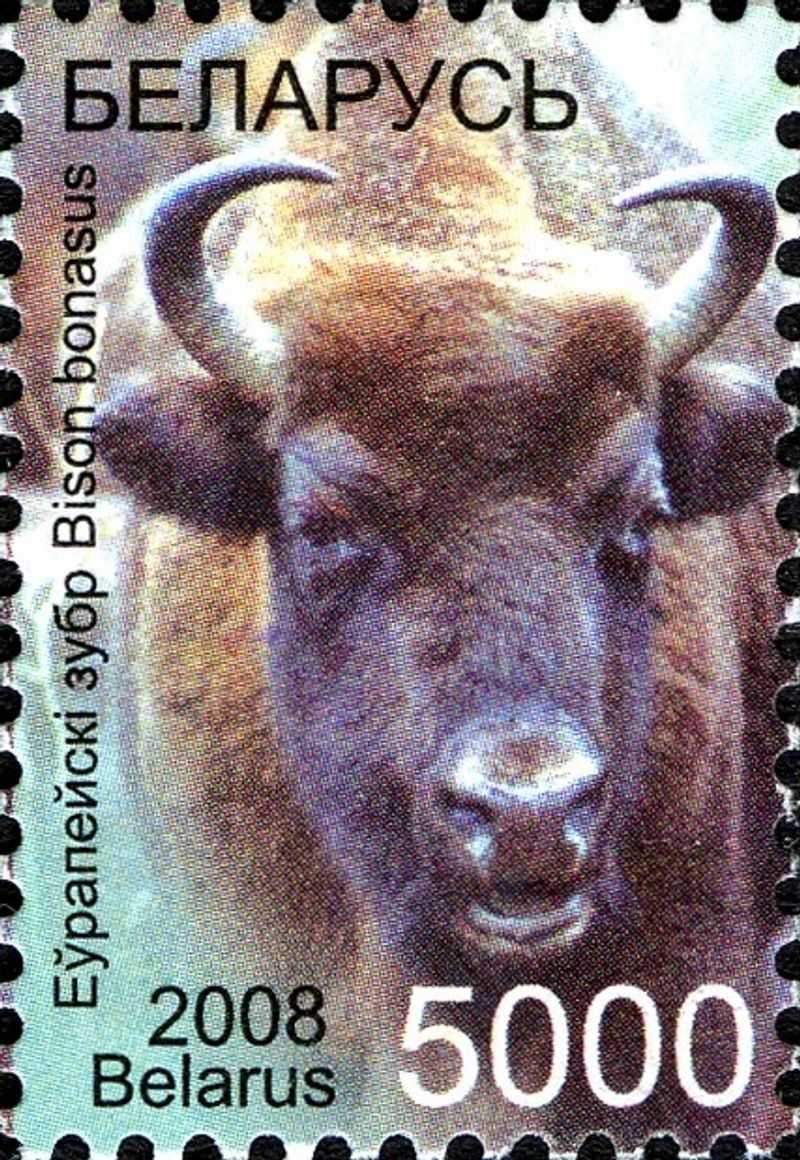
The European bison, or wisent, is the heaviest land animal in Europe, and Belarus is deeply proud of its connection to this magnificent creature. By the early 20th century, the species had been hunted to complete extinction in the wild.
The last wild European bison was killed in 1927 in the Bialowieza Forest, which straddles the Belarus-Poland border.
What happened next is one of conservation’s greatest comeback stories. Scientists used the small number of bison surviving in zoos to launch a careful breeding program.
Decades of work eventually allowed bison to be reintroduced into their natural forest habitat, including Bialowieza, one of Europe’s last primeval forests.
Belarus made the European bison its national animal as a tribute to both the animal’s raw power and its extraordinary survival story. The bison now appears on Belarusian currency and official emblems, standing as a symbol of endurance against overwhelming odds.
14. Papua New Guinea: The Bird-of-Paradise

Few birds on earth are as visually stunning as the bird-of-paradise, and Papua New Guinea is home to more species of this remarkable bird than anywhere else in the world. The Raggiana bird-of-paradise, with its cascading orange and red feathers, appears on the national flag and coat of arms, representing the country’s breathtaking natural diversity.
Male birds-of-paradise are famous for their elaborate courtship displays, which involve fluffing spectacular plumage, dancing, and calling loudly to attract females. Early European explorers were so astonished by their beauty that they believed the birds must have come from paradise itself, which is exactly how the species got its name.
Papua New Guinea’s biodiversity is extraordinary, with thousands of plant and animal species found nowhere else on earth. Choosing the bird-of-paradise as a national symbol was a natural decision for a country whose rainforests rank among the most biologically rich ecosystems on the planet.
15. Nepal: The Cow
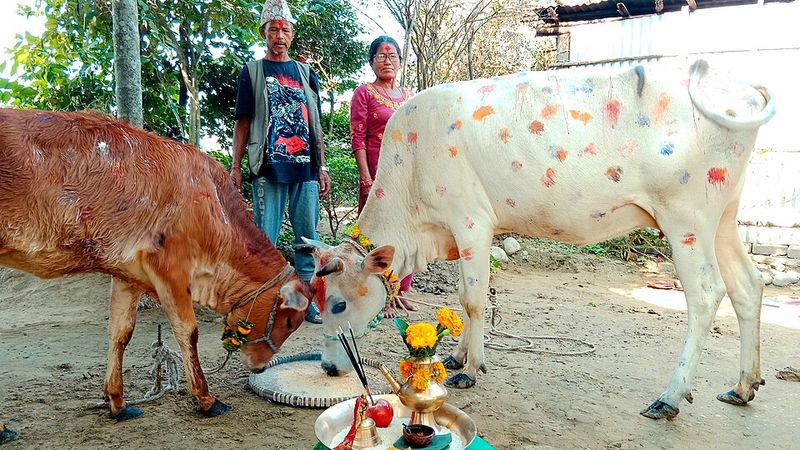
Nepal is the only country in the world where the cow is the official national animal, and the reasons go far beyond agriculture. In Hindu culture, which is central to Nepali society, the cow is considered sacred.
It is associated with the god Krishna and represents motherhood, abundance, and non-violence.
Killing a cow in Nepal was historically a criminal offense punishable by prison time. While laws have been updated in recent years, the cow remains deeply protected and widely respected across the country.
Cows wander freely through cities and villages, and drivers routinely stop traffic rather than disturb them.
The cow also appears on official Nepali emblems and is celebrated during festivals like Tihar, when cows are adorned with garlands and offered special food. For Nepal, the national animal is not just a symbol of the country’s wildlife but a living expression of its spiritual values and cultural soul.
Share this story