Some of the world’s most famous travel spots look stunning in photos, but the reality can be a lot less magical. Millions of visitors flock to these iconic places every year, turning peaceful landmarks into packed, stressful experiences.
Rising prices, long waits, and shoulder-to-shoulder crowds have left many travelers feeling disappointed. Before you book your next big trip, it’s worth knowing which destinations may not live up to the hype.
1. Venice, Italy
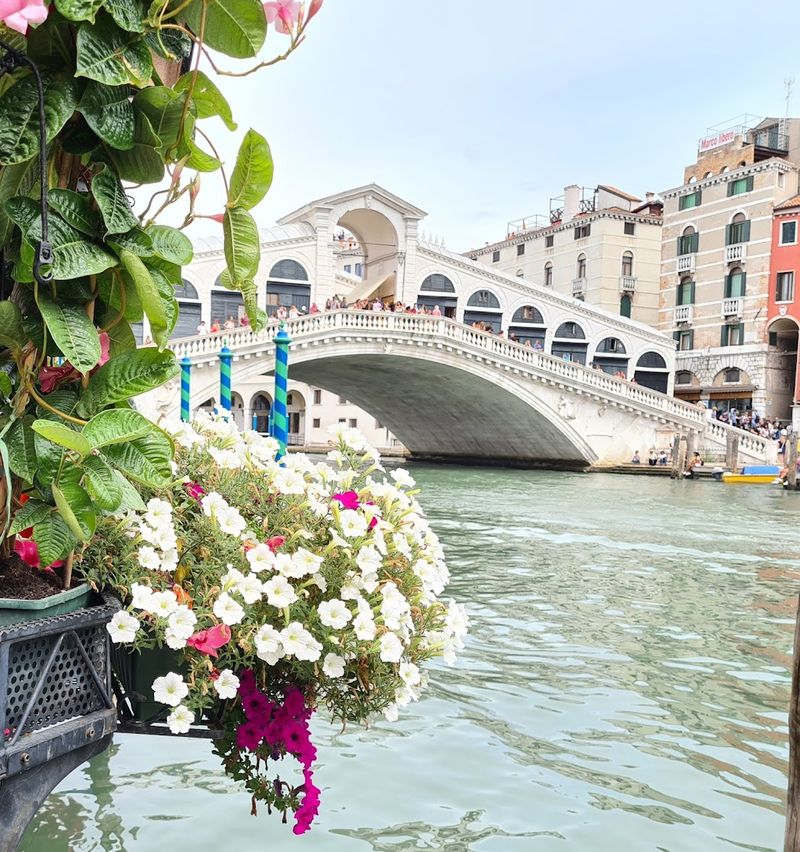
Venice was once considered one of the most romantic cities in the world, and in many ways, it still is. But the version most visitors experience today looks very different from the dreamy postcards.
Cruise ships deposit thousands of tourists daily onto streets barely wide enough for two people to pass each other.
During summer, popular areas like the Rialto Bridge and St. Mark’s Square become nearly impossible to enjoy. Locals have grown frustrated enough that the city now charges a day-entry fee to manage tourist flow.
Hotel prices have skyrocketed, and many authentic restaurants have been replaced by tourist traps.
If Venice is still on your list, consider visiting in January or February when crowds thin out considerably. Exploring neighborhoods like Cannaregio or Castello gives you a quieter, more genuine slice of this remarkable city without the overwhelming chaos of peak season.
2. Times Square, New York City
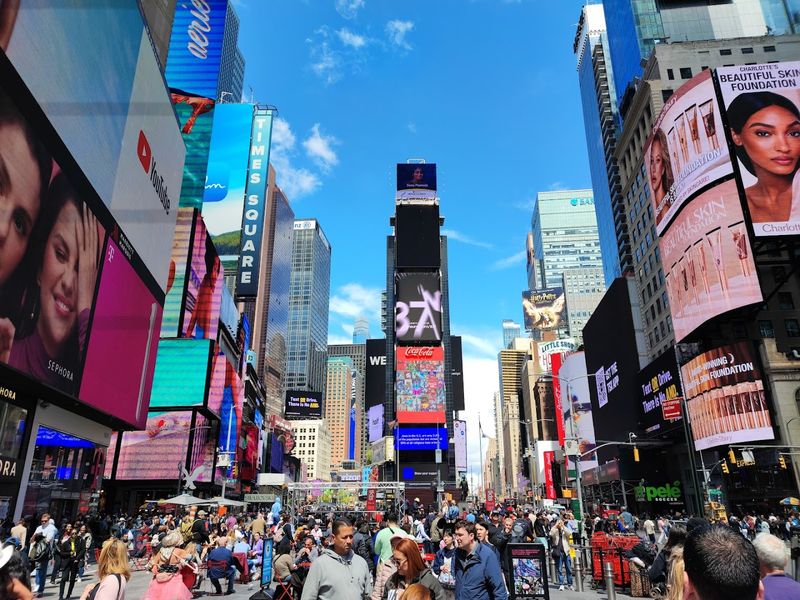
Few places on earth are as visually overwhelming as Times Square, and not always in a good way. The endless blinking billboards, costumed characters demanding tips, and wall-to-wall crowds can make a simple stroll feel more like an obstacle course than a sightseeing experience.
Most New Yorkers actively avoid the area, which says a lot. The shops lining the streets are mostly chain stores you could find in any American mall, and the food options are overpriced for what you get.
The energy can be exciting for about ten minutes, but it fades fast.
New York City has so many genuinely remarkable neighborhoods worth exploring. Brooklyn’s DUMBO district, the High Line park, or a quiet afternoon in Central Park offer far more authentic experiences.
Times Square is worth a quick look, but it rarely earns a second visit from anyone who knows the city well.
3. Santorini, Greece
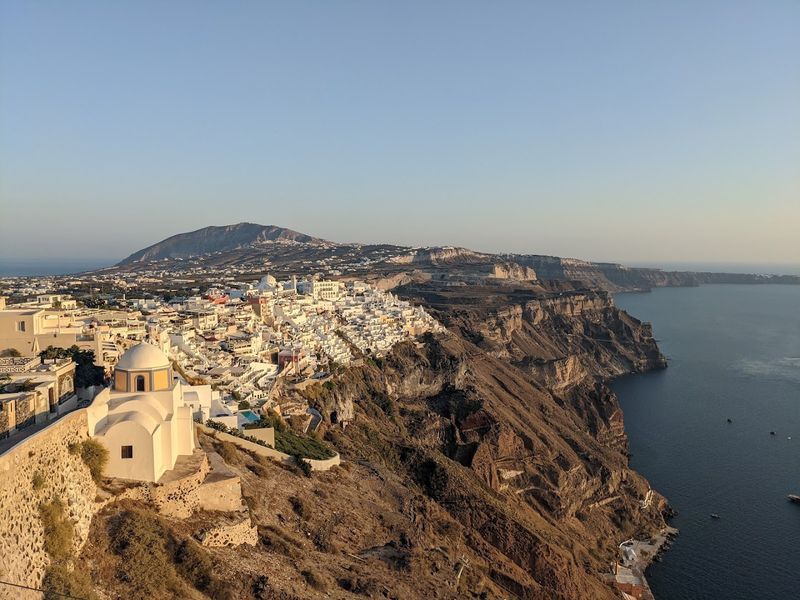
Santorini’s blue-domed churches and cliffside sunsets are genuinely breathtaking, at least in photos. The reality for most visitors involves navigating dense crowds, waiting in long lines for iconic viewpoints, and paying some of the highest prices in all of Europe for a meal or a hotel room.
The village of Oia, famous for its sunsets, draws enormous crowds every evening. Hundreds of visitors compete for the same handful of photo spots, turning a supposedly romantic moment into a frantic scramble.
Cruise ship arrivals flood the narrow streets with thousands of additional tourists during peak summer months.
Greece has dozens of stunning islands that offer similar scenery without the overwhelming tourist pressure. Milos, Folegandros, and Naxos are all worth considering as alternatives.
If Santorini remains your dream destination, book well ahead and visit in April or October for a noticeably calmer experience with better prices.
4. Machu Picchu, Peru
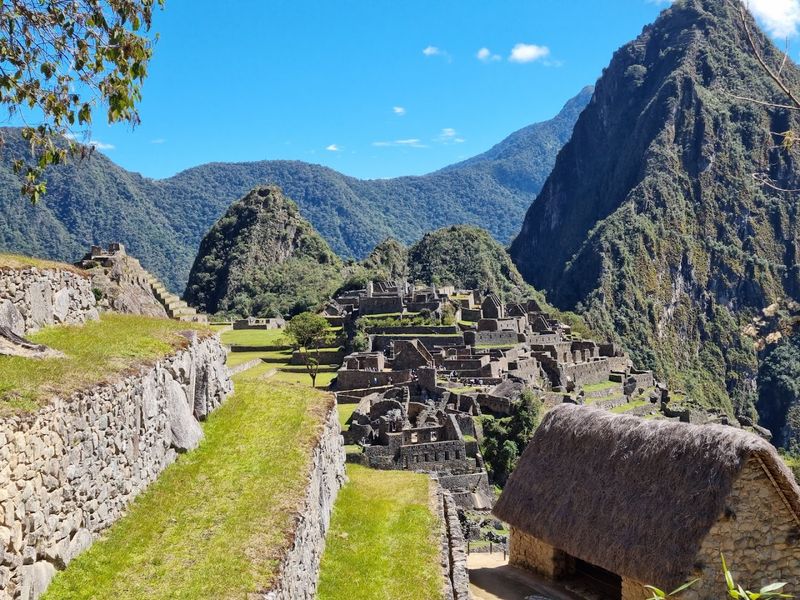
Machu Picchu is undeniably one of the most extraordinary archaeological sites on the planet. Perched high in the Andes Mountains, the ancient Inca citadel took centuries to build and continues to inspire awe centuries later.
But getting there today involves a lot more planning and patience than most people expect.
Peru introduced a timed ticketing system to protect the site from damage caused by mass tourism. While helpful for preservation, it means visitors must stick to strict schedules and specific routes.
The experience can feel rushed, especially when sharing narrow stone pathways with hundreds of other tourists all moving at the same pace.
Booking tickets months in advance is now essential, and prices have climbed steadily in recent years. Visiting during the shoulder season, specifically May or September, helps avoid the worst of the crowds.
Hiring a knowledgeable local guide transforms the experience from a rushed photo stop into something genuinely meaningful.
5. Bali’s Instagram Attractions, Indonesia
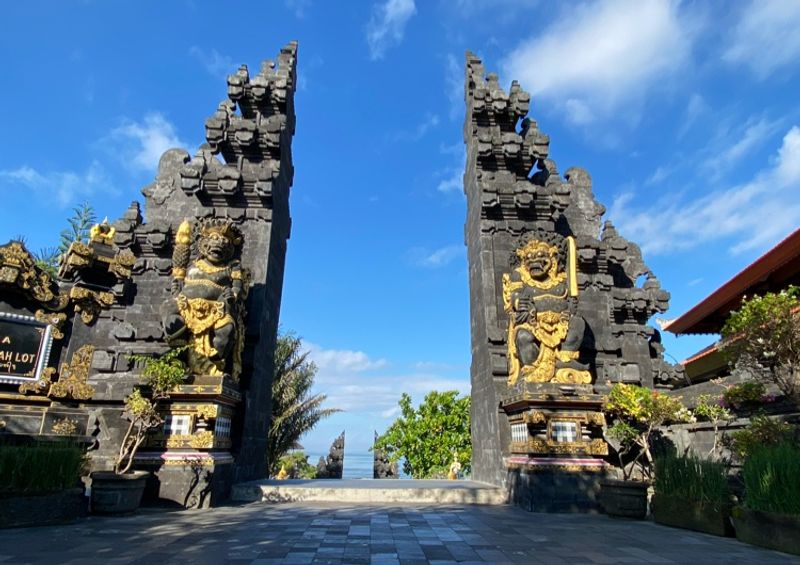
Bali built a massive reputation as a paradise of spiritual calm and natural beauty, and parts of the island still deliver exactly that. The problem is social media turned certain spots into tourist conveyor belts where the goal is a photo rather than an experience.
Places like the famous swing above the jungle canopy or the Gates of Heaven at Pura Lempuyang temple now require long queues just to stand in front of the camera for a few seconds. Some locations charge extra fees specifically for photography access.
The magic disappears quickly when you realize fifty other people are waiting behind you.
Bali still has genuine charm away from the Instagram circuit. Rice terraces in Sidemen, temples in Ubud’s quieter outskirts, and black sand beaches in the north reward travelers willing to stray from the familiar highlights.
Renting a scooter and exploring without a plan often leads to the island’s best discoveries.
6. The Mona Lisa at the Louvre, France
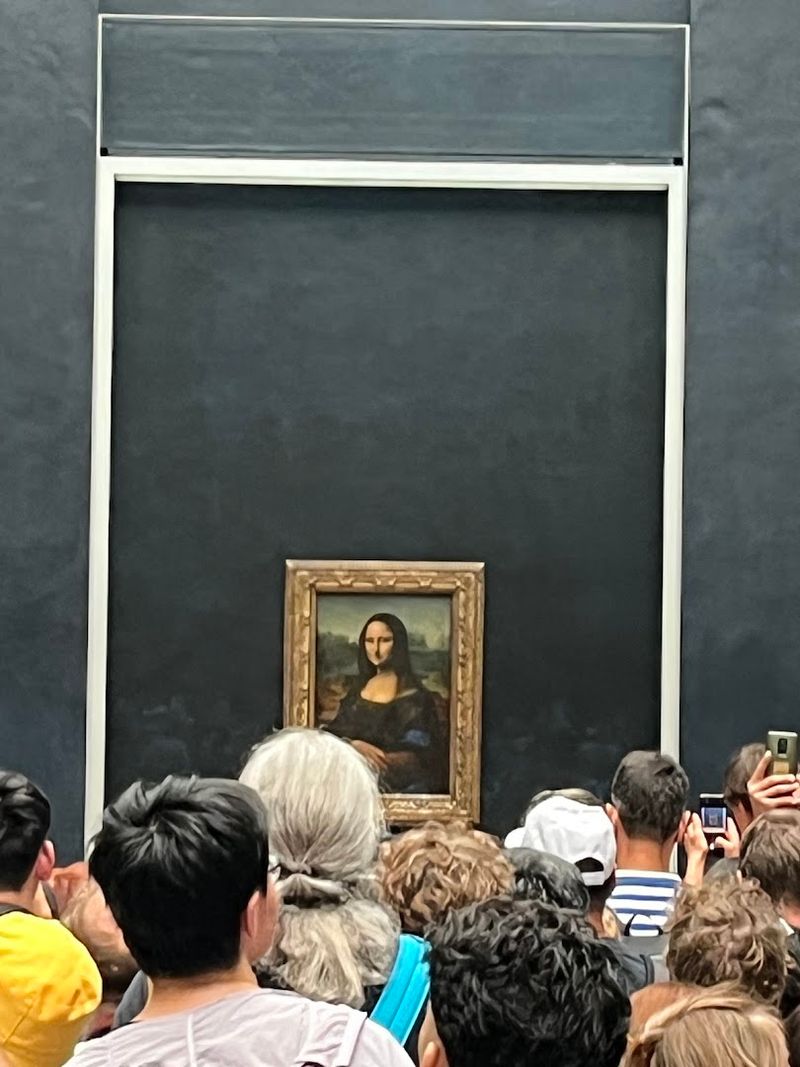
Seeing the Mona Lisa in person is on many people’s bucket lists, and the Louvre itself is an extraordinary museum worth an entire day of exploration. But the experience of viewing Leonardo da Vinci’s most famous painting rarely matches expectations for first-time visitors.
The painting is smaller than most people imagine, roughly the size of a large piece of poster board. It hangs behind thick bulletproof glass at the far end of a large room, and visitors are kept at a significant distance.
The crowd pressing forward around you, all holding phones above their heads, makes a calm, appreciative viewing nearly impossible.
The Louvre houses thousands of other masterpieces that receive far less attention and allow for a much more personal encounter. Vermeer’s The Lacemaker or the Winged Victory of Samothrace offer equally powerful artistic experiences without the chaos.
Arriving right when the museum opens gives you the best chance of a quieter moment.
7. Hollywood Walk of Fame, California
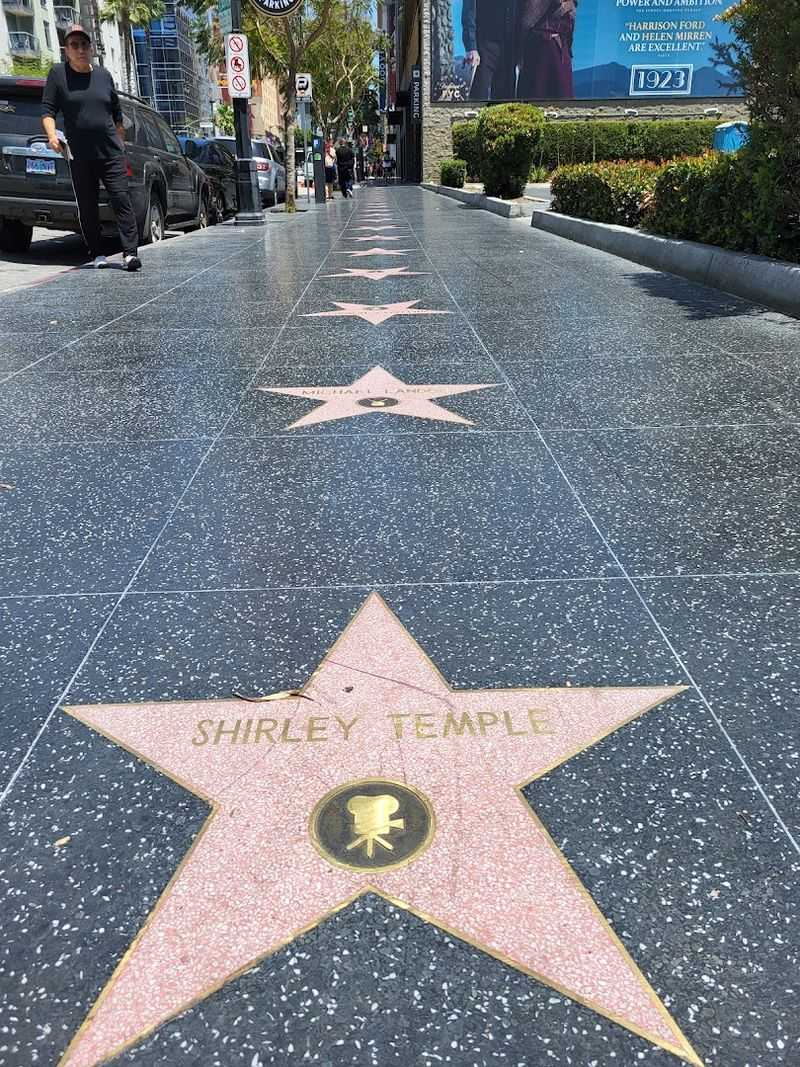
Hollywood carries a legendary reputation built on movies, glamour, and the golden age of American cinema. Visitors arrive expecting something cinematic and leave wondering what they actually came to see.
The Walk of Fame is essentially a sidewalk with brass stars embedded in it, running through a commercial strip that feels more rundown than dazzling.
Street performers in superhero costumes, aggressive souvenir vendors, and dense foot traffic dominate the experience. Many of the stars belong to celebrities younger visitors have never heard of, and the surrounding area has struggled with urban challenges that tourism promoters rarely mention.
Los Angeles has genuinely spectacular things to offer travelers willing to look beyond the obvious. The Getty Center provides world-class art with stunning architecture and free admission.
Griffith Observatory offers sweeping city views without the congestion. Even a drive along Mulholland Drive reveals a side of LA that feels far more cinematic than the famous sidewalk ever does.
8. Mount Everest Base Camp, Nepal
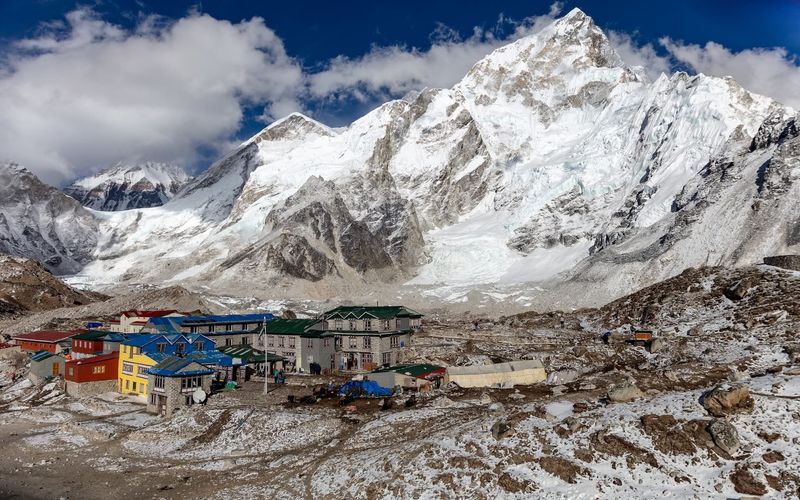
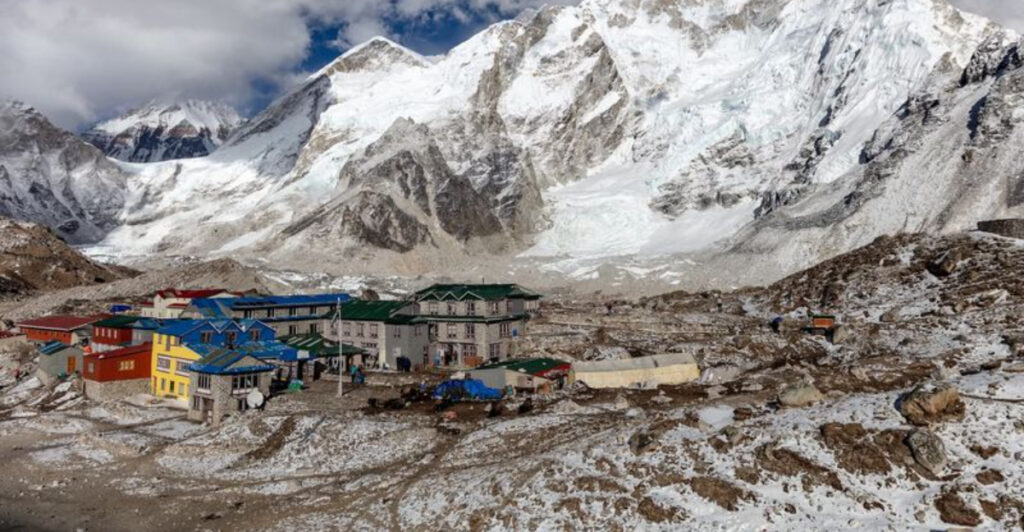
Trekking to Everest Base Camp was once considered one of the most remote and soul-stirring journeys a person could undertake. The route winds through dramatic Himalayan landscapes, ancient Sherpa villages, and high-altitude terrain that tests both body and spirit.
That sense of wilderness adventure has become harder to find in recent years.
Peak trekking seasons in spring and autumn now bring hundreds of trekkers per day to the same narrow trails. The teahouses along the route fill up quickly, and the famous Khumbu Icefall zone has been compared to a high-altitude traffic jam during busy periods.
Litter and waste management have also become ongoing concerns despite cleanup efforts.
The trek still delivers moments of undeniable grandeur, especially at sunrise over the Khumbu Glacier. Choosing to go in early November or late March can reduce the crowd significantly.
Hiring an experienced local guide not only supports the community but also enriches the journey with cultural depth.
9. Dubrovnik Old Town, Croatia
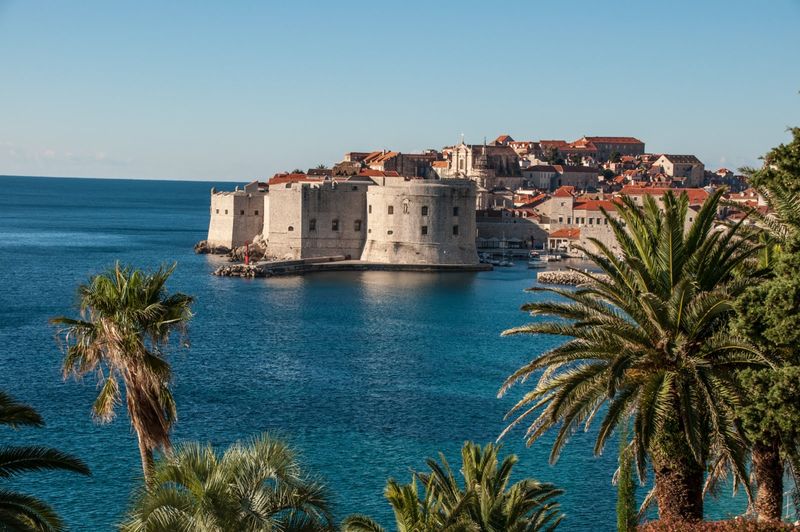
Dubrovnik earned its nickname, the Pearl of the Adriatic, through centuries of remarkable history and stunning architecture. Its ancient stone walls, baroque churches, and gleaming limestone streets genuinely deserve admiration.
The challenge is that nearly everyone else on earth seems to have decided to visit at the same time.
The city’s popularity exploded after serving as a filming location for a globally beloved television series, and cruise ship arrivals pushed visitor numbers to extraordinary levels. On busy days, the Old Town’s narrow streets become so packed that walking at a comfortable pace is nearly impossible.
Local residents have spoken openly about feeling pushed out of their own city.
Croatia’s coastline offers many beautiful alternatives, including the walled city of Korcula or the waterfalls of Plitvice Lakes National Park. If Dubrovnik is non-negotiable, arriving early in the morning before cruise ships dock gives you the best chance of experiencing its genuine magic in relative peace.
10. Maya Bay, Thailand
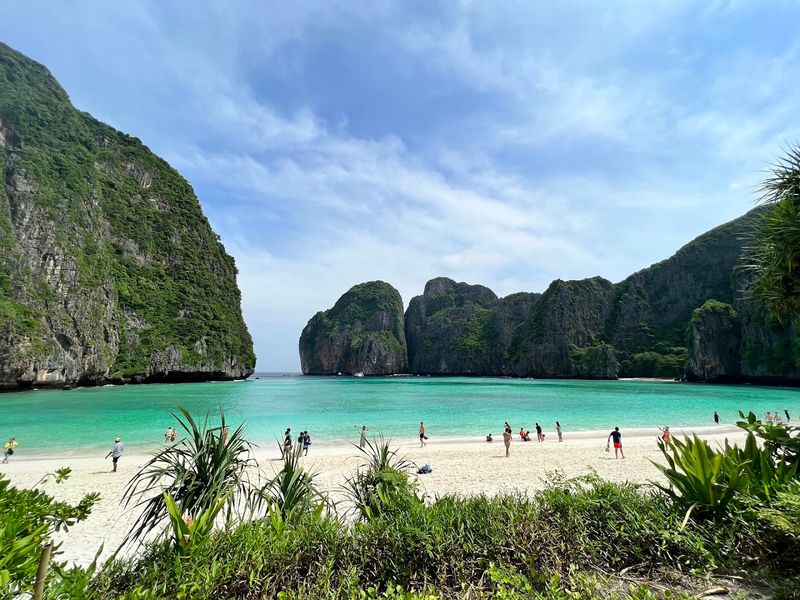
Maya Bay became globally famous after appearing in the 2000 film The Beach, and the attention nearly destroyed it. The small cove on Koh Phi Phi Leh saw so many visitors that its coral reef was severely damaged, and Thai authorities made the difficult decision to close it entirely in 2018 to allow recovery.
The bay reopened in 2022 with new rules, including limits on visitor numbers and a ban on boats anchoring in the shallows. The coral has shown encouraging signs of regrowth, which is genuinely good news.
However, managing the balance between conservation and tourism remains an ongoing challenge that authorities continue to navigate carefully.
Visitors today report a more controlled and quieter experience than before the closure, though busy periods still bring noticeable crowds. Snorkeling in the area is now more rewarding as marine life returns.
Exploring lesser-known coves around Krabi or the Trang Islands offers equally stunning scenery with far fewer visitors competing for the same stretch of sand.
11. Stonehenge, England
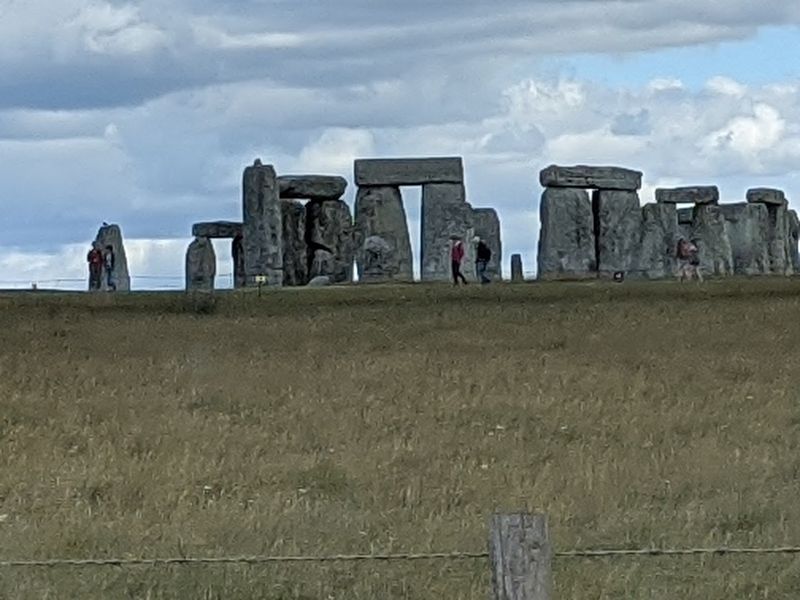
Stonehenge has fascinated people for thousands of years, and the mystery surrounding its construction still sparks genuine wonder. Standing stones weighing up to 25 tons were somehow transported and arranged with remarkable precision by people who had no modern tools.
That achievement alone makes the site worth learning about.
Visiting in person, however, leaves many travelers underwhelmed. Visitors are not allowed to walk among the stones and must view them from a roped path that keeps everyone at a respectful distance.
The surrounding landscape is flat and often gray, and the nearby road adds a modern intrusion that photographs rarely show.
The visitor center does an admirable job of explaining the history and significance of the site, and the audio guide is genuinely informative. Sunrise visits during the summer solstice allow closer access, though those events draw large crowds of their own.
Avebury, located just a short drive away, has equally ancient standing stones that visitors can actually touch and walk among freely.
12. The Leaning Tower of Pisa, Italy
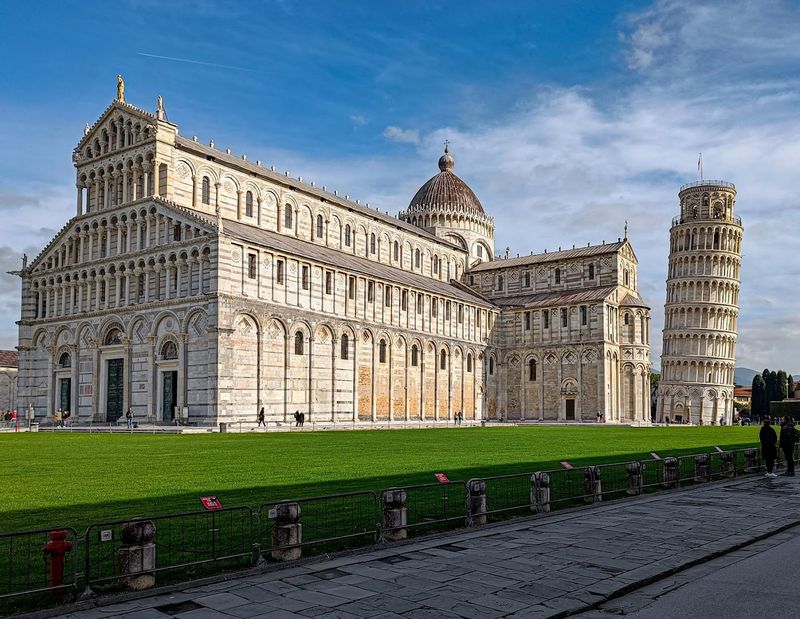
Pisa’s famous tower has inspired millions of identical photographs of tourists pretending to hold it up with their hands. The pose is so universal it has become a cliche, which says something about how the entire experience has come to feel.
People arrive, take the photo, and leave, often within an hour, without discovering what else Pisa has to offer.
The tower itself is genuinely impressive as an architectural curiosity and a lesson in medieval engineering ambition. It began tilting during construction in the 12th century due to soft soil on one side, and engineers have been managing that lean ever since.
The surrounding Cathedral Square also contains beautiful structures that rarely receive the attention they deserve.
Pisa has a lively university town atmosphere with excellent local restaurants and far fewer tourists just a few streets away from the tower. Spending an afternoon wandering the riverside neighborhoods gives a much richer sense of the city than the standard photo stop ever could.
13. Waikiki Beach, Hawaii
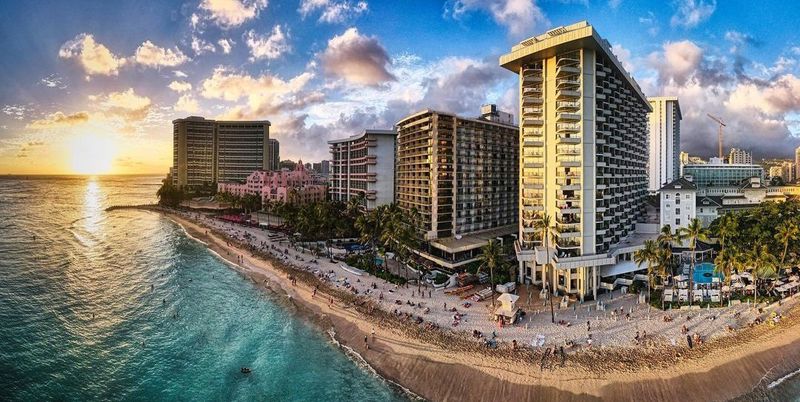
Hawaii is paradise, and nobody is really arguing against that. But Waikiki specifically has become so developed and so densely packed with visitors that the experience can feel more like Miami Beach than a remote Pacific island escape.
The stretch of sand is beautiful, yet finding a comfortable spot during peak season requires either early arrival or serious patience.
High-rise hotels lining the beach cast shadows across the sand in the afternoon, and the surrounding streets are filled with luxury shops and chain restaurants at elevated island prices. The surf is genuinely fun for beginners, and the warm, clear water is hard to argue with.
Still, the volume of people in and around the water can take away from the experience.
Hawaii’s other islands offer remarkable alternatives for travelers seeking a less commercial atmosphere. Kauai’s Na Pali Coast, the Big Island’s volcanic landscapes, and Molokai’s quiet beaches all provide unforgettable experiences with a fraction of Waikiki’s crowd density and commercial noise.
14. Charles Bridge, Prague
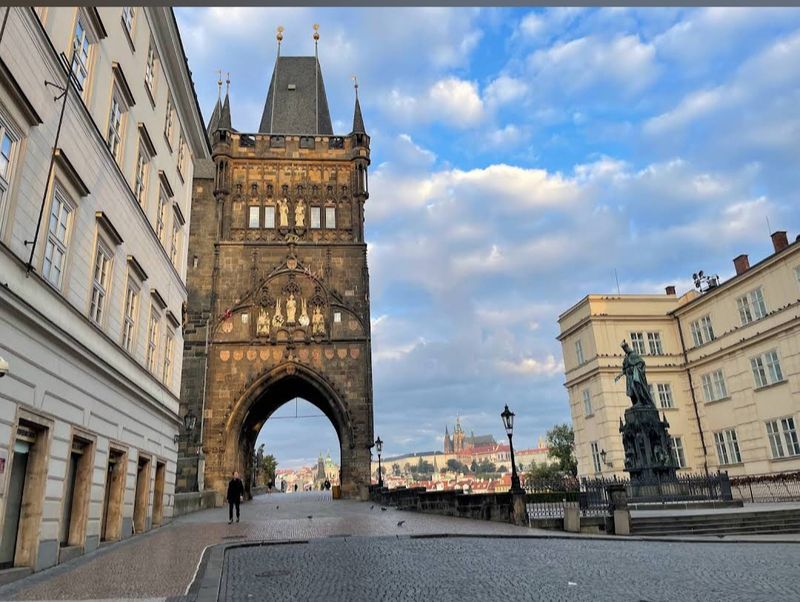
Prague is one of Europe’s most beautifully preserved medieval cities, and Charles Bridge is its crown jewel. Built in the 14th century and lined with dramatic baroque statues, the stone bridge crossing the Vltava River genuinely earns its reputation as one of the continent’s most atmospheric landmarks.
The problem is that almost everyone visiting Prague wants to stand on it at the same time.
By mid-morning, the bridge fills with tourists, portrait artists, souvenir vendors, and musicians all competing for the same narrow stone walkway. Moving across it during peak hours requires navigating a slow shuffle rather than a stroll.
The views from the bridge are spectacular, but the congestion makes it hard to pause and take them in properly.
The solution is simple and very effective: wake up early. Crossing Charles Bridge at sunrise, when the city is still quiet and the morning light turns the river gold, is one of the most genuinely magical experiences Prague offers.
It takes only a small adjustment in schedule to transform the experience completely.
15. The Blue Lagoon, Iceland
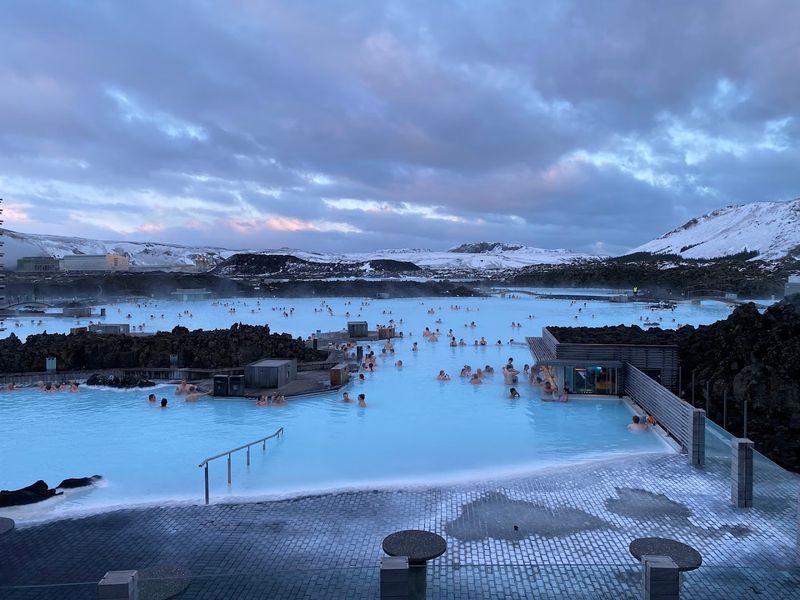
Iceland’s Blue Lagoon became one of the world’s most photographed spa experiences, and the images are genuinely striking. Milky blue geothermal water set against black lava fields creates a landscape that looks almost otherworldly.
But the experience has changed significantly as global tourism to Iceland surged over the past decade.
Admission prices have climbed sharply, with premium packages now costing well over a hundred dollars per person. Advance booking is required, sometimes weeks or months ahead during busy periods.
Once inside, the lagoon can feel more like a crowded water park than a serene natural retreat, with visitors packed together in the steaming water.
Iceland has dozens of smaller, less commercialized hot springs that offer a more authentic geothermal experience. The Secret Lagoon in Fludir and the Myvatn Nature Baths in the north provide similar warmth and scenery at a lower cost and with noticeably fewer visitors.
For travelers willing to explore beyond the famous name, the reward is considerable.
Share this story