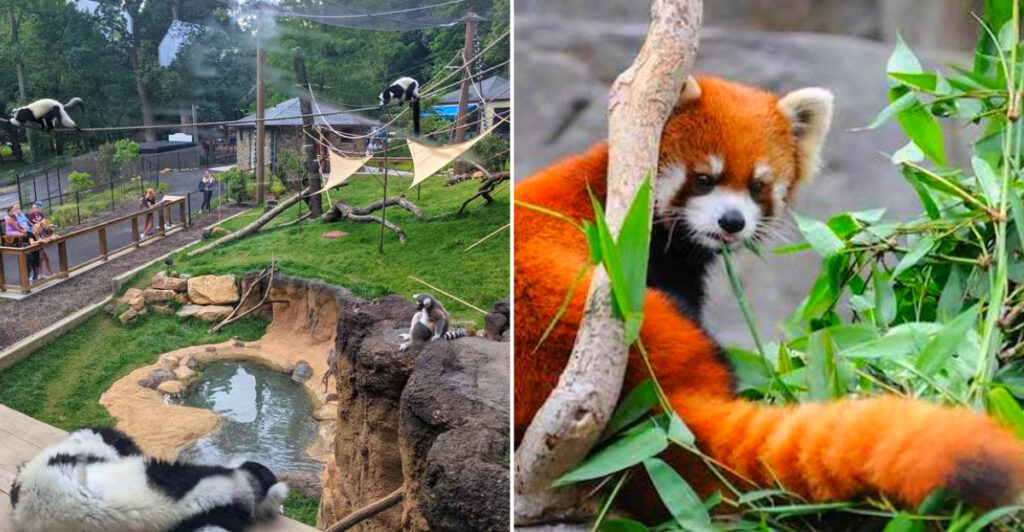
The Brandywine Zoo proves that bigger is not always better. Nestled along the Brandywine River in Wilmington, this longtime Delaware attraction has been welcoming visitors since 1905 and remains one of the state’s most beloved family destinations.
Despite its compact size, the zoo is home to a diverse collection of animals, including red pandas, giant anteaters, and other species from around the world. Beyond the exhibits, the zoo plays an active role in conservation and education, giving visitors a chance to learn about wildlife while enjoying a scenic setting in the heart of the city.
It’s a place that combines history, family fun, and animal encounters in a way that continues to delight generation after generation.
A Zoo With Deep Roots and a Riverside Address
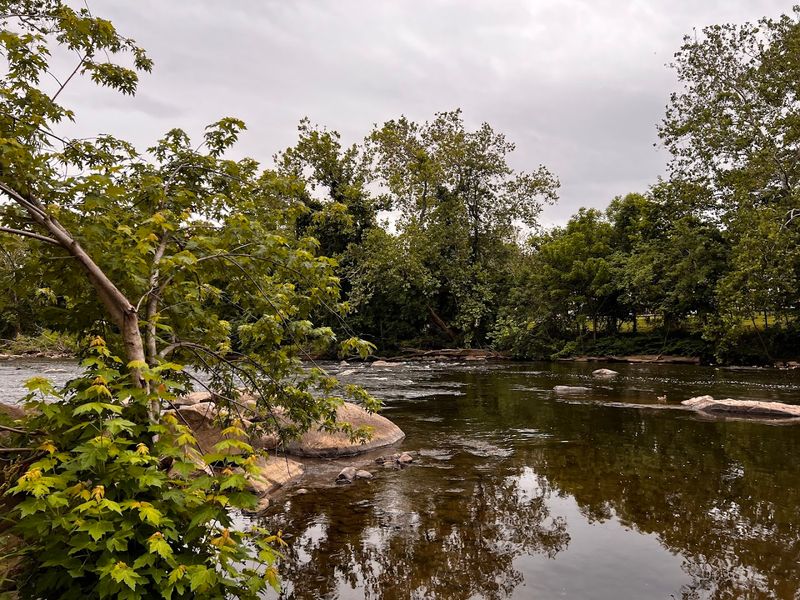
The address is 1001 N Park Dr, Wilmington, DE 19802, and the setting alone is worth the trip. Brandywine Zoo sits inside Brandywine Park, a green ribbon of land that hugs the Brandywine River on the northern edge of the city.
The park itself has a long civic history, and the zoo occupies a corner of it that once served as a public amphitheater. Historical figures like Henry Clay and Daniel Webster reportedly spoke on that very ground before animals took center stage.
The zoo officially opened in 1905 after Dr. James H. Morgan donated animals to start the collection in 1904, making 2025 its 120th anniversary.
Managed by the Delaware Division of Parks and Recreation and supported by the Delaware Zoological Society, it carries real institutional weight despite its modest footprint. The river views and park surroundings give the whole visit a relaxed, almost strolling-through-a-nature-trail feel that bigger zoos rarely manage to replicate.
How 4.7 Acres Became a Beloved Institution
Most people assume a great zoo needs dozens of acres, but this one proves that assumption wrong every single day. The entire property covers just 4.7 acres, making it one of the more compact accredited zoos in the country.
That accreditation matters more than it might seem. The Association of Zoos and Aquariums has recognized Brandywine Zoo continuously since 1986, which means it meets strict standards for animal care, conservation, and education.
Not every small zoo can say that.
The zoo went through a tough stretch in the 1960s when attendance dipped and interest waned, but a Children’s Zoo built in the 1950s around Mother Goose characters kept families coming through the gates. Significant renovations in the 1980s helped modernize the experience and restore its reputation.
Today, the zoo is organized into regional exhibits covering Asia, Africa, Madagascar, North America, and South America, turning a short walk into a surprisingly global journey that keeps visitors genuinely engaged from start to finish.
The Animals That Make Jaws Drop on a Regular Basis
Few animals stop visitors cold the way the giant anteater does. Seeing one up close, with that impossibly long snout and slow, deliberate walk, is a genuinely striking experience that most people never forget.
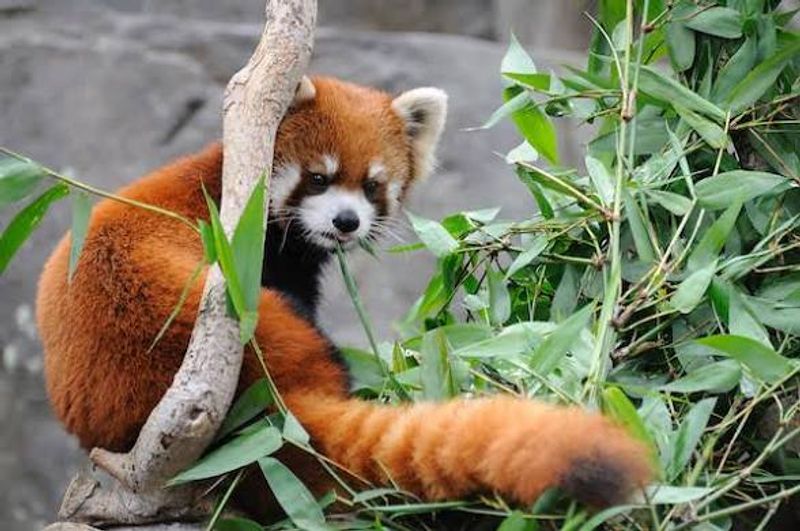
Beyond the anteater, the collection includes red pandas, Andean condors, ring-tailed lemurs, black and white ruffed lemurs, crowned lemurs, capybaras, tamarins, and pudu, which hold the title of world’s smallest deer species. That range across one small property is genuinely impressive.
A crowned lemur infant was born on May 18, 2026, adding a meaningful conservation milestone to the zoo’s record. Bald eagles and bobcats round out the North American section, while the reptile exhibit and bee exhibit add variety that keeps even repeat visitors finding something new.
The animals here are described consistently as lively and well cared for, and the enclosures are clean and thoughtfully designed. There is always something worth watching, no matter which corner of the zoo you wander into first.
What a New Multi-Species Habitat Means for the Zoo’s Future
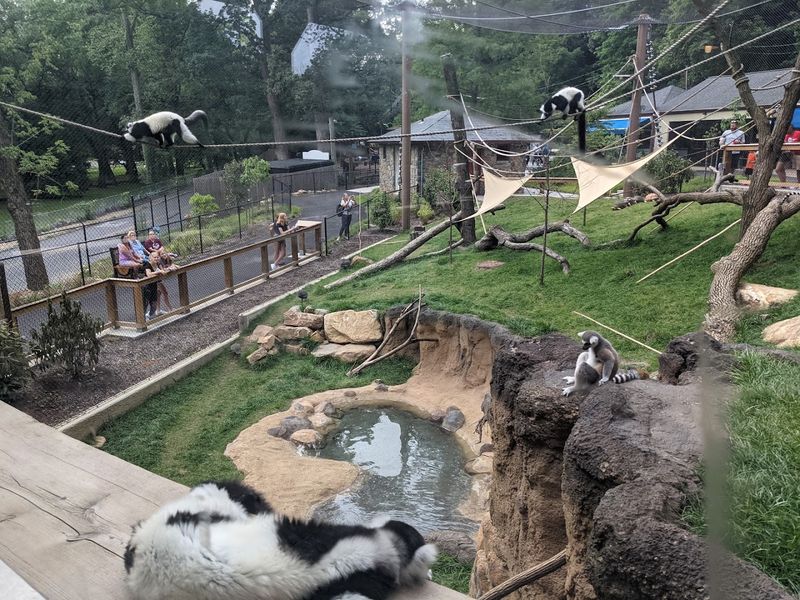
The zoo is not standing still. A brand-new multi-species habitat is scheduled to open in early July 2026, and the excitement around it is very real among regular visitors and animal enthusiasts alike.
The new space will house golden lion tamarins, white-faced sakis, cotton-top tamarins, porcupines, Patagonian mara, and red-footed tortoises all sharing one dynamic environment. It will also bring back squirrel monkeys, which longtime visitors will remember fondly.
On top of that, the transition from a North American to an African flight exhibit will introduce Abyssinian ground hornbills, a species that most American zoo visitors have never encountered. This kind of thoughtful expansion shows that Brandywine Zoo is actively growing its collection in ways that prioritize both conservation value and visitor experience.
The fact that the zoo is doing all of this while still welcoming guests during construction, and offering discounts to acknowledge the inconvenience, says a great deal about how the staff thinks about the people who show up every day.
Conservation Work That Goes Far Beyond the Fences
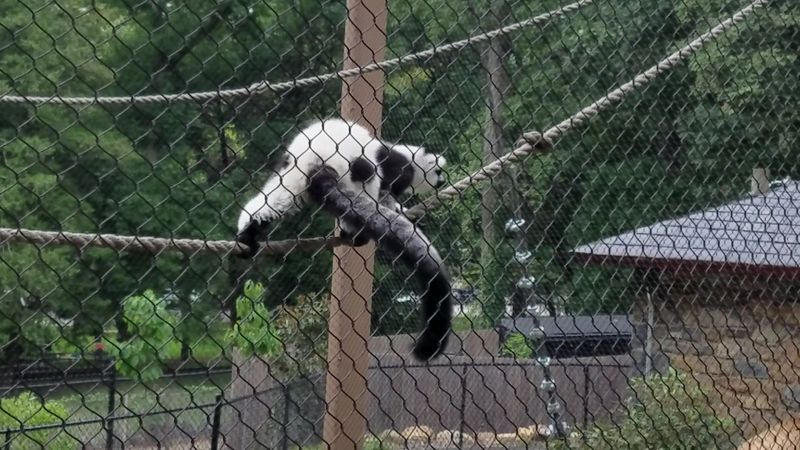
A lot of small zoos talk about conservation but keep it mostly decorative. Brandywine Zoo actually participates in the AZA Species Survival Plan, which coordinates breeding programs for endangered and threatened species across accredited institutions nationwide.
The zoo is also involved in the Delaware Kestrel Partnership and several AZA SAFE programs, which stands for Saving Animals From Extinction. These are not symbolic gestures but active field and breeding commitments that contribute real data and real animals to recovery efforts.
Educational programs like Little Nature Explorers for children aged two to five bring conservation thinking directly to the youngest visitors before they even start school. Keeper Talks, Creature Features, and Storytime sessions add layers of learning throughout the regular visiting day.
The staff in enclosures, actively feeding animals and answering questions from curious visitors, creates an atmosphere where conservation feels tangible rather than distant. This is one of the less obvious reasons why the zoo earns such loyal repeat visitors across multiple generations of Delaware families.
The Visitor Experience From the Moment You Arrive
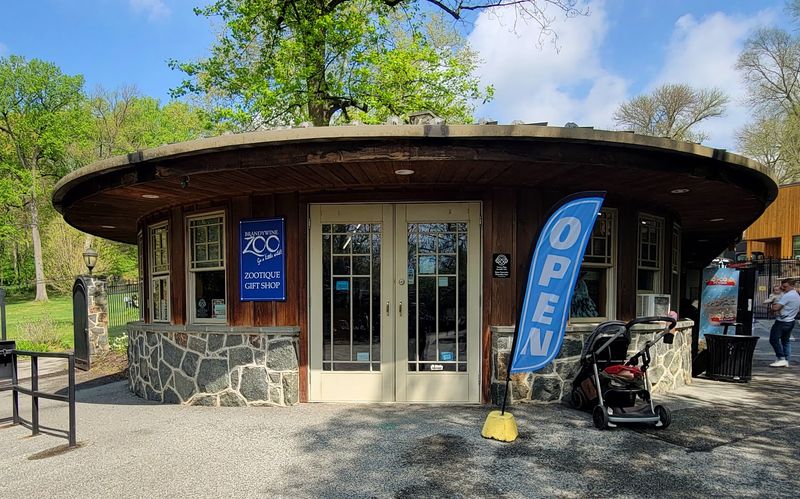
Free parking along Brandywine Park is one of those small details that sets the tone immediately. There is no stressful hunt for a spot or a parking fee stacked on top of admission, which feels like a genuine kindness in 2025.
The zoo opens at 10:00 AM every day and closes at 4:00 PM, with last admission at 3:30 PM. Admission prices are notably reasonable, with adults around seven dollars, seniors at six, and children between three and seventeen at five dollars.
Children two and under get in free.
The zoo is wheelchair and stroller accessible, though a few sloped areas can be tricky. It is also a KultureCity certified Sensory Inclusive location, which means families with sensory-sensitive members can request specific resources to make the visit more comfortable.
Most people complete the full loop in 45 minutes to an hour and a half, depending on how long they linger at each exhibit, which makes it a perfect half-day outing without any pressure to rush.
Food, Snacks, and the Case for Bringing Your Own Picnic
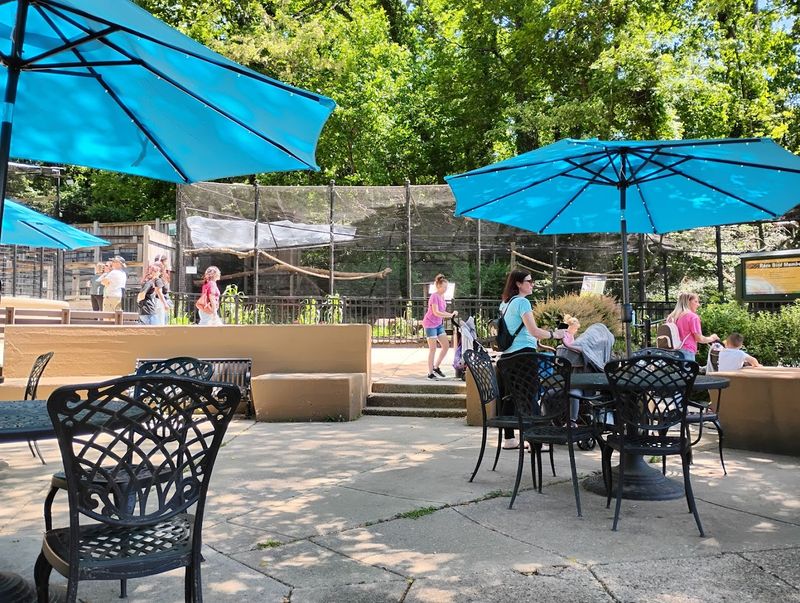
The zoo has a snack bar on site, but its hours are not always consistent, particularly on weekday mornings when foot traffic is lighter. A soft pretzel from the concession stand on a good day is reportedly worth tracking down, but planning around it being open is a bit of a gamble.
The smarter move, especially for families visiting on a weekday, is to pack a picnic. Brandywine Park wraps around the zoo with open green spaces and benches near the river, making post-zoo lunch feel like an extension of the experience rather than an afterthought.
Vending machines are available as a backup, and the gift shop offers a fun browsing stop before or after the animal exhibits. The shop has a range of souvenirs and educational toys, though some of the smaller packaged items have drawn the occasional complaint about value.
Either way, the park setting is genuinely lovely for a relaxed meal, and the river backdrop makes even a simple sandwich feel like a proper outing worth savoring.
Why Winter Visits Deserve a Spot on Your Calendar
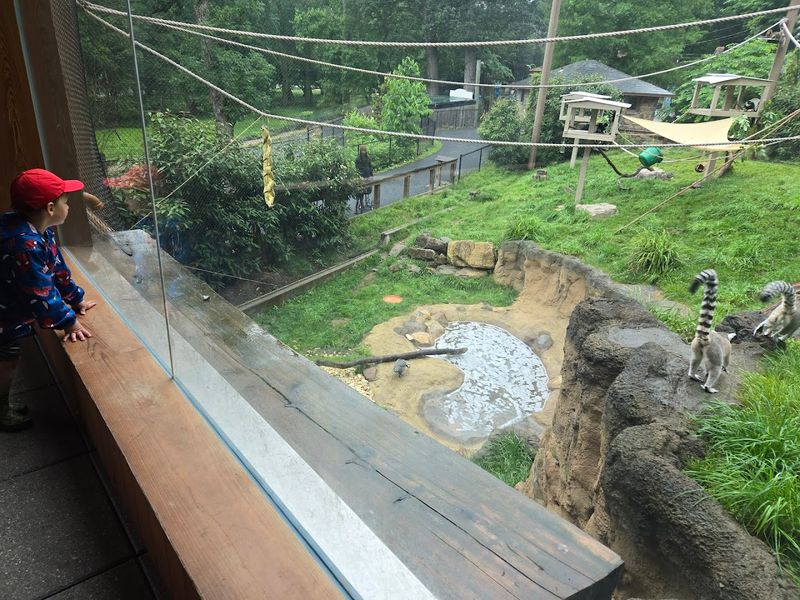
Most people assume summer is the best time to visit a zoo. At Brandywine, the case for a winter visit is surprisingly strong, and not just because admission is free between December and March.
The crowds thin out dramatically in the colder months, which means more time at each enclosure, quieter paths, and a noticeably more relaxed atmosphere overall. Keepers are often more available for questions when the zoo is not packed, turning a casual visit into something closer to a private tour.
Not every animal is on display in winter, and the chill requires a warm coat and some patience, but the animals that are visible tend to be more active in cooler temperatures. Red pandas, for example, are far livelier in the cold than during the heat of summer.
Arriving right at opening gives the best chance of catching feeding routines and keeper interactions, which add genuine texture to the visit. Winter at this zoo is genuinely its own kind of charming experience worth experiencing at least once.
Events and Programs That Turn a Visit Into a Memory
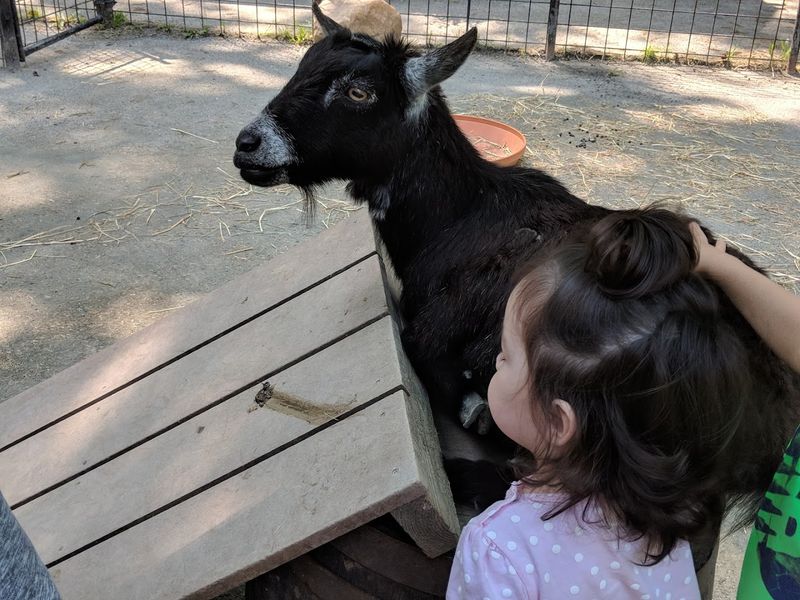
Beyond the daily animal exhibits, the zoo runs a calendar of events that give families a reason to come back throughout the year. Family Fun Night offers reduced admission and discounted food, making it one of the more popular recurring events for local households on a budget.
Zoo Tunes brings a musical element to the park setting, while Keeper Talks and Creature Features give visitors structured moments of learning that do not feel like a classroom. Storytime sessions are especially popular with younger children who are just beginning to connect with the natural world.
The nature playground near the zoo gives kids a place to burn energy after the animal exhibits, and the education building hosts programs that go deeper than what a standard zoo visit provides. The stage area within the zoo is set up for public demonstrations, which means even a spontaneous weekday visit can include an unplanned show.
These layered experiences are a big part of why so many Wilmington families return here season after season without the visit ever feeling routine.
The Staff That Makes This Zoo Feel Like a Community
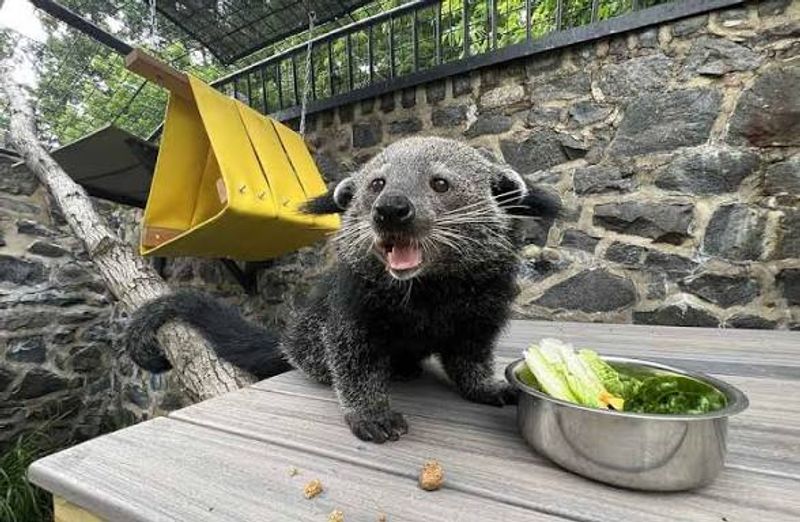
One of the most consistent things visitors mention about this zoo is the staff. Not in a vague, polite way, but with specific observations about keepers working inside enclosures, answering questions mid-task, and treating every curious visitor like their question actually matters.
That kind of accessibility is rare at larger institutions where staff and visitors are more separated. Here, the scale of the zoo makes it possible to have genuine, unscripted conversations with the people who care for the animals every day.
The petting area, which features friendly goats with dedicated staff present, is a good example of how the zoo uses its size as an advantage. The animals get individual attention, and so do the visitors.
Children who might feel overwhelmed at a massive zoo with long distances and enormous crowds tend to thrive in this environment. The human element here is not a bonus feature but one of the core reasons the zoo has maintained its reputation and its community loyalty across more than a century of operation.
The Barnyard, the Goats, and the Joy of Slowing Down
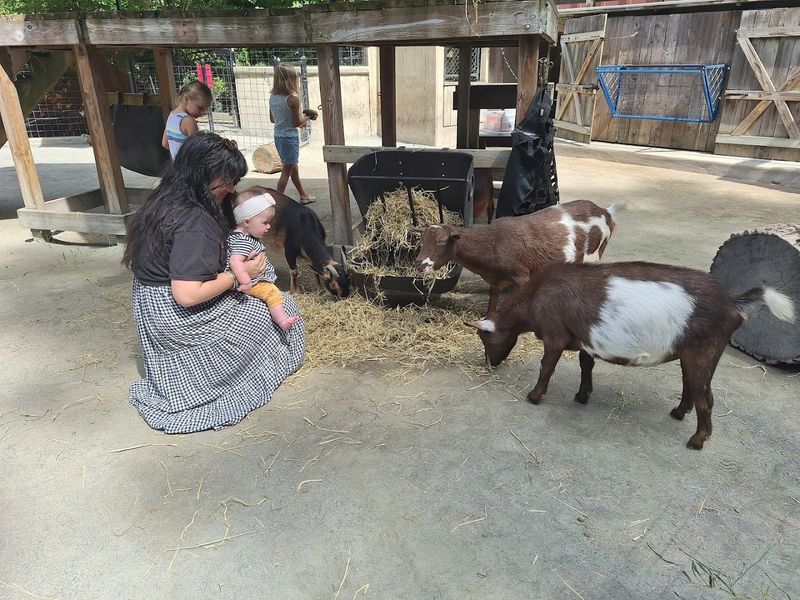
The barnyard section at Brandywine Zoo is one of those areas that quietly becomes a highlight for families who did not expect it. The goats there are famously curious and interactive, often approaching visitors with the confidence of animals that genuinely enjoy human company.
Having dedicated staff in the petting area means the interactions feel safe and supervised without being stiff or scripted. Kids who are nervous around larger animals tend to warm up quickly with the goats, and that first confident moment of connection can shift the entire tone of a family visit.
The barnyard also serves as a nice change of pace from the more exotic exhibits. After standing in front of a condor or an anteater, something as familiar as a goat nudging your hand can feel surprisingly grounding and joyful.
It is a reminder that not every memorable zoo moment requires a rare species. Sometimes the animal that lingers longest in a child’s memory is the one that decided to say hello first and stuck around long enough to make it count.
Why This Little Zoo Keeps Pulling People Back Decade After Decade
Some places earn loyalty through spectacle, and some earn it through something quieter and harder to define. This zoo belongs firmly in the second category.
It does not have elephants or lions or the kind of sprawling savanna exhibits that dominate the marketing of major metropolitan zoos.
What it has is consistency, genuine care, and a setting along the Brandywine River that makes every visit feel like a step outside ordinary life. Visitors who came here as children are now bringing their own kids and grandchildren, completing a generational loop that speaks louder than any marketing campaign could.
The AZA accreditation, the conservation programs, the knowledgeable staff, and the steady stream of new additions like the upcoming multi-species habitat all point to a zoo that is actively investing in its own future. At less than five acres and with ticket prices that remain genuinely affordable, it offers something that is increasingly rare: a real experience without the pressure of making it a major production.
That is the quiet, durable magic of Brandywine Zoo, and it shows no signs of fading anytime soon.
Share this story