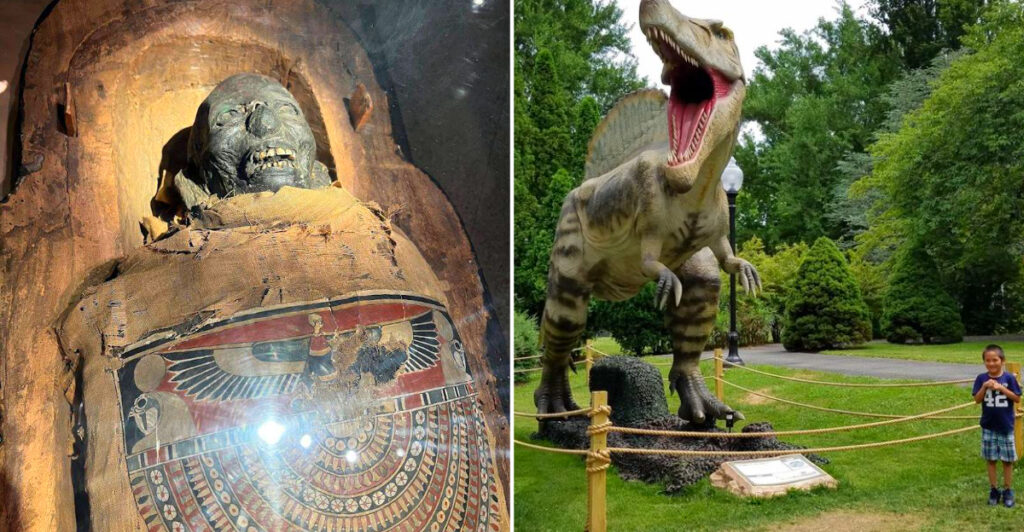
Few regional museums offer the range of experiences packed into this Reading destination. Under one roof, visitors can explore ancient artifacts, fine art collections, natural history exhibits, and even come face-to-face with a dinosaur skeleton, all before heading next door for a planetarium show.
The museum’s collection includes hundreds of thousands of objects spanning science, history, and culture, while rotating exhibits ensure there is always something new to discover. Beyond the galleries, a 25-acre arboretum adds another layer to the experience, making this far more than a typical museum visit.
Whether you’re interested in art, archaeology, astronomy, or family-friendly exploration, it’s one of Pennsylvania’s most surprisingly diverse cultural attractions.
Where to Find It and What to Expect When You Arrive
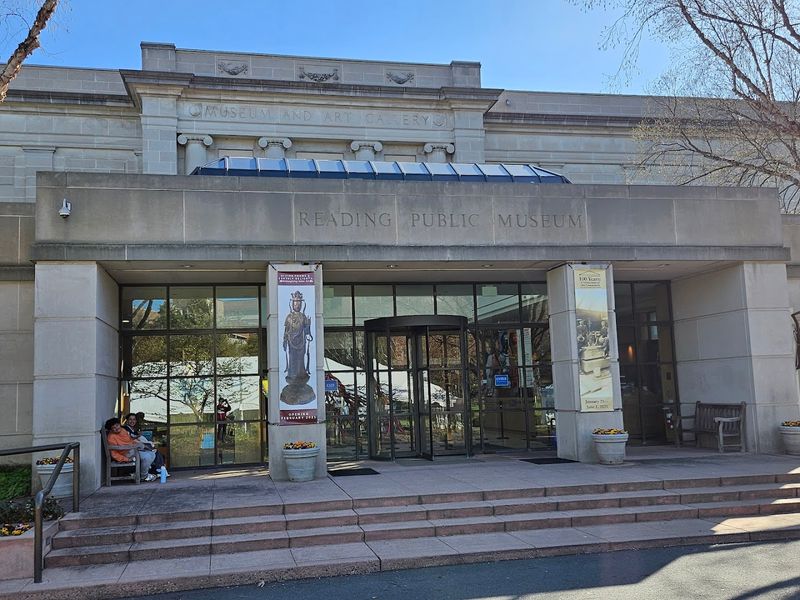
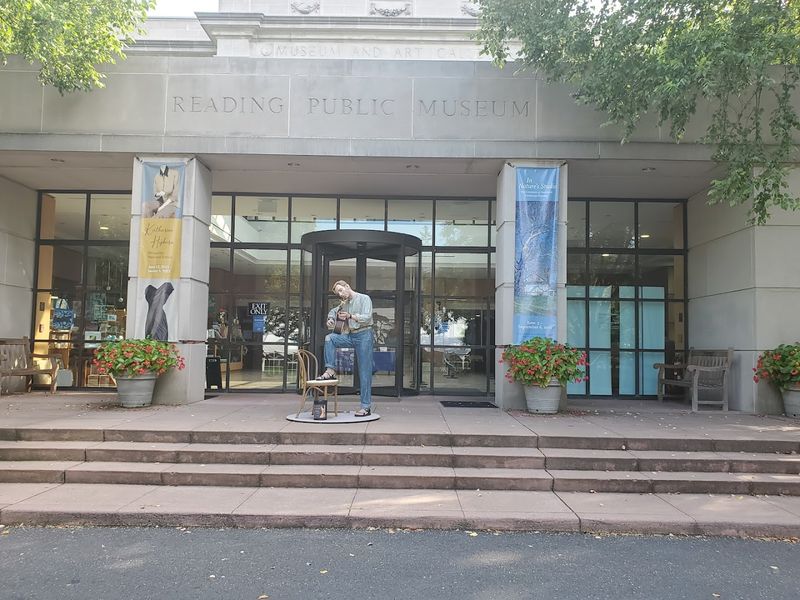
The Reading Public Museum sits at 500 Museum Rd, Reading, PA 19611, right along the edge of a quiet, tree-lined stretch that feels more like a park than a museum campus. The building itself is a handsome, older structure that hints at the collection inside without giving too much away.
The museum is open every day of the week from 11 AM to 5 PM, which makes planning a visit fairly simple. Admission is affordable, and tickets can be purchased online or at the door, so you do not need to stress about pre-booking unless a major traveling exhibit is in town.
Parking is available on site, though spots can fill up quickly during special events. Arriving close to opening time at 11 AM tends to give you the best shot at a calm, unhurried experience before school groups and weekend crowds arrive.
The staff at the front desk are consistently welcoming and happy to point you toward whatever interests you most.
Over a Century of Collecting Under One Roof
The Reading Public Museum was founded in 1904, which means it has been quietly accumulating remarkable things for well over a century. That kind of institutional patience shows in the depth and variety of what you find across its three floors.
The permanent collection now holds more than 300,000 artifacts covering art, scientific specimens, and cultural objects from around the world. For a regional museum in Pennsylvania, that number is genuinely impressive and reflects decades of careful acquisition and community investment.
What makes the history of this place feel alive is that it never stopped growing. New traveling exhibitions cycle through regularly, sitting alongside permanent galleries that have been refined and updated over the years.
The museum has managed to stay relevant precisely because it treats its founding mission as a living thing rather than a fixed point in the past. That combination of deep roots and ongoing curiosity is part of what gives the place its particular energy the moment you walk through the front door.
Three Floors of Art That Reward Slow Looking
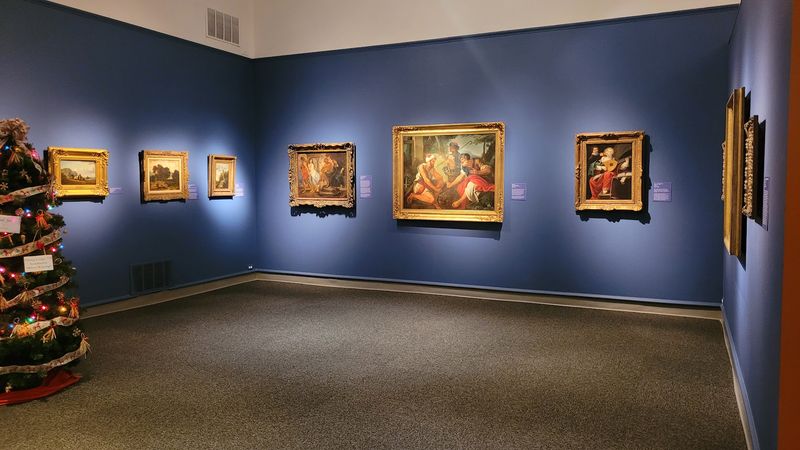
The art collection at the Reading Public Museum is the kind that rewards visitors who slow down rather than rush through. Spread across multiple galleries, it covers American, European, and Modern and Contemporary art with real depth, featuring works by artists including Edgar Degas, John Singer Sargent, and N.C.
Wyeth.
The European galleries feel especially satisfying, with paintings and sculptures spanning the 15th century to the present displayed in a way that makes the progression of styles feel logical rather than overwhelming. The American art section holds some genuine surprises, including large-scale landscape paintings that stop you in your tracks.
Traveling exhibitions rotate through the upper floors regularly, which means there is almost always something new to anchor a return visit. Past shows have included an Alphonse Mucha exhibition that drew visitors from well beyond the Reading area.
The gift shop near the exit carries cards, jewelry, and locally made crafts at prices that feel like a fair reward for the afternoon you just spent inside.
Ancient Civilizations and a Mummy Named Nefrina
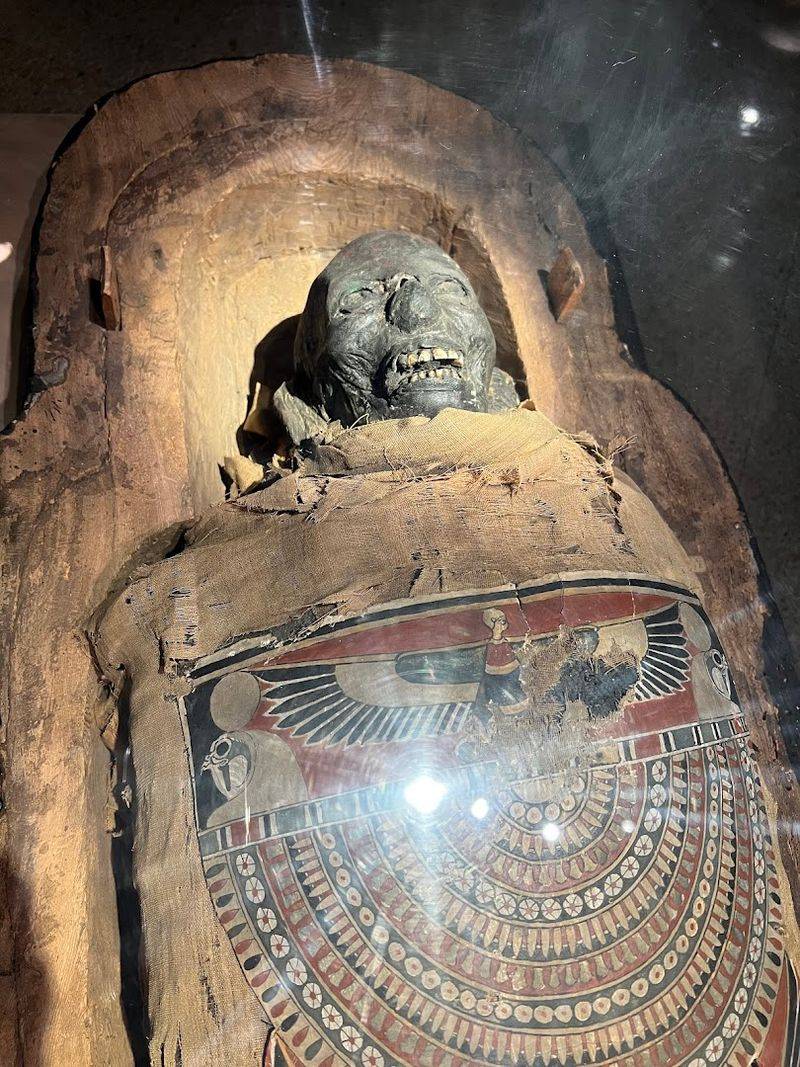
There is something undeniably thrilling about coming face to face with an Egyptian mummy in the middle of Pennsylvania, and the Reading Public Museum delivers exactly that. The mummy on display is named Nefrina, and she has been drawing curious visitors to this corner of the first floor for years.
Nefrina is not the only ancient world treasure here. The same gallery features Greek vessels, Roman marbles, and a range of artifacts that trace the material culture of civilizations that existed thousands of years before anyone had ever heard of Berks County.
The curation in this section is thoughtful, with enough context provided through labels and displays that you come away with a genuine sense of what daily life and ritual looked like in these ancient societies. Kids tend to lock onto the mummy immediately, but adults often find themselves lingering longest over the smaller objects, the pottery and coins and carved stones that feel almost impossibly old to hold in your mind.
This gallery alone justifies the price of admission for a lot of visitors.
Arms, Armor, and the Weight of History
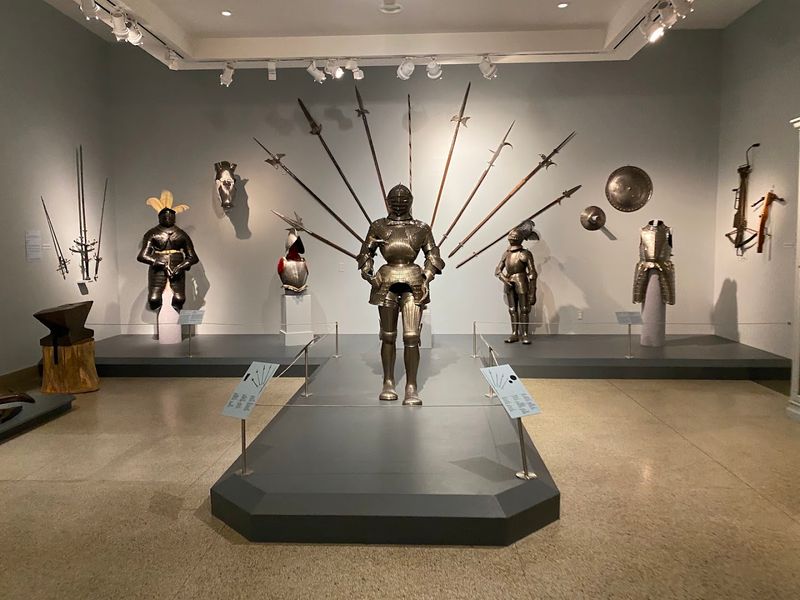
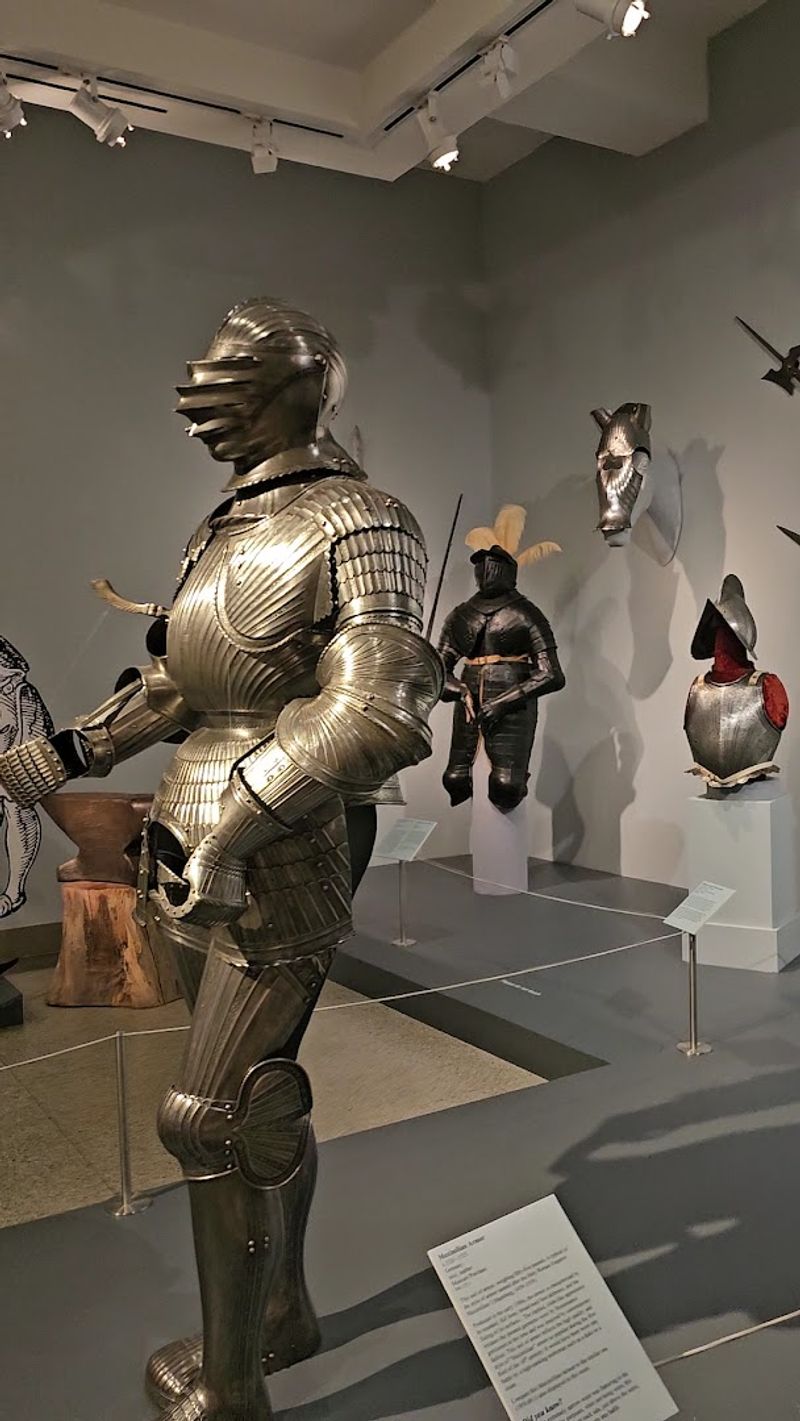
Few things in a museum stop a ten-year-old cold quite like a full suit of medieval armor, and the Reading Public Museum has an entire gallery dedicated to exactly that. The arms and armor collection draws from cultures around the world and spans several centuries of human conflict and craftsmanship.
European medieval pieces sit alongside items from Asia and the Americas, giving the gallery a genuinely global scope that feels unusual for a regional institution. Each piece carries a physical weight you can almost sense through the glass, a reminder that these were working objects made for real use rather than decoration.
The display cases are well organized and the labeling is clear enough that even younger visitors can follow along without needing a history degree. Adults who thought they were just tagging along for the kids often find themselves reading every panel in this section.
It is one of those galleries that quietly shifts your sense of what a place this size is capable of offering, and it hints at the natural history surprises waiting just around the corner.
Dinosaurs, Taxidermy, and Natural History Wonders
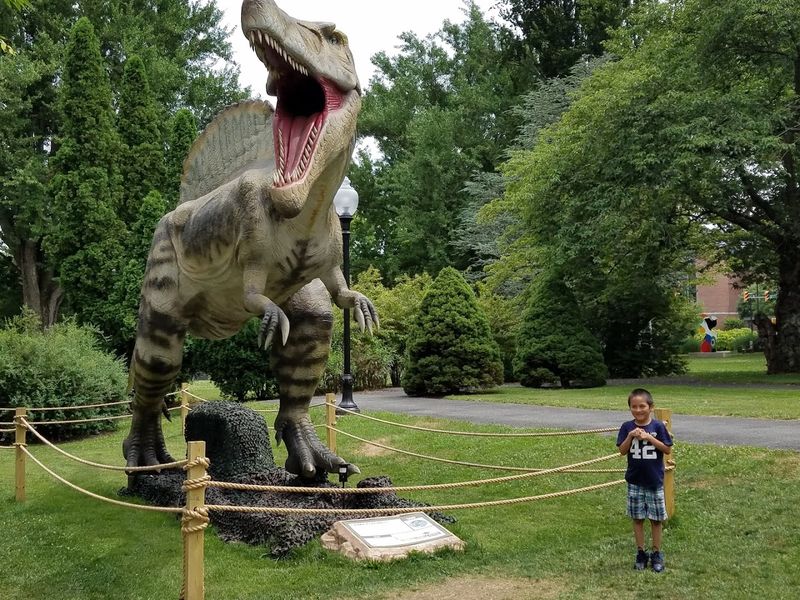
A dinosaur skeleton on the ground floor greets visitors early in their tour, and it sets the tone for a natural history section that punches well above its weight. The specimen is displayed with enough surrounding context to make it feel educational rather than purely decorative.
The taxidermy animal displays throughout the museum are another highlight that tends to surprise first-time visitors. The collection includes a wide range of species arranged in habitat-style groupings that give you a sense of ecological relationships rather than just isolated specimens.
There is a shrunken head in this section too, which has been drawing curious eyes for generations of visitors.
Recent interactive science exhibits have expanded on these permanent displays in creative ways. The “Nature All Around Us” exhibit incorporated digital integrations, 3D mapped projections, virtual reality, and games to explore local ecosystems.
Past shows like “Dinosaur Explorer” examined dinosaur physiology in ways that connected prehistoric life to the human body, which gave kids and adults alike a genuinely fresh perspective on familiar material.
The Neag Planetarium and Its Star-Filled Shows
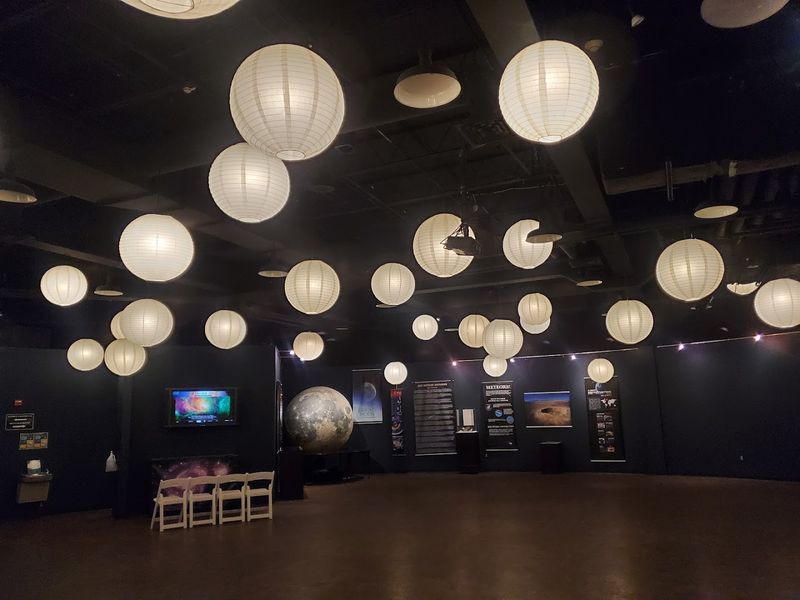
The Neag Planetarium sits in a separate building adjacent to the main museum, and it is one of the features that genuinely sets this place apart from most regional museums. The shows run daily and cover a solid range of astronomy topics, giving visitors multiple reasons to plan their visit around a specific screening time.
Current shows include titles like “Earth, Moon and Sun,” “Unseen Earth,” “Messengers of Time and Space,” and “Astronaut,” each designed to pull the audience into a different corner of the universe. The dome format creates an immersive experience that holds the attention of younger kids while still offering enough scientific substance to keep adults engaged.
The Friday night “Floyd Final Fridays” events combine Pink Floyd music with immersive visual art in the planetarium dome, creating an entirely different kind of evening for older visitors. Checking the planetarium schedule before your visit is worth the extra two minutes of planning, because catching the right show at the right time can easily become the highlight of the whole trip.
The stars wait for no one, after all.
Pennsylvania German Heritage and Native American History
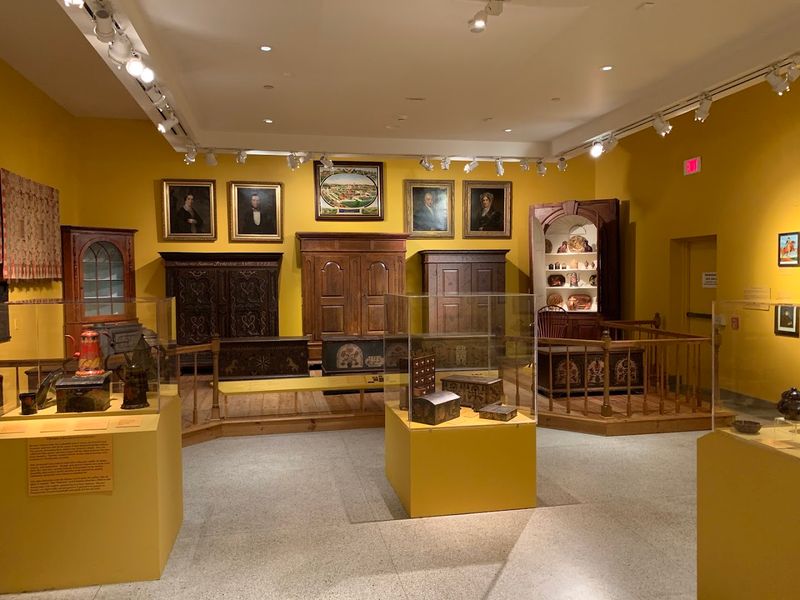
One of the more quietly rewarding corners of the museum is the section dedicated to Pennsylvania German culture and Native American history. These galleries bring a local and regional identity to a collection that also spans ancient Rome and medieval Europe, grounding the whole experience in the specific landscape and people of this part of the country.
The Pennsylvania German items include folk art, textiles, and everyday objects that reflect the practical creativity of the communities that shaped this region. The North American Indian artifacts collection covers a broad geographic and cultural range, presented with a respect for the complexity of indigenous history that goes beyond simple categorization.
The Native Peoples of Pennsylvania gallery has been noted by many visitors as one of the most interactive sections in the museum, with hands-on elements that help younger audiences connect with history in a physical way. This combination of local roots and broader cultural perspective is part of what gives the museum its distinctive character, and it rewards visitors who take time to read the smaller display labels rather than just scanning the larger objects.
Rotating Exhibits That Always Give You a Reason to Return
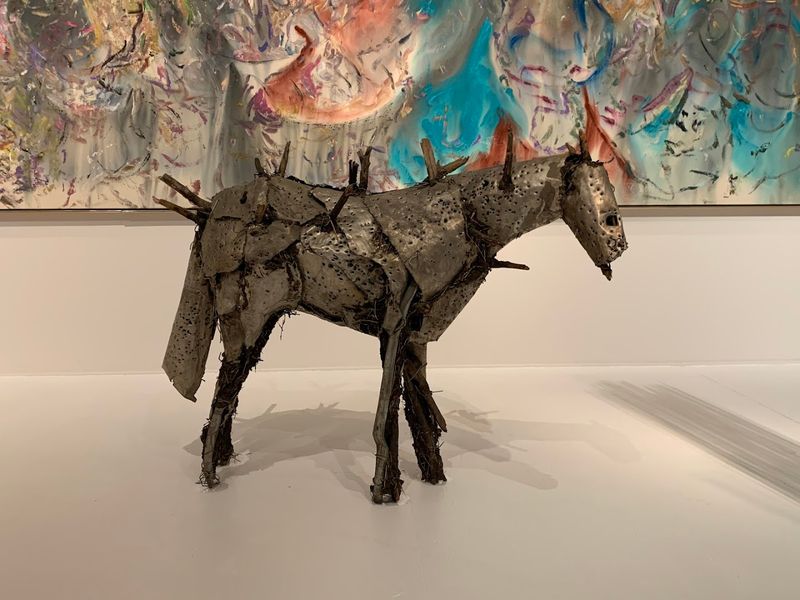
One of the smartest things the Reading Public Museum does is maintain a strong rotation of traveling and temporary exhibits that keep the experience fresh for repeat visitors. The permanent collection is excellent, but the rotating shows are what tend to generate the most excitement and draw people back season after season.
Past exhibits have covered an impressive range of themes including LEGOs, Hot Wheels, Teenage Mutant Ninja Turtles, Crayola, Thomas the Tank Engine, Shaun the Sheep, Mo Willems, Wild Kratts, and an elaborate Dragon exhibit that visitors still talk about. The common thread is that these shows are built with genuine interactivity in mind, not just things to look at but things to touch, build, and explore.
The museum also hosts special family events like “Putt-Putt in the Galleries” and “Brick Building Brunch” that turn a standard museum visit into something more like a full day out. Checking the events calendar before you go is a reliable way to catch something unexpected, and the membership options make frequent visits surprisingly affordable for local families.
The 25-Acre Arboretum That Extends the Adventure Outside
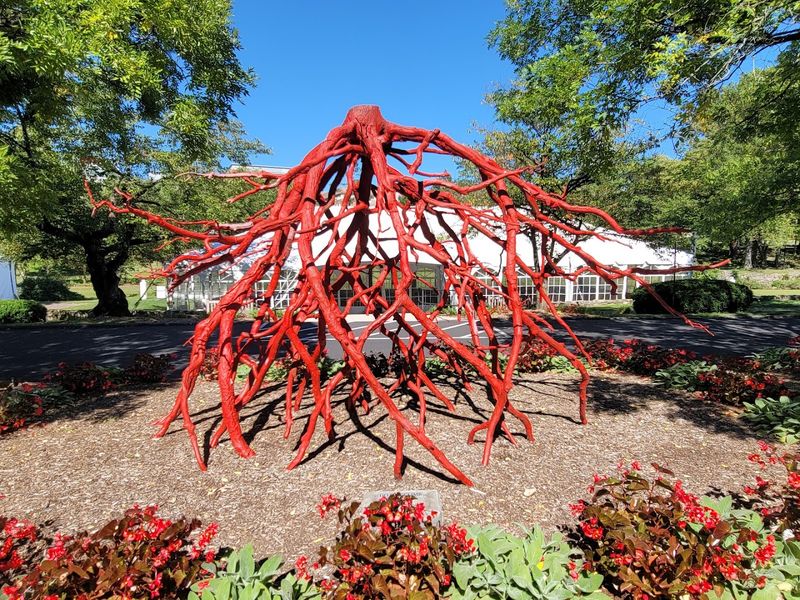
Most people do not expect a 25-acre arboretum when they show up at a regional art and science museum, and that gap between expectation and reality is one of the most pleasant surprises the Reading Public Museum has to offer. The outdoor grounds extend well beyond the building and include walking paths, bridges, a creek, and outdoor artworks placed throughout the landscape.
The arboretum connects to the Wyomissing Park trail system, which means a visit here can expand into a longer outdoor adventure if you have the time and energy for it. Picking up a map at the entrance before heading out is genuinely useful, since the grounds are large enough that wandering without one can leave you missing some of the best spots.
The arboretum is dog-friendly, which makes it a natural destination for families who want to bring the whole crew. On a clear day, the combination of mature trees, creek sounds, and scattered sculpture creates an atmosphere that feels like a reward in itself, separate from everything waiting inside the main building.
Accessibility, Sensory-Friendly Hours, and Inclusive Design
Accessibility at the Reading Public Museum goes beyond the standard ADA compliance checklist. The museum offers sensory-friendly guides and designated sensory-friendly hours, which make a real difference for families with children who experience sensory sensitivities or have autism spectrum needs.
The Mo Willems exhibit, for example, was noted by families as a particularly well-executed experience for children with limited visibility and Level 1 Autism, with staff who created a genuinely comfortable environment rather than just tolerating the presence of visitors with different needs. That kind of attentiveness is not always easy to find at cultural institutions, and it reflects a commitment to inclusive design that extends throughout the museum.
The three-floor layout is manageable and easy to navigate, and the overall flow of the building does not feel overwhelming even during busier periods. School groups move through in organized patterns that rarely block access for other visitors for long.
For families planning a first visit with children who have specific accessibility needs, calling ahead at 610-371-5850 is a reliable way to get tailored guidance from the staff.
Share this story