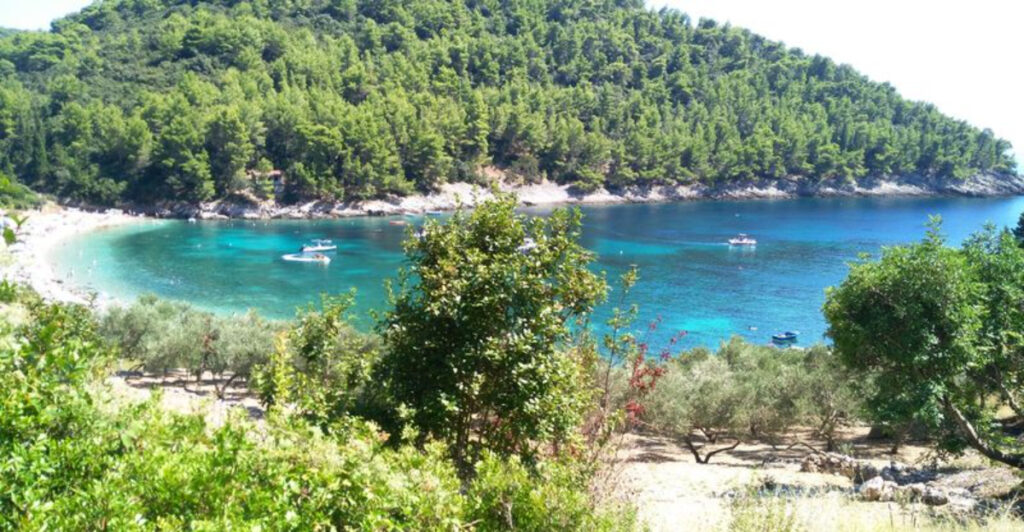
Most European beach guides point you straight to the same crowded hotspots, where sunbeds are stacked like sardines and the sea is barely visible through the selfie sticks. But Europe is hiding something far better: beaches so raw, remote, and ridiculously beautiful that they barely feel real.
From Albanian canyon coves to volcanic black sand in Madeira, these 15 spots reward the curious traveler who is willing to go just a little further off the map. Pack your hiking boots and a sense of adventure because these beaches are worth every extra step.
Gjipe Beach, Albania
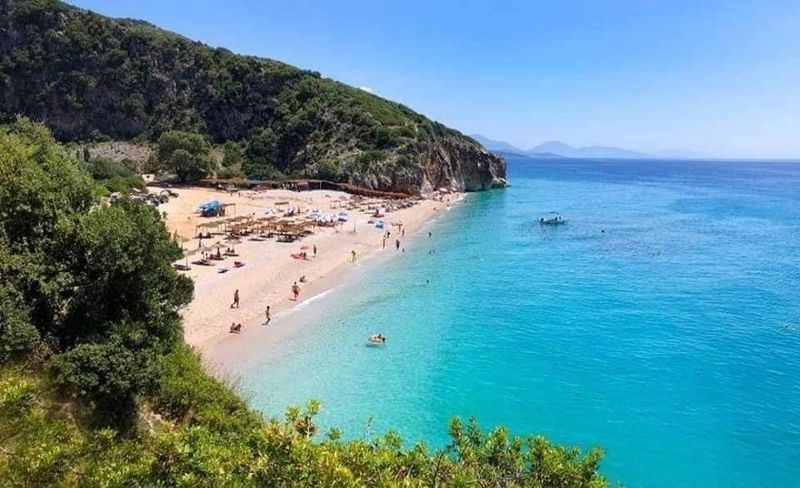
Albania’s best-kept secret has a canyon for a front door. Gjipe Beach sits wedged between towering limestone cliffs on the Albanian Riviera, and reaching it requires either a boat ride or a hike through the jaw-dropping Gjipe Canyon.
That hike is about 40 minutes of rocky terrain, but honestly, it works perfectly as a tourist filter.
Fewer than 100 people visit on a typical day, which is almost unheard of for a beach this stunning. The water shifts between shades of green and blue that seem too vivid to be natural.
There are no beach bars, no umbrella rentals, and absolutely no Wi-Fi.
Albania’s tourism has grown fast in recent years, so visiting sooner rather than later is smart. Bring your own water, snacks, and a good pair of shoes.
The reward is a wild Adriatic cove that feels entirely yours for the afternoon.
Praia da Ursa, Portugal
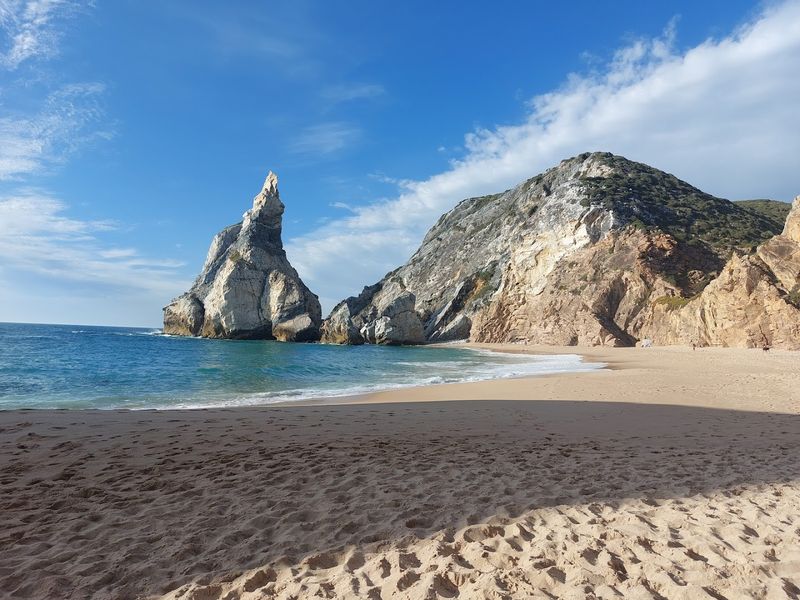
At the westernmost tip of mainland Europe, Praia da Ursa is the kind of beach that makes you feel like you have stumbled off the edge of the world. Giant sea stacks jut from the Atlantic like stone giants guarding the shore.
The waves crash hard here, so swimming is not always on the agenda, but standing there watching the ocean do its thing is honestly enough.
Getting down requires a steep, unmarked trail that is not for anyone who skips leg day. The path is slippery when wet, so solid footwear is non-negotiable.
Once you arrive, the reward is a stretch of wild sand almost entirely free of other visitors.
Cabo da Roca is nearby and worth a quick stop for the dramatic viewpoint and the bragging rights of standing at Europe’s western edge. Ursa is just down from there, hiding in plain sight below the cliffs.
Stiniva Beach, Croatia
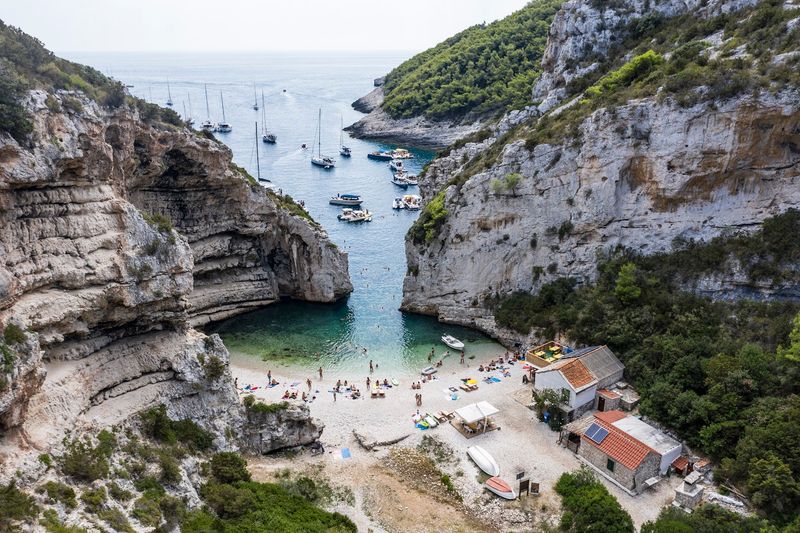
Stiniva is the beach equivalent of a secret handshake. Hidden inside a narrow crack in the cliffs of Vis Island, you can only enter through a gap so tight that the rock walls nearly touch above your head.
First time I squeezed through that passage, I half-expected to find a dragon guarding treasure on the other side.
What you actually find is a small, perfectly sheltered pebble cove with water so clear you can count the stones on the bottom from a boat. Vis Island itself is far less visited than Croatia’s mainland coast, which already gives Stiniva a head start on peace and quiet.
The beach gets busier in July and August, so arriving early or late in the day makes a real difference. Boat tours from Vis town include Stiniva as a stop, or you can hike down from the cliffs above.
Either way, the drama of the entrance never gets old.
Apella Beach, Karpathos, Greece
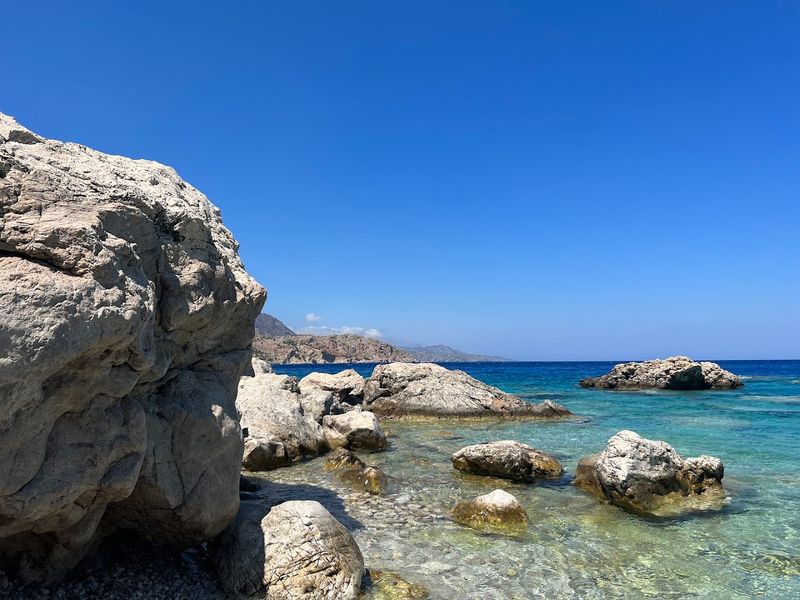
Karpathos is the Greek island that tourism forgot, which is great news for anyone who books a ticket there. Apella Beach sits on the northeastern coast, backed by pine-covered hills that roll straight down into some of the clearest water in the Aegean.
The color of that water is almost unfair to describe because no adjective does it justice.
Getting to Apella involves a short but steep dirt road, and many visitors arrive by boat from the nearby port of Diafani. Either way, the effort is minimal compared to the payoff.
The beach is pebbly, the shade is scarce, and the scenery is absolutely spectacular.
Karpathos also has a fascinating local culture, with the village of Olympos still maintaining traditional customs and dress that have survived for centuries. Combining a beach day at Apella with a visit to Olympos makes for one of the most rewarding day trips in all of Greece.
Kastos Island Beaches, Greece
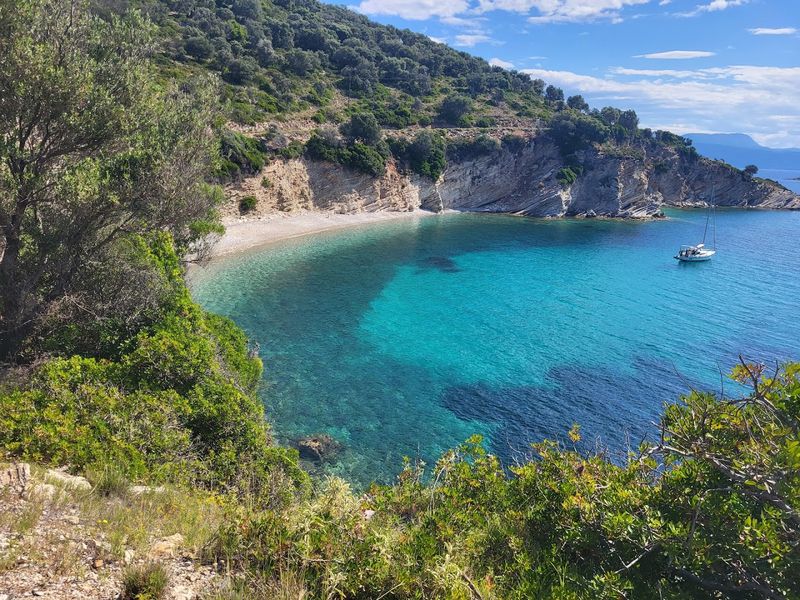
Fewer than 100 people call Kastos home year-round, and the island wears that tiny population like a badge of honor. This small Ionian island sits tucked between Lefkada and Kefalonia, and most tourists sailing through the region sail straight past it.
Their loss, honestly.
The beaches here, especially Limni, are the definition of undisturbed. Pebbled shores, crystalline water, and a complete absence of beach bars or sun lounger vendors make Kastos feel like a throwback to a simpler era of Greek island travel.
You bring your own everything and you love it.
The island has one small taverna and a handful of rooms to rent, which is all you need. Sailboats stop here regularly, so catching a lift from a neighboring island is possible if you ask around at the marinas in Lefkada.
Kastos rewards the traveler who genuinely wants to disappear for a few days.
Cala Goloritzé, Sardinia, Italy
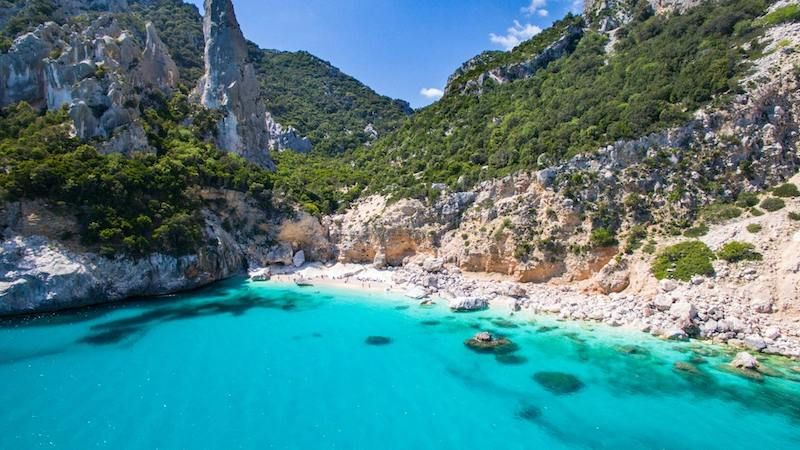
Cala Goloritzé has a UNESCO-protected status, and one look at it explains why someone decided to make that official. A soaring limestone pinnacle stands guard over a perfect turquoise cove on Sardinia’s eastern Ogliastra coast.
The whole scene looks less like a real place and more like a screensaver that someone forgot to log out of.
Access is deliberately limited. You can hike down from the Golgo plateau, a trail of about 45 minutes that winds through Mediterranean scrubland, or arrive by boat from Cala Gonone.
Daily visitor numbers are capped during peak season to protect the ecosystem, so booking ahead or arriving early is essential.
The water is extraordinary even by Sardinian standards, which is saying something. Snorkeling here reveals rocky seabeds teeming with marine life.
This is one of those rare beaches where the protection measures actually feel worth celebrating rather than complaining about.
Plage de l’Espiguette, France
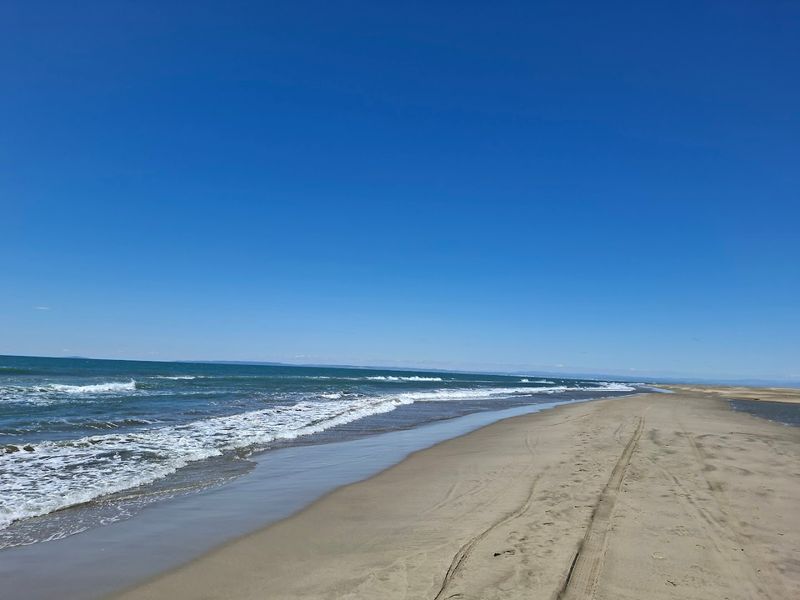
France has a beach that looks more like the Sahara than the Mediterranean, and it is hiding in plain sight in the Camargue. Plage de l’Espiguette stretches for kilometers along the Languedoc coast, backed by sand dunes that tower up to 10 meters high.
The scale of the place is almost disorienting after the cramped beaches of the Riviera.
Because the beach is so enormous, finding a completely private patch of sand is genuinely easy even in August. Walk 15 minutes from the parking area and the crowds thin out dramatically.
The sea here is shallow and warm, perfect for families or anyone who wants a relaxed swim without dodging inflatables.
The Camargue itself is famous for wild horses, flamingos, and rice paddies, making the surrounding area one of France’s most unusual landscapes. A day at Espiguette combined with a drive through the Camargue nature reserve turns a beach trip into something genuinely memorable.
Palmarola Island, Italy
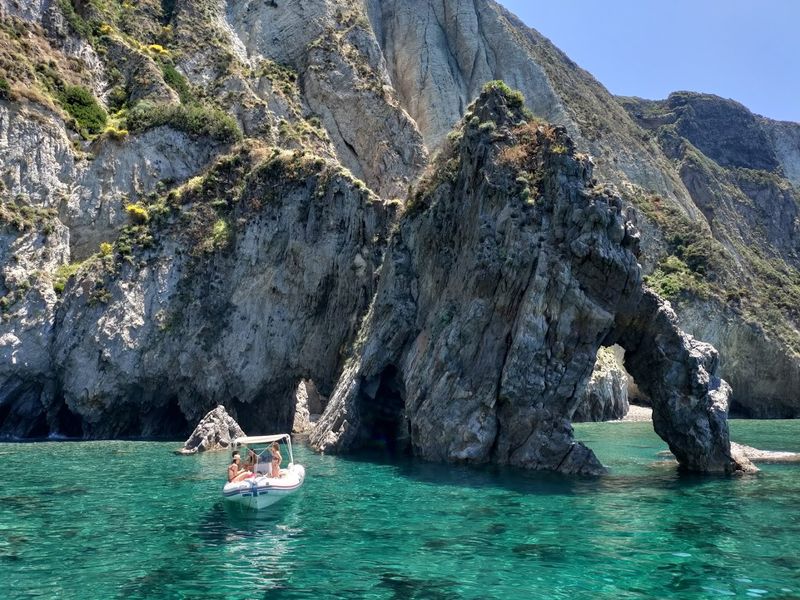
No roads. No hotels.
No problem. Palmarola is a tiny volcanic island off the coast of Lazio that you can only reach by boat from the nearby island of Ponza, and that inconvenience is precisely what keeps it wonderful.
The cliffs here are dramatic enough to make even experienced travelers stop mid-sentence and stare.
Sea caves cut into the volcanic rock at water level, and the water inside them glows with an eerie blue light on sunny days. Snorkeling around the island is among the best in the Tyrrhenian Sea.
A handful of wooden huts clinging to the cliffs serve simple food and cold drinks, which is the only concession to tourism the island makes.
Day trips from Ponza run regularly in summer, and some visitors anchor overnight on private boats. If you are chartering a sailboat around the Pontine Islands, Palmarola is a non-negotiable stop.
It is wild, weird, and utterly unforgettable.
Vladiča Beach, Montenegro
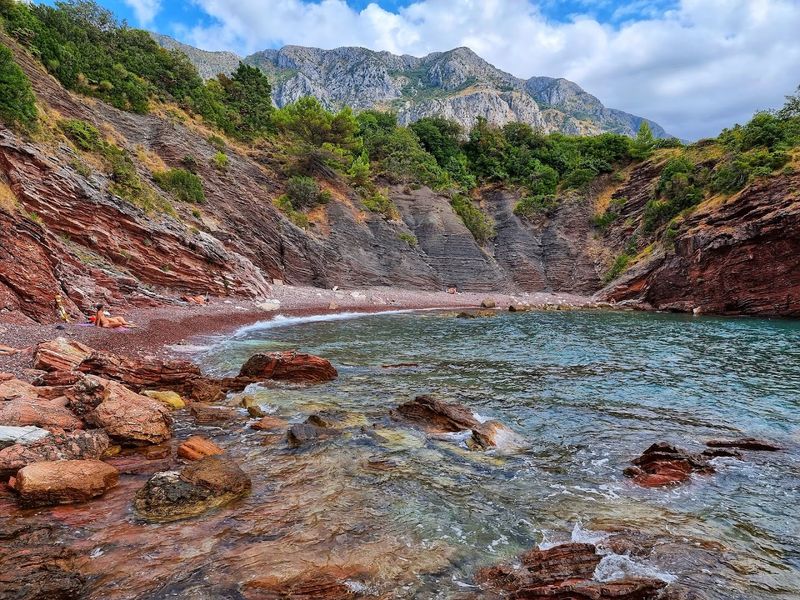
Montenegro’s coastline has been getting louder lately, with new resorts popping up faster than you can say “Adriatic riviera.” But Vladiča Beach has not gotten that memo yet, and long may it stay that way. This small cove sits near Ulcinj in southern Montenegro, reachable by a short walk or a quick boat ride from nearby beaches.
The surrounding scenery is classic Adriatic: rugged limestone, scrubby Mediterranean vegetation, and water that shifts from pale green to deep blue depending on where you stand. There are no facilities, which is either a dealbreaker or a selling point depending on your travel style.
Bring everything you need and plan to stay a while.
Montenegro is still one of Europe’s more affordable destinations, making it an excellent choice for travelers who want dramatic coastal scenery without the price tag of Croatia or Italy. Vladiča is the quiet bonus that rewards visitors who explore beyond the main beaches.
Cala del Moraig, Spain
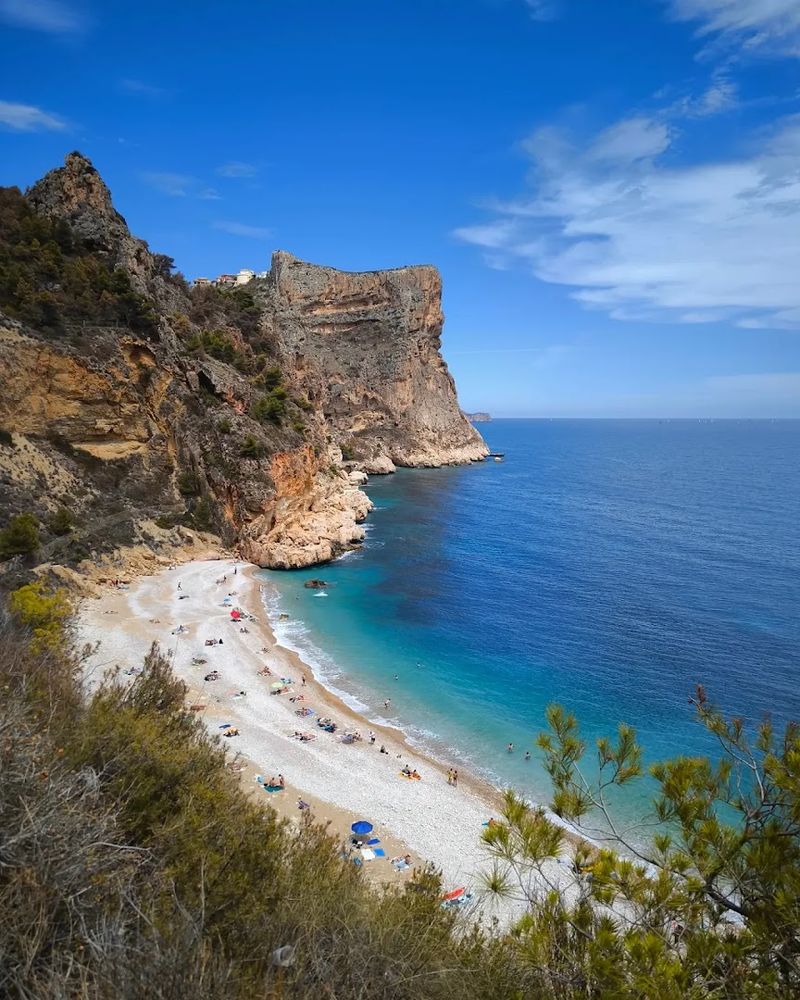
Spain’s Costa Blanca is usually associated with package holidays and all-inclusive resorts, which makes Cala del Moraig feel like a well-kept local secret. This striking cove near Benitatxell combines turquoise water with sheer white limestone cliffs and a sea cave large enough to swim through.
Yes, you can literally swim into a cave here.
The walk down from the car park takes about 20 minutes and passes through fragrant Mediterranean scrubland. The beach itself is a mix of pebbles and flat rock platforms, ideal for snorkeling directly from shore.
The marine life visible here is impressive, with octopus, grouper, and colorful wrasse all common sightings.
Cala del Moraig sits within a protected marine reserve, which limits motorized water sports and helps keep the ecosystem healthy. It gets busy on summer weekends, but weekday visits remain surprisingly calm.
For anyone based in Valencia or Alicante, it makes for one of the best day trips on the entire coast.
Proizd Island Beaches, Croatia
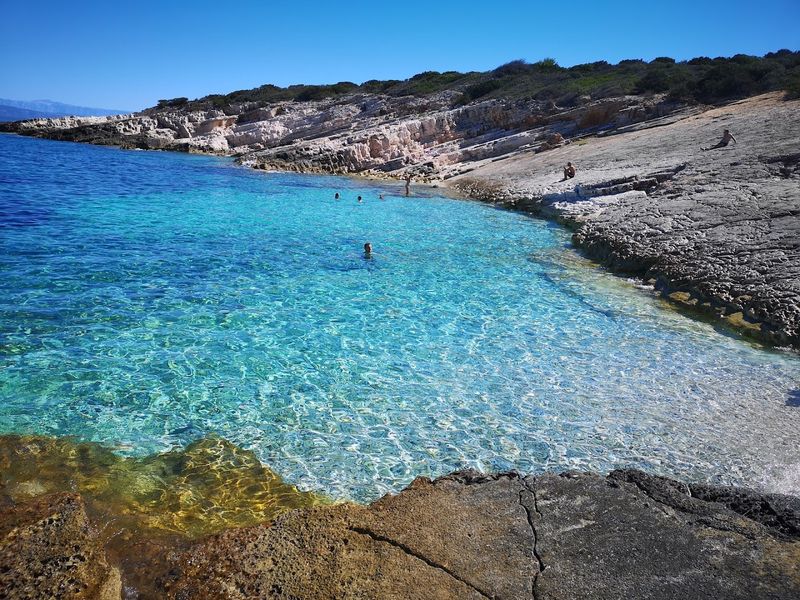
Proizd is what happens when Croatia decides to show off. Just a short boat ride from Korčula town, this tiny uninhabited island is covered in flat white rock that glows almost silver in the afternoon sun.
The contrast between those pale rocks and the turquoise water around them is genuinely striking.
Day-trippers arrive by small boat from Korčula, and the island gets a modest crowd at peak season, but never anything overwhelming. There are no permanent structures, no beach bars, and no shade trees to speak of, so sun protection is essential.
The upside is that the swimming here is exceptional, with visibility stretching meters below the surface.
Korčula itself is one of Croatia’s most charming islands, often called the birthplace of Marco Polo, though historians argue about that claim with great enthusiasm. Combining a morning exploring Korčula’s medieval old town with an afternoon on Proizd makes for an exceptionally well-rounded Croatian island day.
San Giovanni di Sinis, Sardinia, Italy
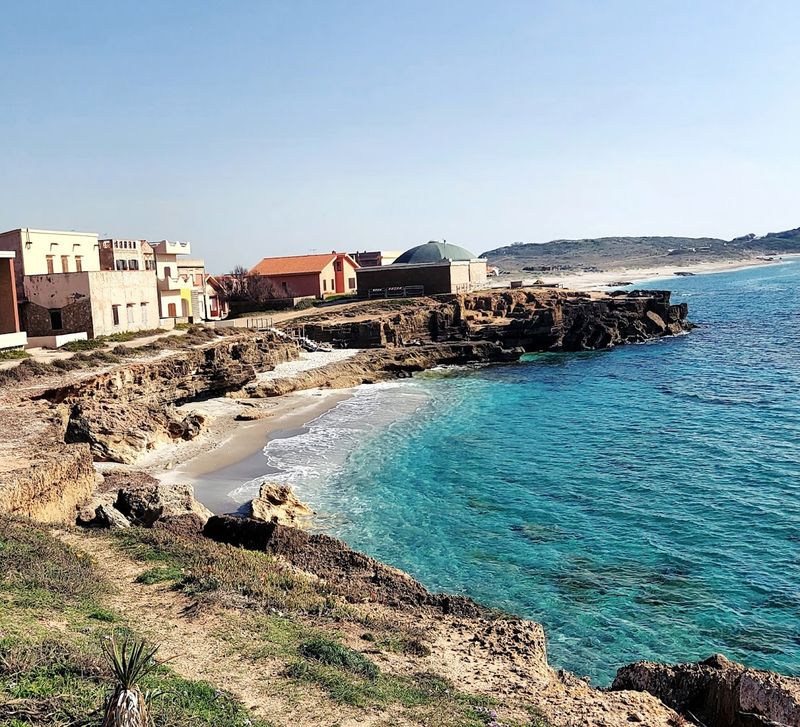
Most visitors to Sardinia head straight for the Costa Smeralda and its glamorous chaos. San Giovanni di Sinis, sitting quietly on the western Sinis Peninsula, offers something entirely different: broad white sand, shallow turquoise water, and the ruins of a 5th-century Phoenician city right next door.
History and beach access in one spot is hard to argue with.
The nearby archaeological site of Tharros is genuinely fascinating, with Roman columns still standing just meters from the sea. You can spend the morning exploring ancient ruins and the afternoon floating in warm, shallow water, which is a pretty solid Tuesday by anyone’s standards.
The beach is long enough that even in summer it rarely feels crowded, particularly if you walk a little further from the small car park. The western coast of Sardinia also catches spectacular sunsets, and San Giovanni di Sinis is one of the best spots on the island to watch the sun drop into the sea.
Nanjizal Beach, Cornwall, England
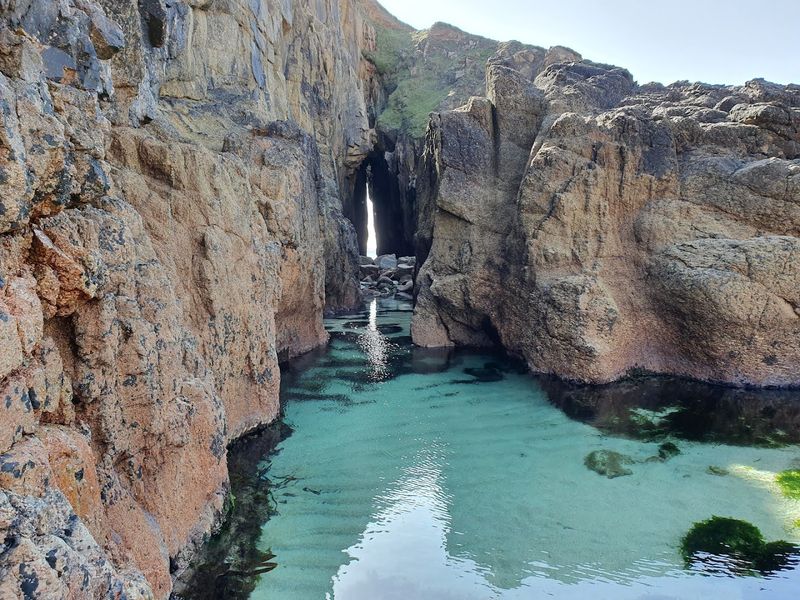
England is not the first country that springs to mind when planning a wild beach escape, but Nanjizal has a strong argument for changing that assumption. Also called Mill Bay, this remote Cornish cove sits near Land’s End and can only be reached on foot via the South West Coast Path.
The walk takes about 30 minutes from Porthgwarra, through gorse and coastal grassland that feels genuinely remote.
The beach itself features a spectacular natural sea arch called the Song of the Sea, which frames the Atlantic beyond in a way that looks almost theatrical. The cove is sheltered enough for swimming on calm days, though the Atlantic here is refreshingly cold year-round.
Refreshingly is doing a lot of diplomatic work in that sentence.
The lack of road access means Nanjizal stays blissfully free of the ice cream vans and windbreaks that colonize more accessible Cornish beaches. It rewards effort with genuine wildness, which is rare in England and increasingly precious.
Pupnatska Luka, Korčula, Croatia
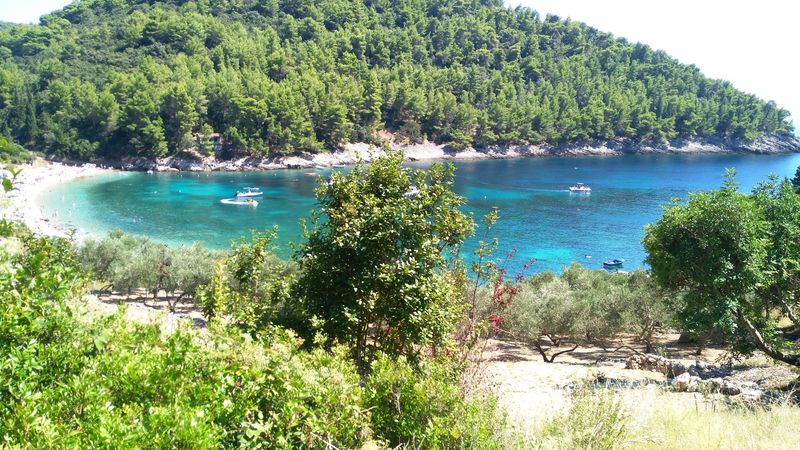
Korčula gets overshadowed by its flashier Dalmatian neighbors, and Pupnatska Luka gets overshadowed within Korčula itself, which makes it a double underdog worth rooting for. This sheltered pebble bay on the island’s southern coast sits at the end of a narrow road that winds down through vineyards and pine forests.
The descent alone is scenic enough to justify the trip.
The beach is small, the water is calm, and the surrounding green hills keep things cool even on hot days. A simple konoba (local taverna) serves grilled fish and cold beer nearby, which is all the infrastructure a good beach actually needs.
This is the kind of place where afternoon naps on warm pebbles happen accidentally and last two hours.
Korčula’s wine country surrounds the road to Pupnatska Luka, and the island produces some excellent local whites from the Grk grape variety. Stopping at a small winery on the way back to Korčula town turns the beach day into something even better.
Seixal Beach, Madeira, Portugal
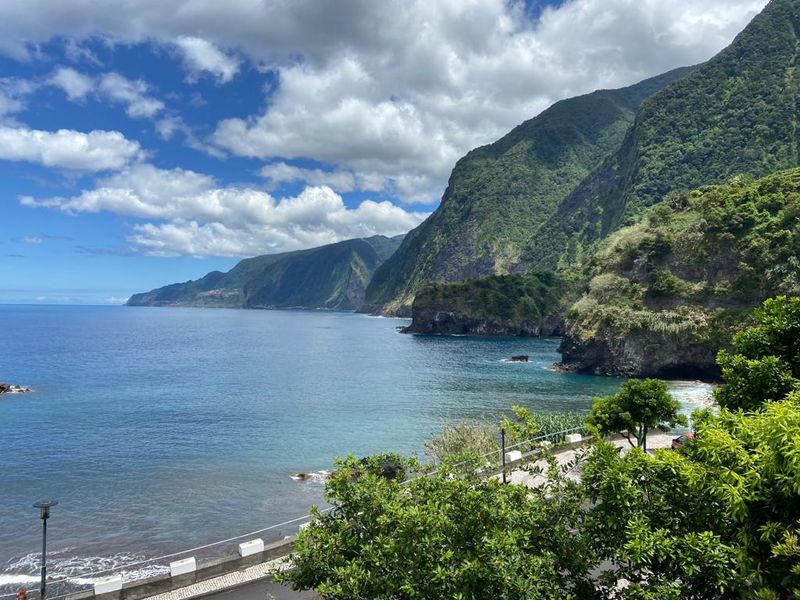
Black sand beaches sound like something from a fantasy novel, and Seixal delivers exactly that dramatic energy. Located on Madeira’s wild northern coast, this volcanic beach is backed by sheer green cliffs that drop straight down to the shore.
Waterfalls trickle down the cliff faces after rain, which happens often enough on this side of the island to guarantee the greenery stays absurdly lush.
The Atlantic on Madeira’s north coast is rougher than the sheltered south, so swimming conditions depend entirely on the season and the swell. Natural rock pools at the western end of the beach provide calmer swimming options when the open sea is too spirited.
The pools are free, constantly refreshed by the ocean, and surrounded by volcanic rock that looks like it was arranged by a very dramatic landscape architect.
Seixal village sits just above the beach and has a few local cafes serving Madeiran food. The drive along the northern coastal road to get here is one of the most spectacular in Europe, full of tunnels, cliffs, and sea views that demand multiple stops.
Share this story