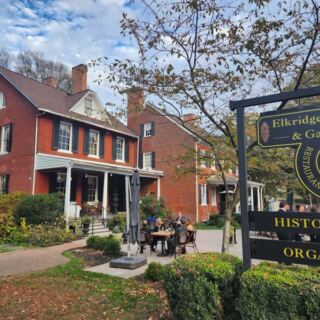
Some places look too beautiful to be real, but they actually exist. From lakeside villages in Austria to colorful islands in Italy, the world is full of towns that look like they jumped straight out of a storybook.
I used to think places this stunning were just heavily edited photos, but then I visited one and completely changed my mind. Get ready to add some serious destinations to your travel list.
Hallstatt, Austria
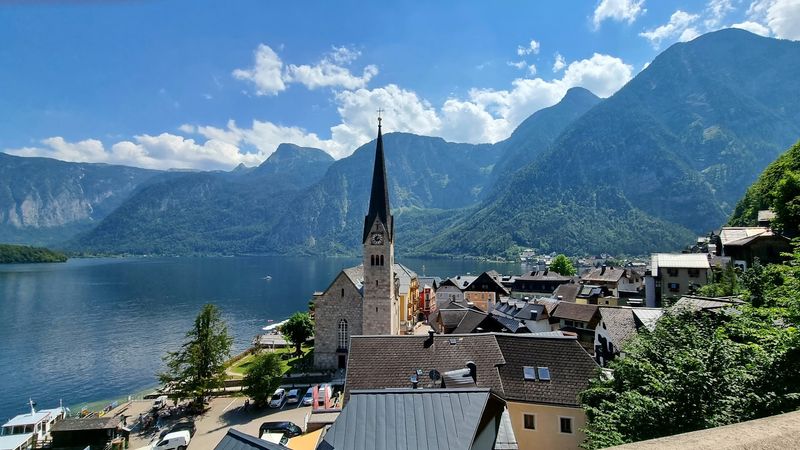
Salt made Hallstatt famous long before Instagram did. This tiny lakeside village in Austria has been a UNESCO World Heritage site since 1997, partly because humans have been mining salt here for over 7,000 years.
That is older than most countries.
Wooden houses stack along the edge of Lake Hallstatt, squeezed between the water and the mountains with almost no room to spare. The whole village fits on a narrow strip of land, giving it that dramatic, painted-postcard look.
Early morning visits reward you with the softest light and the fewest selfie sticks.
The reflection of the houses on the calm lake water is one of those sights that genuinely stops you mid-step. Hallstatt is small, quiet, and completely worth the trip.
Just book accommodations early because the village fills up fast, and showing up without a reservation is a gamble nobody wins.
Colmar, France
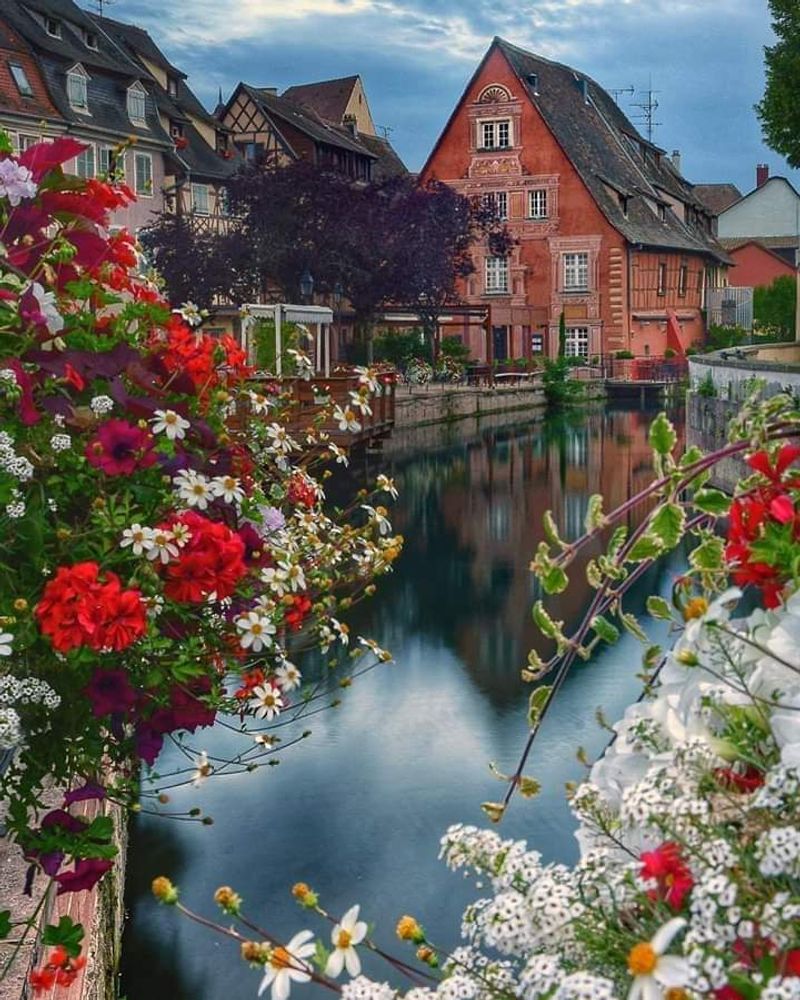
Colmar looks like someone turned a box of crayons loose on a medieval town and everyone agreed it was a great idea. The Alsatian architecture here features houses painted in shades of yellow, pink, blue, green, and soft cream, all leaning cheerfully over cobblestone lanes.
The Little Venice district follows the Lauch River through some of the city’s most charming corners. Flower boxes burst from every window, wooden beams frame every facade, and the whole place feels like a permanent spring afternoon.
Even in winter, Colmar hosts one of France’s most beloved Christmas markets.
What separates Colmar from other pretty French towns is the sheer consistency of its beauty. There is no one money shot here.
Every street turn delivers another postcard. I walked around for three hours once and never hit a dull block.
Pack comfortable shoes because you will not want to stop walking.
Bruges, Belgium
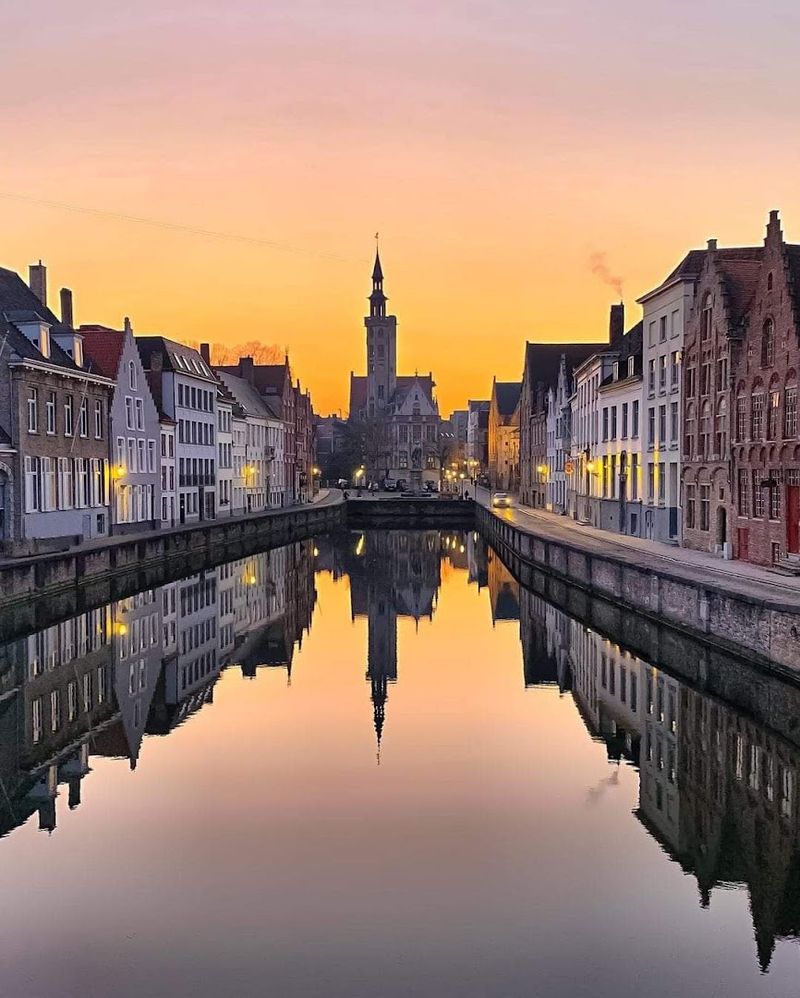
Bruges skipped the memo about modernizing, and honestly, good for it. The historic center is a UNESCO World Heritage site, preserved so well that wandering its streets genuinely feels like time travel.
Gothic towers, stone bridges, and stepped gables line every canal.
Canals curve through the city like lazy rivers, connecting quiet lanes to busy market squares. Along the way, you pass chocolate shops, lace boutiques, and centuries-old churches, often stumbling into peaceful courtyards that feel like secrets the city kept just for you.
The pace here is slow on purpose. Bruges rewards the wanderer who skips the tour bus and just walks.
Grab a waffle, follow a canal, and see where it leads. Most likely somewhere gorgeous.
The city is not undiscovered, but its beauty hits differently when you round a corner and a perfectly preserved medieval skyline appears out of nowhere.
Rothenburg ob der Tauber, Germany
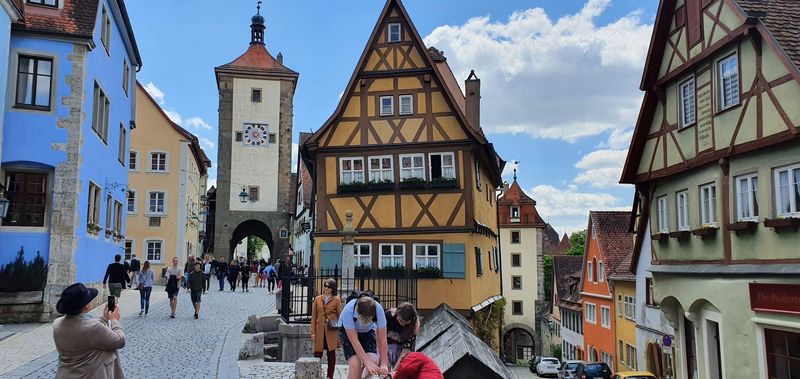
Rothenburg ob der Tauber is so perfectly medieval it almost feels suspicious. The entire old town is enclosed by original walls, towers, and gates, and the street layout inside looks like it was designed for a children’s illustrated adventure book.
The most photographed corner is Plonlein, where a half-timbered building sits between two sloping streets with towers framing it on both sides. It is the kind of view that makes you check if you accidentally walked onto a film set.
Spoiler: you did not. This is just Tuesday in Rothenburg.
Walking the city walls gives you rooftop views over the entire old town, which is worth every step. The town has a Christmas museum open year-round, which is either charming or slightly intense depending on your holiday spirit levels.
Either way, Rothenburg earns its reputation as one of Germany’s most visually stunning medieval towns, no exaggeration needed.
Cesky Krumlov, Czech Republic
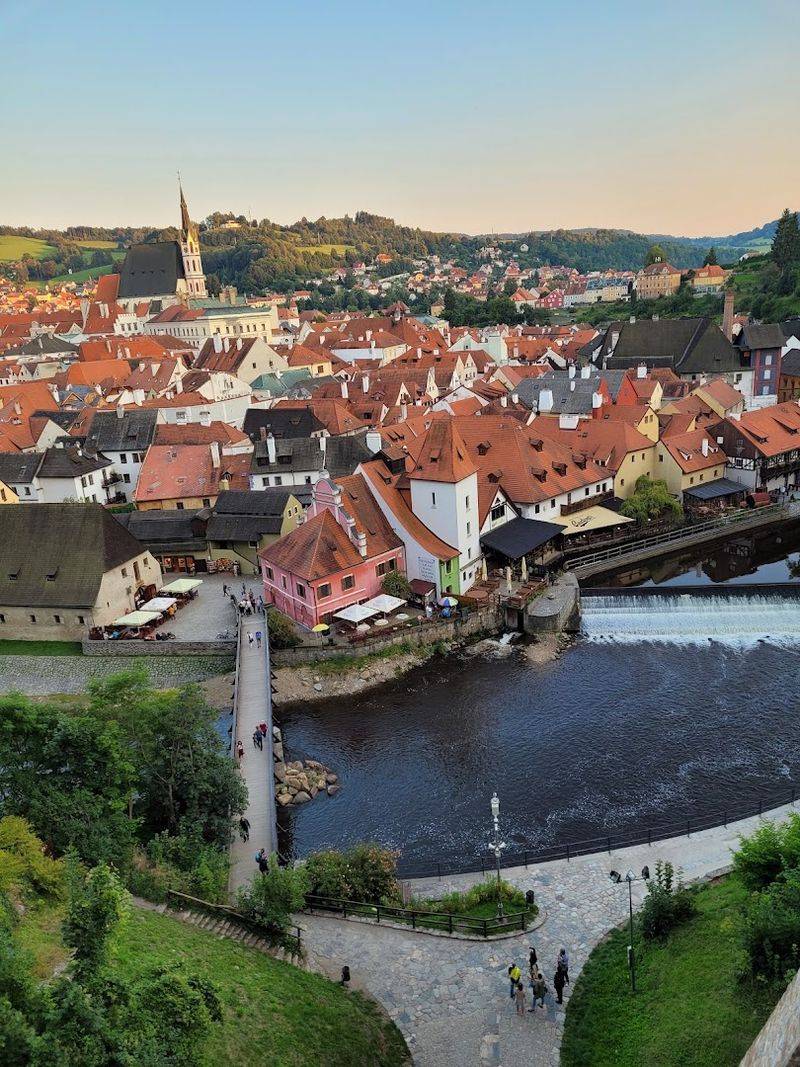
A river that wraps around your entire town like a protective arm is a pretty solid architectural flex. The Vltava River curves almost completely around Cesky Krumlov’s old town, creating a natural moat that makes the place look like a miniature medieval kingdom from above.
UNESCO calls it an outstanding example of a small Central European medieval town whose architectural heritage has stayed intact for centuries. Red rooftops cluster together, painted facades line the streets, and the castle complex rises dramatically above everything.
The best views come from bridges, castle terraces, or any elevated spot where the whole town suddenly unfolds beneath you.
Cesky Krumlov is one of those places that genuinely looks better in person than in photos. The scale surprises you.
It is compact enough to explore fully in a day but rich enough that you will want two. The castle alone takes hours to properly appreciate, and the river walk never gets old.
Alberobello, Italy
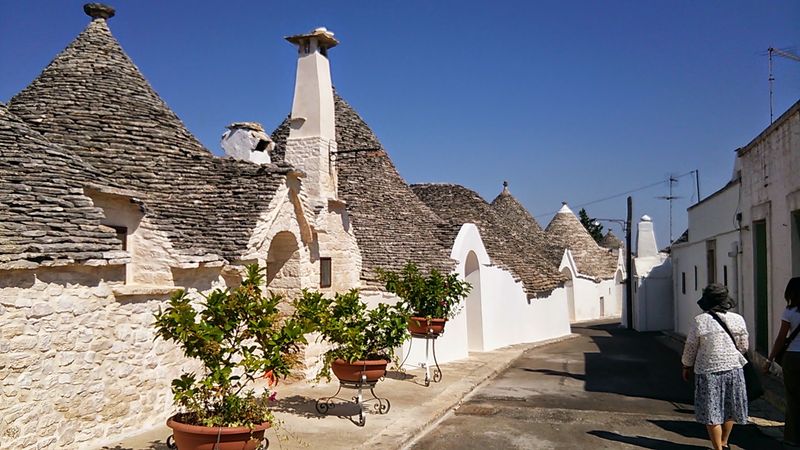
No architect sat down and drew these. The trulli of Alberobello grew from centuries of local tradition in Puglia, built using dry-stone construction without mortar, a technique so clever UNESCO gave it official recognition.
The result is a neighborhood full of whitewashed houses topped with conical stone roofs, many decorated with painted symbols.
The Rione Monti and Aia Piccola districts look like a village from a fantasy novel, with rooftops creating a landscape of little stone cones stretching across the hillside. Unlike a theme park recreation, every building here has a real history tied to rural southern Italian life and practical local architecture.
Alberobello works on everyone. Kids think it looks like a hobbit village.
Adults think it looks like something from a dream. Travel photographers think it looks like a career highlight.
All three groups are correct. Visit in the late afternoon when the light turns golden and the trulli practically glow.
Sintra, Portugal
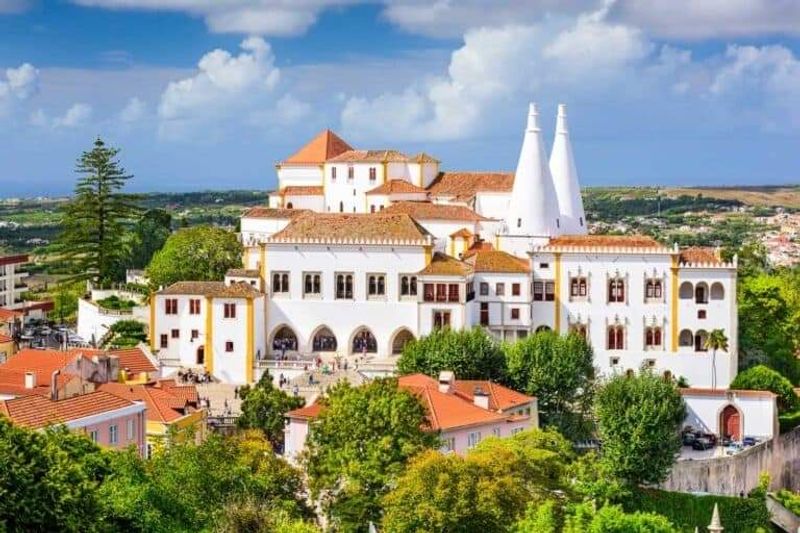
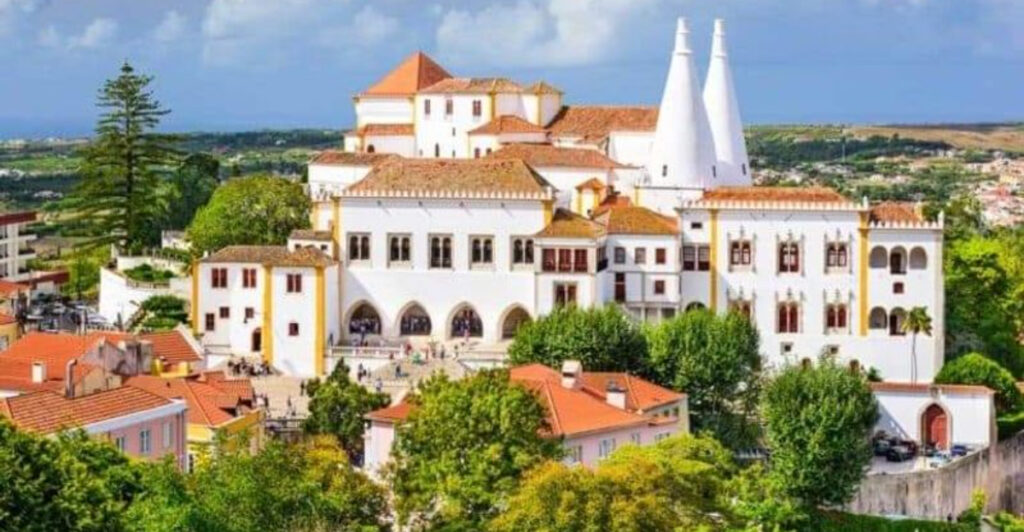
Sintra did not get the memo that real places are not supposed to look this theatrical. Palaces in vivid yellow, red, and blue sit perched on forested hillsides just outside Lisbon, surrounded by misty slopes, walled gardens, and estates that once belonged to royalty and poets.
The UNESCO-listed cultural landscape here mixes Romantic architecture with wild natural scenery in a way that feels genuinely cinematic. One moment you are in a charming historic town center, the next you are climbing toward a palace that looks painted onto the mountainside.
The contrast never stops being dramatic.
Sintra is one of those destinations that rewards slow exploration. Rushing through it means missing the hidden gardens, the forest paths, and the lookout points where Lisbon and the Atlantic Ocean appear in the distance.
The town itself is walkable and full of character. Budget more time than you think you need, because Sintra always has one more surprise tucked around the next corner.
Shirakawa-go, Japan
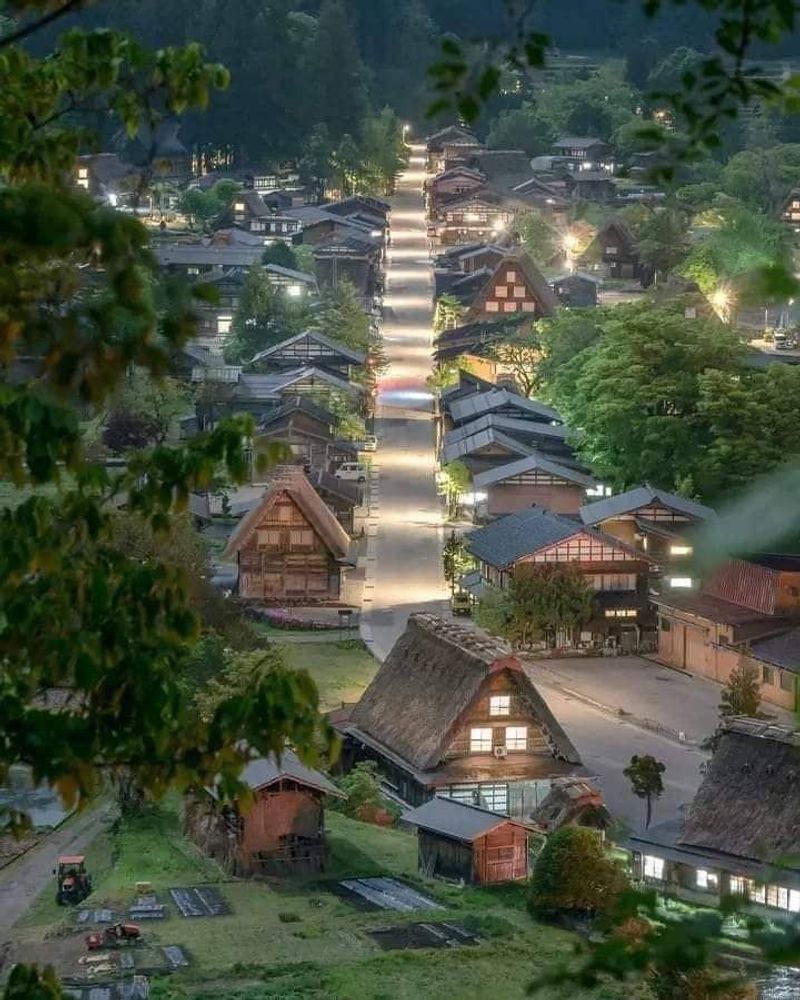
The rooftops here were engineered specifically to handle massive snowfall, which is both deeply practical and accidentally gorgeous. Shirakawa-go’s gassho-style farmhouses have steep thatched roofs that shed snow like a shrug, creating the kind of silhouette that makes winter visitors stop walking and just stare.
UNESCO designated the Historic Villages of Shirakawa-go and Gokayama as World Heritage sites for their traditional architecture and mountain setting. In winter, snow piles dramatically on the rooftops while warm light glows from inside the wooden homes.
In summer, the same buildings sit surrounded by bright green rice fields.
Autumn brings golden tones that make the village look like a painting someone left out in the best possible way. Shirakawa-go works in every season because the beauty comes from the relationship between the architecture and the landscape, not just one or the other.
Stay overnight if you can, when the day-trippers leave and the village returns to its quieter, more magical self.
Chefchaouen, Morocco
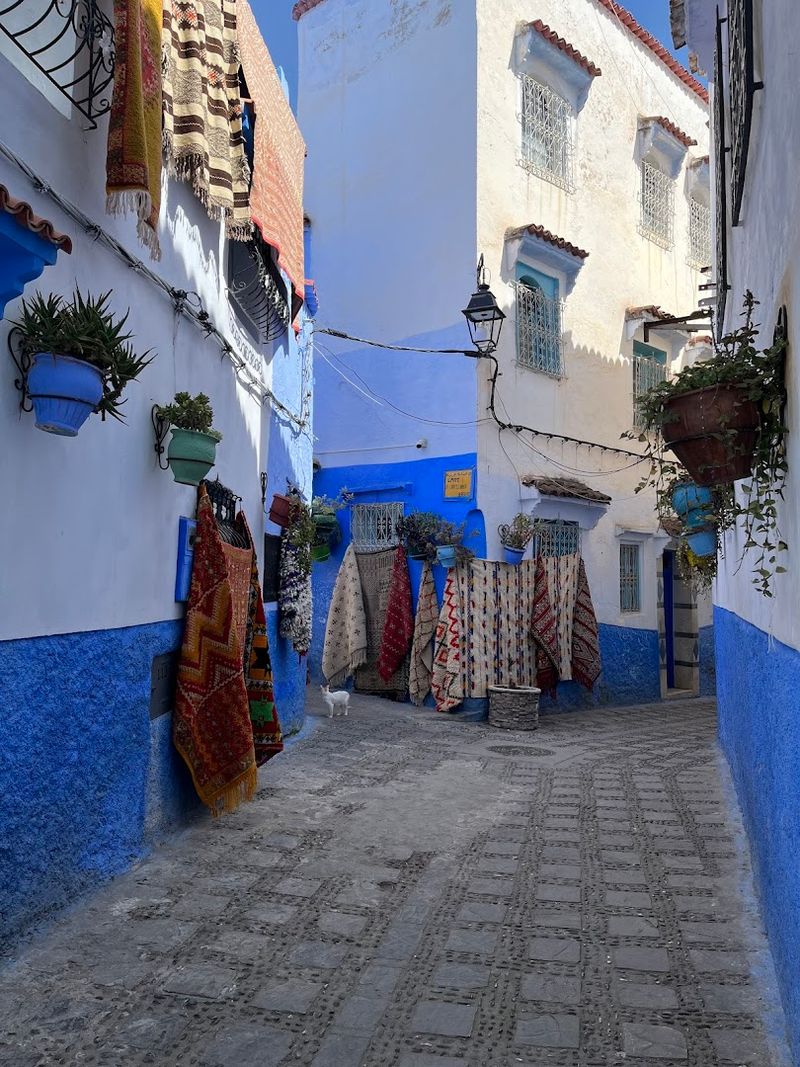
Every wall, door, staircase, and alley in Chefchaouen’s medina is painted blue. Not one shade of blue.
Many shades, layered and faded and refreshed over time, giving the city a watercolor quality that no filter can fully replicate. Morocco’s blue city earns its nickname with zero effort.
The Rif Mountains frame the whole scene from behind, adding dramatic height to an already striking place. Small shops selling local crafts line the winding lanes, cats claim every sunny staircase, and potted plants add splashes of green and red against all that blue.
The combination is genuinely one of the most visually distinctive atmospheres in the world.
Getting lost in the medina is not a problem here, it is the plan. Every wrong turn leads somewhere equally photogenic.
The city is also known for its relaxed atmosphere compared to Morocco’s larger medinas, which makes exploring feel less overwhelming. Early mornings are especially beautiful before the alleys fill with visitors.
Burano, Italy
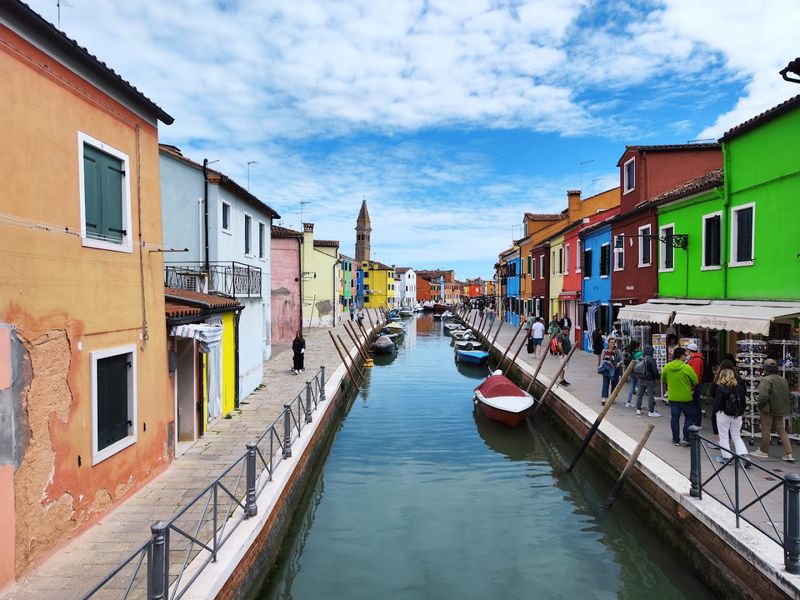
Venice gets all the fame, but Burano is the one that makes you gasp out loud. This small island in the Venetian Lagoon is painted in colors so bold and unapologetic that it looks like someone gave the whole community a giant box of house paint and said go wild.
Pink, orange, turquoise, red, yellow, purple, and green houses line narrow canals where small boats bob quietly. The colors reflect in the water, doubling the visual impact.
Burano has a long tradition of lace-making that goes back centuries, giving the island artistic depth beyond its jaw-dropping exterior.
The island sits north of Venice and takes about 40 minutes by boat, making it a very worthwhile day trip. It is compact enough to cover fully on foot in a few hours, but most visitors end up lingering over lunch at a canal-side restaurant.
Burano is cheerful in a way that is genuinely contagious, and that energy sticks with you long after you leave.
Giethoorn, Netherlands
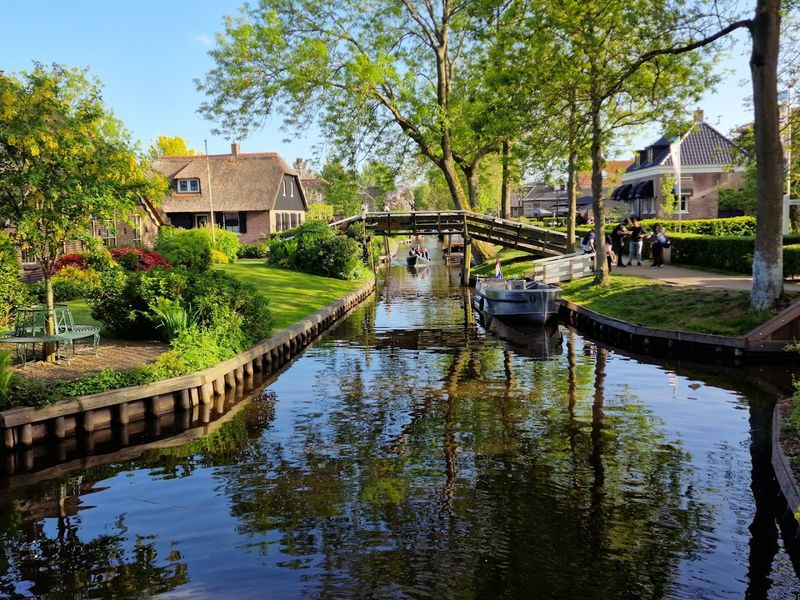
A village with canals instead of roads sounds like a riddle, but Giethoorn makes it work beautifully. Located in the Dutch province of Overijssel, this water village is navigated by boat, on foot, or by bike, with wooden bridges connecting thatched-roof homes across quiet waterways.
The whole place feels like a gentler, greener version of a fairy tale. Gardens spill over canal edges, reeds sway in the breeze, and old farmhouses sit so close to the water they practically have their feet in it.
The absence of car traffic makes everything here unusually peaceful.
Giethoorn surprises visitors who expect windmills and tulips from the Netherlands. This corner of the country offers something quieter and more intimate.
Renting a small electric boat and drifting through the canals at your own pace is the best way to experience it. No captain’s license required, which is either reassuring or slightly alarming depending on your confidence levels.
Mostar, Bosnia and Herzegovina
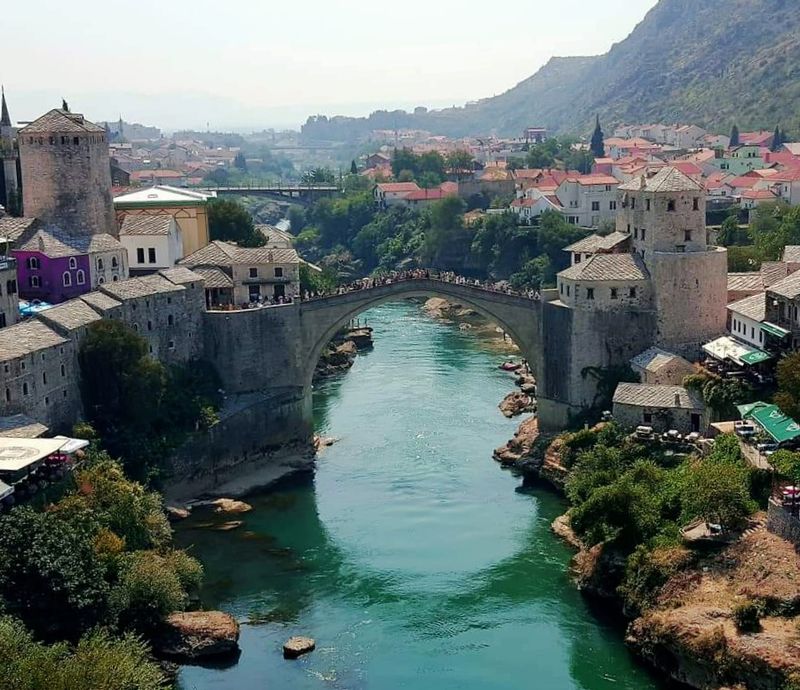
The Old Bridge in Mostar has been standing since 1566, which means it survived centuries of history before being destroyed in 1993 during the Bosnian War. The rebuilt Stari Most reopened in 2004 and quickly became more than just a landmark.
It became a symbol.
UNESCO recognized the Old Bridge Area as an outstanding example of a multicultural urban settlement blending Ottoman, Mediterranean, and western European architectural influences. The turquoise Neretva River flows beneath the elegant stone arch, framed by old stone streets, a lively bazaar, and towers that have watched over the city for generations.
Mostar carries emotional weight that most fairy-tale cities do not. Its beauty is real, but so is its history of conflict and rebuilding.
That combination gives the city a depth that stays with visitors long after they leave. Watching local divers leap from the bridge into the river below is one of those unforgettable travel moments that no photo fully captures.
Old Quebec, Canada
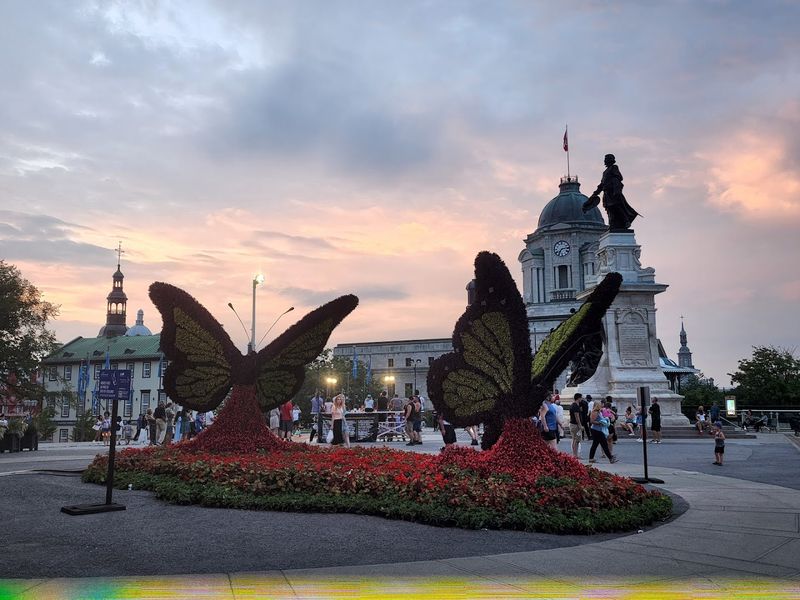
Old Quebec is the closest thing to a European walled city you will find in North America, and it does not apologize for the comparison. Quebec City tourism describes it as the most intact fortified town north of Mexico, with more than 400 years of colonial architecture packed into a walkable historic district.
Stone buildings, narrow cobblestone lanes, and steep streets give the city a moody, atmospheric quality that intensifies in winter. Snow settles on the rooftops, warm light pours from restaurant windows, and the towering Chateau Frontenac hotel looms over everything like a castle from a storybook.
What makes Old Quebec feel genuinely special is how lived-in it still is. This is not a preserved museum district.
People actually live, work, and eat here, which gives the old city a pulse that purely tourist destinations sometimes lack. Summer brings terraces and festivals, fall brings color along the fortifications, and winter turns the whole place into something almost surreal.
Bled, Slovenia
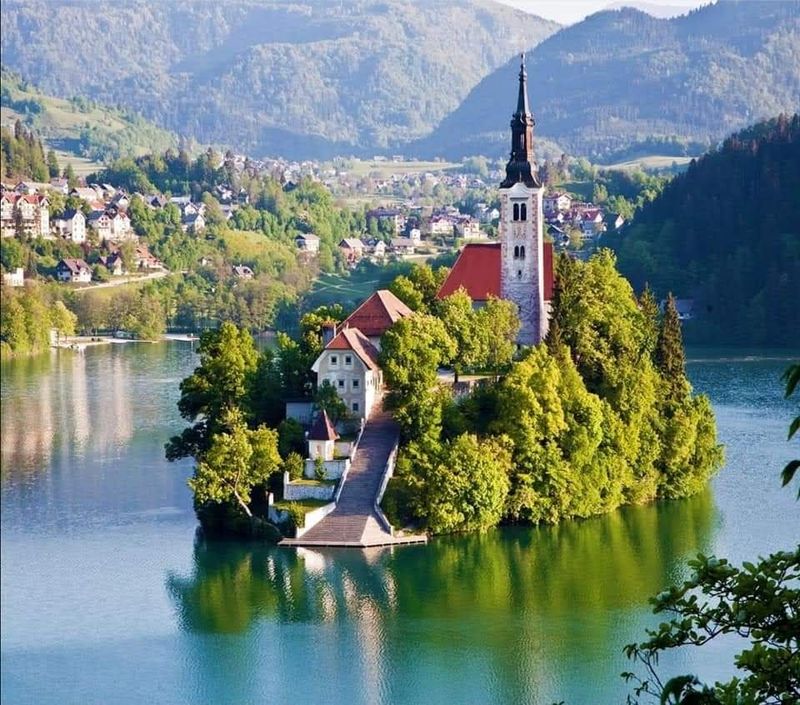
A lake. An island with a church.
A castle on a cliff. Mountains in the background.
Bled, Slovenia checked every single box on the fairy-tale scenery list and then added clear turquoise water just to be thorough.
Bled Castle sits on a rocky cliff above the lake, making it Slovenia’s oldest castle and one of its most dramatic viewpoints. Traditional wooden boats called pletnas carry visitors across the water to Bled Island, where a church bell supposedly grants wishes to those who ring it.
Whether that is true is between you and the bell.
The views from the castle terrace are the kind that make you forget you were ever tired from traveling. Lake Bled, the island, and the Julian Alps line up in one of Europe’s most recognizable panoramas.
It is also one of those places that looks exactly like its photos, which is rarer than it sounds. Bled earns every bit of its reputation.
Cartagena, Colombia
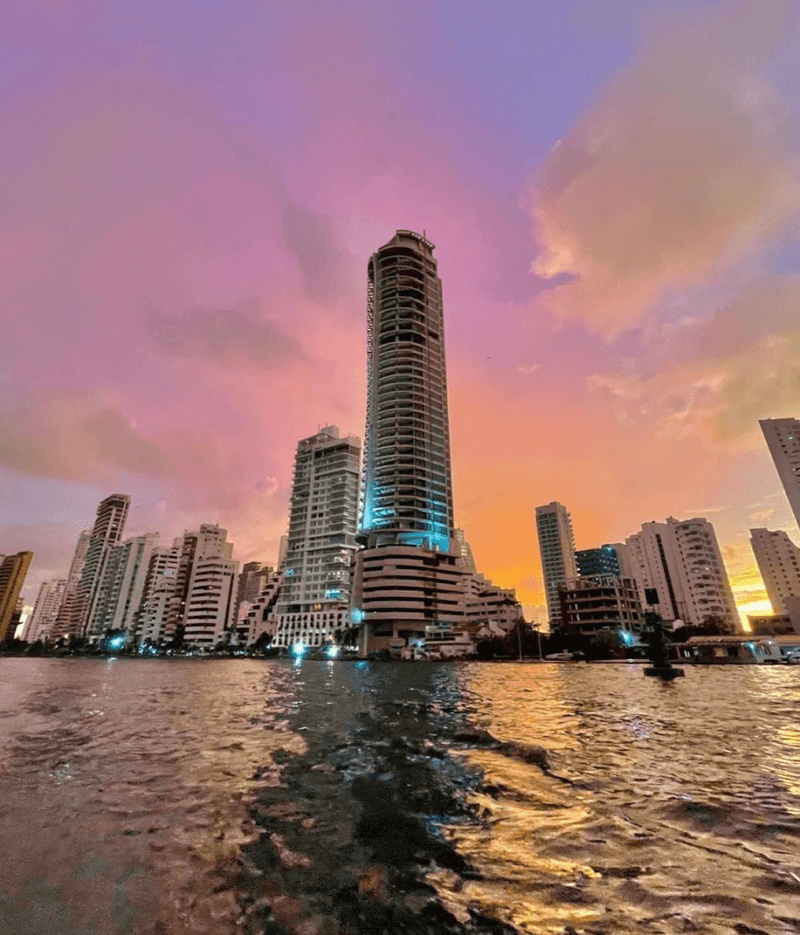
Cartagena proves that fairy-tale cities do not have to look European to be magical. This UNESCO-listed Caribbean port city in Colombia has its own tropical storybook energy, built from centuries of colonial history, fortification walls thick enough to walk on, and colors bright enough to power a small city.
Inside the walled old city, balconies drip with bougainvillea, facades glow in shades of yellow, coral, and blue, and horse-drawn carriages roll across cobblestone plazas. The combination of Spanish colonial architecture and Caribbean warmth creates an atmosphere that feels completely its own.
Evenings here are especially electric. The plazas fill with music, the restaurants spill onto the streets, and the old city walls turn golden in the fading light.
Cartagena has heat, color, sea air, and centuries of stories baked into every wall. It is the kind of place that makes you rebook your return flight before you have even left.
That is a good sign.
Share this story