For travelers who measure a great vacation in sunny days rather than rainy ones, Europe offers plenty of destinations where blue skies are the norm. The continent’s sunniest cities are concentrated around the Mediterranean, where long, dry summers and mild winters create ideal conditions for outdoor exploration, beach holidays, and al fresco dining.
Many of these destinations enjoy more than 2,500 hours of sunshine annually, with a few exceeding 3,000 hours. Pack your sunscreen and get ready to explore Europe’s brightest, warmest, and most sun-drenched cities.
Almería, Spain
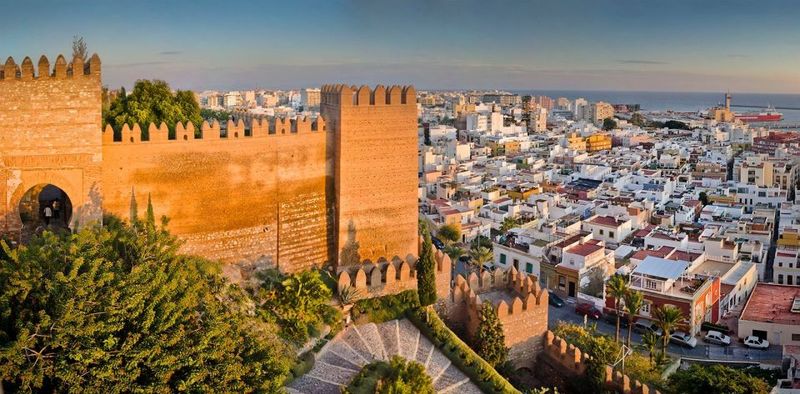
Almería gets roughly 320 sunny days a year, which is frankly more than most people get in their entire decade of summer vacations combined. Tucked into southeastern Spain, this city sits in one of the driest corners of the entire continent.
The result is relentless, glorious sunshine.
Historically, Almería was a major Moorish port, and the massive Alcazaba fortress still stands as a reminder of that powerful past. The beaches here are some of Spain’s cleanest and least crowded, especially those scattered through the nearby Cabo de Gata Natural Park.
Think crystal-clear water, volcanic rock formations, and almost no tourist crowds.
Almería also has an unexpected Hollywood connection. Dozens of classic spaghetti westerns were filmed in the surrounding desert landscape, which looks convincingly like the American Southwest.
You can actually visit some of the old film sets nearby. Between the history, the beaches, and those relentless sunny skies, Almería rewards travelers who venture slightly off the beaten path with something genuinely special and memorably bright.
Valletta, Malta
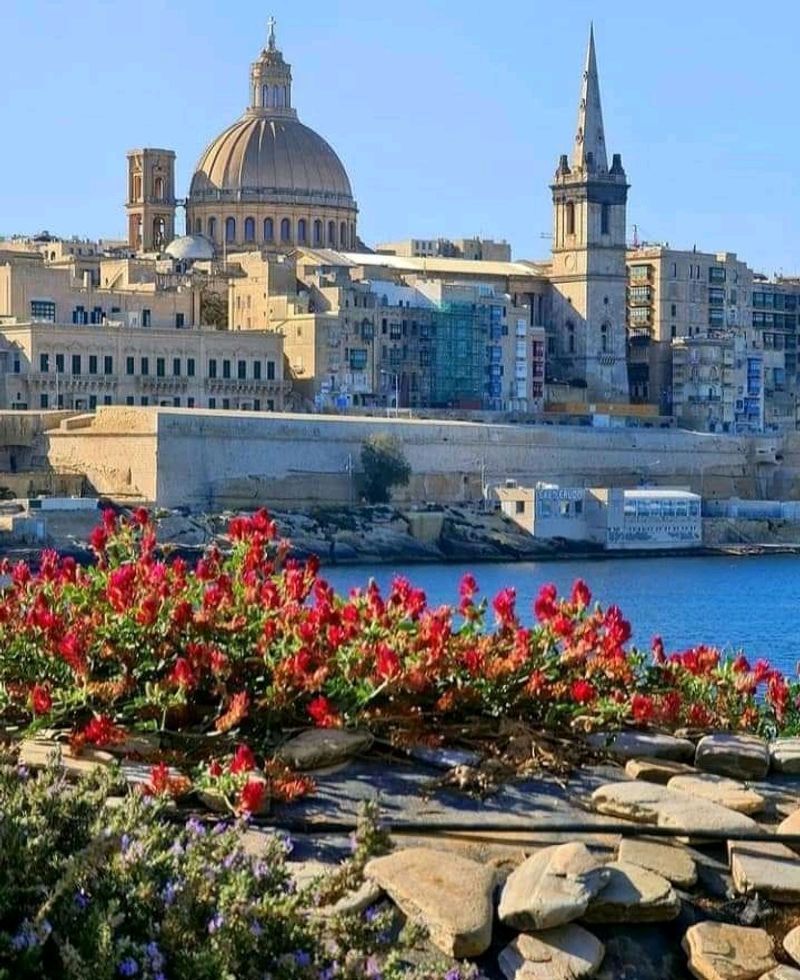
Valletta is the smallest capital city in the European Union, but what it lacks in size it more than makes up for in sunshine. Malta’s compact capital basks in roughly 3,000 hours of sunlight each year, making every single street corner feel warm and golden.
Walking through Valletta feels like stepping into a golden-hued history book. The city was built by the Knights of St. John in the 16th century, and their influence is visible everywhere, from the grand Co-Cathedral to the towering fortifications overlooking the Grand Harbour.
The famous balconied townhouses painted in vivid yellows and oranges seem almost designed to match the constant sunshine.
Food lovers will find Valletta punches well above its weight. The local cuisine blends Italian, Arabic, and British influences into something entirely its own.
Try pastizzi, the flaky savory pastries sold at street kiosks for just a few cents. Malta’s mild winters mean Valletta is a genuinely great year-round destination, so there’s never a bad time to visit this sun-soaked, history-rich little gem in the heart of the Mediterranean.
Murcia, Spain
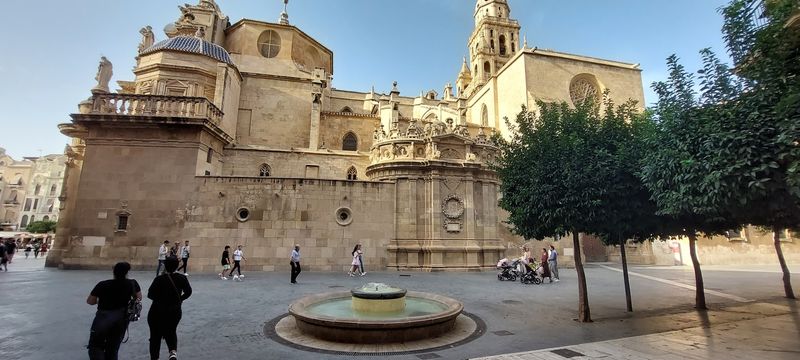
Murcia sits inland in southeastern Spain, shielded by mountains that block rain clouds and trap warm air in the valley below. The city regularly appears on lists of Europe’s sunniest destinations, and locals seem to take the endless clear skies completely for granted.
The Cathedral of Murcia is a showstopper, mixing Gothic, Renaissance, and Baroque styles into one gloriously over-the-top facade. The surrounding old town is full of narrow pedestrian streets lined with cafes, pastry shops, and tapas bars.
Murcia’s food scene is genuinely underrated, with the fertile Segura River valley producing some of Spain’s best fruit and vegetables.
Because Murcia attracts fewer international tourists than Malaga or Alicante, prices stay refreshingly reasonable. Hotel rooms, restaurant meals, and even souvenirs cost noticeably less here than in more famous Spanish cities.
The city also hosts one of Spain’s most spectacular Easter processions, a tradition dating back centuries that draws huge crowds every spring. If you want authentic Spanish city life wrapped in wall-to-wall sunshine without the tourist markups, Murcia deserves a serious spot on your travel list.
Alicante, Spain
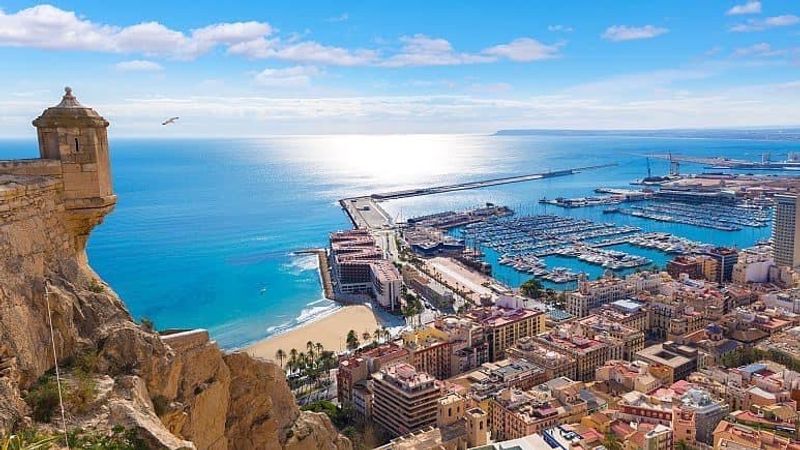
Crowned as Europe’s sunniest major city, Alicante averages an astonishing 349 hours of sunshine per month. That number alone should have you booking flights.
Sitting along Spain’s southeastern coast, this vibrant city delivers warm weather that lasts well beyond summer.
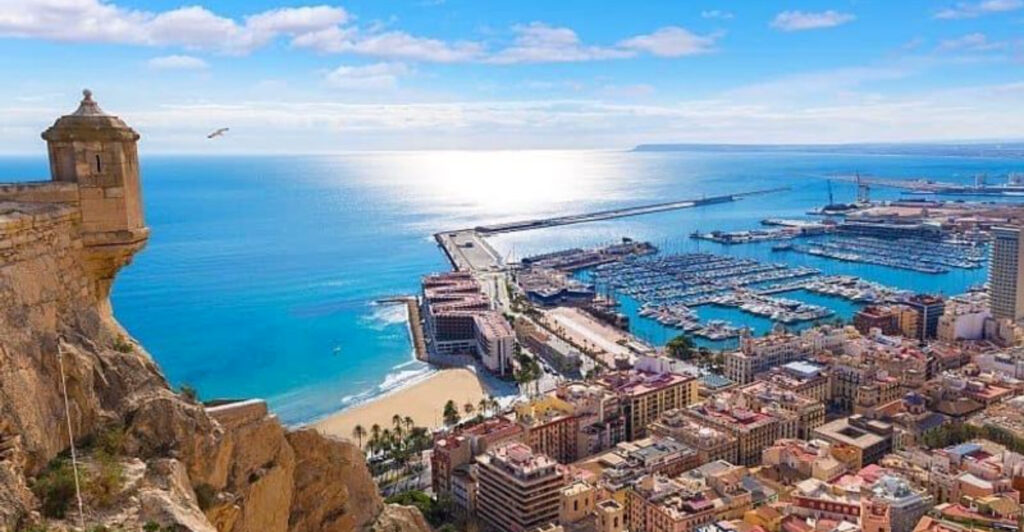
The Postiguet Beach sits right in the city center, meaning you can go from morning espresso to afternoon swim without ever hopping in a cab. Santa Barbara Castle looms dramatically over the harbor, and the views from the top on a clear day are genuinely jaw-dropping.
The old quarter, known as El Barrio, is packed with tapas bars and lively plazas that buzz well into the night.
Alicante is also surprisingly affordable compared to other Spanish coastal cities, making it a smart pick for budget-conscious sun seekers. Flights from across Europe are frequent and cheap.
Whether you visit in July or January, the odds of waking up to brilliant sunshine here are always in your favor.
Málaga, Spain
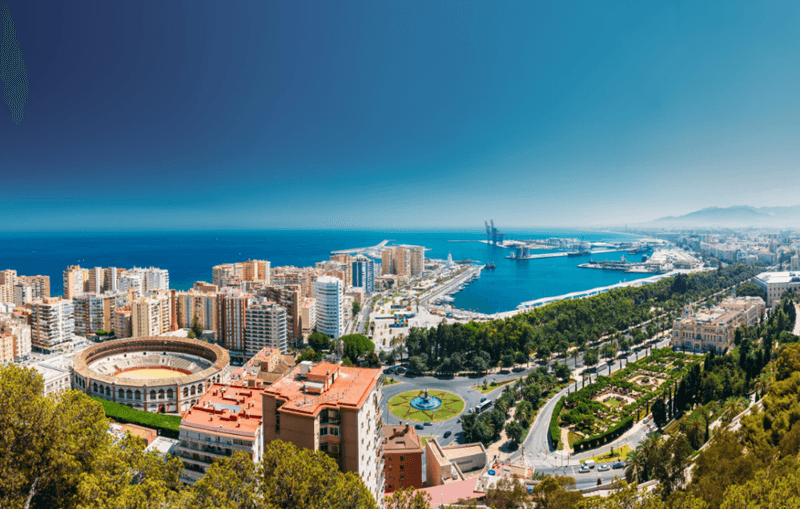
Spain’s Costa del Sol stretches along the southern Andalusian coast, and Malaga sits proudly at its heart, delivering more than 300 sunny days annually. Winters here are so mild that locals actually eat lunch outdoors on the beach in December without a second thought.
Malaga is also the birthplace of Pablo Picasso, and the city wears that fact with pride. The Picasso Museum is one of Spain’s most visited, housed in a stunning 16th-century palace.
Beyond the art, Malaga’s old town is a labyrinth of charming plazas, tapas bars, and street performers that makes wandering feel like an activity in itself.
The seafood here is exceptional. Espetos, whole sardines grilled on bamboo skewers over open fires right on the beach, are the local specialty and an absolute must-try.
The promenade stretching east from the city center is one of Europe’s finest waterfront walks, lined with palm trees and dotted with beach bars. Malaga also has a thriving nightlife scene that keeps energy high long after the sun goes down.
Honestly, this city has mastered the art of living well in the sunshine.
Catania, Italy
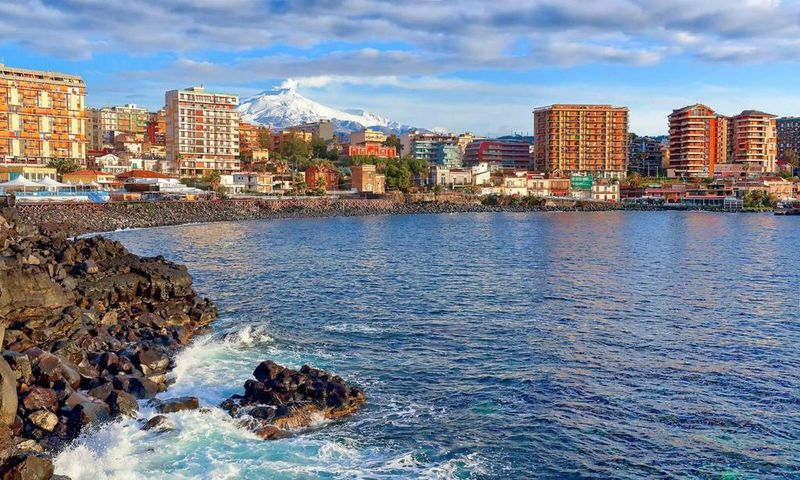
Imagine eating breakfast with an active volcano as your backdrop. That is just a normal Tuesday in Catania, where Mount Etna looms dramatically over the city and the Mediterranean shimmers a few kilometers to the east.
Catania is Sicily’s second-largest city and one of southern Italy’s sunniest, enjoying long, hot summers that stretch well into October. The city was largely rebuilt in Baroque style after a devastating earthquake in 1693, resulting in a remarkably unified and beautiful streetscape of honey-colored stone.
The famous elephant fountain in Piazza del Duomo has become the symbol of the city and makes for one of Italy’s most photogenic public squares.
The food culture here is extraordinary even by Sicilian standards. The morning fish market in the old quarter is a full sensory experience, loud, colorful, and absolutely pungent in the best possible way.
Arancini, cannoli, and granita are all best eaten in Catania. The city also serves as a convenient base for hiking on Mount Etna, exploring ancient Greek ruins at nearby Taormina, and lounging on volcanic black-sand beaches.
Catania rewards every type of traveler with warmth, history, and unforgettable flavor.
Cádiz, Spain
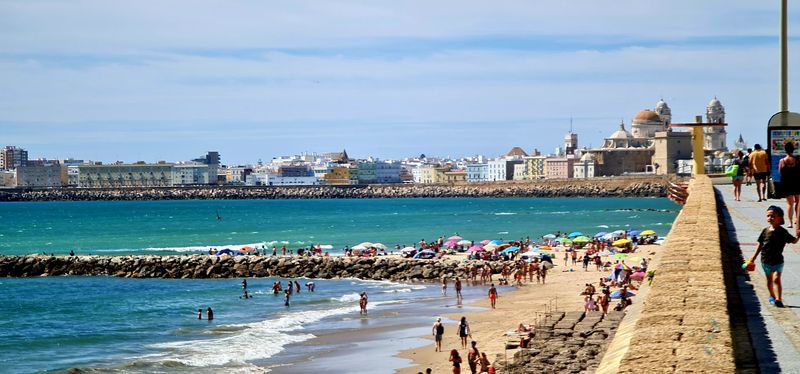
Cádiz is one of the oldest continuously inhabited cities in Western Europe, and after spending a sunny afternoon walking its sea-walled perimeter, you will completely understand why people never left. The Atlantic breeze keeps temperatures comfortable even in July and August.
With more than 3,000 hours of annual sunshine, Cádiz rivals any city on this list for sheer brightness. The city occupies a narrow peninsula jutting into the Atlantic, meaning you are never far from the ocean.
La Caleta Beach sits right in the city center, flanked by two ancient castles, making it one of the most dramatically situated urban beaches in Europe.
Cádiz also claims to be the birthplace of European carnival, and its February festival is widely considered the funniest and most satirical in Spain. Local carnival groups spend months crafting sharp political songs performed in elaborate costumes, and the whole city turns into one enormous outdoor comedy show.
The seafood is phenomenal, particularly the fried fish served in paper cones from street stalls. Cádiz is warm, witty, and utterly charming, a city that has been perfecting the good life since around 1100 BC.
Lisbon, Portugal
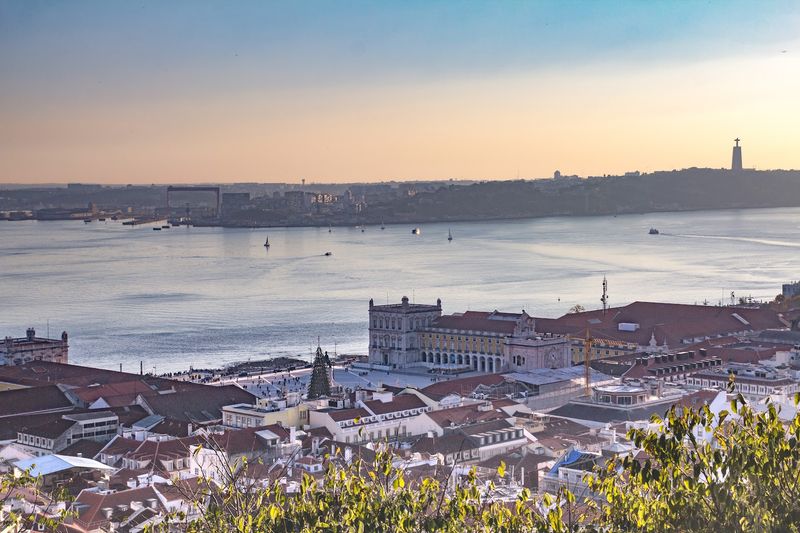
Lisbon has been quietly stealing hearts for decades, offering nearly 2,800 hours of sunshine annually while somehow staying more affordable and less crowded than its Spanish rivals. The city spreads across seven hills above the Tagus River, and every hilltop offers a different jaw-dropping view.
The famous yellow trams rattling through the steep, tile-covered streets have become iconic, but Lisbon’s real charm lies in its neighborhoods. Alfama, the oldest district, is a maze of cobbled alleys where Fado music drifts from open doorways on warm evenings.
Belem, further west along the waterfront, holds stunning Manueline architecture and the best pastel de nata custard tarts you will ever taste.
Lisbon’s food scene has exploded in recent years, earning multiple Michelin stars while still maintaining a street-food culture built on grilled sardines, fresh seafood, and cheap, excellent wine. The city is also remarkably walkable once you master the hills.
Grab a hop-on, hop-off tram pass for your first day and explore on foot after that. Lisbon’s combination of sunshine, history, food, and genuine warmth from its people makes it one of Europe’s most complete city-break destinations.
Faro, Portugal
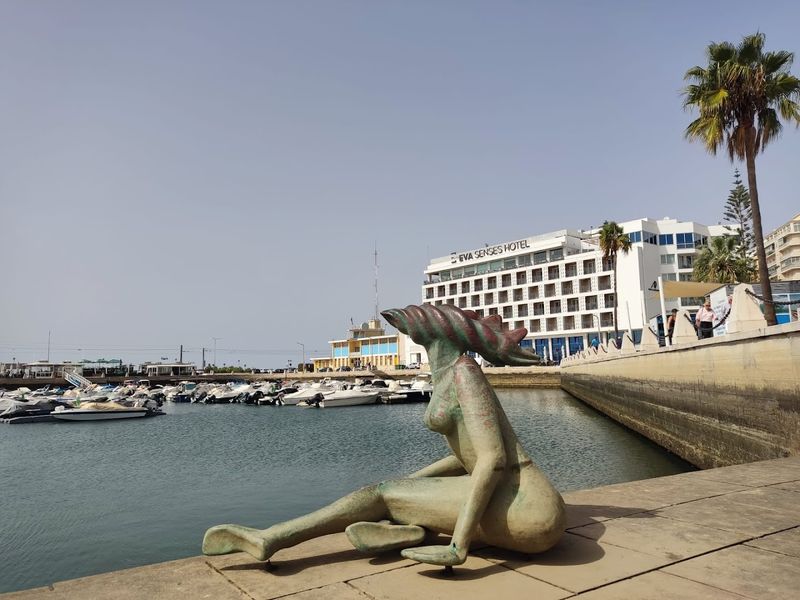
Most travelers fly through Faro without stopping, treating it purely as the gateway airport to the Algarve’s famous beaches. That is a genuine mistake, because Faro itself is a sun-drenched, characterful city absolutely worth a few extra days of your time.
The Algarve region logs more than 3,000 sunshine hours annually, and Faro sits right in the middle of all that golden weather. The historic old town is enclosed by ancient Roman walls, with a beautiful cathedral square at its center that feels wonderfully quiet compared to the resort towns nearby.
The Ria Formosa Natural Park wraps around the city, offering a stunning lagoon system full of flamingos, salt marshes, and deserted barrier islands reachable by short boat trips.
Faro’s beaches are among Portugal’s finest, featuring dramatic golden limestone cliffs, sea caves, and water so clear you can count the fish beneath you. The city also has a lively university student population that keeps the restaurant and bar scene fresh and energetic year-round.
Seafood is the star of every menu, with cataplana, a traditional copper pot stew packed with clams and fish, being the dish you absolutely cannot leave without trying.
Athens, Greece
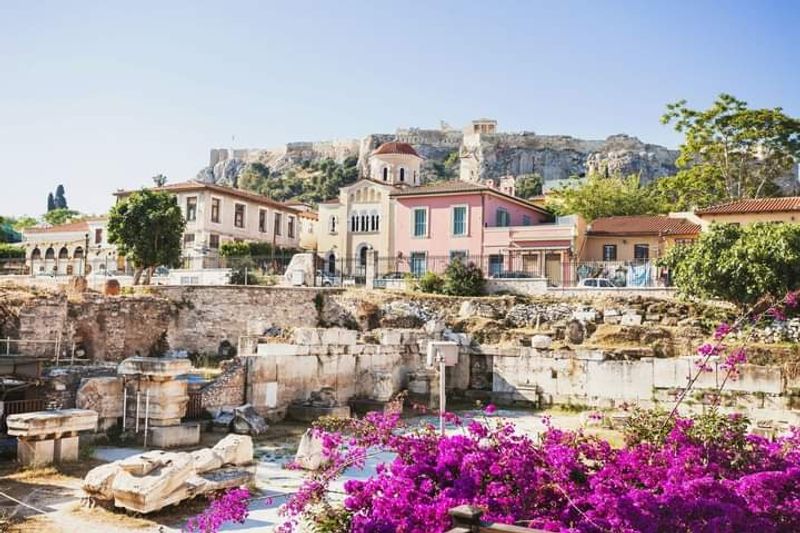
Few cities on earth carry the same historical weight as Athens, and the fact that it gets roughly 2,770 hours of sunshine annually means you can enjoy all that ancient grandeur under perfectly blue skies for most of the year.
The Acropolis is the obvious starting point, and no amount of photographs can fully prepare you for standing in front of the Parthenon in person. Get there early in the morning before the crowds and the midday heat arrive.
The surrounding Plaka neighborhood, with its winding streets and outdoor tavernas, is the perfect place to recover with cold Greek coffee and a plate of mezedes afterward.
Athens rewards slow exploration. The National Archaeological Museum holds one of the world’s greatest collections of ancient artifacts.
The central market in Monastiraki is chaotic, colorful, and full of vendors selling everything from fresh spices to vintage leather jackets. Evenings in Athens have a particular magic, as rooftop bars with Acropolis views fill up and the city’s famous nightlife shifts into gear.
Greece’s capital is hotter than many European cities in July and August, so spring and autumn visits offer the most comfortable conditions for serious sightseeing.
Seville, Spain
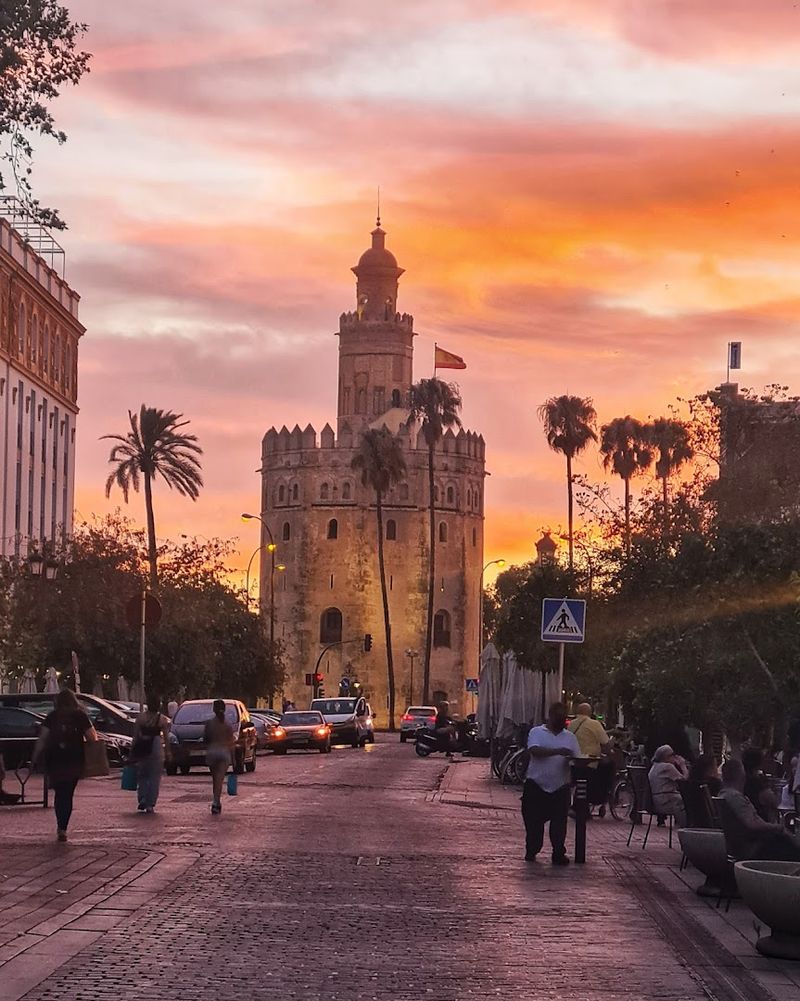
Seville holds the record for the highest temperature ever recorded in Spain, hitting a scorching 47 degrees Celsius in the summer of 2021. So yes, when Seville says hot, it means it.
This Andalusian capital is one of Europe’s most gloriously sun-baked cities, and it leans into that identity completely.
The architecture here is extraordinary. The Real Alcazar, a royal palace with lush gardens and intricate Moorish tilework, is among the most beautiful buildings in Europe.
The Gothic cathedral is the largest in the world, and climbing the Giralda tower rewards you with sweeping views over the rooftops. Plaza de Espana, a semicircular palace built for the 1929 World Exposition, is so spectacular it has appeared in multiple Hollywood films.
Summer visits require strategy: start early, find shade by noon, revive with cold gazpacho and a cerveza, then head out again as the sun drops. The city genuinely comes alive at night during summer, with outdoor flamenco shows, late dinners, and plaza life stretching well past midnight.
Spring, particularly during Semana Santa and the Feria de Abril festival, is arguably the most exciting time to experience Seville at its passionate, sun-drenched best.
Nice, France
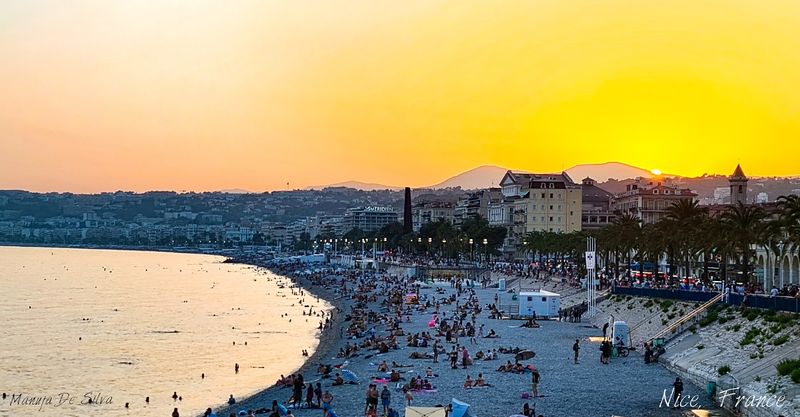
The French Riviera has been drawing wealthy sun-seekers since the 19th century, and Nice remains its sparkling centerpiece, logging more than 2,700 hours of sunshine annually. The famous Promenade des Anglais stretches along the seafront like a runway for stylish people-watching.
Nice has a character that sets it apart from other beach cities. The old town, known as Vieux-Nice, is a dense grid of narrow lanes painted in faded ochres, pinks, and yellows, filled with flower markets, pastry shops, and restaurants serving socca, a crispy chickpea pancake unique to the region.
The city sits right on the border with Italy, and that Italian influence shows up strongly in the local cuisine and architecture.
The pebble beach requires sturdy footwear or water shoes, but the Mediterranean here is exceptionally clear and warm from June through October. Nice also works brilliantly as a base for day trips: Monaco is 20 minutes away by train, Cannes is 40 minutes, and the perched medieval village of Eze is a short bus ride into the hills.
For a combination of sunshine, sophistication, and serious food culture, Nice remains one of Europe’s most rewarding destinations.
Marseille, France
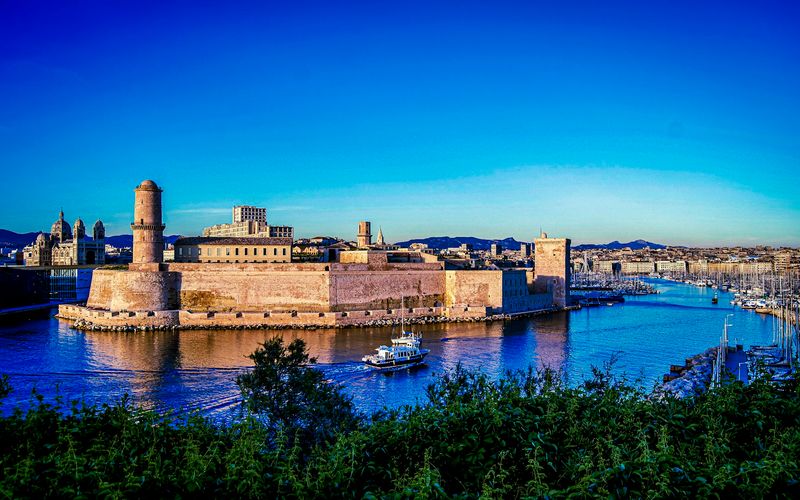
Marseille is France’s second-largest city and its oldest, founded by Greek traders around 600 BC, and it has been soaking up Mediterranean sunshine ever since. With nearly 2,900 hours of annual sunshine, it outshines Paris by a wide margin and then some.
The city has a rough-around-the-edges reputation that actually makes it more interesting, not less. The Vieux-Port, the ancient harbor at the city’s heart, is always busy with fishing boats, ferry traffic, and seafood vendors selling fresh sea urchins right off the dock.
Bouillabaisse, the legendary Provencal fish stew, was invented here, and eating it at a harbor-side restaurant is a genuine culinary event worth budgeting for.
The Calanques National Park begins right at Marseille’s doorstep, offering some of the most dramatic coastal scenery in all of Europe. Towering white limestone cliffs plunge into water that shifts between every shade of blue and green imaginable.
Hiking trails connect hidden coves accessible only on foot, while boat tours show off the full coastline from the water. Marseille is gritty, authentic, sun-drenched, and utterly alive in a way that feels nothing like tourist-polished France.
It rewards travelers who show up with an open mind.
Palermo, Italy
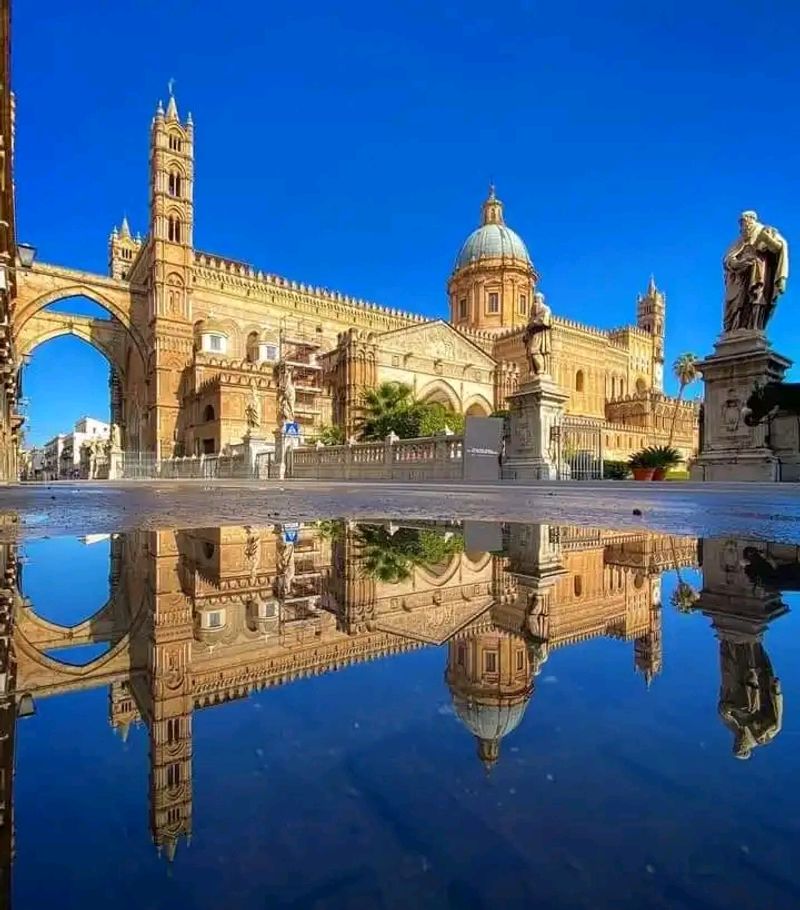
Palermo is a city that hits all five senses simultaneously and doesn’t apologize for it. The street markets are deafeningly loud, the food smells incredible, the Baroque churches are visually overwhelming, and the sunshine is relentless.
Sicily’s capital offers long, hot summers and mild, pleasant winters that make it a genuine year-round destination.
The Ballarò and Vucciria markets are two of the most atmospheric street markets in Europe, places where vendors shout prices in Sicilian dialect and the stalls overflow with blood oranges, fresh tuna, and things you cannot quite identify but definitely want to try. Palermo’s street food culture is legendary: arancine, panelle, sfincione, and pane ca meusa are all local specialties best eaten standing up on a busy corner.
The city’s architecture reflects every civilization that has ruled Sicily over the centuries, from Arab-Norman churches that blend Islamic and Christian styles to crumbling Baroque palaces that look like they belong in a film set. The Palatine Chapel inside the Royal Palace is covered floor to ceiling in golden Byzantine mosaics that genuinely take your breath away.
Palermo is messy, magnificent, and sun-soaked, a city that rewards curious travelers with experiences that are completely impossible to replicate anywhere else.
Tirana, Albania
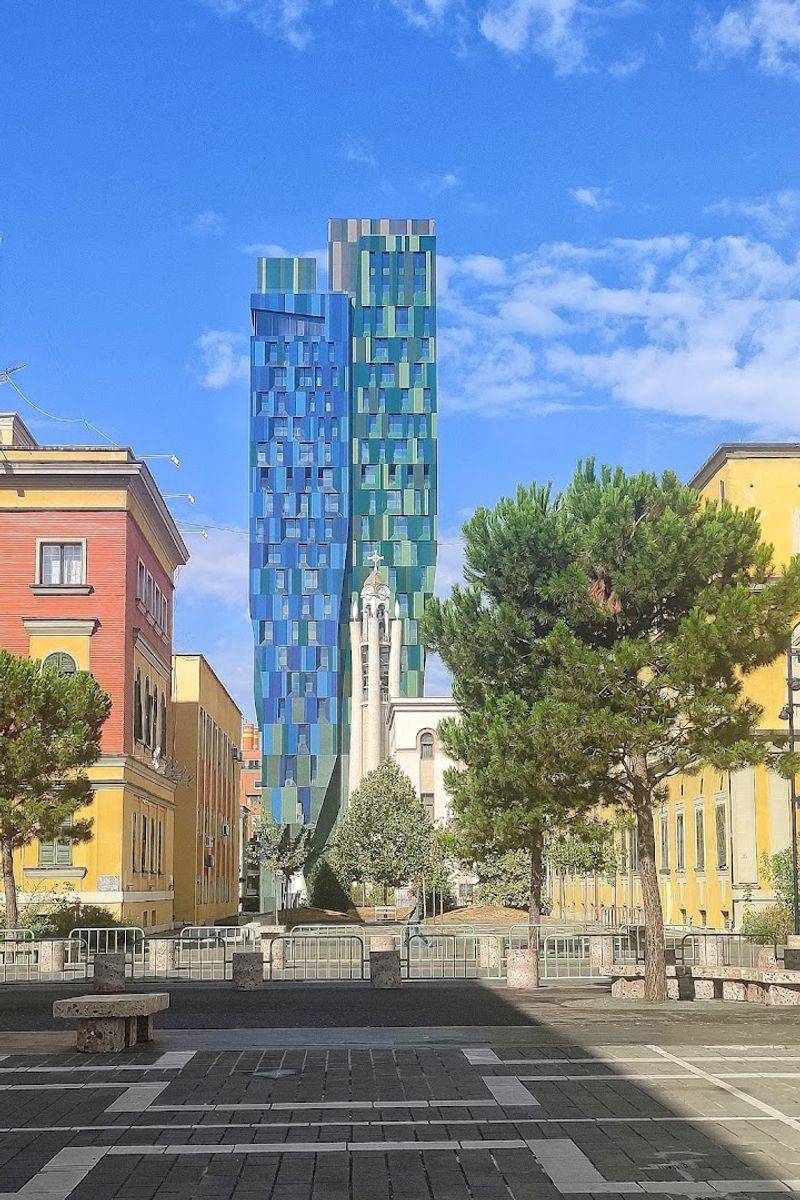
Tirana might be the most surprising entry on this list, but Albania’s capital is rapidly becoming one of Europe’s most talked-about travel destinations, and more than 2,500 annual sunshine hours give it serious credentials in the solar department.
The city itself is a genuinely fascinating place. Colorful buildings painted in vivid geometric patterns line the boulevards, a legacy of a former mayor who launched a city-wide painting initiative to lift spirits after decades of communist gray.
Skanderbeg Square at the city’s heart is one of the largest pedestrian plazas in the Balkans, flanked by a national museum, a mosque, and an Orthodox church standing peacefully side by side.
Tirana’s real advantage for sunshine seekers is its access to Albania’s spectacular coastline. The Albanian Riviera, stretching along the Ionian Sea to the south, offers some of the clearest water and least crowded beaches in the entire Mediterranean.
Budget travelers in particular love Albania because prices remain significantly lower than neighboring Greece or Montenegro. The food scene in Tirana is also booming, with a new wave of creative restaurants putting Albanian ingredients front and center.
Tirana is still finding its feet as a tourist destination, which means right now is the perfect time to visit.
Share this story