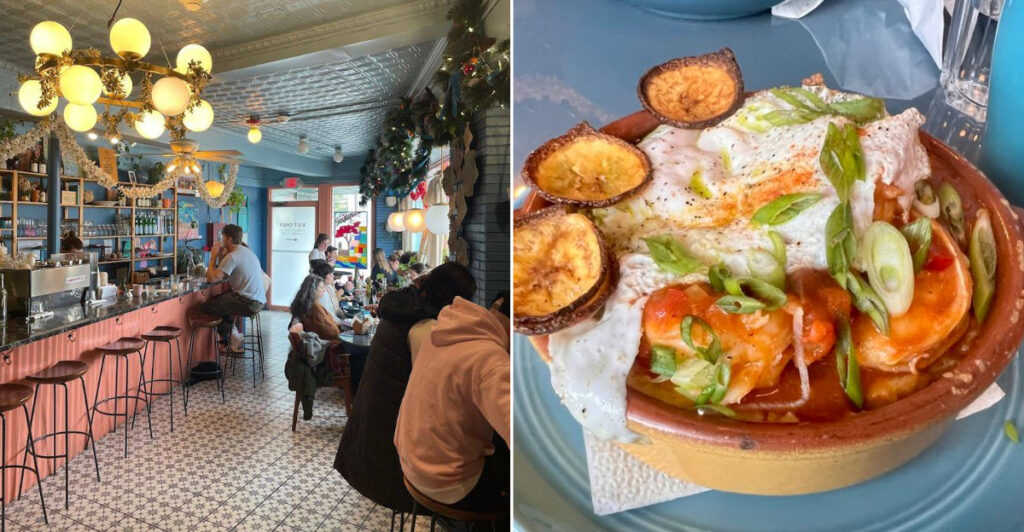
Providence, Rhode Island has a lot going for it, but tucked along Hope Street sits a small café that has quietly earned a reputation far bigger than its six-table dining room. The place draws regulars from across the city, curious travelers making three-hour drives, and Brown University parents who plan their campus visits around a weekend reservation.
Puerto Rican-inspired brunch dishes prepared with serious culinary technique have made this spot a genuine local institution. The James Beard recognition attached to its name is not just a talking point.
It reflects the kind of cooking that makes people rearrange their schedules just to get a seat.
The Story Behind the Name
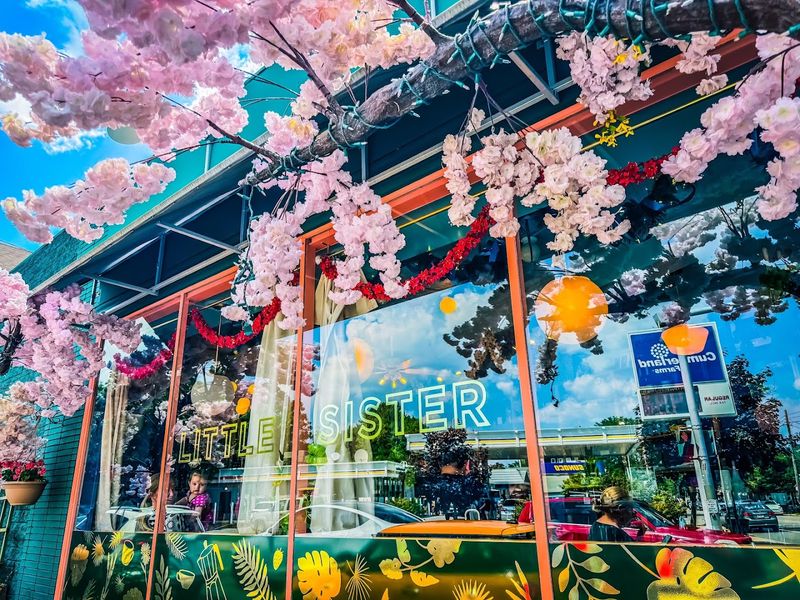
Every great restaurant has an origin story, and Little Sister’s carries real personal weight. Chef Milena, the creative force behind the kitchen, built this space as a tribute to culture, family, and the kind of food that carries memory in every ingredient.
The name itself hints at something tender and close to home.
The restaurant reflects a deep connection to Puerto Rican heritage, not as a marketing angle, but as a lived identity woven into every dish on the menu. Owners and staff speak openly about their pride in representing Caribbean culinary traditions with both respect and creativity.
What started as an intimate neighborhood café has grown into one of Providence’s most talked-about dining destinations. The James Beard recognition elevated its profile nationally, but locally, Little Sister had already built a loyal following long before any formal award conversation began.
That grassroots loyalty says everything about what the place actually delivers.
A Dining Room That Punches Above Its Size
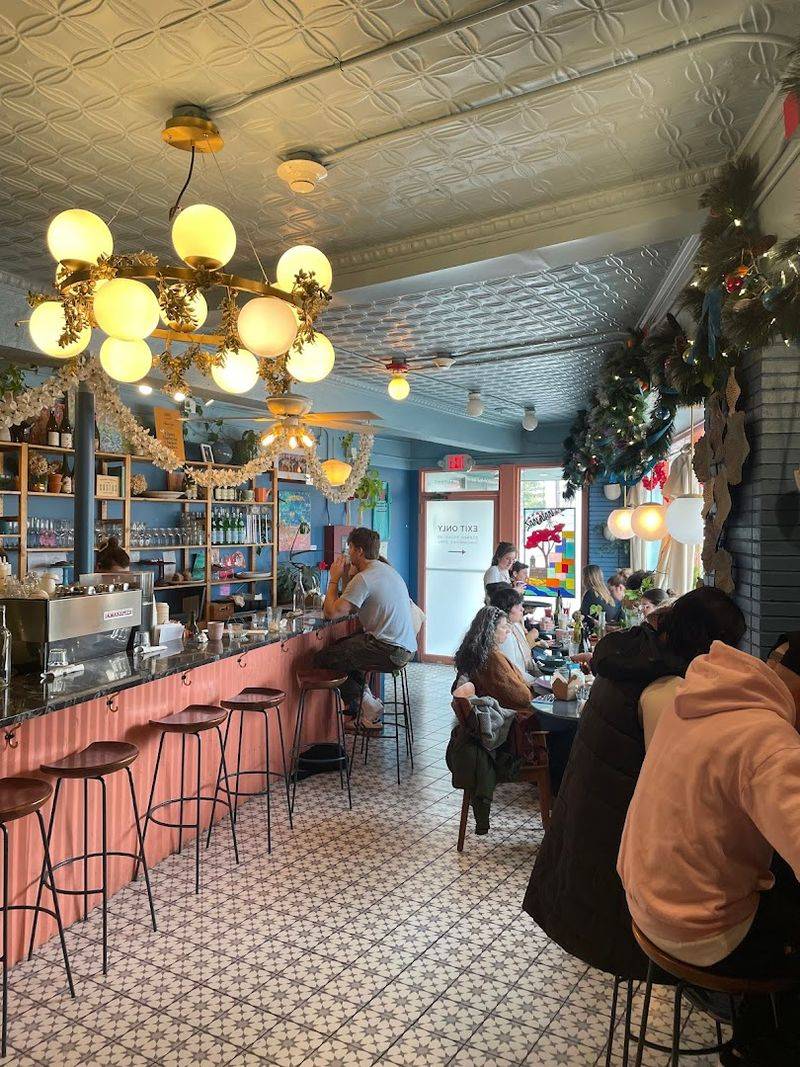
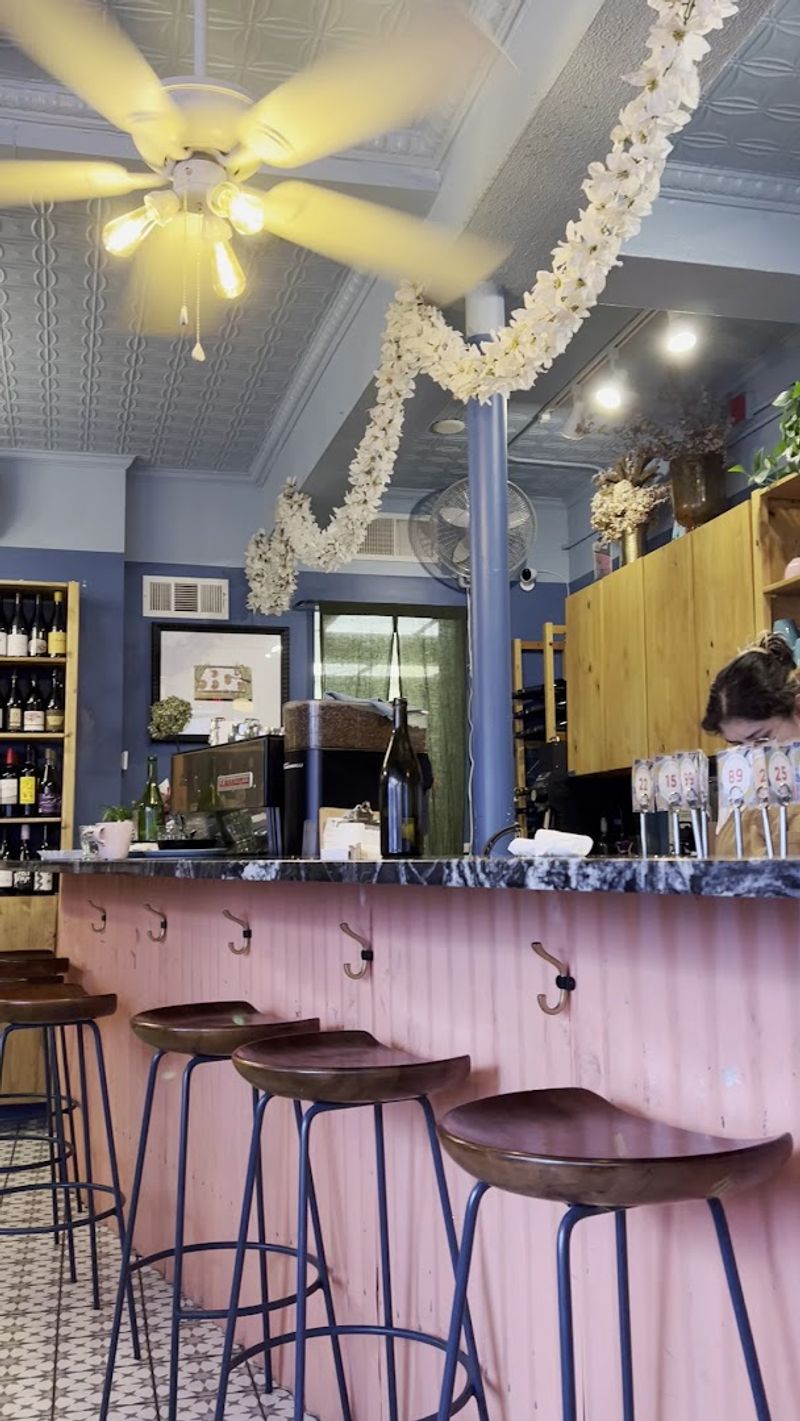
Six tables. That is the entire footprint of Little Sister’s dining room, and somehow, the space never feels like a compromise.
The décor reflects the same intentionality as the food, with details that communicate cultural pride without tipping into theme-restaurant territory.
The atmosphere draws consistent praise, with the combination of visual warmth, carefully chosen music, and the energy of a kitchen operating at full focus creating an experience that feels curated rather than accidental. Salsa music playing in the background adds to the mood without overpowering conversation.
Because the space is genuinely small, the restaurant imposes time limits during busier shifts to keep service moving fairly for all guests. This is clearly communicated during the booking process on Resy.
Arriving on time with a full party is the best way to make the most of the allotted window and avoid a rushed experience. Preparation makes all the difference here.
The James Beard Connection Explained
The James Beard Foundation is often called the Oscars of the American food world, and having any connection to that organization signals a level of culinary seriousness that most restaurants never reach. For a six-table café on Hope Street in Providence, the recognition carries particular weight.
Guests who have followed Little Sister for years note that the James Beard acknowledgment felt less like a surprise and more like a confirmation. The cooking had already established its own standard long before any formal recognition arrived.
What the award conversation did was bring a wider national audience to a place that locals had been quietly celebrating for years.
The café’s connection to that level of culinary prestige is a direct reflection of Chef Milena’s training, standards, and creative vision. It also signals to first-time visitors that the experience ahead of them is not casual brunch fare dressed up with a clever menu.
This is serious cooking in a relaxed setting.
Puerto Rican Brunch Culture Reimagined
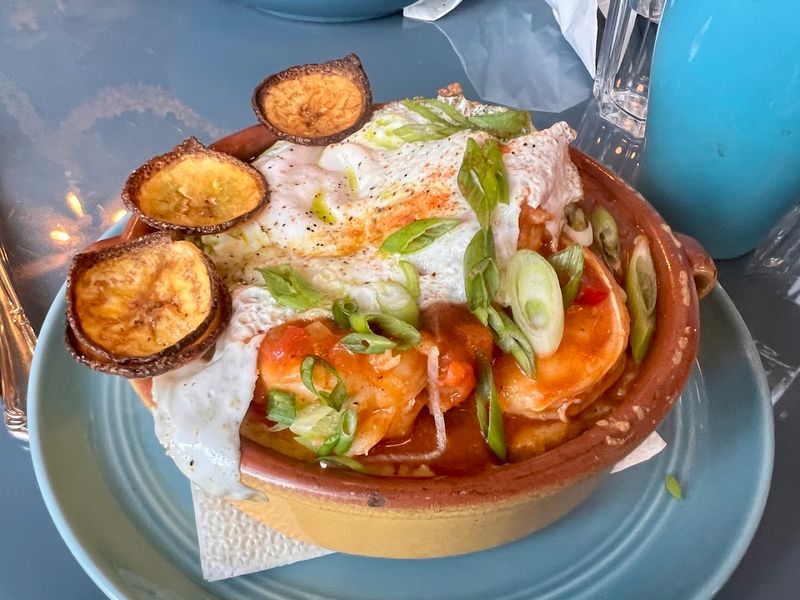
Puerto Rican cuisine has a rich and layered culinary history, and Little Sister approaches that tradition with both reverence and creativity. The menu takes familiar comfort food staples and rebuilds them with fine-dining technique, resulting in dishes that feel both deeply familiar and genuinely surprising.
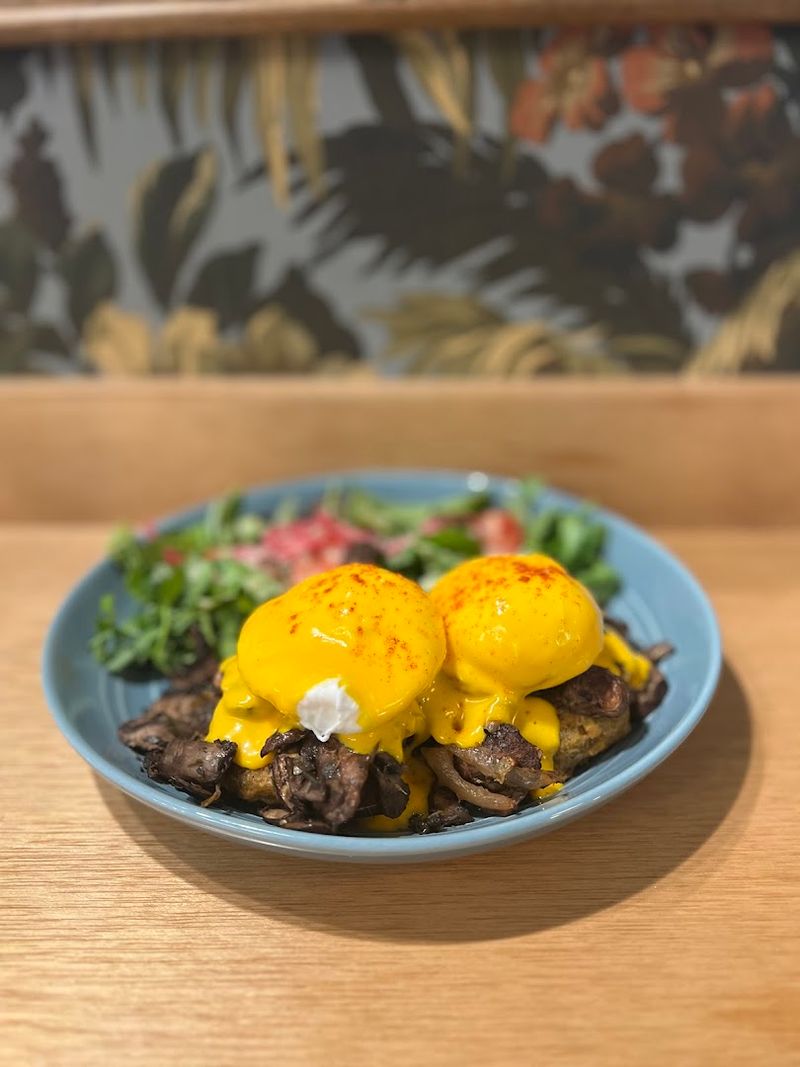
Mofongo, a classic Puerto Rican dish made from mashed plantains, appears on the menu in a form that uses a crispy preparation as the base, topped with slow-cooked pork, caramelized onions, and a scratch-made achiote hollandaise. That kind of dish signals a kitchen that understands its roots and is confident enough to reinterpret them.
The menu also includes options that nod to other Latin traditions, creating a brunch experience that feels culturally expansive without losing its Puerto Rican core identity. Vegetarian-friendly options are available as well, making the menu accessible to a wider range of guests without diluting what makes it distinctive and worth the visit.
Pastries That Deserve Their Own Reputation
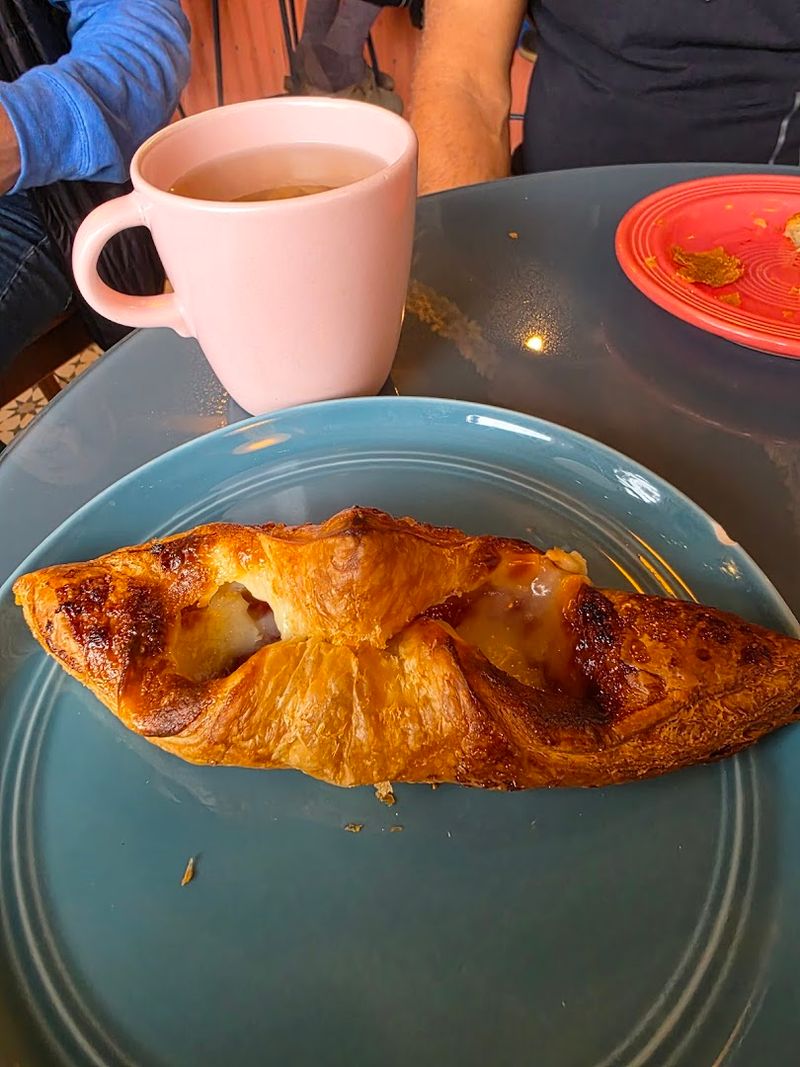
Before the main courses arrive, the pastry selection at Little Sister sets the tone for what kind of kitchen is operating behind the counter. Guava quesitos, cardamom knots, and empanadas are among the baked goods that have developed their own following among regular guests.
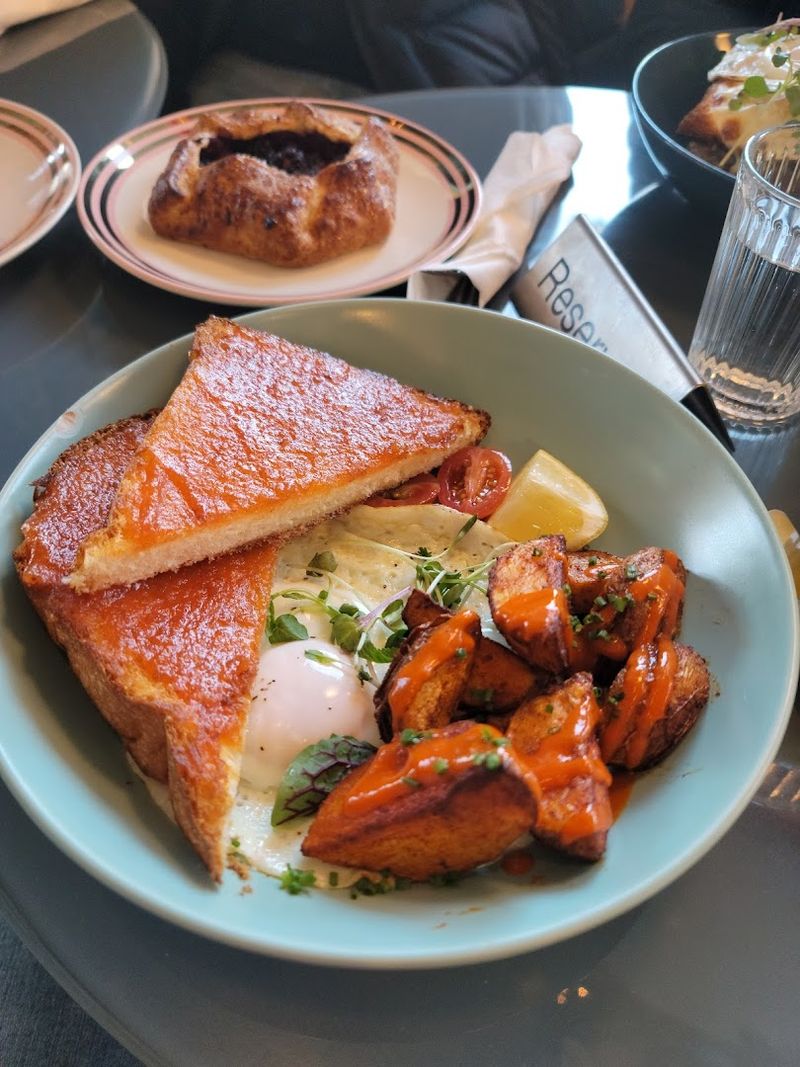
The empanadas at Little Sister are baked in the Argentinian style rather than fried, which distinguishes them from Cuban versions and creates a different texture profile. The kitchen is transparent about this distinction, and the house-made tamarind hot sauce served alongside adds a layer of complexity that makes the pairing work on its own terms.
Pastries can be ordered to go online during the week, but on weekends the focus shifts entirely to the dine-in experience. The kitchen also sells house-made jams, hot sauces, and shakshuka in jars, giving guests a way to bring a piece of Little Sister home.
Those retail items have become a quiet extension of the brand.
The Reservation System and How It Works
Getting a table at Little Sister requires a bit of planning, and that planning starts with Resy. Reservations open four weeks in advance, and popular time slots fill quickly, particularly on Saturday and Sunday mornings.
Walk-ins are welcome when space allows, but reported wait times during busy periods have stretched past an hour.
The restaurant is upfront about its time limits during peak brunch shifts. With only six tables and multiple reservation windows to honor, the kitchen and staff operate on a schedule that requires guests to arrive on time with their full party.
A ten-minute grace period is noted, but arriving early ensures the best possible experience within the allotted window.
For special occasions, notes can be added to reservations, though the intimate setting and focused service means that elaborate celebrations are better suited to a private event format. The Resy page outlines the restaurant’s policies clearly, so reading through the details before booking helps set accurate expectations from the start.
What the Menu Pricing Reflects
Little Sister occupies a price point that surprises some first-time visitors. Brunch dishes fall in a range that reflects the scratch preparation, quality ingredients, and labor-intensive cooking methods that define the kitchen’s output.
The owner has addressed this directly and without apology.
The argument is straightforward: dishes like the Mofongo Benedict require hours of preparation, from overnight pork cooking to twice-daily hollandaise production. When that level of effort goes into a plate, the price reflects the craft involved, not just the ingredient cost.
That framing resonates with guests who understand what they are getting.
A prix fixe option has been available at certain points, offering a structured way to sample multiple items at a set price, which works particularly well for groups. For those visiting for the first time, the prix fixe format provides a broader introduction to the menu than ordering individually.
The value proposition becomes clearer once the food arrives and the preparation quality is evident on the plate.
House-Made Products You Can Take Home
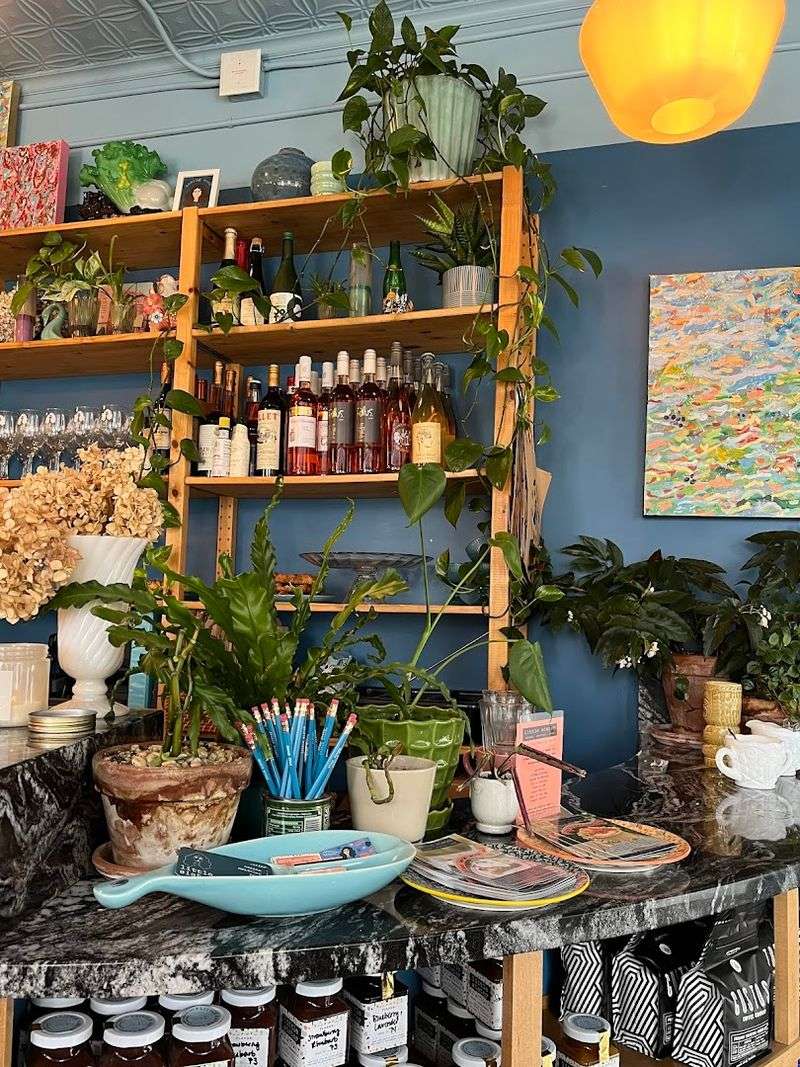
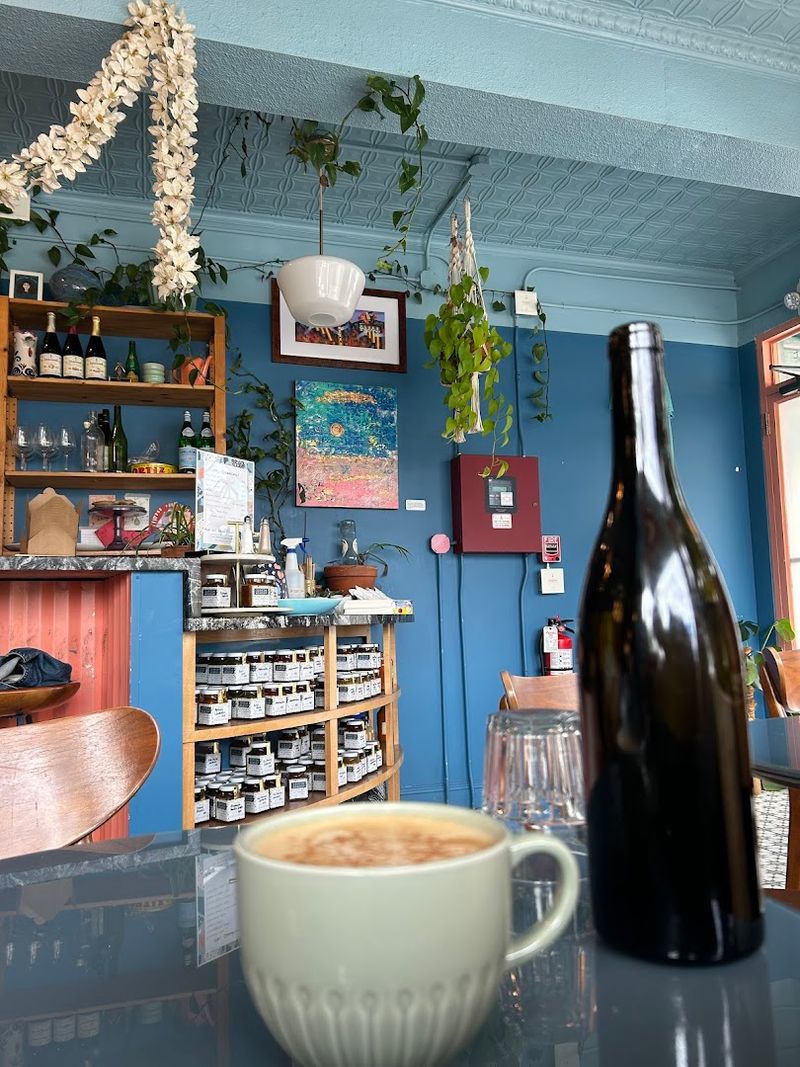
One of the quieter pleasures of a visit to Little Sister is discovering the retail shelf. The kitchen produces house-made hot sauces, jams, and jarred shakshuka that are available for purchase, giving guests a tangible connection to the restaurant’s flavors long after they leave Hope Street.
The tamarind hot sauce, in particular, has developed a following among guests who first encountered it as a condiment at the table. A variety of hot sauce options are available during service, and the selection reflects the same attention to balance and layered flavor that defines the main menu.
Taking home a jar or two has become something of a ritual for regulars, and at least one guest noted that an unsupervised companion left with hot sauce and coffee without much deliberation. The retail offerings are a natural extension of the kitchen’s identity, and they make thoughtful souvenirs for anyone who wants to share a piece of Little Sister with people back home.
Vegetarian and Dietary-Friendly Options
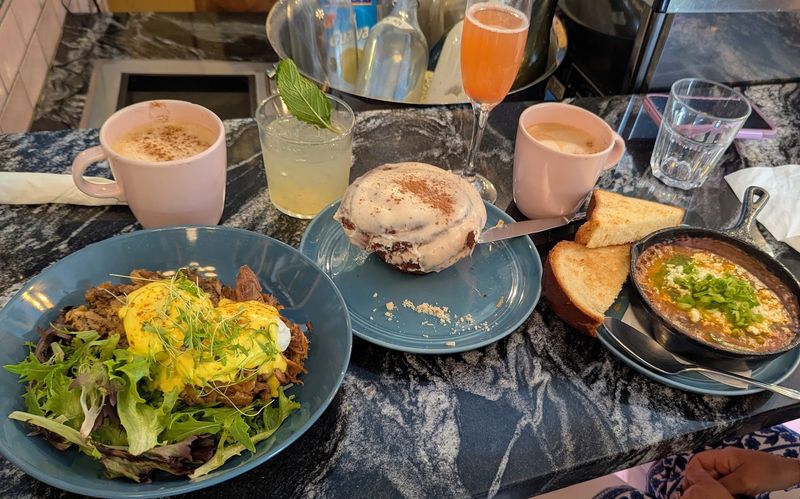
Puerto Rican cuisine is often associated with pork and seafood, but Little Sister has built a menu that gives vegetarian guests genuine options rather than afterthoughts. The kitchen’s creative approach to plant-forward dishes reflects the same technical care applied to its meat-based preparations.
Guests who eat plant-based have noted the availability of veggie-friendly dishes without feeling like the menu was designed around them as an exception. That balance is harder to achieve than it sounds, particularly in a kitchen working with such strong cultural flavor profiles.
The restaurant is also transparent about what the menu does and does not accommodate. Guests with significant dietary restrictions, particularly those avoiding dairy and eggs, may find the brunch menu limited given how central those ingredients are to many of the dishes.
The kitchen communicates these boundaries clearly, which helps guests make informed decisions before arriving. Honesty about menu limitations is itself a form of hospitality that Little Sister consistently delivers.
Little Sister’s Place in the Providence Food Scene
Providence has a food culture that consistently outperforms expectations for a city of its size. The combination of a strong university presence, a historically diverse population, and a community that genuinely supports independent restaurants has created conditions where places like Little Sister can thrive.
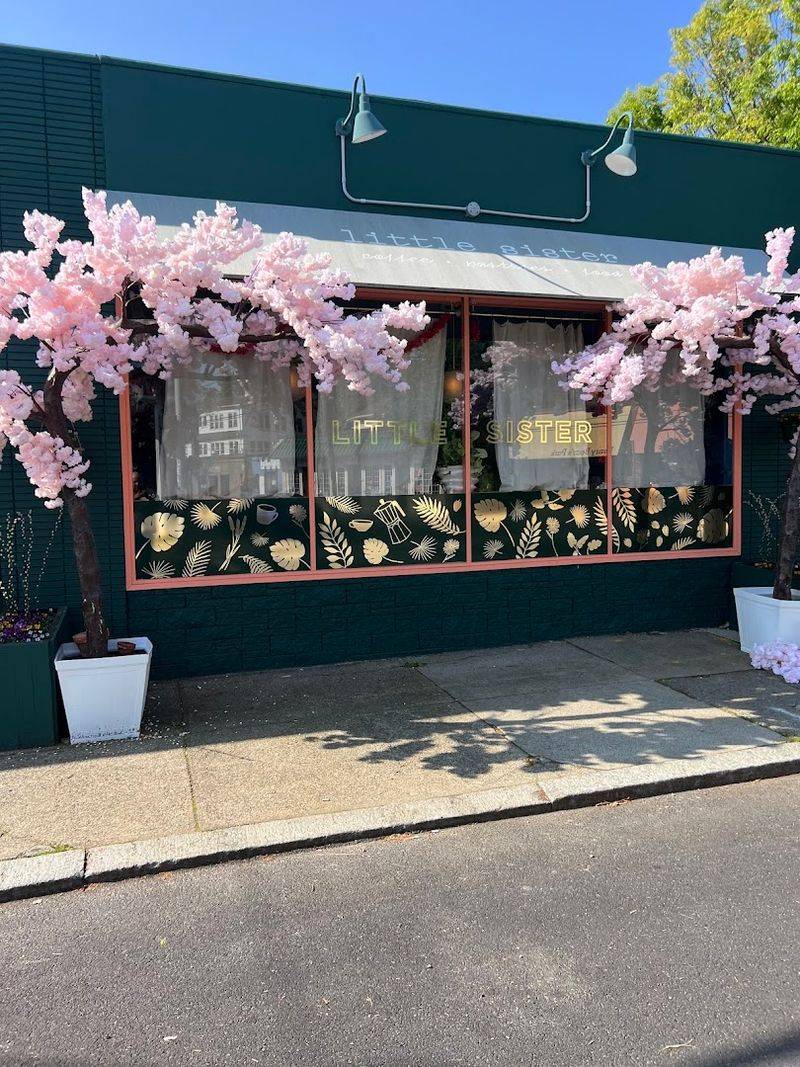
On Hope Street specifically, the restaurant occupies a stretch that values neighborhood character over chain consistency. The block rewards walking, browsing, and spending time in spaces that reflect individual vision rather than corporate formula.
Little Sister fits that environment naturally.
Among Providence brunch destinations, Little Sister has carved out a position that is genuinely its own. The Puerto Rican culinary identity, the James Beard association, and the intimacy of the dining room combine to create something that does not have a direct local equivalent.
Guests from Dallas, Boston, and beyond have made specific trips to the city with Little Sister as the primary destination, which is as clear a signal as any of what the restaurant has built.
Planning Your Visit the Right Way
A successful visit to Little Sister starts well before arriving at 737a Hope St. Booking through Resy as early as possible, ideally when the four-week window opens, gives the best chance of securing a preferred time slot on a Friday, Saturday, or Sunday.
Arriving a few minutes early with the full party ensures the table is ready when the reservation window opens. The restaurant’s time limits during busy shifts are a practical reality of running a six-table space, and working with that structure rather than against it makes the experience significantly more enjoyable for everyone involved.
For those interested in special dining events, checking Resy regularly for tasting menu dinners and wine evenings is worth the habit. The restaurant’s website at littlesisterpvd.com carries updated information about events and policies.
Little Sister rewards guests who come prepared, and the effort put into planning a visit is returned in full by a kitchen that operates with the same level of intention every single service.
Where Little Sister Lives on Hope Street
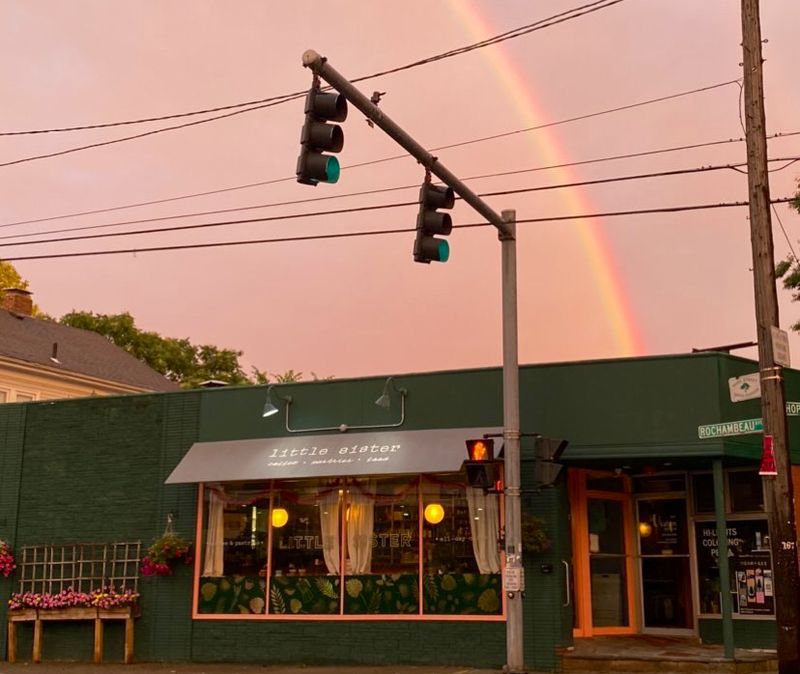
Little Sister sits at 737a Hope St, Providence, RI 02906, right in the heart of the Hope Street corridor, a stretch known for its walkable neighborhood energy and mix of local businesses. The address itself carries a kind of symbolism: Hope Street is exactly the kind of place where a passion project becomes a community anchor.
The café is open Friday from 8 AM to 2 PM and Saturday and Sunday from 9 AM to 2 PM. Monday through Thursday, the doors stay closed.
Those limited hours are part of what makes a visit feel like an event worth planning around.
Reservations are strongly recommended, especially on weekends, when the six-table space fills up fast. Walk-in waits of over an hour have been reported during busy brunch shifts.
Booking in advance through Resy is the smartest move for anyone serious about getting a seat.
Share this story