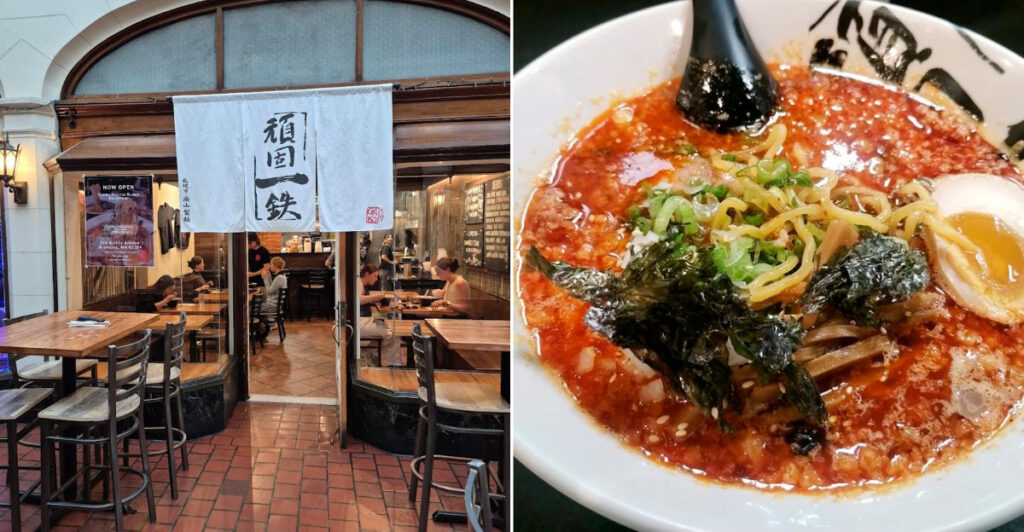
There is a ramen shop tucked inside a shopping arcade in Brookline, Massachusetts, that has been quietly building a devoted following for over a decade. The concept is straightforward: three styles of Sapporo-style ramen, cooked in woks, served in a compact space that fills up fast.
What makes this place stand out is not a flashy menu or a celebrity chef behind the counter. It is the kind of consistency and craft that keeps people coming back through long waits, crowded tables, and the kind of loyalty that is hard to earn and even harder to shake.
The noodles are imported from Sapporo, the broths are built with intention, and the whole operation runs with a focused efficiency that feels more Tokyo side street than suburban Boston. If authentic Japanese ramen tradition matters to you, this little spot in Coolidge Corner is worth every minute of the wait.
The Sapporo Connection That Sets This Place Apart
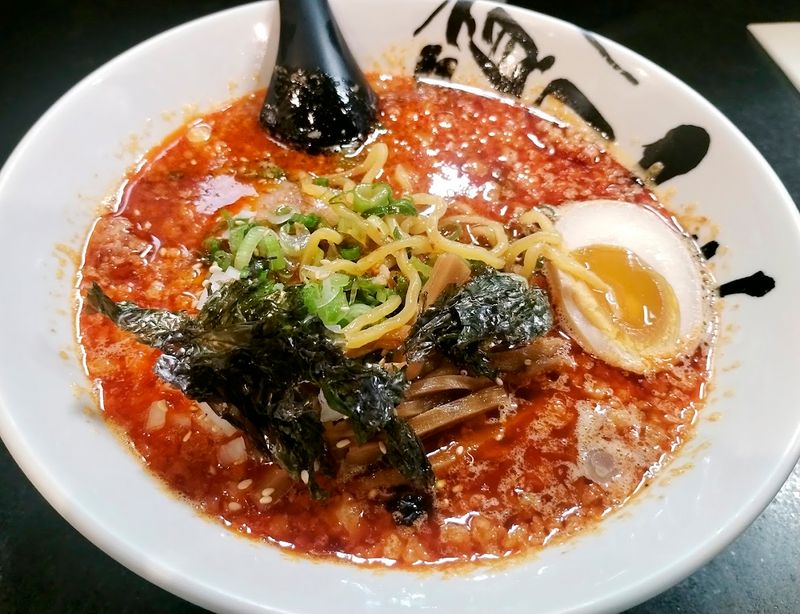
Most ramen shops in the United States default to tonkotsu or shoyu as their calling card. Ganko Ittetsu took a different road entirely by specializing in Sapporo-style ramen, a regional tradition from Hokkaido, Japan’s northernmost island.
Sapporo ramen is known for its wok-cooked broth, which gives the soup a distinct character compared to slow-simmered styles. The technique involves cooking the tare and broth together at high heat, producing a more immediate and layered result.
The shop uses original Nishiyama noodles sourced directly from Sapporo. These noodles are famous for their springy texture and curly shape, and Ganko Ittetsu cures them in-house to further develop their consistency.
For ramen enthusiasts who have spent time in Japan, the noodle quality here reads as genuinely serious. Bringing this specific regional tradition to New England was not a trend move.
It was a deliberate commitment to a style that deserves more recognition outside of Japan.
A Menu Built Around Three Bowls
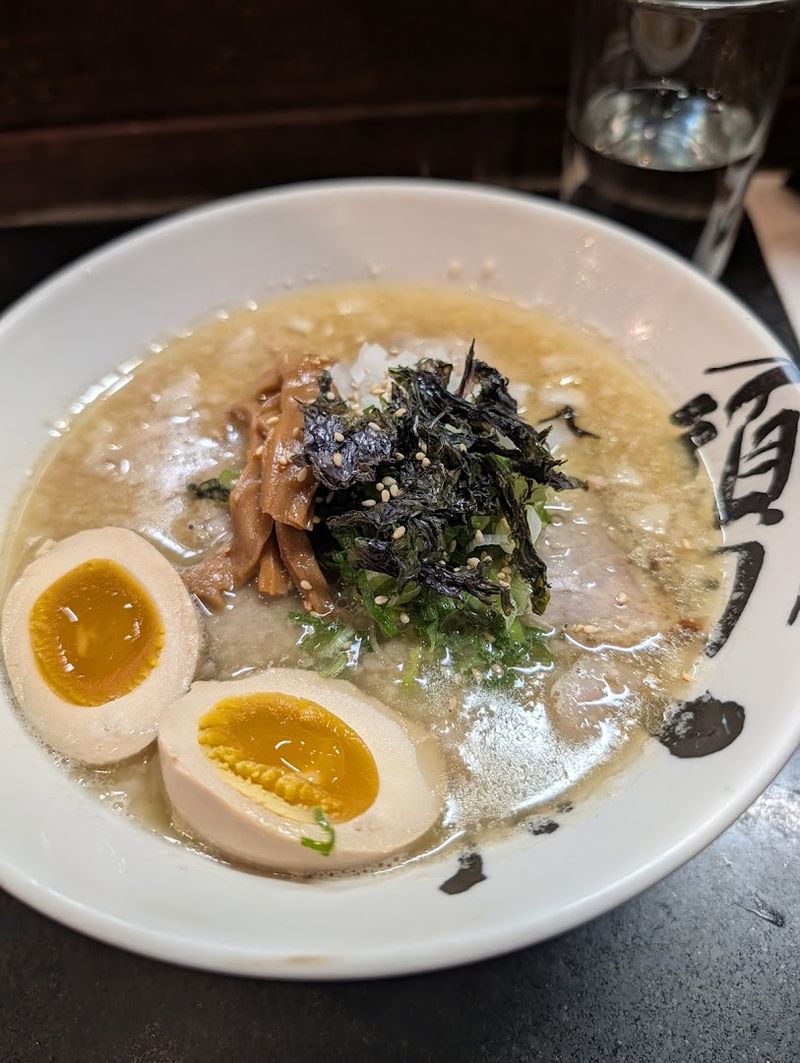
The menu at this Brookline shop is deliberately tight. There are three core ramen options, and that restraint is not a weakness.
It signals a kitchen that knows exactly what it is doing and has chosen depth over breadth.
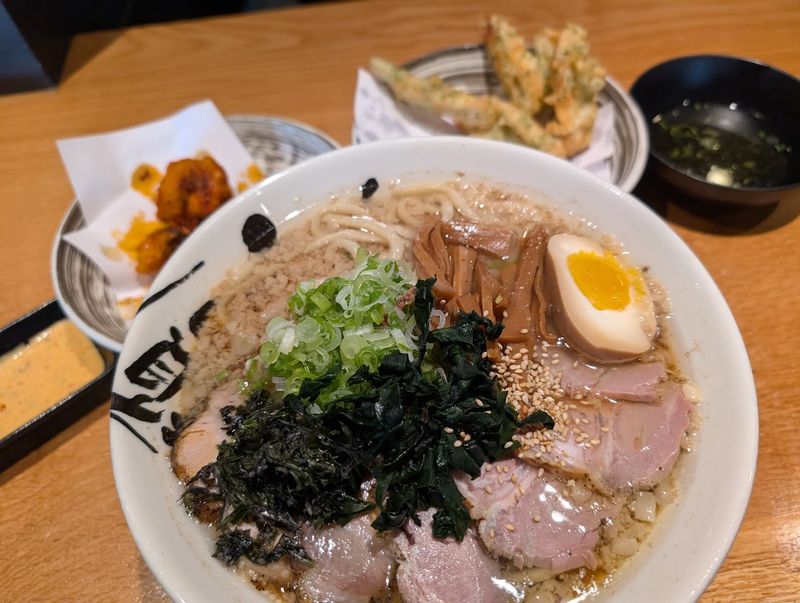
The Gankara Miso brings a miso-based broth with the classic Sapporo profile, including napa cabbage and bean sprouts cooked directly in the wok. The Karai Shoyu is a spicy soy-based option that delivers a sharper, cleaner finish.
The Tan Tan rounds out the trio with a nutty, garlicky warmth that leans into umami.
Each bowl is built around those Nishiyama noodles, which hold up through the entire meal without turning soft. The toppings are applied with care, and portions are described consistently as generous.
For a menu this focused, the range of flavor profiles is impressive. Choosing between the three is genuinely difficult, which is probably why many regulars cycle through all of them on repeat visits.
How the Ordering System Actually Works
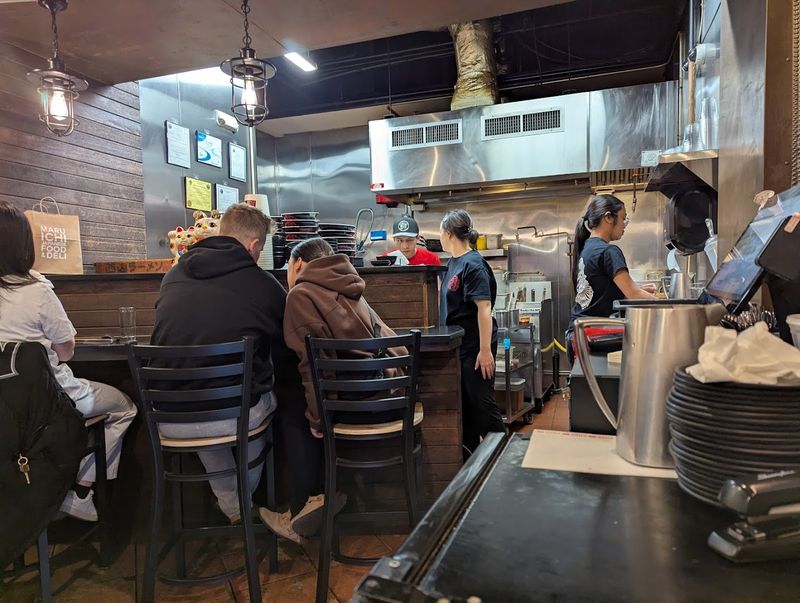
First-time visitors to Ganko Ittetsu often arrive expecting a traditional sit-down experience, but the process here works differently. Orders are placed at a counter near the entrance before anyone is seated, and the kitchen begins preparing the food while the table is being readied.
This system keeps things moving efficiently. By the time a table opens up, the ramen arrives quickly, which reduces overall wait time and keeps the small dining room turning at a steady pace.
Payment happens at the end of the meal, so ordering additional items mid-visit is possible.
The waitlist operates through the restaurant’s website on busy days, particularly on weekends. Joining the digital queue before arriving in person can save significant time.
Walk-ins are welcome, but showing up without checking the wait status on a Friday evening is a gamble. The system rewards a little planning, and once the process clicks, it actually feels quite smooth and well-organized for a restaurant this size.
The Wait and Why People Still Come Back
Ganko Ittetsu Ramen has a wait time reputation that precedes it. On busy evenings, the queue can stretch to 45 or even 80 minutes, and that is not an exaggeration.
The restaurant is small, seating is limited, and demand consistently outpaces capacity.
What is notable is that the wait has not driven the loyal crowd away. Regulars who have been returning for ten or more years treat it as simply part of the ritual.
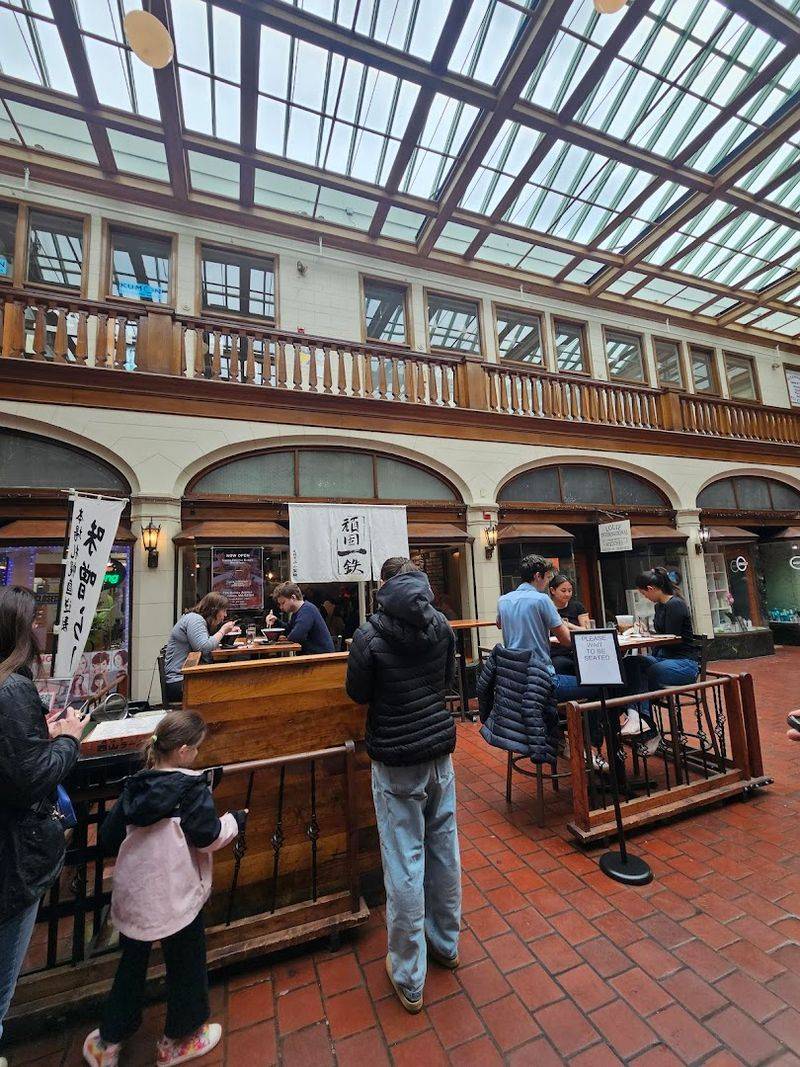
The indoor arcade location makes the wait more manageable than standing on a sidewalk in a Massachusetts winter.
The restaurant does not offer takeout on weekends, which concentrates dine-in demand even further. For groups larger than two or four people, the compact layout presents challenges, though the staff makes reasonable efforts to accommodate.
The practical advice from experienced visitors is consistent: use the online waitlist, arrive with your full party, and be ready to order the moment you are called. Patience here is always rewarded.
The Noodles That Noodle Nerds Talk About
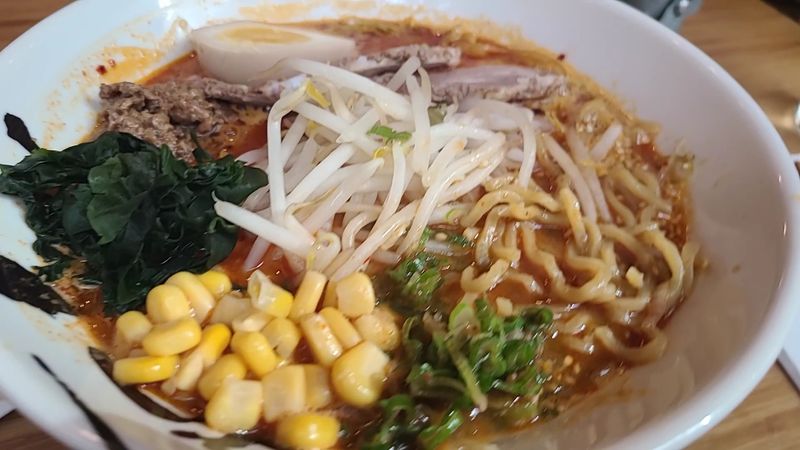
Ramen is only as good as its noodles, and Ganko Ittetsu has made the noodle question central to its identity. The shop imports Nishiyama noodles directly from Sapporo, a brand that has been producing noodles in Hokkaido since 1953 and is considered a benchmark for quality in the ramen world.
These noodles are characterized by their curly shape, which holds broth in each coil, and their firm, springy bite that does not deteriorate quickly in hot soup. Ganko Ittetsu cures the noodles in-house after receiving them, a step that further refines their texture and sets the restaurant apart from spots that treat noodles as an afterthought.
For anyone who has eaten ramen in Japan and noticed that something always seems slightly off about American versions, the noodle quality here tends to close that gap noticeably. It is one of the most technically deliberate choices the kitchen makes, and it shows up clearly in every bowl that leaves the counter.
Inside the Coolidge Corner Arcade Setting
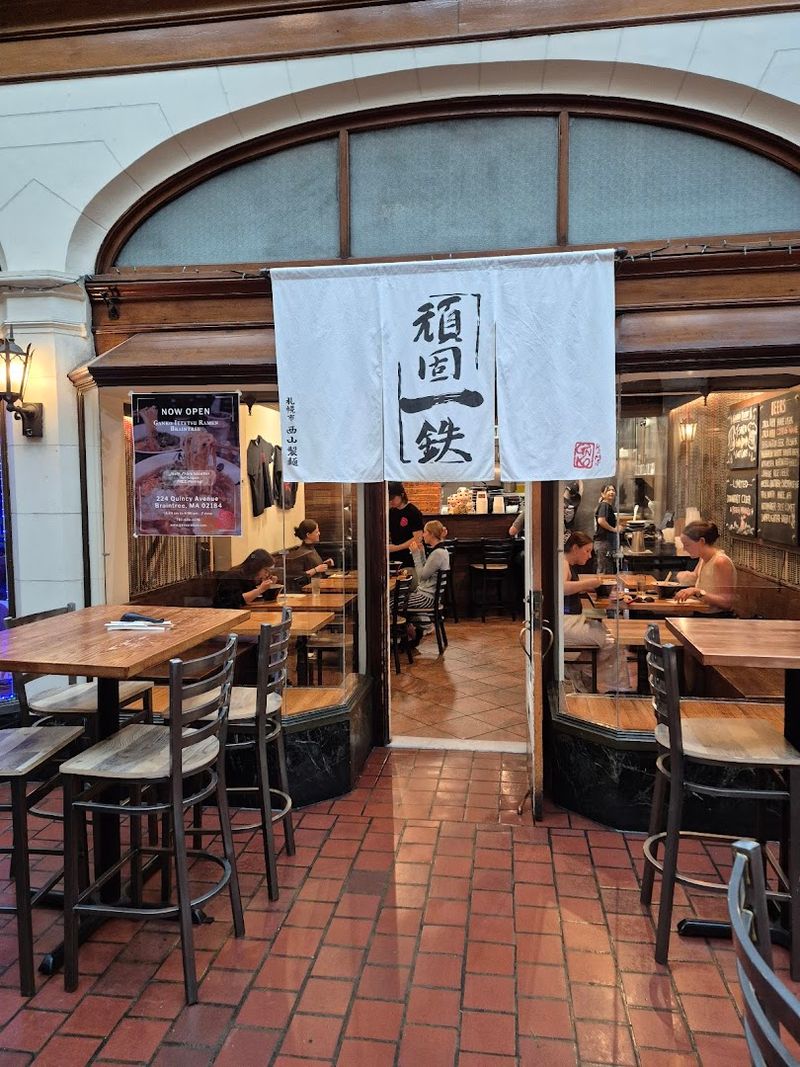
The physical setting of Ganko Ittetsu Ramen is genuinely unusual for the Boston area. Housed inside the Coolidge Corner Arcade, the restaurant occupies a compact space within a covered indoor shopping passage that runs between storefronts on Harvard Street.
The arcade itself provides a quiet, sheltered environment that feels a bit removed from the street outside. The restaurant’s interior is described consistently as small and no-frills, with a layout that prioritizes function over decoration.
There is nothing elaborate about the space, and that straightforwardness fits the style of cooking being served.
One practical bonus of the arcade location is the presence of a sister restaurant directly across the walkway. The two establishments share a connection, and diners seated at either spot can order from both menus.
This arrangement expands the dining options without requiring anyone to move tables. The arcade setting also means the restaurant is accessible in poor weather, which in Brookline is a consideration that comes up regularly from October through April.
Sides and Small Plates Worth Ordering
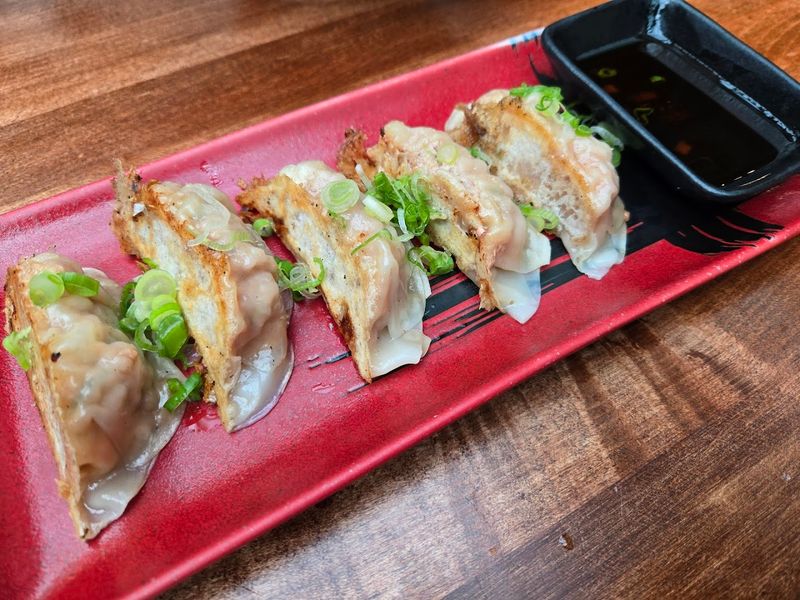
Beyond the three ramen bowls, Ganko Ittetsu offers a selection of small plates and fried sides that have developed their own following. The karaage, a Japanese-style fried chicken, is prepared at the sister restaurant across the arcade walkway and delivered fresh to the table.
The original-style karaage is consistently described as crispy with a distinct garlic ponzu dipping sauce that elevates the dish. The fried octopus with chili peppers is another option that draws attention, offering a different texture and a lingering heat.
Pork gyoza rounds out the appetizer lineup and is a reliable choice for those who want something to share before the ramen arrives.
The small plates are not just filler. They are prepared with the same level of attention as the main bowls, which makes ordering a couple of sides a worthwhile decision rather than an afterthought.
For first-time visitors, starting with the gyoza and karaage before the ramen is a solid approach to the full Ganko Ittetsu experience.
A Decade of Consistency in Brookline
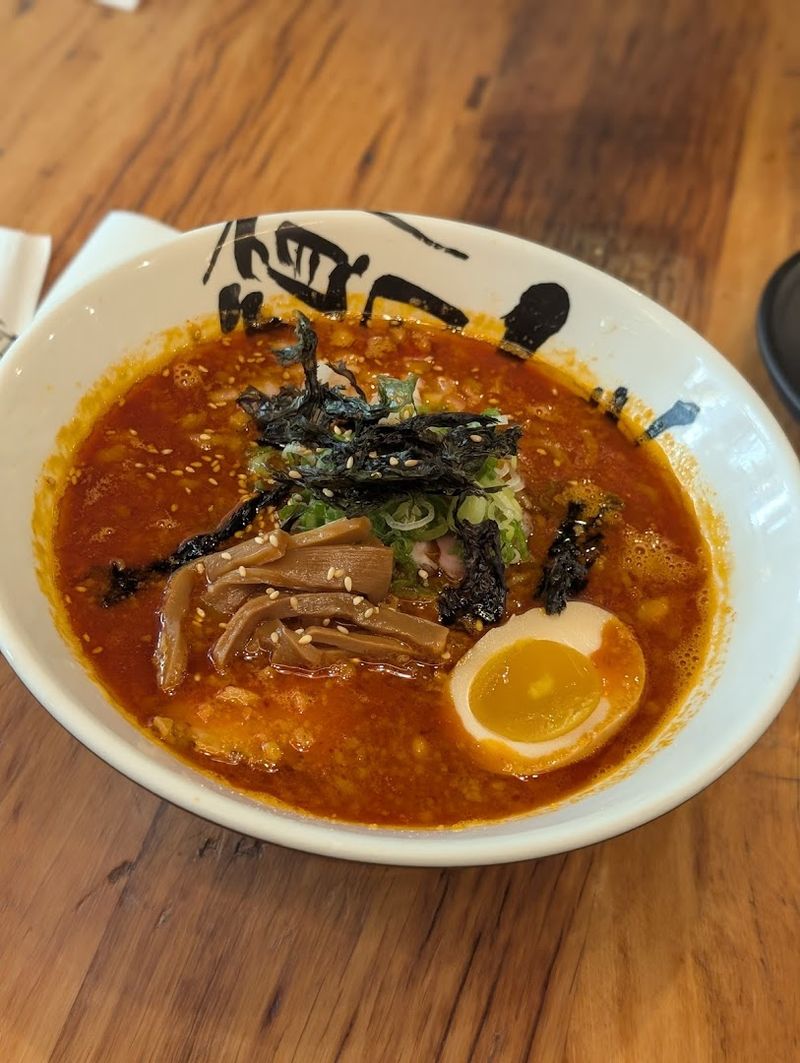
Longevity in the restaurant business is not common, and Ganko Ittetsu Ramen has been operating in Brookline for well over ten years. That kind of staying power in a competitive food city like Boston is not accidental.
It reflects a consistent product delivered reliably over a long stretch of time.
The restaurant has built a reputation as one of the best ramen destinations in the greater Boston area, a distinction that has brought in diners from across the city and beyond. Long-term regulars speak about the place with the kind of familiarity that comes from dozens of visits over many years.
Consistency is the word that comes up most often when people describe what keeps them returning. The broth, the noodles, and the portions hold to a standard that does not drift much from visit to visit.
In a dining landscape where hype often fades fast, a ramen shop that keeps its quality steady for a decade earns a different kind of respect entirely.
The Atmosphere Inside the Shop
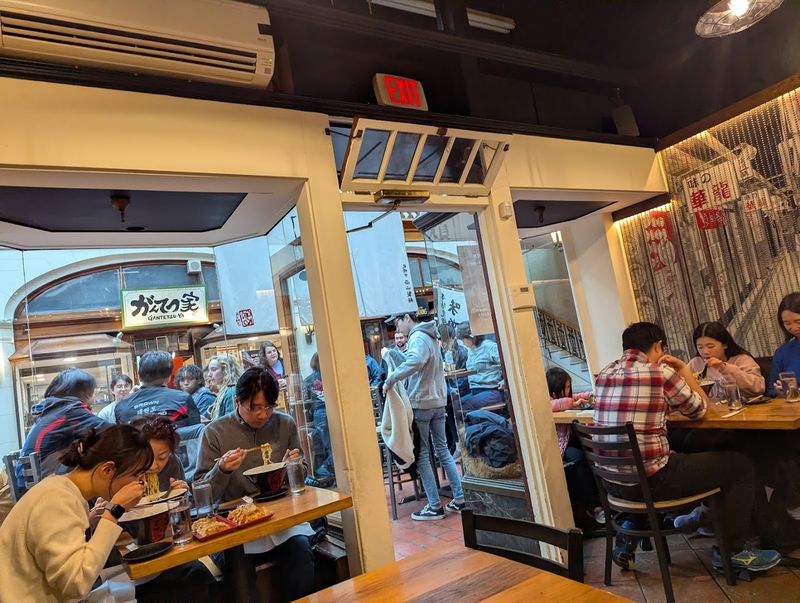
The interior of Ganko Ittetsu is compact and unpretentious. The space is often described as similar to a Japanese ramen bar, where the concept is quick, focused dining rather than a long, leisurely meal.
Tables are close together, and the room fills up fast once service begins.
The overall feel is utilitarian in the best possible way. There are no elaborate decorations competing for attention.
The focus is squarely on the food and the experience of eating it. Staff members acknowledge departing guests in Japanese, a small detail that adds an authentic touch without feeling performative.
The restaurant seats a limited number of people at once, which means the room always has energy without becoming overwhelming. It is particularly well-suited for two people, though groups of four have been accommodated.
For diners who prefer a calm, spacious environment, the compact layout may take some adjustment. For those who appreciate the atmosphere of a working ramen shop in Japan, this room delivers that feeling with surprising accuracy.
Why This Shop Matters to New England Ramen Culture
New England does not have the longest history with regional Japanese ramen styles, and for years, finding anything beyond the most common ramen varieties required a trip to New York or a flight to Japan. Ganko Ittetsu changed that calculation for the Boston area by planting a serious Sapporo-style operation in Brookline and keeping it running at a high level for over a decade.
The restaurant brought wok-cooked Sapporo ramen to a region that had little exposure to the style, and it did so without compromising on the details that make Sapporo ramen distinct. The imported noodles, the regional broth techniques, and the focused menu all reflect a commitment to representing the style accurately rather than adapting it for a broader audience.
That kind of culinary conviction is not common. It has earned Ganko Ittetsu a place in conversations about serious ramen in America, and it has given New England diners access to a regional Japanese tradition that otherwise would have remained out of reach.
That alone makes this small arcade shop worth knowing about.
Where to Find This Ramen Spot in Brookline
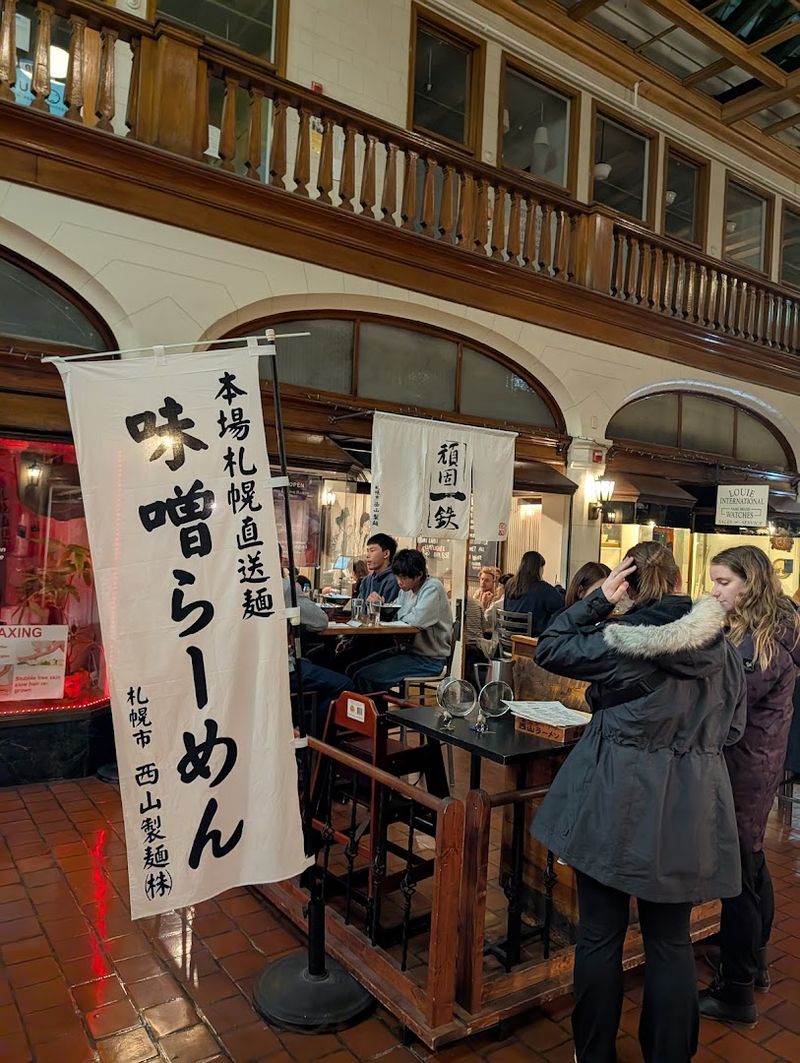
Finding Ganko Ittetsu Ramen is half the adventure. The restaurant is located at 318 Harvard St #3, Brookline, MA 02446, inside the Coolidge Corner Arcade, a covered indoor shopping passage in one of Brookline’s most walkable neighborhoods.
To get there, you enter the arcade from Harvard Street and walk toward the back, where the ramen shop appears on the left side. The setting is modest and easy to miss if you are not looking for it, but that is part of its charm.
The surrounding Coolidge Corner area is a dense, transit-friendly neighborhood with easy access by the MBTA Green Line. Street parking exists nearby, though it can be competitive, especially on weekends.
The indoor arcade location means that even while waiting for a table, guests are sheltered from New England’s unpredictable weather, which is a genuinely practical bonus in this part of the country.
Share this story