There is a small island off the coast of North Carolina where you will not hear a single car horn, see a stop light, or get stuck in traffic. The only way to get there is by ferry, and once you arrive, the roads belong to golf carts and bicycles.
The air smells like salt and pine, the beaches stretch on without crowds, and the pace of life slows down in a way that feels almost unreal. This is one of those rare places that makes you question why you ever thought a vacation needed to be complicated, and once you read what is waiting here, you will want to start packing right away.
A Car-Free Village Unlike Anywhere Else on the East Coast
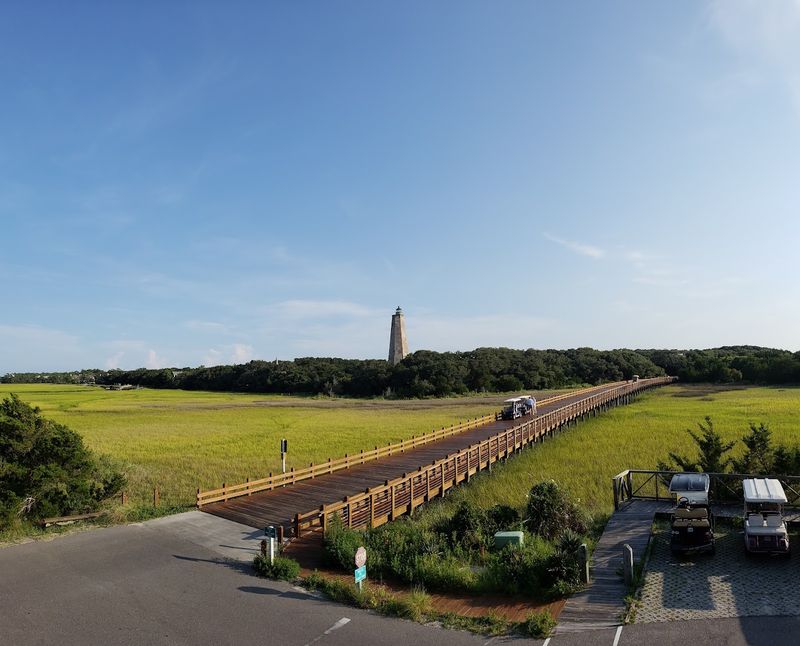
Most people do not realize that Bald Head Island, located at North Carolina 28461 in Brunswick County on the east side of the Cape Fear River, is entirely car-free. There are no personal automobiles allowed on the island at all, which makes it one of the most genuinely peaceful destinations on the entire East Coast.
The village of Bald Head Island is small and somewhat remote compared to the nearby city of Wilmington to the north, and that remoteness is part of what makes it so special. You get around by golf cart, bicycle, or on foot, and that is honestly all you need.
The roads here feel more like neighborhood paths than actual streets. Kids ride bikes without worry, couples stroll hand in hand, and nobody is rushing anywhere.
The absence of engine noise gives the whole island a soundtrack of wind, birds, and ocean waves instead.
That shift in atmosphere hits you the moment you step off the ferry. Your shoulders drop, your breathing slows, and the mental noise of everyday life starts to quiet down almost immediately.
The Ferry Ride That Starts the Adventure
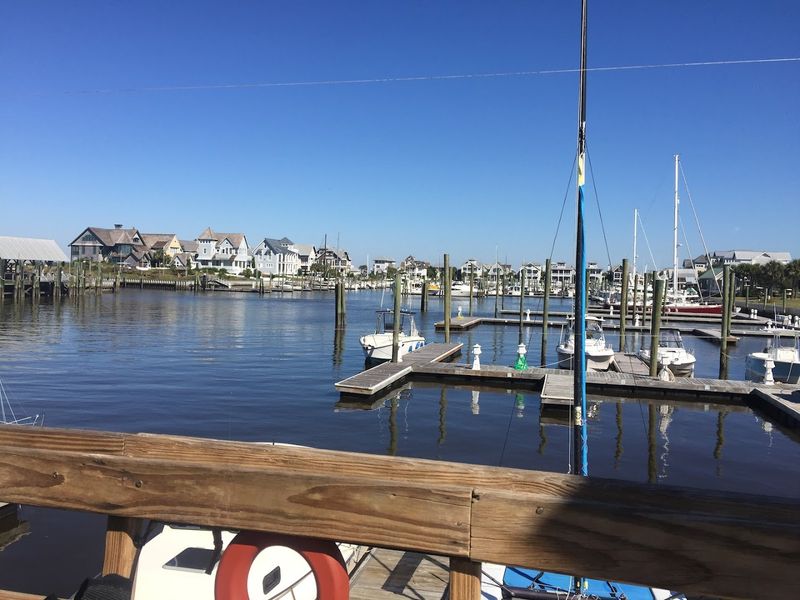
Getting to Bald Head Island is half the fun, and the ferry ride from Indigo Plantation Marina in Southport, North Carolina, is genuinely one of the more memorable parts of the trip. The crossing takes about twenty minutes and gives you a front-row view of the Cape Fear River widening out toward the Atlantic.
The ferry runs regularly throughout the day, and you can bring bikes, luggage, and groceries on board. Most visitors use it to haul everything they need for a stay since there are no big-box stores waiting on the other side of the water.
The boat itself is comfortable and well-maintained, and the crew is friendly in that easy coastal way that makes you feel like a local before you even arrive. First-timers tend to spend the whole ride standing at the railing, watching the island grow larger on the horizon.
By the time the ferry docks at the island marina, you are already in a different headspace. There is something about crossing water that signals to your brain that regular life has been left behind, and Bald Head Island leans into that feeling completely.
Old Baldy Lighthouse and Its Slice of History
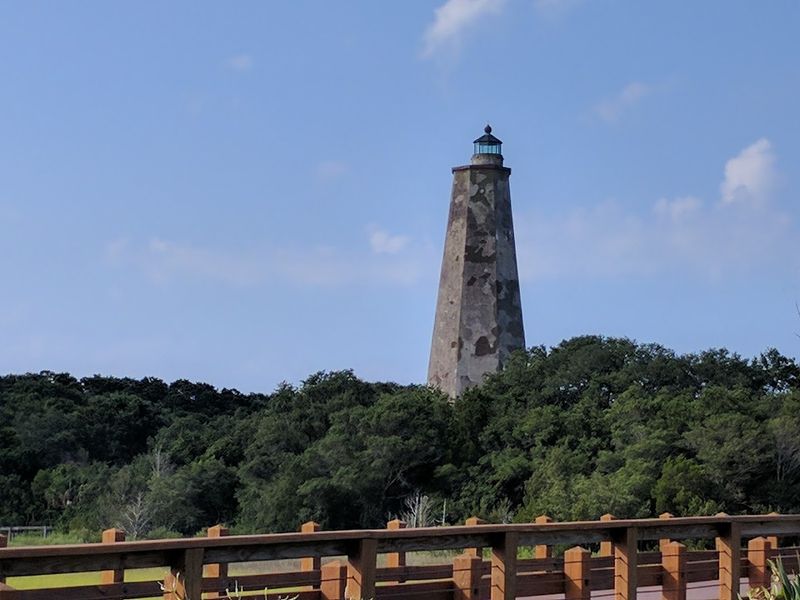
Standing at the southern tip of the island is Old Baldy, the oldest lighthouse still standing in North Carolina, built in 1817. That makes it over two hundred years old, which is a fact that tends to stop people mid-sentence when they first hear it.
The lighthouse is open for tours, and climbing to the top rewards you with a panoramic view of the coastline, the marshes, and the open Atlantic that you genuinely cannot get anywhere else on the island. The brick walls are thick and cool even on hot summer days, and the spiral staircase has that satisfying creak of something old and well-used.
The Smith Island Museum of History sits right next to Old Baldy and gives helpful context about the island’s past, including its earlier name as Smith Island and its role in maritime navigation along the Cape Fear coast.
Visiting both the lighthouse and the museum together takes about an hour and a half, which is the perfect amount of time before heading to the beach. History and ocean in one morning is a combination that is hard to beat.
Miles of Undeveloped Beach With Almost No Crowds
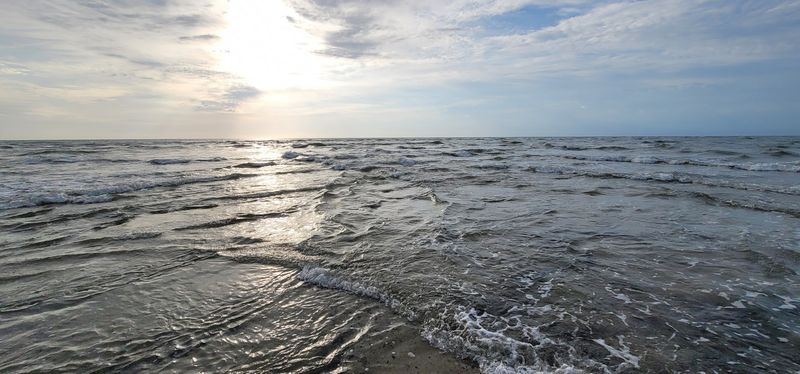
Bald Head Island has about fourteen miles of beach, and a large portion of it is protected and undeveloped. That means you can walk for stretches without seeing another person, which is a genuinely rare experience on the East Coast during peak travel season.
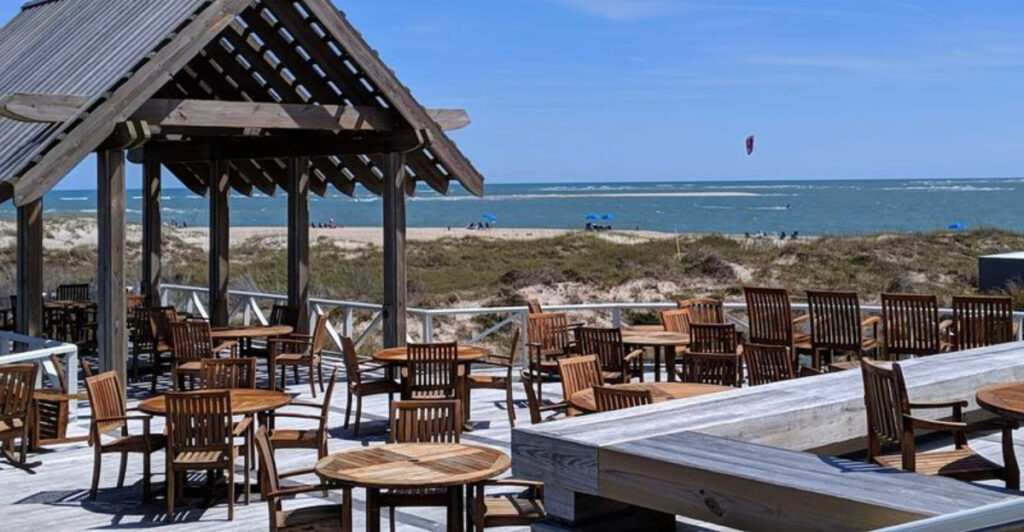
The beaches on the ocean side face the Atlantic directly, so the waves have real energy and the horizon feels enormous. The sand is soft and wide, and the dunes behind the beach are tall and covered in sea oats that sway in the breeze like they are performing just for you.
The calmer waters of the Cape Fear River estuary on the other side of the island offer a completely different beach experience, with gentler lapping waves and stunning views of the marsh. Many families with younger kids prefer this side for wading and exploring.
There are no loud beach clubs, no jet ski rentals buzzing past, and no vendors pushing frozen treats every few feet. What you get instead is just the ocean, the sand, and the kind of quiet that reminds you why people have always been drawn to the sea.
Sea Turtle Nesting Season and Conservation Efforts
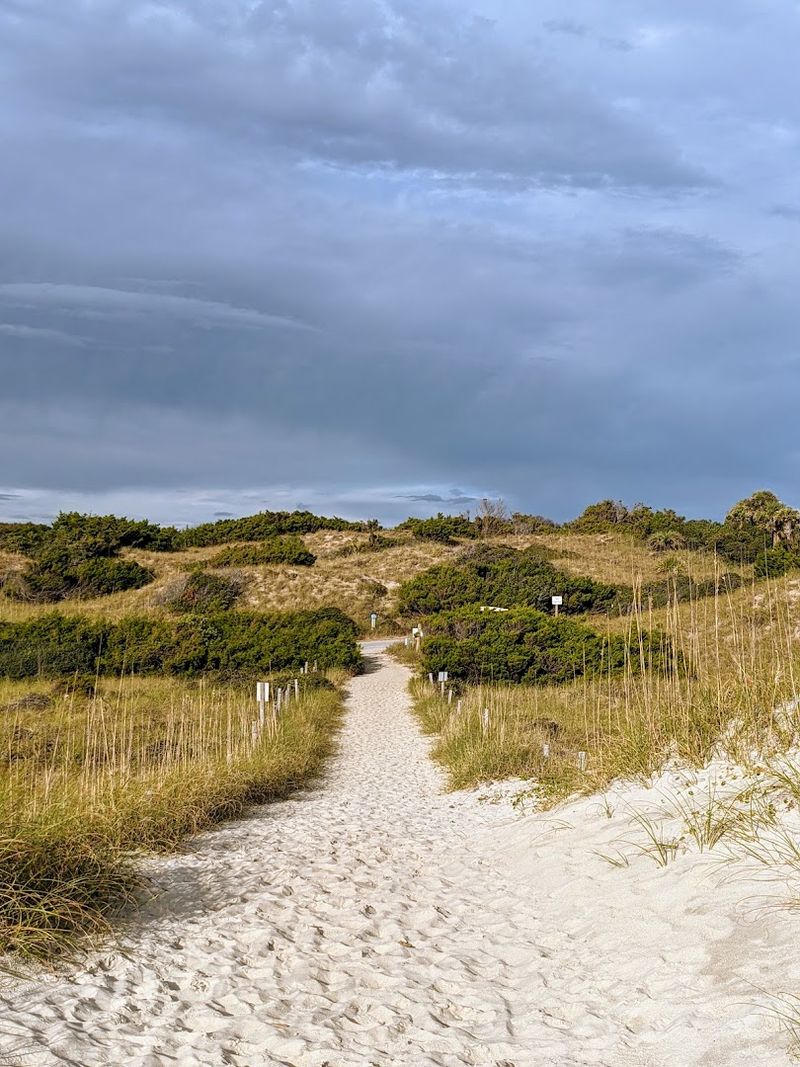
One of the most remarkable things about Bald Head Island is its role as a major sea turtle nesting ground. The Bald Head Island Conservancy has been protecting loggerhead sea turtle nests here since 1983, making it one of the longest-running sea turtle conservation programs on the East Coast.
During nesting season, which runs roughly from May through August, volunteers walk the beaches before dawn to locate and mark new nests. Hatchling emergences happen mostly at night, and the conservancy sometimes organizes guided turtle walks so visitors can witness this without disturbing the process.
The conservancy also runs educational programs at their nature center, where you can learn about the island’s ecosystem, including its maritime forest, salt marshes, and coastal dunes. It is the kind of hands-on environmental education that sticks with you long after you leave.
Knowing that the beach you are relaxing on is also a protected nursery for one of the ocean’s most ancient creatures adds a layer of meaning to the whole experience. You are not just a tourist here; you are a temporary neighbor to something genuinely wild and worth protecting.
Exploring the Maritime Forest on Foot and by Bike
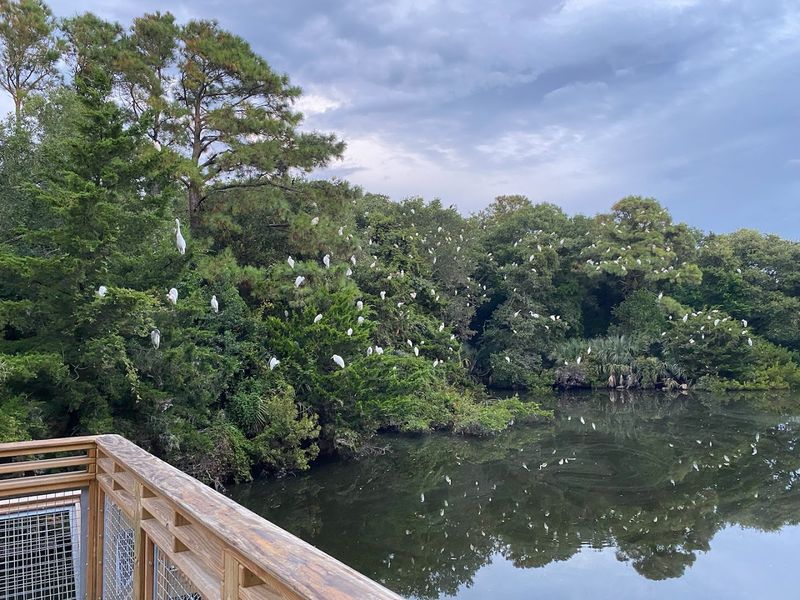
Away from the beach, Bald Head Island holds one of the most intact maritime forests on the North Carolina coast. The trees here, mostly live oaks draped in Spanish moss, form a canopy that feels ancient and sheltering even on the brightest summer afternoons.
The island has a network of trails and paths that wind through this forest, and exploring them by bike is one of the best ways to spend a morning. The combination of salt air, filtered light, and the crunch of shells and pine needles underfoot gives the experience a very specific sensory texture that stays with you.
Wildlife is abundant in the forest. Deer are common enough that they barely flinch when you ride past.
Painted buntings, one of the most colorful birds in North America, have been spotted here, and birders from across the region make the ferry trip specifically to add them to their life lists.
The forest also serves as a natural buffer between the developed village and the ocean, which is part of why the island feels so balanced. Nature and human activity coexist here in a way that feels genuinely thoughtful rather than accidental.
Golf Carts as the Official Vehicle of Island Life
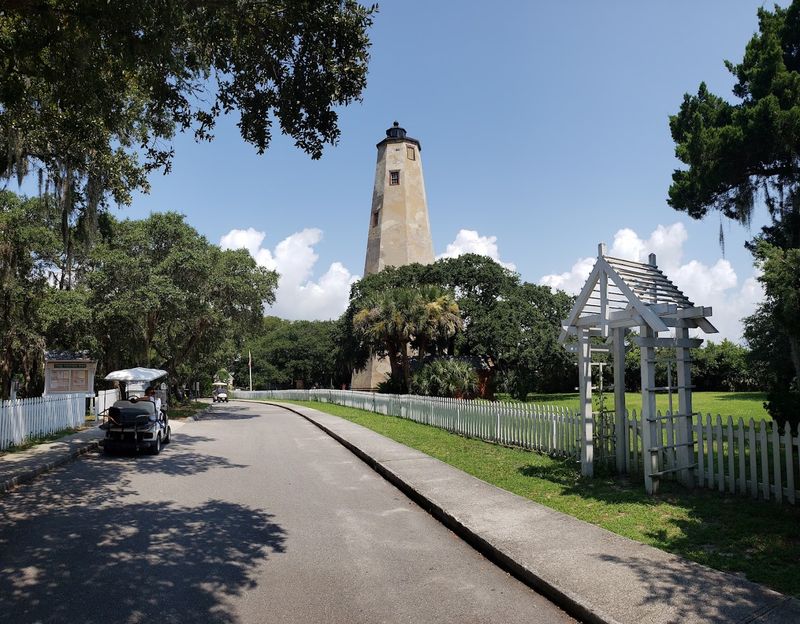
If you do not bring your own golf cart on the ferry, renting one on the island is easy and honestly one of the more enjoyable parts of the whole trip. Golf cart rentals are available through several outfitters near the marina, and most of them come with a basic map of the island’s paths and points of interest.
Cruising around in a golf cart at ten miles per hour sounds slow until you realize that slow is exactly the right speed for a place like this. You notice things you would miss at car speed: a great blue heron standing in a marsh, a cluster of wild horses on the dunes, a neighbor waving from their porch.
The carts fit families comfortably and can carry beach gear, groceries, and the occasional boogie board without complaint. Most visitors end up spending more time in their cart than they expected, simply because the island keeps offering new things to see around every bend.
There is also something fundamentally fun about being an adult whose primary mode of transportation for a week is a golf cart. It brings out a lightness in people that regular vacations sometimes fail to deliver.
Dining and Local Flavors on the Island
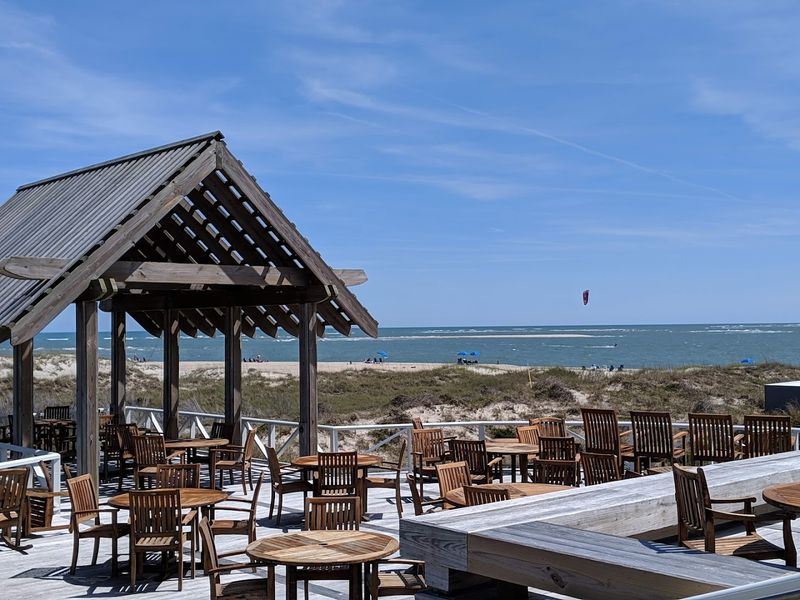
The dining options on Bald Head Island are small in number but strong in character. Because the island is so remote and supplies have to come over by ferry, the restaurants here tend to focus on fresh, local ingredients and keep their menus tight and well-executed rather than sprawling and generic.
Seafood is the natural centerpiece of most menus, with shrimp, crab, and fresh fish showing up in straightforward preparations that let the quality of the ingredient do the talking. A bowl of she-crab soup on a breezy evening near the marina is one of those simple pleasures that coastal North Carolina does better than almost anywhere.
There are also casual spots for breakfast and lunch where the portions are generous and the staff tends to know the regulars by name. The overall dining culture here leans toward relaxed and unhurried, which fits the pace of the island perfectly.
Stocking up on groceries before taking the ferry is a smart move for anyone staying in a rental cottage, since the island’s one small market covers the basics but is not a full supermarket. Most long-term visitors treat the grocery run as part of the pre-trip ritual.
Staying in a Rental Cottage for the Full Island Experience
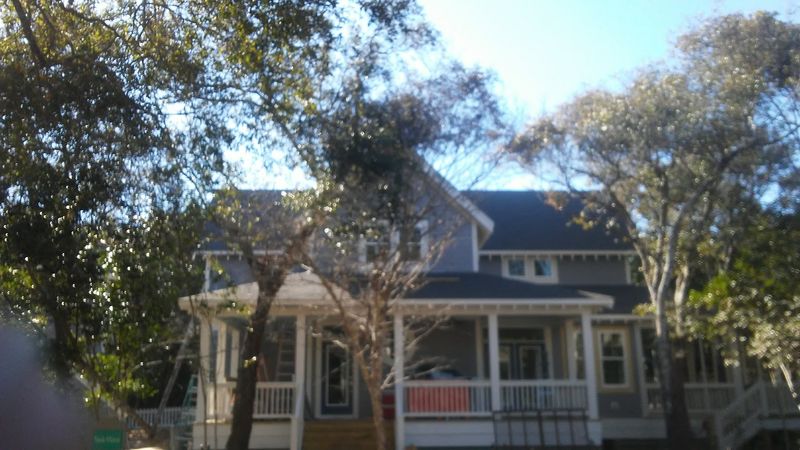
There are no large hotels on Bald Head Island, which is a deliberate choice that shapes the entire character of the place. Accommodations come in the form of privately owned rental cottages, ranging from modest beach bungalows to spacious homes with multiple bedrooms and wraparound porches.
Staying in a cottage rather than a hotel room changes the rhythm of the trip entirely. You have a kitchen, a porch, a yard, and the feeling of actually living on the island rather than just passing through it.
Mornings start with coffee outside while deer wander through the yard, and evenings end with the sound of frogs and crickets coming through open windows.
Most rentals come with bikes and golf carts included or available to add on, which takes care of the transportation question immediately. The Village of Bald Head Island’s official website at villagebhi.org is a good starting point for finding available properties and understanding what each part of the island offers.
Booking well in advance is essential, especially for summer visits. The island has a limited number of rental properties, and the best ones tend to fill up months ahead of the peak season without much fanfare or warning.
Why This Island Stays With You Long After You Leave
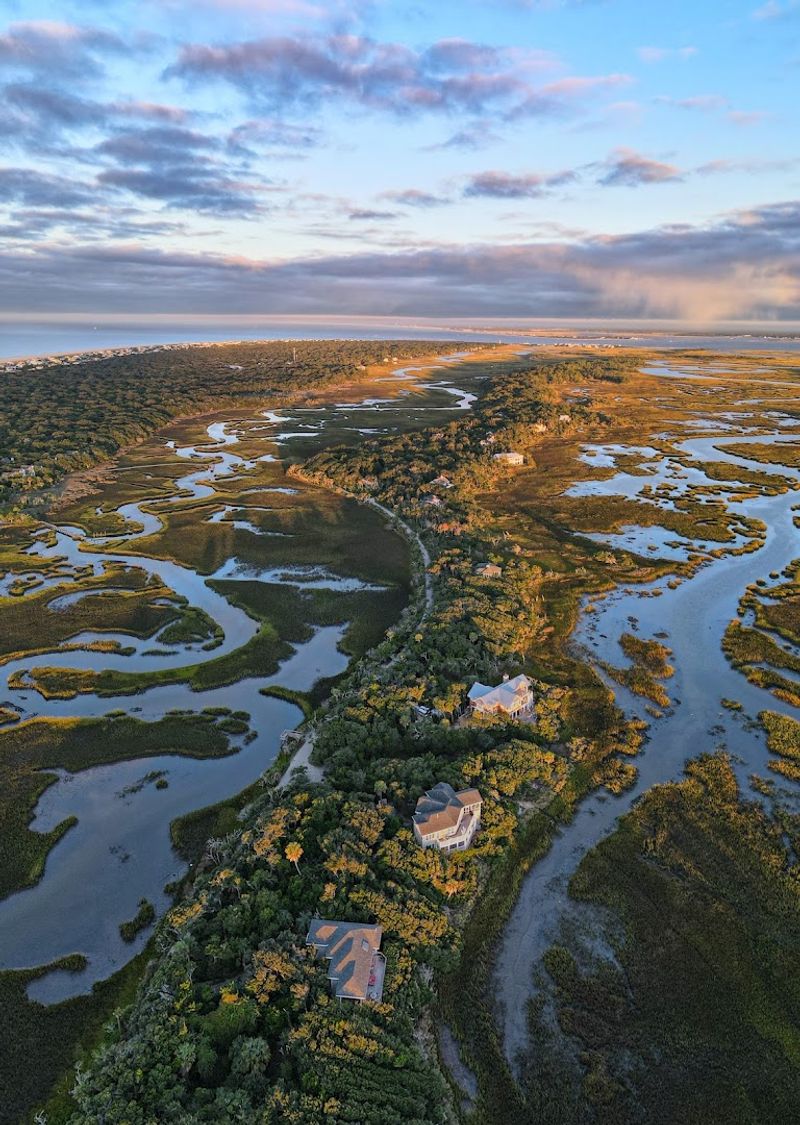
There is a particular kind of peace that Bald Head Island produces in people, and it is not something that fades quickly when you get back on the ferry heading home. Visitors often describe feeling a genuine reluctance to leave that goes beyond typical vacation sadness.
Part of it is the absence of noise. When you spend several days without car engines, traffic signals, or parking lot stress, your nervous system recalibrates in a way that is hard to put into words but very easy to feel.
You sleep better, eat slower, and look up from your phone more often.
Part of it is also the scale of the place. Bald Head Island is small enough that you can know it well within a day or two, which creates a sense of belonging that larger destinations rarely offer.
You have your favorite beach spot, your preferred golf cart route, your go-to breakfast order.
The island does not try to be everything to everyone, and that restraint is exactly what makes it so effective. It is a place built around the radical idea that less noise, less speed, and less pavement might actually be the ingredients for a better kind of getaway.
Share this story