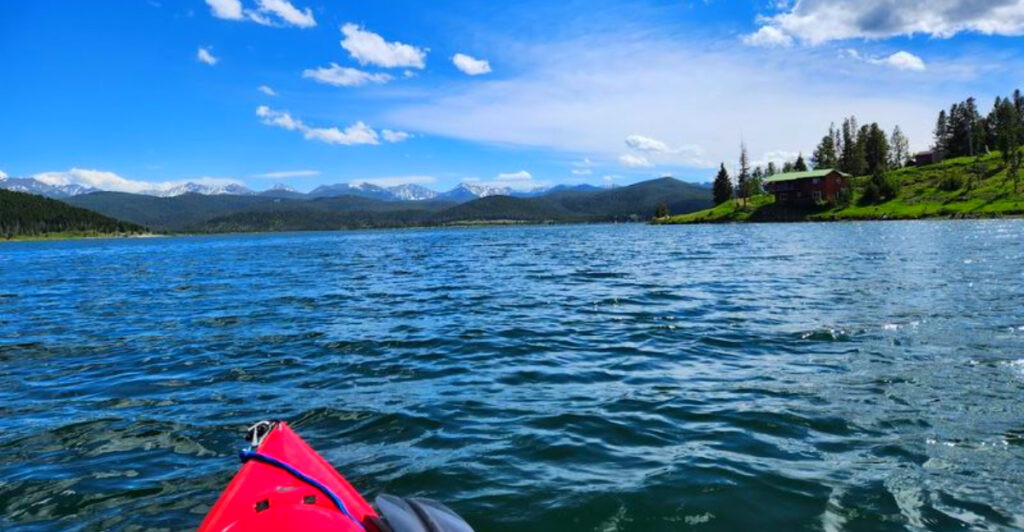
Montana has more wild water than most people realize, and summer is the best time to find out just how much. The state packs in glacial lakes with water so clear you can count the rocks on the bottom, and rivers that stretch for miles through canyon country and cottonwood groves.
Whether you want to spend a week floating a remote river or just splash around near a beach for an afternoon, Montana has a spot with your name on it. From the northwestern corner near Glacier National Park all the way to the eastern plains, the variety is genuinely surprising.
This list covers 12 rivers and lakes that stand out for their scenery, recreation options, and sheer fun factor. Some are famous, some are quietly spectacular, and a couple might be new to you entirely.
Pack your sunscreen, grab a paddle, and get ready to discover Montana’s most rewarding summer destinations.
1. Flathead Lake, Polson, Montana
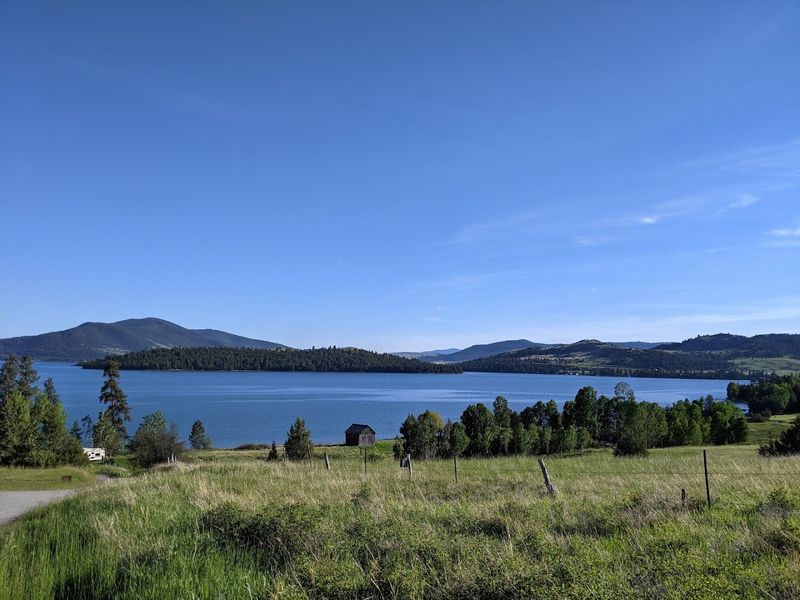
The largest natural freshwater lake west of the Mississippi River sits right here in Montana, and it does not disappoint. Flathead Lake covers roughly 200 square miles, yet the water stays remarkably clear all summer long.
Boating, paddleboarding, kayaking, and swimming are all easy to arrange, with multiple state parks providing public access around the shoreline. Wild Horse Island, reachable only by boat or kayak, is home to actual wild horses and bighorn sheep, making it one of the most unusual day-trip destinations in the entire region.
The east side of the lake is lined with cherry orchards that open for picking from mid-July to mid-August, which adds a genuinely fun and tasty detour to any visit. The towns of Polson and Bigfork both sit on the lake and offer restaurants, shops, and marinas.
Flathead Lake is not just a pretty postcard. It is a full summer itinerary all by itself.
2. Lake McDonald, Glacier National Park, Montana
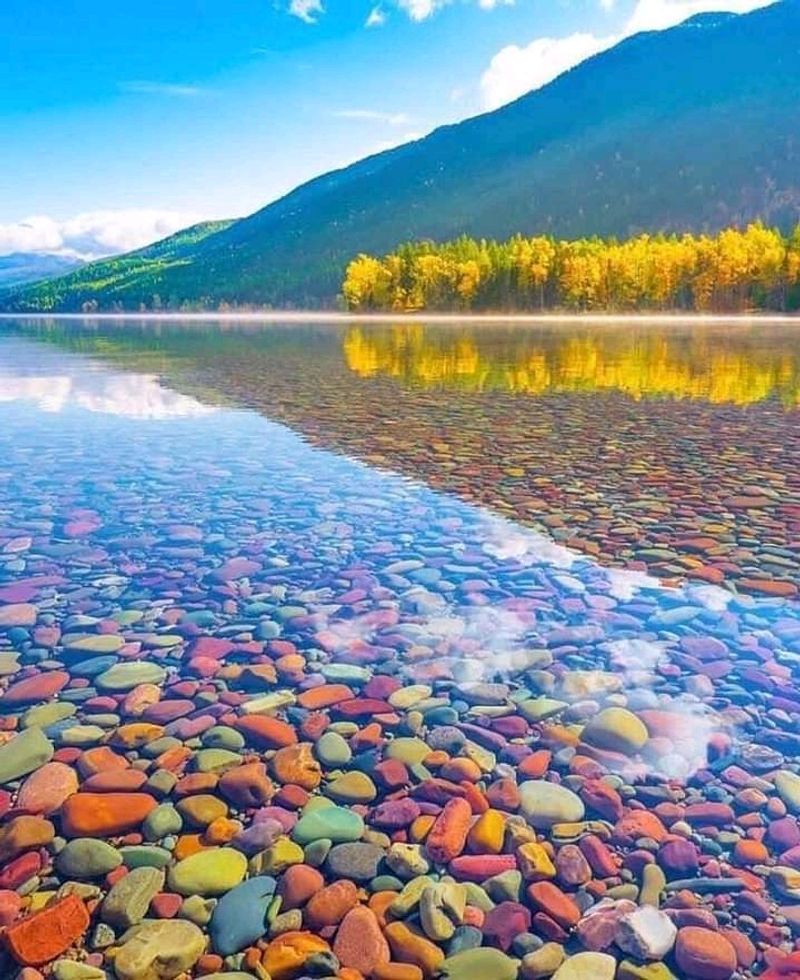
Colorful rounded stones sit right at the waterline, visible through water so clear it barely looks real. Lake McDonald is the largest lake inside Glacier National Park, stretching about ten miles long and nearly a mile and a half wide.
The mountain peaks surrounding it create a backdrop that photographers chase from every angle, but the lake itself rewards visitors who simply sit on the shoreline and watch the world go by. Kayak rentals are available nearby, and paddling the length of the lake on a calm morning is one of those experiences that stays with you for years.
Going-to-the-Sun Road runs along the southern shore, making it accessible even for those who prefer to sightsee from a car. The historic Lake McDonald Lodge, built in 1913, adds a layer of old-school charm to the whole scene.
For a first-time visitor to Glacier, this lake is often the moment everything clicks.
3. Flathead River, West Glacier, Montana
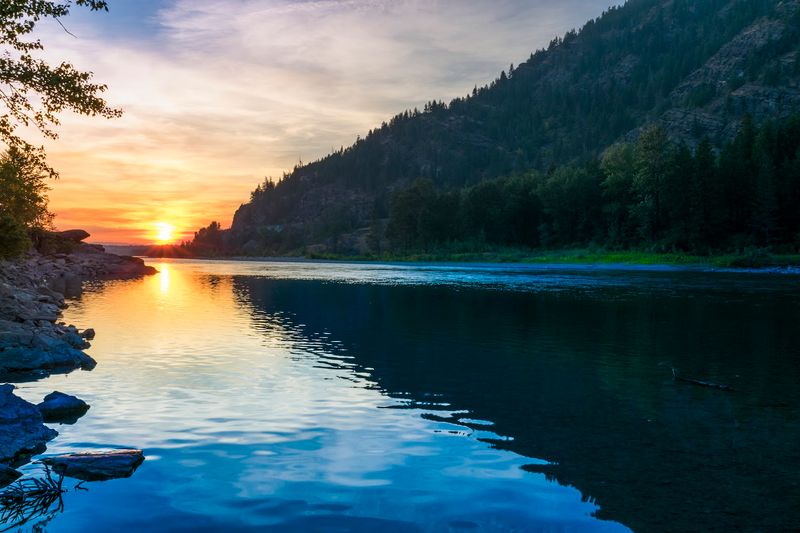
Rafting the Flathead River is one of those activities that sounds casual until you are actually out there, and then it becomes the best part of your whole trip. The river drains from the mountains surrounding Glacier National Park and runs through forested valleys before eventually feeding into Flathead Lake.
The North, Middle, and South Forks each offer a different experience. The Middle Fork is known for exciting whitewater sections that keep rafters alert, while calmer stretches are better suited for families and first-timers.
Guided outfitters operate out of West Glacier and can match groups to the right section of river based on experience level.
Wildlife sightings along the banks are common, with deer, osprey, and the occasional black bear making appearances during float trips. Fishing is also popular here, particularly for cutthroat and bull trout.
The river’s turquoise color comes from glacial meltwater, which gives it a distinctive look that sets it apart from most rivers in the lower 48.
4. Whitefish Lake, Whitefish, Montana
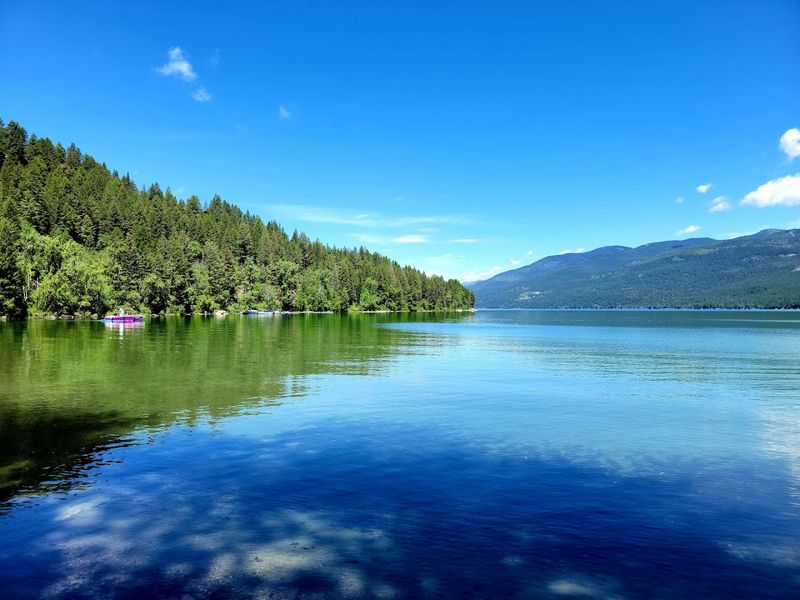
Just minutes from downtown Whitefish and a short drive from Glacier National Park, this lake punches well above its weight in terms of what it offers for a summer day out. City Beach provides a sandy public shoreline with easy water access, and Whitefish Lake State Park adds more room to spread out.
Swimming, paddleboarding, and boating are all popular here, and the water warms up enough by July to make a full afternoon in the lake genuinely enjoyable. Kayak and paddleboard rentals are easy to find, and the nearby Whitefish River also works well for a lazy float on a hot afternoon.
After a day on the water, the town of Whitefish is right there waiting with good food, local shops, and a lively summer atmosphere. The combination of lake access and a walkable downtown makes Whitefish Lake one of the most convenient and well-rounded summer destinations in all of northwestern Montana.
Repeat visitors are the norm here, not the exception.
5. Missouri River, Great Falls, Montana
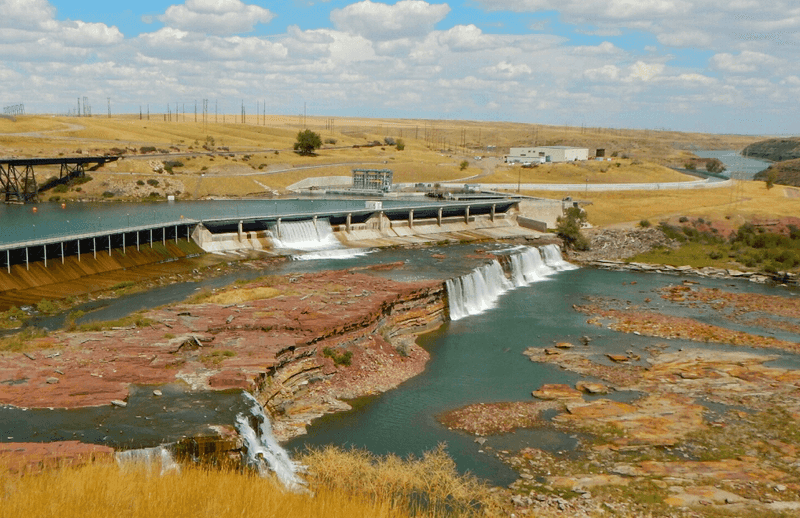
Few rivers in North America carry as much history as the Missouri, and Montana holds some of its most dramatic and least-visited stretches. Lewis and Clark spent months navigating this river in 1804 and 1805, and the landscape they described looks remarkably similar today.
Near Great Falls, the river offers excellent fishing for trout, walleye, and drum, along with kayaking and paddleboarding on calmer sections. The Upper Missouri National Wild and Scenic River designation protects a long stretch of the waterway east of Great Falls, where cliffs and prairie create a sense of open-country adventure that is hard to find anywhere else.
Boating and guided float trips are popular ways to cover more ground, especially for visitors who want to take in the wide-sky scenery without working too hard. The Missouri is not a small-scale river.
Its sheer width and historical weight make every outing feel like something worth talking about when you get home.
6. Seeley Lake, Seeley Lake, Montana
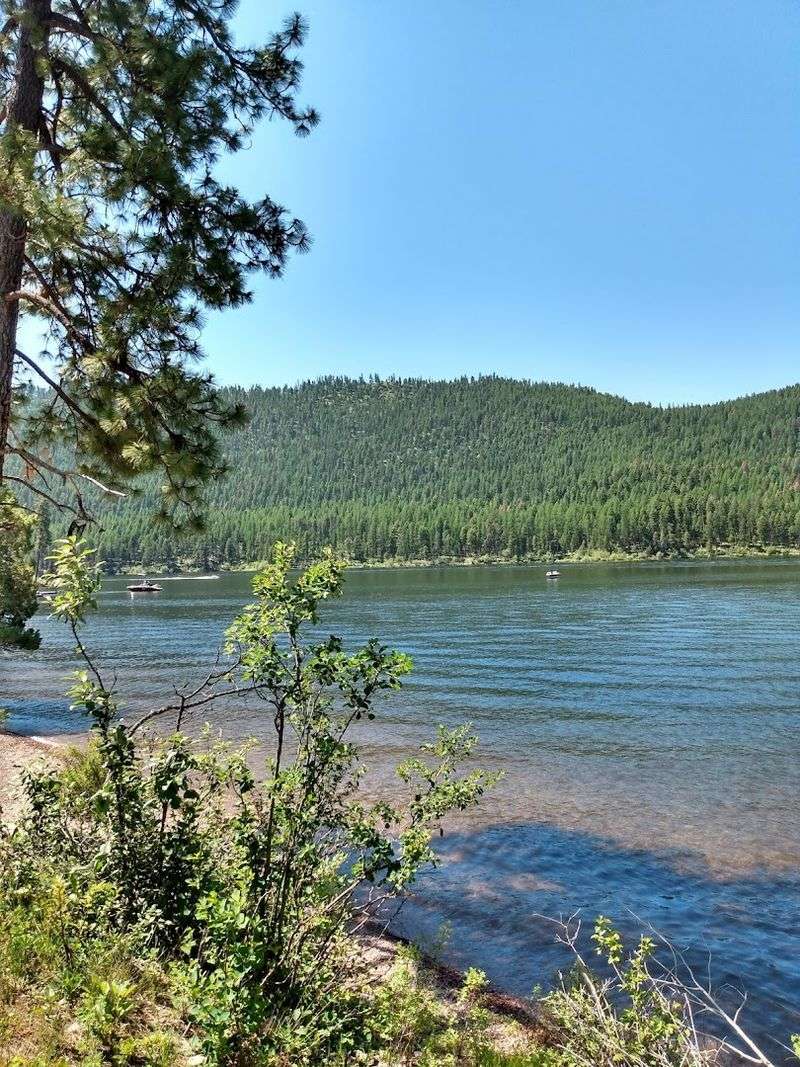
Tucked into the Seeley-Swan Valley between the Mission Mountains and the Swan Range, Seeley Lake has the kind of classic Montana character that feels like it belongs on a vintage travel poster. The lake itself covers about 1,100 acres and stays clean and navigable all summer.
Kayaking and canoeing work particularly well here because the lake is calm enough for beginners but large enough to explore for hours. Fishing for kokanee salmon and rainbow trout keeps anglers busy, and the forested shoreline provides shade during the hottest part of the day.
Several campgrounds and hiking trails surround the lake, making it straightforward to turn a day trip into a multi-night adventure. The small town of Seeley Lake has local outfitters, a general store, and a handful of restaurants that keep things simple and unpretentious.
This is the kind of place where people arrive for a weekend and start looking for cabin rentals before they leave.
7. Swan Lake, Swan Lake, Montana
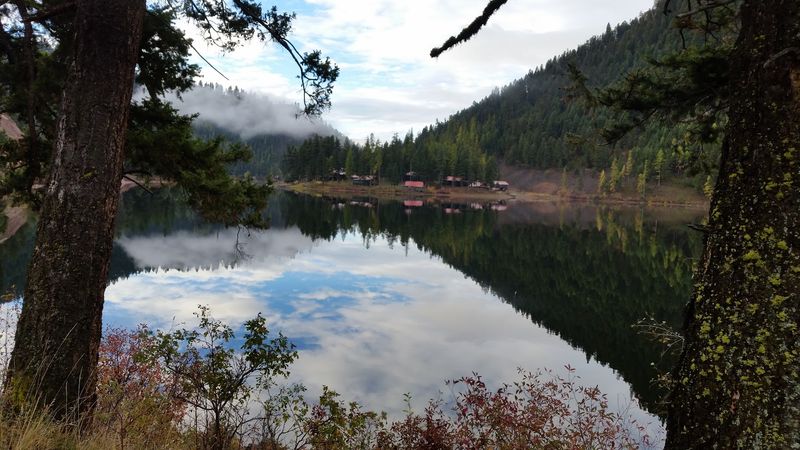
Bigger does not always mean better, and Swan Lake makes that case convincingly. This narrow glacial lake runs about seven miles long and sits at the southern end of the Swan Valley, flanked by forest on both sides and mountain ridges that rise sharply above the treeline.
Paddling here feels genuinely peaceful because the lake does not attract the same crowds as more well-known spots nearby. Fishing for pike, perch, and yellow perch is popular, and the calm water makes it easy to cover the length of the lake in a kayak or canoe without much effort.
The Swan River National Wildlife Refuge sits at the southern end of the lake and draws birders looking for osprey, herons, and waterfowl. There are no loud marinas or packed boat launches here, just a quiet stretch of water with great mountain views and very little noise.
Swan Lake is the kind of find that makes people feel like they discovered something on their own.
8. Yellowstone River, Livingston, Montana
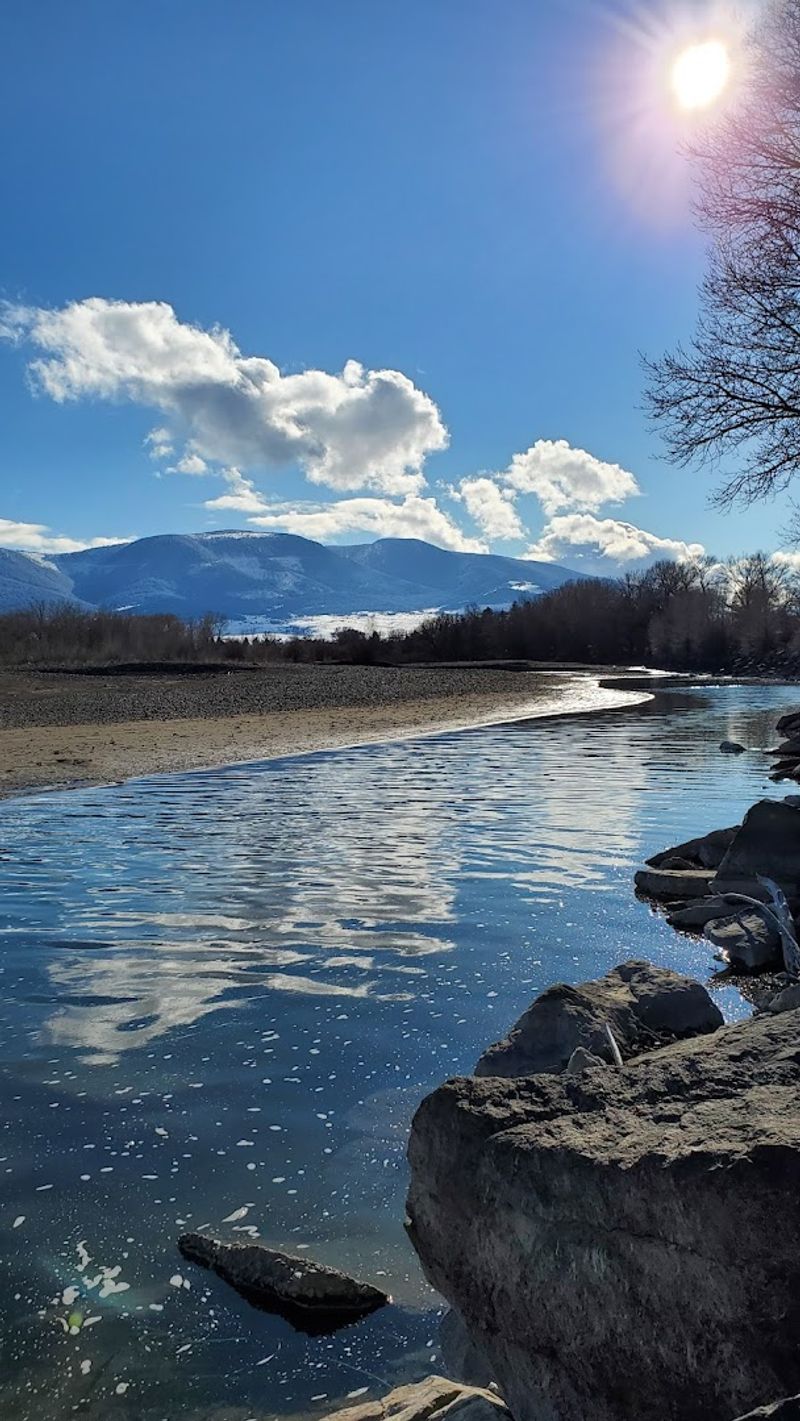
The longest undammed river in the lower 48 states runs right through the heart of Montana, and the stretch near Livingston is where it really shows off. The Yellowstone River originates inside Yellowstone National Park and flows north before turning east through Paradise Valley, where the Absaroka Range provides a dramatic backdrop for the whole journey.
Fly-fishing here is genuinely world-class, with wild trout populations that attract anglers from across the country every summer. Whitewater rafting is also popular, with Class II and III rapids providing enough excitement for families and casual paddlers alike.
The cottonwood-lined banks create natural corridors for wildlife, and bald eagles, white-tailed deer, and elk are all regular sightings along the river. Livingston itself is a lively small city with a strong arts community, good restaurants, and easy access to outfitters and guide services.
The Yellowstone River does not need a sales pitch. Its reputation does all the talking.
9. Hebgen Lake, West Yellowstone, Montana
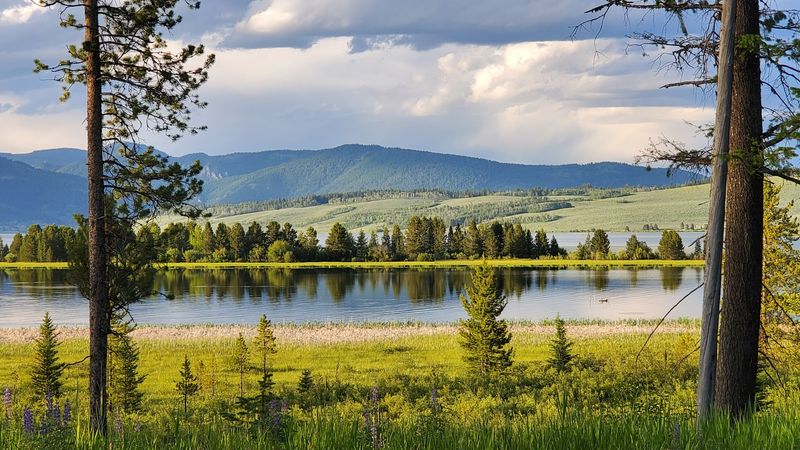
Most visitors blowing through West Yellowstone are focused on the park just down the road, but Hebgen Lake is worth a serious look before you head for the geysers. This large reservoir sits just northwest of Yellowstone National Park and covers over 15,000 acres when full.
Sailing is surprisingly popular here because the lake is wide and open enough to catch a good wind, while fishing boats and kayaks share the water throughout the summer months. The lake is known for strong trout fishing, particularly for brown trout and rainbow trout, which draw serious anglers year after year.
A notable piece of history: a 1959 earthquake reshaped the shoreline dramatically, and the evidence is still visible in the form of submerged trees and shifted terrain that make the lake look unlike any other reservoir in Montana. Camping options are plentiful around the shoreline.
Hebgen Lake is the kind of place that rewards visitors who are curious enough to stop and look around.
10. Lake Koocanusa, Libby, Montana
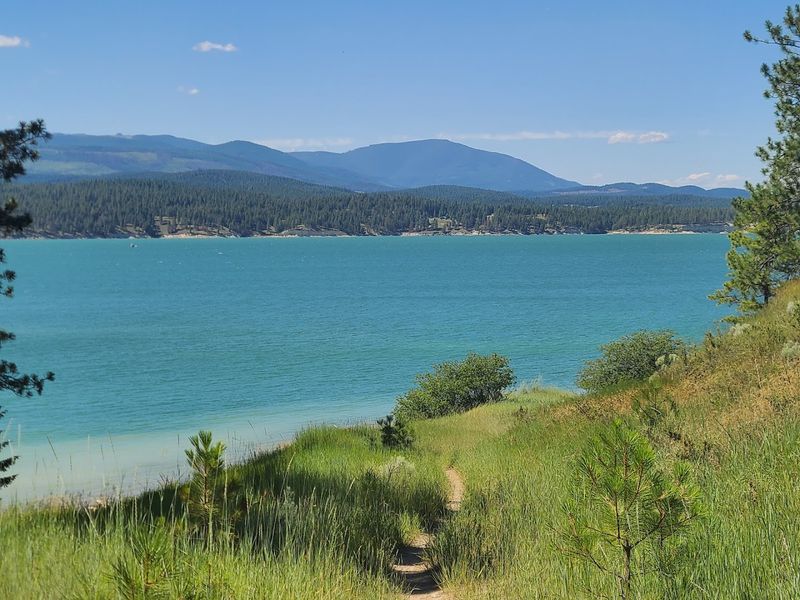
Ninety miles long and straddling the border between Montana and British Columbia, Lake Koocanusa is one of the largest reservoirs in the Northwest and one of the least crowded for its size. The name itself is a combination of Kootenai, Canada, and USA, which tells you something about how far this lake reaches.
Boating, water skiing, and tubing are all popular here, and the uncrowded shoreline means you can often find a quiet cove without much searching. Fishing is a major draw, with rainbow trout, cutthroat trout, kokanee salmon, and even burbot all present in the lake.
The surrounding Kootenai National Forest provides hiking trails and wildlife viewing opportunities on shore.
Libby Dam, which created the reservoir in the 1970s, offers free guided tours during summer months for visitors who want to understand the engineering behind the lake. The drive along the lake is scenic enough to justify the trip even before you get a boat in the water.
11. Bighorn River, Fort Smith, Montana
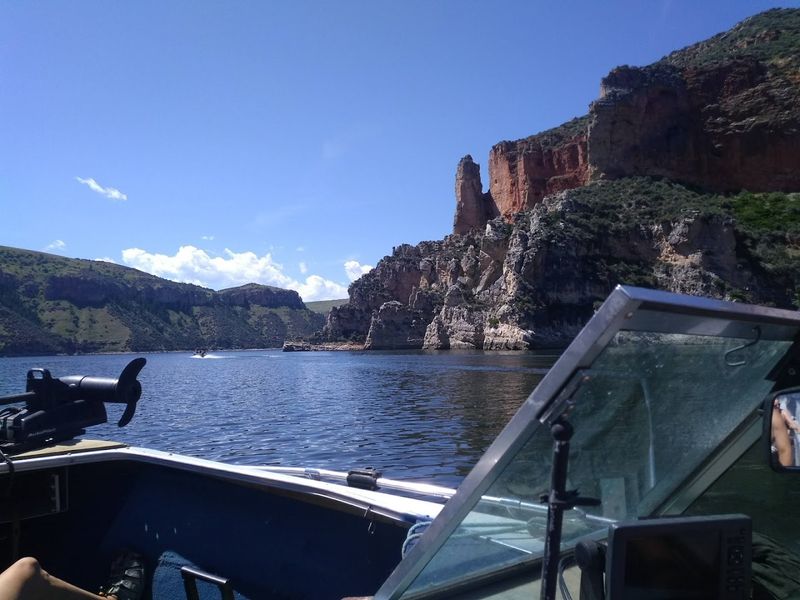
Fly-fishing enthusiasts treat the Bighorn River like a pilgrimage site, and after one day on the water, it is easy to understand why. The river runs cold and clear below Yellowtail Dam, creating ideal conditions for brown trout and rainbow trout that grow to impressive sizes.
The Bighorn is a tailwater fishery, which means the dam releases cold water from the bottom of the reservoir year-round, keeping the river productive even during the hottest weeks of summer when other rivers slow down. Guided float trips are the most popular way to fish here, drifting between cottonwood groves and sandstone formations while a guide handles the boat.
Non-anglers also find plenty to appreciate along the river. Sandhill cranes, white pelicans, deer, and mule deer are all common sightings during a float.
The small community of Fort Smith has a handful of lodges and outfitters that cater specifically to river visitors. The Bighorn rewards patience and a slow pace.
12. Georgetown Lake, Philipsburg, Montana
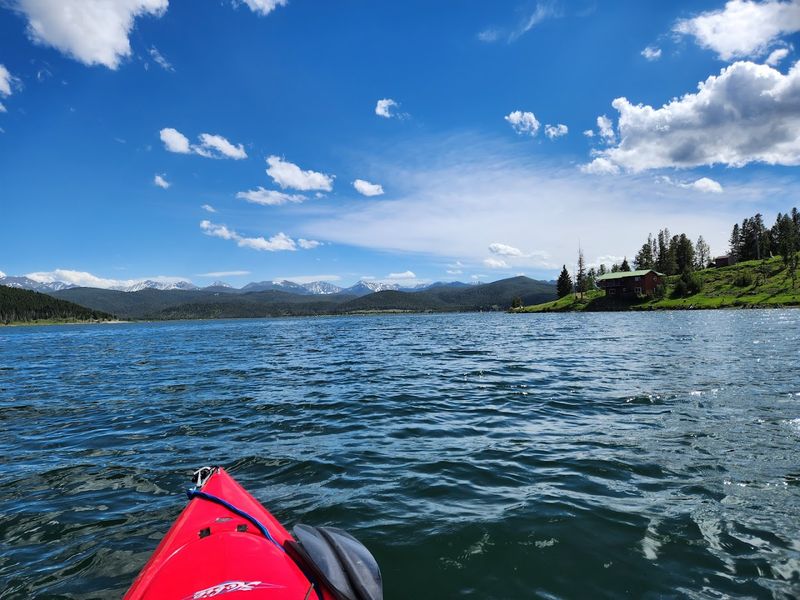
At an elevation of 6,400 feet, Georgetown Lake is a high-mountain reservoir that stays cool and refreshing even during the peak of summer. The lake covers about 3,000 acres and sits inside the Beaverhead-Deerlodge National Forest, surrounded by peaks that make the scenery hard to beat.
Kokanee salmon fishing is a major attraction here, and the lake has a reputation for producing good catches throughout the summer season. Boating, sailing, and paddleboarding are all popular, and the open water gives sailors enough room to enjoy a proper run across the lake.
Lakeside camping is easy to arrange through the national forest, and several campgrounds sit right on the shoreline. The nearby town of Philipsburg is a well-preserved historic mining town with a candy shop, a sapphire mine where visitors can dig for their own gems, and a laid-back main street that makes for a fun afternoon detour.
Georgetown Lake and Philipsburg together make a surprisingly complete summer outing.
Share this story