For centuries, explorers have risked everything in pursuit of the world’s greatest mysteries. Some searched for hidden tombs packed with ancient treasures, while others chased lost cities, forgotten civilizations, and clues to humanity’s distant past.
Their discoveries expanded our understanding of history, but the dangers they faced were often far greater than they imagined.
From the deserts of Egypt to the jungles of South America and the underground passages of Europe, these adventurers pushed into places few had ever seen. Some fell victim to disease, accidents, harsh environments, or hazards hidden within the sites themselves.
Others vanished without a trace, leaving behind mysteries that remain unsolved to this day.
These 12 explorers shared a relentless drive to uncover ancient secrets. Their stories reveal both the excitement and the risks of discovery, showing how the search for history’s greatest mysteries sometimes came at the highest possible cost.
1. George Jay Gould I
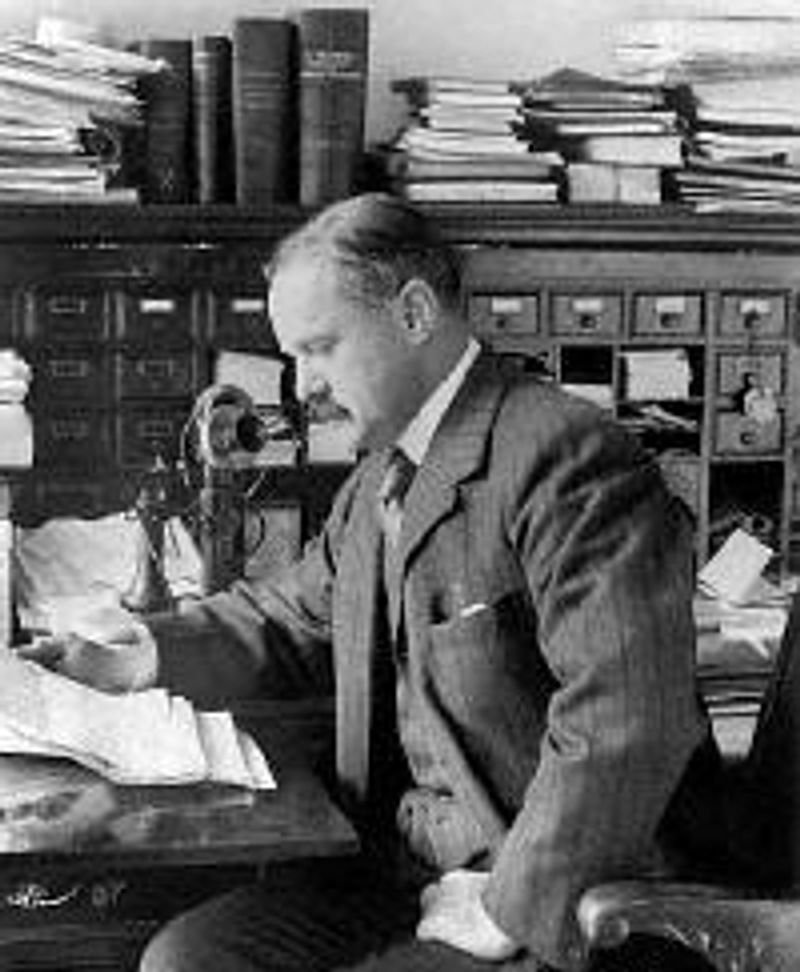
Wealth and curiosity made George Jay Gould one of the most prominent visitors to Tutankhamun’s newly opened tomb in 1923. As a powerful American railroad tycoon and son of the legendary financier Jay Gould, he had the connections and resources to gain access to one of the most closely guarded archaeological sites on earth at the time.
His visit came during the height of global excitement over the discovery, when tourists and dignitaries were lining up to see the find of the century. Almost immediately after his visit to the tomb, Gould fell ill with a high fever.
He died of pneumonia on May 16, 1923, at a resort on the French Riviera. His death arrived just months after Carnarvon’s, and the press wasted no time adding his name to the growing list of supposed curse victims.
2. Arthur Cruttenden Mace
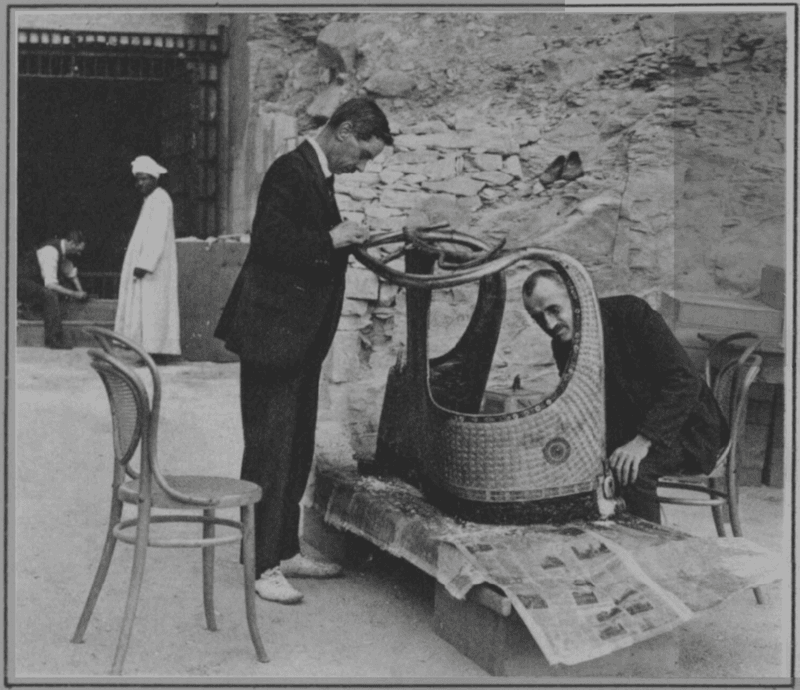
Few people worked more closely inside Tutankhamun’s tomb than Arthur Cruttenden Mace. As a senior member of Howard Carter’s excavation team, Mace spent considerable time in the burial chambers cataloging and conserving the extraordinary objects found within, a painstaking process that took years.
His role was critical. Mace co-authored the first published account of the discovery with Carter, and his expertise in handling fragile ancient objects made him indispensable to the project.
However, his health began declining noticeably after the excavation got underway.
He suffered from pleurisy and chronic illness that worsened steadily over the following years. Some later accounts suggested possible arsenic exposure during conservation work, though this was never conclusively confirmed.
Mace died in April 1928, and his deterioration became one of the more medically discussed cases among those connected to the tomb’s opening.
3. Richard Bethell
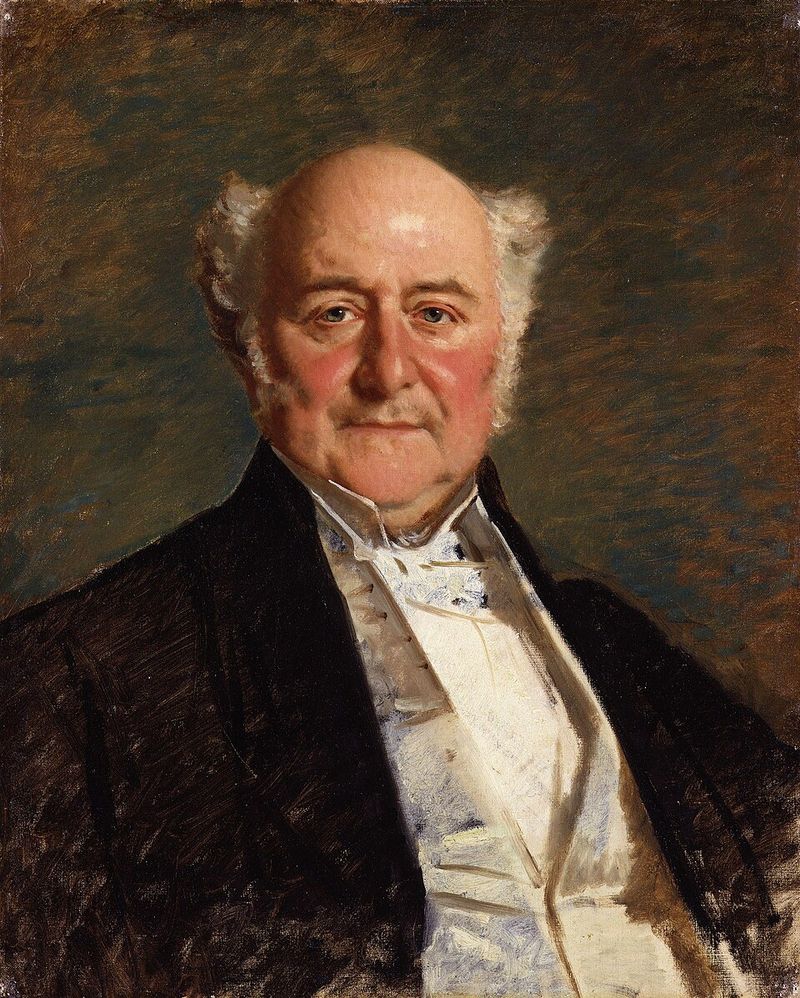
Howard Carter’s personal secretary had a front-row seat to one of archaeology’s defining moments. Richard Bethell helped organize and catalog the enormous inventory of objects recovered from Tutankhamun’s tomb, working closely with Carter throughout the painstaking excavation process during the 1920s.
His role kept him deeply embedded in the project, handling correspondence, documentation, and logistics related to the discovery. On November 15, 1929, Bethell was found dead in his bed at a private Mayfair club in London.
The circumstances surrounding his passing were unusual enough that some historians have speculated about foul play, though no official conclusion was ever firmly established. His death came six years after the tomb’s opening, yet the timing was enough for the press to immediately link it to the supposed curse.
The mystery surrounding exactly what happened to him has never been fully resolved.
4. George Herbert, 5th Earl of Carnarvon
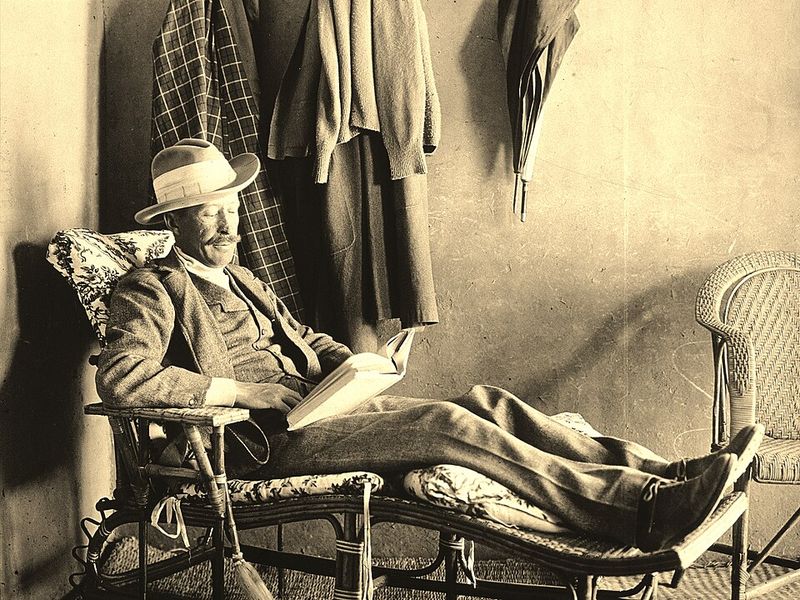
The man who bankrolled one of history’s most celebrated archaeological finds never got to enjoy the full glory of what he helped uncover. Lord Carnarvon financed Howard Carter’s years-long search in the Valley of the Kings, and on November 4, 1922, Carter’s team struck gold when they found the intact tomb of Pharaoh Tutankhamun.
Carnarvon was present when the sealed burial chamber was officially opened, making him one of the first modern humans to stand inside it in over 3,000 years. Just four months and seven days later, on April 5, 1923, he was dead.
The cause was blood poisoning from an infected mosquito bite he accidentally reopened while shaving. Newspapers around the world ignored the medical explanation and ran with a far more dramatic story: the Curse of the Pharaohs had claimed its first victim.
5. Sir Archibald Douglas Reid
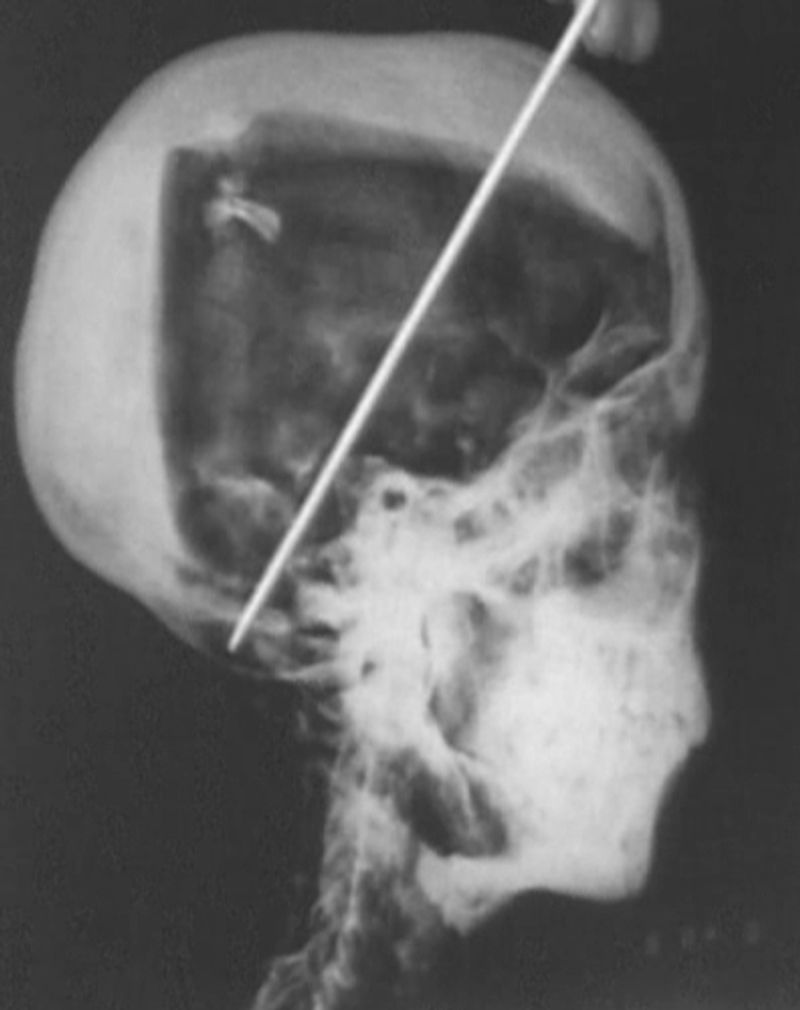
Not everyone connected to the so-called curse was an archaeologist or a financier. Sir Archibald Douglas Reid was a radiologist tasked with X-raying Tutankhamun’s mummy, a role that placed him in direct physical contact with the royal remains in a way few others experienced.
He carried out the procedure and reportedly fell ill the very next day. Reid died on January 15, 1924, in Switzerland, just three days after becoming unwell, from what was described as an unknown illness, though some sources later noted he had been dealing with complications related to abdominal surgery and metastatic skin cancer.
The medical reality behind his passing was far less mysterious than newspaper headlines suggested. Still, the speed of his decline following the X-ray examination made his case irresistible to those already convinced that disturbing the mummy carried consequences.
His name joined the growing list almost immediately.
6. Mervyn Herbert
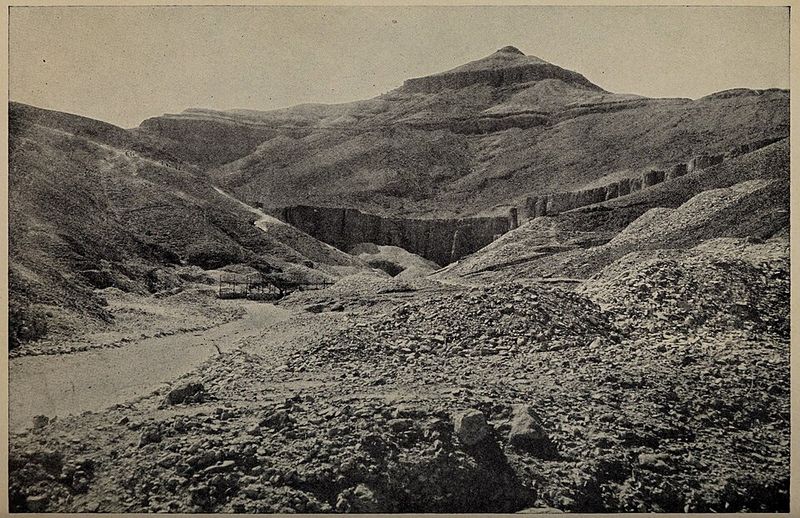
Family connections could be dangerous in the world of Tutankhamun’s curse, at least according to the press of the 1920s. Mervyn Herbert was the half-brother of Lord Carnarvon, the expedition’s financier, and had also visited the famous tomb during the period of public access that followed its discovery.
He was a diplomat by profession, serving in various British foreign service postings during his career, and his interest in the tomb was personal rather than professional. Herbert died on May 26, 1929, reportedly from malarial pneumonia, a disease that was tragically common among travelers in that era.
His passing came six years after his brother’s, yet the press still drew the connection. The fact that two members of the same family who had both entered the tomb died within years of each other was enough to keep the curse story firmly in circulation throughout the late 1920s.
7. Philibert Aspairt
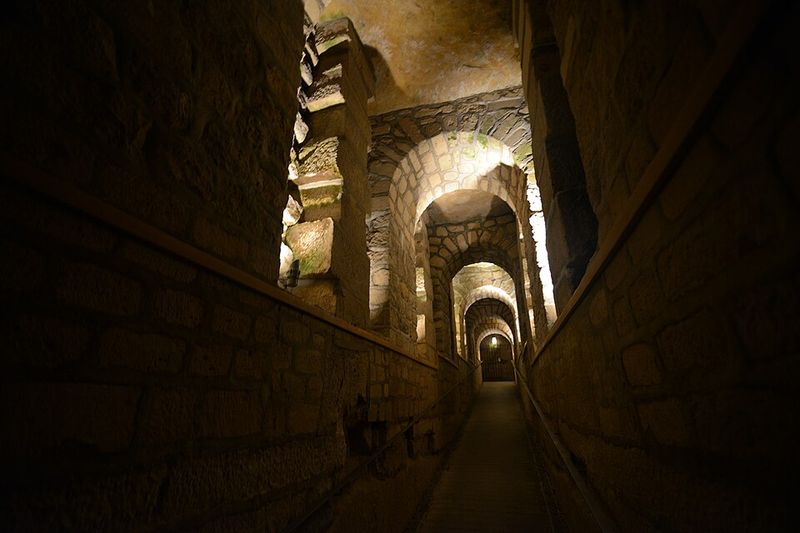
The Paris Catacombs hold the remains of over six million people, and for most visitors today they are a carefully managed tourist attraction. For Philibert Aspairt in 1793, they were something far more lethal.
A doorkeeper at the Val-de-Grace hospital, Aspairt reportedly entered the vast underground network alone one November evening, for reasons that were never clearly established.
He never came back out. Without a reliable light source and with no guide, he became completely disoriented in the labyrinthine tunnels that stretched for kilometers beneath Paris.
His body was not discovered until 11 years later, identified only by his hospital key ring and the distinctive buttons on his jacket. He was found not far from an exit he never managed to reach.
A small memorial was eventually placed near the spot where he was found, and it remains in the Catacombs to this day.
8. Giovanni Battista Belzoni
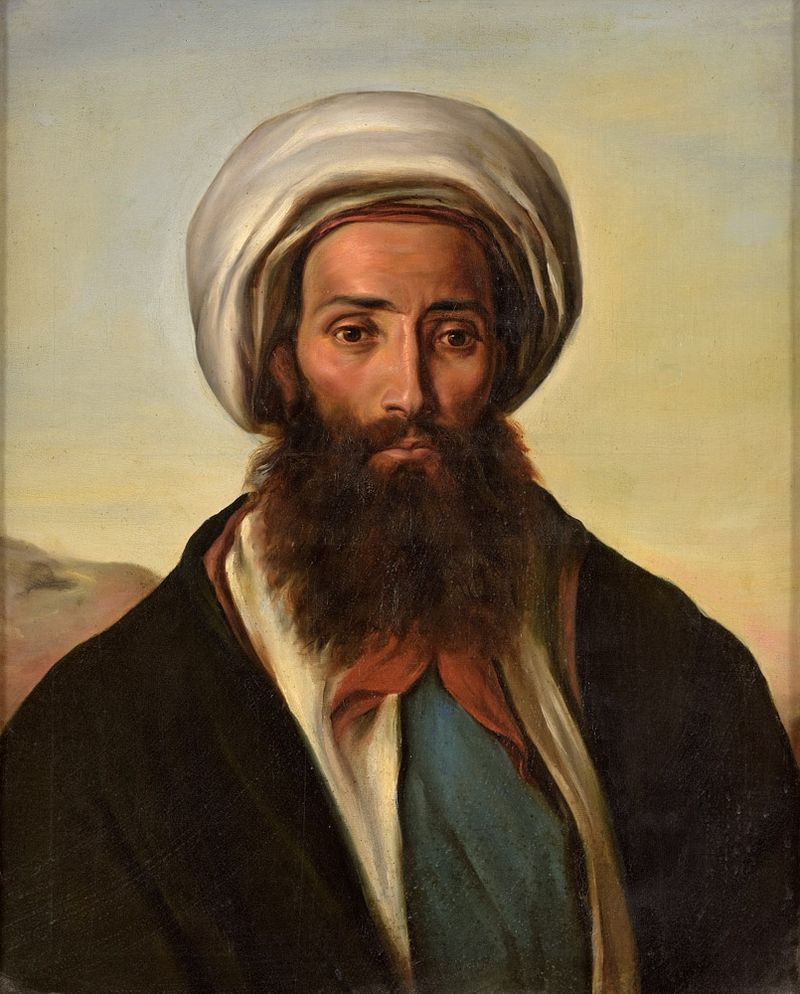
Before archaeology had formal methods or ethical guidelines, Giovanni Battista Belzoni was one of the most physically capable and relentlessly ambitious figures to ever set foot in Egypt’s ancient burial grounds. A former circus strongman from Padua, Italy, he stood nearly seven feet tall and used that size to his advantage when navigating cramped tomb passages.
He discovered and entered multiple royal burial chambers, including the spectacular tomb of Pharaoh Seti I in the Valley of the Kings in 1817, a find that astonished European scholars. He also uncovered the entrance to the second pyramid at Giza, a feat that had eluded others for generations.
His end came not in Egypt but in West Africa. In 1823, while attempting to reach the fabled city of Timbuktu, he contracted dysentery and died in present-day Benin at age 45, still chasing one more discovery.
9. Johann Ludwig Burckhardt
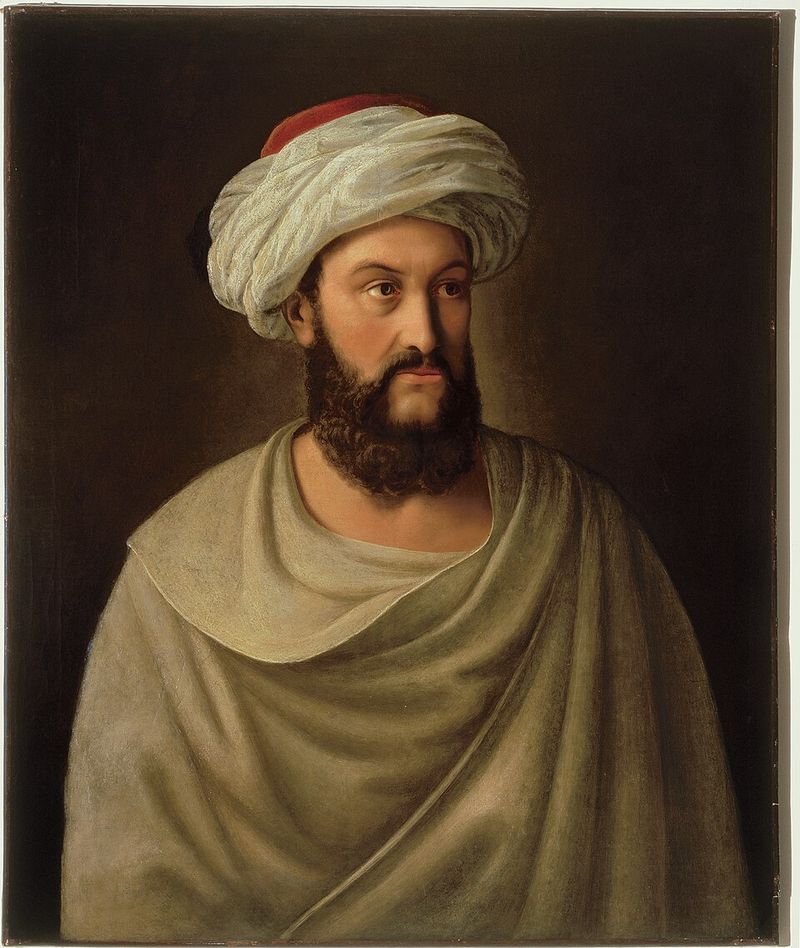
Johann Ludwig Burckhardt accomplished something in 1812 that no Western explorer had managed in centuries: he rediscovered the ancient Nabataean city of Petra, hidden in the red rock canyons of what is now Jordan. Traveling under the Arabic alias Ibrahim ibn Abdallah to avoid suspicion, he navigated ancient ruins, burial facades, and tomb-lined cliff faces that had been largely unknown to the outside world for generations.
His career was built on exactly this kind of daring fieldwork in remote and often hostile environments. He also documented sites in Egypt, Syria, and the Arabian Peninsula, frequently exposing himself to extreme heat, food scarcity, and disease.
By the time he reached Cairo in 1817, his health had been worn down by years of relentless travel. He died there on October 15, 1817, at just 32 years old, having packed more exploration into a single decade than most people could imagine in a lifetime.
10. Aurel Stein
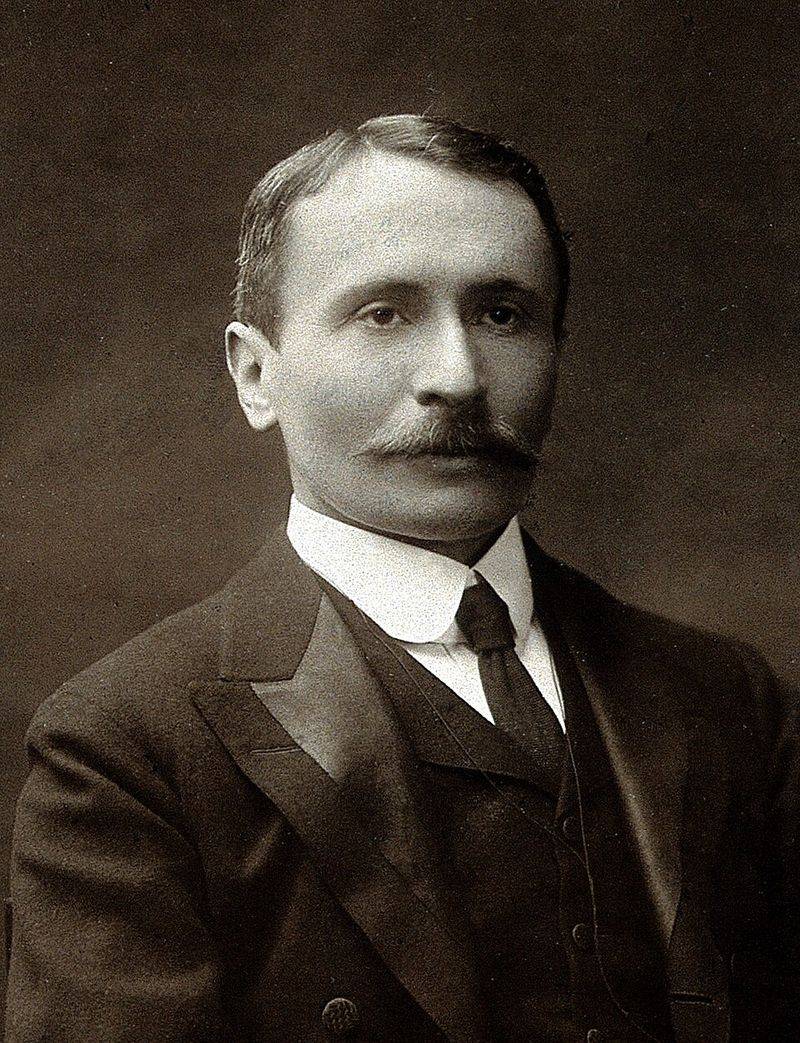
Marc Aurel Stein spent more than four decades systematically excavating some of the most remote archaeological sites ever documented, tracing the ancient Silk Road through Central Asia, China, Persia, and beyond. Born in Budapest in 1862, he became one of Britain’s most celebrated field archaeologists, recovering thousands of ancient manuscripts, frescoes, and burial objects from sites that had been sealed for over a thousand years.
His work at the Caves of the Thousand Buddhas in Dunhuang, China, where he acquired an enormous collection of ancient scrolls in 1907, remains one of the most significant and contested archaeological recoveries in history.
What makes his story particularly striking is how it ended. In 1943, at 80 years old, Stein was still actively planning new expeditions.
He died in Kabul, Afghanistan, just days after arriving to begin yet another survey, never having stopped searching right up until his final days.
11. Percy Fawcett
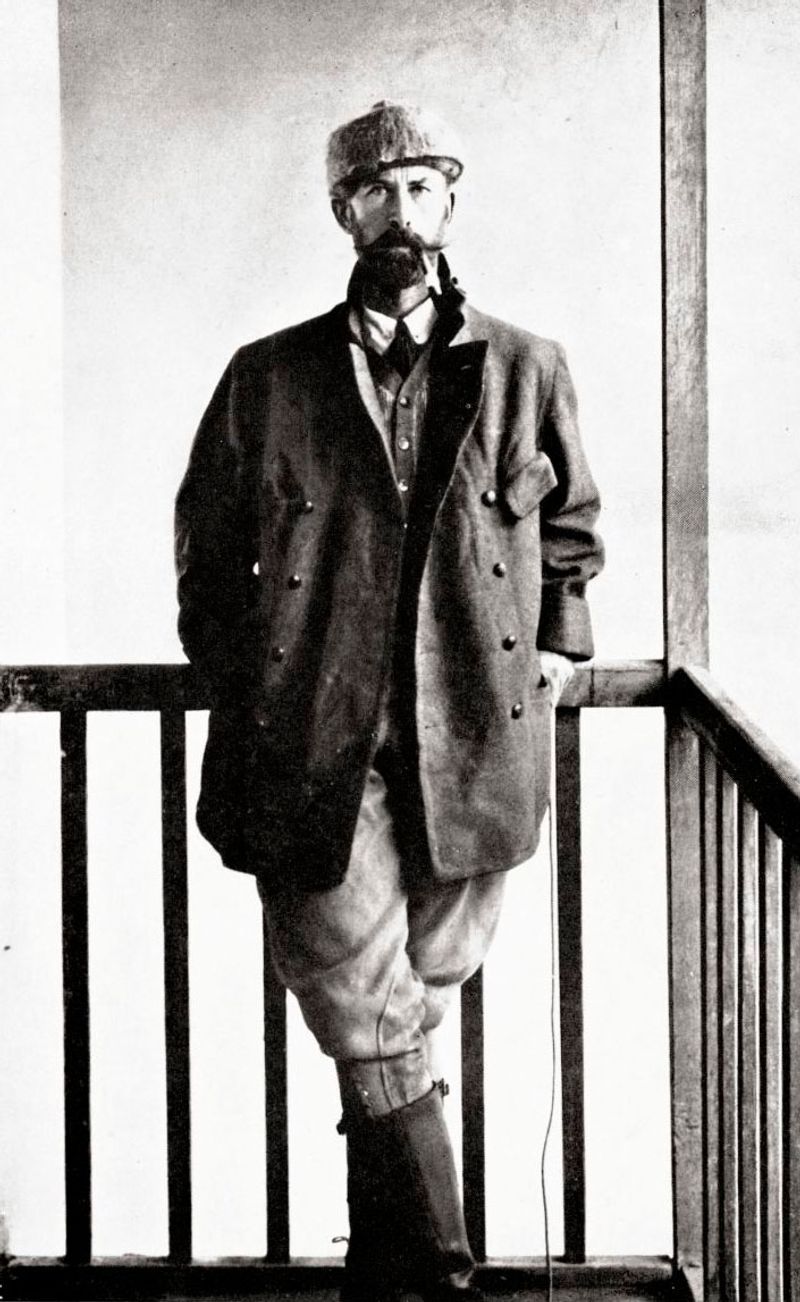
Percy Fawcett was not looking for a tomb in the conventional sense, but the lost city he called “Z” was, in his mind, the buried heart of an ancient civilization that had never been properly found. A decorated British military officer turned South American explorer, Fawcett had spent years mapping uncharted territories in Bolivia and Brazil before his obsession with Z took full hold.
In 1925, he set out into the Brazilian Amazon with his son Jack and Jack’s friend Raleigh Rimell. They sent back a final letter from a camp near the Upper Xingu River, and then nothing more.
No confirmed trace of the three men was ever found, despite dozens of subsequent search expeditions, some of which also ended in tragedy. Fawcett’s disappearance became one of exploration’s most enduring mysteries, inspiring books, documentaries, and a major film nearly a century after he vanished.
12. King Casimir IV Jagiellon Tomb Researchers
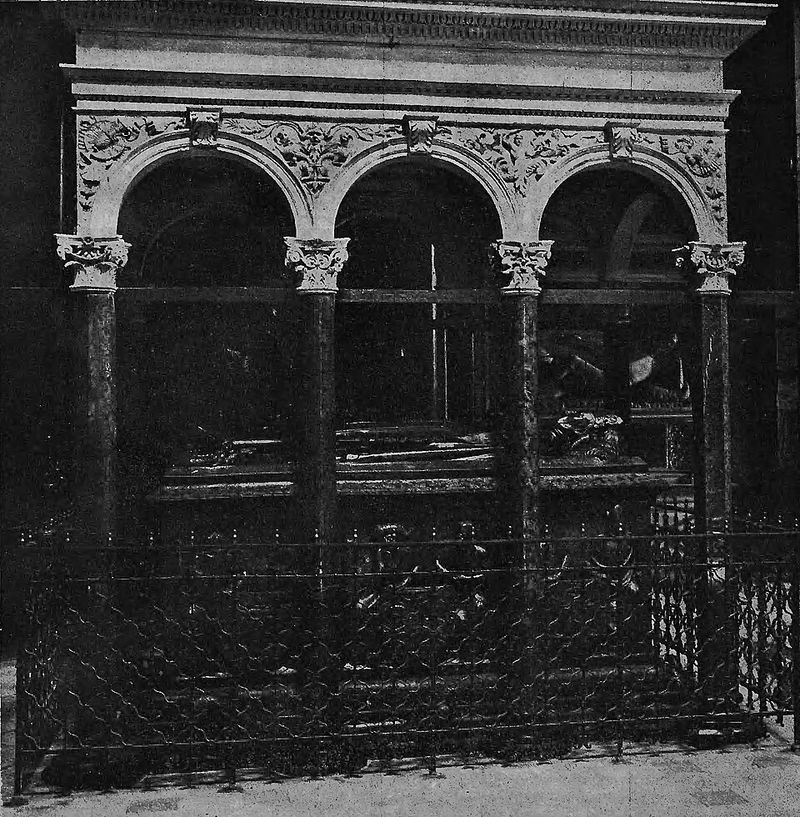
When Polish archaeologists opened the 500-year-old tomb of King Casimir IV Jagiellon in Wawel Cathedral in Krakow in 1973, the discovery was treated as a major cultural and historical event. The king had ruled Poland and Lithuania in the 15th century, and his burial chamber had remained sealed for half a millennium.
Within weeks of the opening, something alarming began happening. Of the 12 researchers and visitors who had entered the tomb, 10 died in a relatively short period following their exposure to the interior.
Scientists who later investigated the chamber found it contained toxic spores of Aspergillus flavus, a dangerous fungal pathogen capable of causing severe lung infections and contributing to cancer development. The spores had survived in the sealed environment for centuries.
The case became one of the most scientifically documented examples of a real biological hazard inside an ancient tomb, offering a factual basis for what legends had long called a curse.
Share this story