Some of the most memorable moments in film history happen when a single actor pulls off playing two or even more characters in the same movie. It takes incredible skill, creativity, and sometimes hours in the makeup chair to make audiences believe they are watching different people.
From classic comedies to serious dramas, this trick has been used to stunning effect across decades of filmmaking. Here are 14 actors who took on the challenge of multiple roles in one film, and absolutely nailed it.
1. Peter Sellers in Dr. Strangelove (3 Roles)
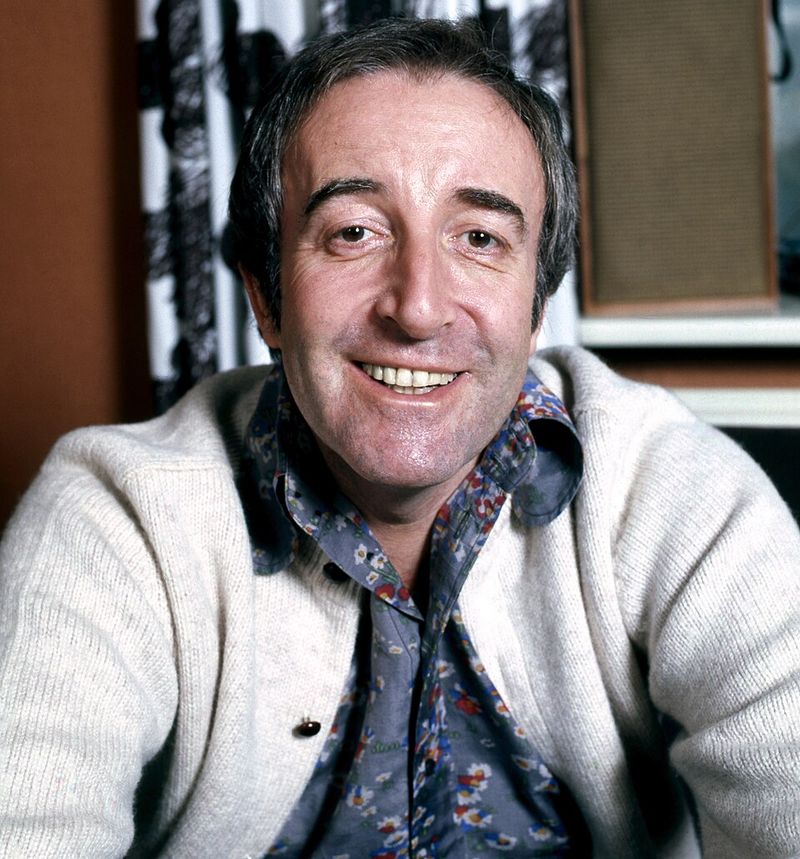
Few actors in Hollywood history could disappear into a character the way Peter Sellers could, and Dr. Strangelove (1964) proved that beyond any doubt. Director Stanley Kubrick cast him in three completely different roles: the mild-mannered President Merkin Muffley, the stiff British officer Group Captain Mandrake, and the unforgettable ex-Nazi scientist Dr. Strangelove himself.
Each character had a completely different voice, posture, and personality. Sellers reportedly improvised much of the iconic Dr. Strangelove performance, including the famous runaway arm gag.
Kubrick originally wanted Sellers to play a fourth character, a Texas pilot, but a leg injury prevented it.
What makes this performance legendary is how seamlessly Sellers shifted between each role. Audiences sometimes forgot they were watching the same man.
His work in this film is still studied by acting students around the world today.
2. Eddie Murphy in Coming to America (Multiple Roles)
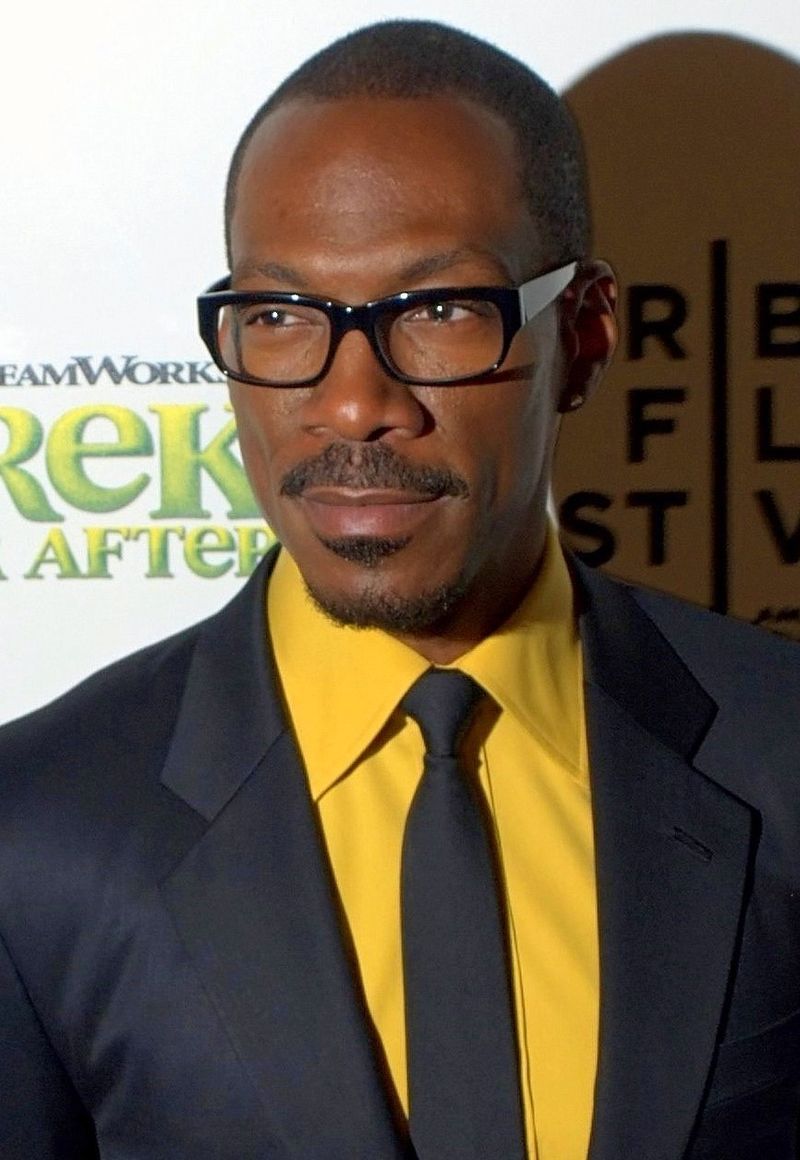
Eddie Murphy has always had a gift for physical transformation, but Coming to America (1988) showed audiences just how far that gift could stretch. Alongside his lead role as Prince Akeem, Murphy also played Saul, a grumpy old Jewish man at a barbershop, and Randy Watson, a hilariously bad soul singer performing at a church event.
Makeup legend Rick Baker designed the prosthetics that helped Murphy vanish into each character. The transformations were so convincing that many viewers did not realize the same actor was playing multiple roles until the end credits rolled.
His co-star Arsenio Hall also played multiple characters alongside him.
Murphy returned to the same concept in the 2021 sequel, Coming 2 America, reprising several of his disguised characters. The original film remains a masterclass in comedic range, showing that great performance is about more than just a funny face.
3. Mike Myers in the Austin Powers Films (Multiple Roles)
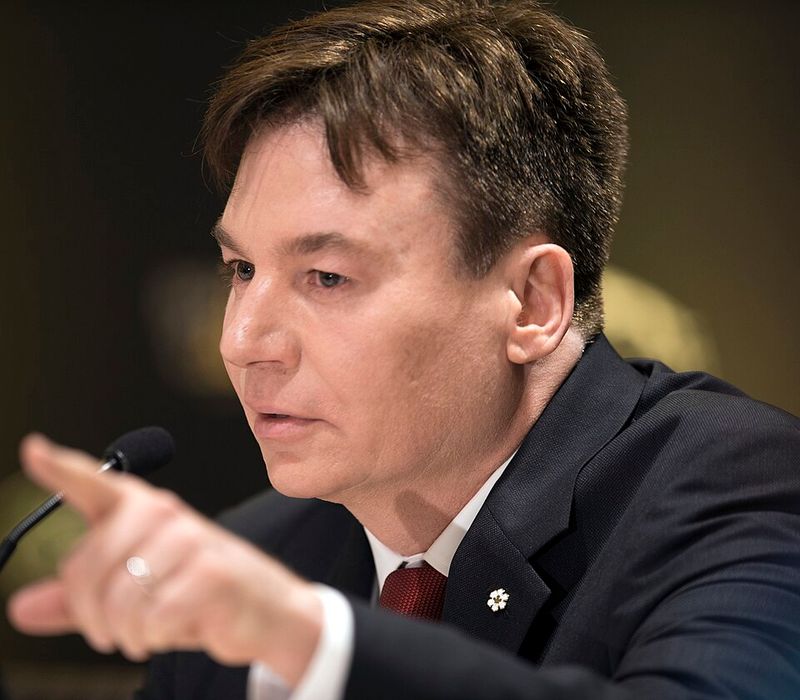
Mike Myers built an entire comedy franchise on his ability to play wildly different characters within the same story. In the Austin Powers series, he portrayed the groovy British spy Austin Powers, the bald and scheming Dr. Evil, the rotund Scottish villain Fat Bastard, and the tiny Scottish warrior Goldmember across the three films.
Each character required a completely different physical approach, voice, and comedic rhythm. Dr. Evil, arguably the most beloved creation, was a direct parody of James Bond villains, with Myers leaning into absurdist humor that became instantly quotable.
Fat Bastard required hours of prosthetic work for every scene.
What is remarkable is that Myers wrote and developed most of these characters himself, drawing from his background in sketch comedy. The franchise grossed over 676 million dollars worldwide, proving that audiences could not get enough of watching one man become a whole cast of oddballs.
4. Alec Guinness in Kind Hearts and Coronets (8 Roles)
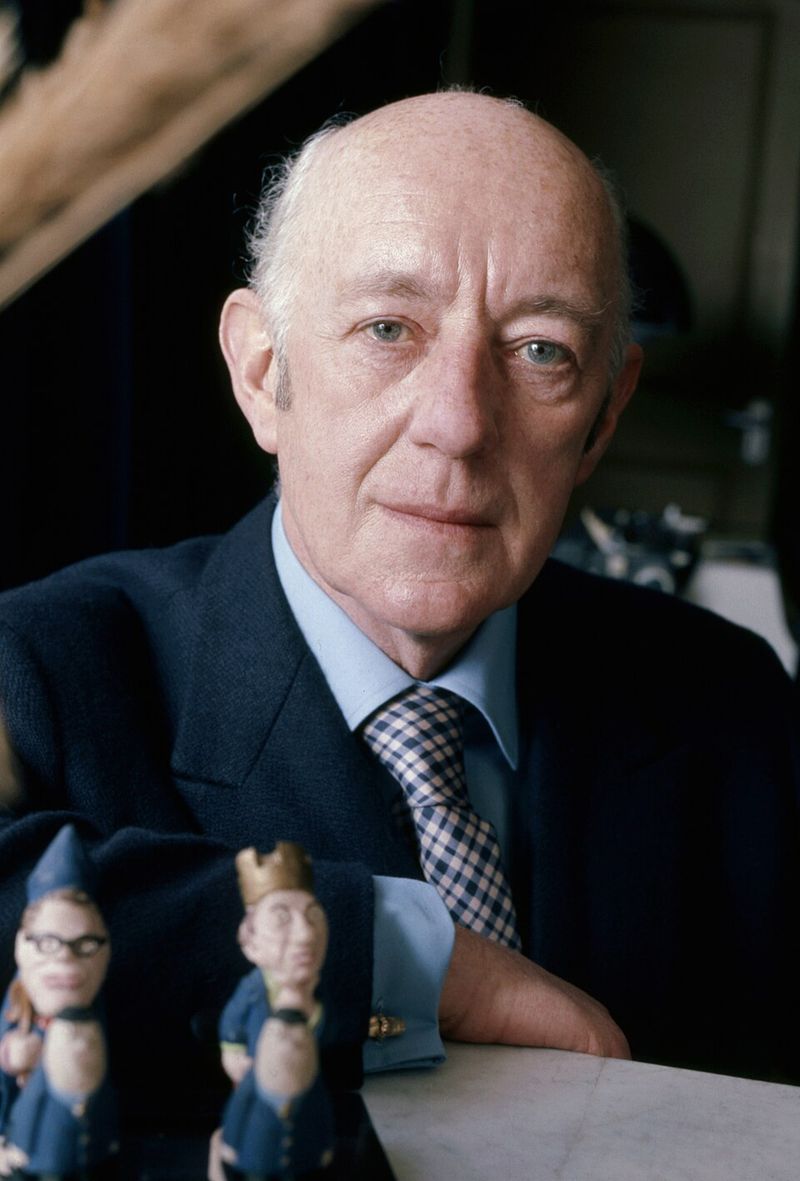
Long before digital effects or complex prosthetics, Alec Guinness did something that still feels almost impossible: he played eight different members of the same aristocratic family in the 1949 British dark comedy Kind Hearts and Coronets. The characters ranged from a pompous banker to a suffragette, and yes, one of them was a woman.
The film follows a man who plots to murder his way up the family line to claim a dukedom. Guinness brought such distinct physicality and personality to each role that the transitions never felt repetitive or forced.
His performance was a technical and creative achievement that set a standard rarely matched since.
Critics and film historians consistently rank this among the greatest acting performances ever committed to film. Guinness went on to earn an Academy Award for The Bridge on the River Kwai, but many fans argue Kind Hearts and Coronets remains his most impressive work.
5. Lindsay Lohan in The Parent Trap (Twins)
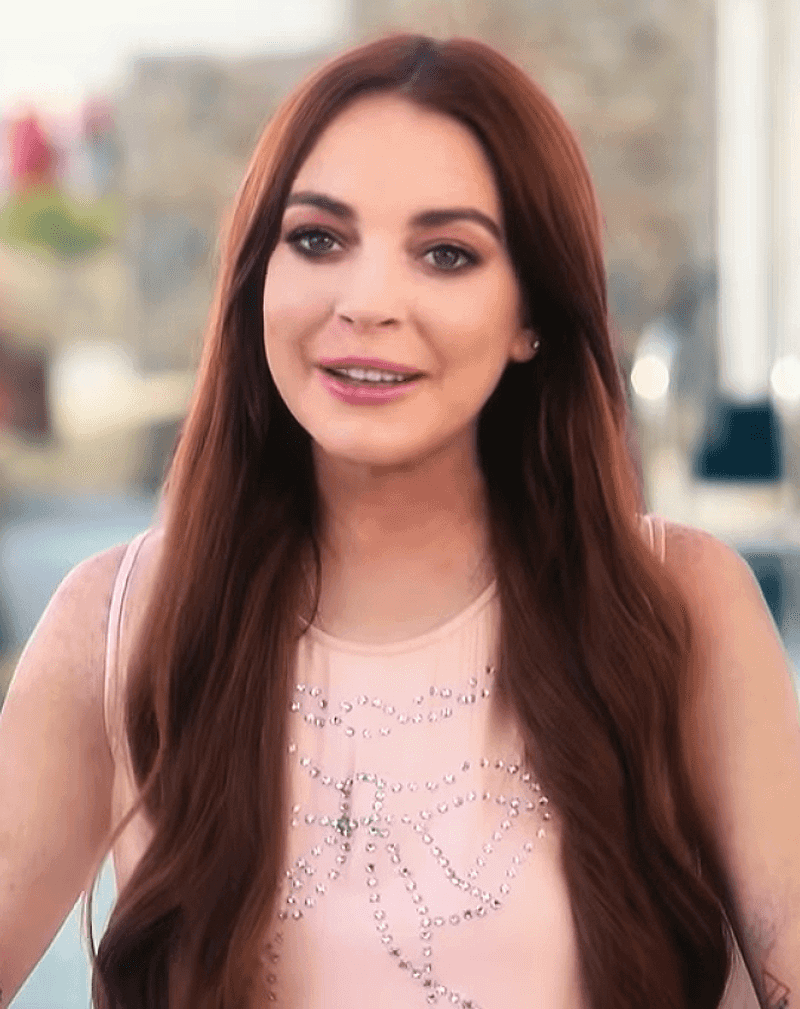
At just 11 years old, Lindsay Lohan delivered one of the most charming dual performances in family film history. The 1998 remake of The Parent Trap cast her as both Annie James, a polished British girl raised in London, and Hallie Parker, a sporty California kid who grew up with their dad.
The two twins meet at summer camp and hatch a plan to reunite their divorced parents.
Playing opposite yourself is technically demanding even for experienced adults, let alone a child actor. Lohan had to film each scene twice, once as each twin, and then editors and camera tricks blended the footage together.
She also had to master a convincing British accent for Annie.
The performance launched Lohan into stardom almost overnight. Even decades later, fans revisit the film and marvel at how natural and effortless her dual portrayal feels, a real testament to her raw talent at such a young age.
6. Nicolas Cage in Adaptation (Twins)
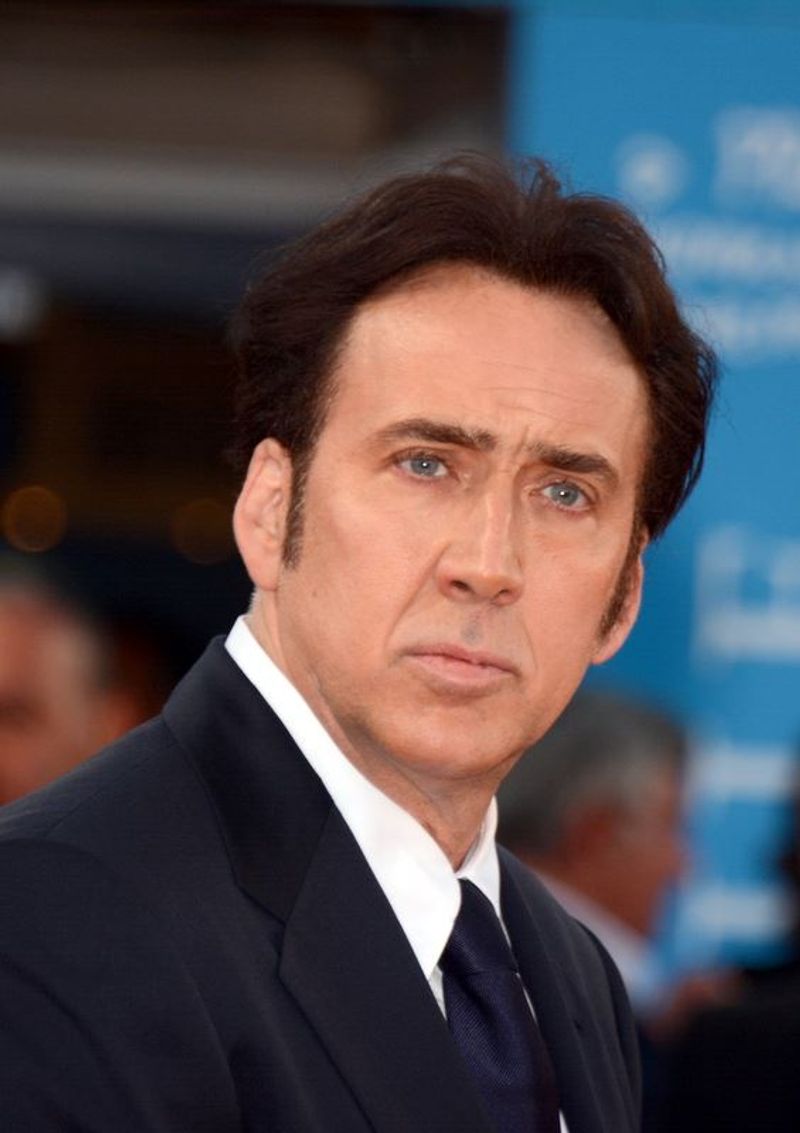
Adaptation (2002) is already one of the strangest films ever made, a movie about a screenwriter struggling to adapt a book, written by the very screenwriter who struggled to adapt that book. Nicolas Cage added another layer of weirdness by playing twin brothers: Charlie Kaufman, the anxious and self-doubting writer, and Donald Kaufman, his cheerful and oblivious sibling.
The contrast between the two brothers is the emotional engine of the film. Charlie is paralyzed by perfectionism while Donald breezes through life without overthinking anything.
Cage played both roles with surprising subtlety, using small physical cues and vocal shifts rather than broad caricature to separate the two men.
Director Spike Jonze and screenwriter Charlie Kaufman created Donald as a fictional character, meaning Cage essentially played a real person and an invented one simultaneously. The film earned four Academy Award nominations, with Cage receiving strong praise for one of his most underrated performances.
7. Armie Hammer in The Social Network (Winklevoss Twins)
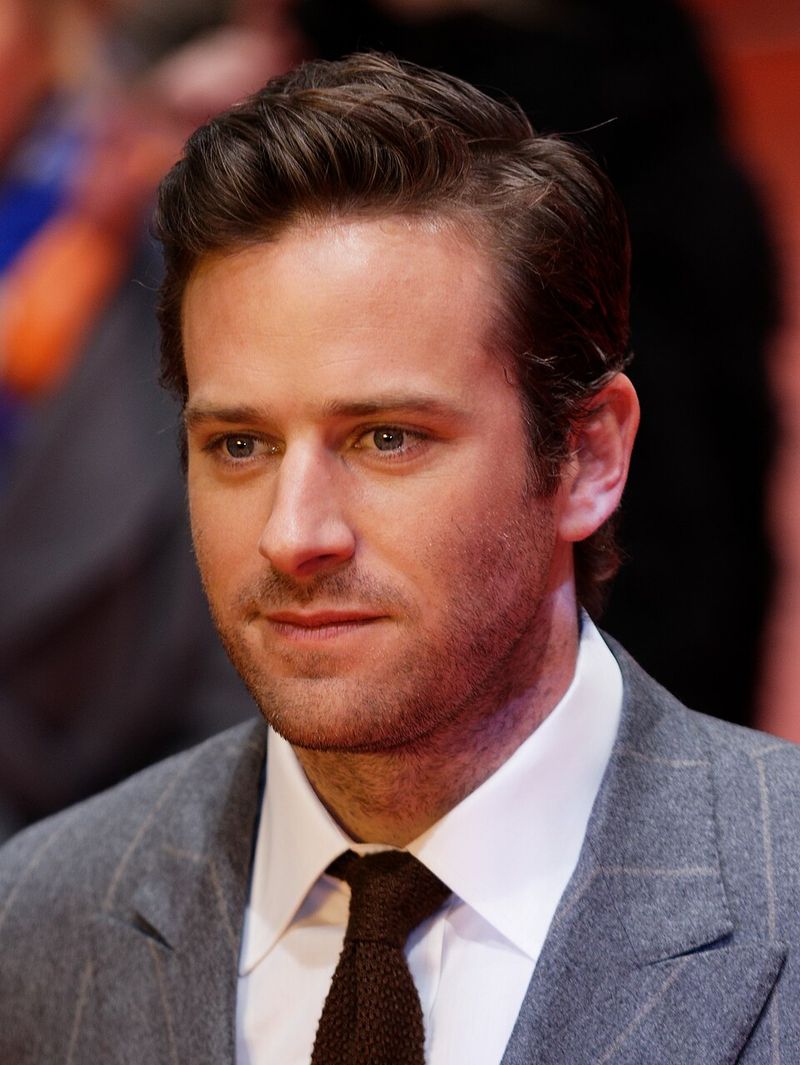
The Social Network (2010) presented a unique technical challenge: how do you cast identical twins who are also convincing actors? Director David Fincher solved it by casting Armie Hammer in both roles as Cameron and Tyler Winklevoss, the Harvard athletes who sued Mark Zuckerberg over the origins of Facebook.
To create the illusion of two separate people sharing scenes together, the production used a combination of camera tricks, digital face replacement, and a body double named Josh Pence. Pence handled the physical side of many scenes while Hammer’s face was digitally composited onto the footage in post-production.
What makes Hammer’s performance impressive is that he still had to create two distinct personalities despite the technical assistance. Cameron is the more cautious and diplomatic twin, while Tyler is more aggressive and impulsive.
The result feels completely seamless, and many viewers had no idea only one actor was playing both roles.
8. Jeremy Irons in Dead Ringers (Twins)
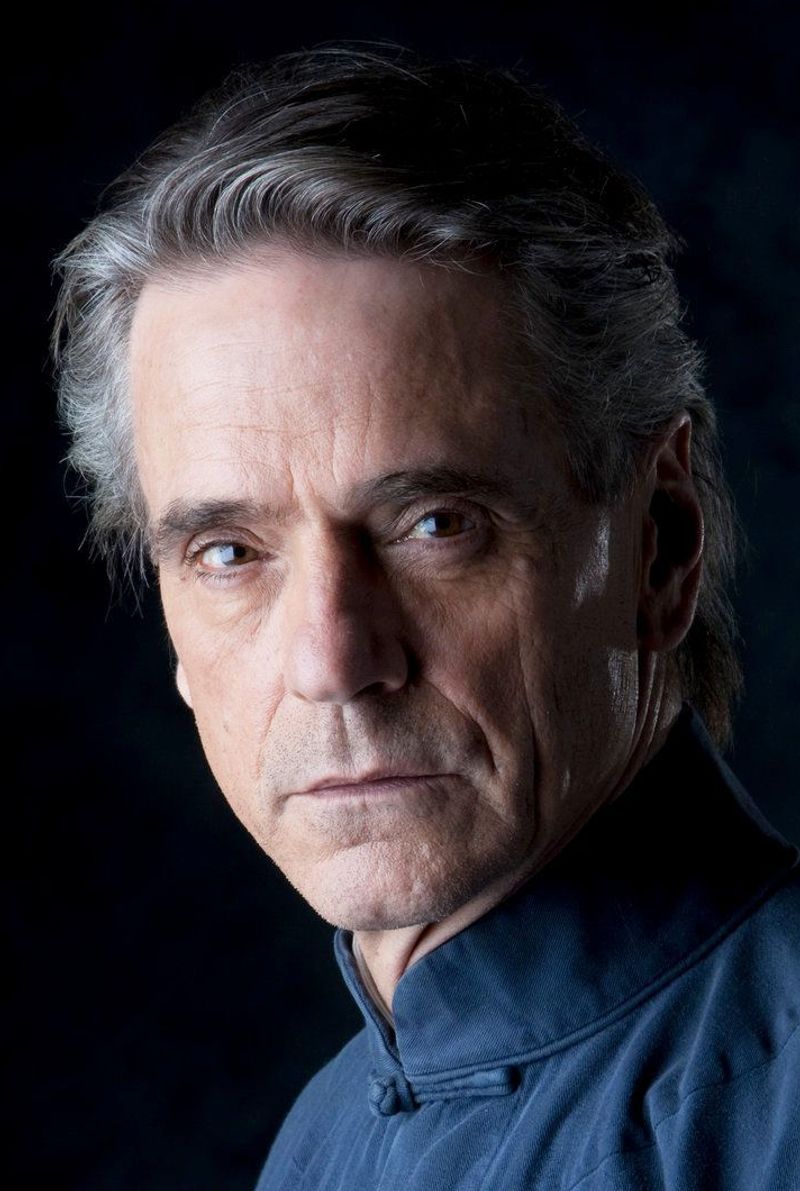
Dead Ringers (1988) is not a film for the faint of heart, but Jeremy Irons’s performance at its center is undeniably extraordinary. He plays Beverly and Elliot Mantle, identical twin gynecologists whose shared life begins to unravel in deeply disturbing ways.
Director David Cronenberg built the entire film around Irons’s ability to make the two men feel genuinely different despite their identical appearance.
Beverly is introverted and emotionally fragile, while Elliot is confident and manipulative. Irons used posture, eye contact, and vocal tone to signal which twin was on screen at any given moment.
The technical process required careful planning, with Irons filming each scene multiple times and the footage later composited together.
Critics were stunned by the performance, and many felt Irons was robbed of an Oscar nomination that year. He did win the Academy Award two years later for Reversal of Fortune, but Dead Ringers remains the performance his most devoted fans point to with the greatest pride.
9. Leonardo DiCaprio in The Man in the Iron Mask (Twins)
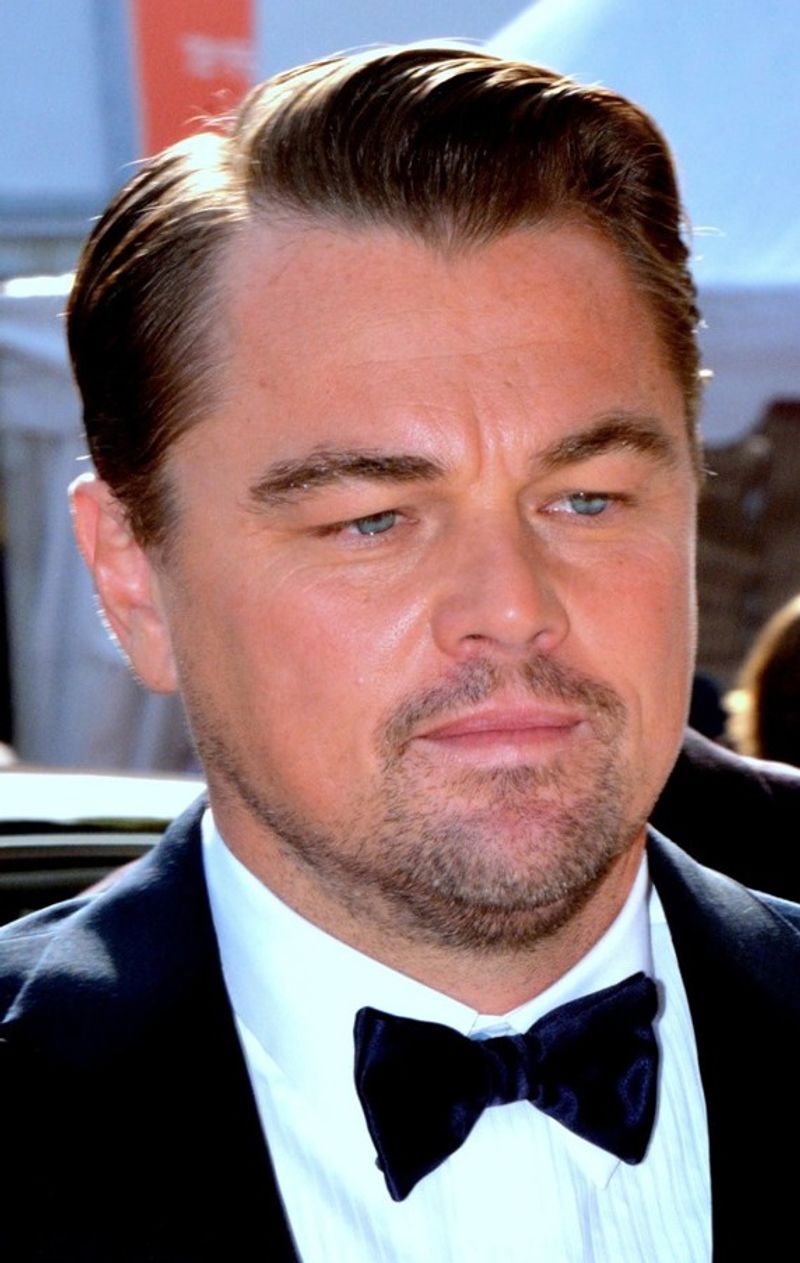
By 1998, Leonardo DiCaprio was already one of the biggest stars on the planet thanks to Titanic, and The Man in the Iron Mask gave him a chance to stretch his range in a very literal way. He played the arrogant young King Louis XIV of France and Philippe, the king’s secret twin brother who had been locked away in a prison mask since childhood.
The two characters could not be more different in personality. Louis is cruel, selfish, and obsessed with power, while Philippe is humble, kind, and desperate for connection.
DiCaprio used the contrast to show off a broader emotional range than many critics expected from him at the time.
The film also starred Gabriel Byrne, Jeremy Irons, and John Malkovich as the aging Musketeers. DiCaprio’s dual performance helped anchor the adventure story with genuine emotional stakes, and the film remains a fun showcase of his early ambition as a serious actor.
10. Tom Hardy in Legend (Kray Twins)
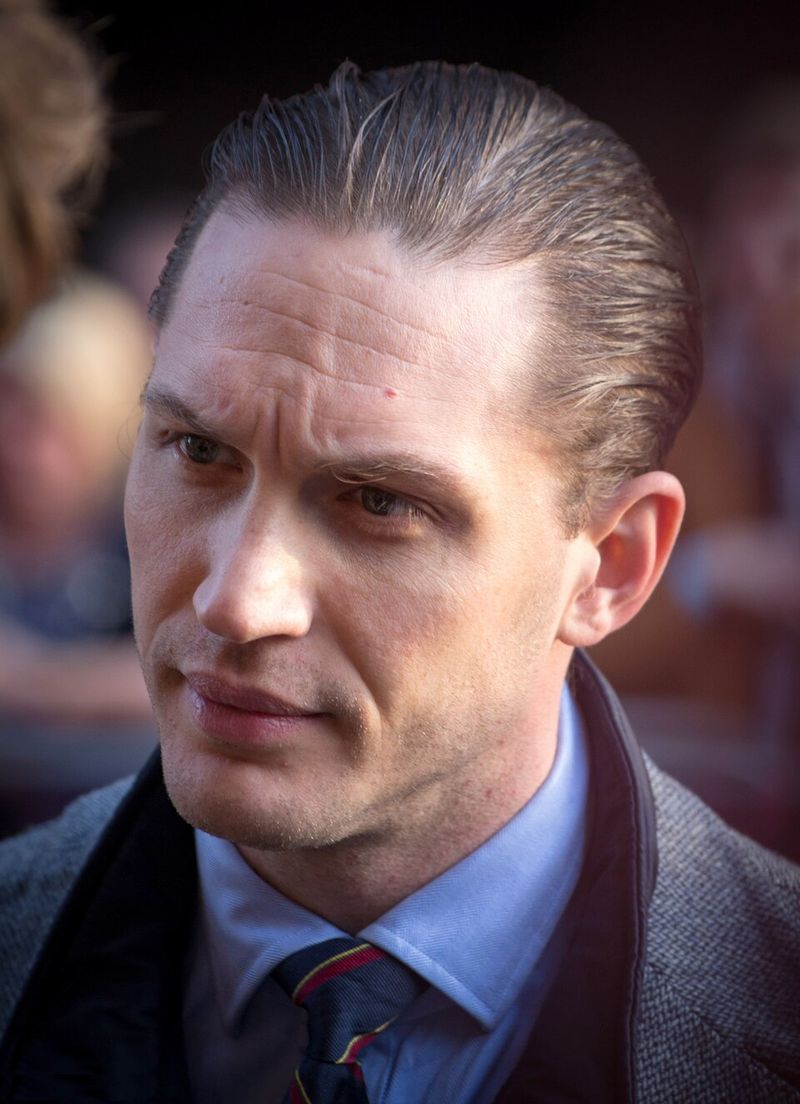
Playing one infamous gangster would be challenging enough, but Tom Hardy played both of London’s most notorious criminals in Legend (2015). The film tells the true story of Reggie and Ronnie Kray, twin brothers who ruled the East End of London’s criminal underworld during the 1960s with a combination of charm, violence, and sheer intimidation.
Hardy used clever physical distinctions to separate the twins. Reggie is the smoother, more controlled brother who tries to maintain a legitimate front, while Ronnie is volatile, paranoid, and unpredictably dangerous.
Hardy wore different glasses, adjusted his posture, and changed his vocal delivery to help audiences keep track of who was who.
The production used a combination of split-screen techniques and a stand-in actor to film the scenes where both twins appear together. Hardy received widespread acclaim for the performance, with many critics noting that his Ronnie Kray in particular was one of the most unsettling screen presences in recent memory.
11. Michael J. Fox in Back to the Future Part II (Multiple McFly Family Members)
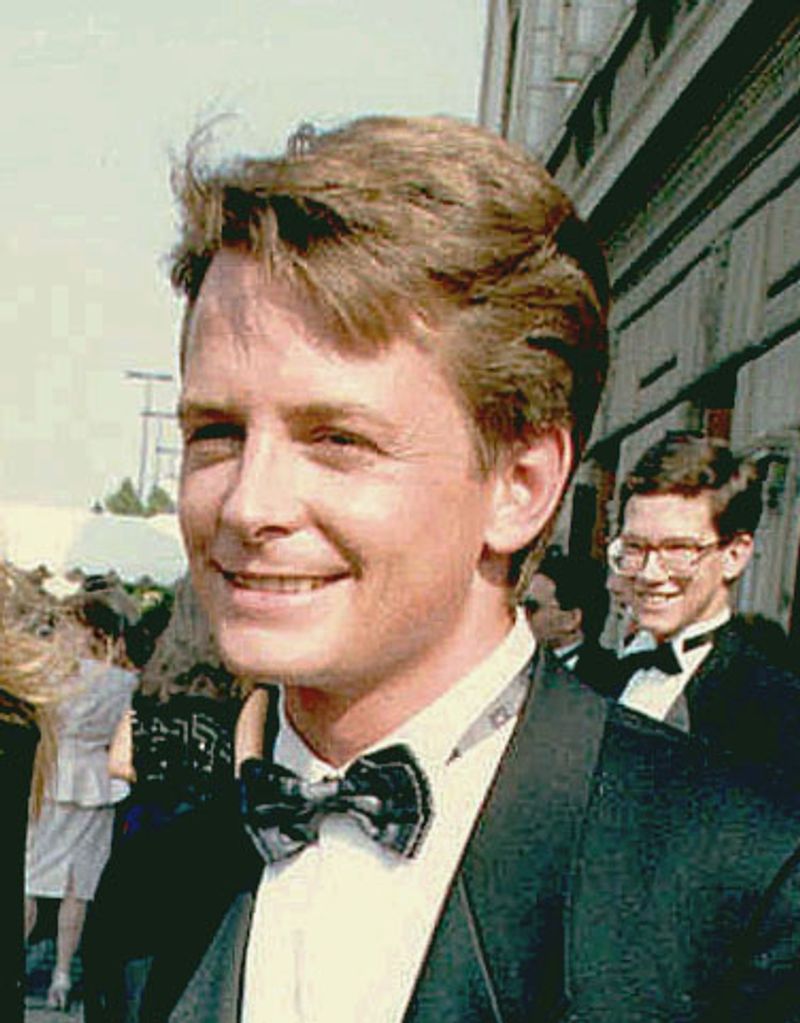
Back to the Future Part II (1989) sent Marty McFly into the future and the past, and along the way Michael J. Fox had to play more than just one version of himself.
In addition to the main Marty, Fox also portrayed Marty McFly Jr., his future son who is a timid and easily manipulated teenager, and even Marlene McFly, his future daughter.
Playing Marlene required Fox to appear in feminine styling while keeping the performance grounded enough to be believable in a live-action comedy. The film also featured Fox briefly appearing as the elder Marty McFly in scenes set in 2015.
The production team used careful editing and camera placement to make all of these appearances feel natural within the same scenes.
The technical complexity of filming these sequences was enormous for its era. Director Robert Zemeckis and his crew used groundbreaking visual effects that influenced how filmmakers approached similar challenges for years afterward.
It remains a fascinating piece of film history.
12. Adam Sandler in Jack and Jill (Two Roles)
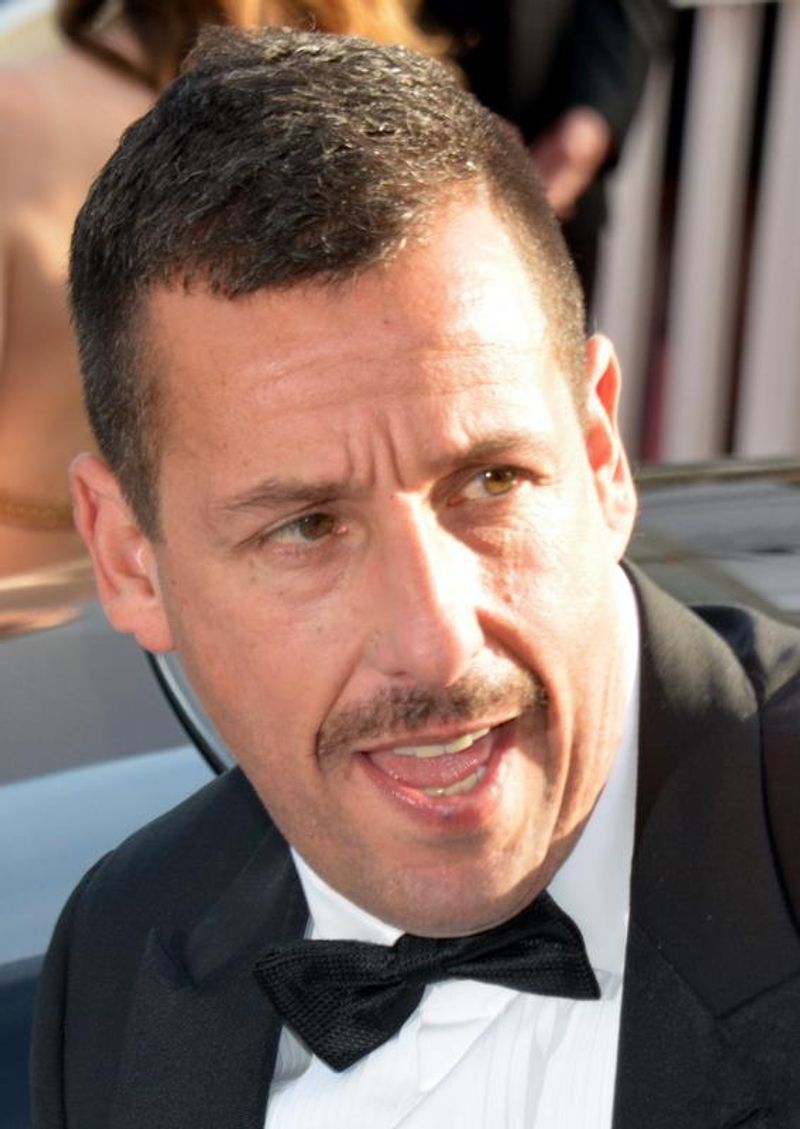
Jack and Jill (2011) is not exactly celebrated as a cinematic masterpiece, but from a technical standpoint it represents a genuinely committed dual performance from Adam Sandler. He plays Jack Sadelstein, a harried advertising executive, and Jill, his loud and overbearing twin sister who comes to visit for Thanksgiving and refuses to leave.
Sandler reportedly based elements of Jill’s personality on real women in his life, and he threw himself into the physical comedy of the role with obvious enthusiasm. Jill wears a curly wig, floral dresses, and sports an exaggerated New York accent that Sandler pushed well into caricature territory.
The film also features a bizarre subplot involving Al Pacino playing himself.
Critics were not kind to the film, and it swept the Razzie Awards that year. Still, Sandler’s willingness to fully commit to an embarrassing premise without breaking character is something even his detractors tend to acknowledge with a grudging kind of respect.
13. Cate Blanchett in Manifesto (13 Roles)
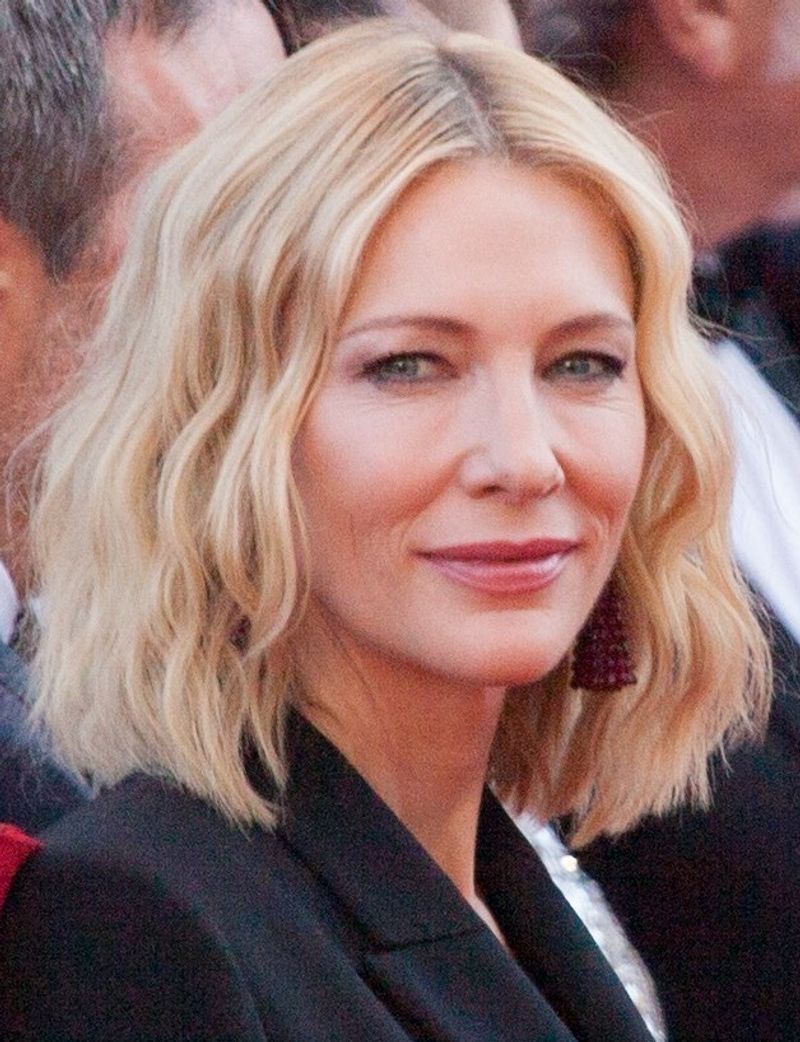
Cate Blanchett is widely regarded as one of the greatest living actors, and Manifesto (2015) gave her the most ambitious showcase of her career. Originally created as a 13-channel video art installation by German artist Julian Rosefeldt, the project was later edited into a feature film in which Blanchett plays 13 completely different characters delivering famous artistic manifestos from history.
Her characters include a homeless man, a puppeteer, a choreographer, a newscaster, a teacher, and a factory worker, among others. Each persona required a completely different physical transformation, accent, and emotional register.
Blanchett reportedly prepared for months to ensure each character felt like a fully realized human being rather than a costume change.
The project blurs the line between performance art and cinema in a way that few films attempt. Critics who saw the installation version described the experience as overwhelming in the best possible sense, watching one woman inhabit so many lives simultaneously across multiple screens at once.
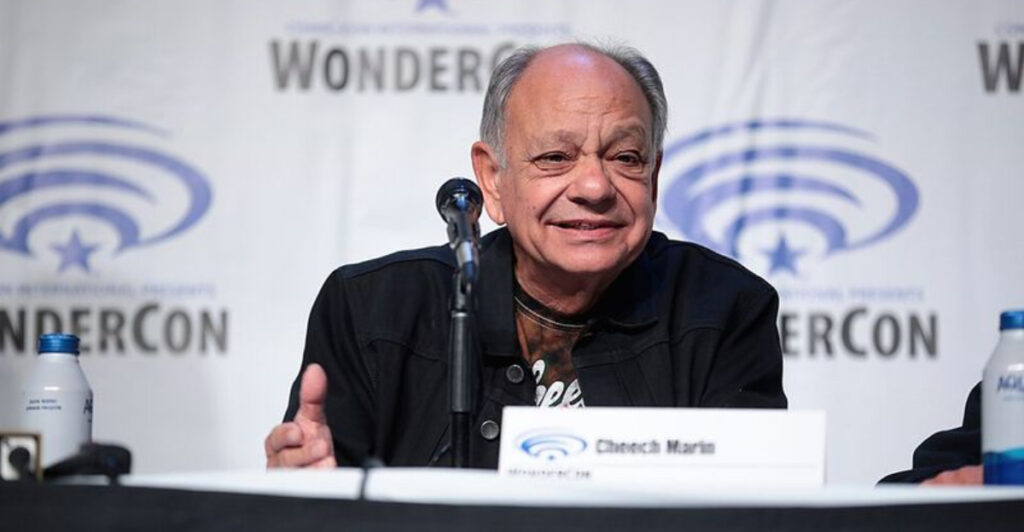
14. Cheech Marin in From Dusk Till Dawn (3 Roles)
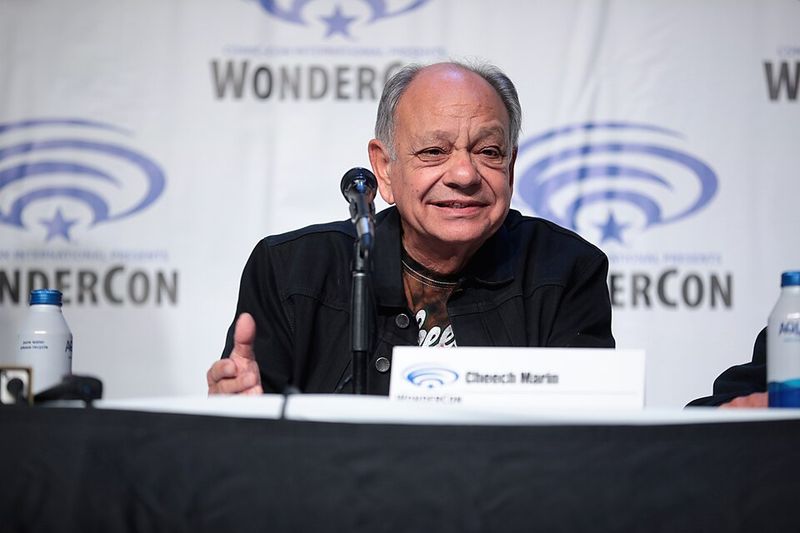
From Dusk Till Dawn (1996) is famous for its wild tonal shift from crime thriller to vampire horror, but one of its more underappreciated quirks is that Cheech Marin shows up in three different roles throughout the film. He plays a border patrol officer at the start, a strip club barker named Chet Pussy who delivers one of the most outrageous monologues in the movie, and a vampire bartender later on.
Director Robert Rodriguez and writer Quentin Tarantino included the triple casting as a kind of in-joke, a nod to the grindhouse tradition of reusing actors in multiple small roles to fill out a cast on a tight budget. Marin clearly had a blast with each appearance, bringing a completely different energy to every scene.
The film also starred George Clooney and Quentin Tarantino himself. Marin’s recurring presence gives the movie a fun, winking quality that rewards attentive viewers who catch all three of his appearances scattered across the runtime.
Share this story