Most athletes spend years training for one thing: winning. But what happens when the final whistle blows, the last pitch is thrown, or the championship trophy is safely on the shelf?
Some former pros quietly fade into coaching or commentary, but others take a hard left turn into careers nobody saw coming. From presidents to professors, these 16 athletes prove that life after sports can be just as thrilling as the game itself.
George Weah: From World-Class Soccer Star to President of Liberia
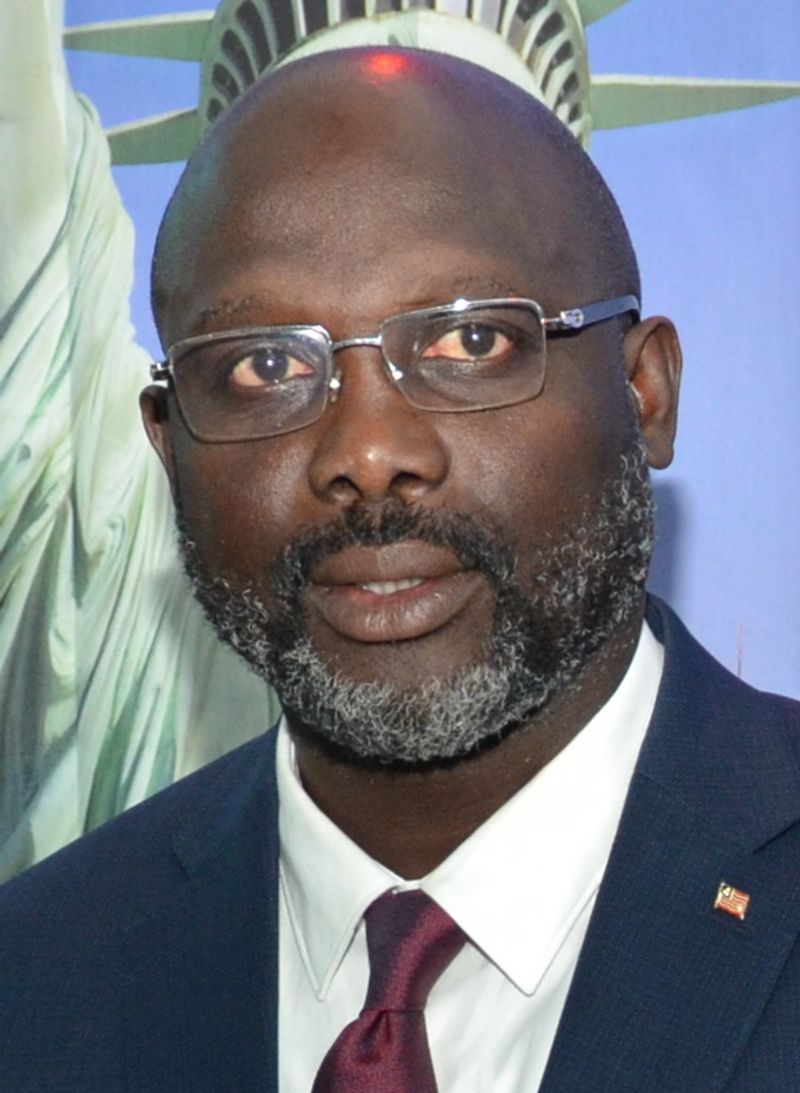
Not many people can say they went from scoring goals at AC Milan to running an entire country, but George Weah pulled it off spectacularly. He was one of the most gifted footballers of his generation, tearing through European leagues with clubs like Paris Saint-Germain, Chelsea, and Manchester City.
After hanging up his boots, Weah did not drift into punditry or coaching. He went full statesman.
He served as a Liberian senator before winning the presidential election in 2017, taking office in 2018.
Leading Liberia until 2024, his political journey was as headline-grabbing as his football career. Critics questioned his experience, but supporters loved his authenticity.
He remains the only person to win both the FIFA World Player of the Year award and a presidential election. That is a very specific trophy cabinet.
Imran Khan: From Cricket Legend to Prime Minister of Pakistan
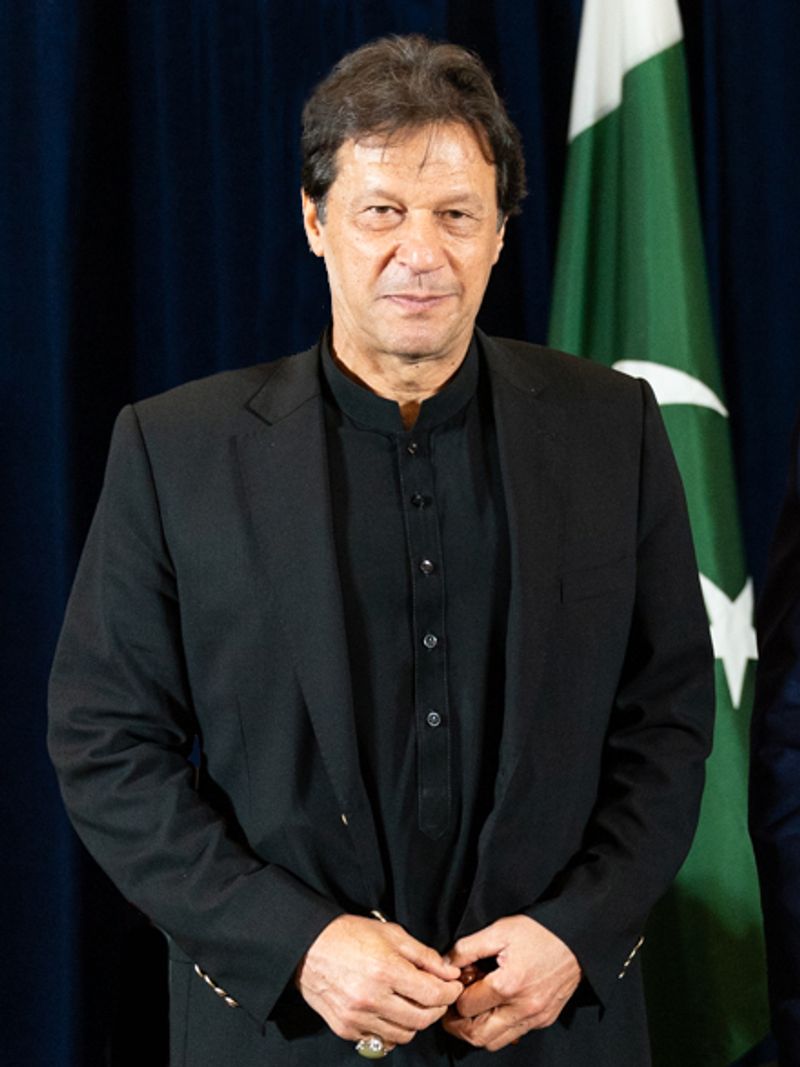
Winning a Cricket World Cup is the kind of achievement most athletes only dream about. Imran Khan did not just dream it, he delivered it, captaining Pakistan to their historic 1992 victory in a performance that made him a national hero overnight.
But Khan was never the type to rest on his laurels. After cricket, he founded the political party Pakistan Tehreek-e-Insaf and spent years building it into a major political force.
The hustle paid off when he became Prime Minister of Pakistan in 2018.
He served until 2022 in one of the world’s most scrutinized political roles. His post-cricket life became even more globally discussed than his playing days, which is saying something considering how celebrated those were.
From bowling legends out on the pitch to navigating international politics, Khan’s second innings was nothing short of extraordinary.
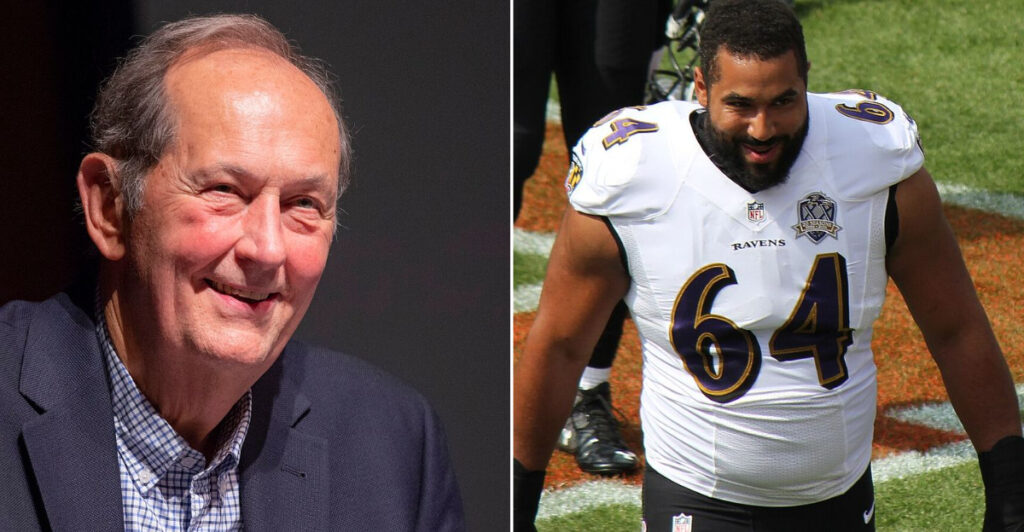
Bill Bradley: From New York Knicks Champion to U.S. Senator
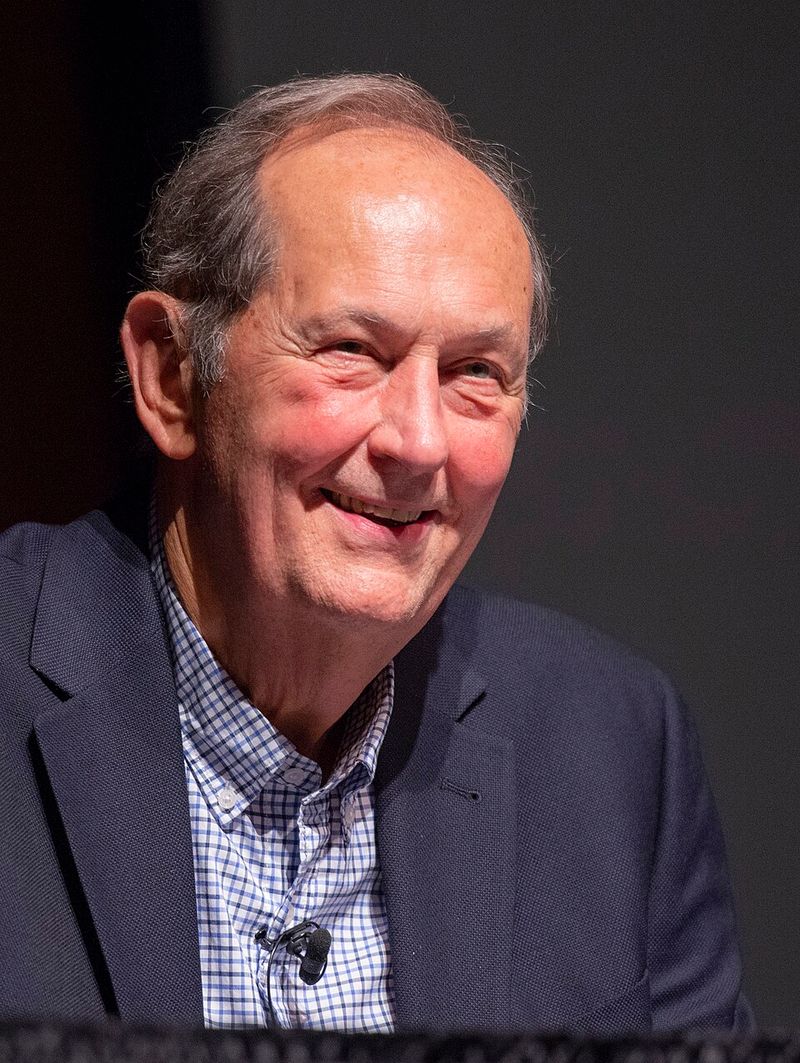
Two NBA championships with the New York Knicks and a Hall of Fame induction would be enough legacy for most people. Bill Bradley, however, clearly had a different definition of enough.
After retiring from basketball, Bradley traded the hardwood for Capitol Hill. He served as a U.S.
Senator from New Jersey for 18 years, which is not a cameo, that is a full-blown second career. He even ran for the Democratic presidential nomination in 2000, proving he was serious about public service rather than just collecting titles.
What makes Bradley’s story compelling is the depth of his commitment. This was not a celebrity dipping a toe into politics.
He did the work, attended the hearings, and built a reputation as a thoughtful legislator. Athletes who transition into serious public service are rare, and Bradley remains one of the most credible examples of that path done right.
Alan Page: From NFL Defensive Great to State Supreme Court Justice
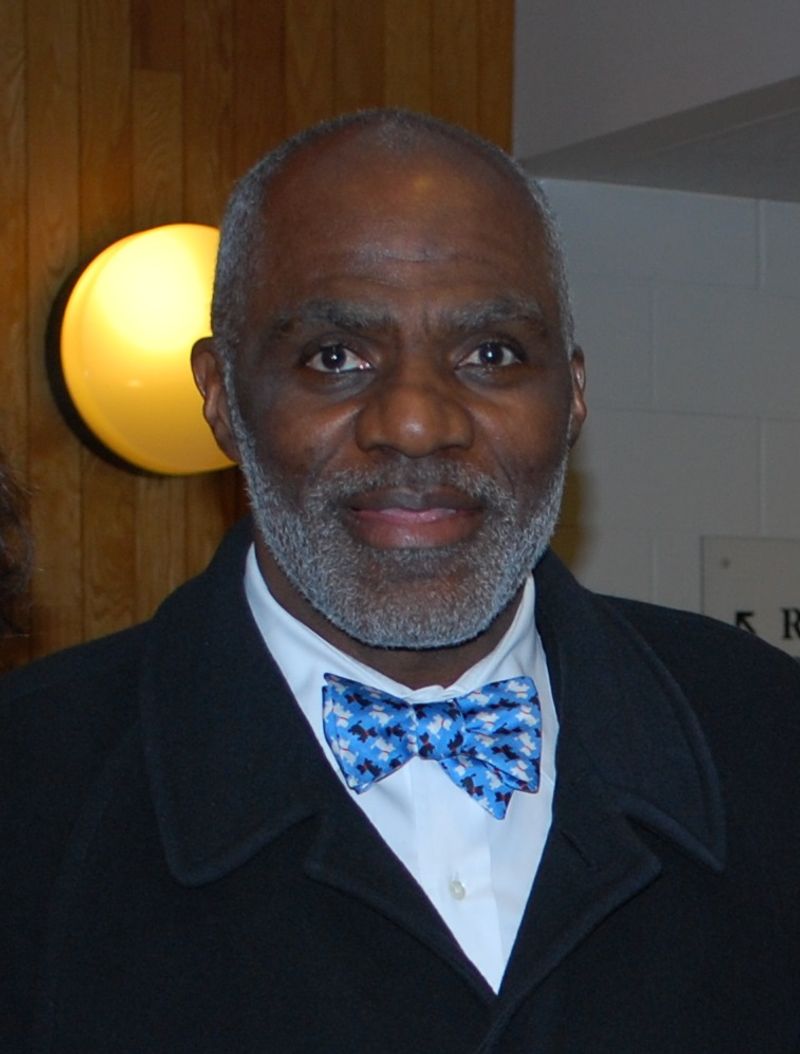
Alan Page was so dominant on the football field that he became the first defensive player in NFL history to win the Most Valuable Player award. Fifteen seasons with the Minnesota Vikings and Chicago Bears gave him a resume most linemen can only dream about.
Then he did something almost no professional athlete has ever done: he became a Supreme Court Justice. Page earned his law degree while still playing football and later served as an associate justice on the Minnesota Supreme Court from 1993 to 2015.
That is over two decades of writing legal opinions at the highest court in the state. I once read one of his rulings just out of curiosity, and it was sharp, clear, and impressive.
Page also founded the Page Education Foundation to support students of color in Minnesota. From defensive end to legal defender of justice, his legacy runs much deeper than football.
Jim Bunning: From MLB Pitcher to U.S. Senator
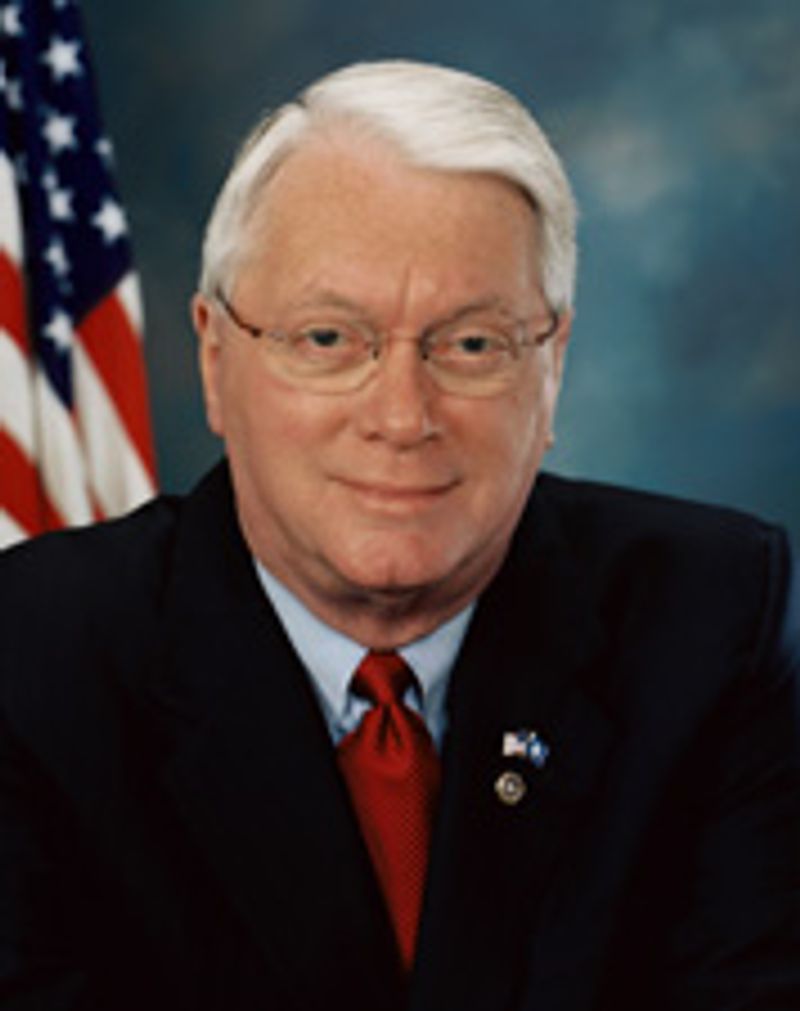
Throwing both a no-hitter and a perfect game in Major League Baseball puts you in a very exclusive club. Jim Bunning did exactly that, cementing his place in baseball history before eventually landing in the Hall of Fame.
After stepping off the mound, Bunning stepped into politics in Kentucky. He worked his way up through local office, the Kentucky Senate, the U.S.
House of Representatives, and finally the U.S. Senate.
That is not a retirement hobby, that is a full political career stacked on top of an already legendary sports career.
What strikes me most about Bunning is the sheer longevity of both his careers. He pitched professionally for over a decade and then spent decades more in public office.
Not every athlete finds a second calling that matches the first in staying power. Bunning somehow managed to do it twice, and he did it with the same stubborn determination he brought to the pitcher’s mound.
Dave Bing: From NBA Star to Steel Executive and Detroit Mayor
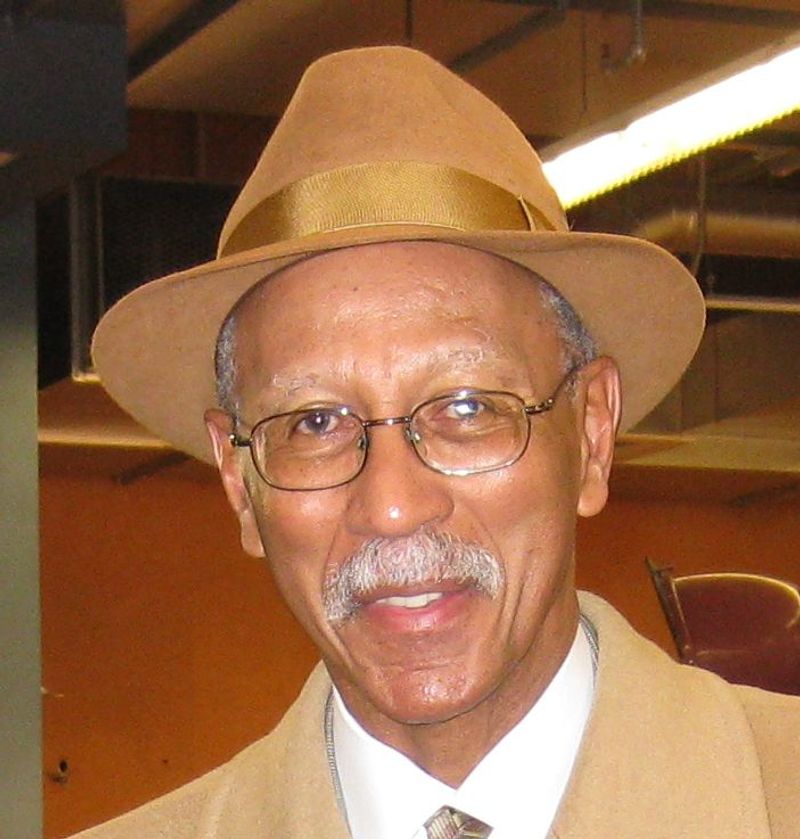
Seven NBA All-Star selections and a Hall of Fame career with the Detroit Pistons would have been plenty. Dave Bing, apparently, disagreed with the idea of stopping there.
After basketball, he built Bing Steel from scratch, eventually growing it into The Bing Group, a major Detroit-based manufacturing company. That alone would make for a great story.
But Bing kept going, entering politics and serving as mayor of Detroit from 2009 to 2014 during one of the city’s most challenging economic periods.
His path went from basketball court to boardroom to city hall, each step more demanding than the last. Running a struggling city during a financial crisis is not exactly a step down in pressure from the NBA playoffs.
Bing brought the same competitive discipline he used on the court into both business and public service. His career is a masterclass in reinvention done with real substance and zero shortcuts.
Arnold Schwarzenegger: From Bodybuilding Champion to Movie Star and Governor
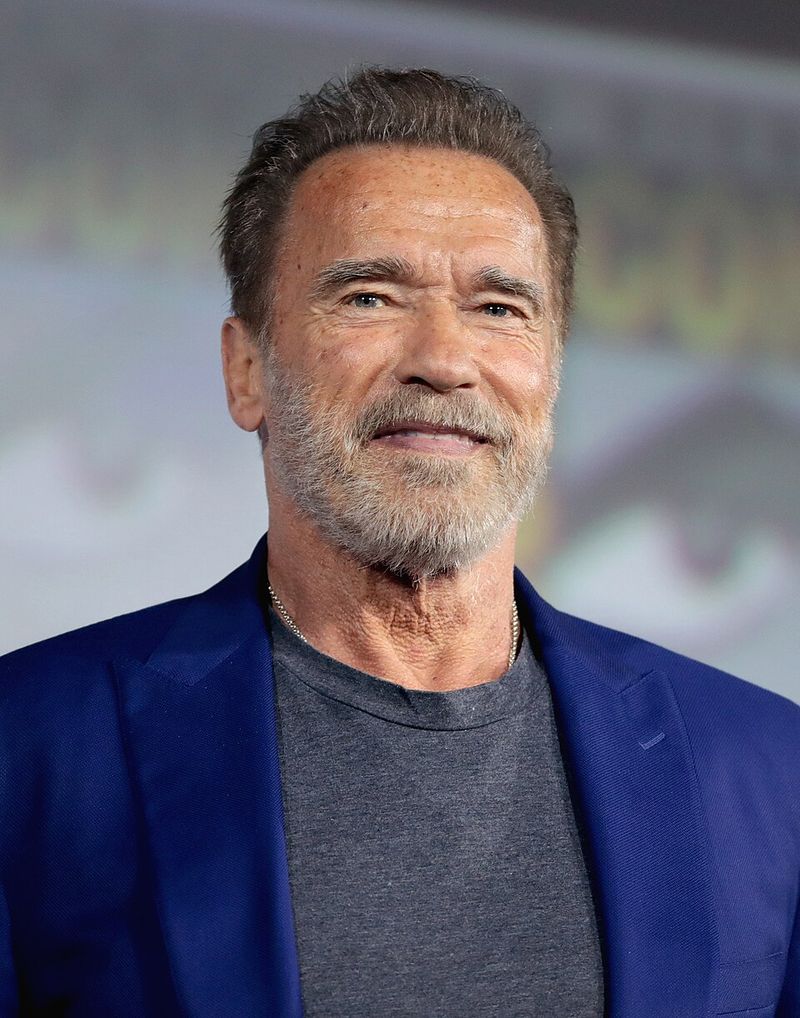
Seven Mr. Olympia titles made Arnold Schwarzenegger the most famous bodybuilder on the planet. Then Hollywood came calling, and he answered with a bazooka.
His action movie career produced some of the most quotable films of the 1980s and 1990s. The Terminator, Predator, Total Recall, and dozens more turned him into a global icon.
Then, in a plot twist even his screenwriters could not have written, he ran for governor of California and won in 2003, serving until 2011.
Three completely separate careers, each one successful enough to define a normal person’s entire life. Schwarzenegger’s story is genuinely hard to wrap your head around.
From lifting weights in Austria to governing the world’s fifth-largest economy, every chapter of his life reads like a different movie genre. The bodybuilding documentary, the blockbuster action franchise, and the political drama all starred the same guy.
That is a career arc nobody else has ever pulled off.
George Foreman: From Heavyweight Champion to Minister and Entrepreneur
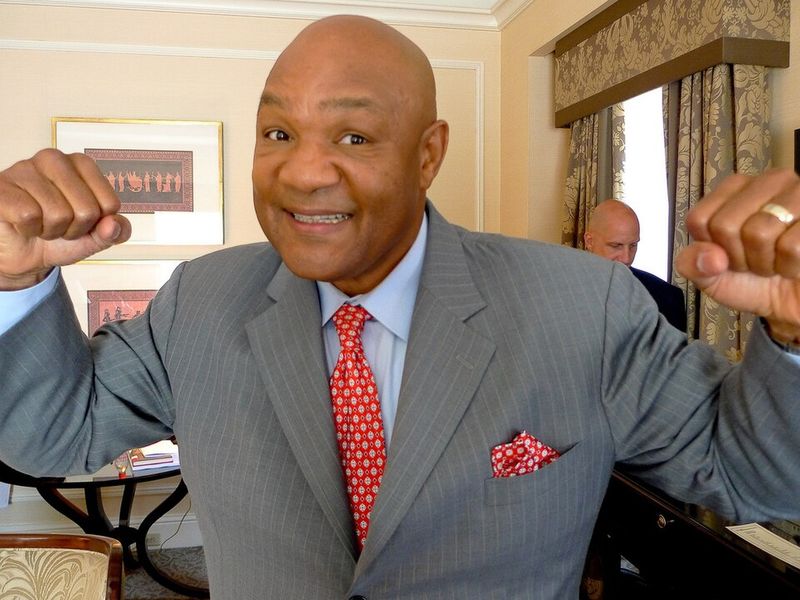
George Foreman already had one of boxing’s most dramatic career stories before he ever sold a single grill. Olympic gold in 1968, heavyweight champion, a famous loss to Muhammad Ali, retirement, a religious conversion, and then a stunning comeback at age 45 to reclaim the heavyweight title.
Outside the ring, Foreman became an ordained Christian minister and devoted significant time to his Houston church community. Then came the George Foreman Grill, which reportedly earned him more money than his entire boxing career combined.
That is not a fun fact, that is a jaw-dropping business achievement.
The grill became one of the best-selling kitchen appliances in history, turning his name into a global brand recognized by people who have never watched a single boxing match. Foreman proved that a big personality and the right product deal can hit harder than any left hook.
His second career had genuine knockout power.
John Urschel: From NFL Lineman to MIT Mathematician
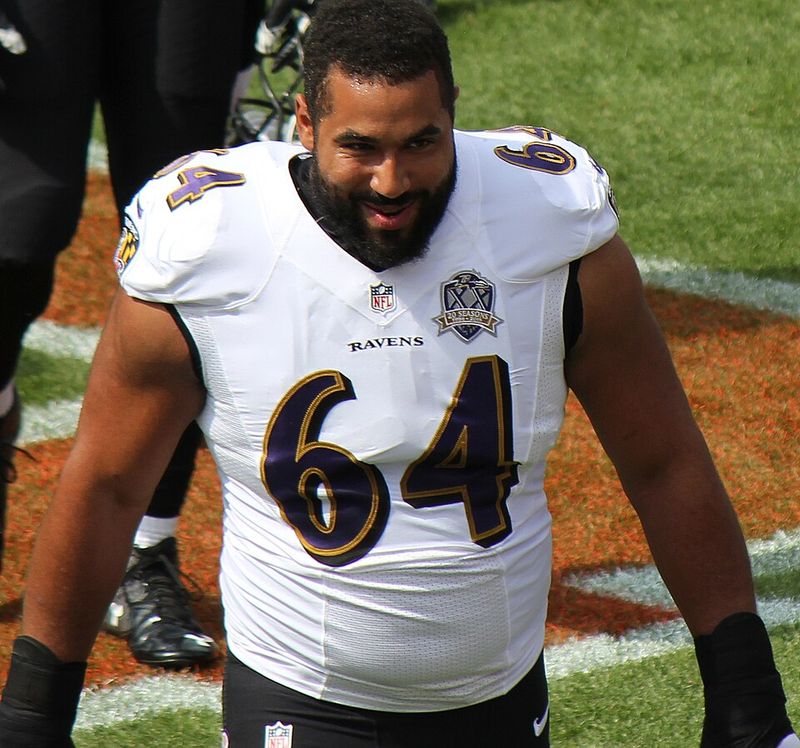
Most NFL offensive linemen retire and settle into broadcasting, coaching, or maybe a restaurant venture. John Urschel retired from the Baltimore Ravens at 26 and enrolled in a PhD program at MIT.
Just a casual Tuesday for him.
Even during his football career, Urschel was publishing papers in academic math journals. His teammates knew he was different.
After leaving the NFL, he earned his doctorate in mathematics and became an assistant professor at MIT, one of the most prestigious academic institutions on earth.
His transition was not a publicity stunt or a feel-good story for press releases. It was a genuine career shift into one of the most intellectually demanding fields in existence.
Urschel represents something rare: an athlete who was elite in two completely unrelated disciplines at the same time. The NFL lost a solid lineman the day he retired, but the world of mathematics gained someone truly exceptional.
Myron Rolle: From NFL Safety to Pediatric Neurosurgeon
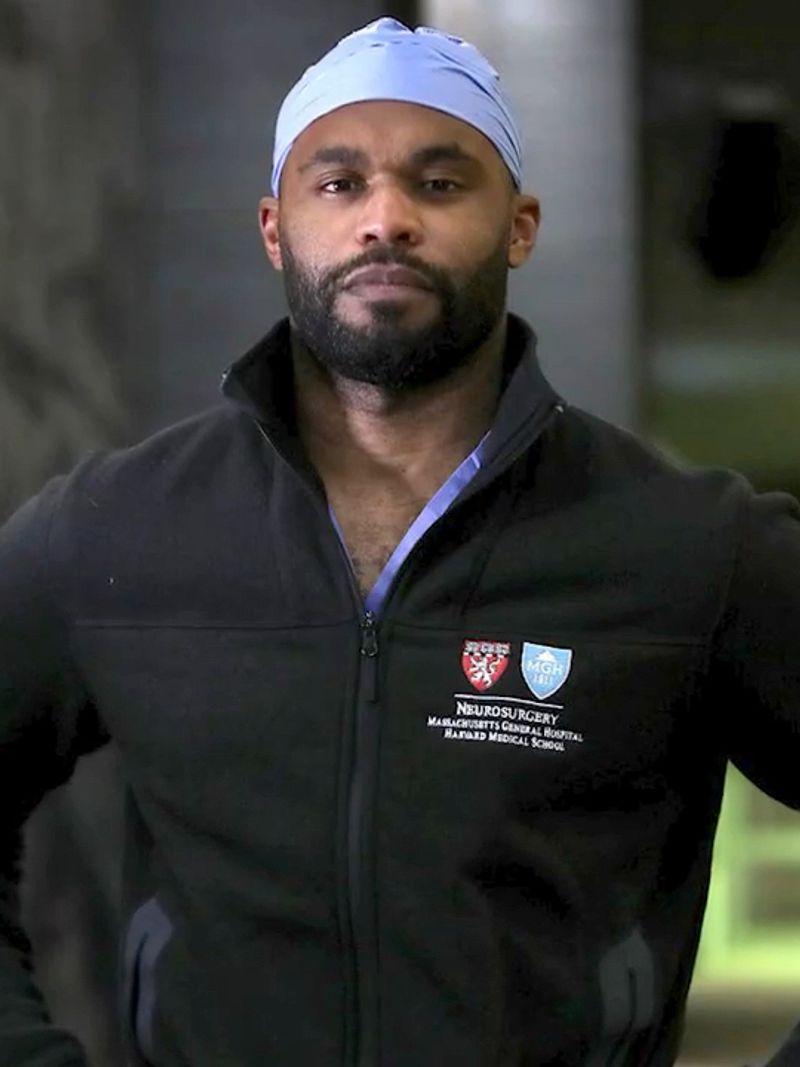
Rhodes Scholar. NFL safety.
Pediatric neurosurgeon. Most people would be thrilled to achieve any one of those things.
Myron Rolle collected all three before turning 35.
He was a standout defensive player at Florida State and earned a Rhodes Scholarship before entering the NFL with the Tennessee Titans and Pittsburgh Steelers. After leaving football, he attended medical school and specialized in neurosurgery, eventually focusing on pediatric cases at Massachusetts General Hospital.
The leap from professional football to pediatric brain surgery is not just unusual, it is almost absurd in the best possible way. Football players are trained to take hits.
Neurosurgeons are trained to prevent them. Rolle essentially mastered both ends of that spectrum.
His story gets shared in locker rooms, classrooms, and medical schools alike because it challenges every assumption about what athletes are supposed to do after the game ends. He did not just change careers.
He changed the conversation entirely.
Terry Crews: From NFL Player to Hollywood Actor and TV Host
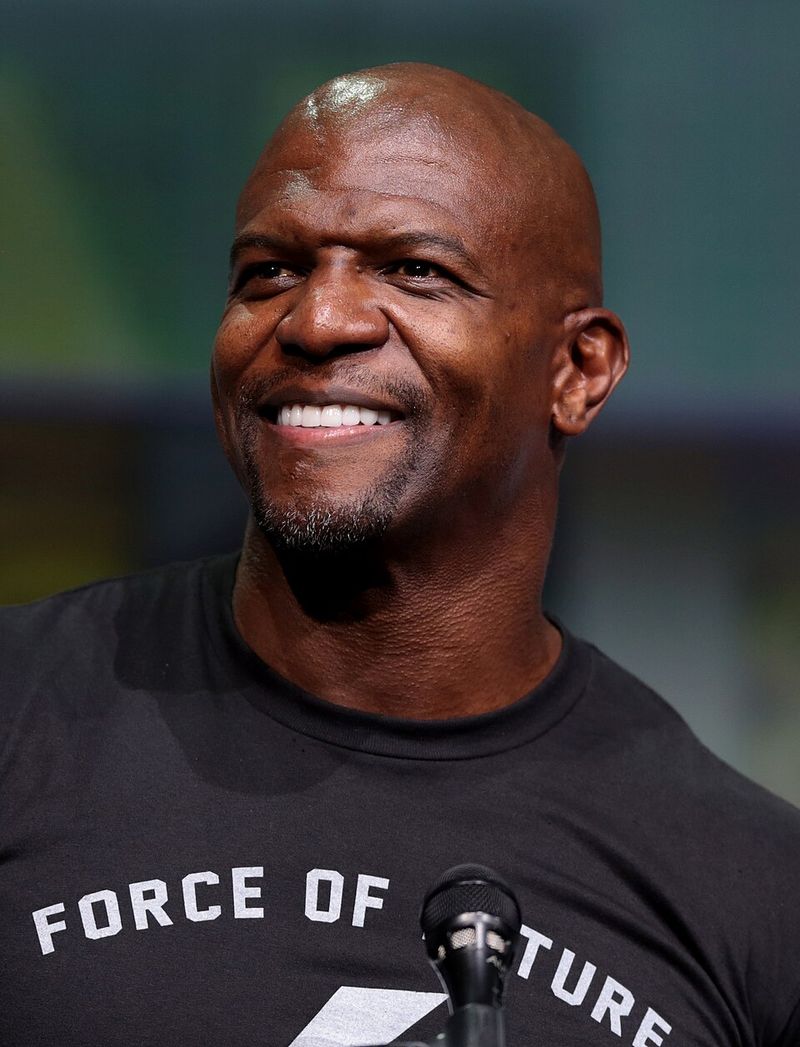
Before Brooklyn Nine-Nine made Terry Crews a comedy legend, he was suiting up for NFL teams including the Los Angeles Rams, San Diego Chargers, Washington Redskins, and Philadelphia Eagles. His football career was solid but not stardom-level.
His entertainment career, on the other hand, became something else entirely.
After retiring from football, Crews moved to Los Angeles with very little money and a determination to make it in Hollywood. He took small roles, kept showing up, and slowly built a reputation that snowballed into something massive.
Everybody Hates Chris, White Chicks, The Expendables, and eventually Brooklyn Nine-Nine turned him into one of TV’s most beloved personalities. He also became a long-running host of America’s Got Talent.
What makes his story particularly fun is the contrast: the guy who once lined up in NFL trenches became the guy America tunes in to watch be genuinely hilarious. That glow-up deserves its own highlight reel.
Vinnie Jones: From Tough Footballer to Film Actor

Vinnie Jones was the kind of footballer who made opposing players genuinely nervous before kickoff. Known as one of English football’s hardest midfielders, he played for Wimbledon, Leeds United, Chelsea, and Sheffield United, and represented Wales internationally with the same no-nonsense energy.
When his football days ended, Jones did not exactly soften up for his second career. He walked straight into Guy Ritchie’s Lock, Stock and Two Smoking Barrels and was so convincing as a menacing tough guy that Hollywood took notice immediately.
Snatch, Gone in 60 Seconds, and X-Men: The Last Stand followed, proving that his on-pitch reputation translated perfectly to the big screen. The hard-man image that once intimidated Premier League players now intimidated fictional characters in major films.
Jones is one of those rare cases where a personality built on a football pitch became a genuine acting asset. His transition was not accidental.
It was perfectly type-cast.
Esther Williams: From Champion Swimmer to Hollywood Star
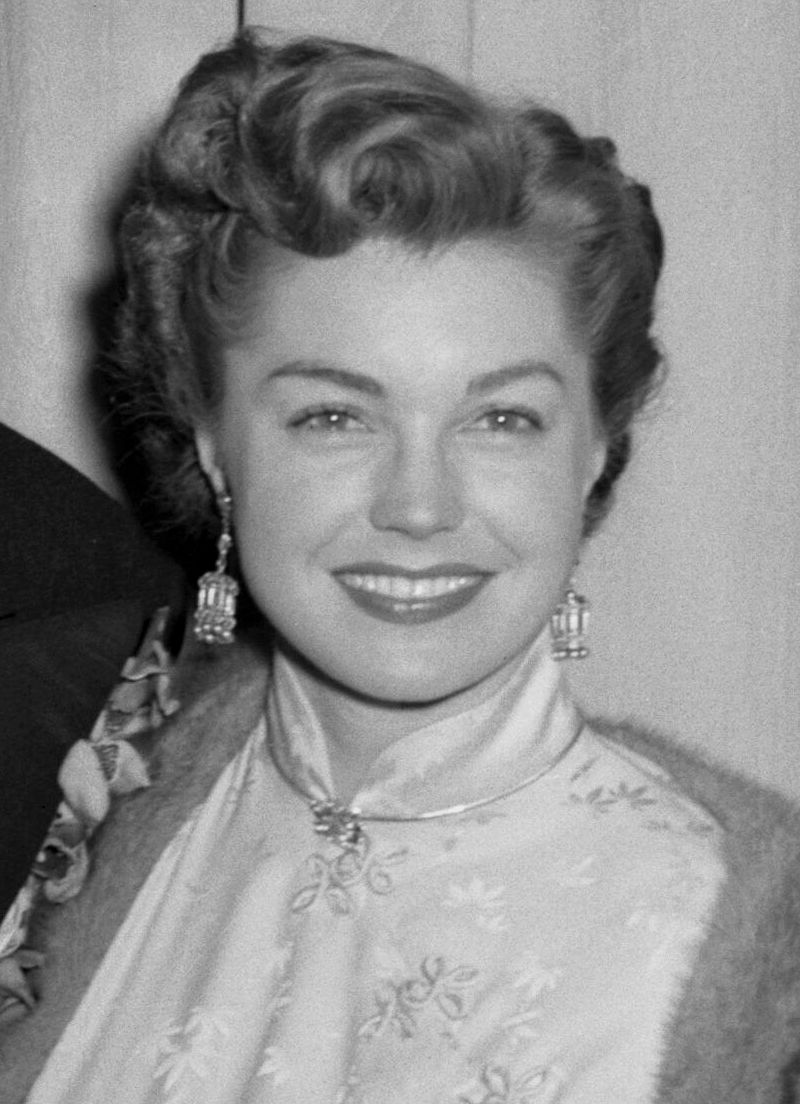
Esther Williams was setting national records in competitive swimming as a teenager when World War II canceled the 1940 Olympics and wiped out her biggest athletic opportunity. That setback, frustrating as it must have been, accidentally redirected her toward one of the most unusual Hollywood careers ever built.
MGM spotted her talent and charm and signed her up. Williams became one of the studio’s biggest stars throughout the 1940s and 1950s, anchoring a series of lavish musical films built around elaborate aquatic sequences.
Her movies were essentially swimming competitions dressed up as entertainment, and audiences loved every minute.
She became so successful that her genre was nicknamed “aquamusicals,” which is a word that exists entirely because of her. Williams turned an Olympic dream deferred into a film career that reached millions.
Her story is a reminder that sometimes the door that closes is actually pointing you toward a much bigger one you had not noticed yet.
Wayman Tisdale: From NBA Forward to Jazz Bassist
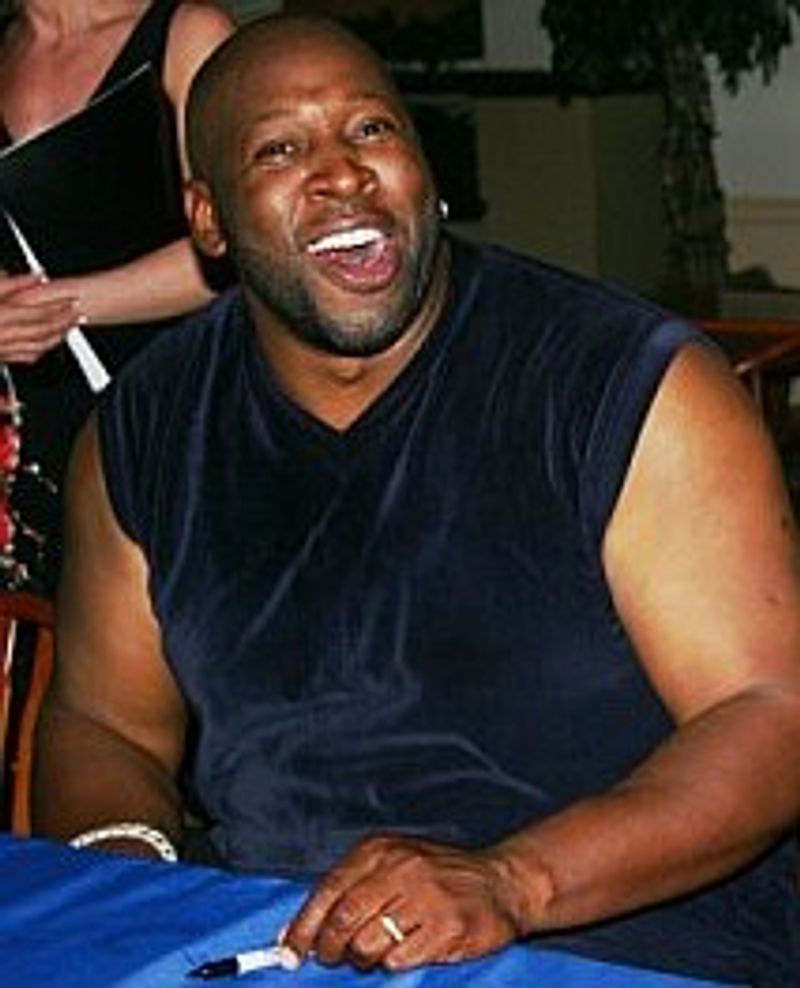
Twelve NBA seasons, a legendary college career at Oklahoma, and a reputation as one of the smoothest forwards in the game. Wayman Tisdale had all of that, and then he walked away from it to play jazz bass professionally.
Bold move. Brilliant move.
Tisdale had been playing bass for years even during his basketball career. After retiring from the NBA, he committed fully to music and released albums that found real success on the smooth jazz charts.
This was not a vanity project. He built a legitimate second career with chart placements, live performances, and genuine critical respect.
His upbeat personality that fans loved courtside translated beautifully into his music, which had warmth and joy running through every track. Tisdale passed away in 2009, but his musical legacy endures alongside his basketball one.
He proved that athletic talent and artistic talent can absolutely coexist in the same extraordinary person.
Tim Green: From NFL Defensive End to Best-Selling Author and Lawyer

Tim Green was a first-round NFL Draft pick in 1986 who spent years as a defensive end for the Atlanta Falcons. But here is the thing about Green: he was already studying law while still playing professional football.
The man was preparing his second act before his first one was even finished.
After retiring, he qualified as a lawyer, worked as a broadcaster for Fox Sports, and then launched a writing career that genuinely took off. He wrote thrillers for adults and popular sports novels aimed at young readers, publishing dozens of books that landed on bestseller lists.
His young adult sports fiction introduced countless kids to reading through stories about football, baseball, and perseverance. Green later became public about his ALS diagnosis, using his platform to raise awareness with the same determination he brought to the field and the page.
His career after football became just as impactful as anything he accomplished on it.
Kakha Kaladze: From Champions League Winner to Mayor of Tbilisi
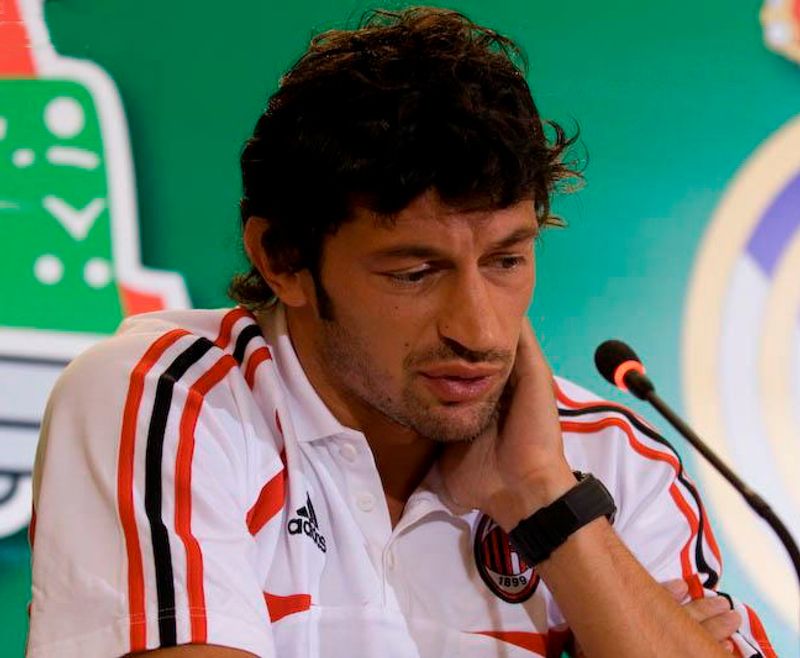
Winning the UEFA Champions League with AC Milan is the kind of achievement that defines most footballers’ careers entirely. Kakha Kaladze won it twice and also captained the Georgian national team, building a football resume that any defender would envy.
After retiring, Kaladze moved into Georgian politics with the same decisiveness he brought to the back line. He served as Minister of Energy and Deputy Prime Minister before becoming Mayor of Tbilisi, Georgia’s capital and largest city.
Running a capital city is not a typical post-football gig. Most Champions League winners settle into commentary boxes or football academies.
Kaladze chose governing a city of over a million people instead. His political career has been controversial at times, as most political careers are, but his commitment to public life has been consistent and serious.
From shutting down opposing forwards in European finals to managing urban policy in the Caucasus, his career path is genuinely one of a kind.
Share this story