Retirement is your reward for decades of hard work, so why not spend it somewhere spectacular? Europe has been quietly luring American retirees with its rich history, affordable healthcare, and jaw-dropping scenery for years.
From sun-soaked Mediterranean coastlines to charming Alpine villages, the options are genuinely exciting. Whether you want cobblestone streets, fresh seafood, or just a slower pace of life, this list has something for you.
Spain
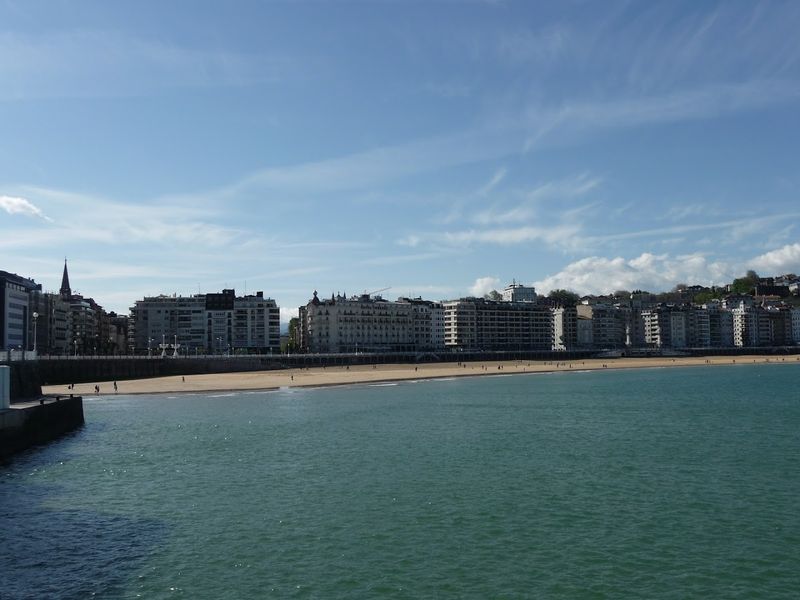
Spain does not mess around when it comes to lifestyle. Sun, tapas, flamenco, and a social culture that practically forces you to enjoy yourself.
The non-lucrative visa is the standard route for American retirees who can cover their own expenses without working locally.
Valencia and Malaga are popular picks, but Alicante, Seville, and the Balearic Islands each have their own loyal retirement communities. Spain rewards explorers who are willing to venture past the obvious spots.
Public transportation is excellent, markets are everywhere, and walking is practically a national sport.
Taxes are worth watching closely. Living in Spain full-time creates local tax obligations that catch some retirees off guard.
Healthcare is strong, and private insurance is affordable for most budgets. Spain is not the cheapest option in Europe, but outside the priciest tourist corridors, your money goes further than you might expect.
France
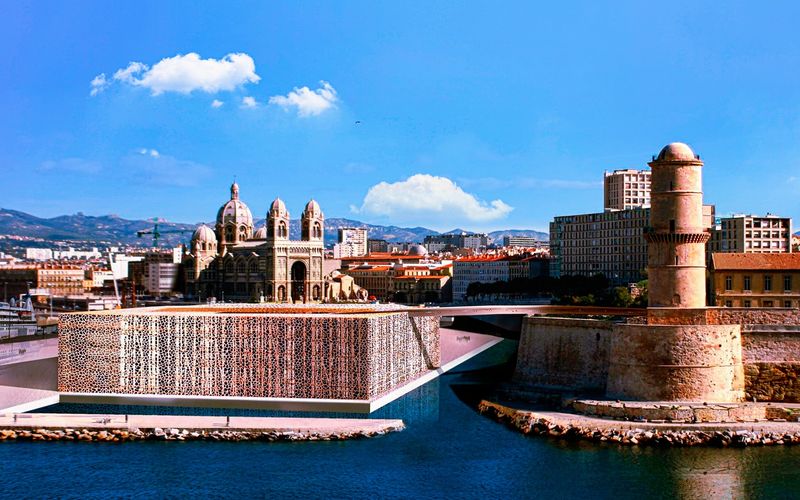
France is for retirees who want to feel like every Tuesday is a special occasion. The food alone could justify the move.
Most Americans use the long-stay visitor visa route, which requires proof of income, accommodation, and health insurance coverage.
Paris gets all the fame, but the real magic often hides in places like Dordogne, Brittany, and the Loire Valley. Smaller towns have bakeries, weekly markets, and a community feel that big cities rarely offer.
I once spent a week in a tiny Normandy village and completely forgot what stress felt like.
The challenges are real: paperwork is plentiful, French bureaucracy is legendary, and language skills matter more here than in some other European countries. Rural areas are far more affordable than Paris or the French Riviera.
France rewards retirees who embrace local life rather than trying to recreate their American routine abroad.
Italy
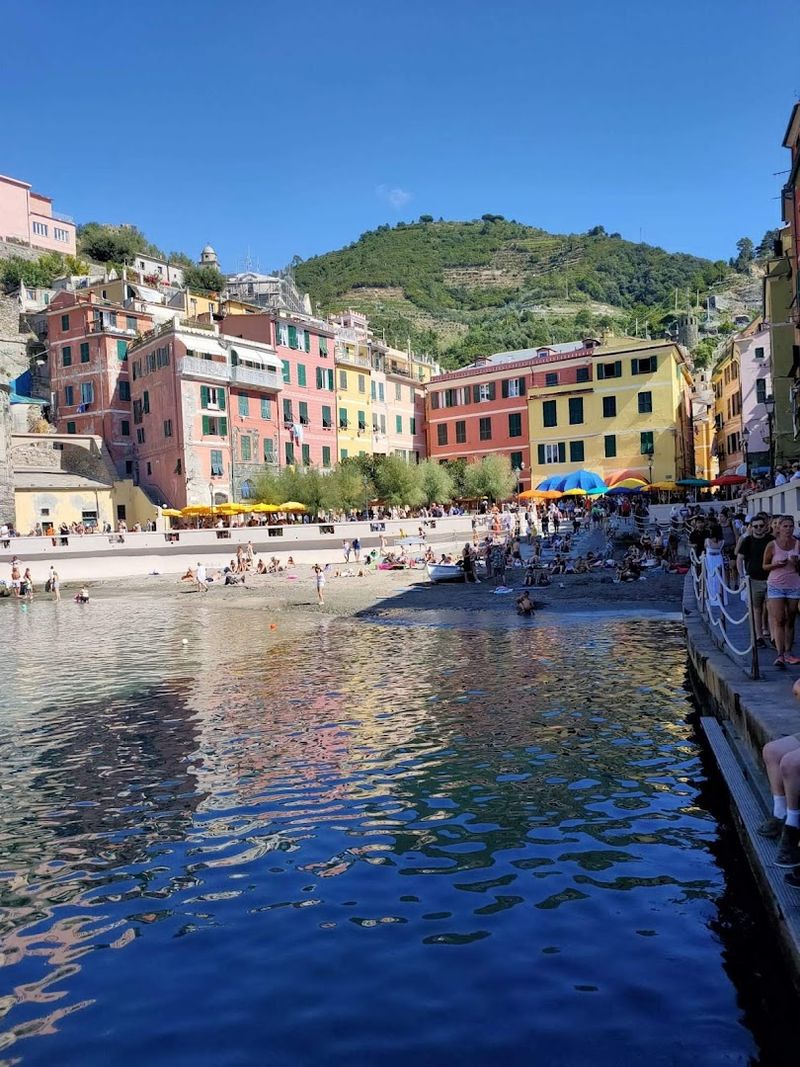
Italy is basically a living museum that also happens to serve the world’s best pasta. The elective residence visa is the main route for retirees, requiring proof of stable passive income, housing, and health insurance.
It is not a quick process, but Italy rarely does anything quickly on purpose.
The country spans wildly different lifestyles. Rome and Florence are iconic but pricey.
Southern regions like Calabria, Basilicata, and Sicily offer dramatically lower costs without sacrificing charm. Some towns have even offered incentives to attract foreign residents, which is worth researching.
Daily life in Italy can feel deeply satisfying. Morning espresso, afternoon walks, and meals that last two hours are not indulgences here.
They are just Tuesday. Bureaucracy and regional healthcare differences are the main headaches.
Retirees who arrive with flexibility and curiosity tend to thrive, while those expecting American-style efficiency may need to recalibrate their expectations considerably.
Greece
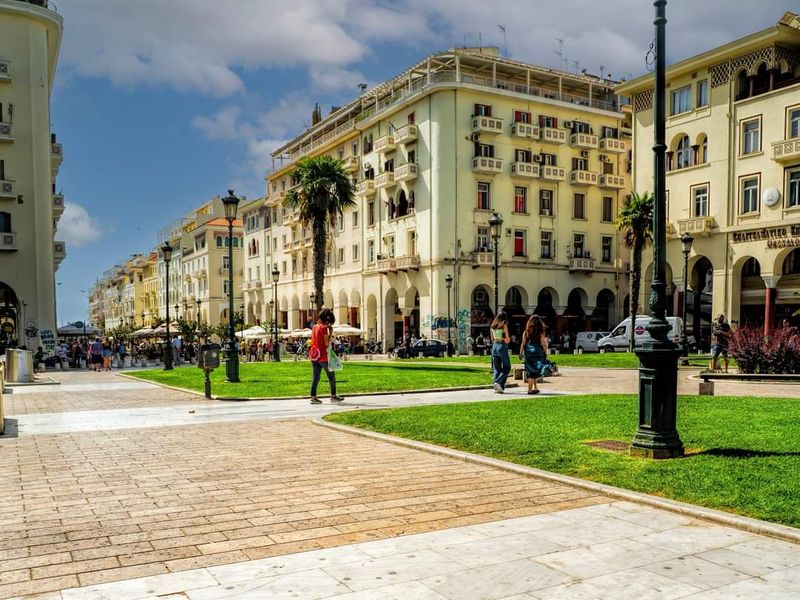
Greece is the retirement fantasy that actually delivers. Warm weather, ancient ruins around every corner, fresh seafood, and a cost of living that makes Western Europe look wildly overpriced.
The financially independent person visa route suits retirees with steady passive income who have no plans to work locally.
Athens and Thessaloniki offer urban convenience, while Crete, Corfu, and the Peloponnese provide a slower, more scenic pace. Popular islands can get expensive and crowded in summer, but life quiets down beautifully in the off-season.
That shoulder-season version of Greece is genuinely spectacular.
Healthcare access deserves careful thought, especially for island living. Remote areas have limited medical facilities, so retirees with ongoing health needs should prioritize locations near proper hospitals.
Greece is not a one-size-fits-all destination. Choosing the right town or island is arguably the most important decision in the whole process.
Malta
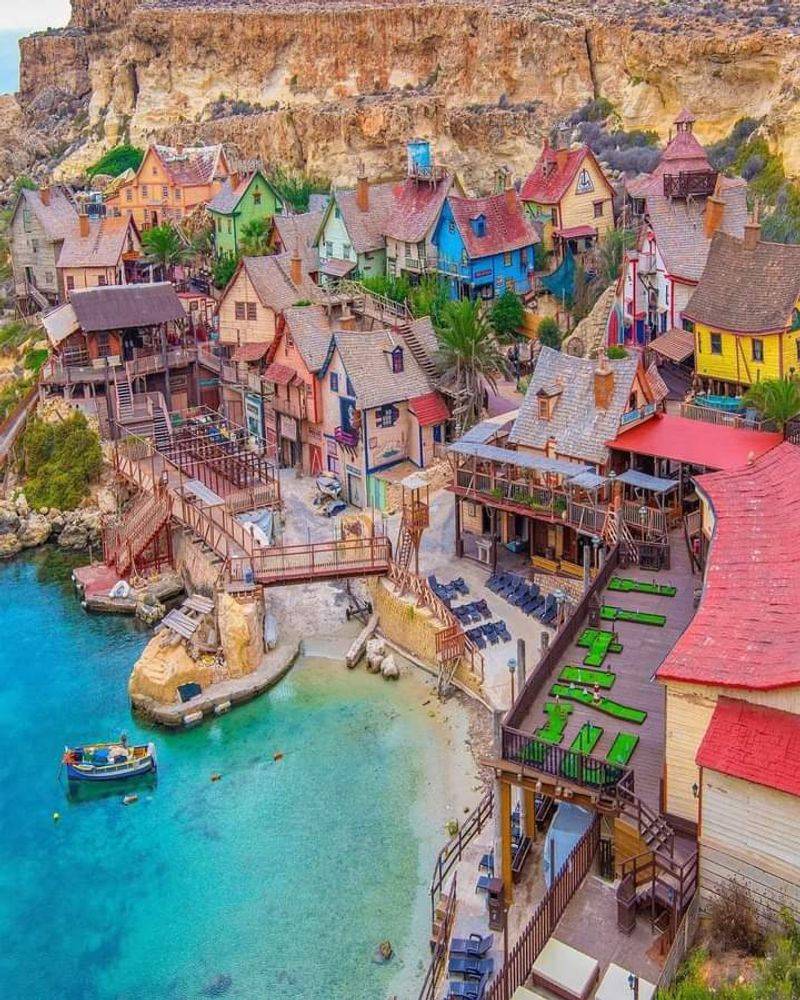
Malta is tiny, sun-drenched, and surprisingly easy for Americans to navigate. English is an official language, which changes everything.
Banking, doctor visits, lease agreements, and grocery shopping all happen in English. That alone removes a massive layer of stress from the expat experience.
The Global Residence Programme is one formal route for non-EU nationals looking to establish residency based on foreign income. Malta sits at the crossroads of Europe and North Africa, making it an excellent base for regional travel.
Flights to major European cities are frequent and often affordable.
The trade-offs are real, though. Malta is small and densely populated, and summer heat is genuinely intense.
Rents in popular areas like Sliema and St. Julian have risen sharply. For retirees who want Mediterranean sunshine, island living, and the comfort of communicating easily in English, Malta punches well above its weight.
Portugal

Portugal has a secret weapon: it makes retirees feel like they won the lottery without spending like it. The D7 visa is the golden ticket for Americans with passive income, covering pensions, Social Security, or investment returns.
The process takes patience, but the payoff is huge.
Lisbon, Porto, the Algarve, and Madeira each offer wildly different vibes. Lisbon is cosmopolitan and hilly, while the Algarve is all cliffs and beaches.
Porto has that gritty, artistic energy that makes it endlessly interesting.
Costs have risen in recent years, especially in the big cities. Smaller towns along the Silver Coast still offer solid value, though.
Portugal is safe, walkable, and full of cafes where nobody rushes you out the door. The main challenges are bureaucracy and learning some Portuguese, but most retirees say the trade-off is absolutely worth it.
Cyprus
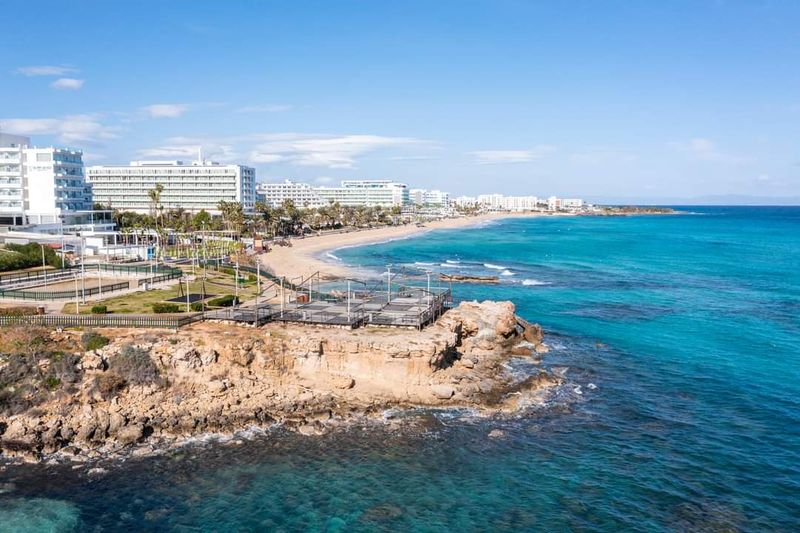
Cyprus sits at the eastern end of the Mediterranean and offers something that surprises most people: an affordable, English-friendly island lifestyle with genuinely warm winters. The Category F residence permit is often discussed for retirees with secure foreign income who have no plans to work locally.
Always verify current rules before committing.
Paphos is the most popular retirement hub, with a large international community, good amenities, and a manageable pace of life. Limassol is more cosmopolitan and slightly pricier.
Larnaca offers a middle ground that many long-term expats quietly prefer.
Summer heat is serious business in Cyprus, with temperatures regularly hitting uncomfortable territory from June through September. Healthcare is decent but varies by location.
Transportation can be limited without a car. Still, for retirees who want warm weather, English everywhere, ancient history, and a lower price tag than many Mediterranean alternatives, Cyprus is a genuinely compelling option.
Ireland

Ireland is the one European retirement destination where you can complain about the weather entirely in English and everyone will completely agree with you. The shared language makes the transition from American life far smoother than almost anywhere else in Europe.
That matters more than people realize.
The Stamp 0 route covers financially independent residents, but the income and savings requirements are notably high compared with other European options. Ireland is not a budget retirement destination by any measure.
What it offers instead is cultural familiarity, genuine warmth, stunning landscapes, and easy connections to the rest of Europe.
Galway, Cork, and smaller coastal towns offer a very different experience from Dublin, which has become expensive. Irish people are famously friendly, and community integration tends to happen naturally.
Retirees with Irish heritage often find the move feels less like emigrating and more like finally coming home after a very long detour.
Germany
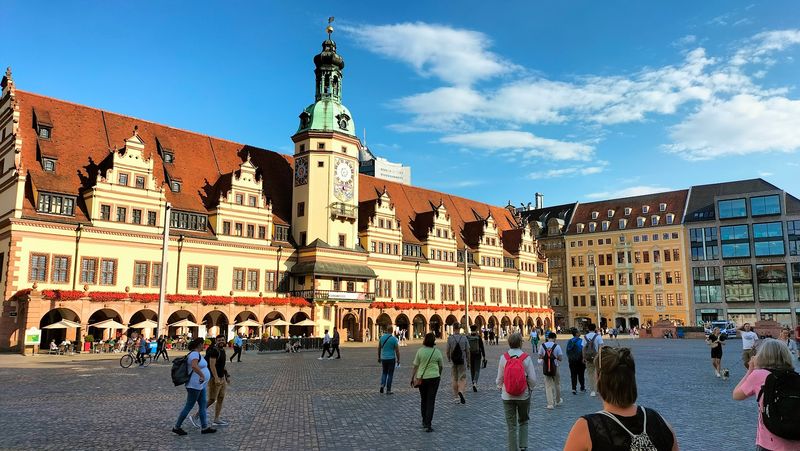
Germany is the retirement choice for people who want their trains to run on time, their healthcare to be excellent, and their Christmas markets to be legendary. It may not scream beach retirement, but it delivers something equally valuable: reliability.
Germany simply works, and that is underrated.
There is no visa labeled retirement visa, but residence based on financial self-sufficiency is possible with proper documentation. Health insurance is mandatory and can be complex to arrange as a foreign retiree.
Getting professional immigration advice before applying is strongly recommended.
Berlin, Hamburg, and Munich are exciting but expensive. Freiburg, Heidelberg, and smaller university towns offer culture and quality of life at lower price points.
Germany is also a fantastic base for exploring the rest of Europe by train. The biggest barriers are language and a bureaucratic system that demands precision.
Retirees who enjoy structure and efficiency tend to adapt well.
Austria
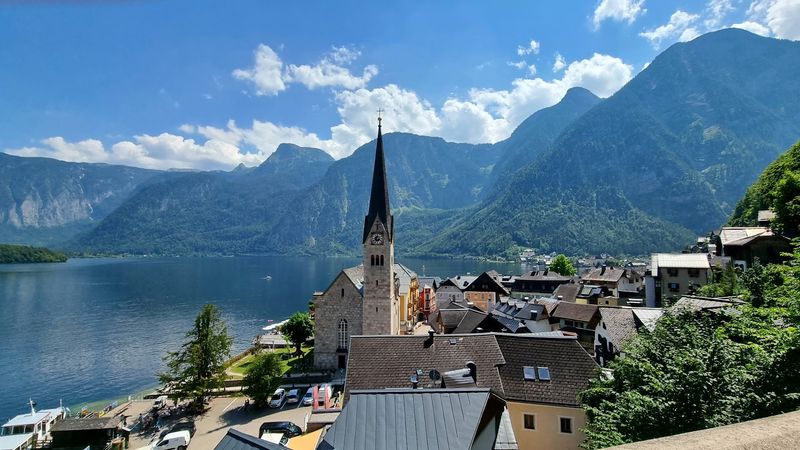
Austria is the kind of country that makes you wonder why you did not move there sooner. Vienna consistently ranks among the world’s most livable cities, and places like Salzburg, Graz, and Innsbruck are not far behind.
The scenery alone could make a strong case for relocating.
The settlement permit for financially independent third-country nationals is the relevant route for most American retirees. It does not allow local employment and operates under a quota system, meaning spots are limited and planning ahead is essential.
Processing times can be lengthy, so starting early matters.
Healthcare, public transportation, and safety are all genuinely excellent. Austria is expensive, particularly in Vienna and the Alpine resort areas.
Language is a real hurdle since German is the daily language in nearly all settings. Retirees who love outdoor life, classical culture, and polished urban living will find Austria deeply satisfying despite the higher price tag.
Slovenia
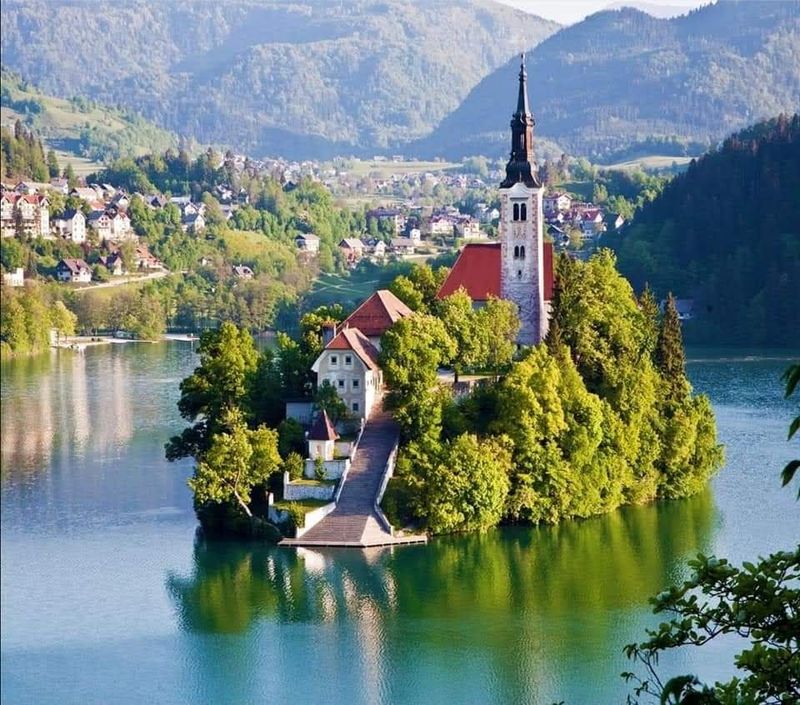
Slovenia is Europe’s best-kept retirement secret, and frequent travelers to the region know it. The country packs Alpine mountains, Adriatic coastline, dense forests, and a charming capital into an area smaller than New Jersey.
Ljubljana has a walkable old town that genuinely rivals more famous European cities.
Americans staying longer than 90 days in a 180-day period need a temporary residence permit. The route is less famous than Portugal’s D7 or Spain’s non-lucrative visa, so professional guidance is worth the investment.
Confirming the correct residence category before making plans is absolutely essential.
The big selling point is location. From Slovenia, Italy, Austria, Croatia, and Hungary are all within easy driving distance.
Costs are lower than Western Europe but higher than the Balkans. Lake Bled is genuinely as beautiful as every photo suggests.
For retirees who want authentic European living without fighting tourist crowds, Slovenia deserves a serious look.
Croatia
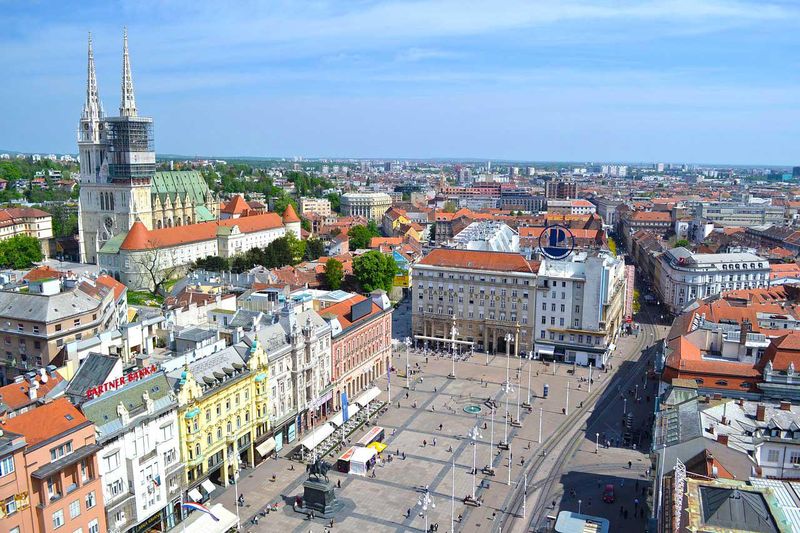
Croatia has been quietly upgrading its international reputation, and American retirees are starting to notice. Dubrovnik gets all the headlines, but Split, Zadar, Istria, and the inland capital Zagreb each offer compelling reasons to stay longer than a vacation allows.
Croatia does not have a single tidy retirement visa like Portugal’s D7. Temporary residence based on proven purpose, financial means, health insurance, and other documentation is the typical path.
The process is worth researching carefully rather than assuming it will be straightforward. Getting local legal help pays off here.
The coastline is genuinely world-class, and food culture is excellent throughout the country. Costs are lower than most Western European coastal destinations, though popular tourist towns spike significantly in summer.
Winter quietness on the coast can feel isolating for some retirees. Zagreb and larger cities offer more consistent year-round services.
Croatia rewards patient, adaptable retirees who love beauty over convenience.
Czechia
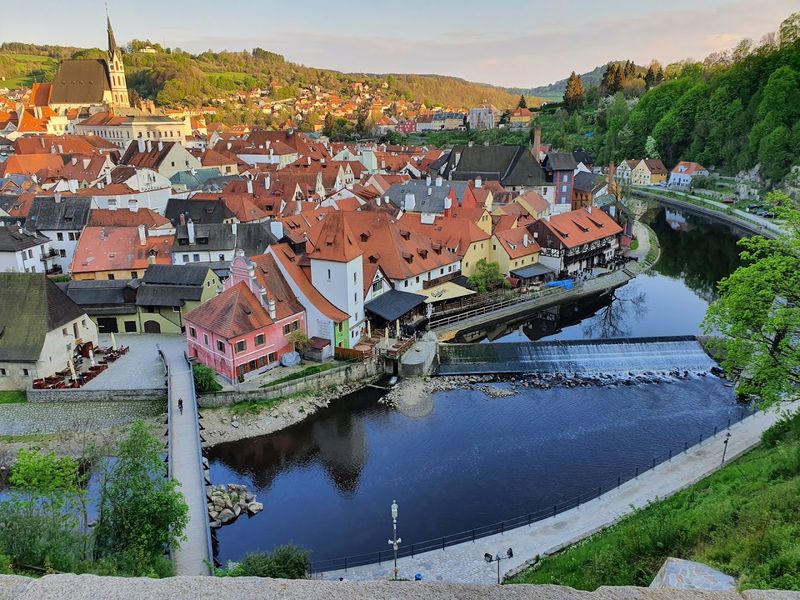
Prague is one of those cities that ruins other cities for you. The architecture is absurdly beautiful, the beer is famously excellent, and the central European location makes weekend trips across the continent genuinely easy.
Czechia has been attracting American expats for decades for good reason.
Long-term visas for stays over three months exist under specific purpose categories, including a general other purposes route. Retirees should not assume this process is automatic.
Financial proof, documented purpose, and professional immigration advice all help avoid costly mistakes. Brno and Olomouc are worth considering as quieter, cheaper alternatives to Prague.
Four distinct seasons, world-class public transit, and a cost of living lower than most Western European capitals make Czechia a genuinely smart choice. Language is a real challenge since Czech is notoriously difficult.
Bureaucracy can be slow and confusing. Retirees who enjoy history, urban culture, and European travel connections will find Czechia punches well above its profile.
Bulgaria
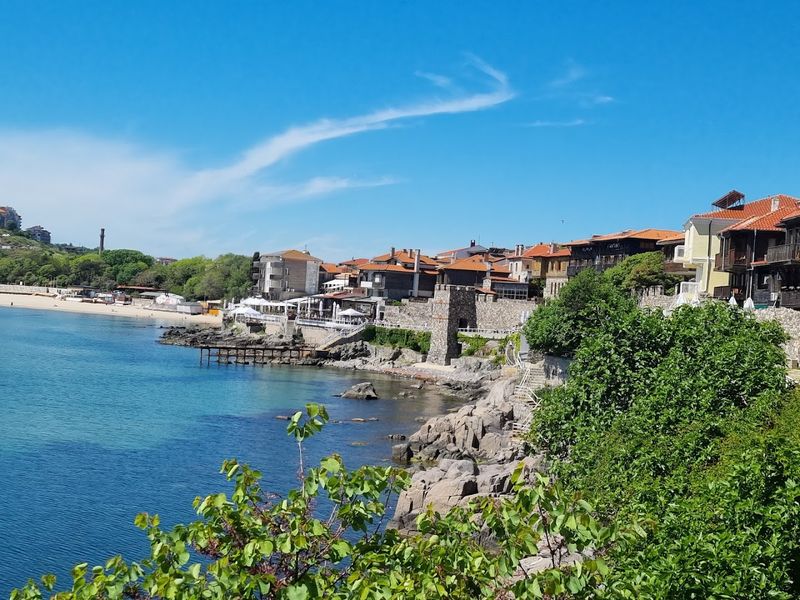
Bulgaria is where European retirement budgets breathe a genuine sigh of relief. As one of the most affordable EU countries, it lets retirement income stretch in ways that Western Europe simply cannot match.
Sofia, Plovdiv, Varna, and Black Sea coastal towns each offer distinct lifestyles at very different price points.
Foreign pensioners can pursue residency through a long-stay Type D visa followed by a formal residence permit. Applicants need to show pension entitlement, sufficient financial means, accommodation, and health insurance.
The process is more structured than some expect, so starting with proper documentation is smart.
Mountains, Black Sea beaches, hot springs, and historic cities all exist within a relatively small country. Healthcare quality varies significantly by location, and retirees with serious medical needs should stay near Sofia or another major urban center.
Bulgaria is not for everyone, but for retirees who want EU membership benefits with a genuinely low cost of living, it is hard to beat.
Netherlands
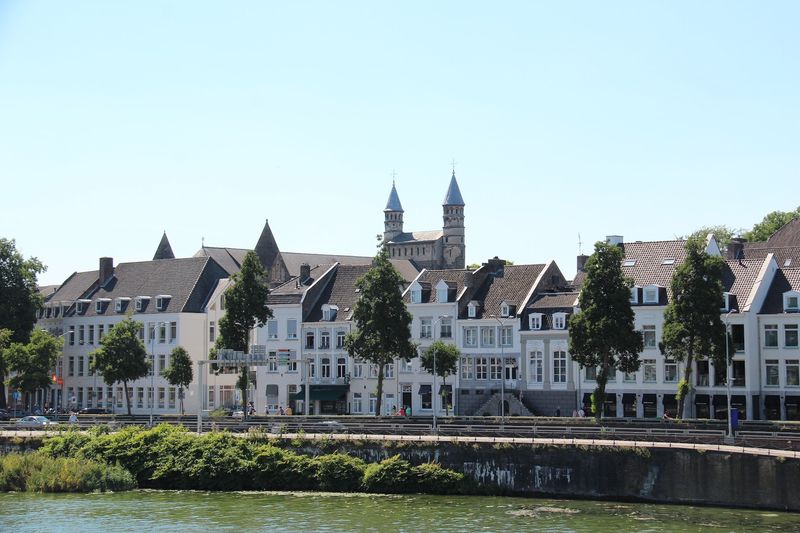
The Netherlands is the overachiever of European retirement destinations. English proficiency is near-universal, cycling infrastructure is world-class, and the healthcare system is genuinely excellent.
It is not cheap or easy to navigate residency-wise, but for the right retiree, it is a near-perfect fit.
Dutch immigration does not offer a simple American-style retirement visa. Residence options tied to sufficient income or other legal categories exist, but the rules are more complex than in Portugal or Spain.
Consulting a Dutch immigration specialist before making any firm plans is strongly recommended. Assumptions here can be costly.
Amsterdam is expensive and housing is tight, but Utrecht, Leiden, Maastricht, and Groningen offer real alternatives with strong infrastructure and lower costs. Weather is the obvious drawback since grey skies and rain are legitimate year-round companions.
Retirees who value organization, safety, excellent public services, and cultural richness over sunshine and low prices will find the Netherlands genuinely rewarding.
Share this story