Tucked into the rolling hills of central Massachusetts, there is a farmhouse with a story that reads like a mix of big dreams, bold ideas, and a reality check that arrived faster than expected. Back in 1843, a group of idealistic thinkers moved onto a modest piece of land and tried to build a perfect society from scratch.
No meat, no money, no compromise. The experiment lasted just seven months before it collapsed under the weight of its own rules.
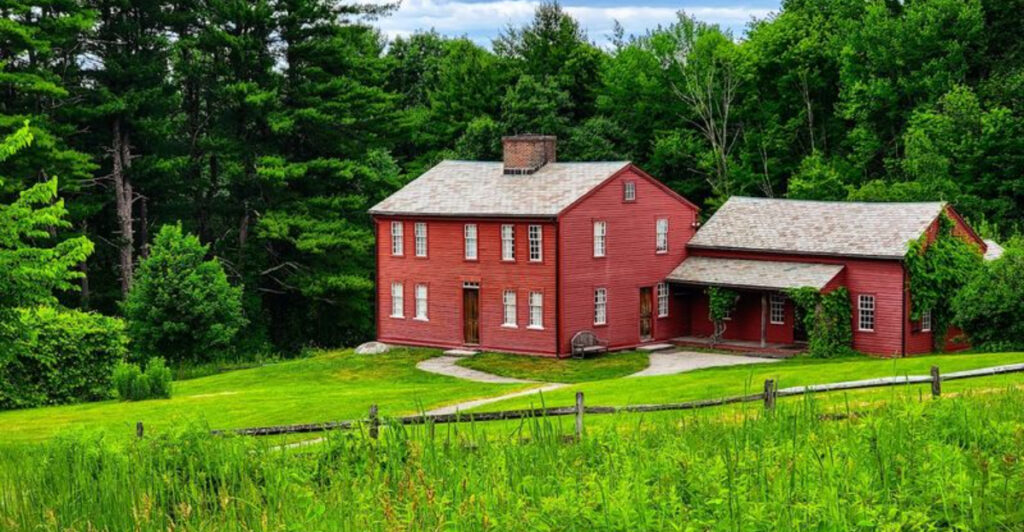
Today, that same farmhouse sits at the heart of museum in Harvard, Massachusetts, a place that holds not just one story but several layers of American history waiting to be explored.
The Man Behind the Experiment
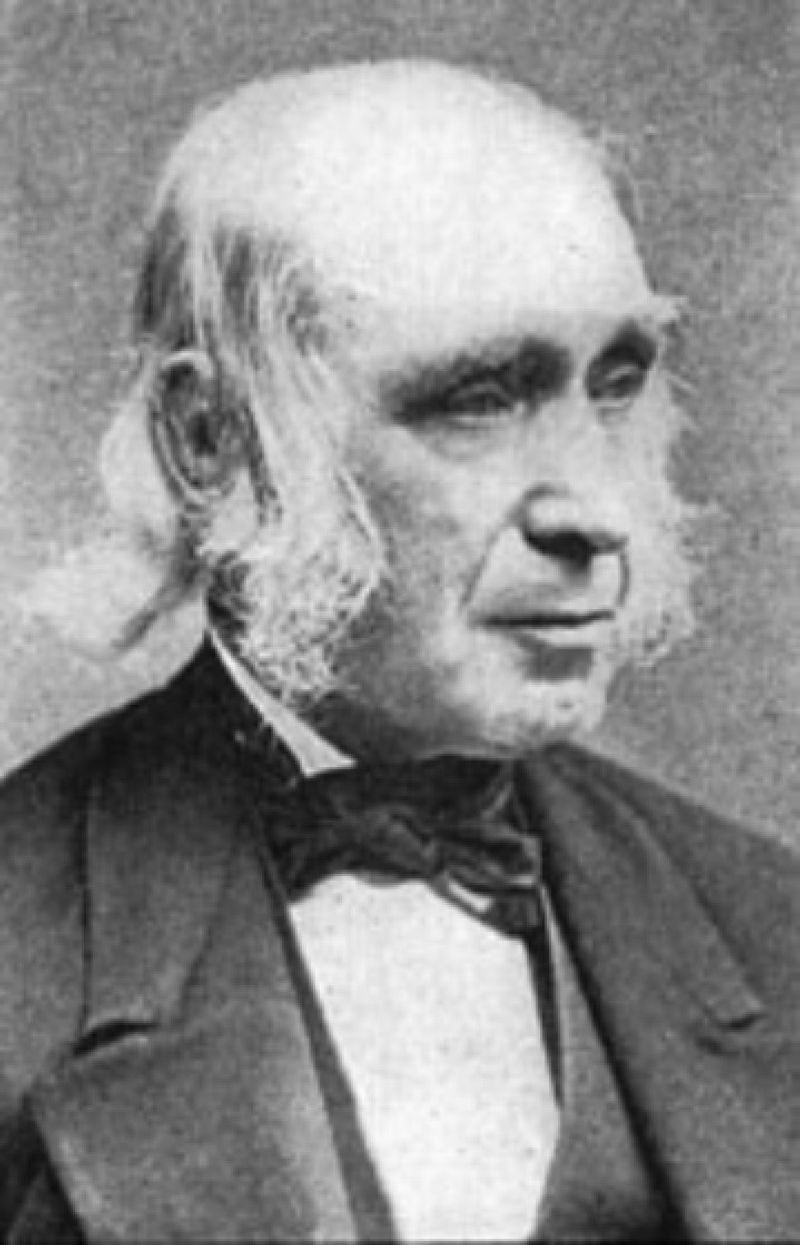
Bronson Alcott was a philosopher, educator, and idealist who believed that a truly ethical life required complete separation from the corrupt systems of the modern world. He was in his early 40s when he founded the Fruitlands commune, already well known in transcendentalist circles for his unconventional ideas about education and spirituality.
Alcott had previously run a school in Boston called the Temple School, where his progressive teaching methods attracted both admiration and controversy. By the time he arrived at the Harvard farmhouse, he was convinced that communal living close to nature was the answer to society’s problems.
His co-founder was English reformer Charles Lane, who had traveled from England specifically to join the project. Together, they gathered about a dozen followers, including their own families.
Alcott’s dedication to the cause was genuine, but his practical farming skills were limited, which contributed significantly to the commune’s rapid collapse just seven months after it began.
Seven Months That Shook a Family
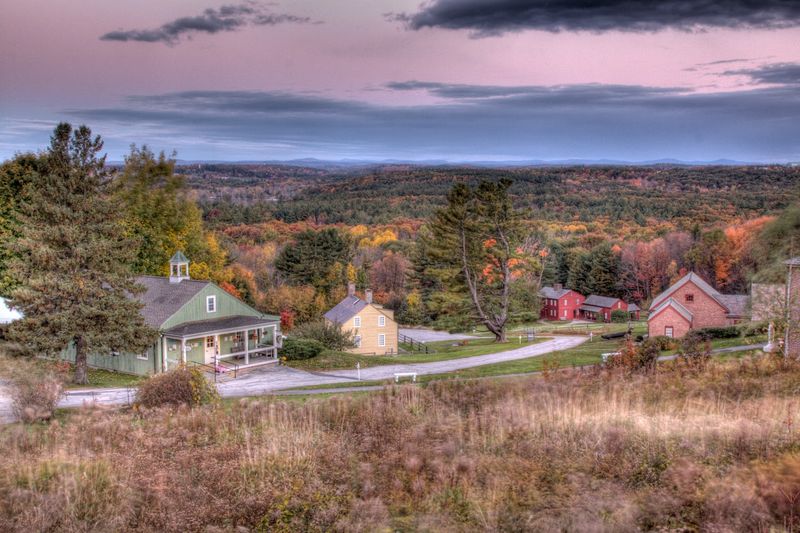
The Fruitlands experiment began in June 1843 and was over by January 1844. That timeline alone captures just how quickly the idealistic plan unraveled.
The group arrived in late spring, which meant they had almost no time to plant crops before summer was already underway.
The commune’s strict rules made farming nearly impossible. Members refused to use animal labor, which meant no horses or oxen for plowing.
They also refused to use animal manure as fertilizer. Without these basic tools of 19th century agriculture, producing enough food for the group through a New England winter was never a realistic goal.
Bronson Alcott’s wife, Abigail, held the household together during those months through sheer determination. She later described the experience as exhausting and demoralizing.
Young Louisa May Alcott was only ten years old at the time, but she remembered the Fruitlands months clearly enough to later write a satirical account of the whole ordeal, published as a short story called Transcendental Wild Oats.
Louisa May Alcott Grew Up Here, Briefly
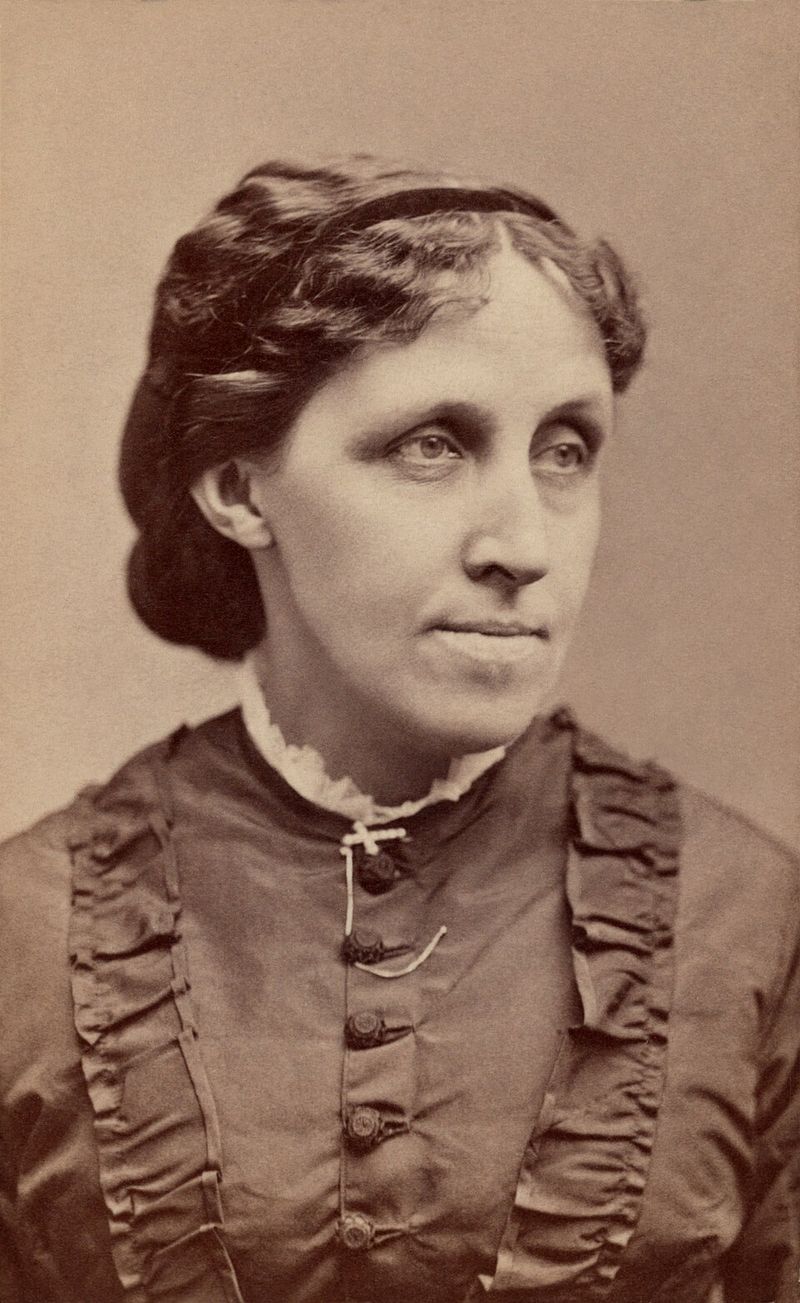
Most people know Louisa May Alcott as the author of Little Women, one of the most beloved American novels of the 19th century. Fewer people know that she spent part of her childhood at the Fruitlands farmhouse during the short-lived commune experiment led by her father.
Louisa was just ten years old when the family arrived at the Harvard property. The experience left a strong impression on her, and she later channeled it into her writing.
Her 1873 short story Transcendental Wild Oats is a lightly fictionalized and gently mocking account of the Fruitlands experiment, portraying the idealists with both affection and clear-eyed humor.
The farmhouse where she briefly lived is one of the main structures visitors can tour at the museum today. It has been preserved and interpreted to reflect what daily life looked like during those seven months in 1843.
For fans of Alcott’s work, standing in the same rooms where she spent part of her childhood adds a tangible connection to her literary legacy.
How a Farm Became a Museum
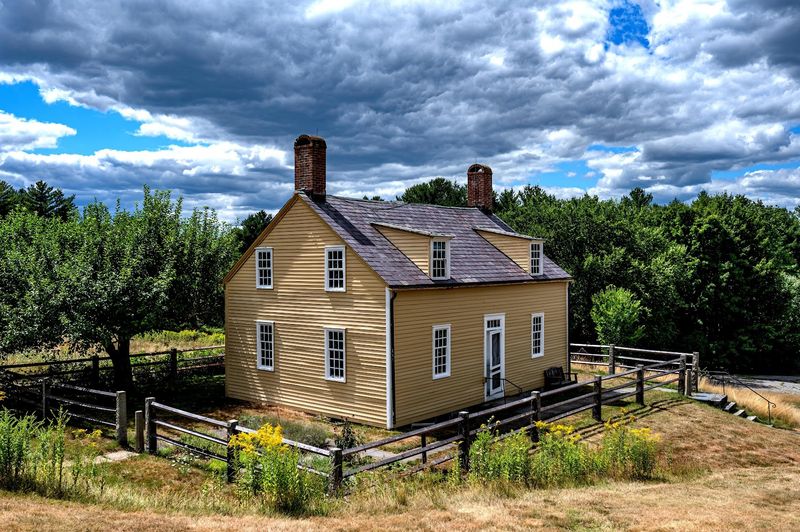
The property did not become a museum overnight. After the commune collapsed in 1844, the land changed hands several times over the following decades.
The transformation into a cultural institution began in the early 20th century, largely thanks to Clara Endicott Sears.
Sears was a Boston Brahmin, author, and preservationist who purchased the Prospect Hill property in 1910 and built a summer home there. She became fascinated by the history of the Alcott commune and began collecting artifacts and documents related to the transcendentalist movement.
In 1914, she opened the Fruitlands Farmhouse as a museum, making it one of the earliest house museums in the United States.
Over the following years, Sears expanded the site by relocating additional historic structures to the property, including a Shaker building and a collection of Native American artifacts. She continued developing the museum until her passing in 1960.
Today, Fruitlands Museum is managed by The Trustees, a Massachusetts-based conservation organization that oversees historic properties across the state.
The Shaker Connection on the Same Hillside
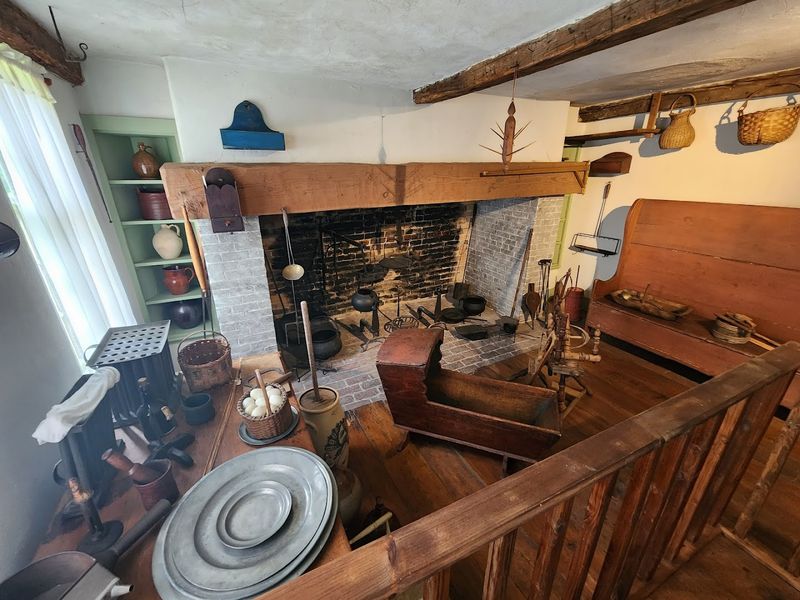
One of the more surprising elements of Fruitlands Museum is the presence of a Shaker building on the property. The Shakers were a religious community known for their commitment to simplicity, craftsmanship, and communal living, and they had a significant presence in central Massachusetts during the 19th century.
The Shaker building at Fruitlands was relocated to the site by Clara Endicott Sears as part of her effort to document and preserve the region’s history of experimental communities. It now houses exhibits focused on Shaker history, including documents, furniture, and objects that reflect the group’s distinctive approach to daily life and spiritual practice.
The Shakers and the Fruitlands transcendentalists were operating at roughly the same time and in the same region, though with very different outcomes. The Shakers built lasting, organized communities that survived for generations, while the Fruitlands experiment folded in under a year.
Having both stories represented on the same hillside makes for a genuinely thought-provoking comparison that visitors tend to find compelling.
Native American History Preserved on the Property
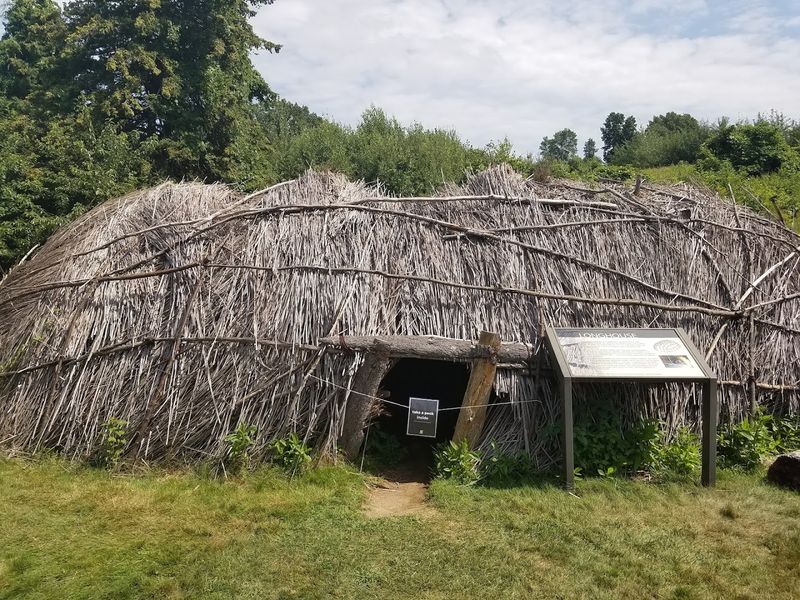
Long before the transcendentalists arrived, the land around Harvard, Massachusetts was home to the Nipmuc people, a Native American nation whose territory covered much of central Massachusetts. Fruitlands Museum holds a collection of Native American artifacts that connects the site to this deeper layer of local history.
The museum’s Native American collection includes pottery, tools, woven items, and other objects that document the material culture of Indigenous communities in the region. The exhibits are intended to be educational and respectful, offering context about the people who lived on this land for centuries before European settlement.
Clara Endicott Sears began collecting these artifacts in the early 20th century, a practice that reflects the complicated history of how Native American objects ended up in private and institutional collections. The museum continues to engage with these questions as part of its broader mission.
For those who have visited other sites connected to Nipmuc history in Massachusetts, the collection at Fruitlands offers another meaningful point of reference in understanding the region’s full story.
Art Galleries That Surprise First-Time Visitors
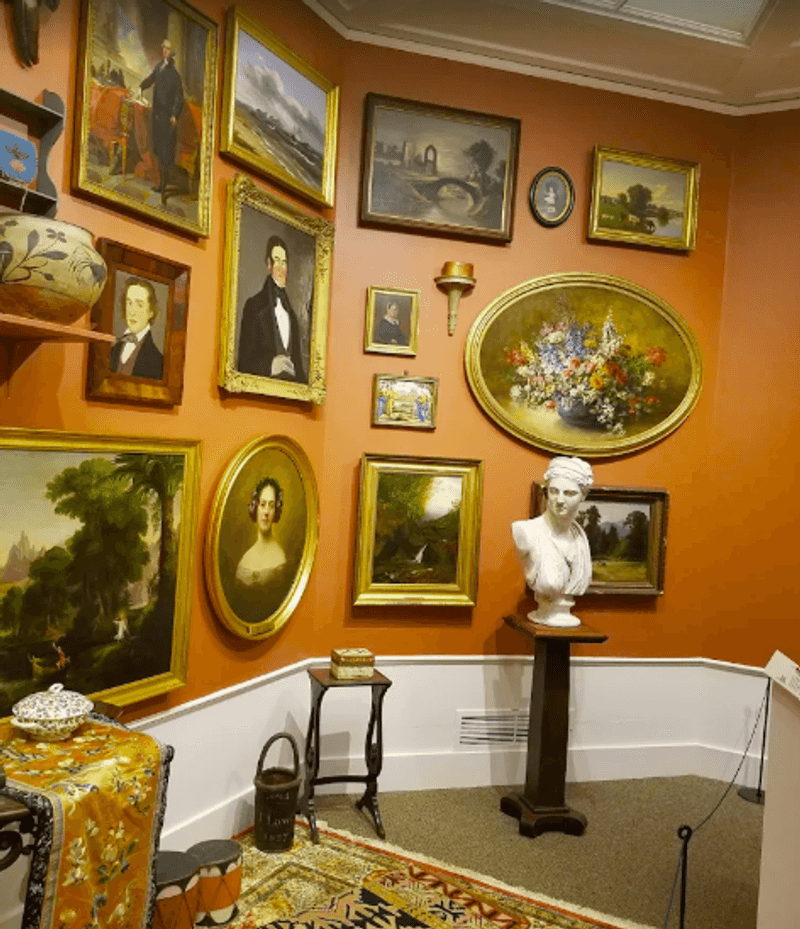
Not everyone expects to find art galleries at a site best known for a failed farming commune, but Fruitlands Museum includes several gallery spaces that are worth setting aside real time for. The collection focuses primarily on 19th century American art, including Hudson River School landscapes and portraits that reflect the cultural moment when the transcendentalist movement was at its height.
The Wayside Gallery is one of the main exhibition spaces on the property, and it has hosted both permanent collection displays and rotating contemporary shows in partnership with other Massachusetts cultural institutions. The connection to the DeCordova Sculpture Park and Museum, located in nearby Lincoln, has brought a range of contemporary works to the site over the years.
The combination of historical artifacts and fine art in the same location is part of what makes Fruitlands feel different from a typical history museum. The galleries add an aesthetic dimension to the visit that complements the philosophical and historical themes running through the rest of the property.
210 Acres of Trails Worth Exploring
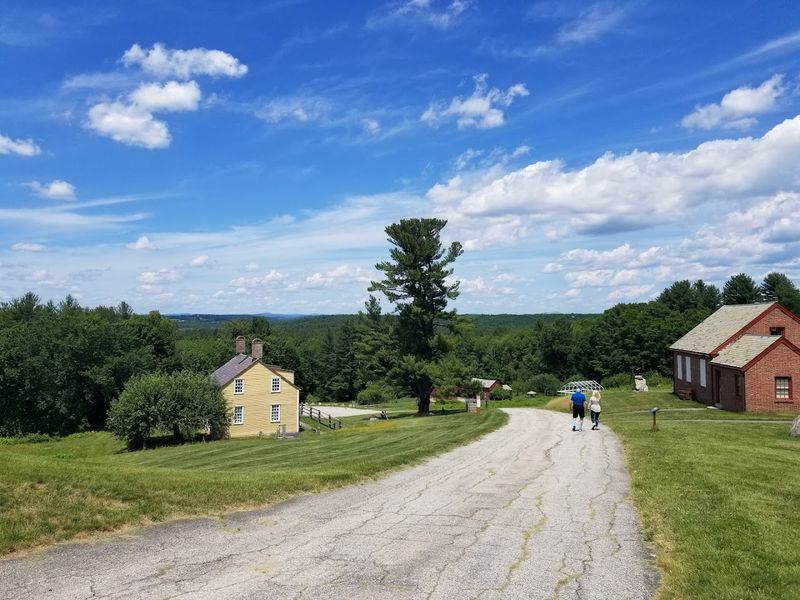
The museum’s 210 acres include a network of well-maintained hiking trails that are free to use even when the buildings are closed for the season. The trails wind through open fields, forested sections, and along the hillside, offering wide views of the surrounding landscape throughout the route.
The yellow trail near the Wayside Gallery is one of the most accessible starting points, looping down the hill and through the lower sections of the property before returning via the western loop. The terrain involves some elevation change, with a total gain of around 194 feet on the main loop, so it is manageable for most people but worth knowing about in advance.
During winter months, the trails can be challenging due to snow conditions, and post-holing through deep snowpack is a real possibility after heavy storms. In warmer months, the trails are family-friendly and include small whimsical items placed along the route for younger hikers to discover, which makes the walk feel more like an adventure than a workout.
Events That Bring the Grounds to Life
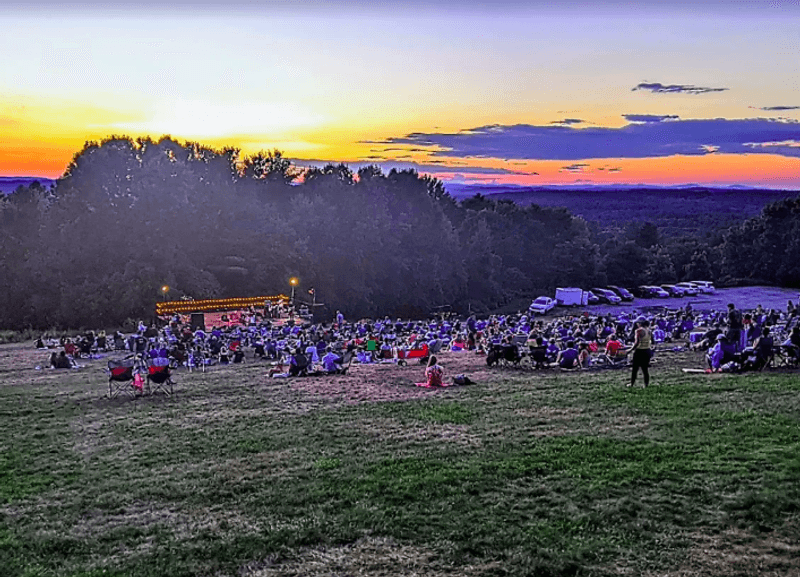
Fruitlands Museum is not just a place to walk through quietly. Throughout the warmer months, the property hosts a range of public events that draw people from across the region.
Summer concerts held on Thursday evenings have been a popular tradition, with live music performed outdoors against the backdrop of the Wachusett hills.
Raptor demonstrations are another highlight, with visiting handlers from organizations like NH Raptor Rehab bringing live birds of prey to the grounds. These demonstrations give attendees a close look at red-tailed hawks, gyrfalcons, and Harris hawks, with handlers available to answer questions and, in some cases, allow participants to hold the birds on a gloved hand.
The site also hosts craft fairs, seasonal celebrations, and private events including weddings and proms. The combination of historic architecture, open hillside views, and a large event tent makes it a versatile venue.
The grounds have plenty of parking, which is a genuine bonus for large gatherings that would otherwise create logistical headaches.
A Cafe With a View That Earns Its Spot
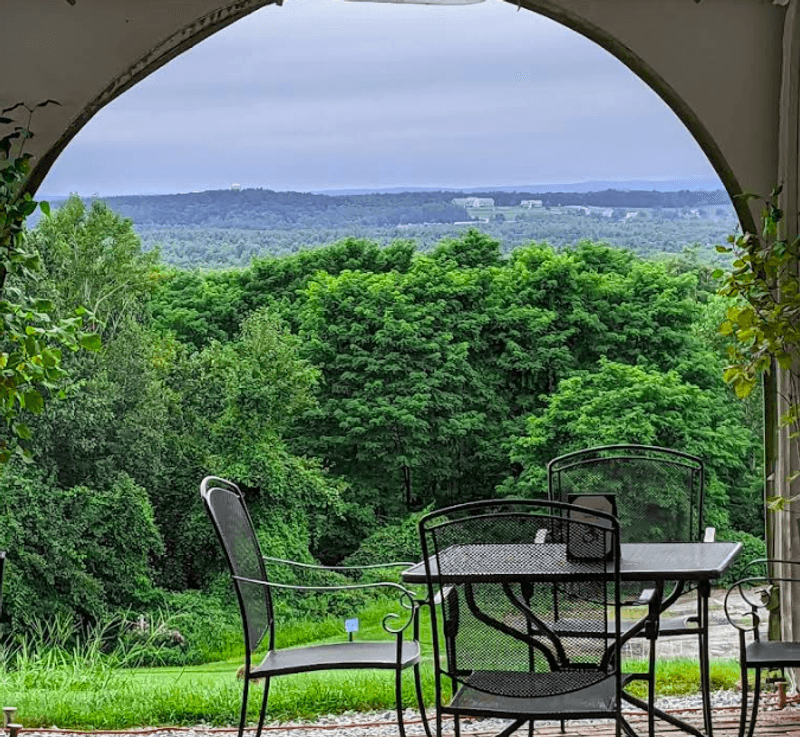
After covering the grounds and the galleries, the on-site cafe is a natural stopping point. The outdoor patio overlooks the open landscape below the hillside, and the view from that spot is one of the more memorable parts of the whole visit, offering a wide perspective across the hills that stretch toward Wachusett Mountain in the distance.
The cafe serves a rotating menu that reflects seasonal availability, with options that have included items like squash soup and fresh salads. The kitchen can get busy on popular weekend afternoons, so a short wait at the counter is not unusual, especially during fall foliage season when the property sees higher traffic.
There is also a gift shop connected to the cafe area, stocked with books, locally made goods, and items related to the museum’s themes. A seed exchange has been available at certain times of year, allowing visitors to take home seeds with a connection to the property’s agricultural history, which is a quietly meaningful detail for anyone who gardens.
Planning Your Visit Before You Go
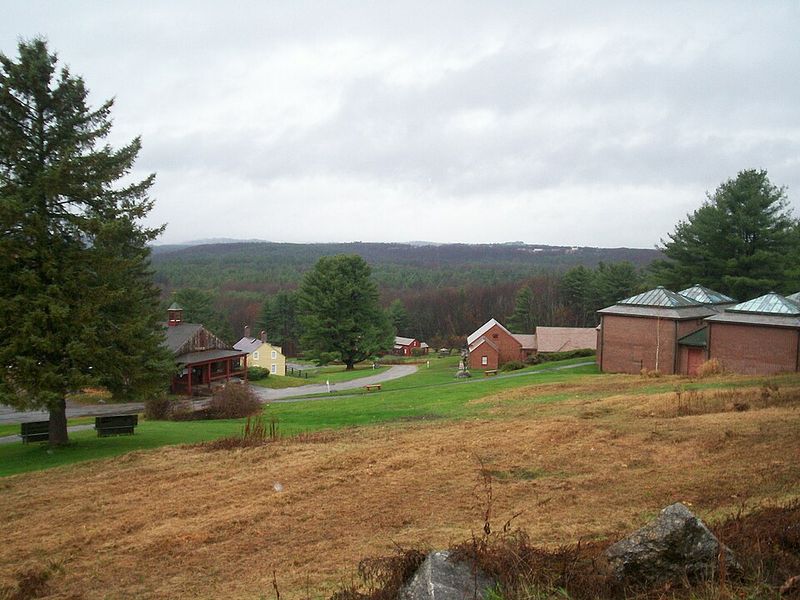
Fruitlands Museum is open seasonally, with the buildings and galleries accessible during the warmer months and the trails remaining open year-round. General admission is $12 for adults, and members of The Trustees organization get in free.
Guided tours of the farmhouse and Shaker building are available for an additional $5 and are considered well worth the extra cost given the depth of information the guides provide.
The property sits on a steep hillside, and accessibility can be a genuine challenge for those with limited mobility. Most of the key buildings require walking uphill on uneven terrain, and dedicated accessible parking is limited to certain areas near the year-round exhibit space.
Anyone with mobility concerns may want to contact the museum in advance to plan the best route.
The full address is 102 Prospect Hill Rd, Harvard, MA 01451, and the museum’s website through The Trustees organization provides updated hours and event listings. Fall is an especially popular time to visit, when the surrounding landscape shifts into full color and the hillside views are at their most dramatic.
Where the Utopian Dream First Took Root
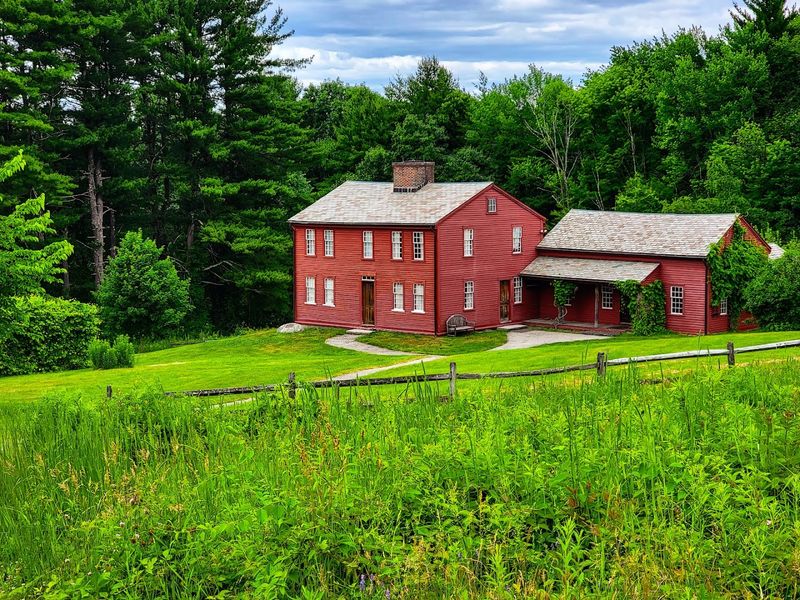
The address is 102 Prospect Hill Rd, Harvard, MA 01451, and the setting alone tells you something unusual happened here. Fruitlands Museum sits on a steep hillside in the town of Harvard, in Worcester County, Massachusetts, with wide views stretching across the Wachusett hills.
The property covers 210 acres of land, and the original farmhouse that gave the whole place its name still stands on the grounds today. This is where philosopher Bronson Alcott, the father of author Louisa May Alcott, led a small group of transcendentalists in 1843 with the goal of creating a self-sufficient, morally pure community.
The group called their experiment Fruitlands because they planned to live entirely off fruit and grain. No animal products, no hired labor, no trade.
The farm sits at the same location where those grand ideas were tested and quickly abandoned, making it one of the most historically layered sites in New England.
Share this story