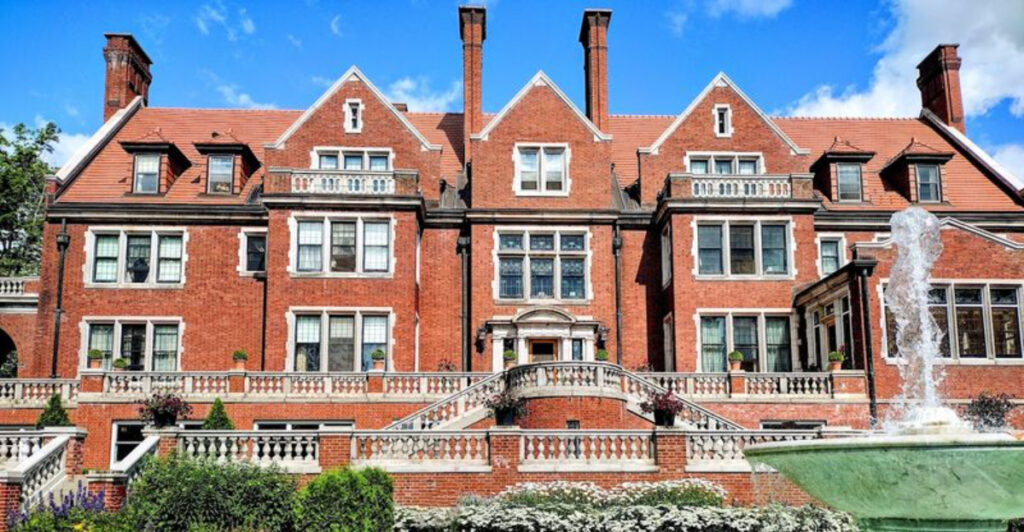
There is a 39-room mansion in Minnesota that looks like it was pulled straight from a European storybook, perched dramatically above the cold, clear waters of Lake Superior. Built in 1908, it has original furnishings, hand-carved woodwork, and gardens that stretch down to a private beach.
Most people drive right past it on London Road without realizing what is hiding behind those stone walls. Once you step inside, you start wondering how a place this grand ended up in Duluth, and why more people are not talking about it.
This article walks you through everything worth knowing, from the architecture and the history to the tour options and the best times to visit, so you can decide whether this is your next Minnesota road trip stop.
The Story Behind the Mansion
Chester Adgate Congdon was not the kind of man who did things halfway. A self-made lawyer and mining magnate, he commissioned Glensheen Mansion in 1905, and by 1908, the 39-room estate at 3300 London Rd, Duluth, MN 55804 was complete and ready for his family of eight children.
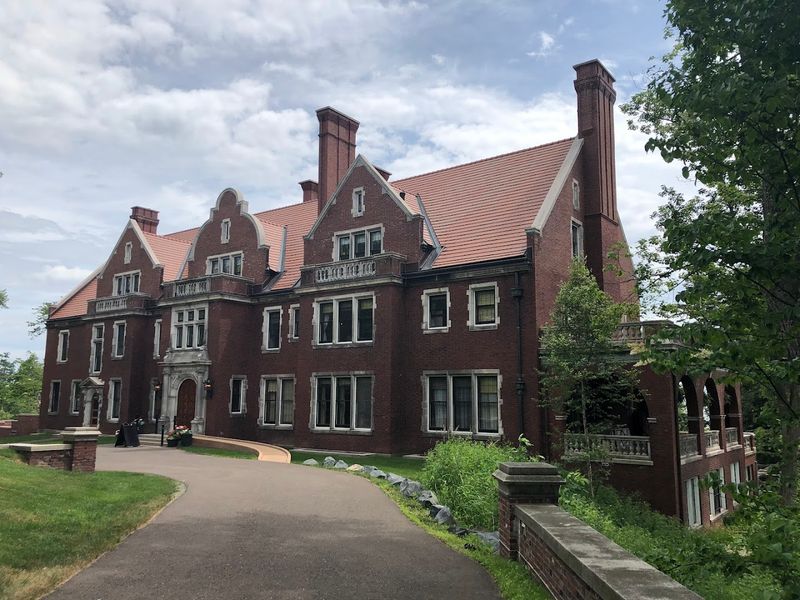
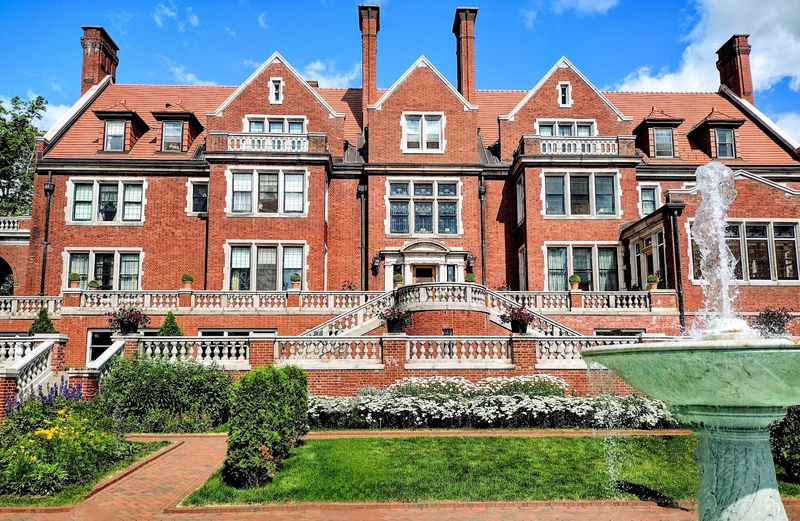
Congdon hired architect Clarence Johnston Sr., who designed the home in a Jacobethan style, blending English Renaissance and Jacobean influences into something that feels more English countryside than northern Minnesota.
The name “Glensheen” comes from the Gaelic words for “shining valley,” which makes sense once you see how the property catches the light off Lake Superior on a clear morning. Chester Congdon passed away in 1916, but the mansion stayed in family hands for decades, eventually being donated to the University of Minnesota Duluth in 1968, which is how it became the public museum it is today.
The Architecture That Stops You Cold
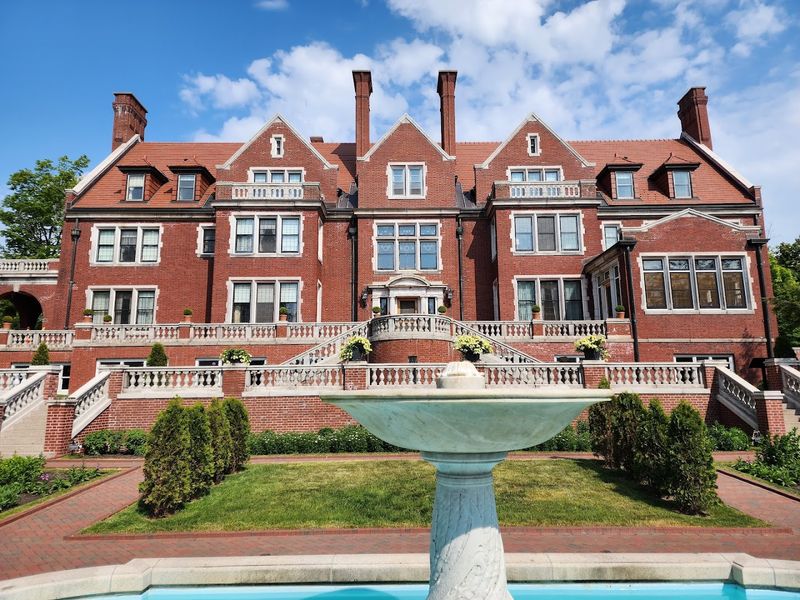
From the street, Glensheen does not look like a house. It looks like a decision someone made with a very large checkbook and an even larger ambition.
The stone exterior features detailed masonry work, tall arched windows, and a roofline that seems to change shape every time you look at it from a different angle.
Up close, the craftsmanship becomes almost overwhelming. The stone and brickwork alone took skilled artisans years to complete, and the exterior detailing includes carved accents that most modern builders would not even attempt.
What makes the architecture especially impressive is that it holds up under scrutiny. Nothing feels rushed or decorative for its own sake.
Every arch, every column, every window frame has a purpose and a proportion that feels deliberate. Visitors who love architecture tend to stop at the entrance longer than they planned, and honestly, that is a completely reasonable response.
What Waits Inside the 39 Rooms
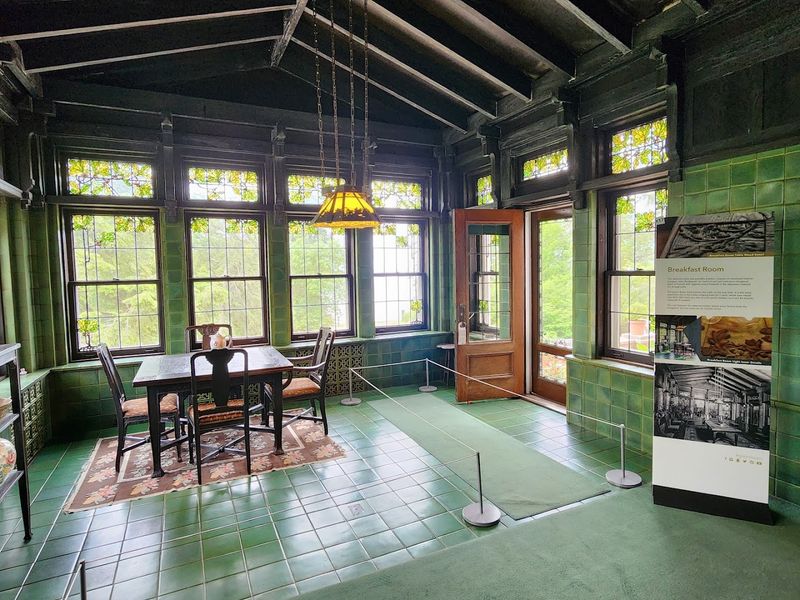
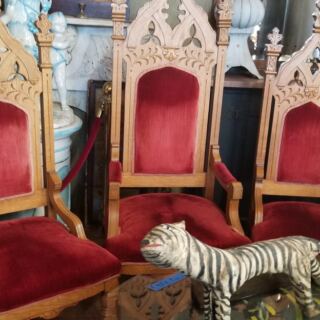
Every room inside Glensheen has kept its original furnishings, which means you are not looking at reproductions or staged displays. The actual chairs, rugs, artwork, and decorative objects that the Congdon family used are still there, exactly where they were placed over a century ago.
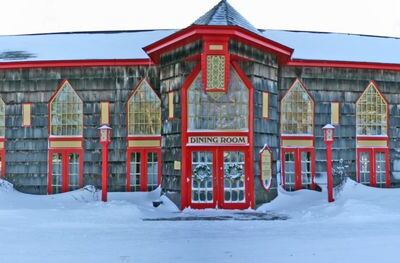
The dining room ceiling features masonry work that visitors consistently single out as a highlight, with a level of detail that feels almost theatrical. The bedrooms each have their own distinct personality, from color palettes to furniture styles, so no two feel alike.
One room that tends to surprise people is a green-tiled sitting room that opens toward an interior courtyard. The combination of the tile, the wooden ceiling beams, and the surrounding windows creates an atmosphere that feels completely different from the rest of the house.
It is the kind of room that makes you wish you could just pull up a chair and stay.
The Woodwork That Deserves Its Own Fan Club
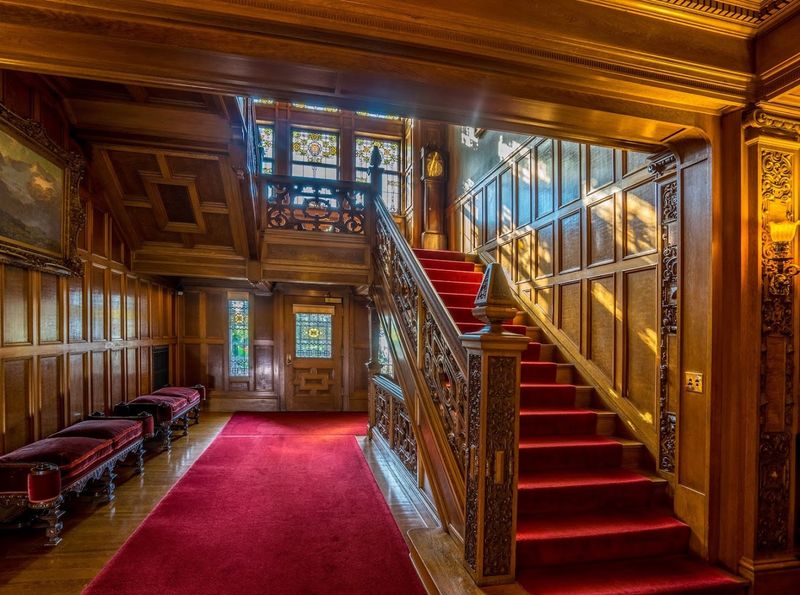
The woodwork inside Glensheen is the kind of thing that makes carpenters go quiet. Different rooms feature different wood species sourced from around the world, and each was worked by hand into patterns and finishes that most modern craftspeople would struggle to replicate even with contemporary tools.
The staircase banister alone is worth the price of admission. The grain, the curves, and the finish all suggest someone spent an unreasonable amount of time getting it exactly right, and the result has lasted over a hundred years without losing its visual impact.
Throughout the tour path, interpretive markers point out specific woodworking details and explain the techniques used, which adds real depth to what you are seeing. Without that context, you might just think the rooms look beautiful.
With it, you start to understand how many skilled hands and how many hours went into building a single hallway.
The Bathrooms That Were Revolutionary
Here is something that does not come up often in mansion tours: the bathrooms at Glensheen are genuinely fascinating. When the mansion was built in 1908, indoor plumbing with hot running water, flush toilets, and built-in tubs was not standard in most American homes, let alone in northern Minnesota.
Chester Congdon made sure his family had access to facilities that were cutting-edge for the era, and those original fixtures are still in place. Seeing a bathroom that was considered the height of modern luxury in 1908 gives you a very specific kind of perspective on how much daily life has changed.
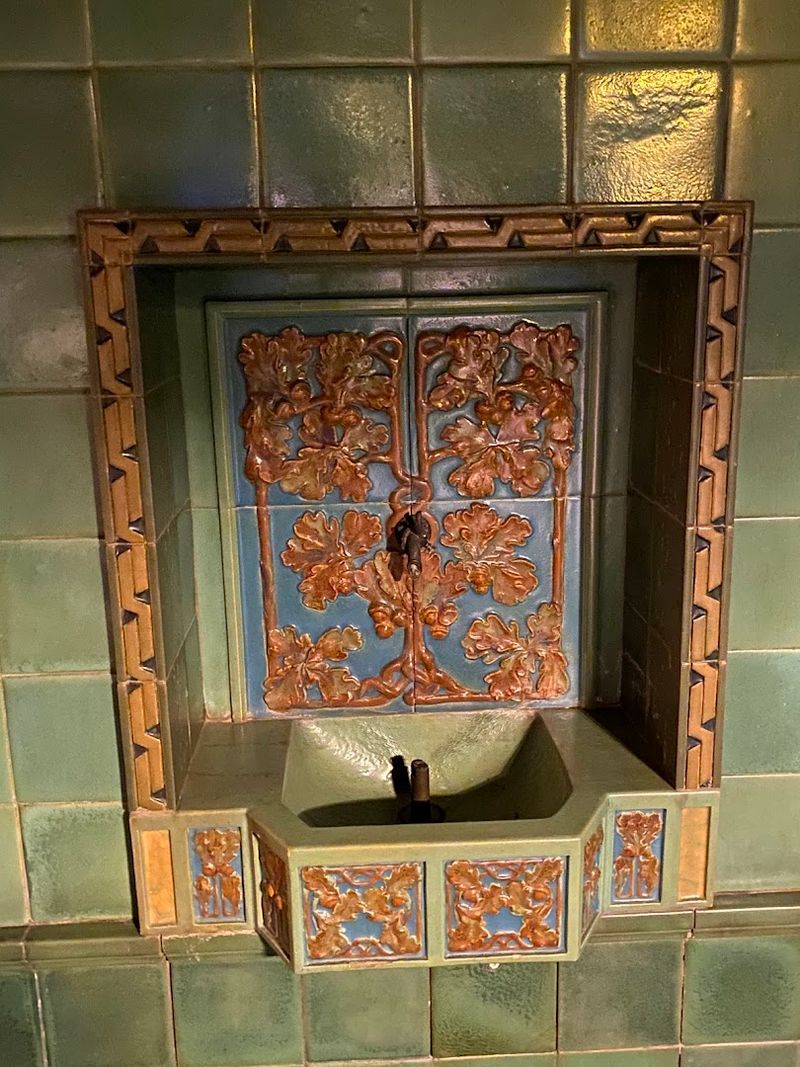
The tile work and the hardware detailing in these rooms are also worth pausing over. These were not utilitarian spaces; they were designed with the same attention to aesthetics as the parlors and dining rooms.
That commitment to beauty in every corner of the house is part of what makes Glensheen feel unlike any other historic home tour.
Tour Options and What to Expect
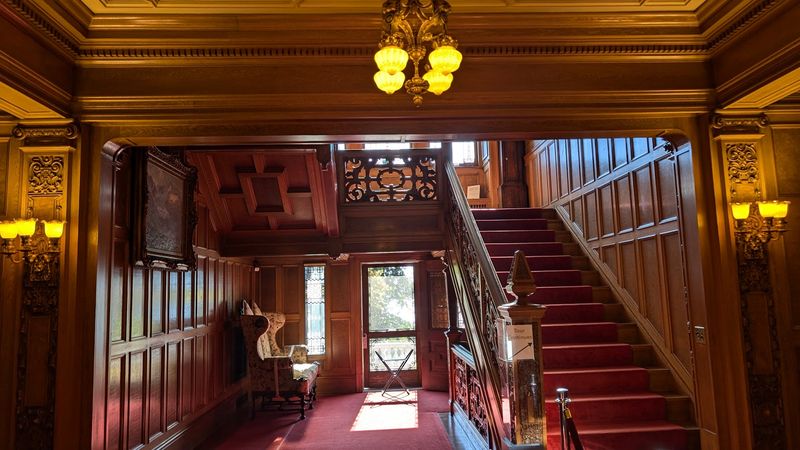
Glensheen offers several ways to experience the property, and the right choice depends on how much time you have and what you want to get out of the visit. The Classic Self-Guided Tour covers the main floors and takes roughly 60 to 90 minutes, though plan for longer if you tend to read every sign.
The Full Mansion Tour adds the third floor and attic spaces, which gives you access to areas most visitors never see. For those who want a more structured experience, guided options like the Lock and Key Tour and an Architecture and Design Tour are also available seasonally.
The tour path inside is clearly marked with ropes and directional signs, so getting lost is not really a concern. Portable stools are available to borrow if you need a rest during the walk-through, and a few chairs are placed at strategic points throughout the mansion.
Buy tickets in advance to avoid waiting, especially on busy summer weekends.
The Grounds and Gardens Along Lake Superior
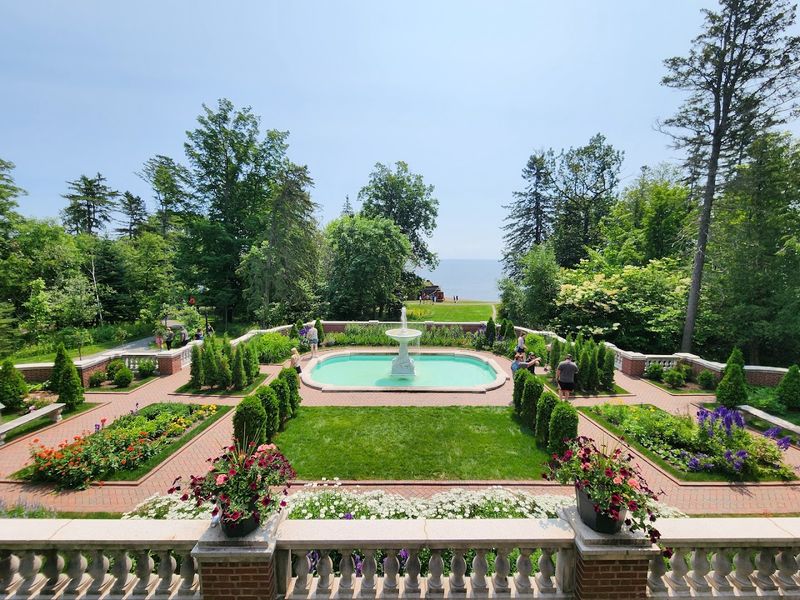
The mansion gets most of the attention, but the grounds at Glensheen are a full experience on their own. The estate stretches down from London Road all the way to the shore of Lake Superior, covering enough land to include formal gardens, walking trails, a carriage house, a gardener’s cottage, and a private beach.
In summer, the landscaping is meticulously maintained, with flower beds and green lawns that look like something out of a magazine. The walking trails wind through different sections of the property, and the closer you get to the lake, the more dramatic the views become.
A grounds-only pass is available for a lower admission price, which makes it a practical option if you want to enjoy the outdoor spaces without committing to the full interior tour. The beach area near the boathouse offers an unobstructed view of Lake Superior that is genuinely hard to walk away from, especially when the lake fog rolls in low over the water.
The View of Lake Superior From the Estate
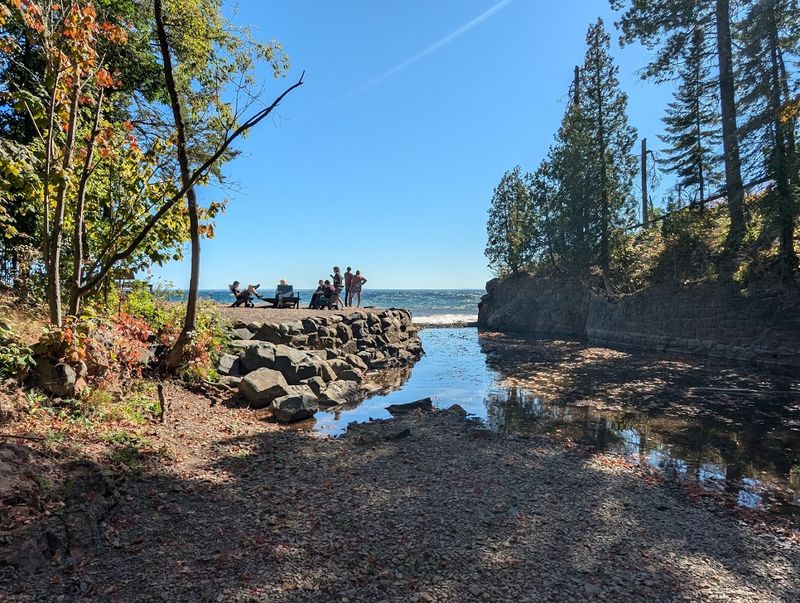
Lake Superior is not a subtle body of water. It is 350 miles long, 160 miles wide, and deep enough to swallow skyscrapers, and from the Glensheen estate, you get a front-row seat to all of that scale.
The mansion sits close enough to the shoreline that the sound of the water carries up to the property on most days.
The view from the estate beach is the kind that resets your internal sense of proportion. The horizon line stretches so far that the lake looks more like an ocean than a freshwater lake, and on foggy mornings, the water and the sky blur together into something that feels almost unreal.
Chester Congdon clearly chose this location with intention. Having that view as a backdrop for daily life was not accidental; it was a statement.
Visitors who spend time near the boathouse often end up staying much longer than they planned, which is probably the best endorsement any view can get.
Seasonal Highlights and the Holiday Tour
Glensheen is worth visiting in any season, but each time of year brings something different to the experience. Summer is the most popular window because the grounds are fully accessible, the gardens are in bloom, and the lake views are at their clearest.
Fall brings a quieter crowd and the kind of golden light that makes the stone exterior look especially dramatic.
Winter visits are a different proposition. The grounds are harder to explore, and some outdoor areas may be limited, so the focus shifts almost entirely to the interior.
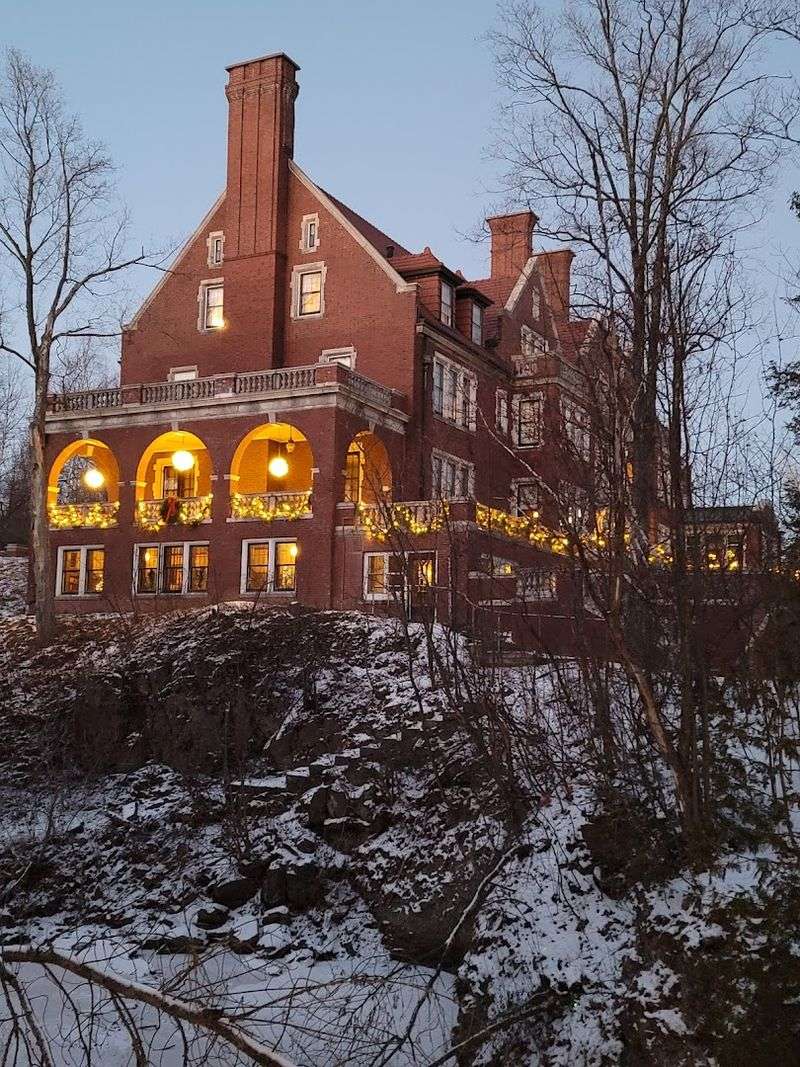
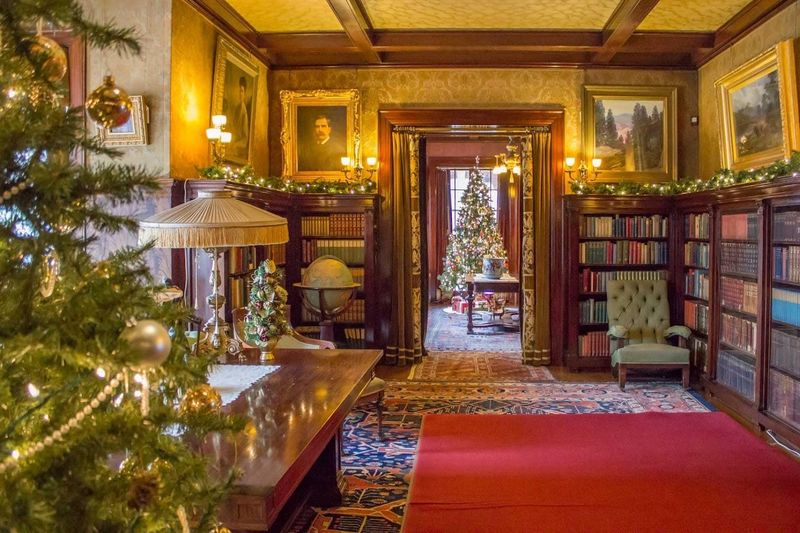
The upside is that Glensheen decorates the mansion for the holidays in a way that transforms the space completely, with period-appropriate Christmas decor throughout the rooms.
The holiday tour is a seasonal favorite for a reason. Seeing the mansion lit up and dressed for the season adds a warmth to the historic rooms that is genuinely moving, and it gives repeat visitors a fresh reason to come back every year.
The Rotating Displays and Special Exhibits
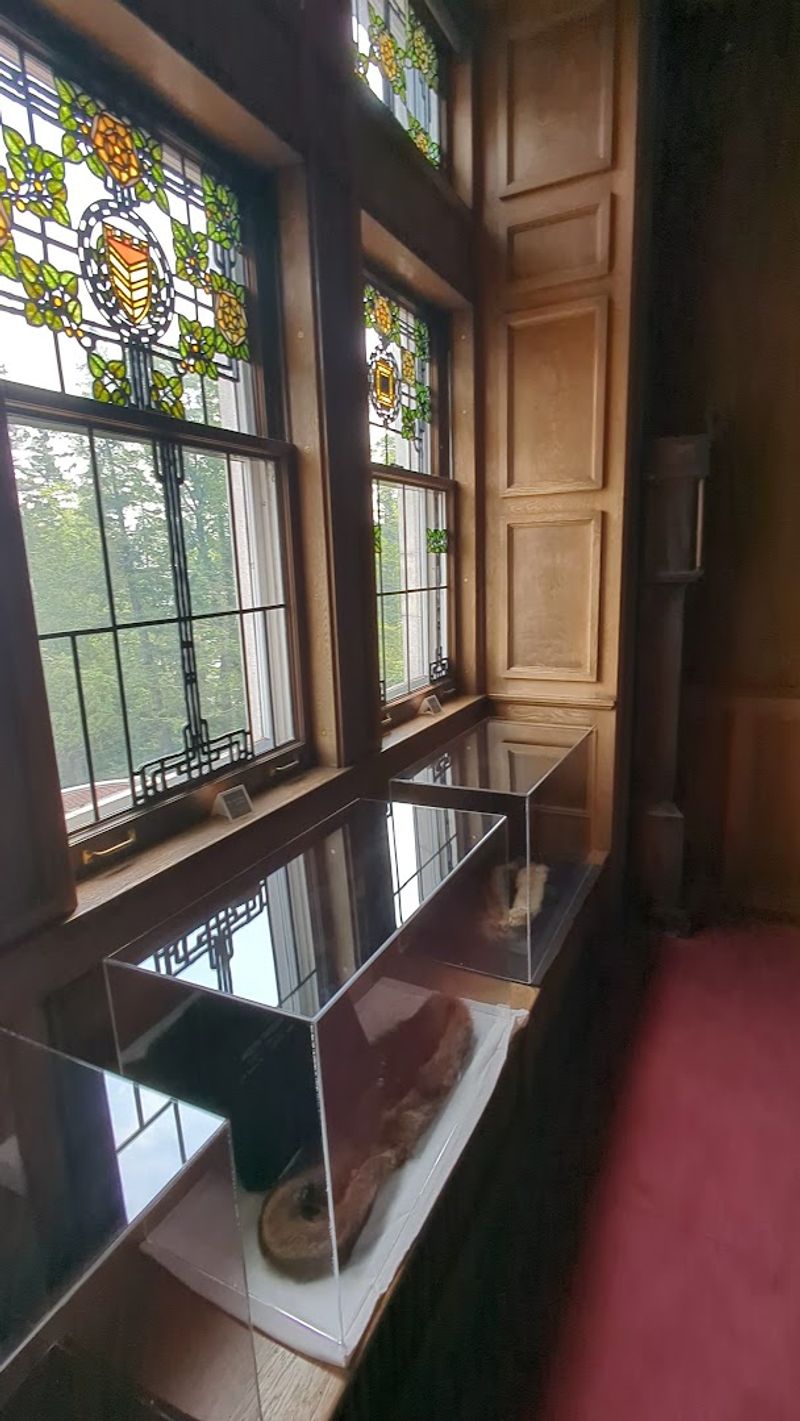
One of the things that keeps Glensheen from feeling like a static museum is the rotating nature of its displays. The core experience, the original furnishings and the architectural details, stays consistent, but the mansion regularly adds new exhibits and interpretive elements that give returning visitors something fresh to engage with.
A seashell scavenger hunt has been a popular addition for families, turning the tour into something interactive rather than purely observational. That kind of layering makes the space work for different age groups and different levels of interest in history and architecture.
The interpretive plaques throughout the mansion are also well-calibrated. They give enough information to be genuinely educational without slowing the tour to a crawl or overwhelming visitors who just want to look at beautiful rooms.
That balance between depth and accessibility is harder to achieve than it sounds, and Glensheen handles it well enough that most visitors leave feeling informed rather than lectured.
Practical Tips Before You Go
A few things worth knowing before your visit can make the difference between a smooth trip and a frustrating one. Glensheen is open Monday through Sunday from 9 AM to 5 PM, which gives you a solid window to work with.
Timed entry means that buying tickets in advance is genuinely important, especially on summer weekends when walk-up availability can run out.
Wear comfortable shoes. The tour covers multiple floors, and the mansion does not have air conditioning, so hot summer days inside can be warm.
There are fans set up in the rooms during peak heat, but dressing in layers gives you more flexibility.
Discounted admission is available for seniors, active duty military, veterans, UMD students, and participants in the Museums for All program, so check the website before purchasing at full price. Plan for at least two hours if you want to read the interpretive markers and explore the grounds, and use the restroom at the ticket booth before entering the mansion.
Why This Place Stays With You
Most historic house tours leave you with a vague sense of having seen some old furniture and learned a few names and dates. Glensheen works differently.
The combination of the architecture, the original furnishings, the grounds, and that relentless backdrop of Lake Superior adds up to something that is harder to shake off than a typical museum visit.
Part of it is the scale. Thirty-nine rooms with original contents, maintained to a standard that makes the place feel inhabited rather than preserved, is genuinely rare.
Part of it is the setting, because very few historic estates in the country have a private shoreline on one of the largest lakes in the world.
Whatever the reason, visitors consistently leave Glensheen already thinking about when they will come back, and that instinct to return is probably the clearest signal that a place has done something right. This one earns it.
Share this story