Nebraska is one of the Midwest’s most underrated road trip states. Within a few hours’ drive, you can explore ancient fossil sites, dramatic river bluffs, historic landmarks, waterfalls, scenic state parks, and some of the most surprising landscapes in the Great Plains.
The best part is that many of these destinations are inexpensive or completely free to visit. Whether you’re looking for outdoor adventure, small-town history, or a scenic day away from home, these 19 Nebraska day trips prove you don’t have to travel far to find something memorable.
Nebraska City, Nebraska
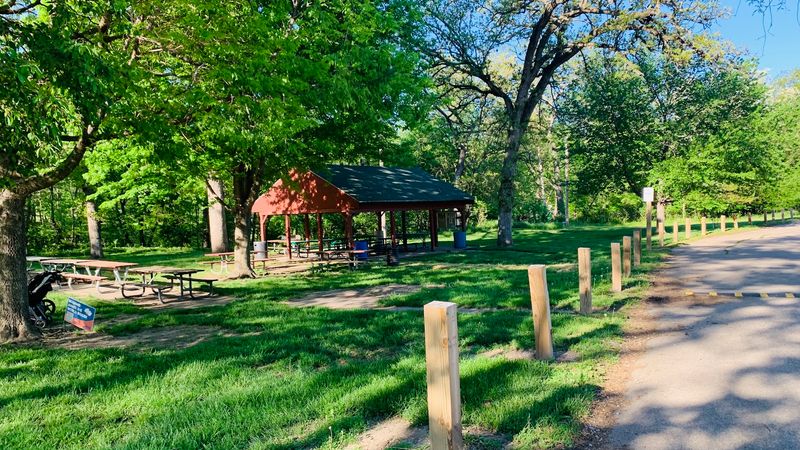
Nebraska City holds a quirky piece of American history that most people never learned in school: it is the birthplace of Arbor Day, the holiday dedicated entirely to planting trees.
Beyond that leafy claim to fame, the city offers a charming downtown with local shops, historic architecture, and easy access to scenic parks.
Apple orchards operate nearby, and the town hosts seasonal events that draw visitors throughout the year. It is an easygoing, affordable destination that rewards slow exploration more than rushed sightseeing.
Arbor Lodge State Historical Park, Nebraska City, Nebraska
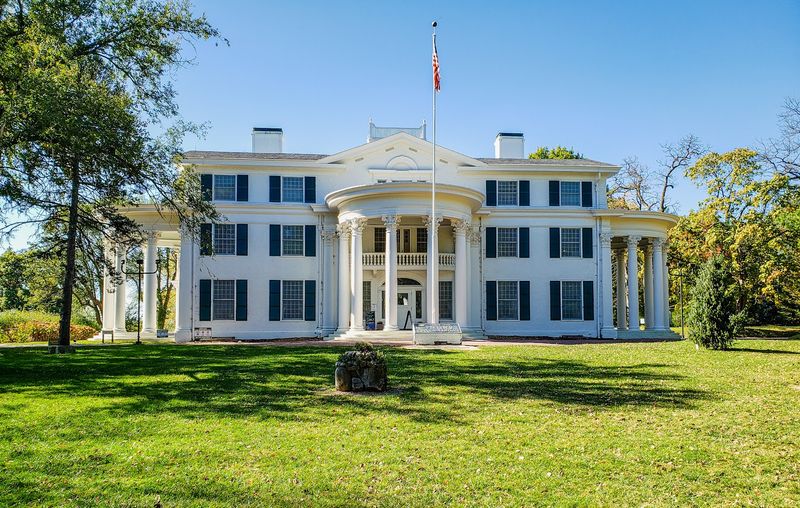
J. Sterling Morton, the man who convinced America to plant trees as a national tradition, once called this elegant estate home.
The 72-acre property includes a 52-room mansion, a formal arboretum, and walking trails that wind through towering old-growth trees planted over more than a century.
Park entry is free, and a mansion tour costs just a few dollars per person. Visiting in spring or fall means the grounds look especially photogenic without any extra effort on your part.
Platte River State Park, Louisville, Nebraska
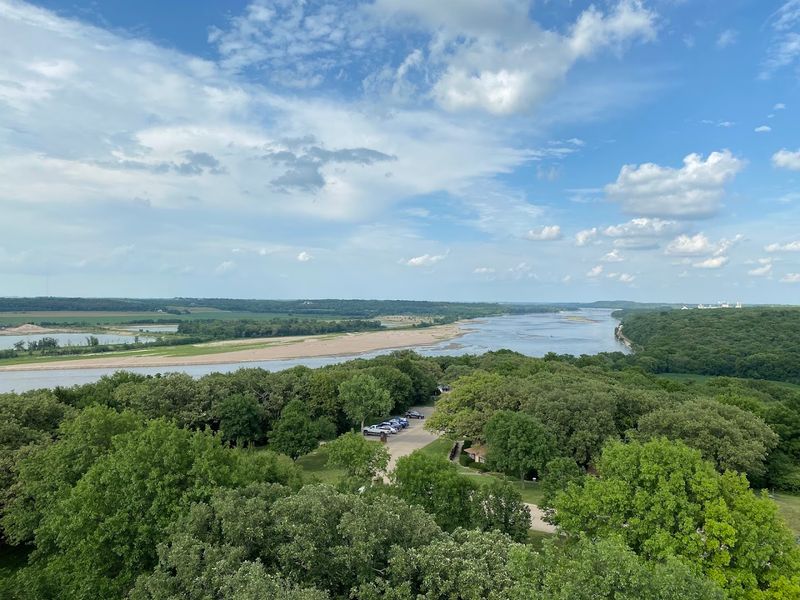
Tucked between Omaha and Lincoln, Platte River State Park manages to feel remote despite being less than an hour from either city.
The park features forested hiking trails, a suspension bridge, horseback riding opportunities, and a climb-worthy observation tower that delivers solid views of the surrounding river valley.
A Nebraska state park vehicle permit is required, but the annual cost breaks down to a bargain if you plan multiple visits. First-timers are often surprised by how much scenery fits into one compact park.
Schramm Park State Recreation Area, Gretna, Nebraska
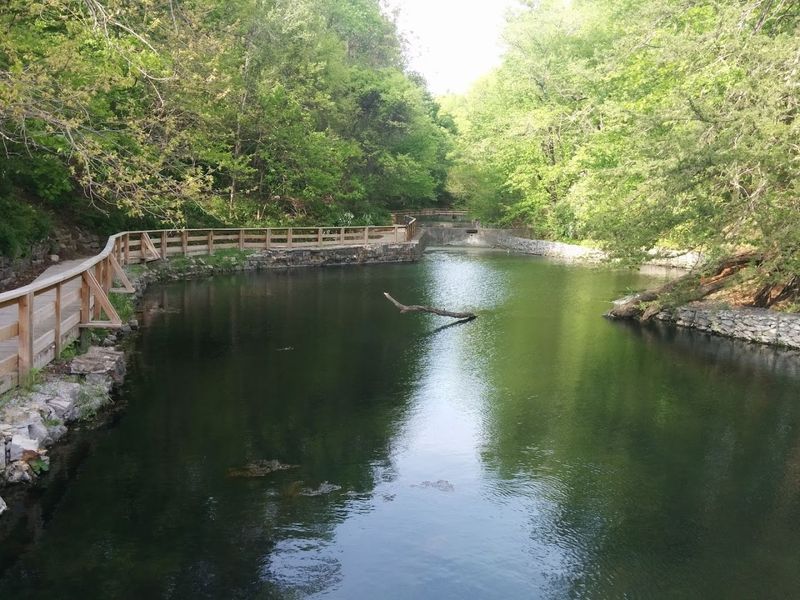
Just south of Omaha, Schramm Park sits quietly along the Platte River like a well-kept secret that only locals seem to know about.
The recreation area includes forested trails, a fish hatchery with public viewing tanks, and educational wildlife exhibits managed by the Nebraska Game and Parks Commission.
Entry costs are minimal, and the combination of nature education and outdoor recreation makes it a practical choice for families. It is one of those places that consistently delivers more than the drive suggests it will.
Indian Cave State Park, Shubert, Nebraska
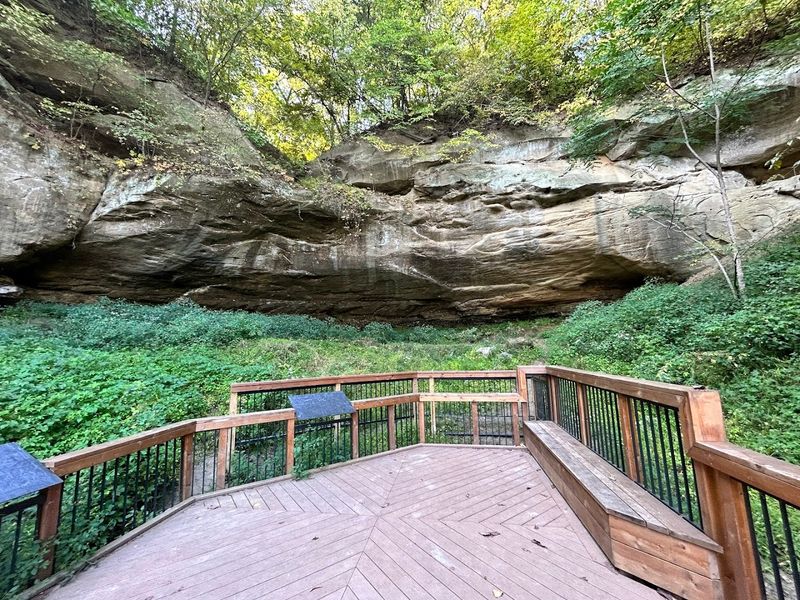
High above the Missouri River, Indian Cave State Park holds one of Nebraska’s most genuinely impressive natural features: a large sandstone cave covered in Native American petroglyphs.
The park also includes a reconstructed 1800s village, more than 20 miles of hiking trails, and scenic river overlooks that reward the drive to the far southeastern corner of the state.
Spring and fall are ideal seasons for a visit, when the forested bluffs turn brilliant colors. The cave itself is accessible via an ADA-friendly boardwalk, making it reachable for most visitors.
Fort Robinson State Park, Crawford, Nebraska
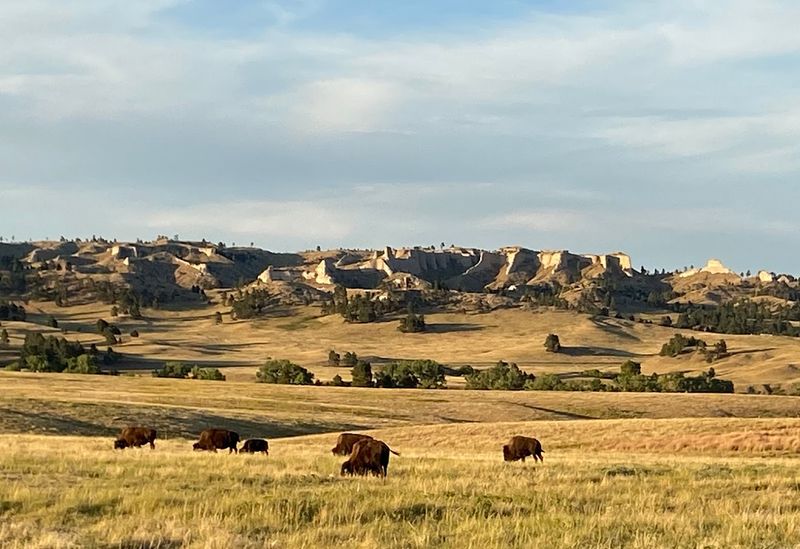
Nebraska’s Pine Ridge region looks nothing like the flat prairie that people picture when they think of the state, and Fort Robinson sits right in the middle of that dramatic landscape.
The park preserves a former U.S. Army post with dozens of historic structures still standing, including barracks, stables, and officer quarters that date back to the late 1800s.
Bison roam the surrounding grounds, and hiking trails cut through rugged terrain that offers views unlike anything else in Nebraska. Admission is low, and the combination of history and scenery is genuinely hard to match.
Chadron State Park, Chadron, Nebraska
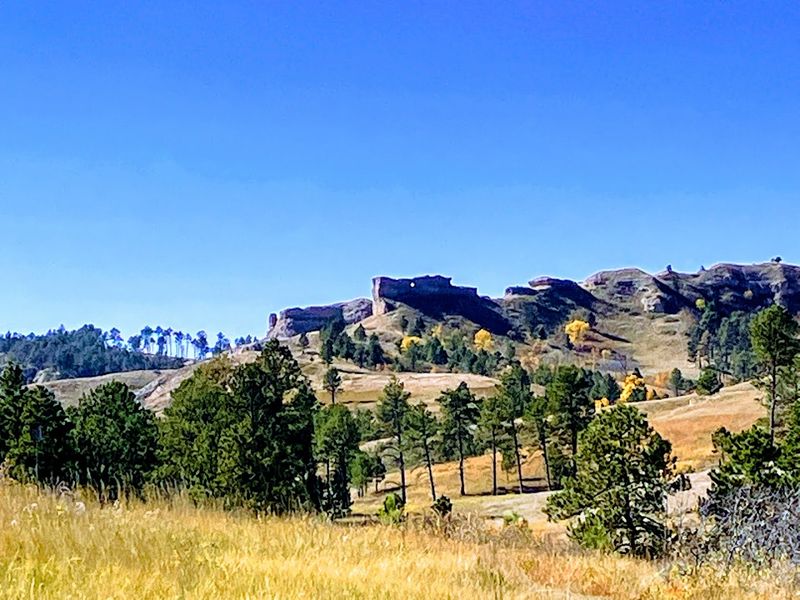
Nebraska’s oldest state park has been welcoming visitors since 1921, and it still delivers the kind of experience that makes people plan return trips before they have even left.
Forested hills, a small lake, paddleboat rentals, and well-maintained hiking trails give the park a surprisingly mountainous personality for a Great Plains destination.
Wildlife sightings are common, and the Pine Ridge setting creates a backdrop that photographs beautifully in almost any season. The standard state park vehicle permit covers access, keeping the cost manageable for a full-day outing.
Toadstool Geologic Park, Crawford, Nebraska
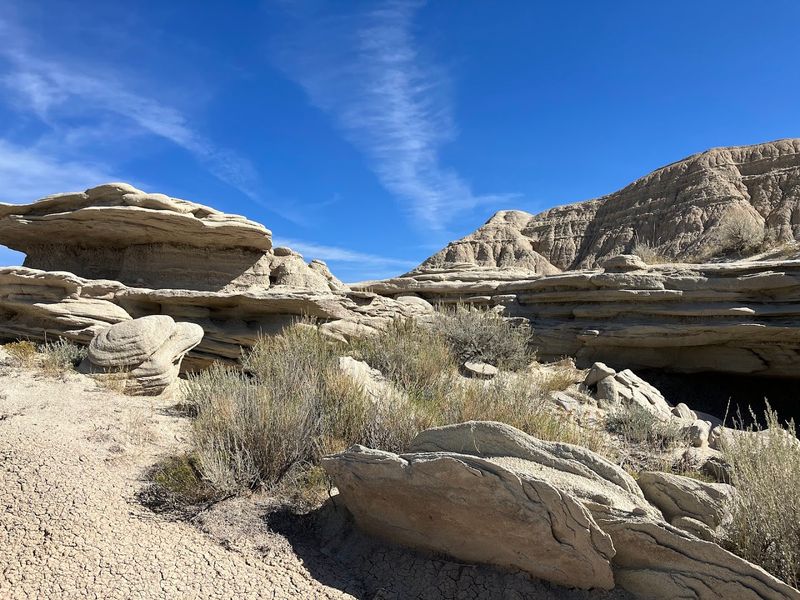
Nothing in Nebraska looks quite like Toadstool Geologic Park, where centuries of erosion have carved the landscape into shapes that seem borrowed from a different planet entirely.
The park is part of the Nebraska National Forest and features short hiking trails that pass through badlands terrain filled with mushroom-shaped rock formations and ancient fossil deposits.
Entry is free, and the hike to the main formations takes less than an hour. Photographers and geology enthusiasts consistently rank it among the most visually distinctive destinations in the entire state.
Niobrara State Park, Niobrara, Nebraska
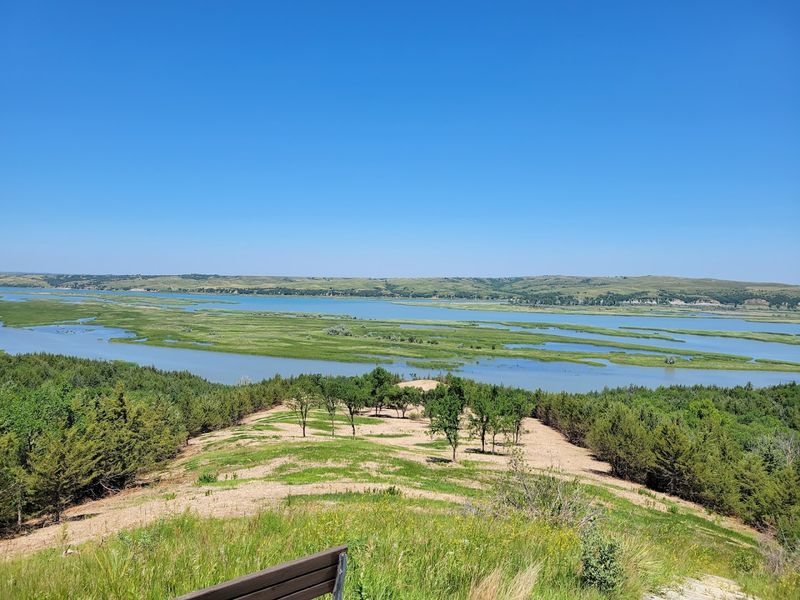
Set at the confluence of the Niobrara and Missouri Rivers, Niobrara State Park offers some of the most expansive water views available anywhere in Nebraska.
Scenic overlooks dot the park and provide unobstructed sightlines across both rivers, making it a favorite stop for photographers chasing wide-open landscape shots.
The trail system is manageable for most fitness levels, and the park sees far fewer visitors than more well-known Nebraska destinations, which means a quieter, more relaxed experience. The entry fee is covered by the standard state park vehicle permit.
The Archway, Kearney, Nebraska
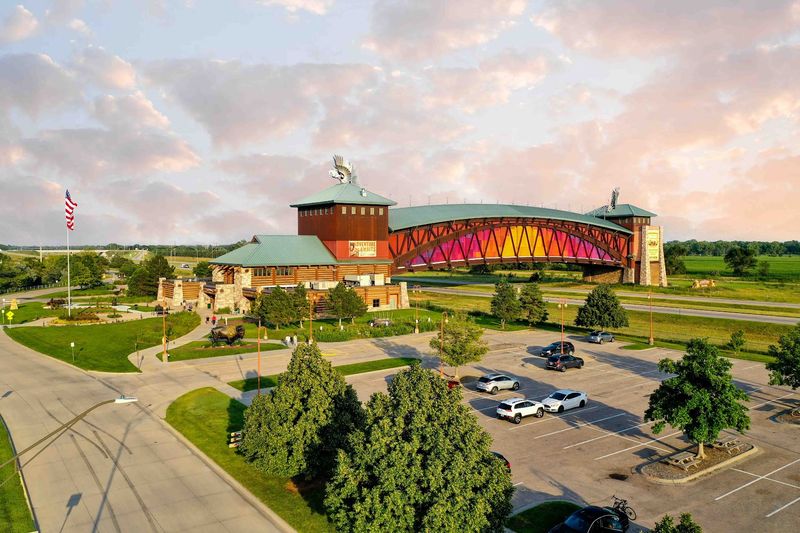
There are not many museums in America that span an active interstate highway, but Kearney’s Archway pulls off exactly that architectural trick.
The museum sits above I-80 and tells the story of America’s westward migration through interactive exhibits covering the Oregon Trail, the Pony Express, early automobile travel, and the Lincoln Highway.
Admission is affordable, and the exhibits are detailed enough to keep adults genuinely engaged rather than just tolerating the visit for the kids. The building’s unique position above the highway makes it one of Nebraska’s most recognizable roadside landmarks.
Stuhr Museum Of The Prairie Pioneer, Grand Island, Nebraska
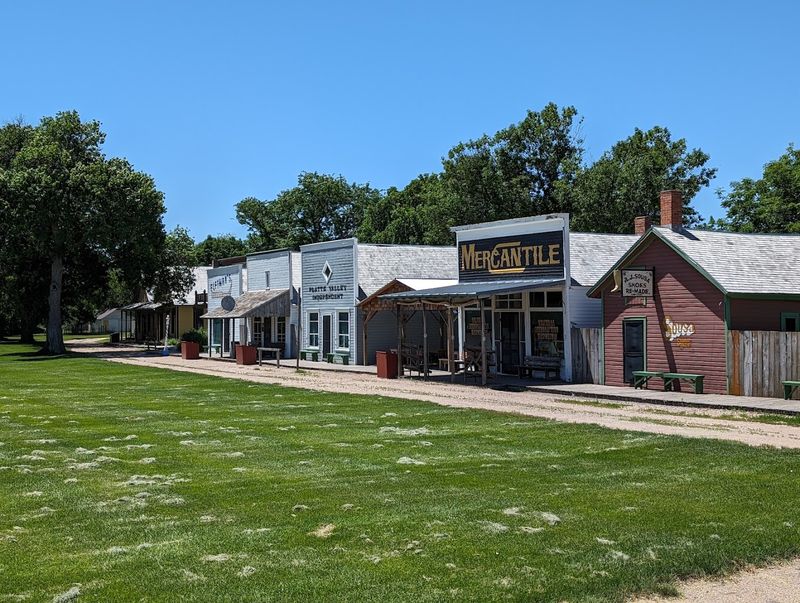
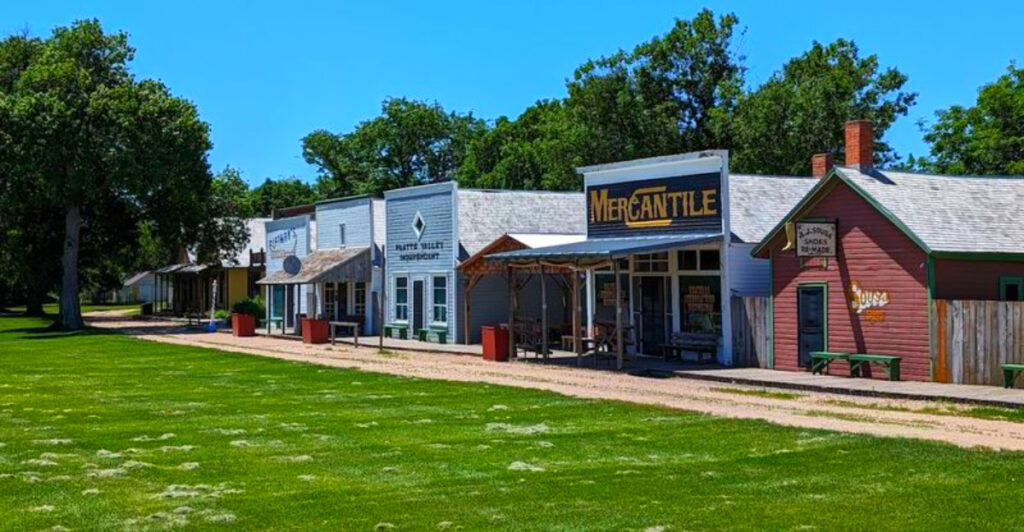
Grand Island’s Stuhr Museum takes a creative approach to history by reconstructing an entire 1890s Nebraska railroad town on its grounds, complete with original period buildings moved from across the state.
During special events, costumed interpreters bring the town to life with demonstrations of frontier-era trades and daily routines that give visitors a concrete sense of what prairie life actually looked like.
The museum complex also houses an impressive collection of artifacts covering Native American history and early settlement. Admission is reasonably priced, and the outdoor town alone justifies the drive from anywhere in central Nebraska.
Homestead National Historical Park, Beatrice, Nebraska
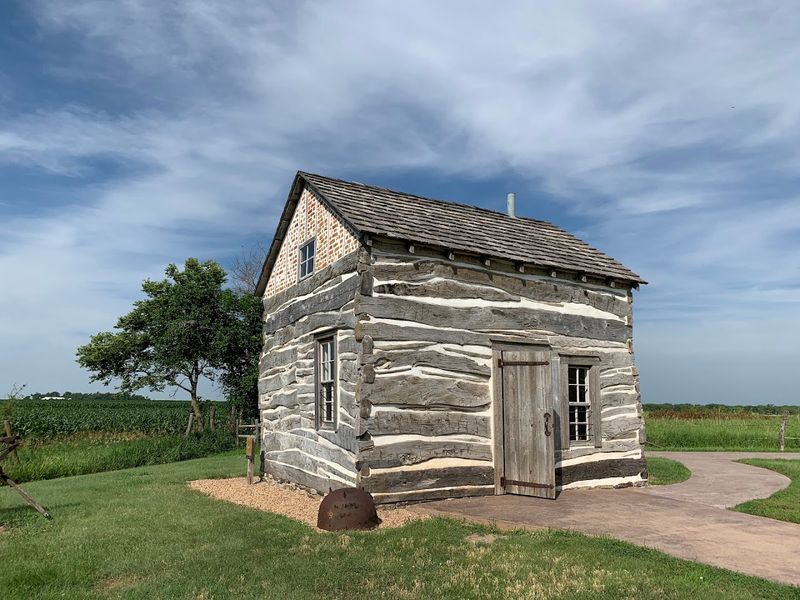
The Homestead Act of 1862 changed the course of American history by offering 160 acres of public land to anyone willing to farm it for five years, and Beatrice is where that story is told most compellingly.
The national park includes a modern visitor center with engaging exhibits, a historic cabin, and walking trails through restored tallgrass prairie that stretch across the original Daniel Freeman homestead claim.
Admission is free, which makes it one of the best-value history experiences in Nebraska. The combination of indoor exhibits and outdoor trails works well for visitors of nearly any age.
Valentine, Nebraska
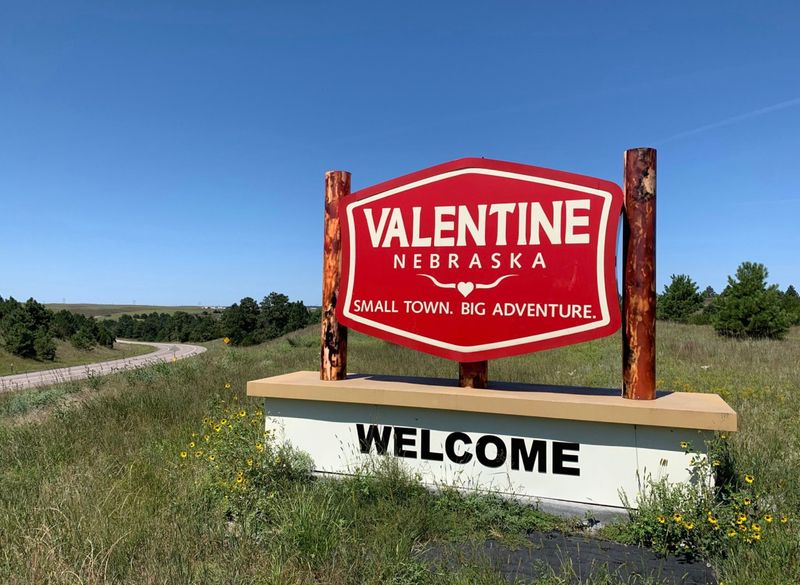
Valentine earns its nickname as the heart of Nebraska’s sandhills by sitting at the center of some of the most accessible wild scenery in the entire state.
The compact downtown has local restaurants, shops, and outfitters, while nearby rivers, lakes, and grasslands offer kayaking, hiking, and wildlife observation without requiring much advance planning.
The Niobrara National Scenic River runs close to town and is one of the most popular float trip destinations in the Midwest. Valentine works best as a base for exploring multiple nearby sites in a single day.
Lake McConaughy, Ogallala, Nebraska
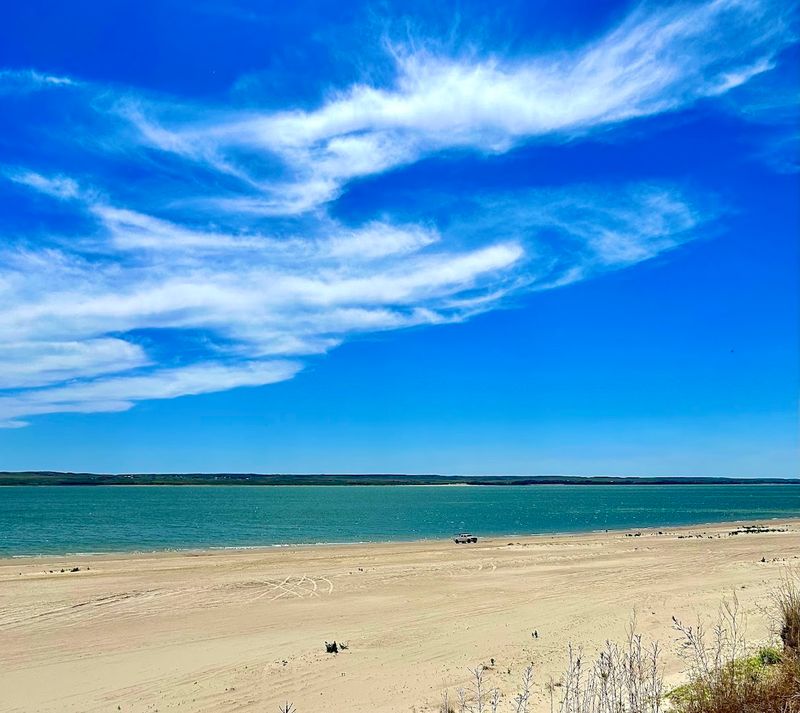
Nebraska’s largest reservoir goes by the nickname Big Mac, and its sandy beaches and clear water consistently catch first-time visitors off guard.
The lake stretches 22 miles long and offers swimming, picnicking, fishing, and bird watching along miles of undeveloped shoreline that feels more like a coastal beach than a landlocked plains reservoir.
Entry fees are low, and a basic day of swimming and picnicking costs almost nothing beyond the permit. Bald eagles gather here in large numbers during winter months, making it a worthwhile visit year-round.
Pioneer Village, Minden, Nebraska
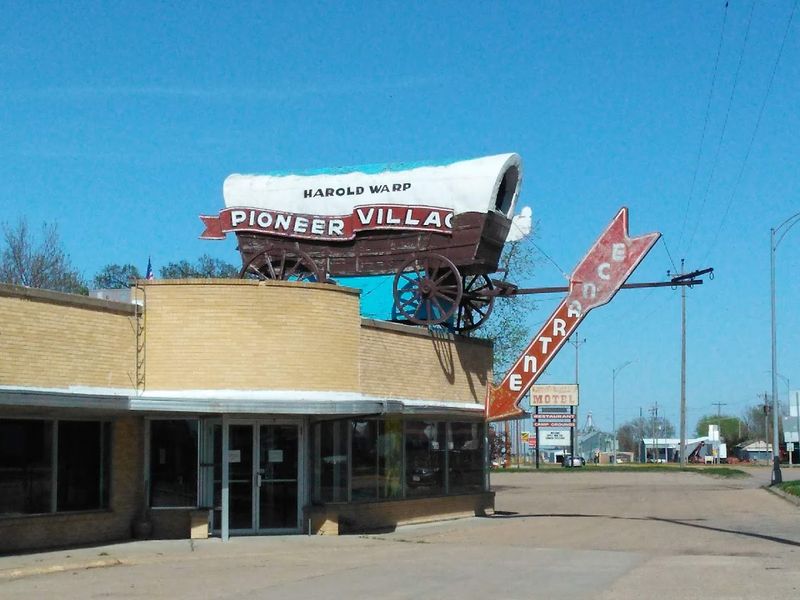
Harold Warp spent decades collecting everything he could find that illustrated the story of American innovation, and the result is Pioneer Village in Minden, one of the most densely packed museums in the country.
The complex covers 20 acres and includes more than 50,000 artifacts spread across 28 buildings, ranging from antique cars and farm equipment to a functioning carousel and a Pony Express station.
Admission is affordable given the sheer volume of exhibits available. Plan for at least three to four hours if you want to cover the main highlights without rushing past anything interesting.
The Plainsman Museum, Aurora, Nebraska
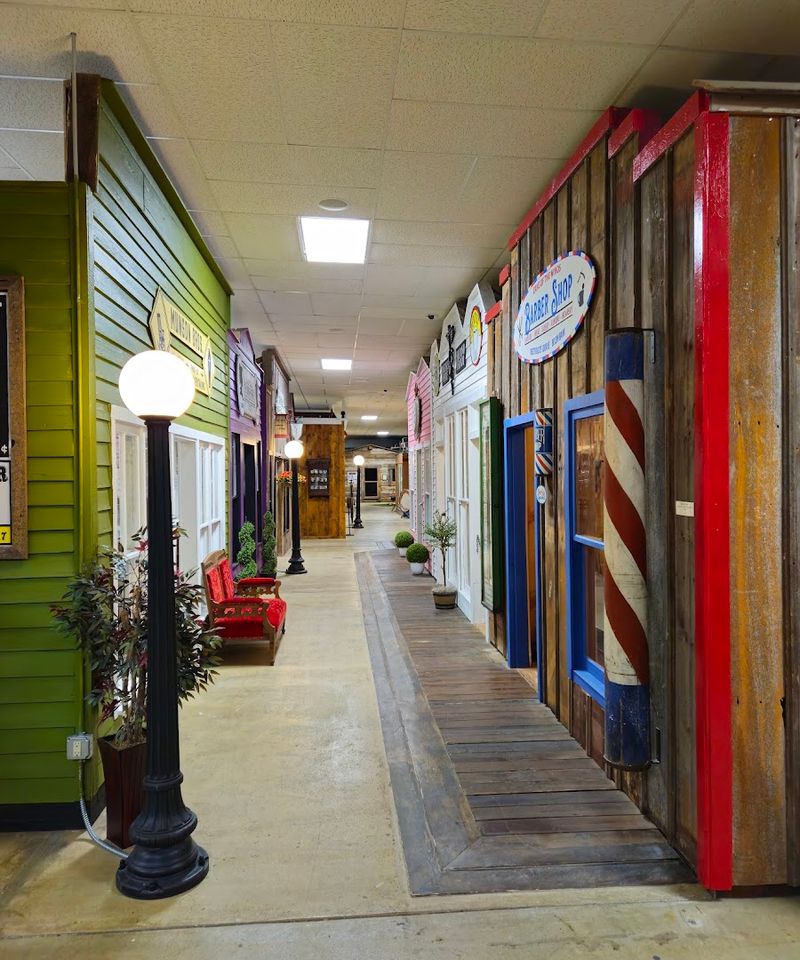
Aurora’s Plainsman Museum punches well above its weight for a small-town institution, offering a collection that covers Native American history, pioneer life, agricultural development, and local heritage all under one roof.
Recreated Main Street scenes, vintage vehicles, and period-accurate room displays give the exhibits a tangible quality that flat display cases rarely achieve.
The museum is centrally located and easy to reach from both Lincoln and Grand Island, making it a natural midpoint stop on a longer Nebraska road trip. Admission is modest, and the staff are consistently described by visitors as knowledgeable and welcoming.
Old Market District, Omaha, Nebraska
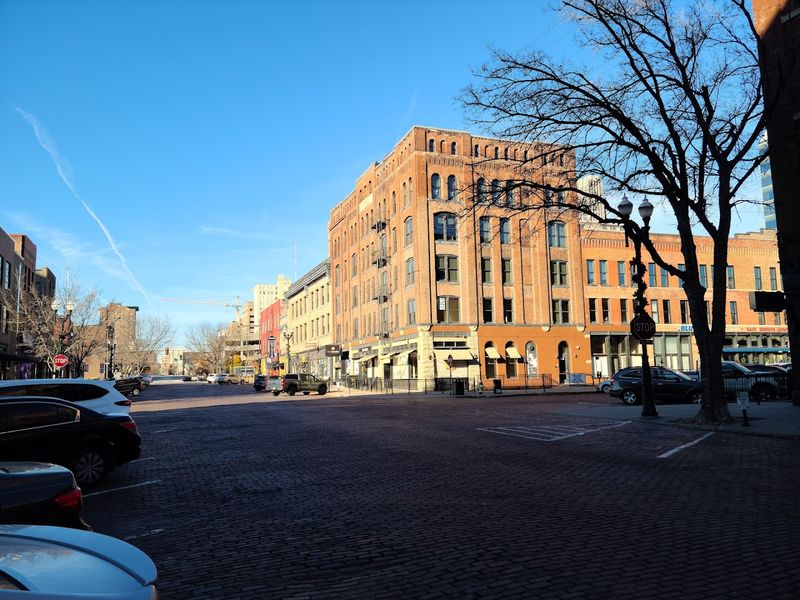
Omaha’s Old Market District occupies a cluster of restored 19th-century warehouse buildings near the Missouri River, and it has been the city’s most walkable neighborhood for decades.
Cobblestone streets connect independent galleries, specialty shops, bookstores, and restaurants in a compact area that rewards slow wandering more than any planned itinerary.
Parking is available nearby, and simply walking the neighborhood costs nothing. The area is busiest on weekends, when local vendors and street activity add extra energy to the already appealing historic streetscape.
The Durham Museum, Omaha, Nebraska
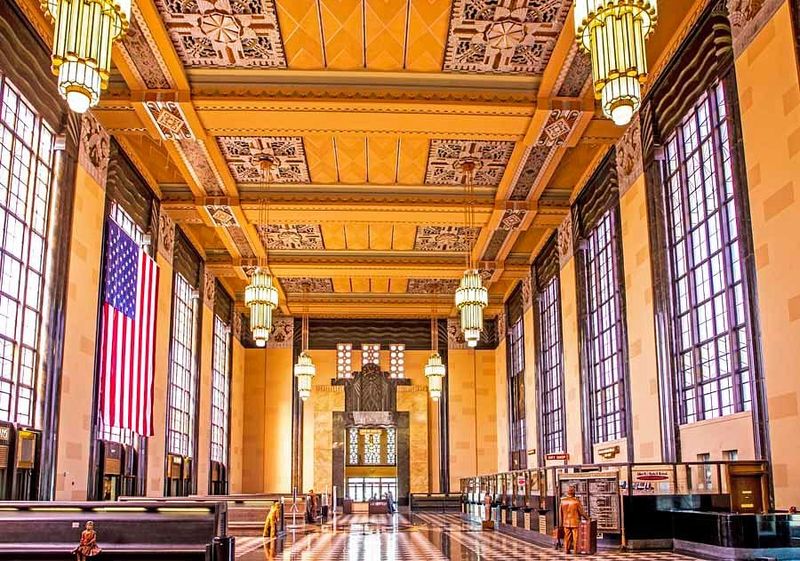
Union Station in Omaha was once one of the busiest rail hubs in the American Midwest, and the building that housed it is now home to one of the region’s finest history museums.
The Durham Museum preserves the station’s original art deco interior, including its grand main hall, original soda fountain counter, and restored rail cars parked on the lower level.
Rotating exhibits cover regional history, science, and culture, giving repeat visitors new reasons to return. Admission is affordable, and the architectural experience alone makes the visit worthwhile even before you reach the first exhibit.
Smith Falls State Park, Valentine, Nebraska
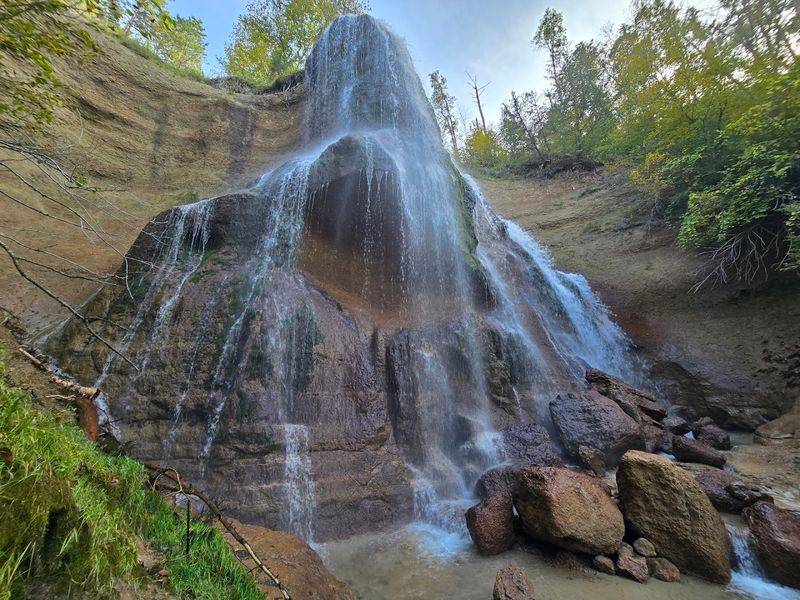
Nebraska’s tallest waterfall drops 63 feet into a shaded canyon near the Niobrara River, and the hike to reach it takes most visitors less than 20 minutes from the trailhead.
Smith Falls State Park is compact by design, with a footbridge crossing the Niobrara River and a short trail leading directly to the waterfall overlook and base viewing area.
The park requires a standard state park vehicle permit, which covers the full day. First-time visitors frequently describe the waterfall as more dramatic than they expected, which makes it one of Nebraska’s most reliably satisfying day trip destinations.
Share this story