Fresh water is something most of us take for granted, but for hundreds of millions of people around the world, getting enough of it is a daily struggle. Some countries are so dry, or so overcrowded, that their rivers, lakes, and underground wells simply cannot keep up with demand.
Climate change, population growth, and wasteful water habits are making the problem worse every year. These are the ten countries facing the most critical water shortages on the planet right now.
United Arab Emirates
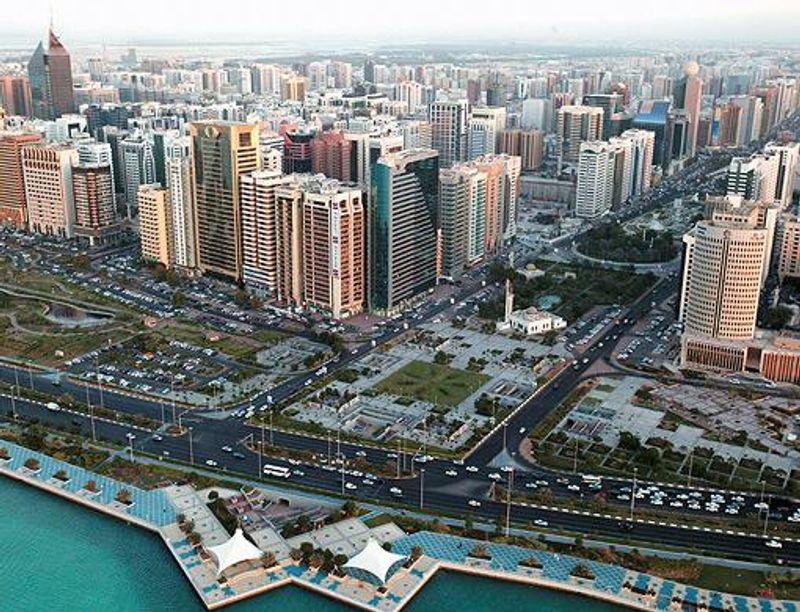
Skyscrapers, ski slopes indoors, and man-made islands sound impressive until you realize the country building them has almost no natural freshwater to speak of. The United Arab Emirates is one of the driest places on Earth, receiving an average of just 78 millimeters of rain per year.
Yet water consumption per person here is among the highest in the world.
The UAE depends on desalination for roughly 42 percent of its water supply and leans heavily on groundwater for the rest. The problem is that groundwater aquifers beneath the country are being drained far faster than rainfall can ever refill them.
Once those reserves are gone, they are gone for centuries.
Agriculture in the UAE uses enormous amounts of water for crops grown in a climate that is naturally hostile to farming. The government has launched smart irrigation programs and recycled water initiatives, but the gap between supply and demand remains wide.
Dubai and Abu Dhabi have invested billions in water security, yet the fundamental challenge stays the same. A country this reliant on technology for its water supply must keep innovating just to stay ahead of crisis.
Saudi Arabia
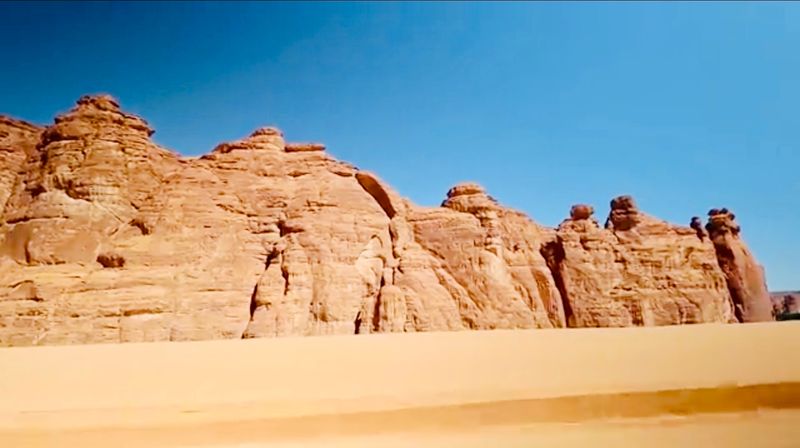
Beneath the sands of Saudi Arabia lies a hidden treasure that is rapidly disappearing. Massive underground aquifers, some of them thousands of years old, hold water that accumulated during wetter prehistoric periods.
Saudi Arabia has been pumping these fossil aquifers at extraordinary rates to grow wheat, dates, and other crops in the middle of the desert.
The catch is that fossil water does not recharge. Once it is extracted, there is no natural process that refills it on any human timescale.
Saudi Arabia has already seen some aquifer levels drop by hundreds of meters, and experts warn that certain reserves could be exhausted within decades. The country has quietly scaled back its domestic wheat production in response, importing grain instead to save water.
Desalination now supplies around 70 percent of the country’s drinking water, making Saudi Arabia the world’s largest producer of desalinated water. That achievement is impressive but expensive and energy-hungry.
With a population expected to keep growing and temperatures rising due to climate change, the pressure on water resources will only intensify. Saudi Arabia is essentially spending its water savings account without a plan to refill it.
Bahrain
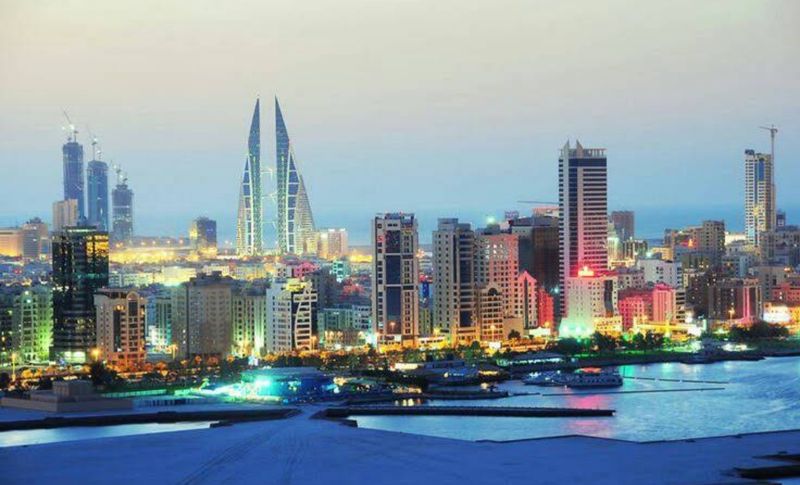
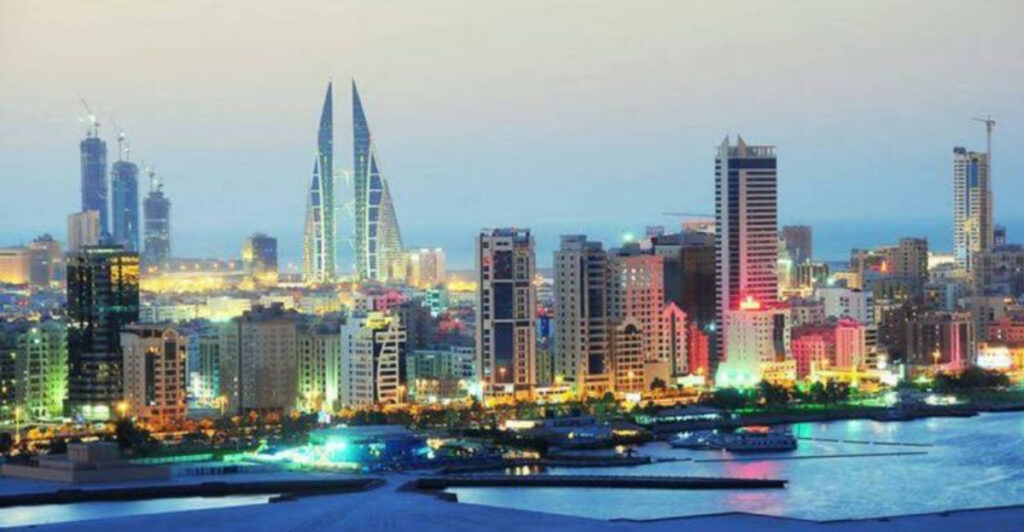
Tiny Bahrain packs a massive water problem into a very small space. This island nation covers just 780 square kilometers, making it one of the smallest countries in the world, yet it ranks among the top for water stress intensity.
With almost zero rainfall and no rivers at all, the situation is as stark as it gets.
Historically, Bahrain was known for its natural freshwater springs, which bubbled up from underground aquifers and even surfaced beneath the sea. Ancient traders once stopped here specifically for fresh water.
Those springs have now largely dried up, victims of overextraction and population growth that has exploded since oil wealth arrived in the mid-20th century.
Today, Bahrain depends on desalination for nearly all of its drinking water and imports a significant portion of its food, which indirectly imports the water used to grow it. Groundwater is still extracted for agriculture and industry, but at rates that are clearly unsustainable.
The government has invested in treated sewage reuse and water-efficient technologies, but demand keeps climbing. Bahrain’s story is a sharp reminder that even historically water-blessed places can exhaust their natural gifts surprisingly quickly.
Qatar
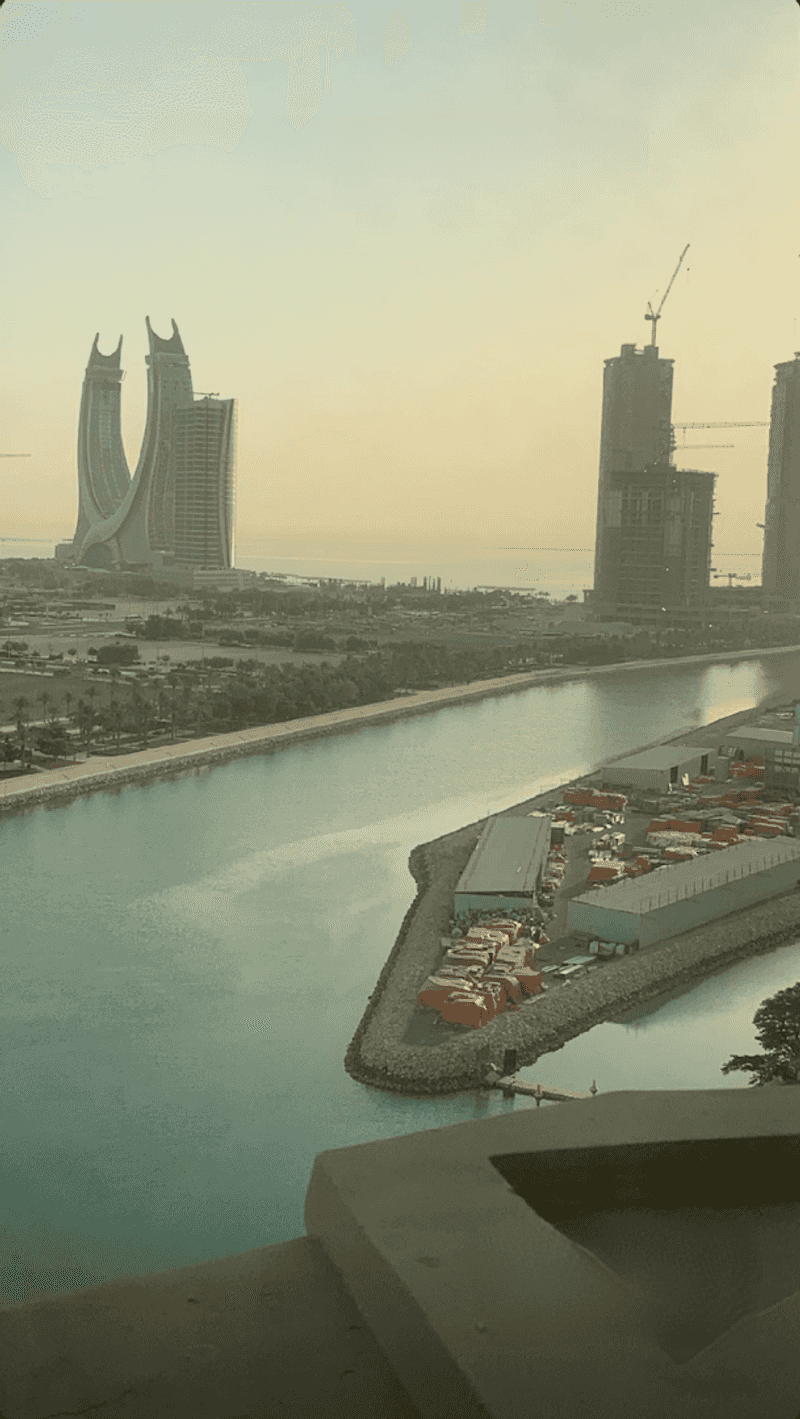
Qatar hosted the FIFA World Cup in 2022, but behind the glittering stadiums was a country quietly wrestling with one of the world’s worst water crises. The country receives an average of just 74 millimeters of rain per year, making it one of the most arid nations on the planet.
Natural freshwater here is basically a myth.
Like its Gulf neighbors, Qatar leans almost entirely on desalination to produce drinking water. The country has built massive seawater reverse-osmosis and distillation plants that process millions of cubic meters of water daily.
Maintaining all that infrastructure requires enormous amounts of energy, which Qatar conveniently has thanks to its natural gas reserves. Still, the system is fragile and expensive.
Groundwater aquifers exist but are being drained so rapidly that some estimates suggest they could be completely exhausted within a generation. Qatar has responded by investing in treated wastewater reuse for landscaping and industrial purposes, which helps reduce pressure on drinking water supplies.
The government is also building strategic water storage reserves to protect against any disruption to desalination plants. For a country this wealthy, the tools exist, but the underlying scarcity of natural freshwater is a challenge no amount of money can permanently fix.
Kuwait

Kuwait holds the unenviable title of the world’s most water-stressed country, and the numbers back it up without question. The entire nation sits on a landscape so dry that natural freshwater is essentially nonexistent.
There are no rivers, no lakes, and rainfall averages less than 120 millimeters per year.
To survive, Kuwait built some of the world’s largest desalination plants, which turn seawater from the Persian Gulf into drinking water. These plants supply nearly all of the country’s water needs, making Kuwait almost entirely dependent on energy-intensive technology just to stay hydrated.
That is a fragile situation for any nation.
Groundwater does exist in small amounts, but it is mostly too salty or too deep to be practical. Kuwait’s fast-growing population and high living standards only push demand higher each year.
Water is heavily subsidized by the government, which means residents pay very little for it and conservation habits remain underdeveloped. Until pricing policies and public awareness catch up with reality, Kuwait’s water future will remain precarious.
The country is essentially racing against its own consumption every single day.
Oman
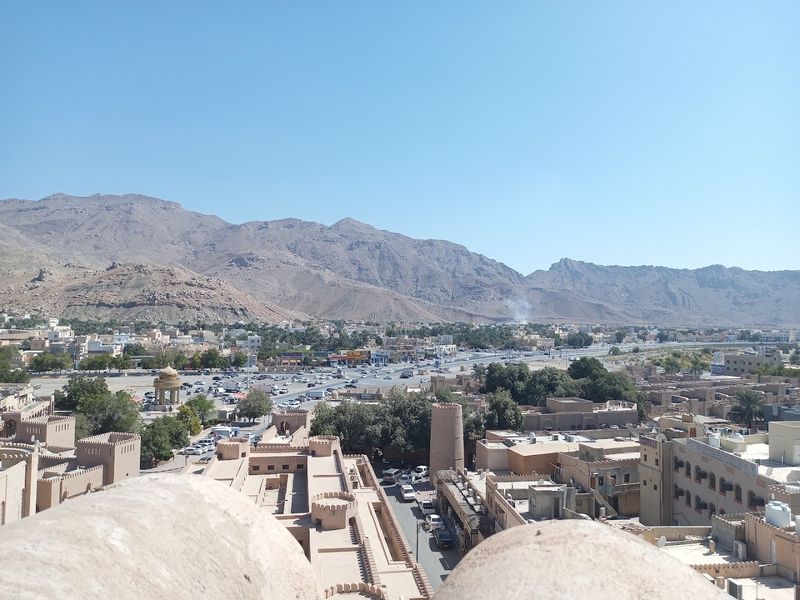
Oman has one of the most beautiful and rugged landscapes in the Middle East, but beauty does not make up for a serious lack of rain. Annual rainfall in most of the country sits below 100 millimeters, and the heat is intense enough to evaporate moisture almost as fast as it falls.
The result is a country that has always had to be creative about water.
For centuries, Omanis relied on an ingenious system called falaj, a network of underground channels that carried water from mountain springs to villages and farms. These ancient systems still function today and are recognized by UNESCO as a world heritage achievement.
But traditional methods alone cannot supply a modern, growing population with everything it needs.
Oman now relies heavily on desalination plants along its coast for drinking water, while agriculture depends on groundwater that is being withdrawn faster than natural recharge rates allow. Climate change is reducing already scarce rainfall and increasing evaporation, squeezing the water balance even tighter.
The government has launched water conservation campaigns and invested in treated wastewater reuse, but the math remains difficult. Oman is a country that has always lived carefully with water, and that careful living is now more important than ever.
Libya
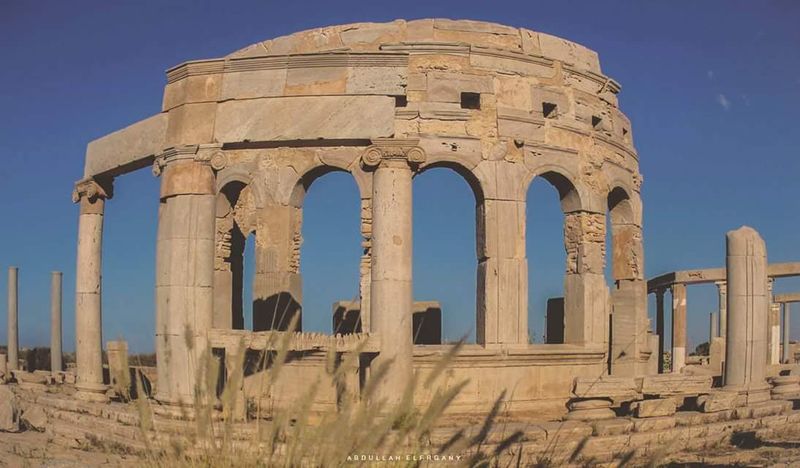
Libya sits mostly in the Sahara Desert, which should tell you everything you need to know about its rainfall situation. The country averages less than 25 millimeters of rain per year across most of its territory, making it one of the driest places on Earth.
Coastal areas near Tripoli and Benghazi receive a bit more, but not nearly enough to support a growing population of over seven million people.
To solve this, Libya built the Great Man-Made River, one of the largest engineering projects in human history. This massive network of underground pipes carries ancient fossil water from aquifers deep beneath the Sahara all the way to coastal cities.
When it was completed, Colonel Gaddafi called it the eighth wonder of the world. The project genuinely transformed water access for millions of Libyans.
The problem is the same one facing Saudi Arabia: fossil water does not replenish. Scientists estimate that Libya’s underground reserves could last another 20 to 100 years depending on extraction rates, but ongoing conflict has damaged parts of the pipeline and disrupted water management.
With institutions weakened by years of instability, planning for a sustainable water future has become even harder. Libya is drawing down a finite account with no clear strategy for what comes next.
Yemen
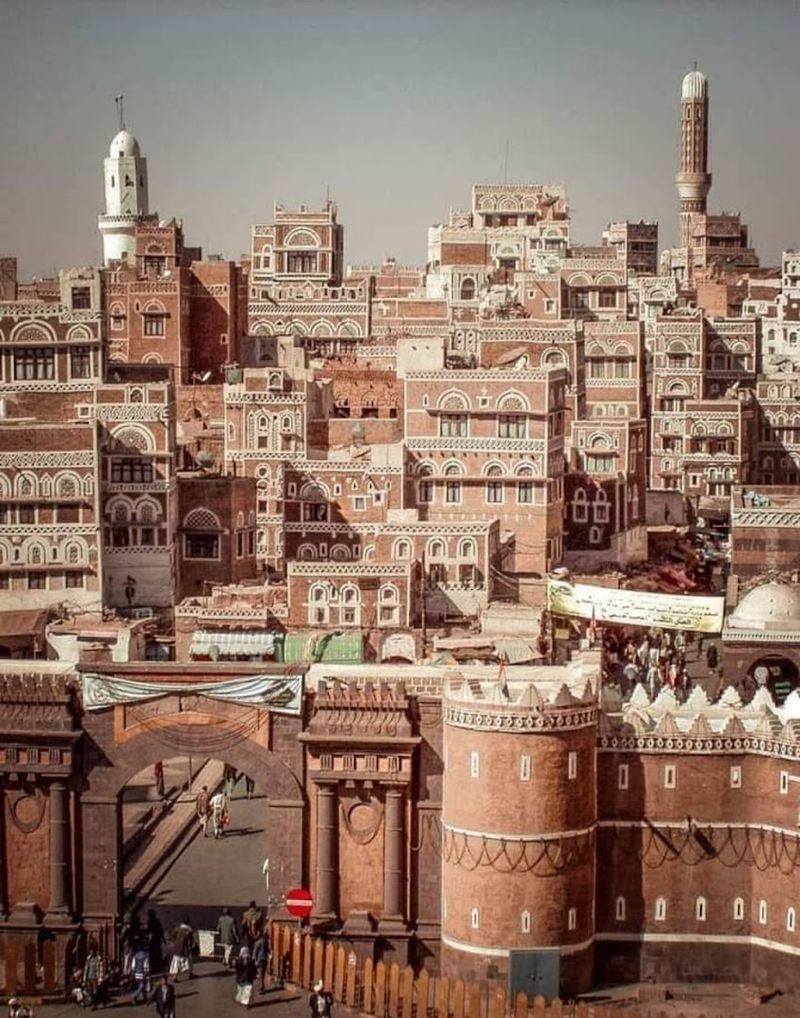
Yemen’s water crisis is not just an environmental problem. It is a humanitarian catastrophe unfolding in slow motion across one of the world’s most conflict-torn countries.
Before the war, Yemen was already running out of water. After years of fighting that has destroyed infrastructure, displaced millions, and collapsed the economy, the situation has become genuinely desperate.
Sanaa, Yemen’s capital, was once predicted to become the first major city in the world to run completely out of water. The aquifer beneath the city has dropped so dramatically that wells must now be drilled hundreds of meters deep to find any water at all.
Farmers in rural areas have seen their wells go dry, forcing entire communities to abandon land their families farmed for generations.
Conflict has made repairs to water systems nearly impossible. Pumping stations have been bombed, pipes have been destroyed, and technicians cannot safely reach damaged infrastructure.
Millions of Yemenis now rely on expensive water trucked in from distant sources, paying prices that consume a significant portion of already stretched household incomes. Children are among the hardest hit, with waterborne diseases surging in areas where clean water has become a luxury.
Yemen shows what happens when water stress collides with war.
Egypt
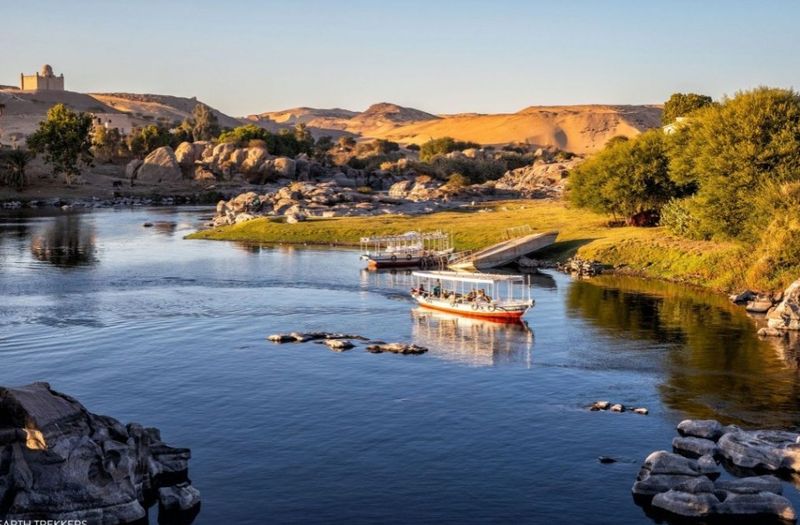
Egypt is basically the Nile, and the Nile is basically Egypt. That single river provides about 97 percent of the country’s freshwater, flowing through one of the driest landscapes on the planet before emptying into the Mediterranean Sea.
For thousands of years, this arrangement worked beautifully. Today, it is under enormous strain.
Egypt’s population has surged past 105 million people and is still growing fast. Every additional million mouths means more water for drinking, cooking, farming, and industry.
Meanwhile, the Nile’s flow is increasingly contested upstream. Ethiopia’s Grand Ethiopian Renaissance Dam, one of Africa’s largest hydroelectric projects, has raised serious concerns in Cairo about how much water will eventually reach Egyptian territory.
Pollution is another major headache. Agricultural runoff, untreated sewage, and industrial waste have degraded water quality in many parts of the Nile Delta, shrinking the amount of water that is actually safe to use.
Egypt’s government has responded with ambitious water-reuse programs and desalination projects along the Mediterranean coast. However, the country’s per capita water share has already fallen below the international water poverty line.
Egypt is a civilization built on water, and that civilization now faces its most serious water challenge in recorded history.
Iran
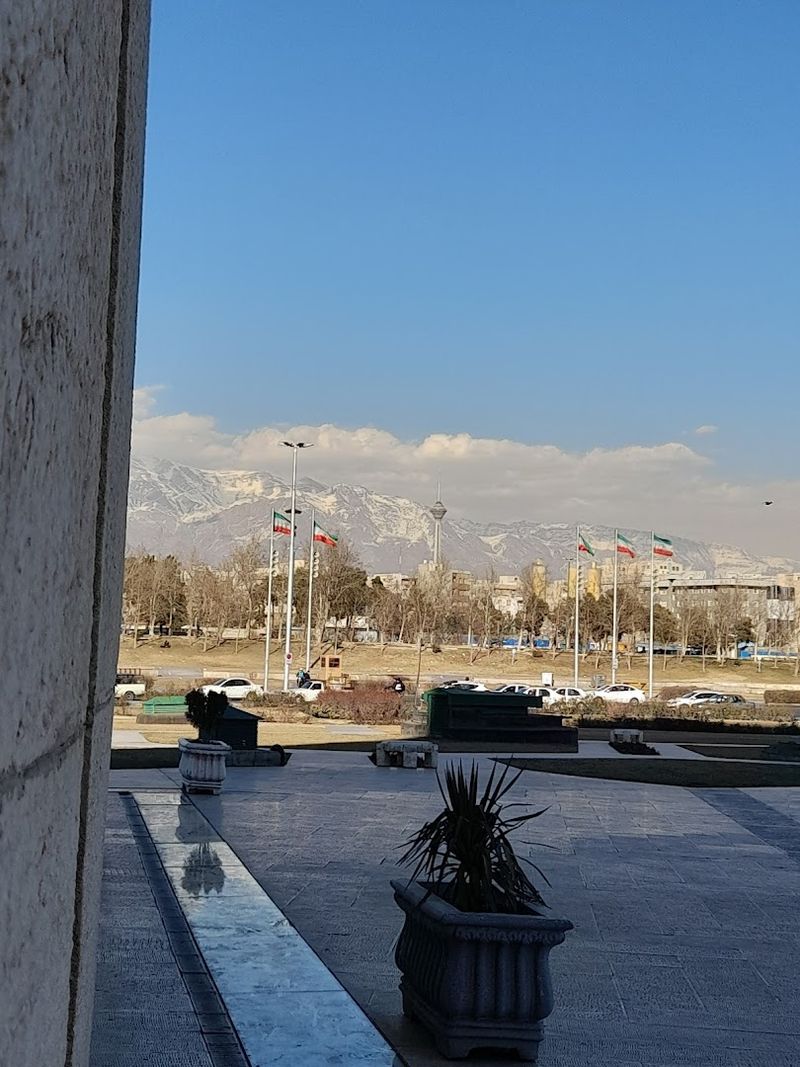
Lake Urmia was once the largest lake in the Middle East, a shimmering blue expanse the size of a small sea. Today it has shrunk to less than ten percent of its original size, leaving behind vast plains of white salt and a ghostly reminder of what poor water management can do to an ecosystem.
Lake Urmia is not an isolated case in Iran. It is a symbol of a nationwide water emergency.
Iran has been withdrawing groundwater at rates that far exceed natural recharge, essentially mining water the way you would mine coal. Tens of thousands of illegal wells have been drilled across the country, many of them tapping into aquifers that will take centuries to recover.
In some provinces, land is actually sinking because underground water has been removed and the soil above collapses into the void.
Climate change has reduced snowfall in the mountains that feed Iran’s rivers, while rising temperatures increase evaporation and agricultural demand simultaneously. Officials have warned that over 50 Iranian cities could face serious water shortages within years.
Protests over water scarcity have already erupted in several provinces, particularly among farmers who have watched their irrigation supplies disappear. Iran’s water crisis is one of the most advanced and alarming on the planet.
Share this story